Adapting a beloved novel for the screen often comes with the almost impossible challenge of portraying characters readers have already imagined in their minds. Sometimes, filmmakers miss the mark and flatten what made those characters compelling in the first place. However, every now and then, a film or television adaptation does the opposite. It sharpens the writing, strengthens the emotional arc, and gives a character new life through performance.
However, it does not mean the original book character failed. In many cases, while the source material laid the foundation, the screen version refined the execution. A great actor, tighter storytelling, or smarter structural changes can transform a solid literary character into an unforgettable screen icon. These ten characters prove that sometimes adaptation can improve what was already on the page.
1. Severus Snape in Harry Potter
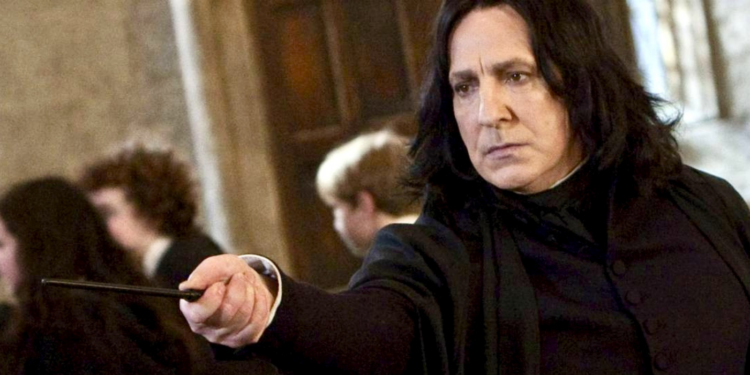
In J.K. Rowling’s novels, Severus Snape stands as one of the most complex figures in the wizarding world. The books show his cruelty, bitterness, and emotional instability in far greater detail than the films. The literary version makes him fascinating, but it also makes him harder to empathize with. The films streamlined those rougher edges and leaned harder into his emotional conflict.
Alan Rickman transformed Snape into a far more restrained and tragic figure. His quiet delivery, careful pauses, and emotional precision made every scene heavier. Rowling even revealed that Rickman knew Snape’s secret long before readers did, which shaped his performance from the start. The deeper layer of intention made the movie Severus Snape more compelling than his literary counterpart.

2. Aragorn in The Lord of the Rings
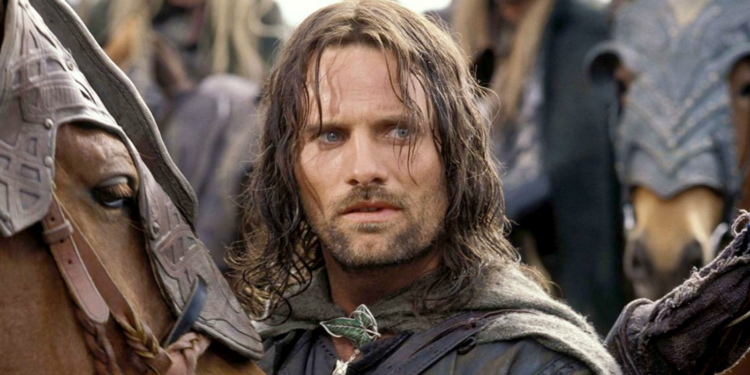
In The Lord of the Rings, Aragorn enters the story with confidence and certainty about his destiny. He knows who he is and what he must become. J.R.R. Tolkien wrote him as a classic heroic archetype. The approach aligns with the mythology of Middle-earth, but it leaves little room for internal conflict.
Viggo Mortensen changed that. The films gave Aragorn doubt, fear, and hesitation about taking the throne. His internal conflict made him more human and relatable. Audiences watched him earn his crown rather than simply claim it. The emotional journey made the screen version stronger.
3. John Hammond in Jurassic Park
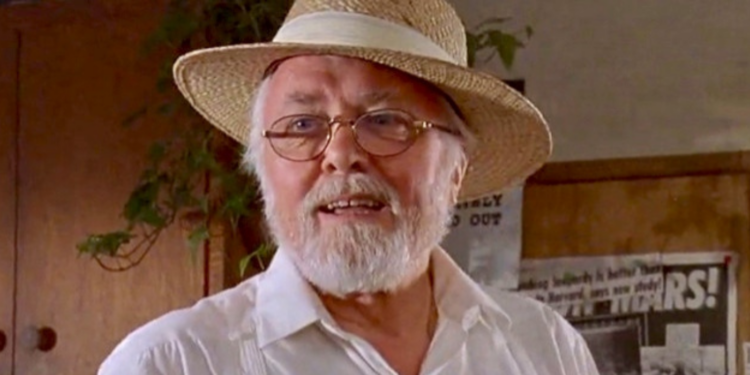
Michael Crichton wrote John Hammond as a ruthless businessman obsessed with profit. The novel paints him as selfish and careless, and his decisions reflect pure greed. Readers understand his role in the chaos, but they rarely sympathize with him. He serves the story more as a warning than a person.
Richard Attenborough gave Hammond warmth and wonder in Jurassic Park. The film reframed him as a dreamer blinded by ambition rather than greed. The shift gave the story emotional complexity, with his failures feeling tragic instead of deserved.
4. Mark Watney in The Martian

Andy Weir’s novel made Mark Watney brilliant, funny, and relentlessly practical. Much of the book lives inside scientific problem-solving and technical explanations. It works on the page because readers can sit inside his thought process. Still, the heavy science sometimes overshadows the man himself.
Matt Damon brought more personality to Mark Watney on screen. The film kept its humor but reduced the technical density. The change allowed his optimism and loneliness to shine brighter. As a result, the character became easier to connect with emotionally.
5. Miranda Priestly in The Devil Wears Prada
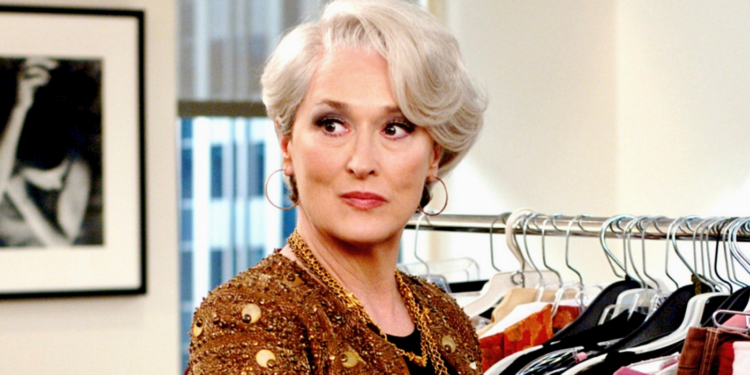
The novel version of Miranda Priestly works as a sharp satire of fashion industry power. She feels intimidating and cold, but she often lacks emotional texture. Readers understand her authority, yet the character can feel one-note. Her cruelty drives the plot more than her complexity.
Then Meryl Streep breathed life into the character and changed that entirely. Her performance added intelligence, subtle vulnerability, and discipline beneath the intimidation. She made Miranda feel real instead of symbolic. The layered portrayal turned the character into a cultural icon.
6. Forrest Gump in Forrest Gump
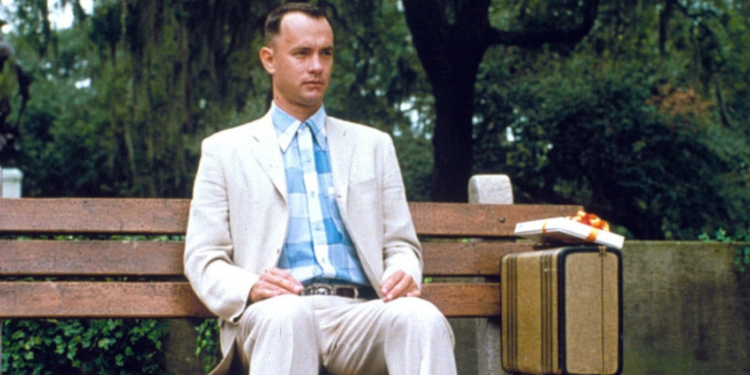
Winston Groom’s novel presents Forrest Gump as rougher, stranger, and far less emotionally inviting. The story leans heavily into absurdity and satire. While the novel version has charm, it creates distance between Forrest and the audience. He often feels like a narrative device.
Tom Hanks gave Forrest heart. The film stripped away much of the novel’s strangeness and focused on emotional sincerity. Hanks built a character audiences could love immediately. The warmth helped make the film timeless.
7. Patrick Bateman in American Psycho
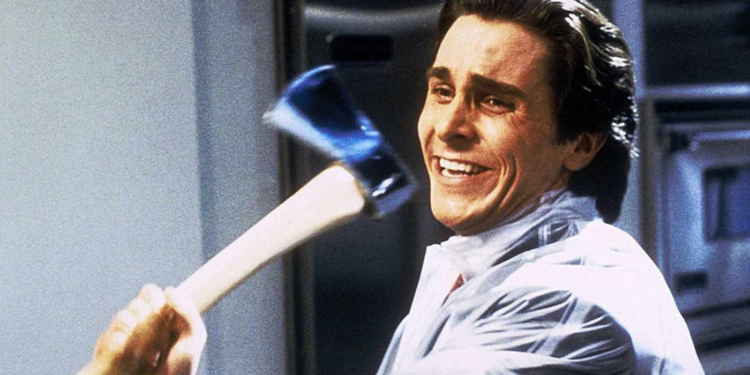
Bret Easton Ellis wrote Patrick Bateman as a disturbing mind trapped in endless repetition, violence, and consumer obsession. The book spends an enormous amount of time on his thoughts, which can feel exhausting. The style serves the satire, but it also creates emotional distance. Bateman often reads as intentionally unbearable.
Christian Bale gave Bateman sharper humor and greater theatricality. The film balanced horror with dark comedy in ways the novel only hinted at. Bale’s performance made Bateman terrifying and entertaining at once, with the balance helping to elevate the character.
8. Carol Peletier in The Walking Dead
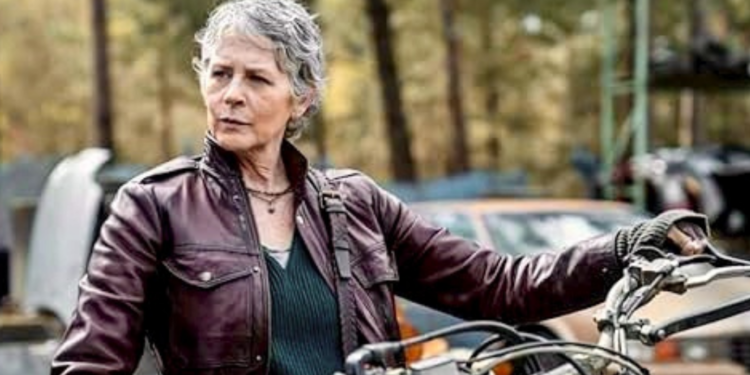
In Robert Kirkman’s comic series, Carol Peletier plays a far smaller and weaker role. Her arc ends much earlier, and the story gives her less agency. She never becomes central to the narrative’s long-term survival themes. Readers remember her, but not as a defining figure.
The television adaptation changed everything. Melissa McBride built Carol into one of the strongest and smartest survivors in the series. The writers gave her resilience, leadership, and emotional depth. The expansion made her one of the franchise’s best characters.
9. Tyrion Lannister in Game of Thrones
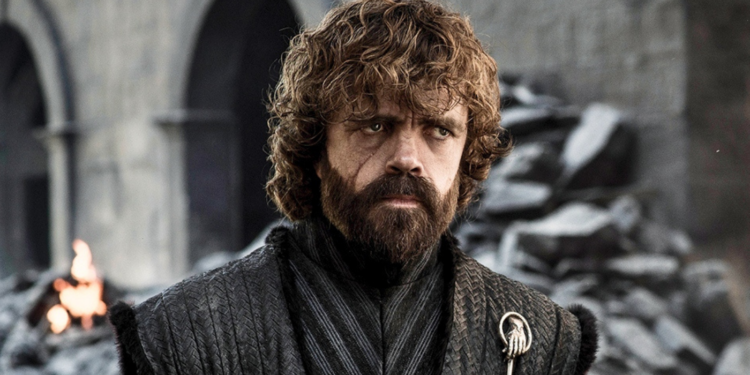
George R. R. Martin wrote Tyrion as brilliant, cynical, and deeply wounded. The novels explore his inner darkness and moral contradictions in detail. The complexity makes him rich on the page. Yet his internal bitterness can make him colder than many viewers expect.
Peter Dinklage softened that edge without losing the intelligence. His wit, timing, and emotional honesty made Tyrion instantly magnetic. The adaptation made his humanity more visible. The change broadened his appeal and deepened his impact.
10. Dexter Morgan in Dexter
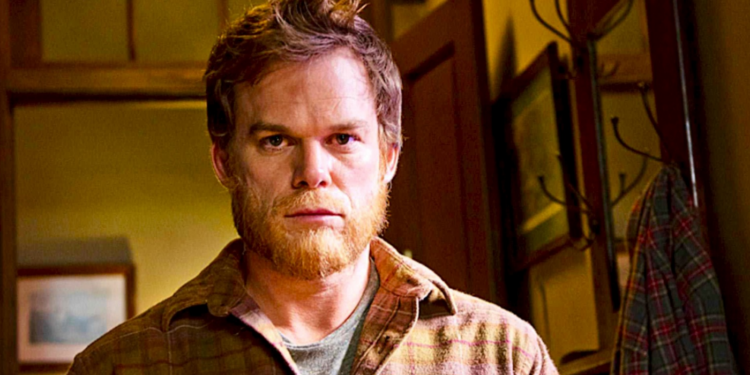
Jeff Lindsay’s Dexter novels introduce a fascinating antihero, but the books lean heavily into dark humor and exaggerated violence. Dexter often feels emotionally detached by design. The tone creates an entertaining read, but it limits emotional investment. Readers observe him more than connect with him.
Michael C. Hall changed that in the TV adaptation. He gave Dexter vulnerability, confusion, and humanity beneath the darkness. The emotional access made the character stronger and also helped sustain years of television storytelling.
 Follow Us