How many of you, Pandas, got the perfect gifts for Christmas? If you didn’t, don’t despair; you’re in good company. It’s estimated that 53% of Americans received unwanted gifts last year, and in numbers, that’s 140 million people! But this woman found herself in an interesting predicament.
The Christmas gifts from her boyfriend were wanted, but were probably obtained in a less-than-okay way. After opening them, she suspected that he had actually stolen the items that had mysteriously disappeared after her previous shopping spree. When he denied that they were the same, she didn’t know what to believe anymore. So, she decided to seek advice online.
A woman opened her Christmas presents and thought that they looked familiar
Image credits: prostock-studio (not the actual image)
It turns out that her boyfriend might have stolen the items she bought and lost, and passed them off as gifts

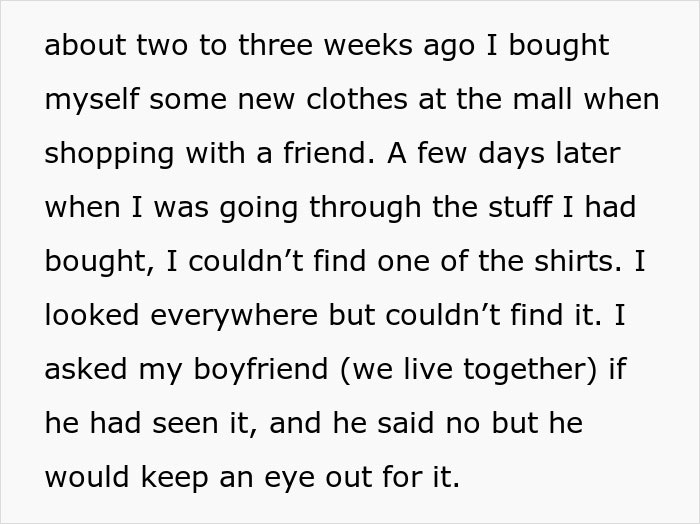

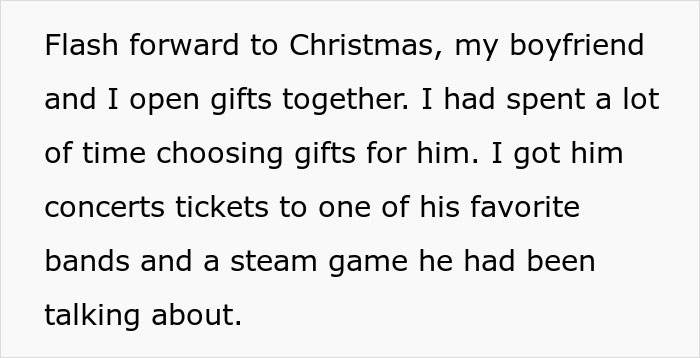
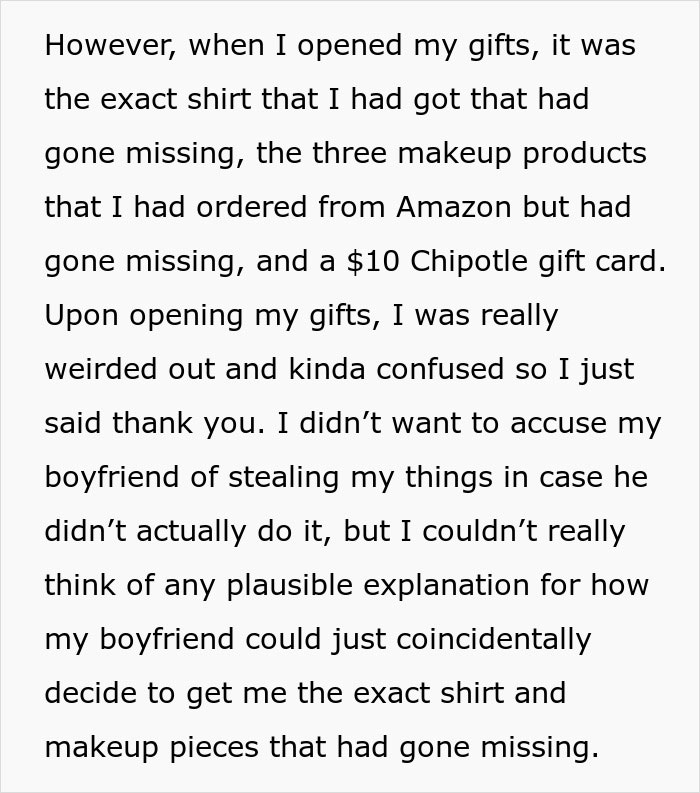

Image credits: Wicked Monday (not the actual image)
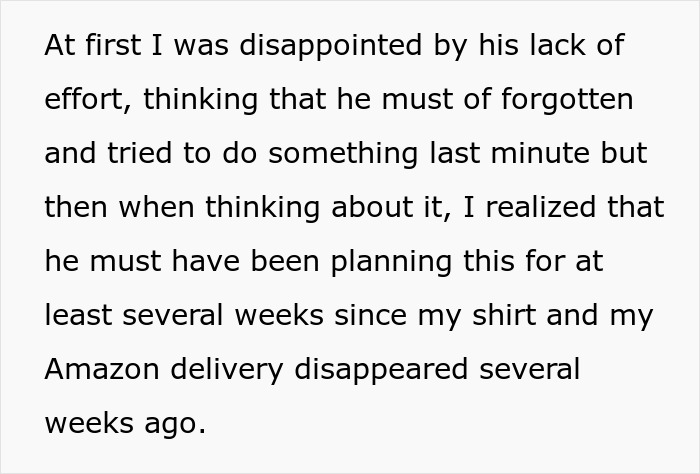
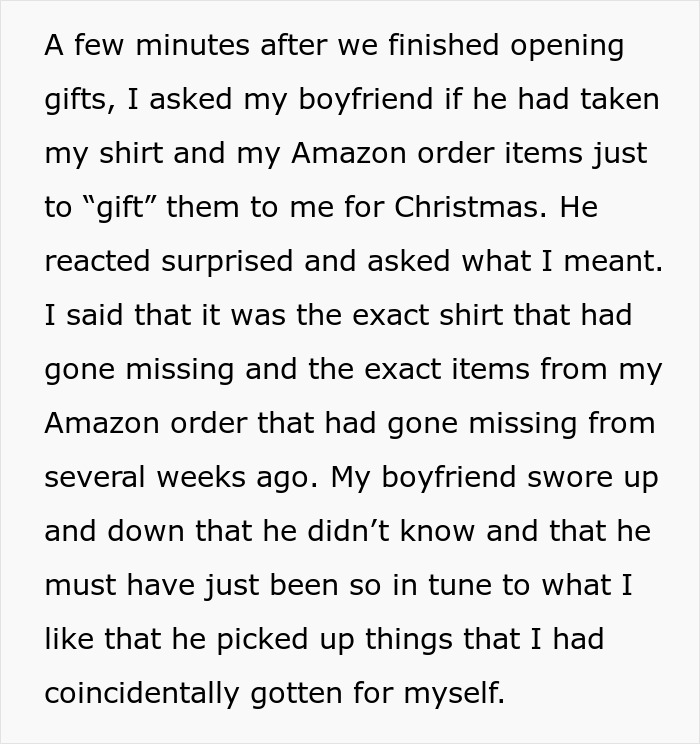

Image credits: faststocklv (not the actual image)
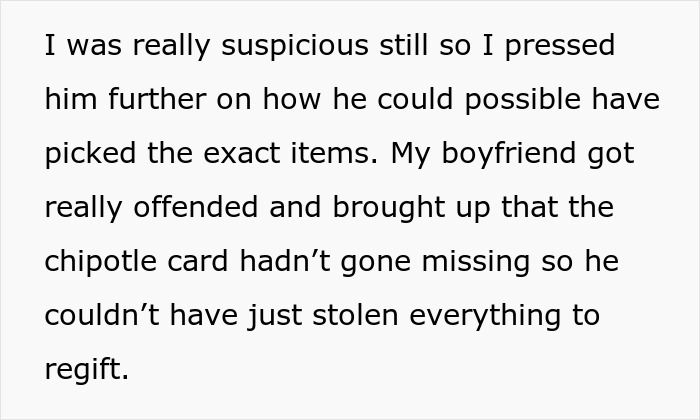
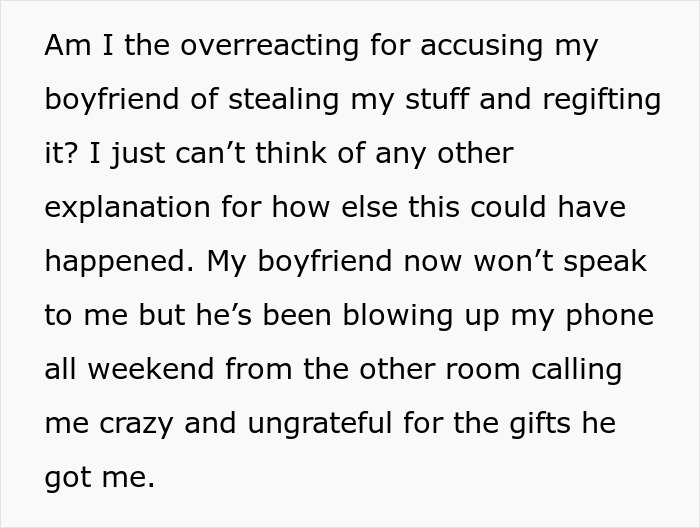
Image credits: 10dollarchipotle
Research suggests that women might be better at giving gifts, but men generally spend more money on them
While the mystery unraveling in this story is undoubtedly interesting, gift disappointment is not uncommon even when your boyfriend is stealing from you and presenting things you already own as presents he bought you for Christmas.
Men tend to have a harder time choosing gifts for their loved ones, and that’s not just a stereotype. A 2013 study found that women tend to be better at gift-giving because of interpersonal interest. The researchers found that the recipients were happier with gifts from women because they better aligned with their preferences.
Was this boyfriend so unsure of what to get his girlfriend that he decided to steal her delivery items and present them as Christmas gifts? Perhaps. That still doesn’t change the fact that he went about it in a disturbingly wrong way.
There’s also a difference in how much men and women spend on gifts. Research shows that men buy more expensive gifts than women. According to a 2022 survey, men spend an average of $787.50 on holiday gifts, while women spend around $699.06. However, there’s no evidence to suggest that either believe a more expensive gift is more valuable.

Image credits: freepik (not the actual image)
Gift givers sometimes focus too much on the big reveal and fail to consider a gift’s long-term value
Why do we put so much emphasis on ‘good gifts’ during Christmas? Is there any way to temper our expectations so that we’re not colossally disappointed? And should we even do that?
Psychologists say that it’s almost impossible for the receiver to enjoy a gift as much as the gift-giver hopes. They call it the “miscalibrated gift choice.” This has to do with the way we pick gifts. Most of the time, we give gifts that we hope will reflect well on us. As a result, we sometimes forget about the gift’s long-term value.
Authors of a 2016 study on gift-giving concluded that people focus too much on the moment when the gift will be unwrapped. “What we found was that the giver wants to ‘wow’ the recipient and give a gift that can be enjoyed immediately, in the moment,” co-author Jeff Galak explained. “The recipient is more interested in a gift that provides value over time,” he said.
He uses a vacuum cleaner as an example: it’s not a stunning item to unwrap, but it is one that the recipient will most likely use and enjoy for a long time. The key to being a better gift-giver, according to Galak, is to empathize with the recipient.
“By considering how valuable gifts might be over the course of the recipient’s ownership of them, rather than how much of a smile it might put on recipients’ faces when they are opened, we can meet these goals and provide useful, well-received gifts.”
The recipients have a role here as well. According to experts, it’s useful to somewhat refrain from expecting “the perfect gift.” That can be especially true in the context of romantic relationships.
“If you believe that your relationship is working on a daily basis, then try to begin placing less emphasis on gifts,” clinical psychologist Barbara Greenberg, Ph.D., writes. “Lower your expectations and you will be less likely to feel dejected and irritated when you receive something that is not quite right for you.”

Image credits: freepik (not the actual image)
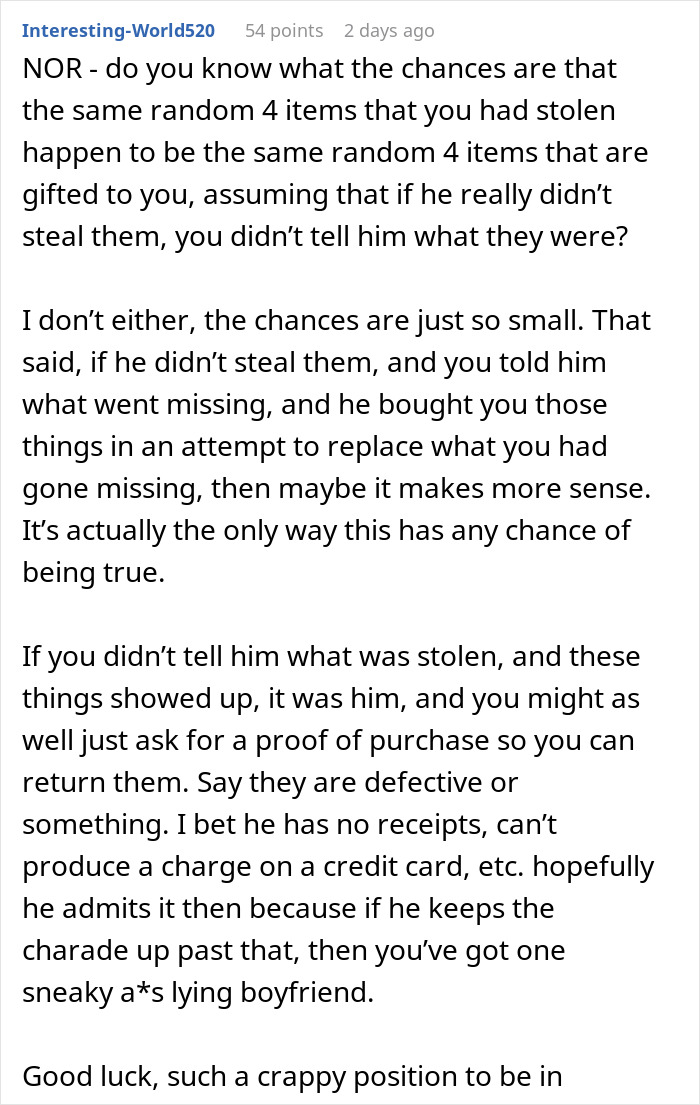
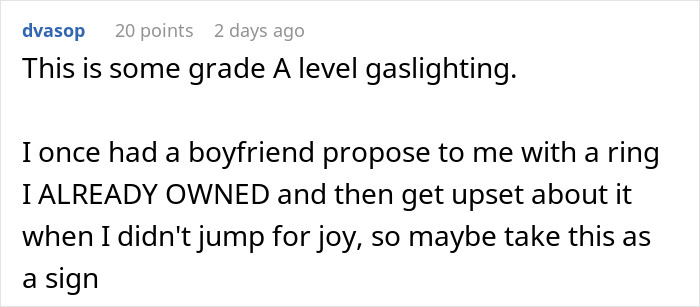
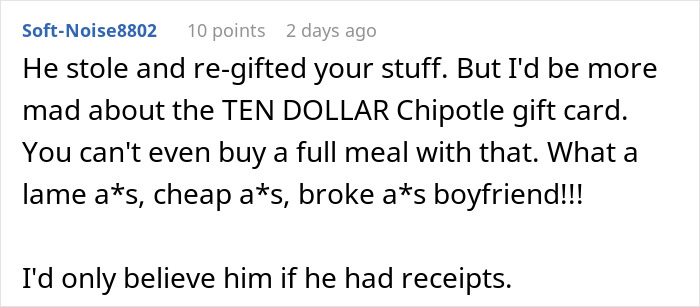
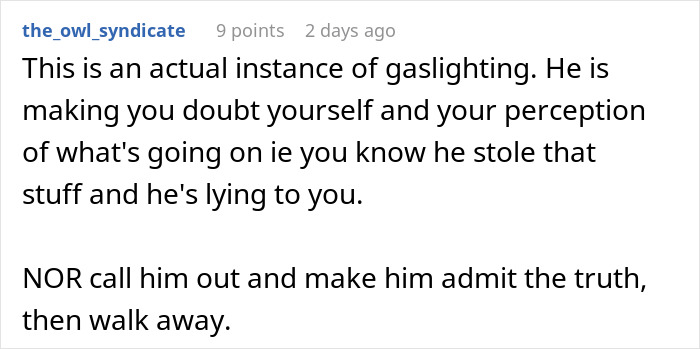
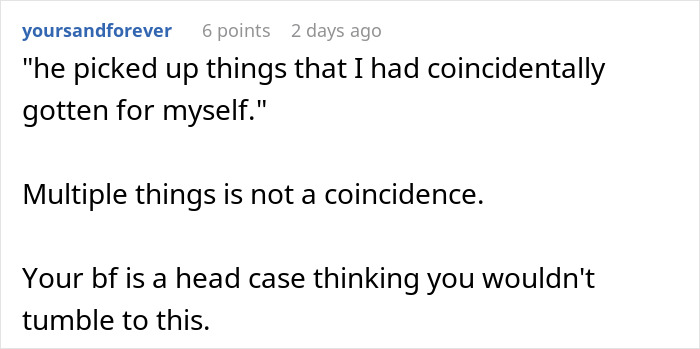
Commenters saw this as a huge red flag, urging the woman to look out for herself




























 Follow Us