When Matthew McConaughey surged back into the cultural conversation in the early 2010s, the narrative people loved was “overnight reinvention.” One minute he was Hollywood’s go-to romantic lead, the next he was starring in projects that felt like a masterclass in taste, discipline, and risk. But the “McConaissance” wasn’t luck, and it wasn’t a sudden discovery of talent that had been missing before. It was a deliberate, engineered shift built on two things most actors avoid: short-term sacrifice and long-term positioning.
What makes his comeback feel inevitable in hindsight is that it wasn’t just about picking better scripts. It was about removing himself from a profitable identity, forcing the industry to renegotiate how it saw him, and then stacking roles that rewired audience expectations one project at a time. That takes strategy. It takes timing. And it takes the emotional tolerance to walk away from easy money so you can build the version of your career that actually lasts.
He Didn’t Fall Off, He Stepped Away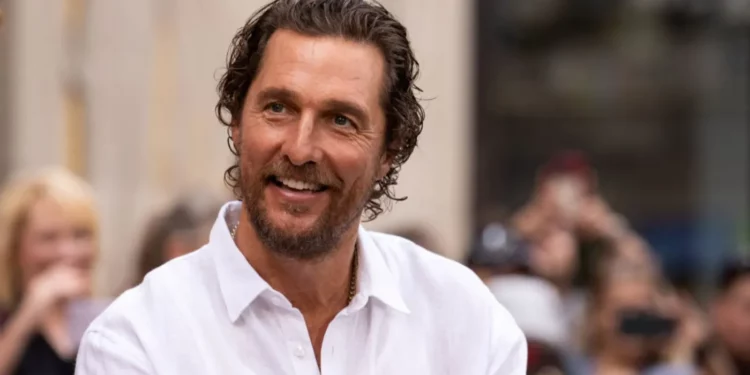
Most Hollywood “comeback” stories begin with rejection. An actor stops getting calls, the box office cools, the roles shrink, and reinvention becomes survival. McConaughey’s story is different. He was still bankable. Studios still wanted him. The lane he occupied, the charming, laid-back lead, was paying extremely well. The problem was that it was also shrinking him into a product.
Instead of negotiating for “better” versions of the same role, he made the rare choice to pause. He declined projects that would have kept him visible and wealthy in the short term because he understood a hard truth: the more you repeat a persona, the more the industry turns you into a fixed asset. That’s when your range becomes irrelevant. McConaughey chose to create scarcity. And scarcity, in entertainment, is leverage.
He Rebuilt His Brand With Roles That Changed the Temperature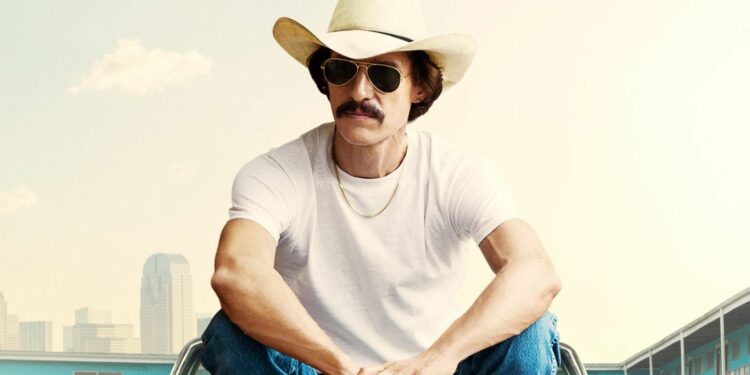
The McConaissance didn’t start with a single explosive performance. It started with a reset. Projects like Mud mattered because they weren’t flashy reinventions. They were credibility builders. The performance suggested depth, moral complexity, and restraint, all qualities that romantic-comedy branding had trained audiences to overlook.
Then came Dallas Buyers Club, which wasn’t just a role, it was a career-level statement. The transformation wasn’t only physical. McConaughey leaned into discomfort, risk, and contradiction. He wasn’t trying to be adored. He was trying to be believed. That distinction is everything. When a performance signals that an actor is prioritizing truth over approval, the industry begins to treat them differently, and so does the audience.
He didn’t “get serious.” He made seriousness profitable by proving he could carry it.
He Used Momentum Like a Chess Player, Not a Lottery Winner
Many actors get a breakout prestige moment and then panic. They rush to capitalize, say yes too often, overexpose themselves, and dilute the very thing that made the comeback feel special. McConaughey did the opposite. He built momentum by choosing roles that complemented each other, not competed with each other.
Instead of repeating the same dramatic intensity, he used variety to widen the frame. He could be magnetic, unsettling, funny, or quietly haunted, but the throughline was always intentionality. The projects weren’t random. They were brand architecture. Each role was a brick that reinforced the new perception: McConaughey wasn’t a rom-com guy trying drama. He was a serious actor who had previously been underused.
He Understood the Prestige-TV Shift Before It Was Obvious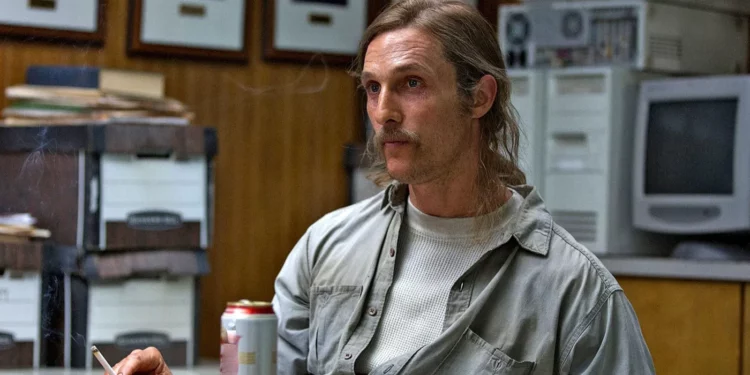
One of the smartest moves in the McConaissance was stepping into television when the stigma was still real. In that era, movie stars didn’t commonly anchor prestige series unless their film opportunities were fading. But McConaughey recognized something most people missed: television was becoming the new arena for the deepest performances.
His work in True Detective wasn’t just acclaimed, it was culturally dominant. The role gave him what film rarely offers: time. Eight episodes allowed him to build psychological atmosphere, tension, and existential weight without compressing everything into two hours. The performance felt like a slow-burn hypnosis, and it reshaped what audiences expected from him.
That wasn’t trend-chasing. That was timing. He got in early enough that it looked bold, not desperate. And bold moves create reputation value that lasts longer than any single paycheck.
He Built a Career on “No” Before He Cashed In on “Yes”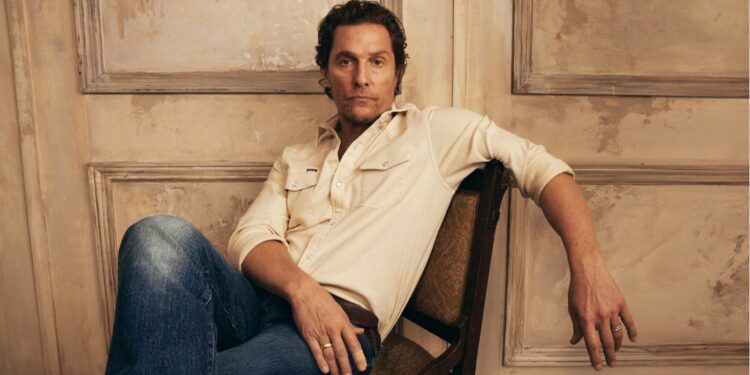
A lot of people misunderstand how reinvention works. They think it’s about the roles you take. It’s just as much about the roles you refuse. McConaughey’s discipline created a clean separation between two eras of his career. Without that separation, the McConaissance wouldn’t feel real. It would feel like a phase.
By saying no repeatedly, he trained Hollywood to stop offering him the easy lane. That’s the part most actors can’t handle. They fear being forgotten. McConaughey bet on the opposite: that absence would increase interest, and that a carefully chosen return would feel meaningful. That bet worked because he backed it with performances strong enough to justify the narrative shift.
He Turned Persona Into an Asset, Not a Trap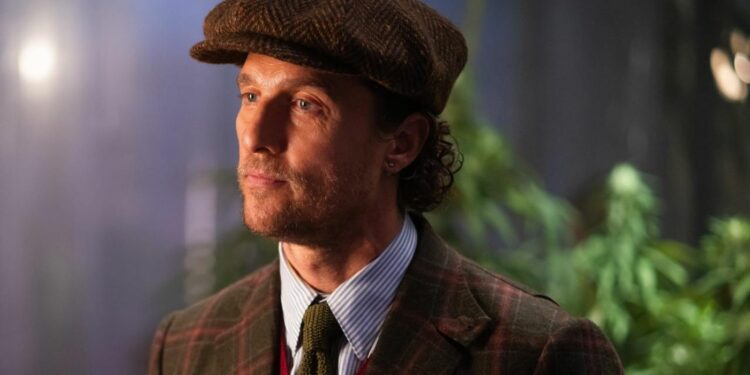
Another reason the McConaissance wasn’t accidental is that he didn’t pretend his old persona never existed. He didn’t apologize for the rom-com era. He didn’t act like it was beneath him. Instead, he reframed it as a chapter. That matters because audiences can smell insecurity. If you reject your past too aggressively, it reads like a PR maneuver. McConaughey’s reinvention felt authentic because it was additive, not defensive.
He kept his charisma, but he gave it sharper edges. He kept his ease, but he paired it with intensity. He didn’t erase the brand, he upgraded it. That’s why the McConaissance has endured. It wasn’t a costume change. It was a calibration of how his natural strengths could play in higher-stakes material.
He Expanded Into Control, Not Just Performance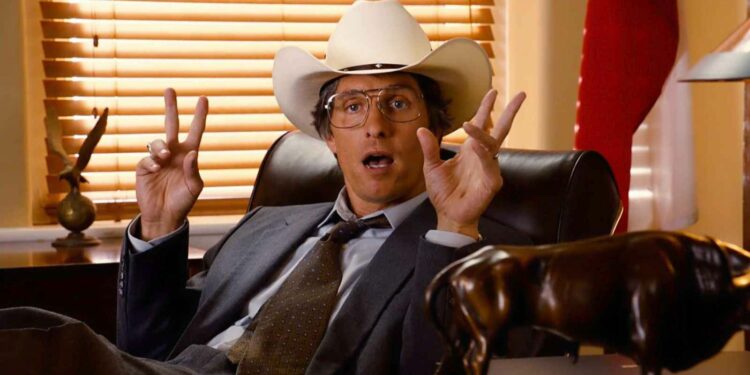
The most durable comebacks aren’t built on acting alone. They’re built on control. McConaughey didn’t just become a better “pick.” He became harder to pigeonhole. He moved into producing conversations, brand partnerships, and eventually authorship. That matters because when you own your narrative, you protect yourself from Hollywood’s mood swings.
Even outside of acting, his public presence became more intentional. Interviews, speeches, and personal storytelling reinforced a coherent identity. Not a manufactured one, a consistent one. Over time, that consistency becomes its own form of capital. People trust you. Studios trust you. Audiences trust you. And trust is the rarest currency in entertainment.
Why the McConaissance Still Feels Sustainable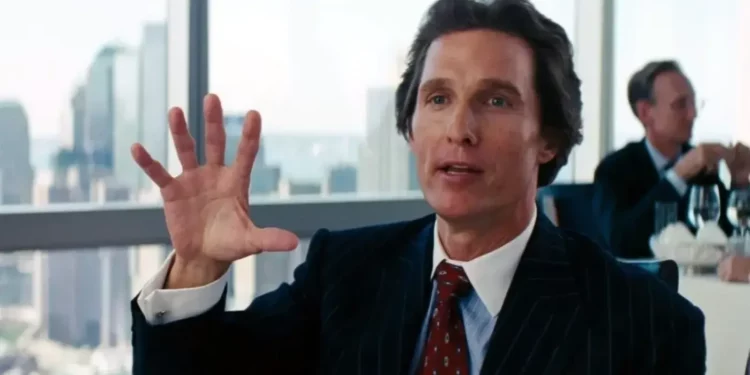
The final proof that the McConaissance wasn’t an accident is how well it has aged. The performances still hold up. The choices still look sharp. And the arc still feels like the product of design, not chaos. He didn’t reinvent himself by chasing awards. He reinvented himself by refusing to be predictable.
That’s the real lesson. Comebacks don’t last when they’re powered by hype. They last when they’re powered by structure. McConaughey built structure through selective absence, strategic role-stacking, early adoption of prestige TV, and a willingness to prioritize reputation over immediate payout.
So when people say the McConaissance was a lucky run, they miss what actually happened. He changed the terms of how Hollywood could use him, then proved his value inside those new terms. That’s not an accident. That’s a blueprint.
 Follow Us