While most filmmakers spend months fine-tuning every shot, Victoria (2015) crew raced against time in a way that borders on the impossible. Yet, the result is a story that unfolds with the urgency of life, giving audiences an experience that feels uncomfortably close. The German crime thriller is the kind of movie that forces audiences to rethink what makes a powerful thriller.
While most crime thrillers rely on long shooting schedules, detailed setups, and layers of post-production, this film aimed for something entirely different and succeeded. The film’s production window didn’t limit the ambition behind the camera nor leave room for hesitation. Actors performed with the kind of focus usually reserved for stage work, with the crew improvising their path as events unfolded. The result was a film that not only felt alive in many ways but was a critical and commercial success.
What is Victoria (2015) About?
Victoria follows its titular character, a young Spanish woman who lives in Berlin. Victoria crosses paths with a group of four local men during a late-night outing. What begins as a friendly encounter quickly shifts into something more unpredictable as she chooses to spend the rest of the night with them. The film presents their journey in real time, letting each moment unfold without pauses or cuts. The story grows more intense as Victoria becomes increasingly involved in the group’s rapidly escalating circumstances. She’s drawn into events that test her trust, courage, and loyalty to the group.
The Bold Decision to Film in One Continuous Take
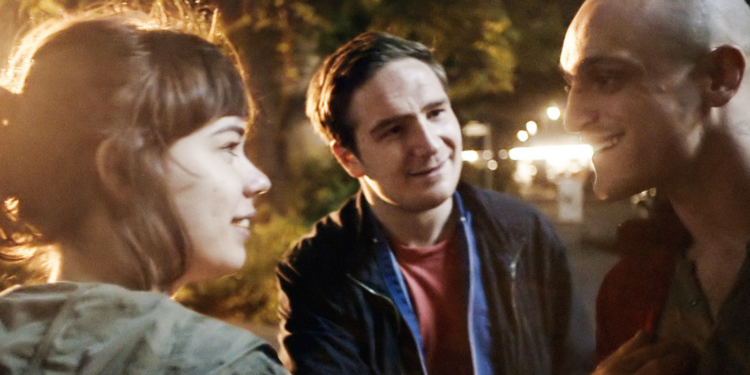
Actor and director Sebastian Schipper entered the project with a risky but bold idea. He wanted the entire film to unfold in one continuous shot. While many filmmakers have attempted similar feats, Victoria is one of the few who have truly committed to the challenge. Instead of stitching scenes together through clever editing, Schipper aimed for pure momentum.
This decision shaped every part of the production. Actors had to stay fully present throughout the entire shoot. Camera operators moved through streets, clubs, rooftops, and vehicles without stopping once. Although a one-shot production, the team rehearsed the entire movie several times. However, production had its setbacks along the way. Although the final film was done in one shot, it had to be done three times.
Victoria Took 150 Minutes to Film
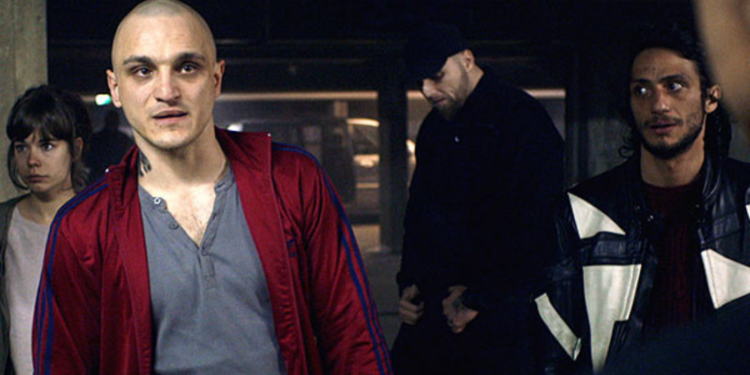
Although the movie has a runtime of 138 minutes, it took the production 150 uninterrupted minutes to complete filming. To put things in perspective, Martin Scorsese’s Oscar-winning crime thriller The Departed (2006) ran 151 minutes. It took about four months to film. Understandably, The Departed was a studio film and had a $90 million production budget. If anything, it showcases the length of time it takes to make a standard feature-length film.
Victoria was shot in Berlin, within the Kreuzberg and Mitte neighborhoods. Its iconic single-shot take was done by Norwegian cinematographer Sturla Brandth Grøvlen. Although most of the film’s dialogue was improvised and ad-libbed, the film originally consisted of a 12-page script. Unsurprisingly, Victoria had a moderate budget. Since the film’s financiers were not too keen on Sebastian Schipper’s planned one-shot take, Schipper actually made a cut version, which took about 10 days.
Besides making this cut version as a backup to please Victoria’s financiers, Schipper reportedly wasn’t impressed with the cut version. This propelled him to push his idea for a single continuous shot. However, the film’s budget only allowed Schipper’s one-shot take to be attempted three times. Interestingly, the first two attempts didn’t work. However, the cast and crew pulled it off in their final attempt. The cast had to memorize long sequences, emotional shifts, and physical movements without any opportunity to reset. Victoria was reportedly filmed from 4:30 to 7:00 A.M.
Why the Real-Time Approach Made Victoria an All-round Success
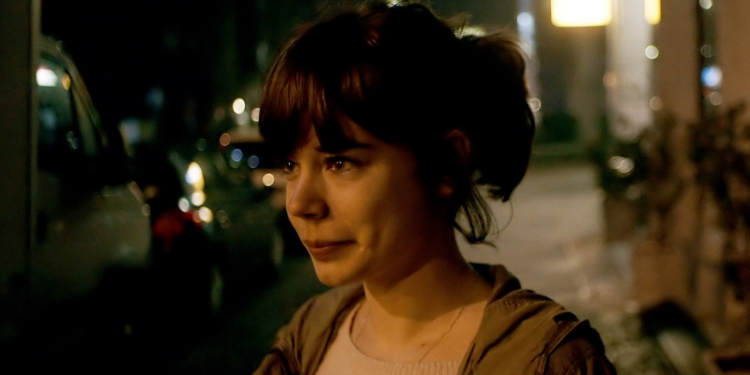
Victoria’s single continuous take gives the film a feeling few crime thrillers achieve. With no time jumps, flashbacks, or removed perspectives, audiences move with the characters from the first scene to the last. This format made the film’s tension more personal and immediate. Audiences can feel every risk and mistake as they happen. For viewers in the know about its one-shot take, Victoria’s lack of cuts removes the comfort of cinematic distance. The film’s immediacy transforms the story into an experience that unfolds like a memory rather than a movie.
 Follow Us