Anne Hathaway has spent the last two decades proving that she is far more than the “ingenue turned movie star” narrative Hollywood first handed her. From grounded indie dramas to surreal genre experiments, she consistently chooses roles that stretch her range rather than protect her image. In an era where many performers are tightly typecast, Hathaway glides between prestige drama, offbeat comedy, romantic storytelling, and near-surreal character work, often in the same year. That range puts her in the same conversation as actors discussed in pieces about transformative work, like Daniel Day-Lewis, even if she isn’t always framed that way.
What makes Hathaway’s filmography so compelling is how much of her best work flies slightly under the radar. Awards-season narratives tend to focus on a handful of loudly campaigned performances, yet her most interesting turns frequently happen in smaller projects, where character detail matters more than box office. These roles show an actor who understands that versatility isn’t just about switching genres, but about recalibrating rhythm, energy, and emotional temperature. The same performer who can anchor a large-scale musical can also disappear into a quiet, naturalistic drama without breaking the audience’s trust.
‘Rachel Getting Married’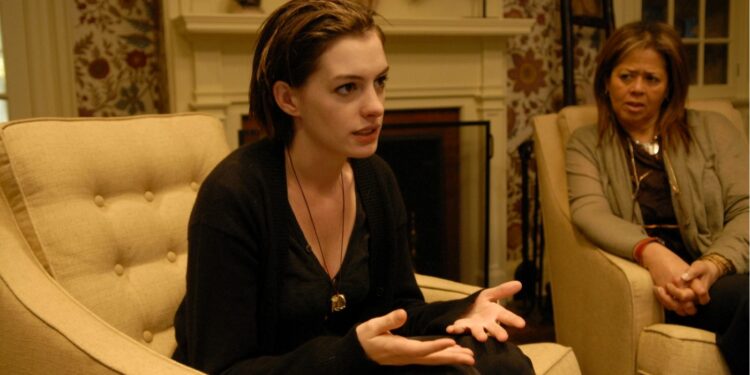
Her performance in Rachel Getting Married remains one of the purest demonstrations of her dramatic ability. Later references to the film appear as Rachel Getting Married. Hathaway plays a recovering addict returning home for her sister’s wedding, and she leans into the character’s jagged edges rather than smoothing them out. The handheld, almost documentary-style shooting forces every flicker of guilt, resentment, and longing to register on her face. It is the kind of live-wire work often associated with actors in challenging prestige dramas and sits comfortably alongside the great performances that often appear in lists of the most daring movies of the 21st century, like those highlighted in major critical rundowns.
‘Colossal’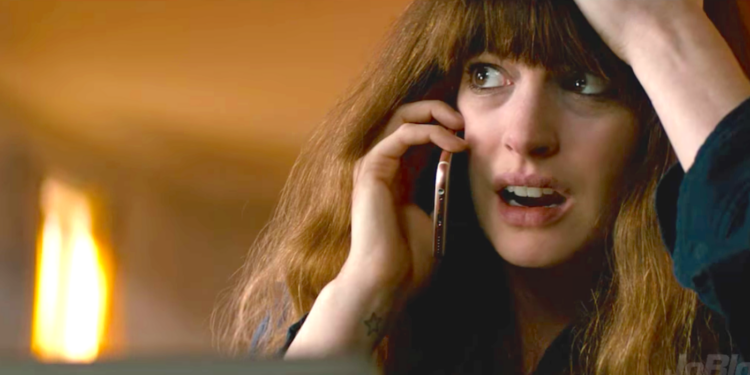
In Colossal, referenced subsequently as Colossal, Hathaway proves she can carry a high-concept genre piece without losing emotional credibility. The film’s premise links her character’s self-destructive choices to a literal monster terrorizing a city, but the performance never becomes a gimmick. She plays addiction, shame, and responsibility with a grounded intensity that keeps the story from drifting into parody. As the tone shifts from quirky to unsettling, she subtly modulates posture, speech, and energy, guiding the viewer through a metaphor that could easily have spun out of control in less capable hands.
‘The Intern’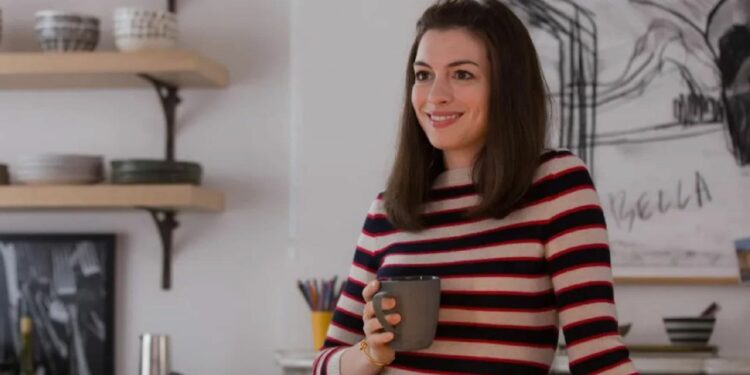
Although marketed as a light workplace comedy, The Intern — later The Intern — quietly showcases Hathaway’s ability to make modern professional anxiety feel specific rather than generic. Her start-up founder isn’t simply “stressed and successful”; she’s a leader terrified of failing the team that depends on her. Hathaway plays exhaustion, perfectionism, and vulnerability without sacrificing the character’s competence. Her scenes opposite Robert De Niro become a masterclass in underplayed chemistry, where mentorship is built through small gestures and shared silences rather than big speeches. It’s a reminder that some of the most relevant contemporary performances aren’t always in obvious awards vehicles.
‘Song One’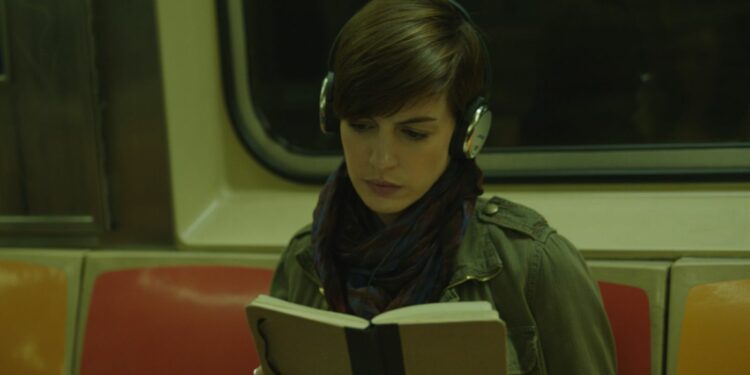
In Song One, later mentioned as Song One, Hathaway transitions into a quieter register, exploring grief and reconnection through music. Here, she dials down the expressiveness that powers her bigger studio roles and instead relies on stillness and hesitation. Her character’s guilt and emotional distance are reflected in how she occupies space, often hovering at the edge of conversations or watching rather than speaking. This willingness to pursue smaller, introspective projects mirrors the kind of career decisions often celebrated in discussions of actors who favor artistry over salary, such as those spotlighted in pieces about major high-paying roles and the trade-offs they imply.
‘Love & Other Drugs’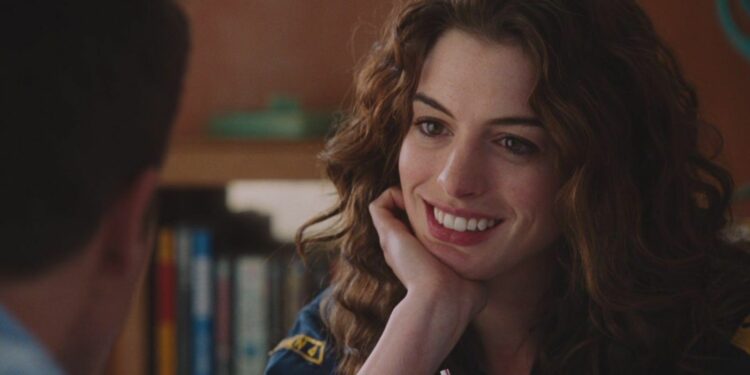
Romantic dramas are often dismissed as lightweight, but Love & Other Drugs — later Love & Other Drugs — gives Hathaway the space to explore chronic illness, sexuality, and emotional self-protection in a way that feels unusually honest for the genre. Opposite Jake Gyllenhaal, she balances sharp wit with the fear of dependence, making the relationship feel as fragile as it is passionate. Rather than using illness as a plot device, she inhabits it as a constant factor in the character’s decisions. The performance anticipates the current wave of more grounded romantic storytelling, where vulnerability and autonomy coexist instead of canceling each other out.
‘Dark Waters’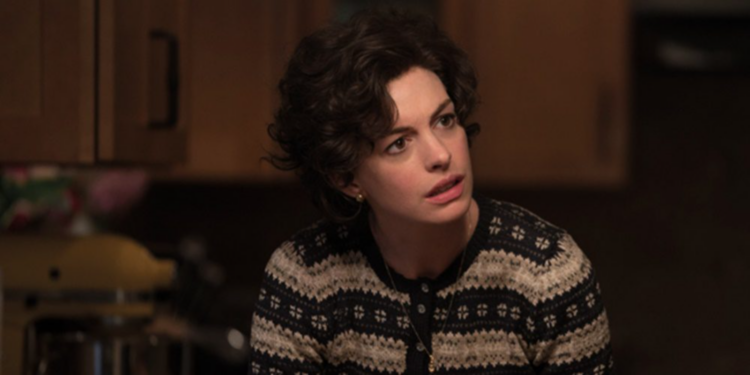
In Dark Waters, later referenced as Dark Waters, Hathaway steps into a supporting role opposite Mark Ruffalo and uses limited screen time to deepen the film’s moral stakes. She portrays a spouse who must watch her partner become consumed by a corporate corruption case, and her frustration never collapses into cliché. Instead, she anchors the emotional cost of activism, emphasizing what it means for an entire family when one person decides to confront a system. Her work echoes the strong ensemble contributions that often define powerful dramas, similar to the layered performances discussed in examinations of awards-caliber careers like Denzel Washington’s nominated roles.
 Follow Us