There’s a saying that laughter is the best medicine, and I agree, especially if it’s laughter from a good joke. However, there are jokes that send people into full panic mode, and that’s when you realize there’s a fine line between harmless teasing and the kind of prank that makes people rethink every future invitation to hang out.
That’s exactly what happened in this story. Today’s Original Poster (OP) had to endure a prank that preyed on their biggest emotional trigger for years. One day, though, they finally decided to return the favor.
More info: Reddit
Some people love being the ones who laugh at the mess they created, but the mood can change quickly when they become the target of the same kind of humor

Image credits: lookstudio / Magnific (not the actual photo)

The author’s cousin repeatedly pranked them by pretending their toxic uncle was coming to pick them up, causing severe anxiety and distress
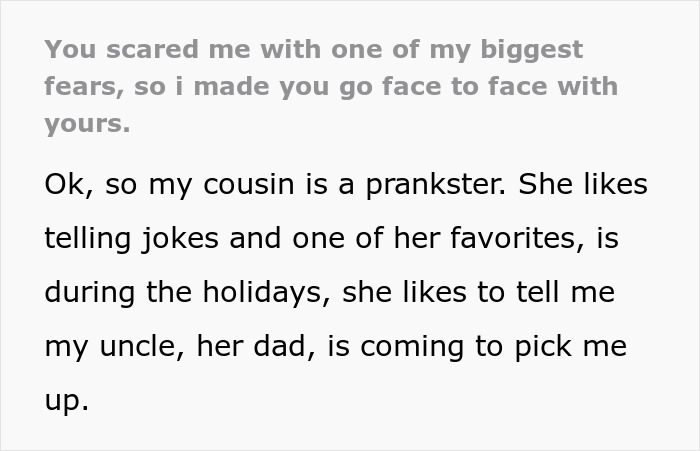
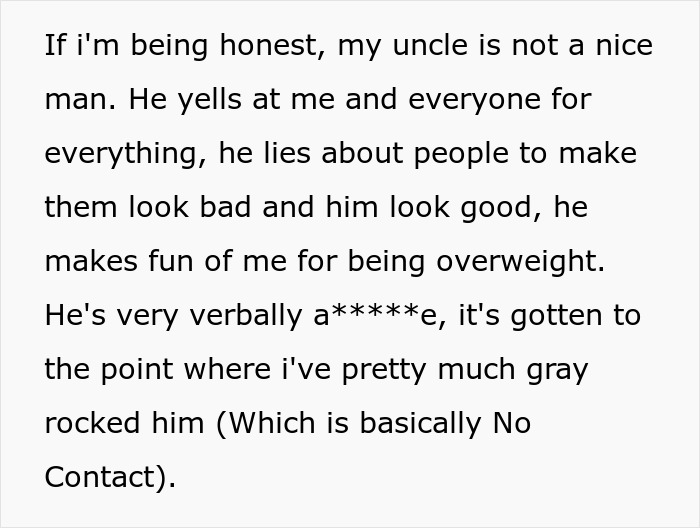

Image credits: MART PRODUCTION / Magnific (not the actual photo)
After one prank triggered a panic attack, they decided to teach the cousin a lesson by using her fear of clowns against her
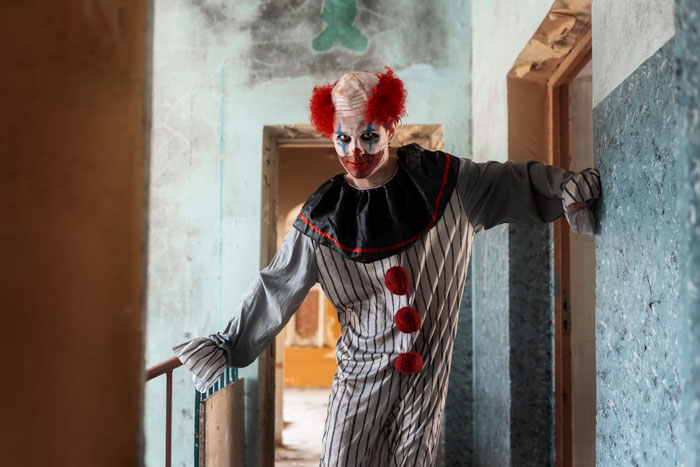
Image credits: freepik / Magnific (not the actual photo)
They set up an elaborate clown prank during a fake birthday dinner trip, leaving the cousin terrified when the costumed friend appeared
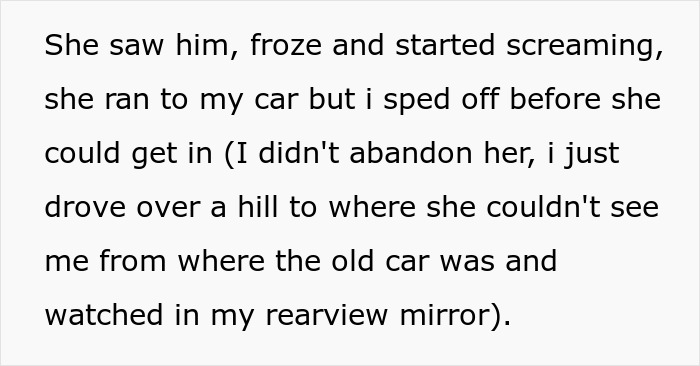
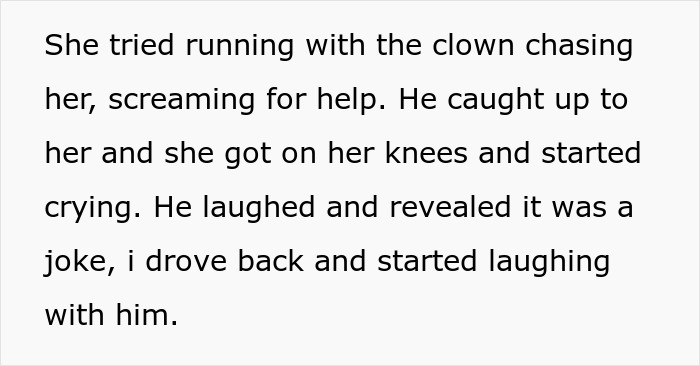
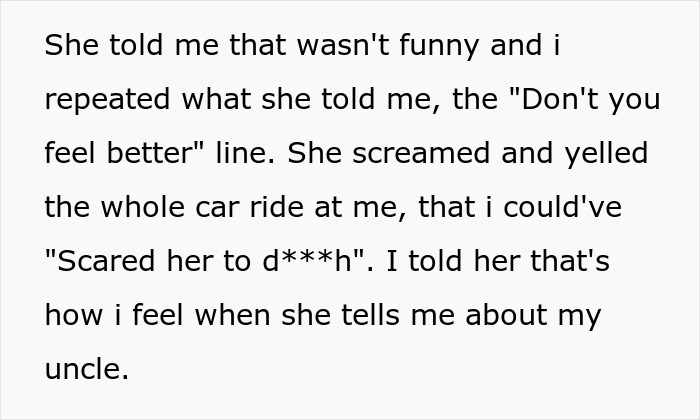
Image credits: ConsciousAudience1
The cousin became angry over the revenge prank, leading to a debate about boundaries, empathy, and when jokes go too far
The OP explained that their cousin had a long-running tradition of pretending their uncle was coming to pick them up for family gatherings. While it might have sounded harmless on the surface, they described the uncle as someone who regularly yelled, insulted others, and mocked them about their weight. Because of those experiences, they had largely cut contact with him.
One day, the cousin claimed the uncle planned to pick them up for their birthday. Believing the story, the OP broke down crying, paced around the house, and struggled to breathe before discovering it was all a joke. Rather than apologizing, the cousin laughed and dismissed the reaction by asking whether they felt better now that they knew it wasn’t true.
Unable to forget what had happened, the OP started thinking about a way to return the prank. Remembering their cousin had an intense fear of clowns, they enlisted the help of a tall friend willing to dress in a frightening clown costume. To lure their cousin out, they offered what sounded like an innocent birthday dinner using a free restaurant coupon.
The drive led them to an isolated road where an abandoned-looking vehicle had been staged near an old barn. After stopping to investigate, the cousin stepped out of the car while the OP quietly slipped away. Moments later, the costumed friend burst from the barn and sprinted toward them. The OP’s cousin screamed, tried to flee, and eventually dropped to her knees crying after being unable to escape the pursuing clown.
Only then did the friend reveal it had all been staged. The OP returned, laughing alongside the friend before asking the cousin if she also felt better now that it wasn’t true, but the cousin became furious. She argued that the prank could have terrified her to the point of causing serious harm, while the OP insisted that her own prank involving the uncle had created the same level of fear and panic.

Image credits: MART PRODUCTION / Pexels (not the actual photo)
The gray rock method is a communication strategy sometimes used by people dealing with manipulative or toxic individuals. According to Healthline, it involves keeping interactions neutral, brief, and emotionally detached to avoid giving the other person opportunities to create conflict.
That context also helps explain why the prank triggered such an intense reaction. Better Health notes that intense fear can activate the body’s natural fight-or-flight response, leading to symptoms such as rapid breathing, a racing heartbeat, shaking, dizziness, and a feeling of losing control. Therefore, the OP hadn’t been “too sensitive”, but could have genuinely been stressed by the perceived threat.
Interestingly, the revenge prank also reveals why some people who enjoy pranking others may react strongly when the situation is reversed. According to Psychology Today, pranksters can sometimes struggle when they become the target because they are no longer the person controlling the situation. Instead, they experience the same surprise, vulnerability, or fear that they usually create for others.
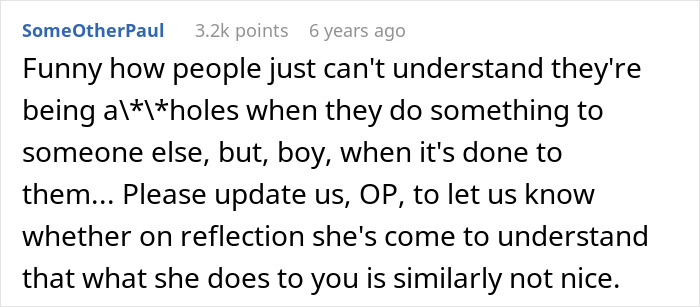
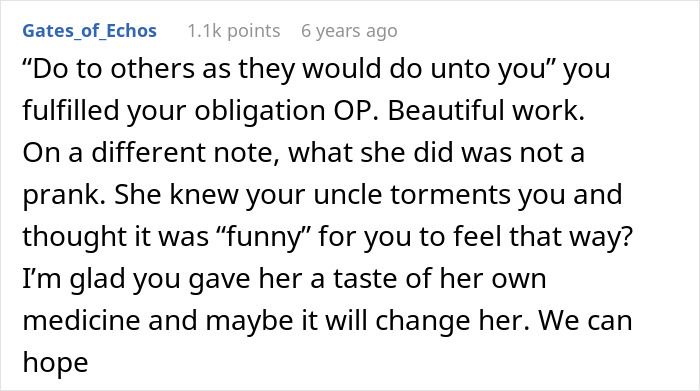
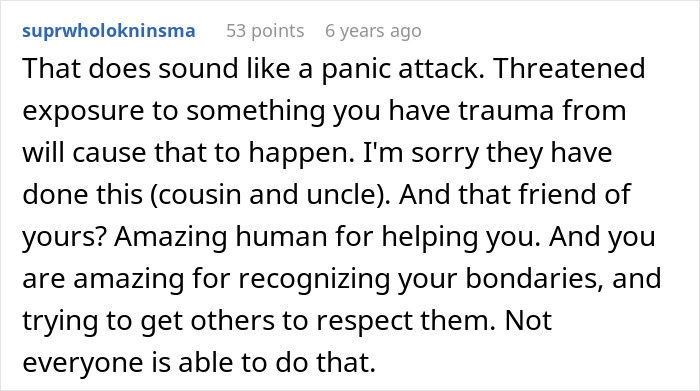
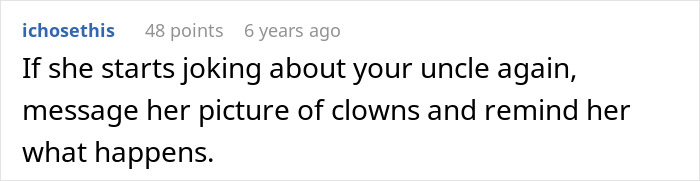
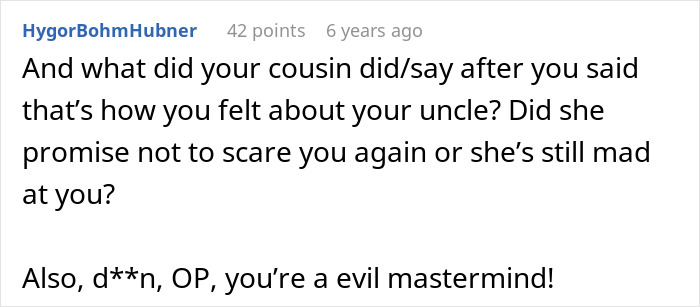
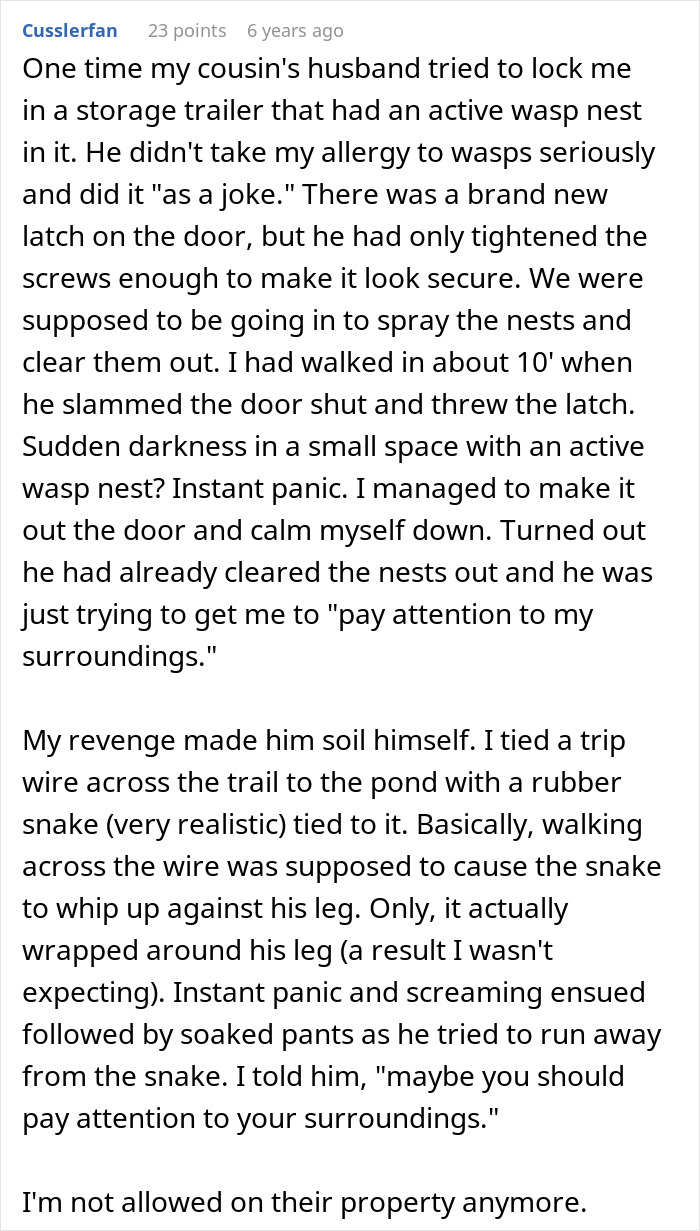
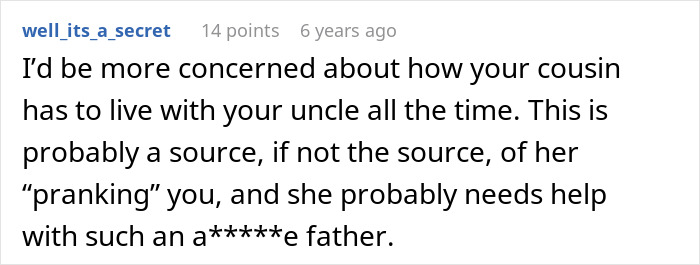
Netizens sided with the OP, arguing that the cousin failed to recognize how harmful her repeated “joke” was because she never had to experience the fear herself. They believed the revenge prank helped show her the emotional impact of her actions. What do you think about this situation? At what point does a prank stop being funny and become hurtful? We would love to know your thoughts!
Netizens applauded the author for standing up for their self, arguing that the cousin deserved to have had that done to her








 Follow Us