Quentin Tarantino and Rosanna Arquette have divided opinions after publicly feuding over the use of the N-word in his films.
The disagreement between the artists began when Arquette discussed her role in the film Pulp Fiction, which was written and directed by Tarantino, and questioned the filmmaker’s “hall pass” to use the racial slur.
“It’s iconic, a great film on a lot of levels,” the actress told The Sunday Times. “But personally, I am over the use of the N-word — I hate it. I cannot stand that he [Tarantino] has been given a hall pass.
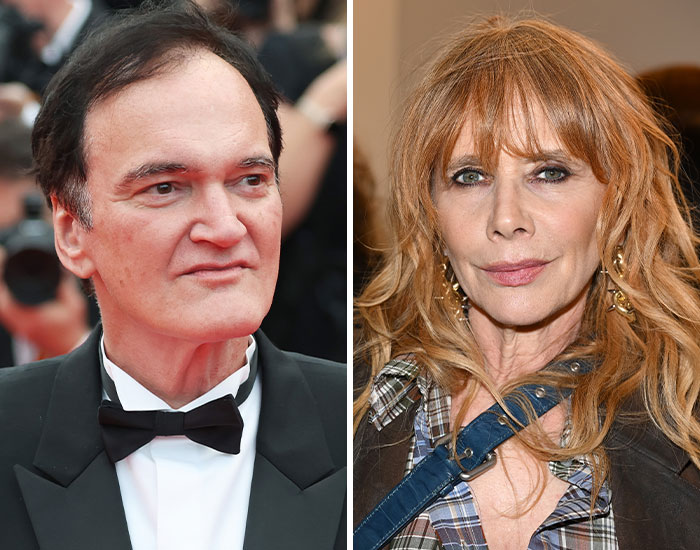
Image credits: Tristan Fewings/Getty Images / Dominique Charriau/WireImage
“It’s not art, it’s just racist and creepy,” she stated.
In the 1994 black comedy, Arquette played Jody, the wife of Eric Stoltz’s character Lance, and appeared in scenes with John Travolta’s Vincent Vega.
Tarantino responded to the actress with a statement on Monday (March 9), blasting her for showing “a decided lack of class” in her criticism of the movie.
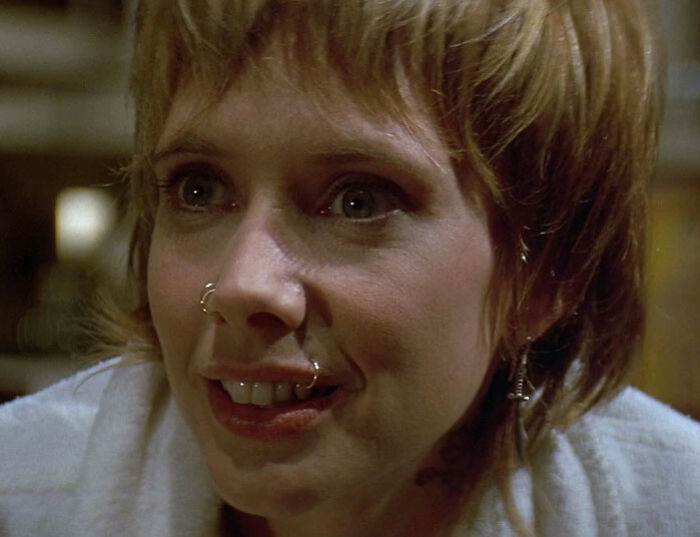
Image credits: Miramax
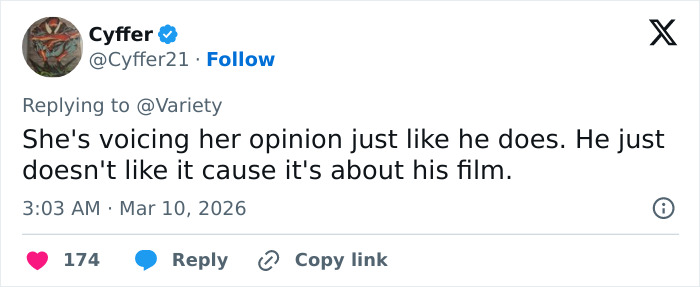
Image credits: Cyffer21
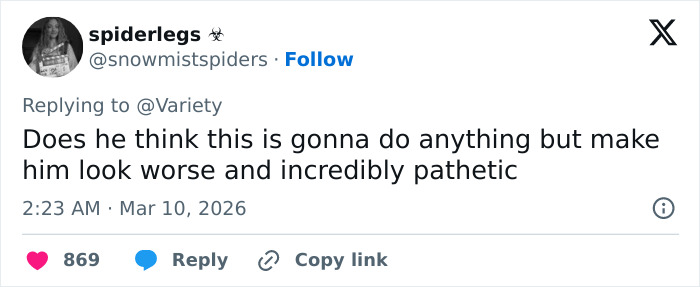
Image credits: snowmistspiders
“I hope the publicity you’re getting from 132 different media outlets writing your name and printing your picture was worth disrespecting me and a film I remember quite clearly you were thrilled to be a part of?” the 62-year-old director wrote.
“Do you feel this way now? Very possibly,” he continued. “But after I gave you a job, and you took the money, to trash it for what I suspect are very cynical reasons, shows a decided lack of class, no less honor.”
The N-word is uttered in Pulp Fiction about 20 times, while Django Unchained, another Tarantino film, features the slur 110 times, according to Variety.
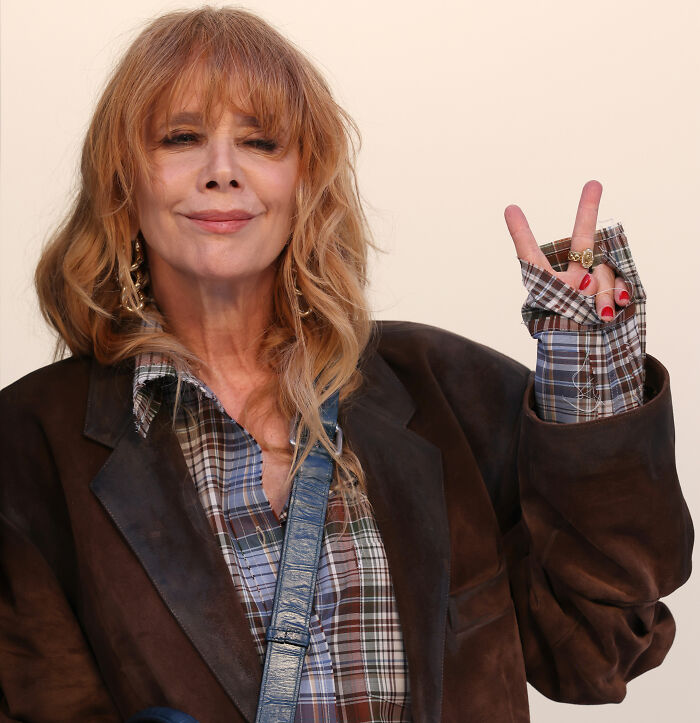
Image credits: Pierre Suu/Getty Images
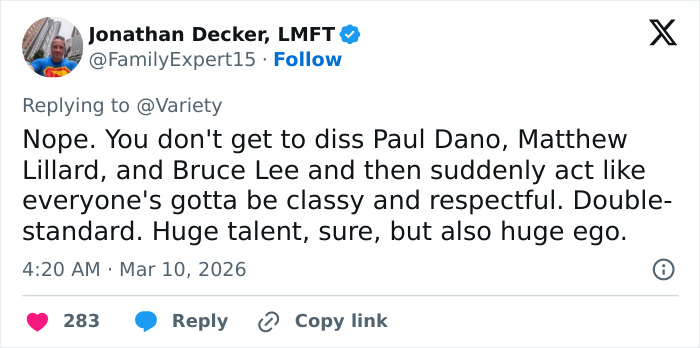
Image credits: FamilyExpert15
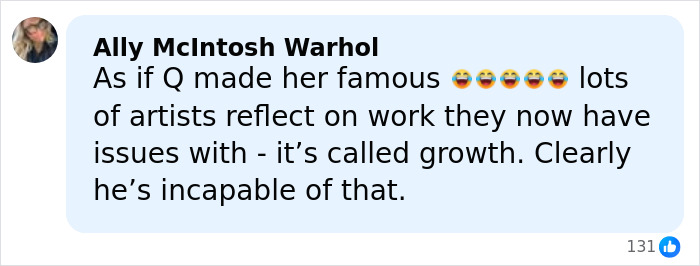
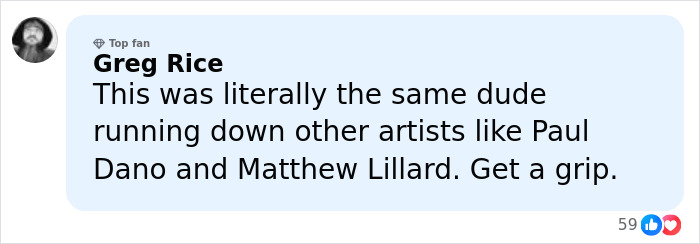
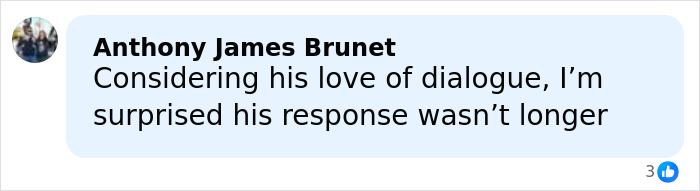
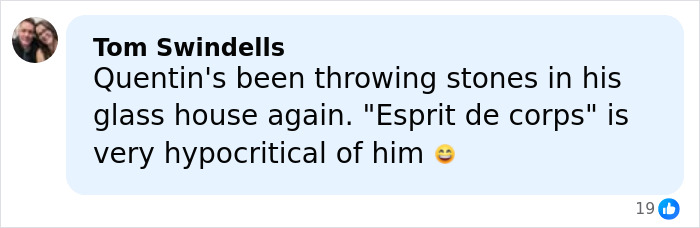
Arquette and Tarantino’s exchange sparked a broader debate about the line between depicting something in art and endorsing it, and about how far discriminatory language such as the N-word can be justified in the name of artistic expression.
“It can be shocking, even numbing, but no less great. Some of the most worthwhile art grabs you by the collar, leans back, and clocks you,” wrote one Tarantino supporter.
“Quentin Tarantino has some of the best characters in cinema history,” said someone else.
“I’m with Tarantino on this. Rosanna read the script in 1993; she didn’t think it was racial and creepy back then,” said an additional fan.
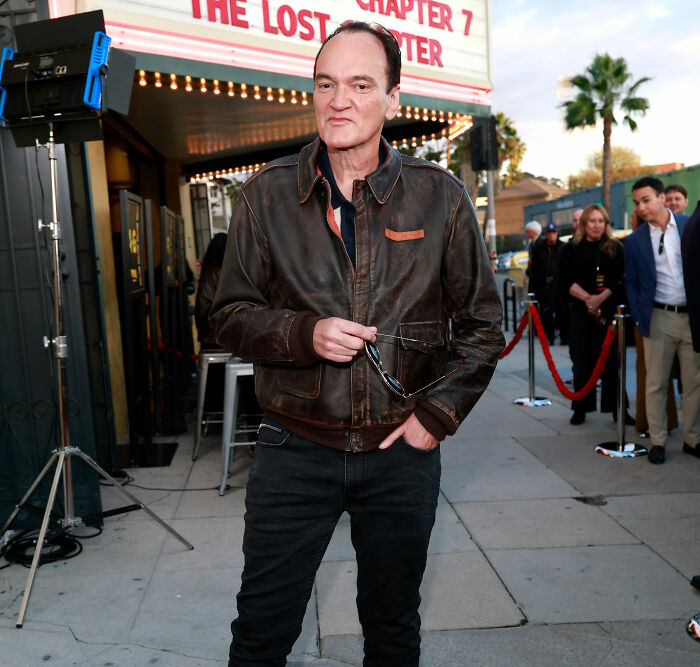
Image credits: Frazer Harrison/Getty Images
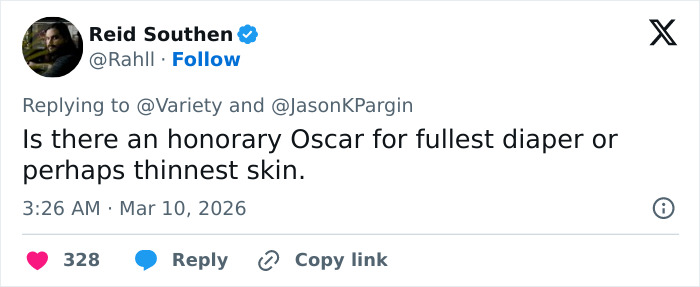
Image credits: Rahll
“She has the right to her opinion. None of us are the same people we were 20 years ago, hopefully people learn from the past,” shared one netizen.
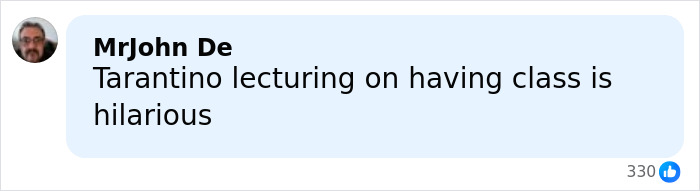
Another movie fan argued that the use of the slur was “pretty unnecessary” in Pulp Fiction, while an additional user remarked, “Tarantino lecturing on having class is hilarious.”
“I mean, we can defend his right to artistic license, but ‘context’ is kind of a funny justification when it’s used in 6/9 of his films set in periods ranging from 1858 to 1997,” noted someone else.
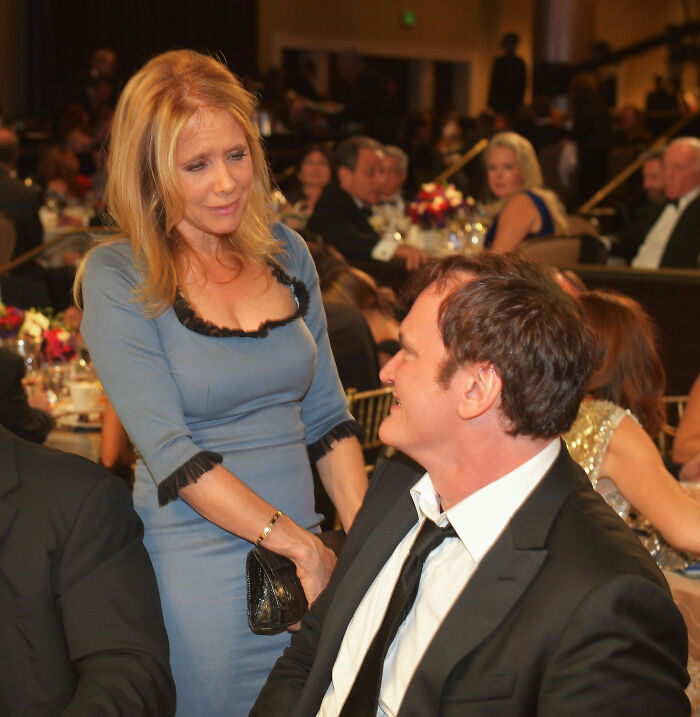
Image credits: Charley Gallay/BritAwards2012/Getty Images
Tarantino previously addressed the criticism for the frequent use of the slur in his films, telling his detractors that they should go “see something else” if they are offended by his work.
During a 2022 appearance on Who’s Talking to Chris Wallace, the director was asked to respond to those who take issue with controversial scripts. He said, “Then see something else. If you have a problem with my movies, then they aren’t the movies to go see. Apparently, I’m not making them for you.”
The Oscar winner previously explained at the 2013 Golden Globes that he didn’t want to “soften” his scripts or “lie” about his characters.
Samuel L. Jackson, who has starred in six Tarantino films, has defended the filmmaker’s use of the N-word.
In QT8: The First Eight, the 2019 documentary about the filmmaker’s career, Jackson questioned the different treatment that 12 Years a Slave director Steve McQueen receives compared with Tarantino.
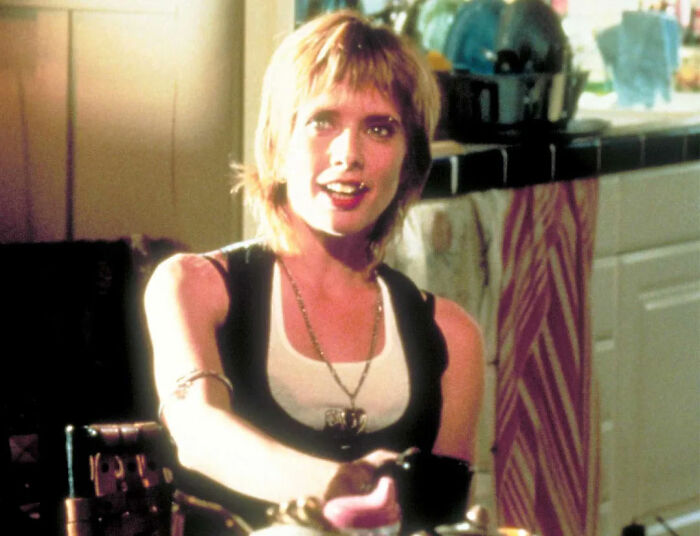
Image credits: Miramax
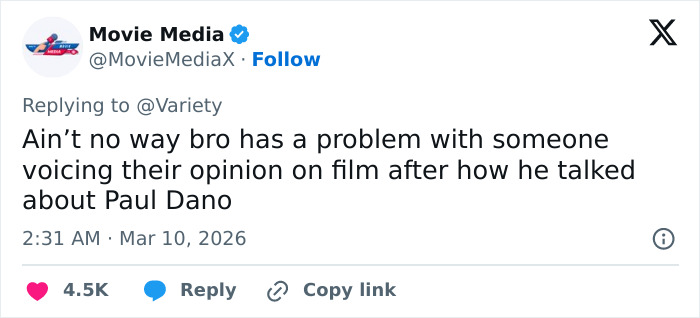
Image credits: MovieMediaX
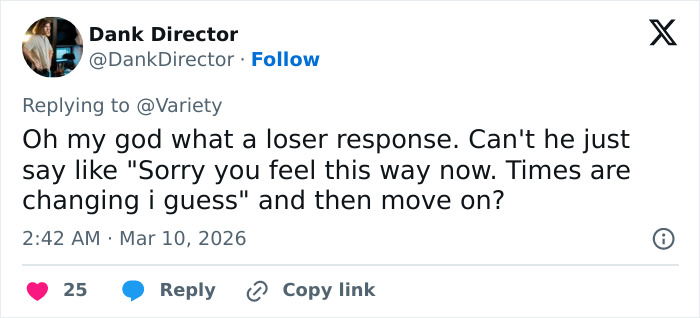
Image credits: DankDirector
“When you have a song that says [the N-word] in it 300 times, nobody says sh*t. So it’s ok for Steve McQueen to use [the N-word] because he’s artistically attacking the system and the way people think and feel, but Quentin is just doing it to just strike the blackboard with his nails. That’s not true,” Jackson said.
“There’s no dishonesty in anything that [Quentin] writes or how people talk, feel, or speak [in his movies]. He’s just telling the story, and the characters do talk like that.”
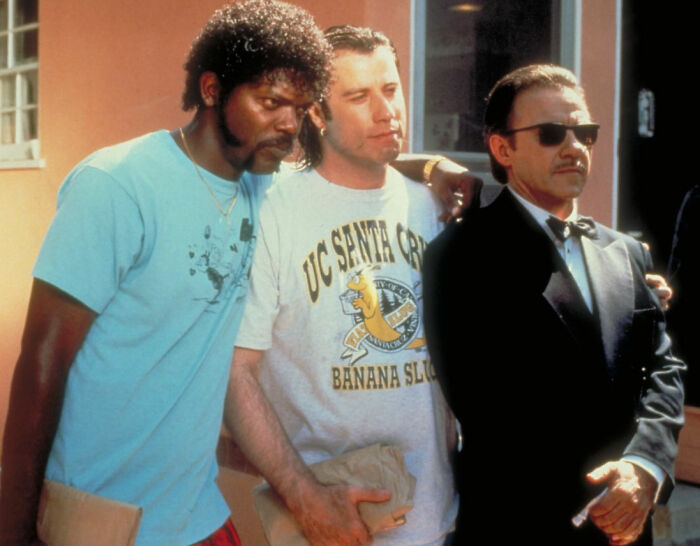
Image credits: Miramax
Jamie Foxx, who starred in Django Unchained, also defended the director’s use of the slur in a 2018 interview with Yahoo! Entertainment.
The actor said he found the director’s use of the N-word acceptable because it served the purpose of making the western, set in the 1850s, historically accurate.
“I understood the text,” Foxx explained. “The N-word was said 100 times, but I understood the text — that’s the way it was back in that time.”
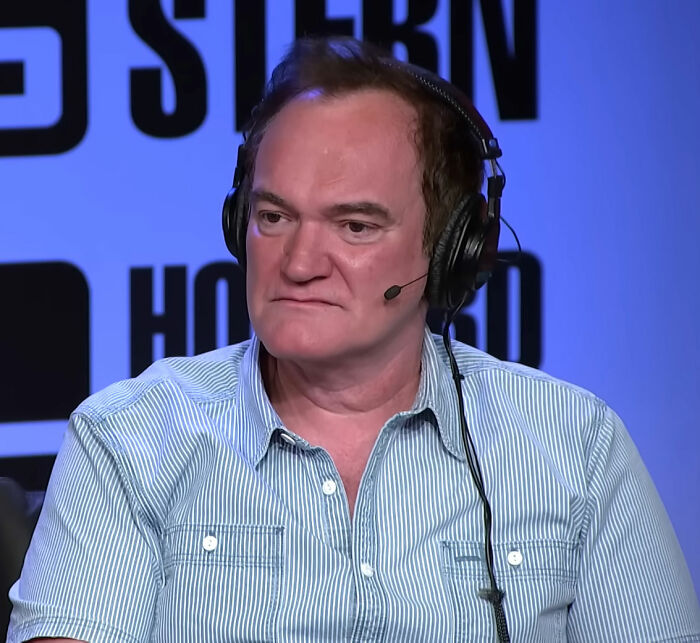
Image credits: howardstern
Tarantino won for Best Original Screenplay for Django Unchained at the 2013 Academy Awards.
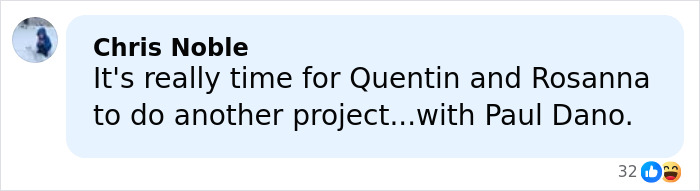
The renowned director recently faced criticism for calling Paul Dano “the weakest male actor in SAG (the Screen Actors Guild)” and the “limpest d**k” in the world.
 Follow Us