The “CGI vs practical” debate has turned into lazy internet tribalism, but the truth is simpler. Digital effects are not the enemy. Bad decision making is. When filmmakers use CGI to replace texture, weight, and real world physics, the audience feels it even if they can not explain why. When they use practical effects to anchor a scene, even heavy CGI blends look more believable because the camera is capturing something that actually exists.
The best modern films understand that the goal is not purity. The goal is impact. Practical effects create friction, imperfection, and tactile reality. They also force stronger staging, because you can not “fix it later” if the shot does not work. That pressure often produces better filmmaking. Below are 15 modern movies that proved a practical effects comeback is real, and why each one landed harder than fully digital spectacle.
1. ‘Mad Max: Fury Road’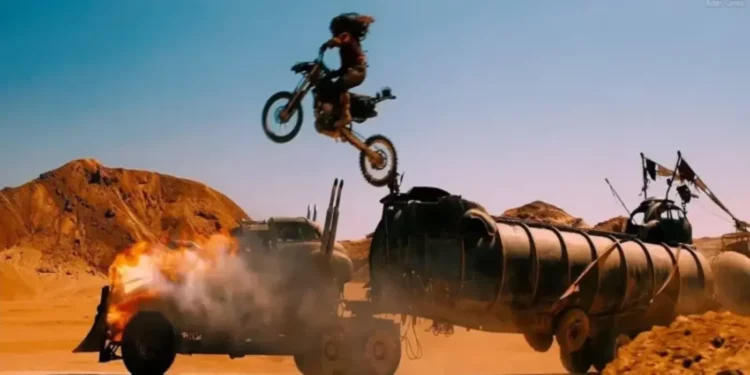
Mad Max: Fury Road did not just revive a franchise, it re taught audiences what action can feel like when stunts are real. The vehicles have weight. The collisions have consequence. The dust, heat, and chaos are not filters. That grounded physicality is why the movie’s biggest moments feel like you are watching something dangerous, not a pre rendered animation.
Yes, it uses CGI, but the core is practical. Real cars. Real rigs. Real performers hanging off real machines. That foundation makes the digital touch ups disappear. If you want to understand why practical is returning, this is the blueprint.
2. ‘Oppenheimer’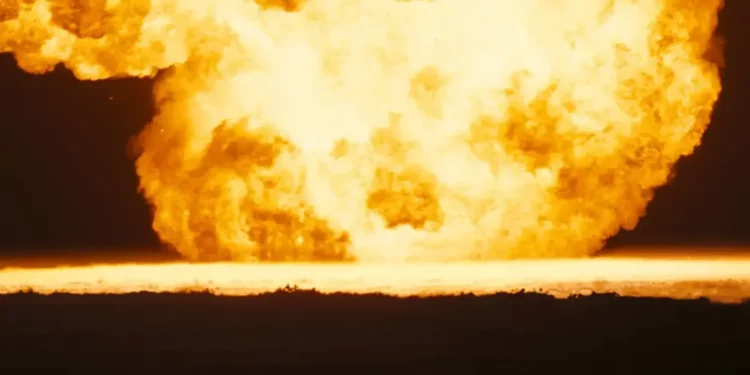
Oppenheimer is not an effects movie in the obvious sense, which is exactly why it matters here. Christopher Nolan built key moments around in camera choices instead of defaulting to digital shortcuts. The results feel immediate and unsettling because they look like light and material interacting, not pixels doing an impression of reality.
The film also proves a bigger point: practical methods are not just for monsters and explosions. They are for mood. They help create a physical world where performances live. That is why audiences keep gravitating toward “real” craft driven filmmaking, the same instinct that drives searches for Christopher Nolan rankings and legacy discussions.
3. ‘Dune’
Dune shows how practical design turns sci fi into a lived in culture. The costumes, sets, and props give the world history. When actors touch real objects and move through physical spaces, their performances become more grounded. The CGI then becomes an extension, not a replacement.
The best scenes work because the camera has real surfaces to photograph. Sand, fabric, metal, sweat. It is not just visual, it is sensory. That is why the film feels heavy instead of floaty.
4. ‘Dune: Part Two’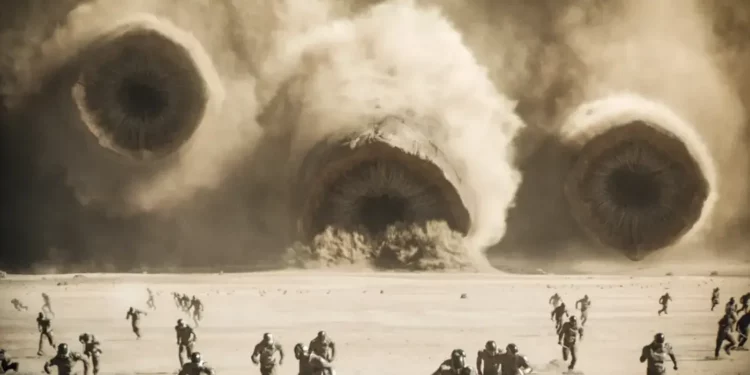
Dune: Part Two doubles down on tangible scale. You can feel the mass of architecture and the brutality of environments. The practical work does not just improve realism, it improves storytelling because the world pushes back on characters. When a setting feels hostile, the stakes rise without extra dialogue.
This is what people mean when they say a movie “feels expensive.” It is not only budget. It is craft choices that put reality on screen.
5. ‘The Batman’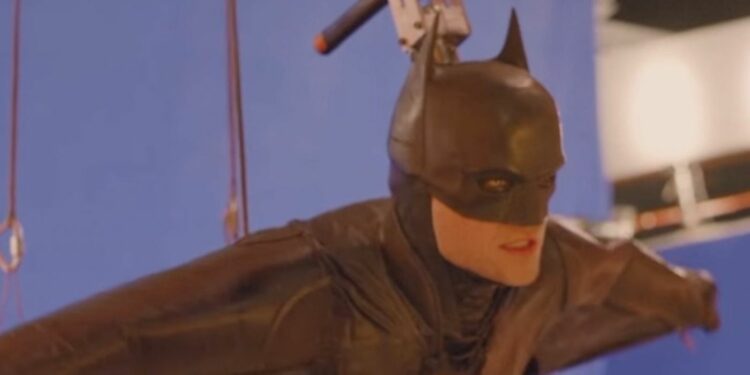
The Batman is a masterclass in tactile grit. Rain, smoke, shadow, and physical production design do most of the heavy lifting. The Batmobile sequences hit because you can hear engines and see the car exist in space, not glide like a digital object.
Even when visual effects are present, they are layered onto practical cinematography. That is why the film’s mood feels oppressive and real, not stylized in a weightless way.
6. ‘Top Gun: Maverick’
Top Gun: Maverick reminded everyone that real cameras in real aircraft change everything. The human body reacts to G forces. The faces strain. The light shifts naturally. You can not fake that. The spectacle becomes emotional because the danger looks believable.
Practical effects here are not latex or animatronics, they are logistics and physics. It is the same principle. Reality sells.
7. ‘Nope’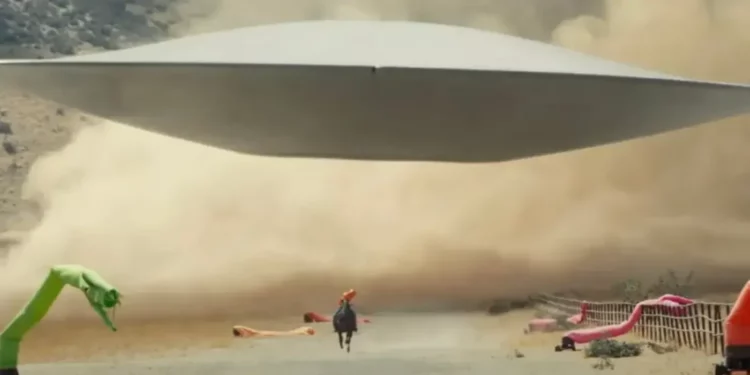
Nope uses practical staging and real world cinematography to make its horror feel grounded. Jordan Peele builds tension through what the camera can see and what it can not. When practical lighting and atmosphere do the work, the supernatural elements feel like they are invading a normal world, which makes them more disturbing.
It is also a reminder that practical effects include sound, wind, dust, and performance blocking. The “effects” are not only what you add. They are how you build the moment.
8. ‘Barbarian’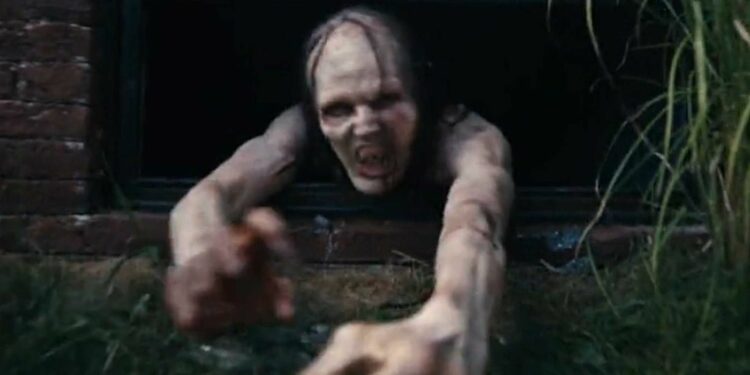
Barbarian benefits from old school horror discipline. It uses physical spaces, real shadows, and grimy set detail to create dread. When the film escalates, the tactile environment keeps the tension believable. Even a small budget movie can feel massive when it understands texture and timing.
This is why practical is not just a big studio move. It is a storytelling advantage.
9. ‘The Northman’
The Northman is another example of physical filmmaking creating credibility. The mud, blood, fire, and weather are not cosmetic. They shape the performances. The ritualistic violence feels heavier because it looks like it happened in a real space, not a clean digital sandbox.
Robert Eggers builds worlds with detail obsession, and the audience rewards that because it feels like history, not cosplay.
10. ‘John Wick: Chapter 4’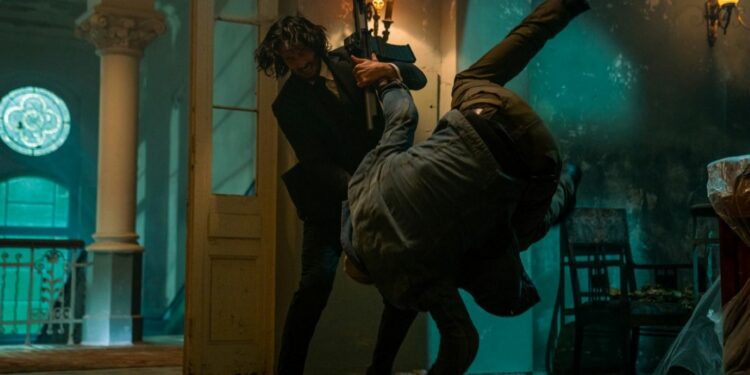
John Wick: Chapter 4 thrives on practical choreography. The action feels readable because performers actually execute movement in space. Digital enhancement is there, but the core is physical. That is why the audience reacts to hits, falls, and timing. It feels earned.
This is the hidden value of practical work: it improves clarity. CGI can do anything, but it often does too much, too fast, with too little spatial logic.
11. ‘The Creator’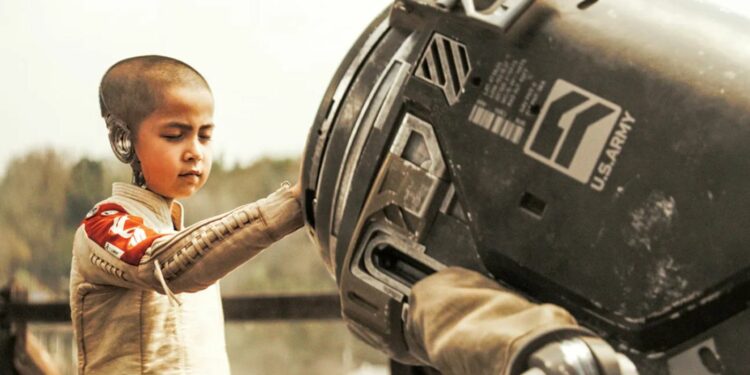
The Creator is a case study in blending. It uses practical locations and grounded camerawork to sell a futuristic world without drowning it in digital gloss. When the environment is real, even big VFX sequences feel more believable because the camera language is documentary adjacent.
This is what more sci fi should copy: physical photography first, digital second.
12. ‘Alien: Romulus’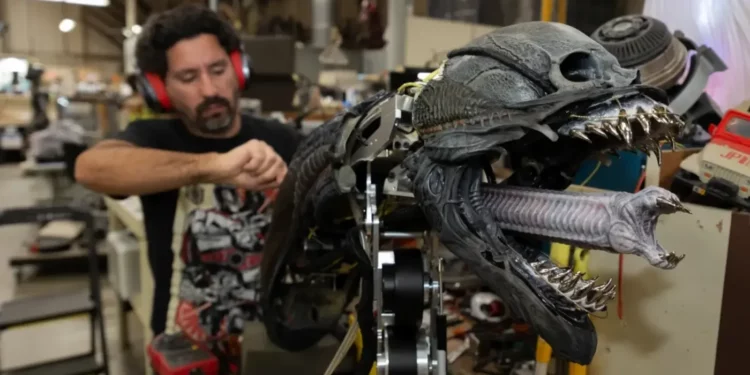
Alien: Romulus leaned into the franchise’s original strength: industrial texture and claustrophobic realism. Practical sets and tangible props make the world feel dirty and lived in. That matters in horror, because fear needs proximity. Digital polish kills dread.
This is why the best “space horror” still looks like machinery and sweat, not perfect CGI corridors.
13. ‘Doctor Strange in the Multiverse of Madness’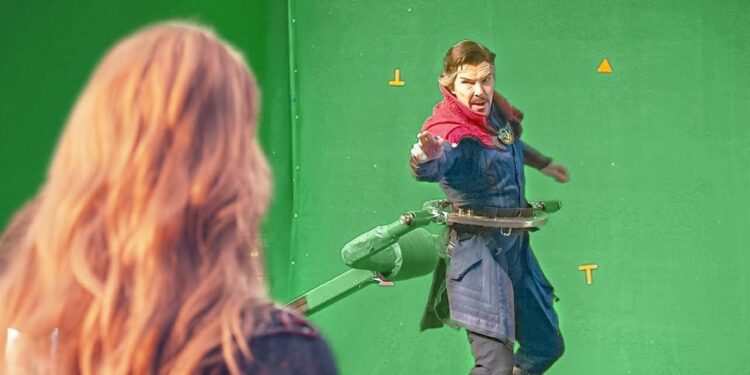
Doctor Strange in the Multiverse of Madness is a useful example because it shows what happens when you mix comic book chaos with practical horror instincts. Sam Raimi brings physical camera movement, lighting, and staging that make the insanity feel like it is happening in front of you, not behind a green screen.
Even when CGI dominates, practical technique in cinematography can create the illusion of tangibility.
14. ‘Poor Things’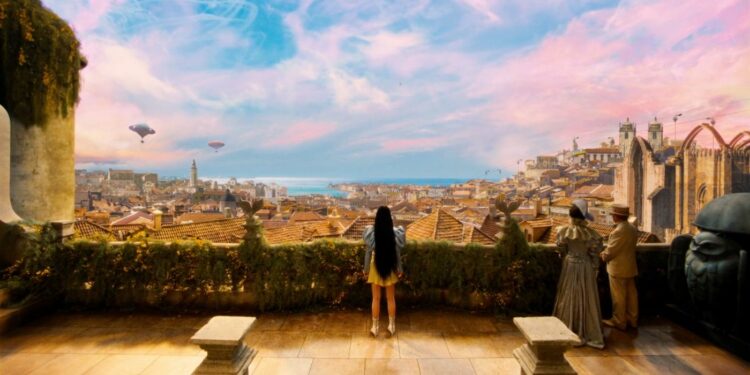
Poor Things uses production design as an effect. The world feels handcrafted, surreal, and tactile. When the environment looks like it was built, the fantasy becomes more convincing because your eyes trust physical detail. Yorgos Lanthimos understands that weirdness works better when it is photographed as real.
Practical sets can make a film feel like a dream you can touch. CGI alone rarely achieves that.
15. ‘Godzilla Minus One’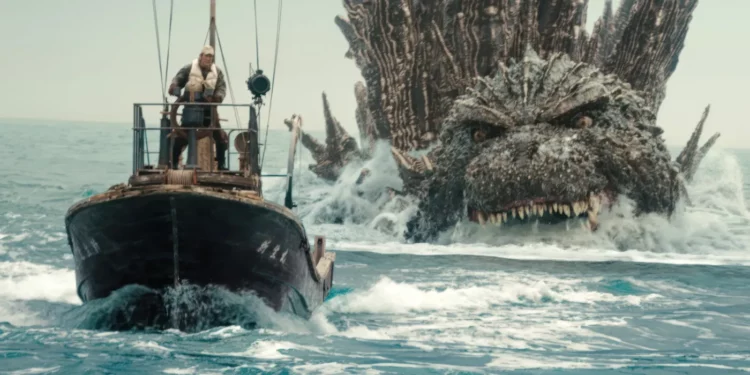
Godzilla Minus One proves another truth: you can have heavy CGI and still feel practical if the filmmaking language is grounded. The devastation feels physical because the human scale is prioritized. The shots are framed like real disaster footage, not like a video game cutscene.
When the world around the monster looks real, the monster becomes real enough.
 Follow Us