As the years go by, it can become quite difficult to get the family in the same place. Big events like birthdays or New Year’s celebrations are often the rare occasions that bring everyone together.
For Reddit user Unlikely_Rub_863, it was a relative’s wedding. However, instead of a fun time for parents, children, and their significant others, the trip quickly turned into a frustrating fight over poor planning and rising costs. And by quickly, I mean it started before they had even left.

Image credits: Cup of Couple / Pexels (not the actual photo)

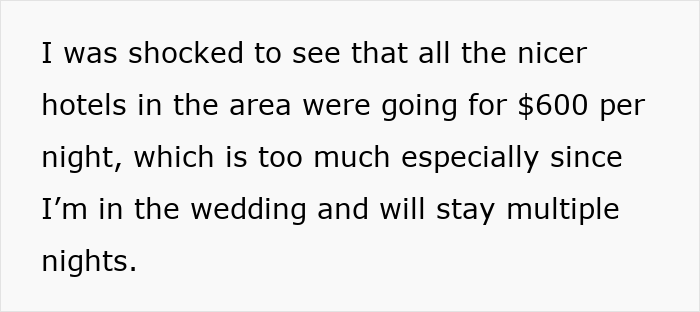

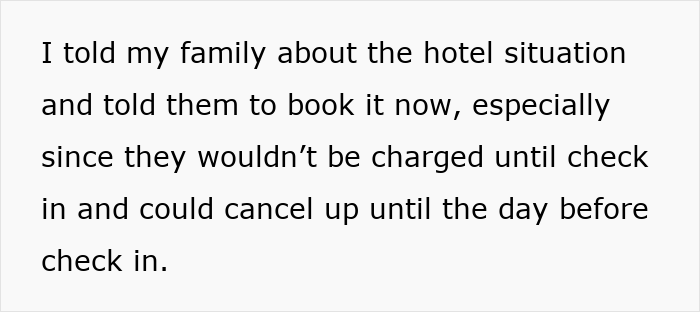

Image credits: Mikhail Nilov / Pexels (not the actual photo)


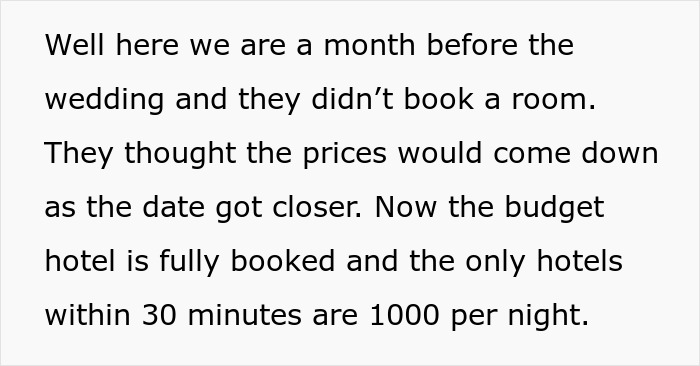


Image credits: MART PRODUCTION / Pexels (not the actual photo)


Image credits: Unlikely_Rub_863

Image credits: kaboompics / Pexels (not the actual photo)
Overspending is often the biggest vacation challenge
These folks realized their expenses grew more than they would have liked, even before they left the house, but being unable to adequately budget for their trip is a common problem.
In fact, nearly half of Americans (44%) consider overspending as a top vacation challenge, according to a Go City survey.
The same survey also revealed that the average time spent on travel planning is a whopping 17 hours and 42 minutes. It might not be such a big deal when the job is split among multiple people, but in our case, it was done by just one person.
Other findings from the survey include:

Image credits: Kampus Production / Pexels (not the actual photo)
Family trips are chaotic
According to Michele Leno, Ph.D., a psychologist in Michigan, United States, family roles and dynamics are deeply rooted in our childhood experiences.
“From an early age, each family member tends to adopt specific roles that contribute to the family’s overall functioning, and these roles—whether as the responsible eldest child, the peacemaker middle child, or the carefree youngest—become ingrained in our identity,” Leno explains.
“Family vacations often act as a nostalgic trigger, pulling us back into these familiar patterns of behavior.”
And they’re not always seamless.
“Negative impacts can arise when family members have differing expectations or when old patterns of behavior resurface in less-than-ideal ways,” the psychologist adds.
“Conflicts may emerge if some members feel they are taking on too much responsibility while others are perceived as being too carefree or neglectful, and this imbalance can lead to feelings of frustration and resentment. For example, an older sibling who has always been the caretaker might feel burdened by the continued expectation to look after younger siblings, even as adults.”
Differences in tolerance and perceptions of these roles can further complicate relationships—what one family member views as endearing nostalgia, another might see as a burdensome regression.
So, what do you do in a situation like this? Leno says everything begins with addressing the problem.
“Before embarking on the trip, discuss and align on plans, recognizing that some family members prefer spontaneity while others thrive on structure. This balance can prevent conflicts and ensure that everyone’s needs are considered,” she explains.
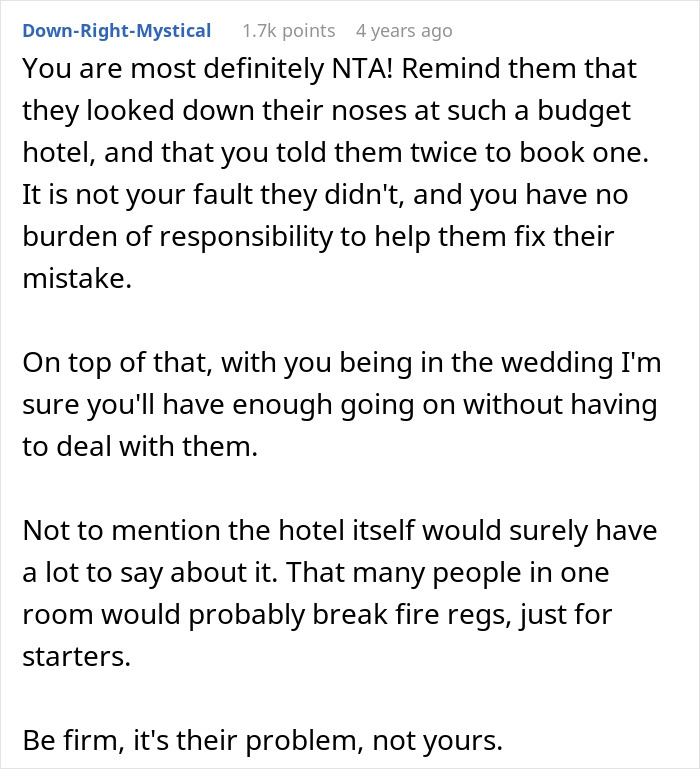
The psychologist says it’s also very important to share responsibilities, promote teamwork, and reduce the burden on any single family member. In this case, however, it seems that everyone simply piled up on one person, and that’s just not fair.


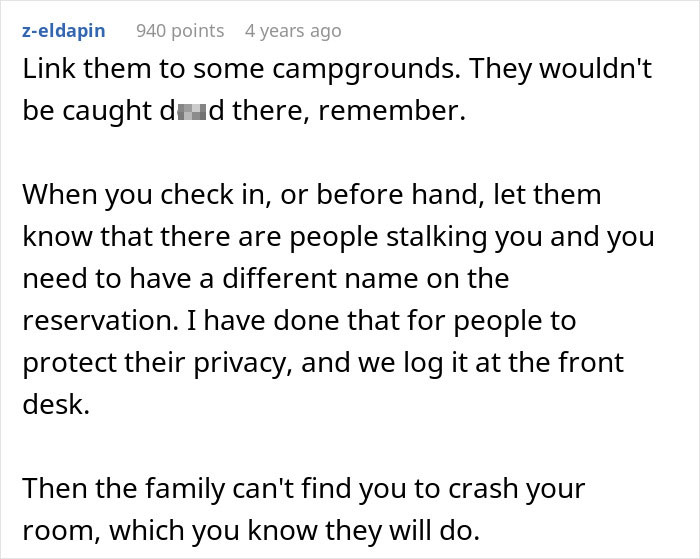
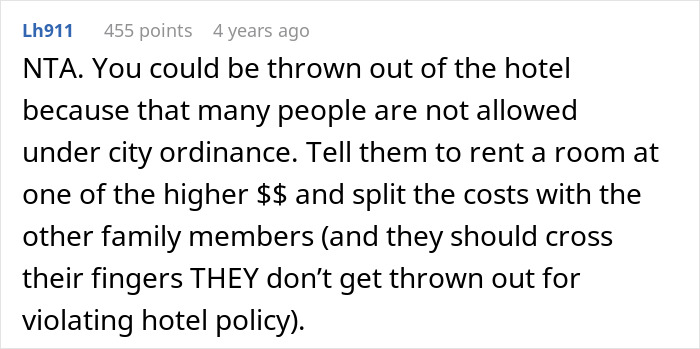



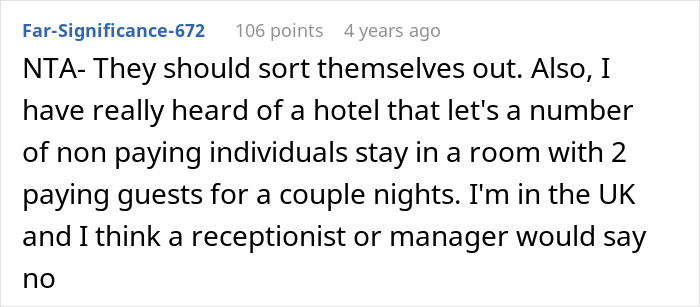
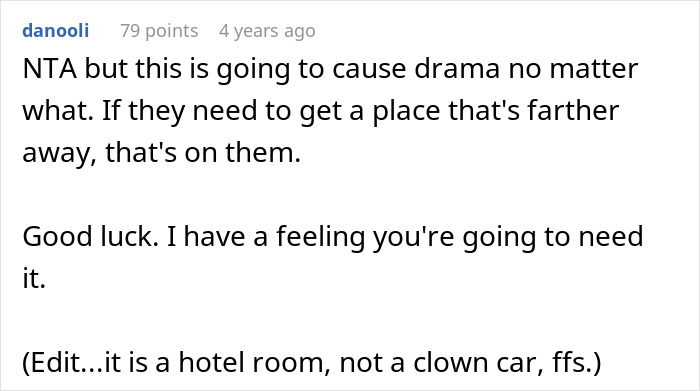

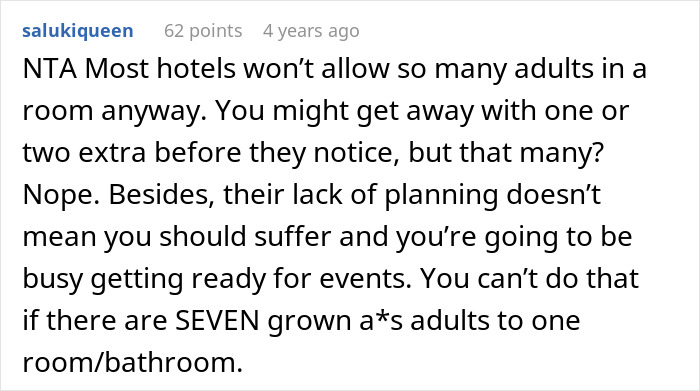

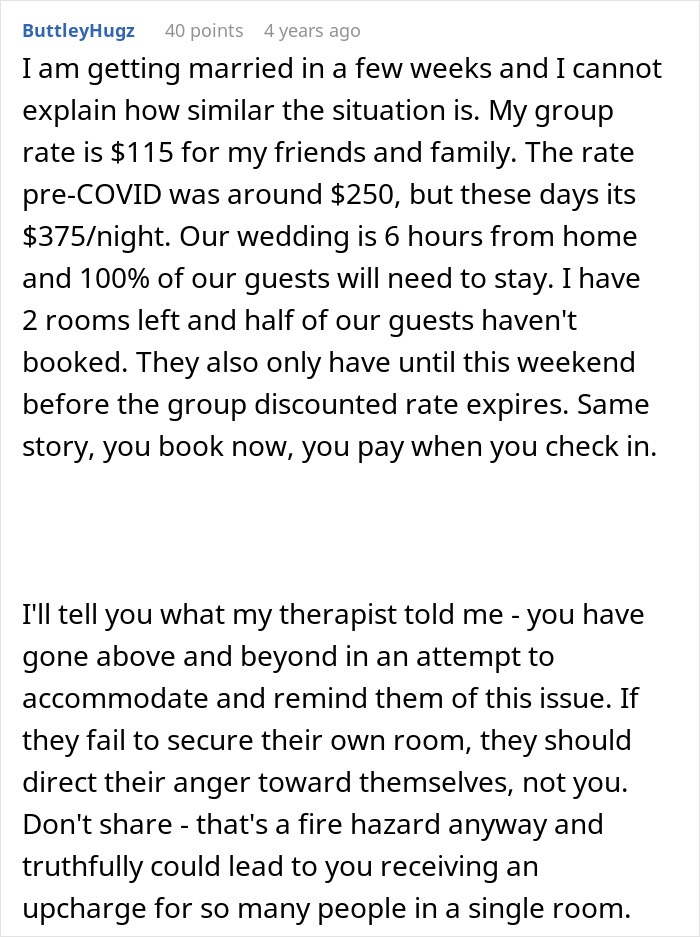







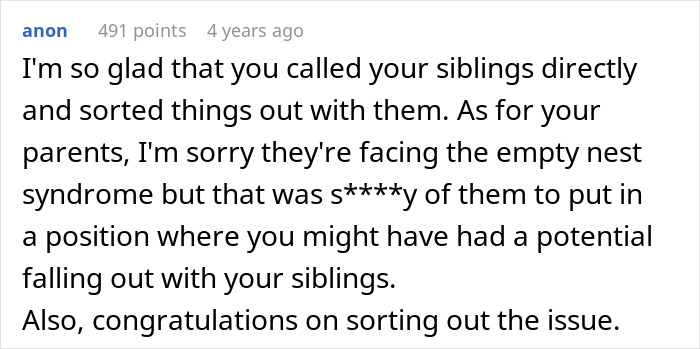
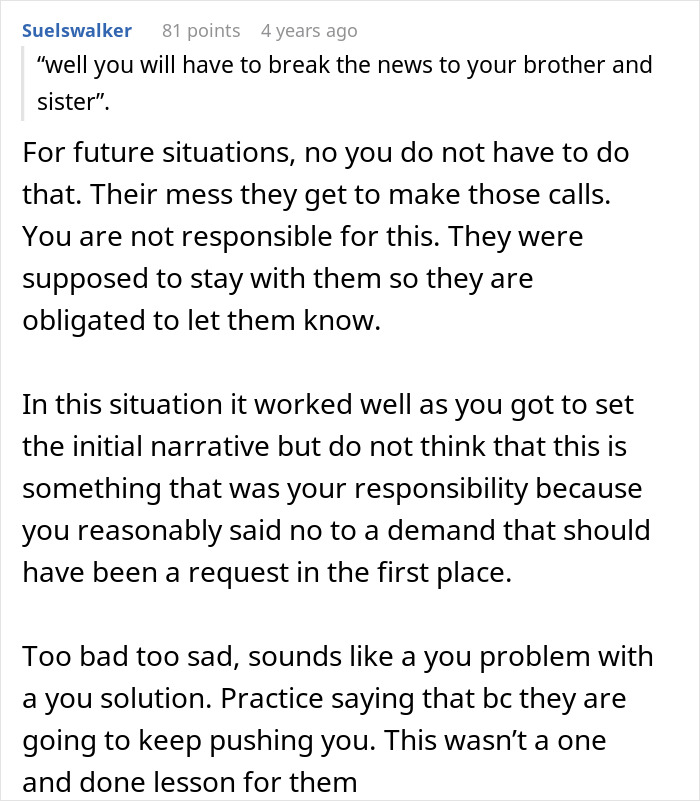
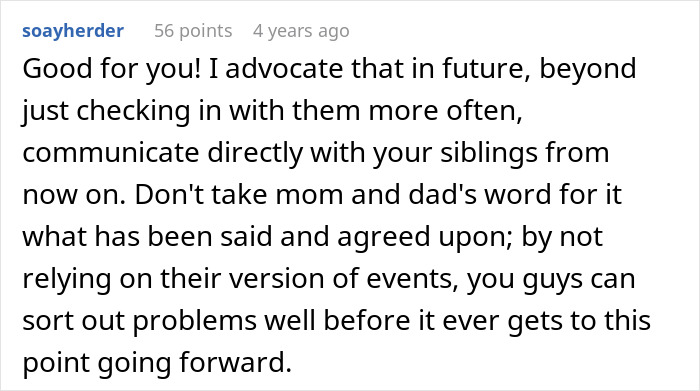
[update]

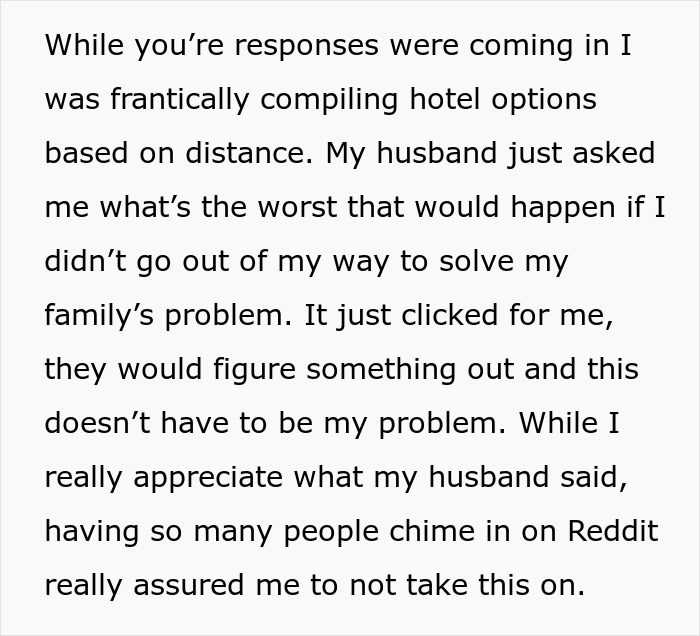
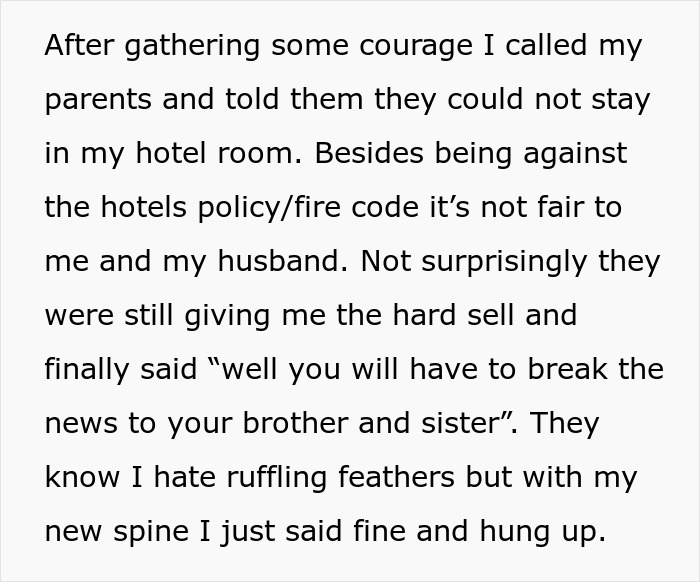

Image credits: kaboompics / Pexels (not the actual photo)
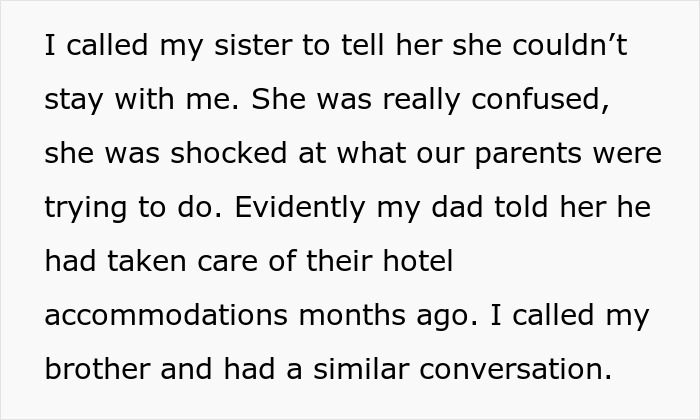

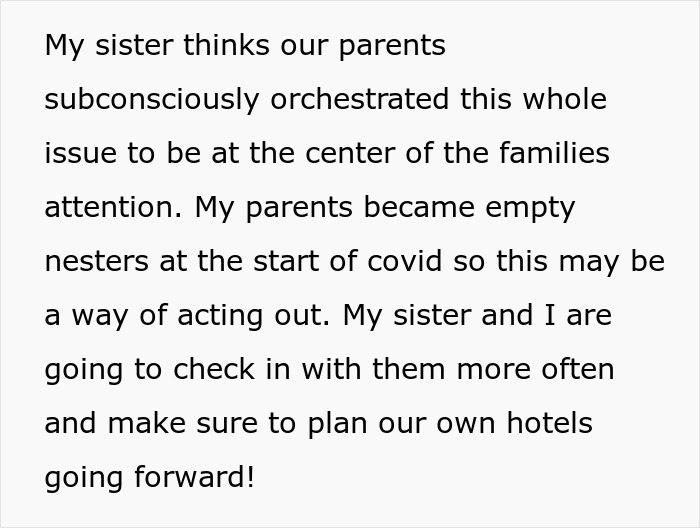
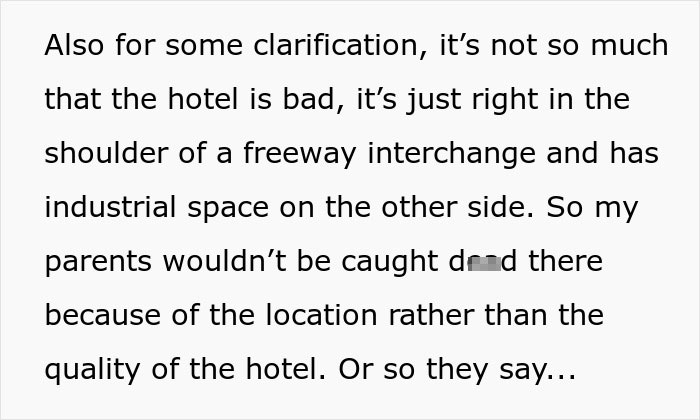

Image credits: Unlikely_Rub_863









 Follow Us