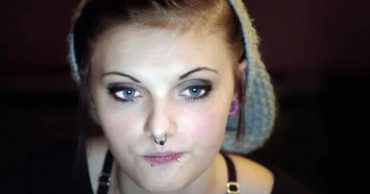
A Massachusetts lesbian bar that went viral for relaxing its mask mandate just one night a week has found itself embroiled in yet another controversy.
This time, people hoping to enjoy a long-awaited goth night found locked doors, unexpected security checks, and an unusual condition for getting inside.
The latest incident comes after weeks of intense backlash against Last Ditch Bar and Arts Venue in Greenfield, where the decision to make Saturdays mask-optional sparked boycott calls, accusations of ableism, and even threats of violence.
Now, its remaining owner, Jackie Matellian, has reportedly raised concerns that the struggling establishment is being “infiltrated.”
The bar’s latest mask-optional event took an unexpected turn after its remaining owner raised fears of “infiltrators”
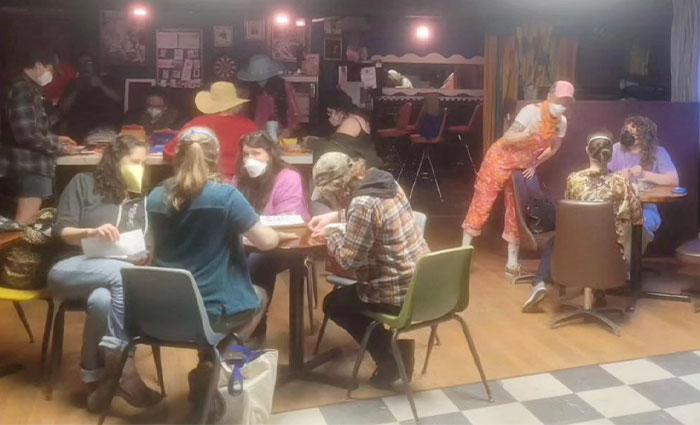
The venue organized a goth-themed night on Saturday, September 26, featuring underground DJs Hannibal Directive and Puppy Synthesis, with guests free to decide whether to wear masks.
However, according to the New York Post, more than a dozen people who arrived shortly after 7 p.m. were turned away after staff called an emergency meeting.
Visitors were instructed to return at 10 p.m., leaving those who had been looking forward to the event wondering what was happening inside.
By the time the doors reopened, nearly 100 people had reportedly gathered outside.

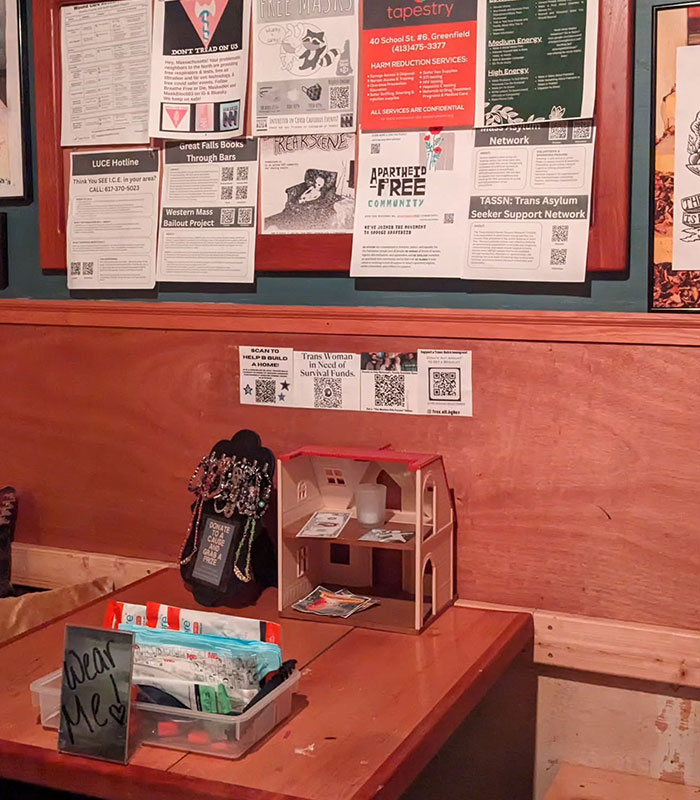
Management announced that the previously public dance night had been converted into a private event because of unspecified “safety breaches.”
Guests were reportedly required to name someone they knew inside the establishment.
Those unable to do so risked being refused entry.
Moreover, those allowed inside reportedly had to surrender their photo IDs to staff as an additional security measure.
The sudden changes followed Jackie Matellian’s reported concerns that the establishment was being “infiltrated” amid the intense publicity surrounding its masking controversy.
Despite the disruption, the event eventually went ahead, with attendees dancing to electronic music beneath flashing lights.
Interestingly, the outlet reported that fewer than a dozen patrons wore masks, even though the venue’s decision to make them optional had triggered an extraordinary backlash.
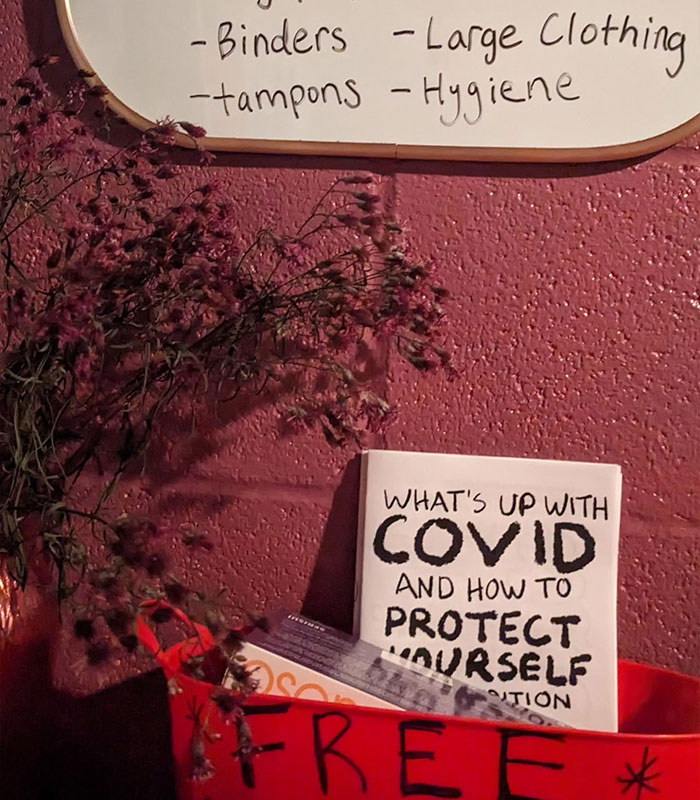
The venue opened in Greenfield, Massachusetts, in 2025, aiming to provide a welcoming nightlife space for LGBTQ+ people, including disabled and immunocompromised community members.
One defining feature was a strict masking policy requiring visitors to wear KN-95 respirators or better.
The establishment also promoted financial accessibility, welcoming people who could not afford admission.
A decision intended to save the struggling lesbian bar instead sparked an enormous online firestorm
However, maintaining those commitments while keeping the business financially viable proved increasingly difficult.
By August 2026, the bar was struggling to attract enough paying customers.
Its owners eventually decided to experiment with mask-optional Saturdays, hoping themed parties, DJs, and larger crowds could generate much-needed revenue.
Masks would remain mandatory on the other six days of the week.
But when the venue announced the change on Instagram on August 31, its message to its “immunocompromised disabled divas” immediately attracted criticism.
Some patrons believed the decision undermined the very purpose the establishment was created for.
For immunocompromised customers, the concern wasn’t simply personal preference.
A crowded, mask-optional event could carry infection risks that might prevent them from participating in nightlife altogether.
Others were particularly offended by the announcement’s cheerful tone, which they felt failed to acknowledge the seriousness of those concerns.
“Just say you’re being complicit in a mass disabling event and get it over with,” one commenter wrote.
Another accused the venue of putting disabled people’s health at “risk” for the convenience of other customers.
As the controversy spread, Last Ditch tried to apologize for how it communicated the decision.
“We are sorry for the passive and dismissive tone of our change to the norms and schedule impacting the most intersectional of us,” the establishment wrote.
However, the apology created an entirely new problem.
Owner Jackie Matellian broke down while revealing the extraordinary sacrifices she had made to keep the bar open
Critics pointed out that the Instagram post did not include alternative text describing its contents for visually impaired readers.
“This is not an accessible post,” one person responded.
The omission became another source of frustration for patrons who believed the establishment was failing to uphold its stated commitment to accessibility.
What began as an attempt to increase Saturday-night revenue had now become a much wider argument about disability, public health, inclusion, and the financial realities of running a small business.
As the criticism continued, the venue organized a community meeting on September 11 to discuss the masking decision and hear from those affected.
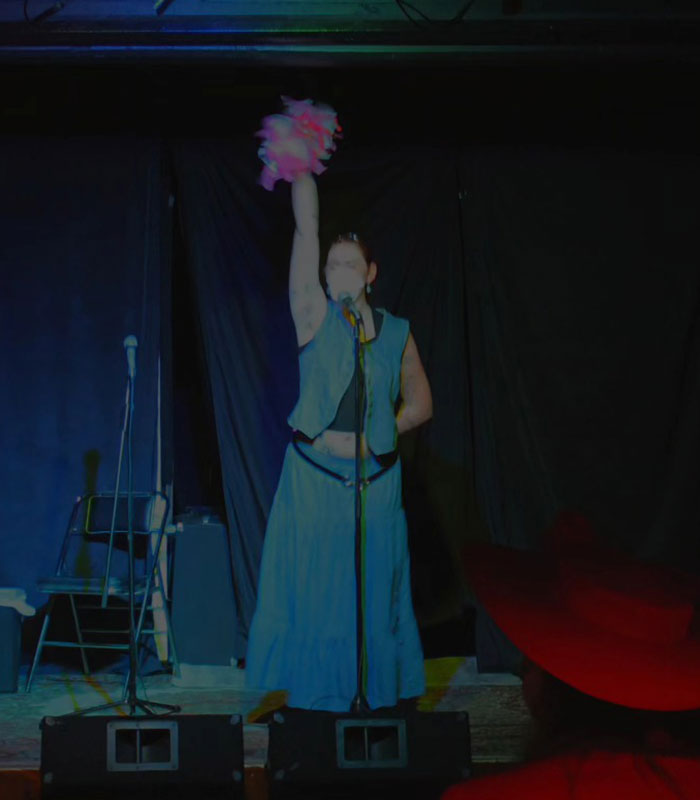
Participants attended both in person and over Zoom, with online comments read aloud so everyone could join the discussion.
Even the meeting’s format became contentious.
When a woman attending in person said she wished everyone could be physically present to talk together, some virtual attendees interpreted the remark as dismissive of people who could not attend in person.
Amid the increasingly tense discussion, Matellian revealed the difficult circumstances she had been facing behind the scenes.
Last Ditch had originally been founded by three housemates in their mid-20s.
But the other two co-founders had stepped away from the project, leaving Matellian responsible for much of the struggling business.
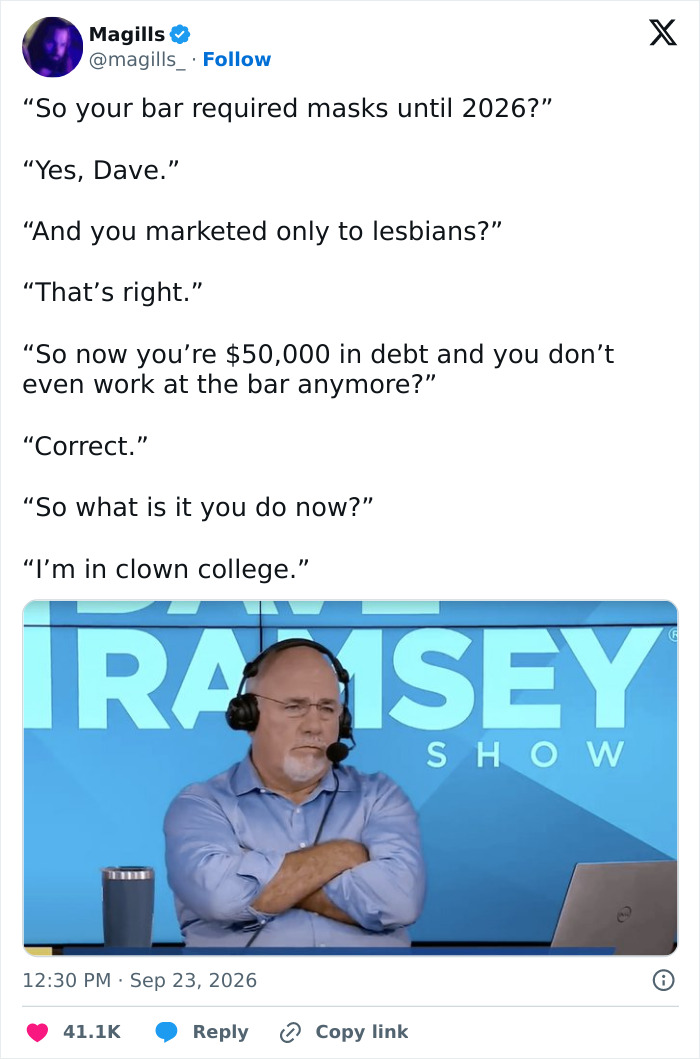
She told attendees she carried a $50,000 business loan and spent six months living out of her vehicle to cover the establishment’s expenses.
Matellian also claimed she had been working four jobs to cover the mounting costs.
“It was not my passion project,” she admitted during the meeting. “I never really wanted this. I don’t think I’m doing a very good job.”
However, her account did not satisfy everyone.
As the controversy spread, the bar condemned harassment against a local artist who had criticized its mask policy
“You chose to use your time to spill tears and center your feelings,” one attendee allegedly responded, accusing her of deflecting attention from the concerns raised during the meeting.
The gathering ultimately failed to resolve the disagreement.
According to a September 22 New York Post report, Matellian had fallen behind on rent, with the landlord demanding $3,900 by the end of the month.
Even the new mask-optional Saturdays, meant to improve the situation, initially failed to attract the crowds the business desperately needed.
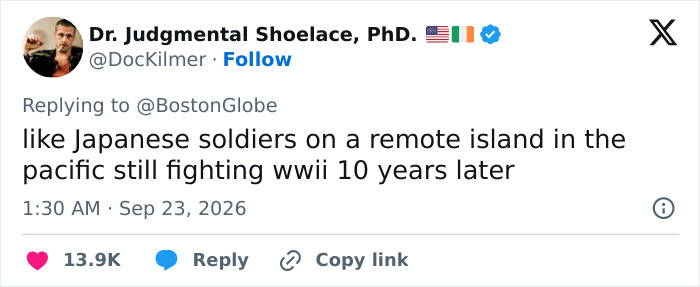
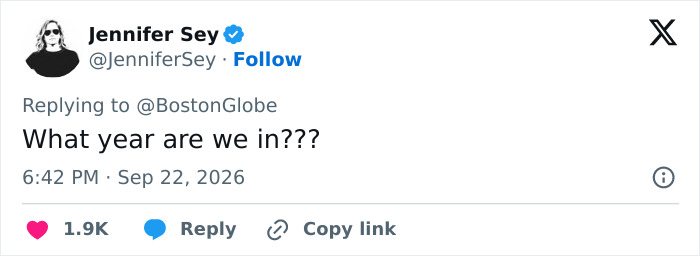
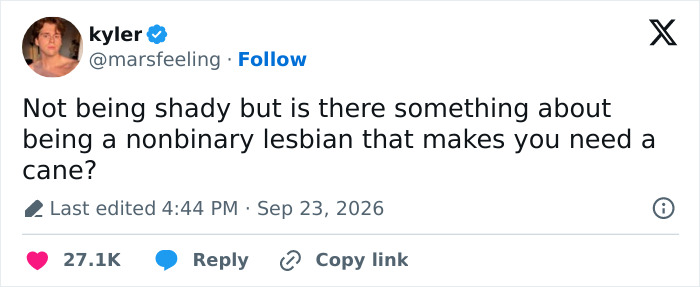
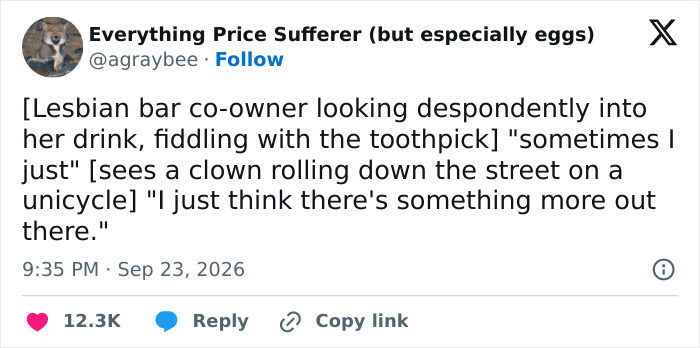
Moreover, after the Boston Globe published a detailed account of the dispute, the story rapidly circulated online.
For some observers, the situation raised questions about how a business could balance its accessibility commitments with the need to generate enough revenue to survive.
Others defended the concerns of immunocompromised patrons, arguing that losing access to even one regular night could have meaningful consequences for people with limited opportunities to socialize safely.
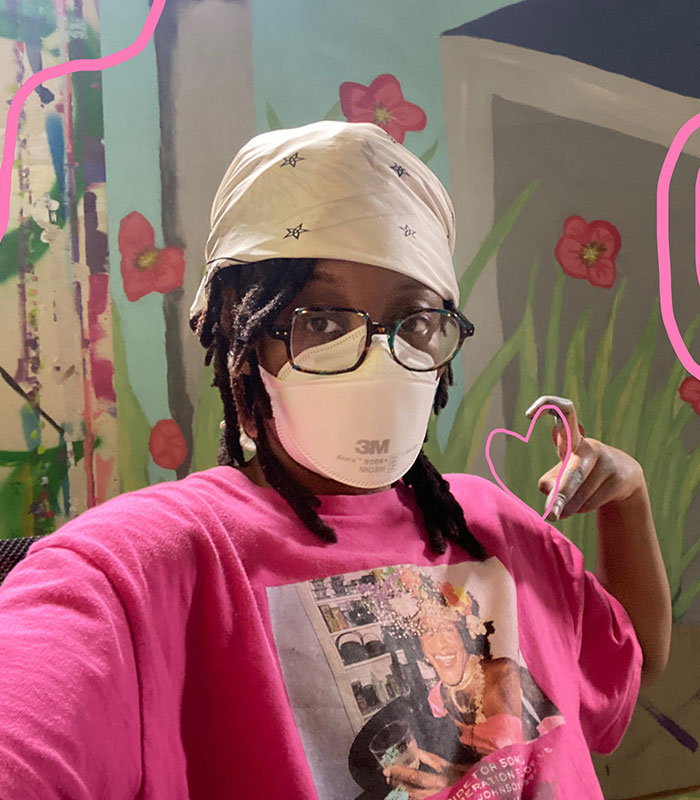
Soe Noire, a Black artist and performer who had criticized the venue’s handling of the masking controversy, reportedly became the target of racist harassment and threats from online users.
Last Ditch subsequently issued a statement condemning the attacks and making clear that harassment directed at Noire was not a form of support for the establishment.
By the time its Saturday goth night arrived, the establishment was therefore dealing with far more than complaints about its original Instagram announcement.
It had become the subject of intense online scrutiny, faced serious financial difficulties, and was attempting to address safety concerns while continuing to operate.
The sudden decision to restrict entry to its latest event demonstrated how complicated that situation had become.
Previously, Matellian expressed hope that the disagreement could eventually be resolved.
“There’s conflict, but we just hope that there’s more repair than conflict,” she told the Boston Globe.
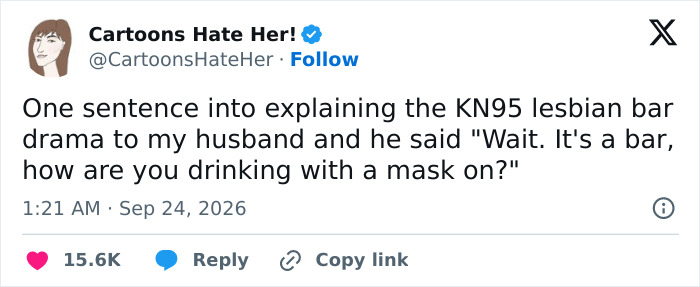
“So, hear me out, it’s a bar. People drink at bars. How are they drinking and wearing masks?” questioned one netizen
 Follow Us