I tried the reversed macro lens way back in 2012 for the first time. Back then, I first photographed things that mostly weren’t moving at all or just very little.
Turned out that the world is really interesting when you look at it from a close perspective, even the non-living things. Drops on a DVD disc, bubbles in a water bottle, concrete, electronic components, mechanical instruments… all of that can look very different from normal when you get closer. And a double ratio reversed lens is more than enough for this.
To be honest, I haven’t stopped taking macro pictures entirely, especially when it came to colder months of the year when you couldn’t find insects and plants alive in nature. Instead, I used artificial objects, which you can photograph anytime at home.
I collected some of the pictures from the last 7-8 years, and hope some of you will be surprised when looking at the details of how some everyday stuff can look from up close.
More info: Facebook | kilatasgaleria.blog.hu
#1
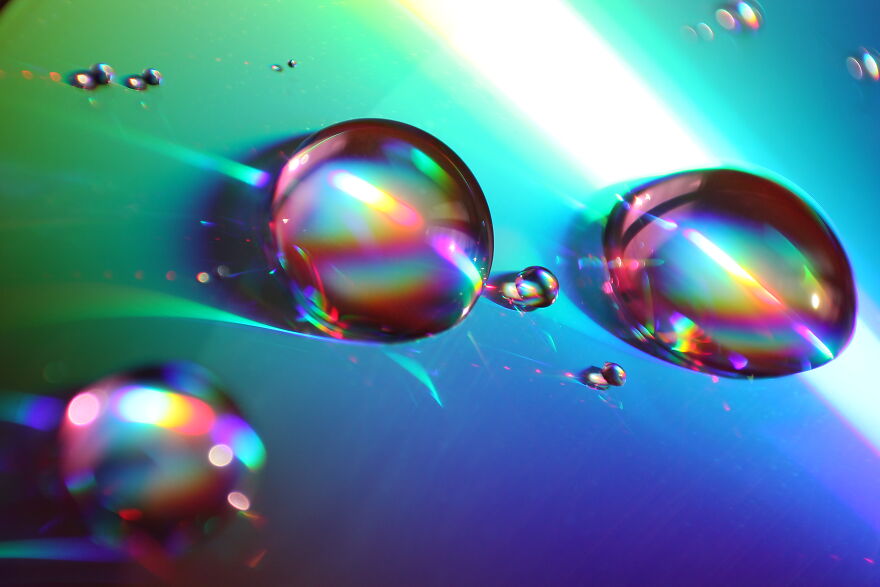
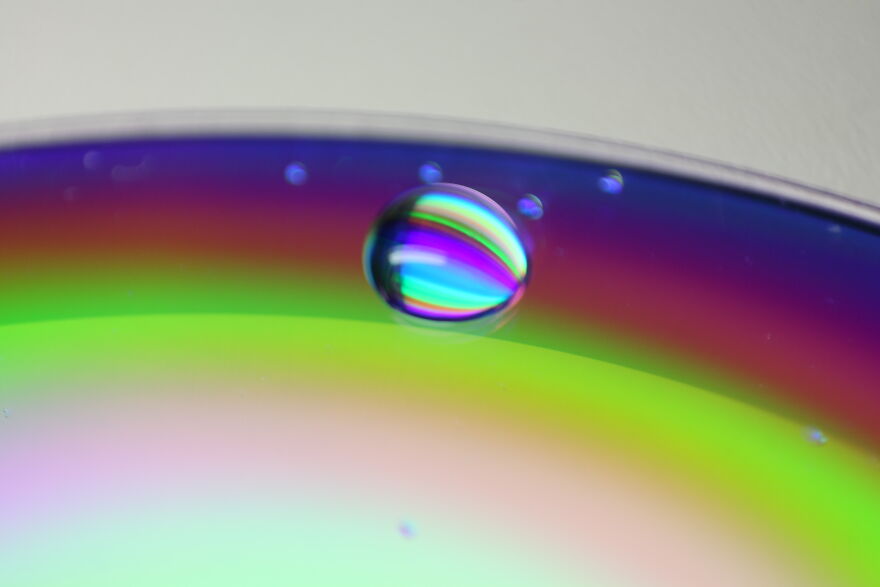
Water drops on a DVD disc, exposed to sunlight.
#2
The mini-universe of a shampoo bottle.

#3
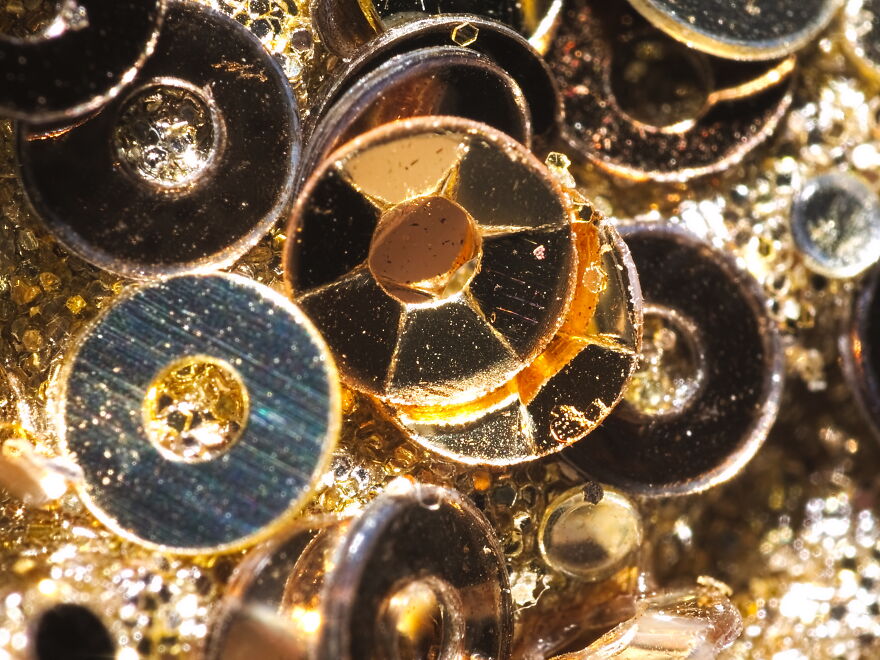
Plastic jewels on a Christmas decoration.
#4
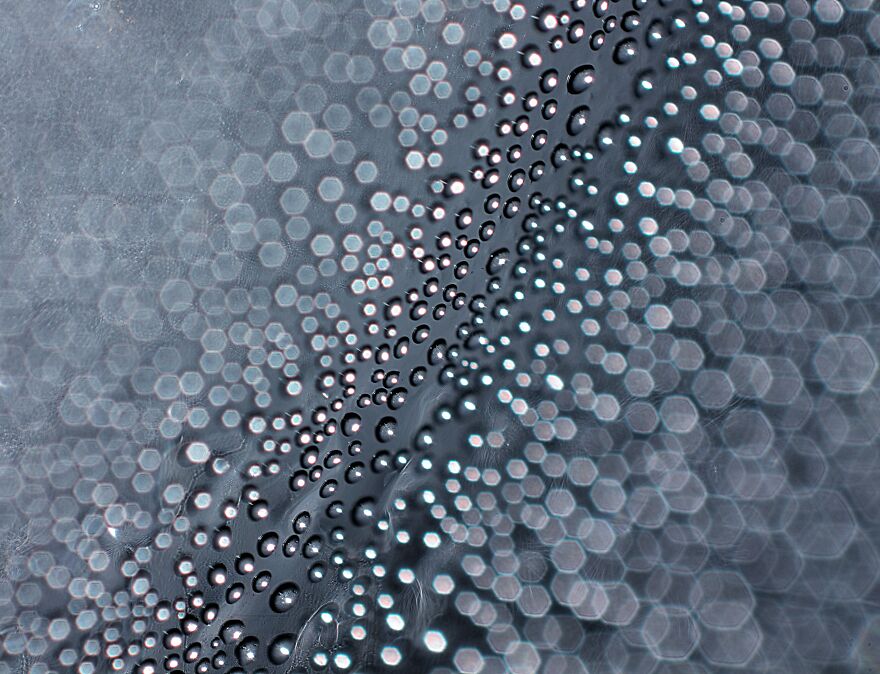
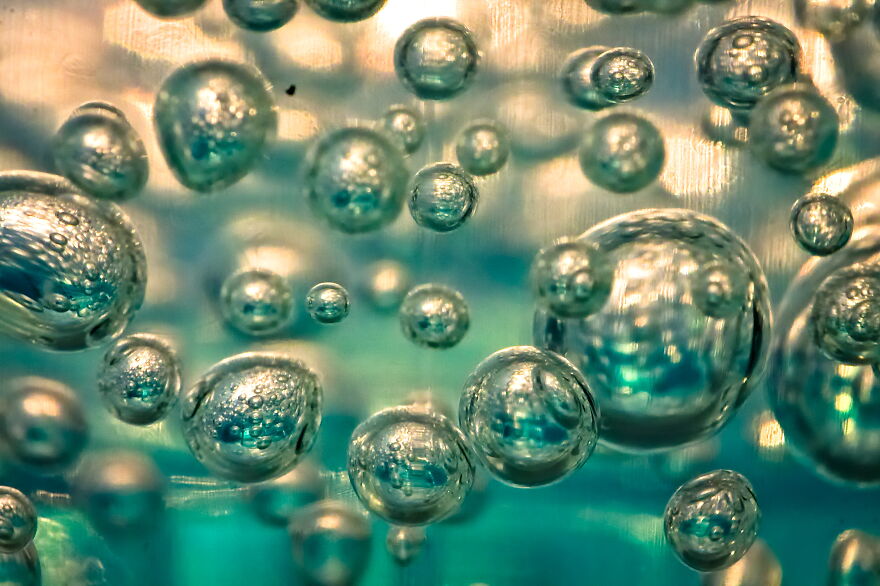
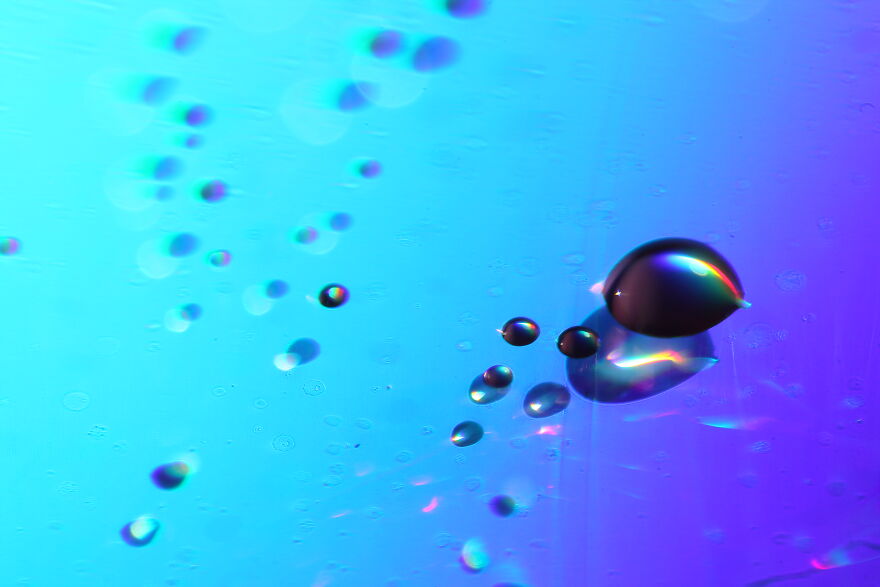
Drops in a water bottle, reversed lens, with the aperture wide open, and sunshine.
#5
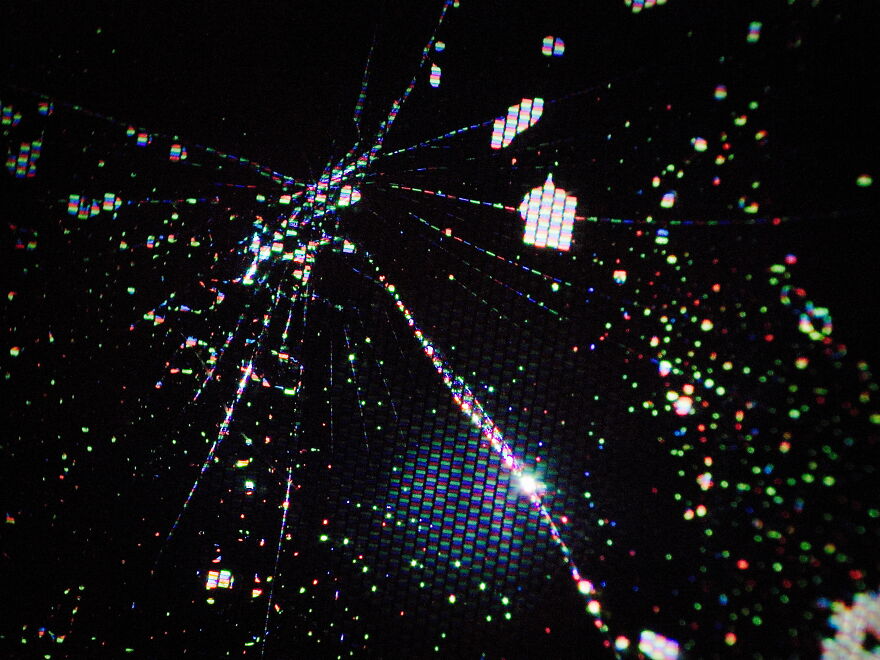
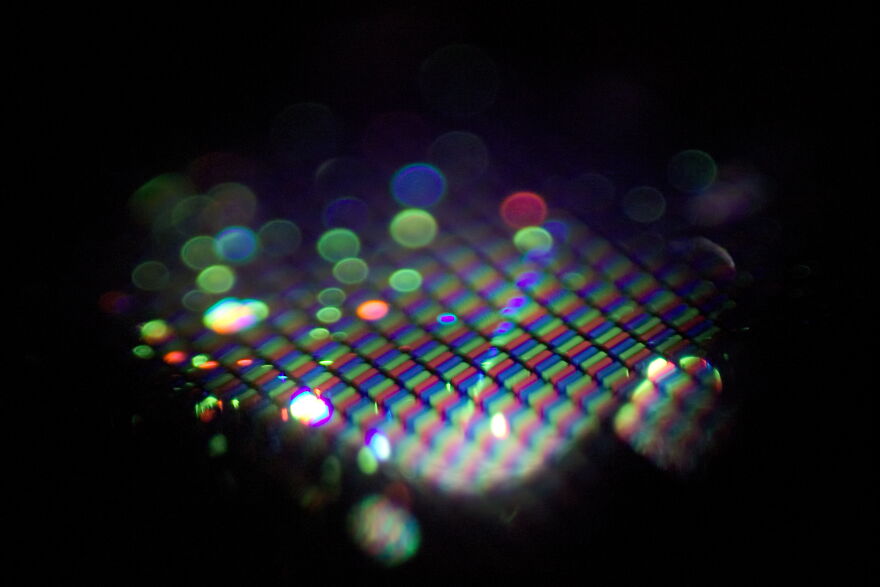
Miniature city of a broken LCD screen.
#6
Bubbles in a hand sanitizer.
#7
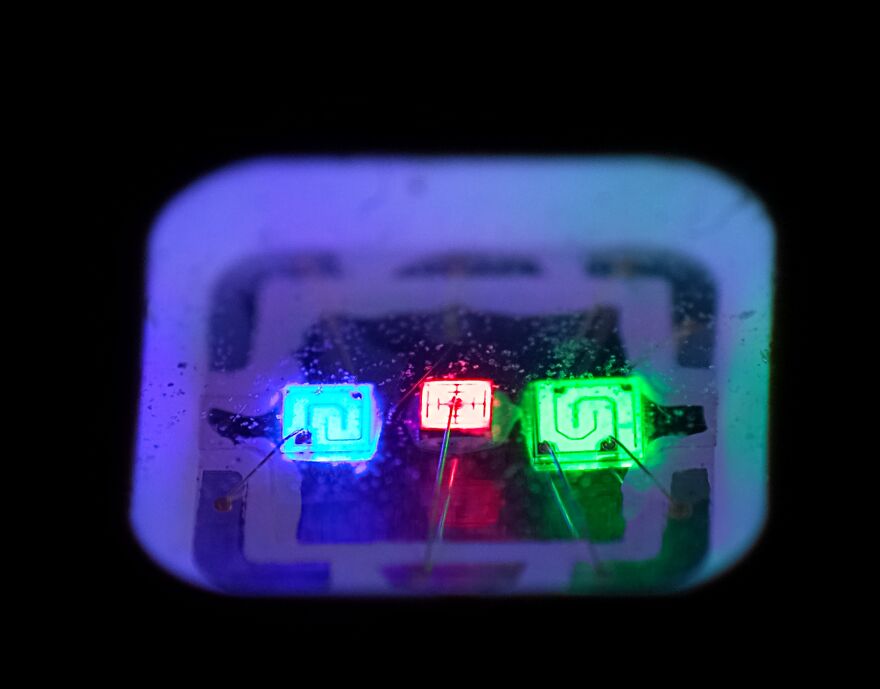
An RGB LED…but it’s actually B-R-G.
#8
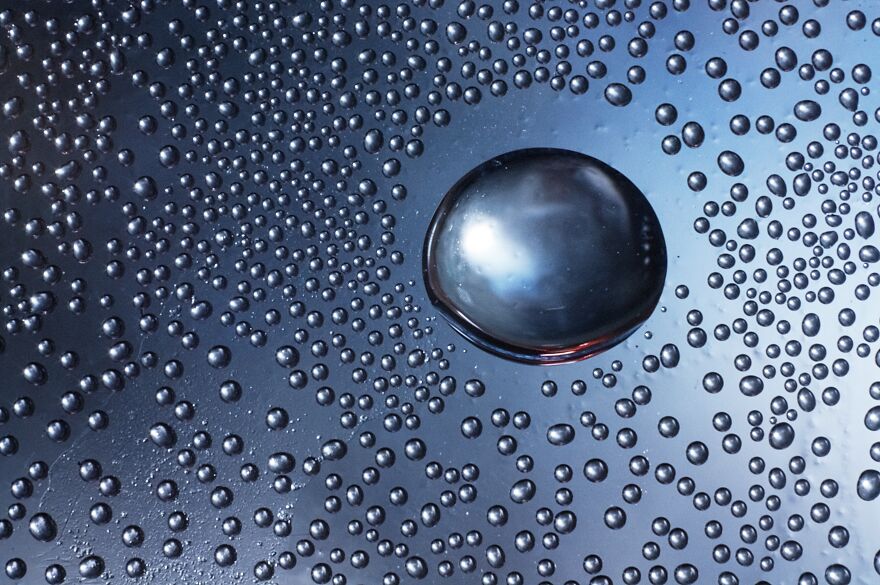
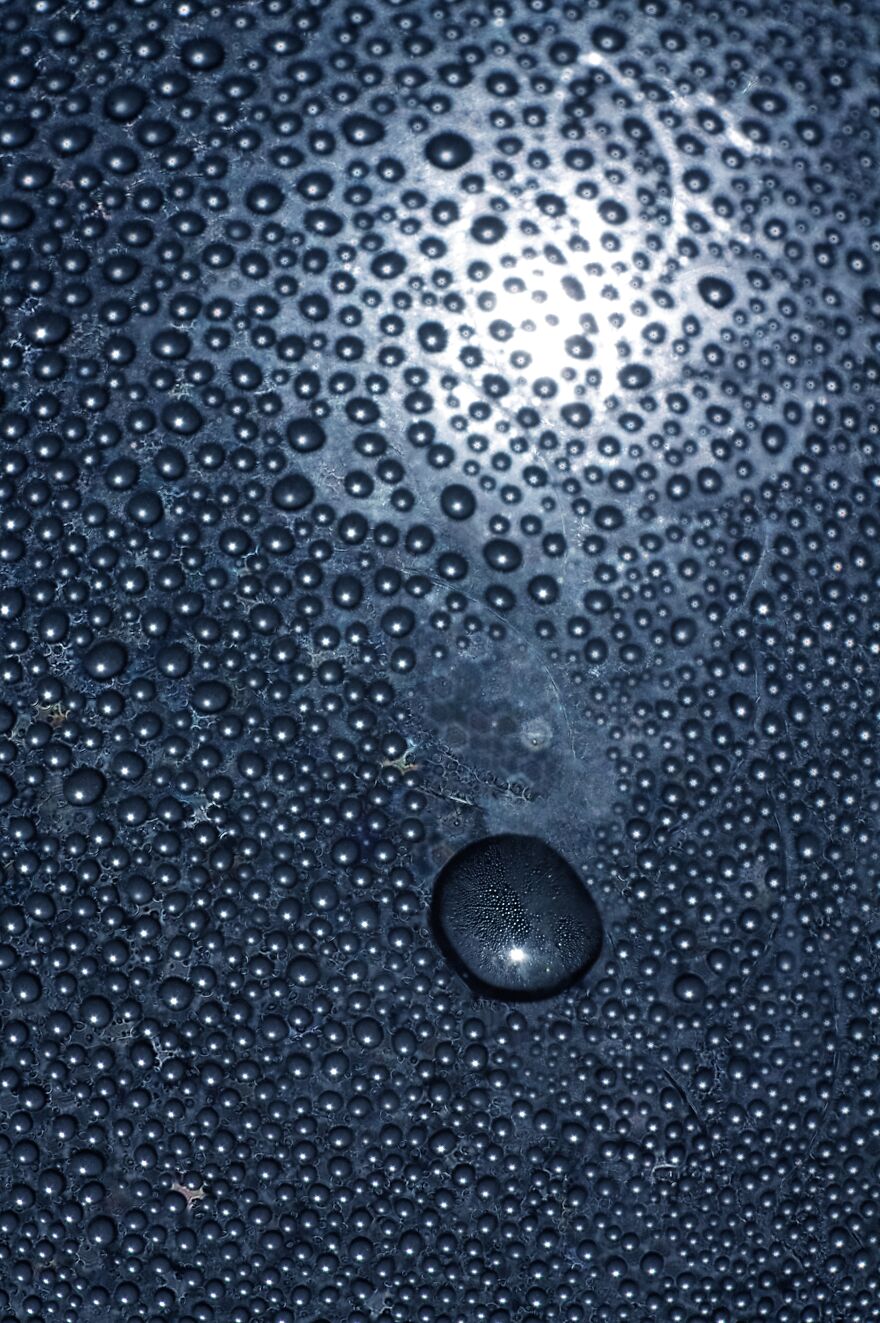
These are also drops in a water bottle.
#9
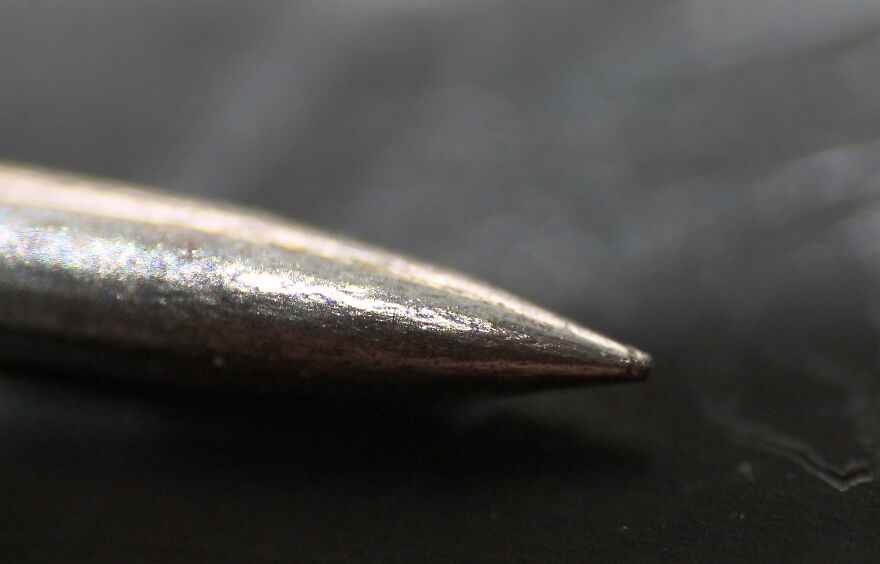
Tip of a sewing needle.
#10
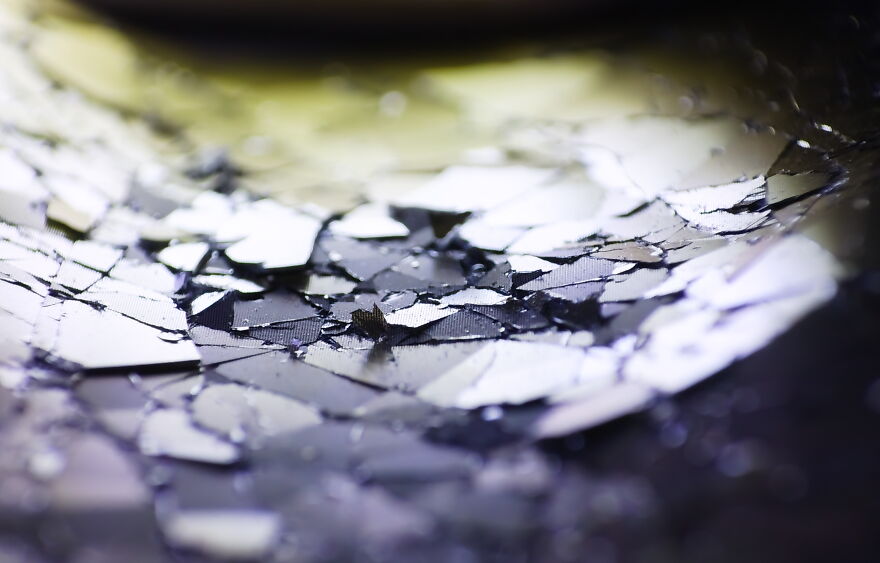
Broken phone screen.
#11
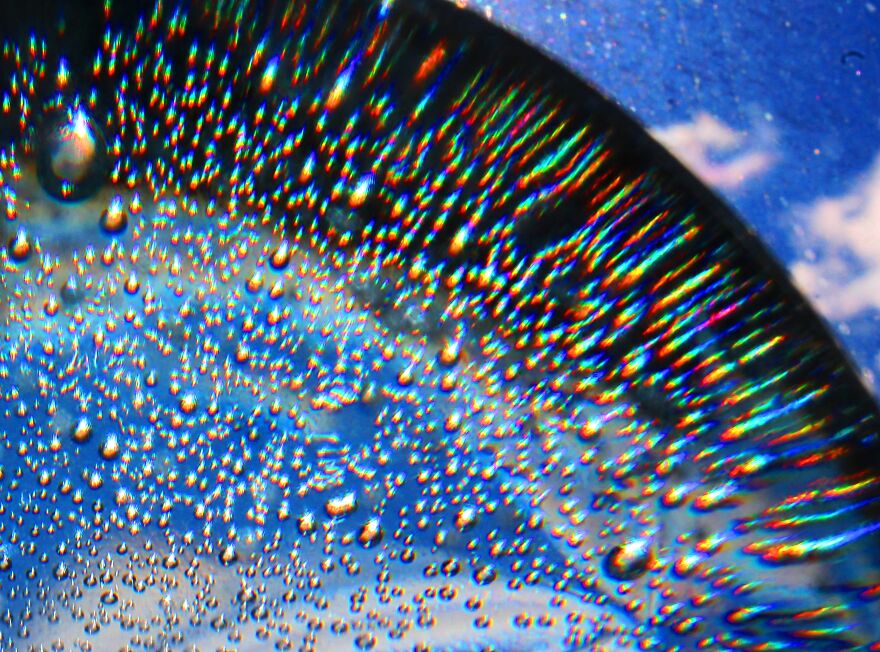
Not a real macro: water bottle on direct sunlight, photographed from up-close.
#12
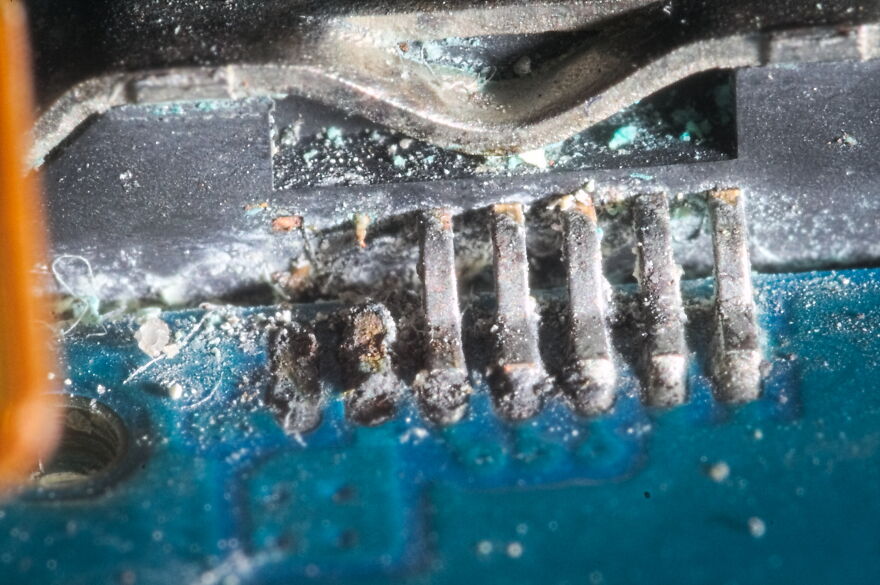
This happens if a drop of water gets into your phone’s USB connector and simply dries out. It destroyed (oxidated) some of the connector’s pins which were soldered to the phone’s mainboard – this is the backside of the connector.
Macro can be very useful for documenting electronic repairs, I often use it when I’m repairing stuff.
#13
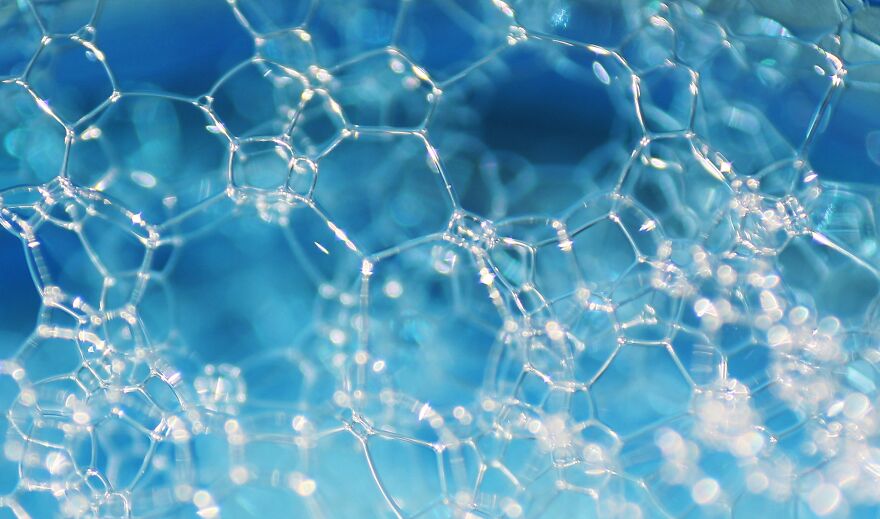
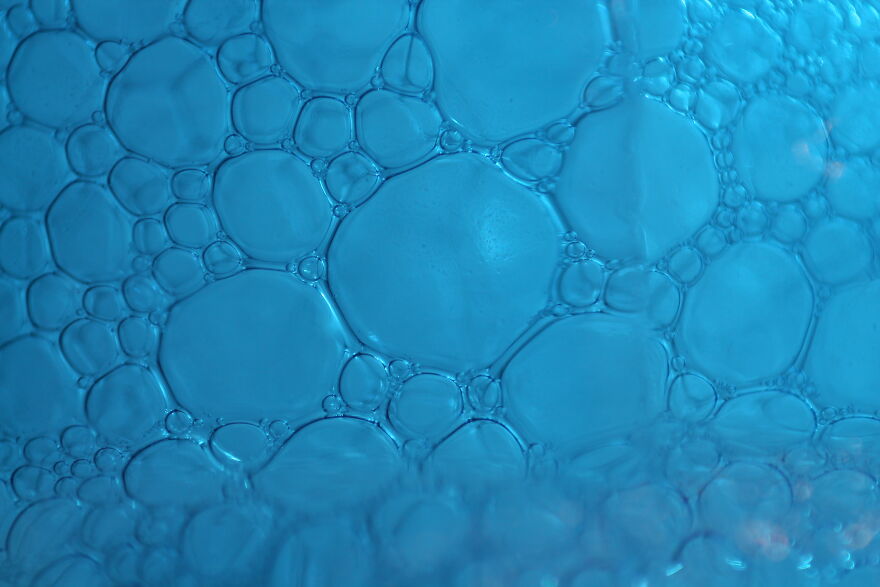
Network – bubbles in a soap bottle.
#14
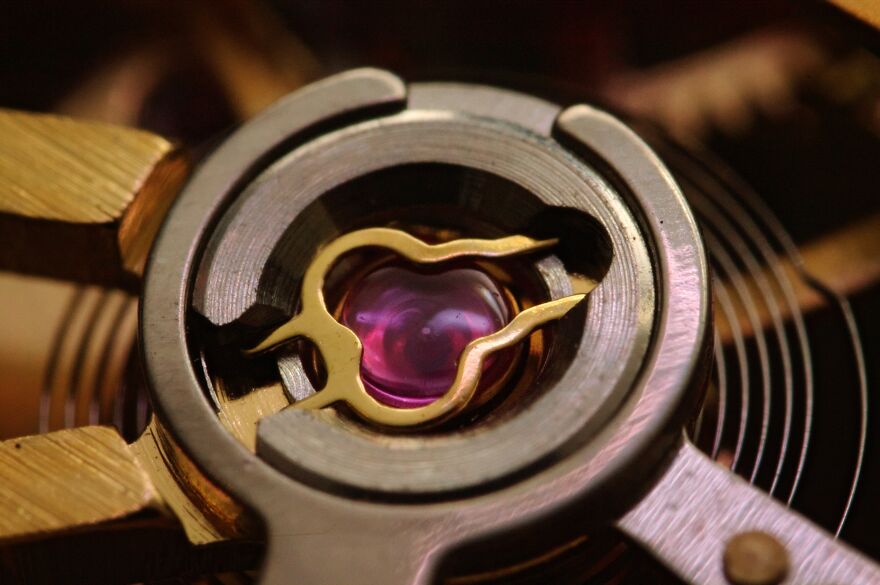
Jewel bearings…
#15
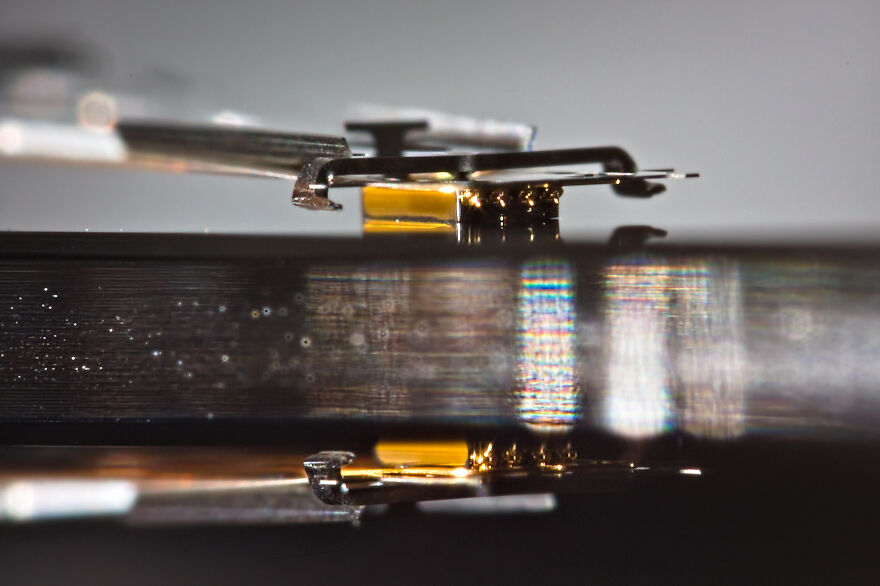
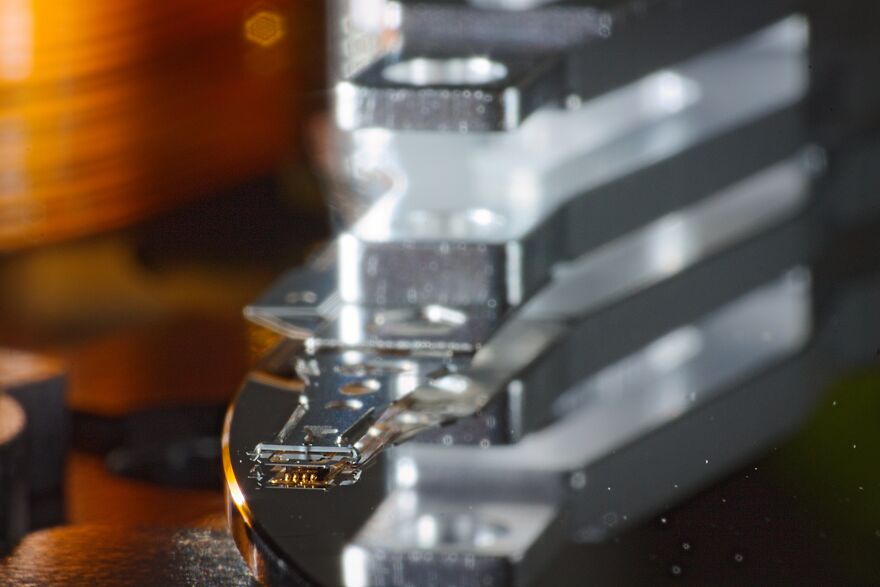
HDD heads on both sides of a disc.
#16
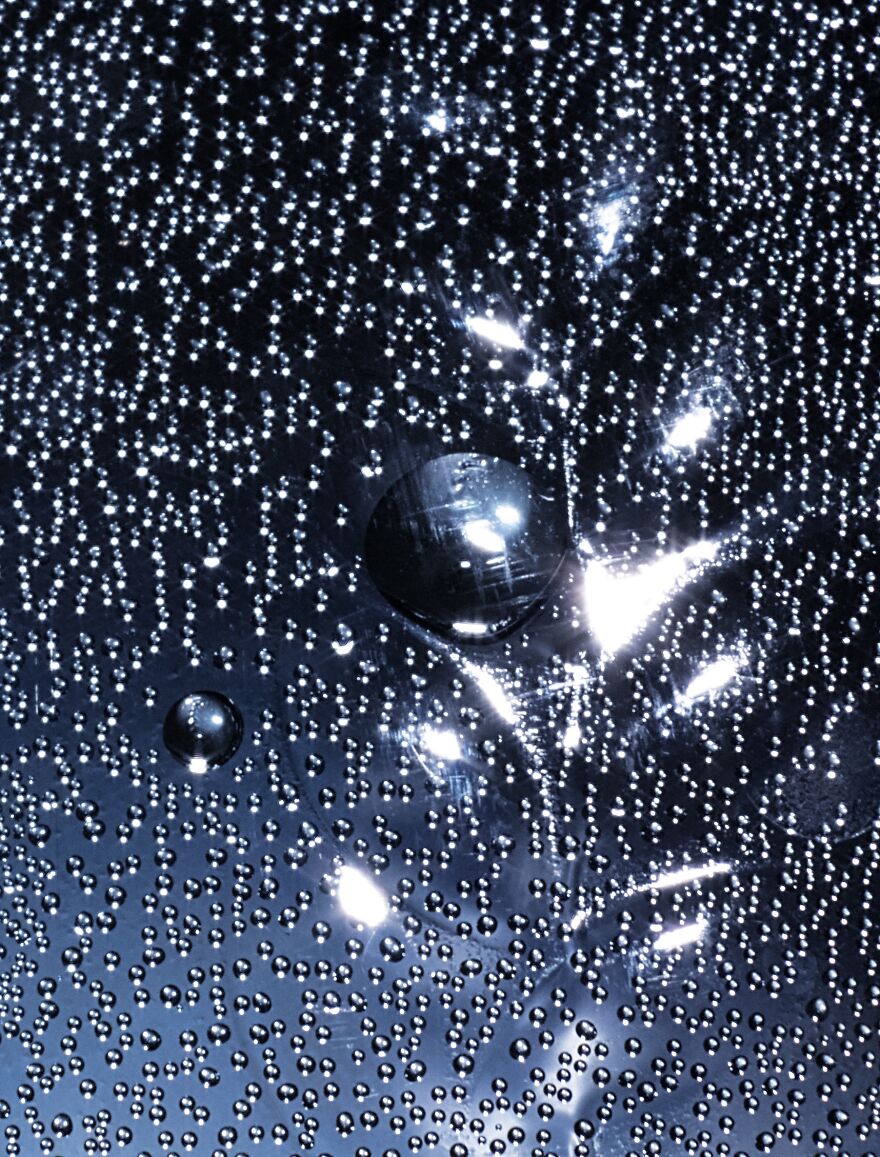
Also drops in a bottle, but with flash… I really don’t know how the flower pattern got there – can be the reflection of the manufacturer’s logo.
#17
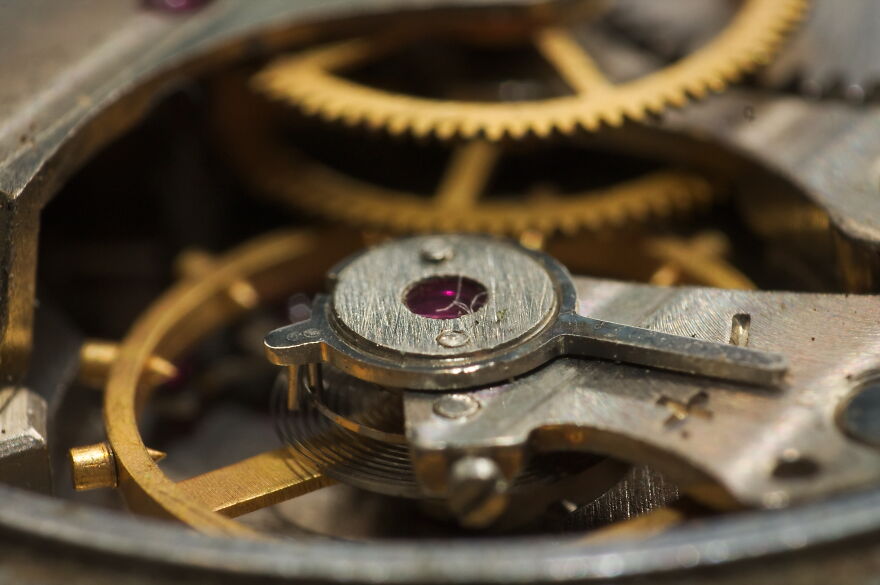
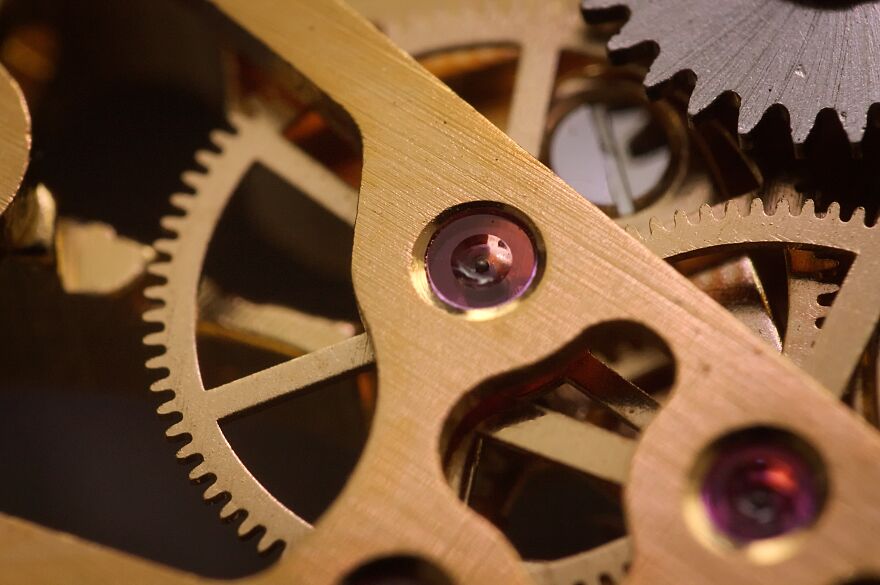
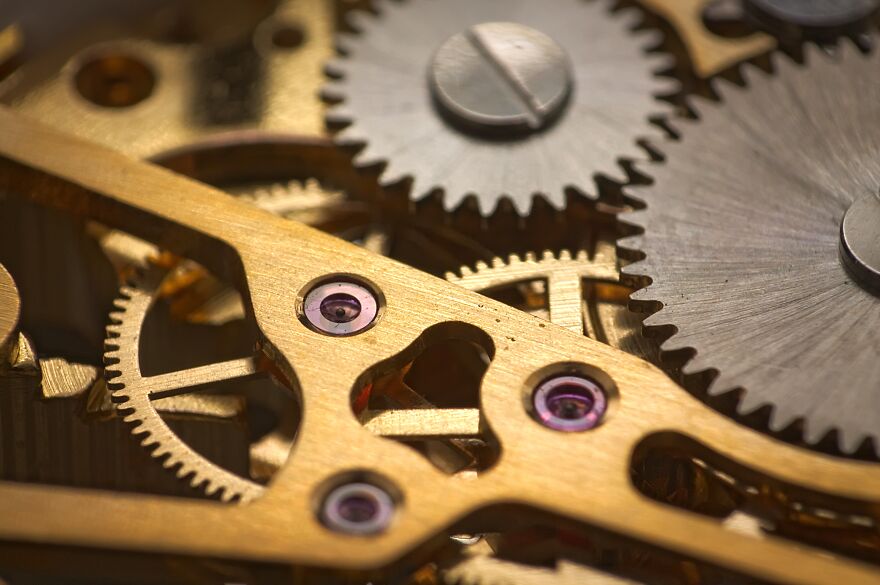
Clockwork (pocket watch).
#18

#19
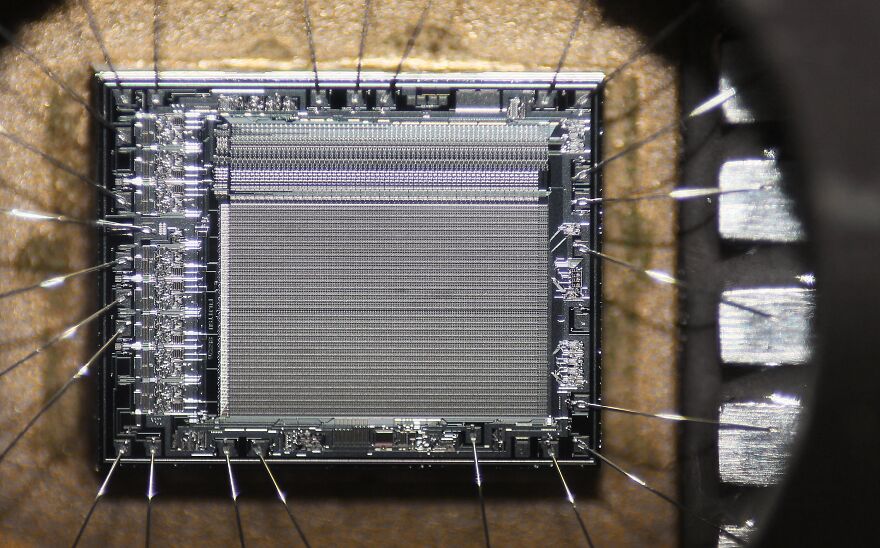
Fujitsu MBM27C32 EPROM chip. EPROMs are programmable, erasable ROM memories, widely used in the ’70s and ’80s. They can be erased with UV light, so they have a small glass over the chip itself…
#20
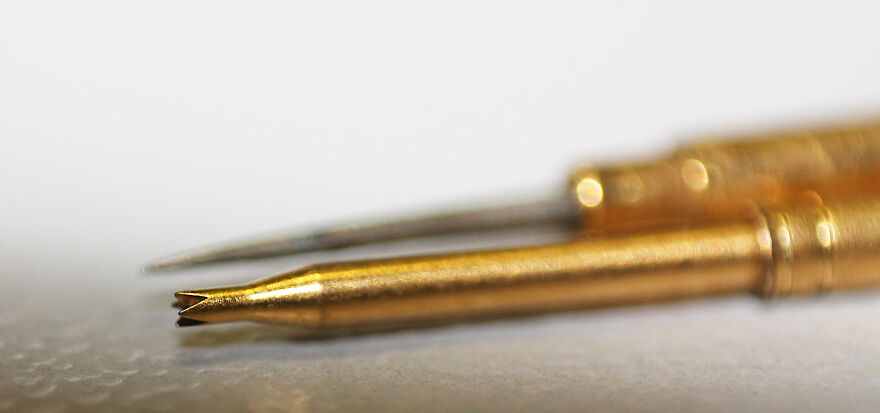
Tip of a needle used in electrical testing equipment. It’s only a little broader than a sewing needle’s head.
#21
#22
#23
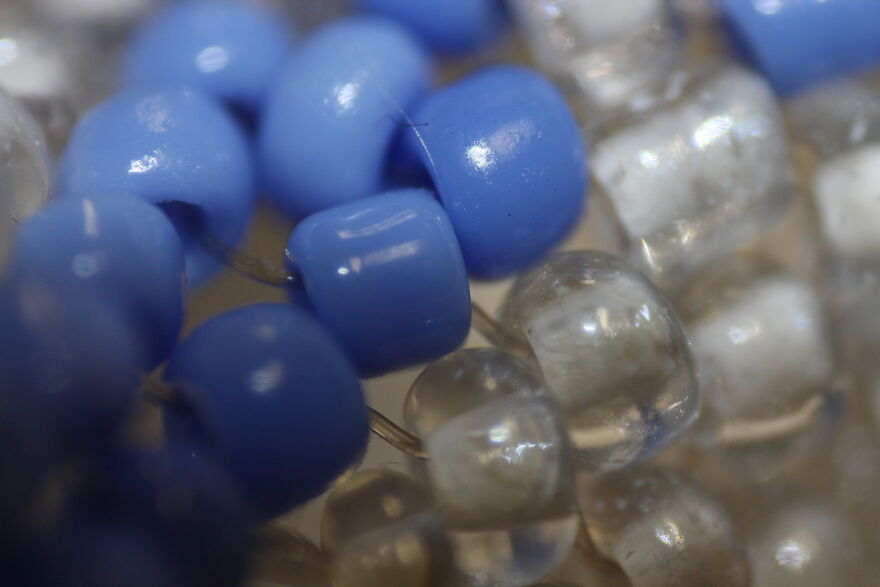
Beads up-close.
#24
#25
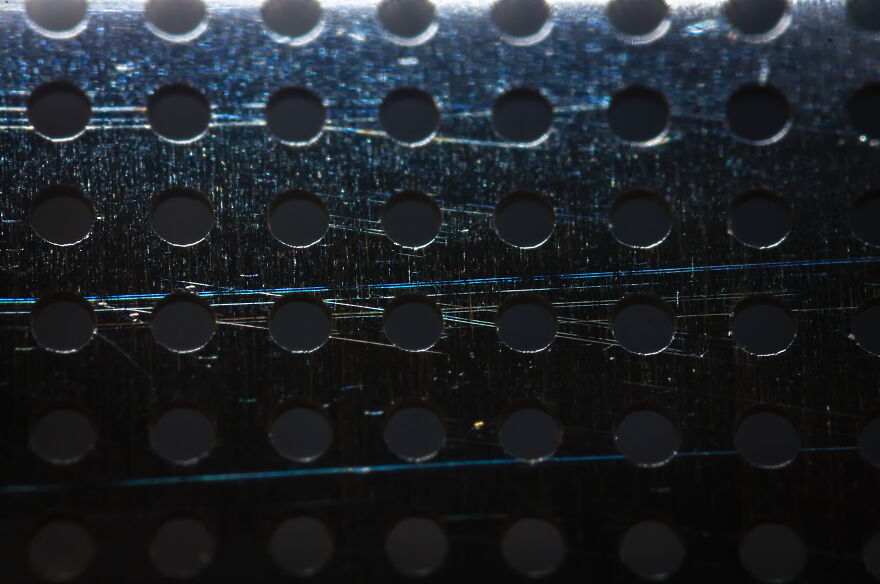
Metal tea filter.
#26
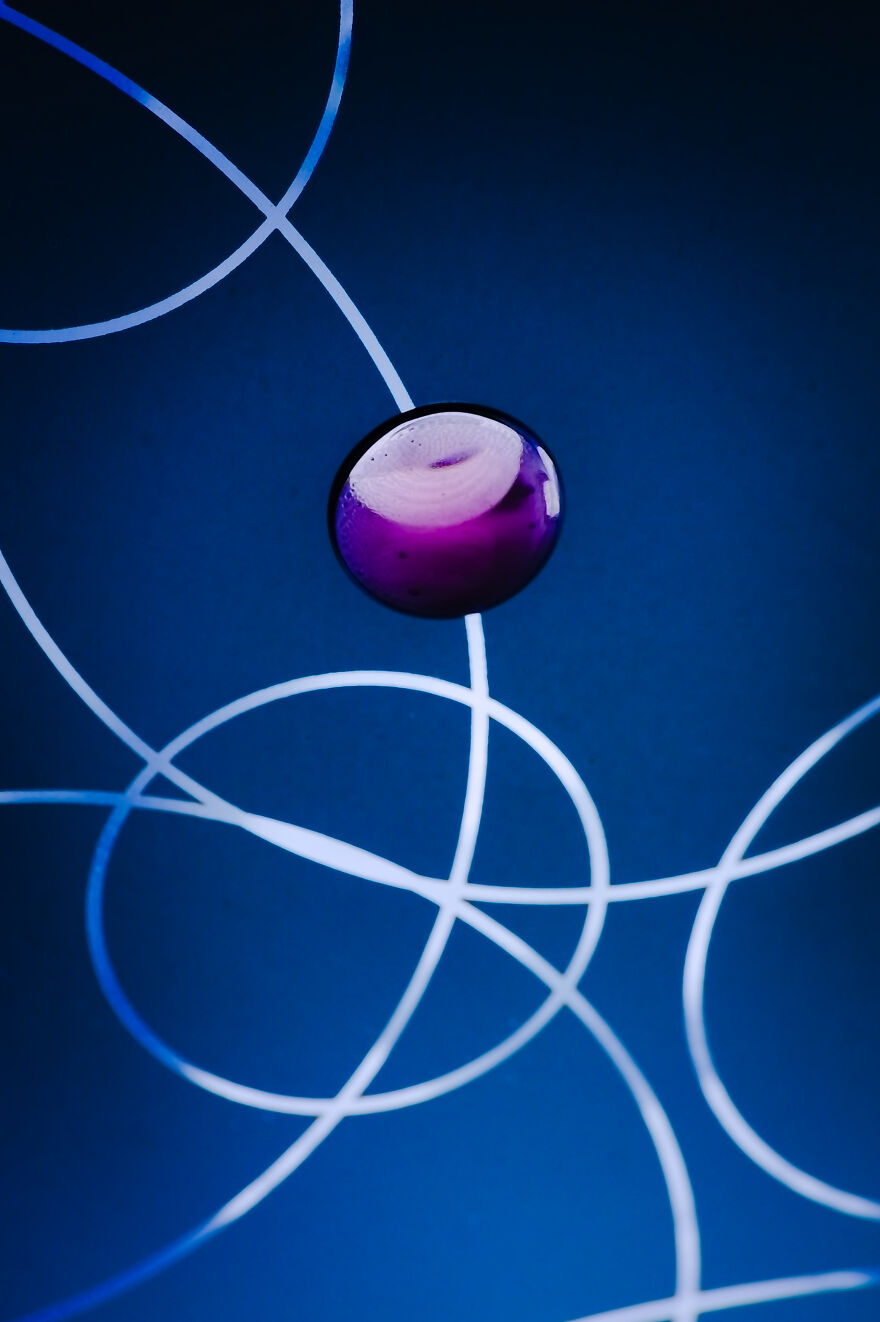
Also not a real macro: just a close-up of a lamp with a telephoto lens.
#27
Broken LCD.
#28
#29
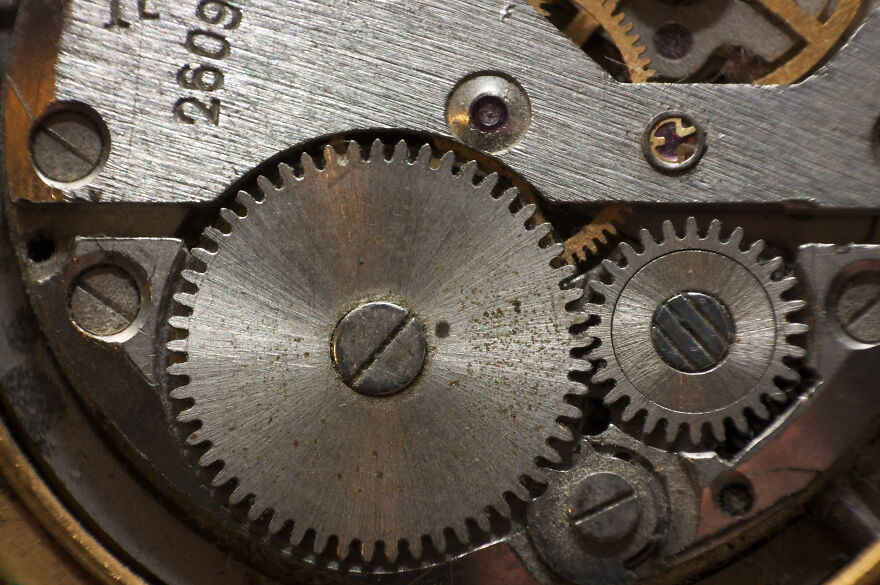
2609 – Russian wristwatch.
#30
#31
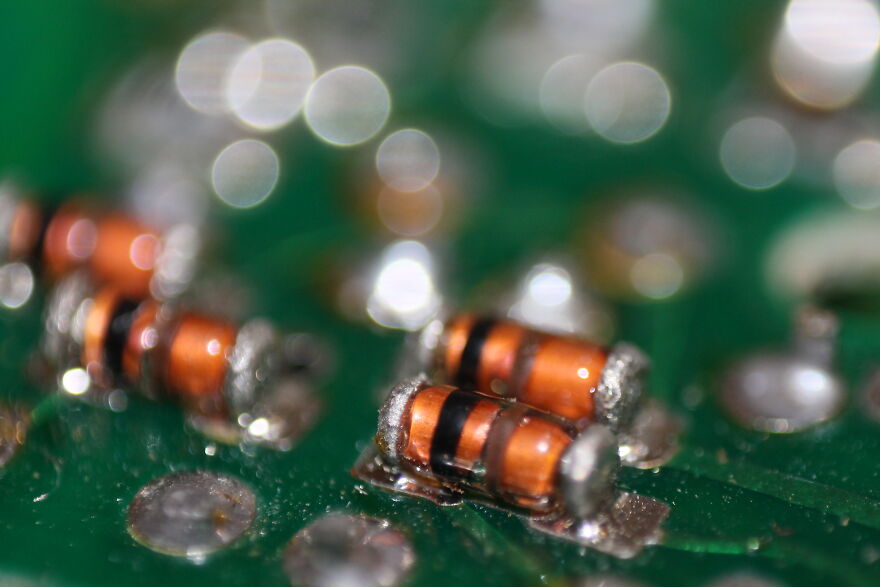
SMD diodes on a printed circuit board.
#32
#33
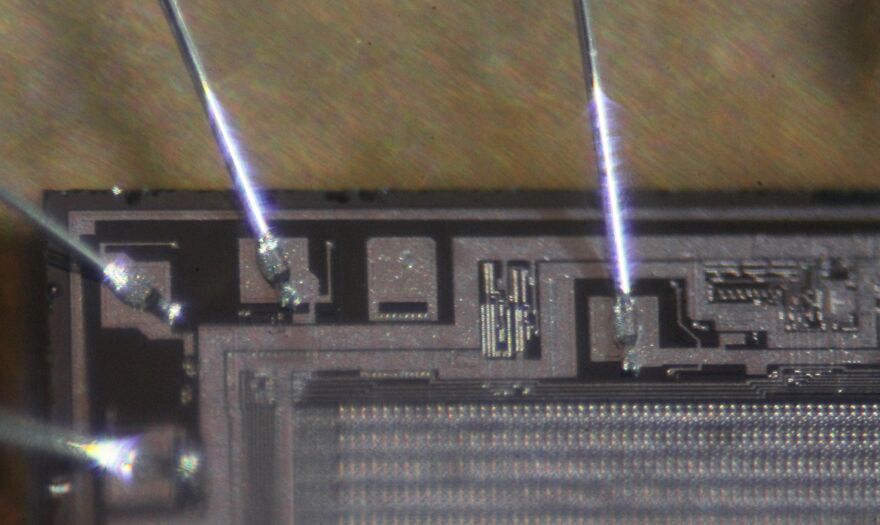
This image was taken with a tandem lens (Canon 18-55 and 70-300 together), which produces very high magnification, but it’s very hard to use. Even the traces and components on the chip can be seen. The 4 long things are the wires which are connecting the chip to the output pins of the package.
#34
 Follow Us