“Call me old-fashioned, but I only want my sons to marry women with de*d mothers.” This was the jarring opening line of Jenny Mollen’s recent essay on parenting.
Within days of posting her essay, she gave the internet photos of herself with her son in bed, suggesting her “eldest son” would be the most “toxic boyfriend” she will ever date. Although the actress painted the pictures as a joke, experts don’t seem to be laughing as they called out the “misogyny” in her statements.
Experts have called out the “misogyny” in Jenny Mollen’s statements on raising sons

Image credits: jennymollen
The controversy began after Jenny Mollen, who shares sons Sid, 12, and Lazlo, 8, with estranged husband Jason Biggs, shared pictures of herself lying intertwined with her son in bed.
“Your eldest son will be the most toxic guy you ever date,” read the since-deleted caption. The pictures triggered a massive uproar online, with people saying the snaps gave them “the ick.”
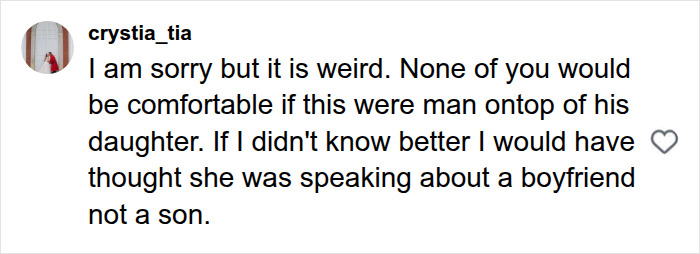
“As a boy mom, I’m deeply appalled,” one said, while another wrote, “CPS should be involved.”
While the internet was quick to call the pictures inappropriate, experts said physical affection is an absolutely normal and essential component of parenting. Moreover, it is impossible to tell from pictures alone whether a parent is crossing the line with their children.
But the outrage triggered online may have been a result of Mollen mixing “s*xuality” with “warmth and affection,” according to Dr. Sarah Schoppe-Sullivan, a professor of human sciences and psychology and a faculty associate of the Crane Center for Early Childhood Research and Policy.

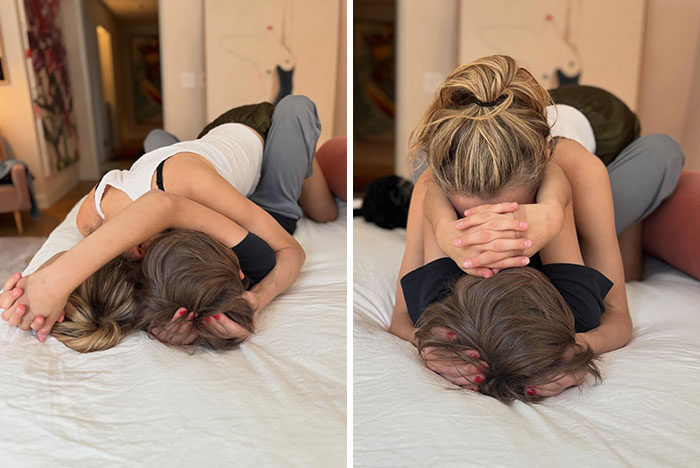
Image credits: jennymollen
“The bedroom context and the positioning of their bodies on the bed evokes sensuality and s*xuality,” the parenting expert told Bored Panda.
Even the caption about the oldest son being the “most toxic guy” a mother will ever date also “evokes s*xual themes, which people perceive as inappropriate for photos of parents and children.”
Dr. Amy R. Franzini, an expert on the portrayal of childhood and parenting in the media, believes the outrage is less about the actual pictures and more about how people project their own beliefs about family dynamics onto others, even strangers they have never met.
“Images of parenting are never interpreted in a vacuum. Viewers bring their own experiences, beliefs about family, cultural norms, and assumptions about appropriate parent-child boundaries,” she told Bored Panda.
The professor of communication studies at Widener University said it was not the “pose” in the pictures that people were reacting to, but “what they believed the pose symbolized.”
The actress shares two sons, Sid, 12, and Lazlo, 8, with estranged husband Jason Biggs
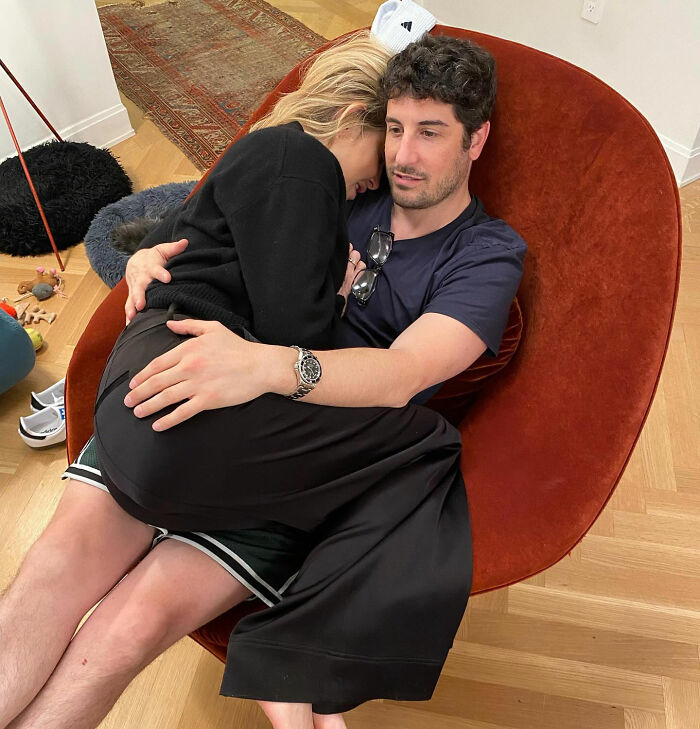
Image credits: jennymollen
“This particular image generated strong reactions because it sits at the intersection of multiple cultural tensions: how much physical affection is appropriate as children age, how society views mothers versus fathers displaying affection, and broader anxieties about children’s independence,” she said.
Beyond the internet’s loud gasps, the conversations online pushed one key question to center stage: how does one actually define the boundary between healthy affection and uncomfortable territory?
Experts said a photograph is far too little evidence to make definitive judgments because the quality of family relationships depends on a plethora of factors.
“Healthy family relationships are defined by patterns of interaction over time rather than one isolated moment captured on camera,” Dr. Franzini explained.
So the more meaningful question would be whether the affection is “responsive to a child’s needs and comfort level,” she added.

Image credits: jennymollen
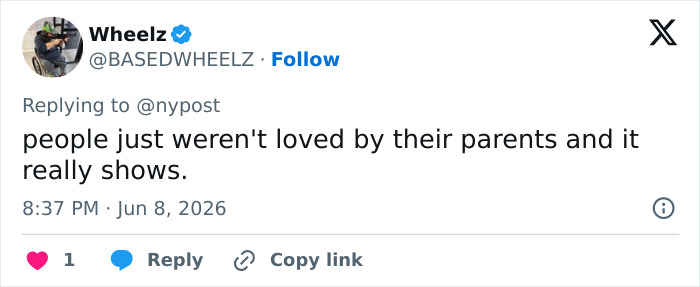
Image credits: BASEDWHEELZ
“As children mature, healthy parent-child relationships typically involve increasing respect for autonomy, privacy, and personal boundaries,” she explained. “The goal is not less connection, but a different kind of connection that evolves with the child’s developmental stage.”
The experts went on to decode the statements Mollen made in her Substack essay, which resurfaced after the controversial pictures of the mother-son cuddles.
In her May 10 Substack, Mollen lamented her son’s budding dating life and admitted to hating the idea of sharing him with his future wife or mother-in-law.
“Please. Stay. I want you. I need you. Oh, God,” read the title, which are lyrics picked up from Benson Boone’s hit song Beautiful Things.
She began the Substack by saying she didn’t want her mother-in-law stealing her son’s love and affection from her in the future.
Nothing stopped Mollen from calling her son’s future wife a potential “crazy b*tch”
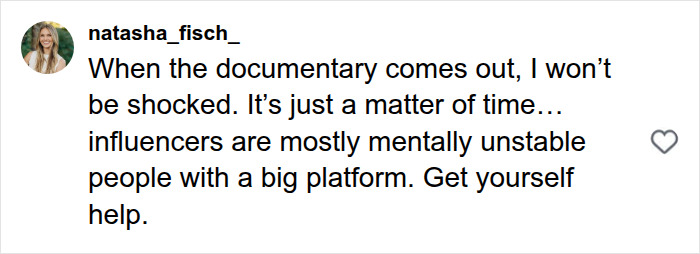
“It’s my only shot at staying relevant, of seeming useful, and of winning by comparison,” she wrote. “Having boys is a mind f***. It builds you up, only to tear you apart.” He will bring home “some crazy b*tch who is going to weaponize my flaws in therapy and melt all my jewelry,” she added.
Mollen also had no qualms about sharing details about her 12-year-old son’s dating life, revealing how she once caught him texting a girl. “She was twelve, but I could already tell my brand of toxic,” she wrote.
The mother-of-two claimed Sid was “utterly spun,” with the girl bossing him around and using “big words.”
“I complained to Jason that I wanted to intervene before he got hurt and that she wasn’t even hotter than me,” she said.

Image credits: jennymollen
Mollen’s statements seem to reflect a specific brand of “boy mom” energy, where possessiveness is wrapped up in edgy humor. This possessiveness can sometimes pave the way for insecurities and jealousy, which may be projected onto the child.
In recent times, terms like “boy mom” and “girl dad” have evolved from being just innocent hashtags. They dwell heavily on gender stereotypes and emphasize what can sometimes be a hyper-protective connection, based on the child’s gender.
“The ‘boy mom’ and ‘girl dad’ concepts lean into gender stereotypes. In contrast, most scientific research suggests that parent-child relationships, regardless of parent and child gender, are more similar than distinct,” Dr. Schoppe-Sullivan said.
“Mollen’s essay, in particular, drips with misogyny (e.g., the idea that a ‘bad’ woman is going to steal your son from you),” she continued.
“Mollen’s essay, in particular, drips with misogyny (e.g., the idea that a ‘bad’ woman is going to steal your son from you),” said one expert
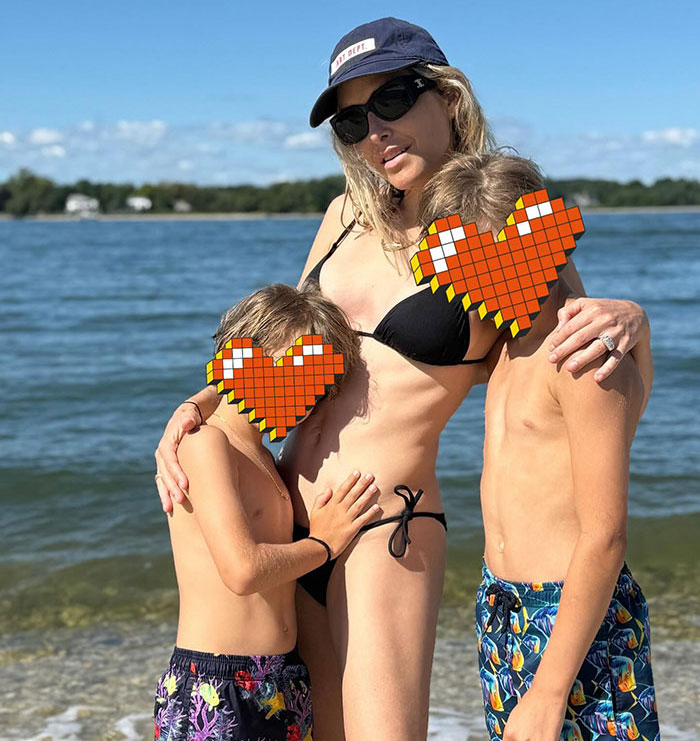
Image credits: jennymollen

Dr. Franzini noted that these narratives about being a possessive parent are becoming increasingly familiar in popular culture.
“We often see media representations of parents—particularly mothers—who joke about not wanting their children to grow up, leave home, or form primary attachments to romantic partners,” she said.
Celebrities like Ryan Reynolds and Dwayne ‘The Rock’ Johnson proudly speak about being girl dads like it’s a badge of honor.
In a follow-up Substack post, Mollen herself defended her cuddly pictures with her son and claimed the “toxic boyfriend” caption was a “joke.”
She admitted to making “some version of this joke for over a decade,” but acknowledged her humor is “not for everyone.”
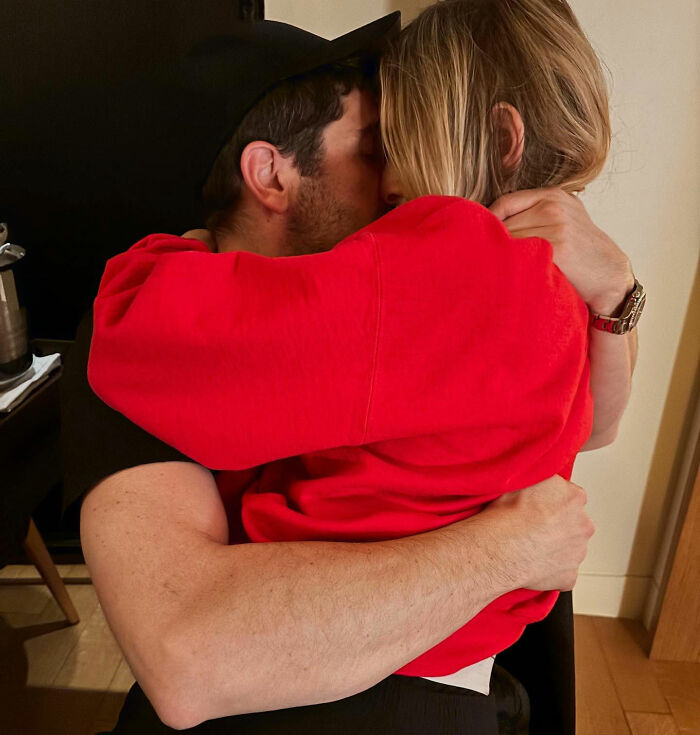
Image credits: jennymollen
“These comments can function as humor, but they also reflect a broader cultural narrative about parenting and identity,” Dr. Franzini said. “Many parents experience mixed emotions as children become more independent. Pride and loss often coexist.”
Dr. Franzini asserted that it is the parents’ responsibility to manage such feelings and not let them get in the way of their child’s development.
“Healthy parenting generally involves supporting a child’s growing independence, even when that process is emotionally difficult for the parent,” she said. “The challenge is ensuring that a parent’s fears about change do not become a burden the child feels responsible for carrying.”
Mollen wrote a follow-up Substack essay, where she brushed off her statements as humor

Image credits: jennymollen
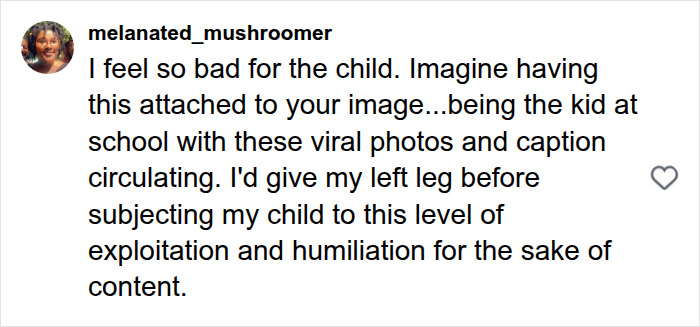
As children enter early adolescence (ages 10-14), they naturally begin to forge their own identities and build relationships outside the family. However, if they sense that their parents fear being “replaced” or “abandoned” by their kids, the child may feel like their independence is a betrayal.
Dr. Schoppe-Sullivan said, “The possessiveness expressed by Mollen in her essay is at odds with adolescents’ needs to establish autonomy from parents, while maintaining connectedness.”
“If children perceive that their parents cannot function without them, children may feel guilty about becoming more independent and be less likely to successfully differentiate from parents, which could have long-term negative consequences for their development,” she continued.
Children may internalize guilt when they sense that their parents have a fear of being replaced by their kids
When a child realizes that their parent has anxieties about being replaced, it can create “conflicting pressures,” Dr. Franzini explained.
“On one hand, they are developmentally driven toward greater independence,” she said. “On the other hand, they may feel responsible for protecting a parent’s feelings. This can create guilt around normal milestones such as spending more time with friends, seeking privacy, or eventually prioritizing romantic relationships.”
The solution to not suffocating a child is not turning cold and distant towards them or outright rejecting the parent-child relationship.
“The goal is for the relationship to evolve, not disappear,” Dr. Franzini concluded. “Children generally benefit when they feel free to become more independent without worrying that their growth will emotionally harm a parent.”
“The father needs to get custody,” one netizen commented
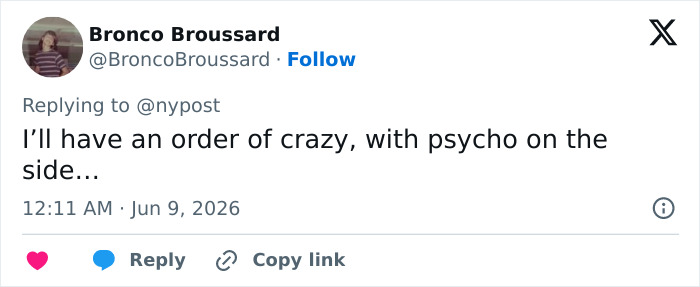
Image credits: BroncoBroussard

Image credits: RonieJet

Image credits: micheIUP
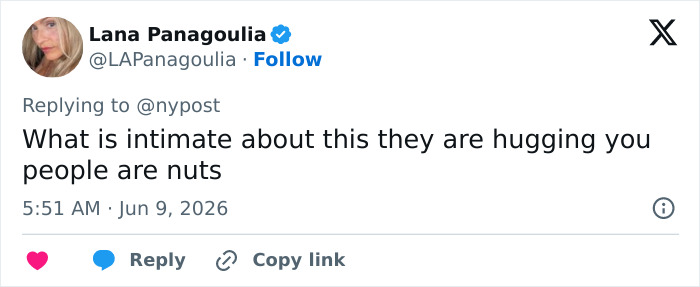
Image credits: LAPanagoulia
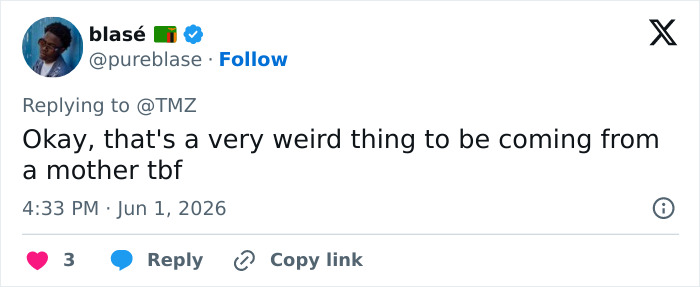
Image credits: pureblase
Image credits: mohsin049

Image credits: CalistaCapulet
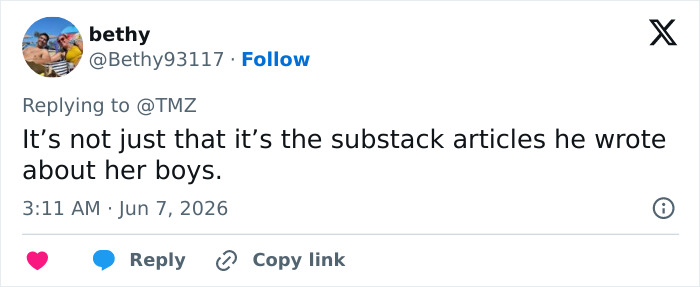
Image credits: Bethy93117
 Follow Us