If there has been one constant on the internet for the last decade or so, it’s that really anything can be effectively made into a meme. So we’ve gathered some of the best classical art memes from the Classical Sarcasm Facebook page for your viewing enjoyment.
Get comfortable as you scroll through in the knowledge that for anyone watching you at a distance, it just looks like you’re looking at art, upvote your favorites and be sure to share your thoughts in the comments section down below.
More info: Facebook
#1
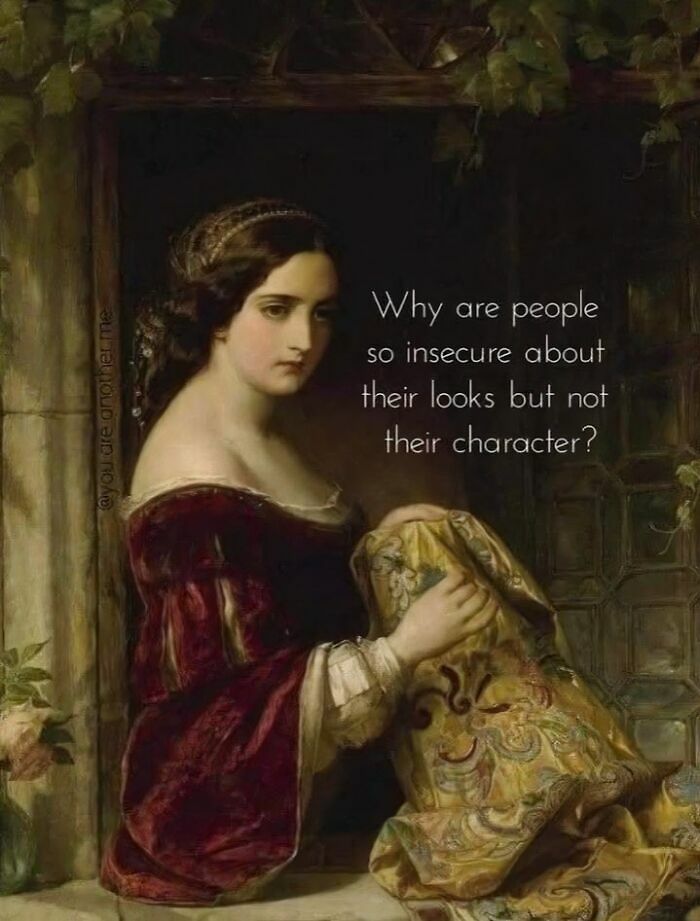
Image source: classicalsarcasm
#2
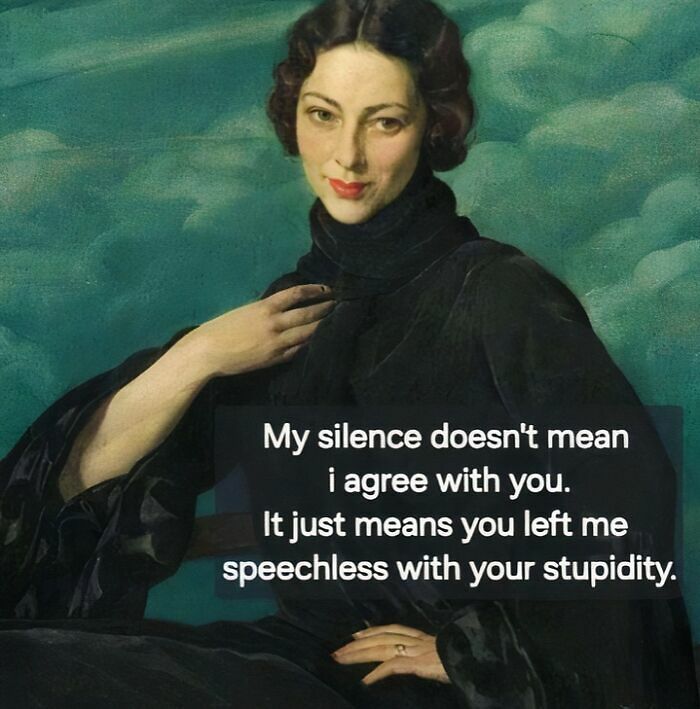
Image source: classicalsarcasm
#3
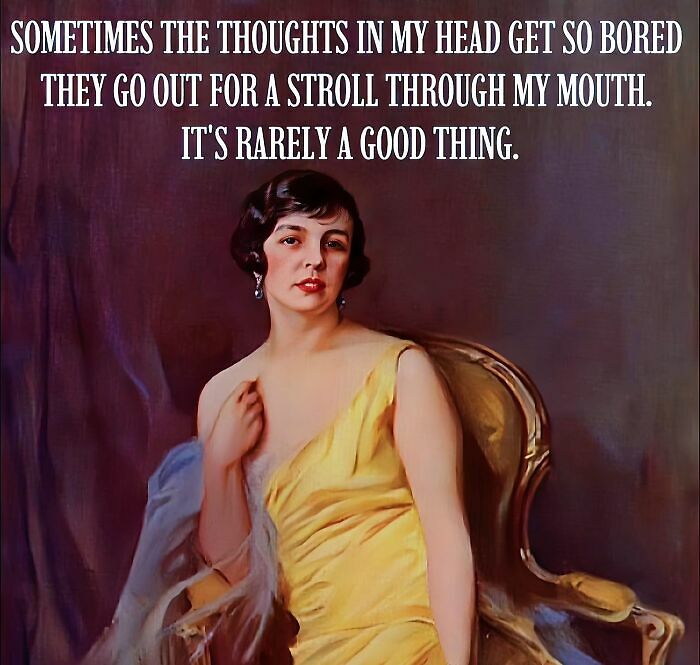
Image source: classicalsarcasm
The human brain is a remarkable engine of pattern recognition that constantly seeks out familiarity in the most unlikely places. This biological drive is exactly why a centuries old oil painting of a weary martyr can suddenly become the perfect representation of how it feels to wait in a long grocery store line.
We have a natural instinct to bridge the chronological gap between the past and the present by finding shared emotional truths in the exaggerated expressions of historical figures. This phenomenon is often rooted in the concept of remix culture where we take something prestigious and transform it into something relatable. By stripping away the stoic dignity of a classical masterpiece, we make the art world feel less like a restricted museum and more like a vibrant conversation.
#4

Image source: classicalsarcasm
#5
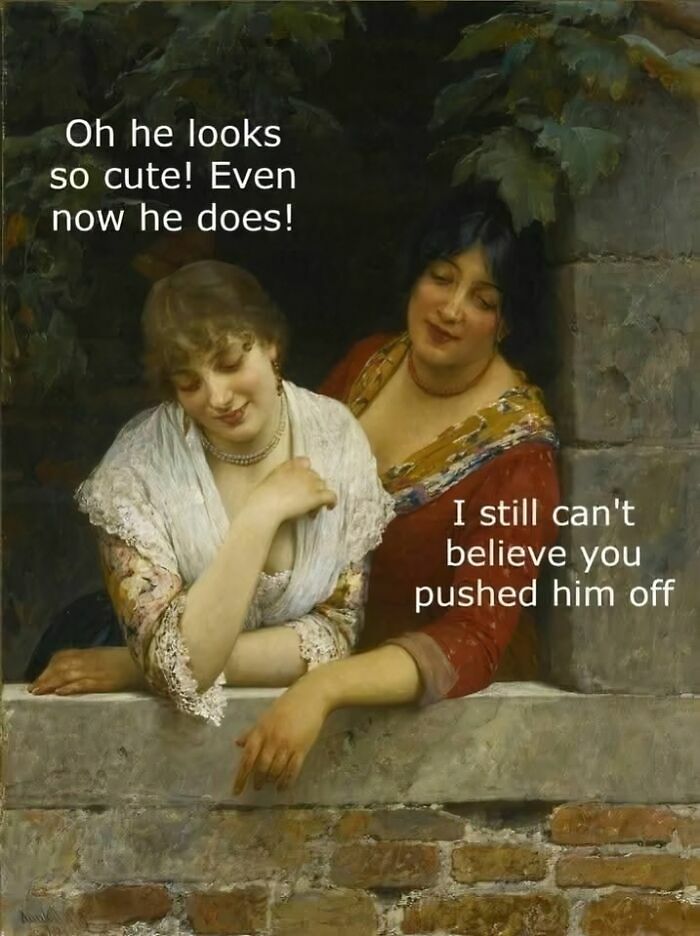
Image source: classicalsarcasm
#6
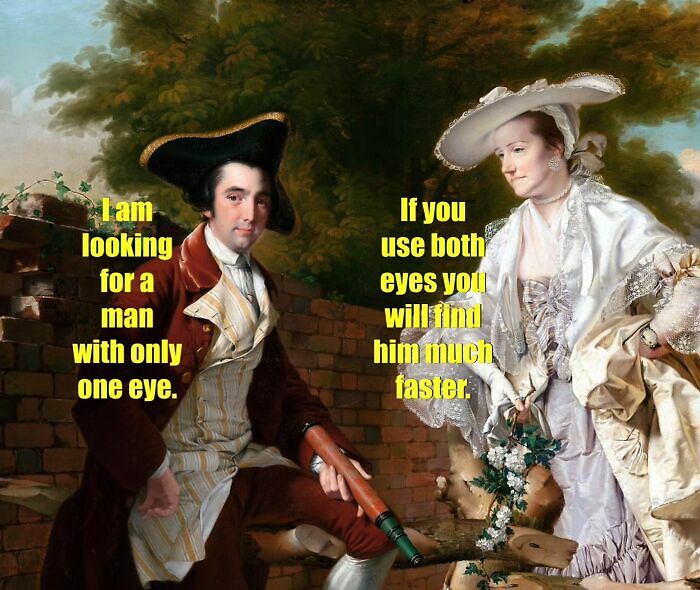
Image source: classicalsarcasm
One of the most fascinating reasons why classical art provides such fertile ground for humor is the sheer absurdity of certain historical artistic conventions. For example, many people have noticed that infants in medieval paintings often look like tiny, muscular middle aged men with receding hair lines.
#7
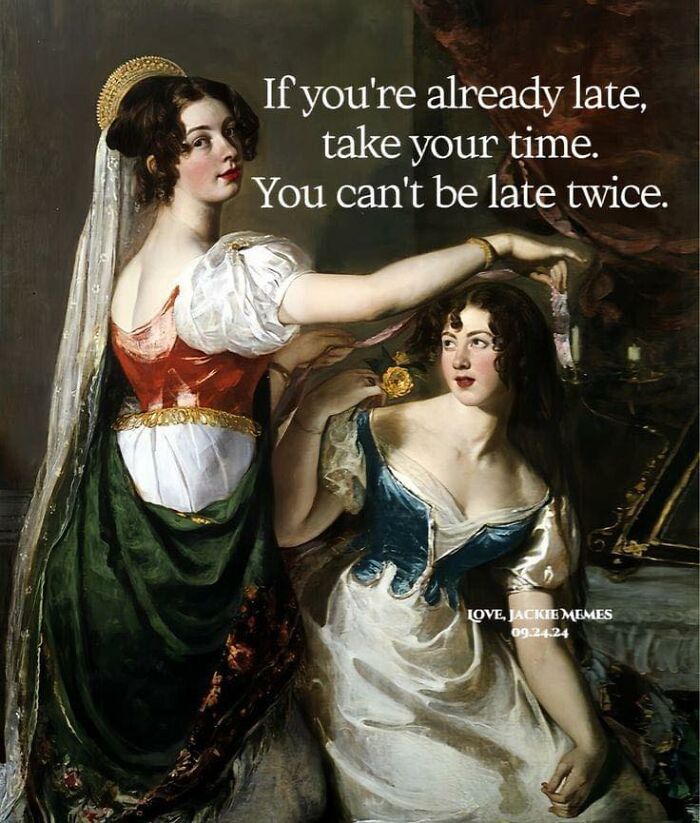
Image source: classicalsarcasm
#8
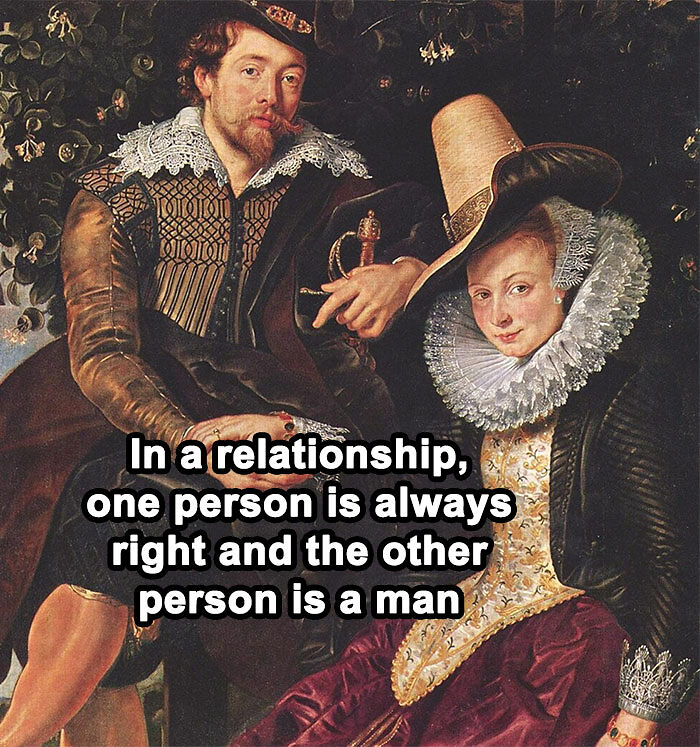
Image source: classicalsarcasm
#9
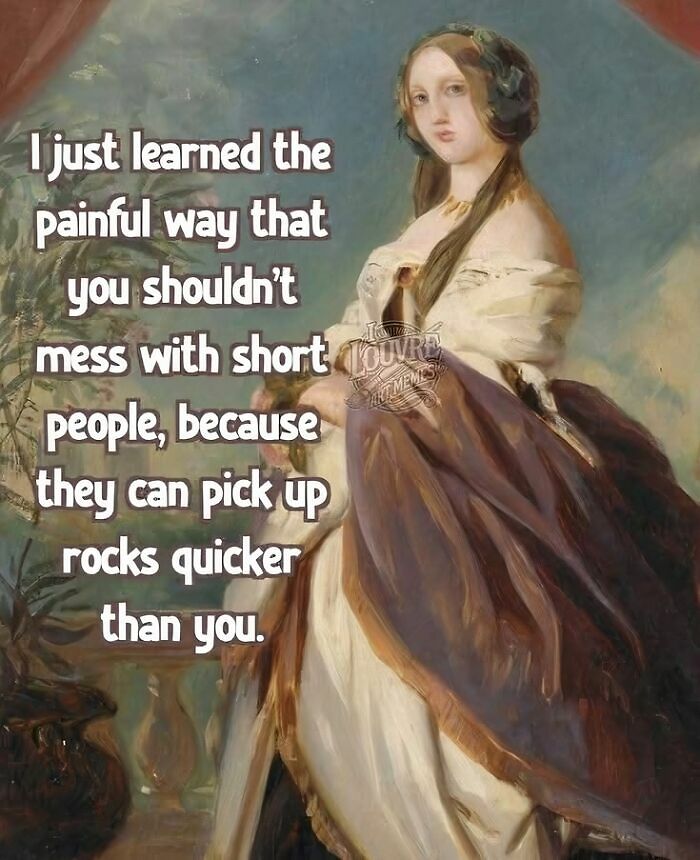
Image source: classicalsarcasm
This was not because artists forgot what children looked like, but rather due to a theological concept known as the homunculus which suggested that babies were born as perfectly formed, miniature versions of adults. To a modern viewer who lacks that specific historical context, these paintings look like a hilarious mistake. We cannot help but project our own confusion onto the canvas, turning a serious religious icon into a viral joke about the awkwardness of aging or the stresses of adulthood.
#10
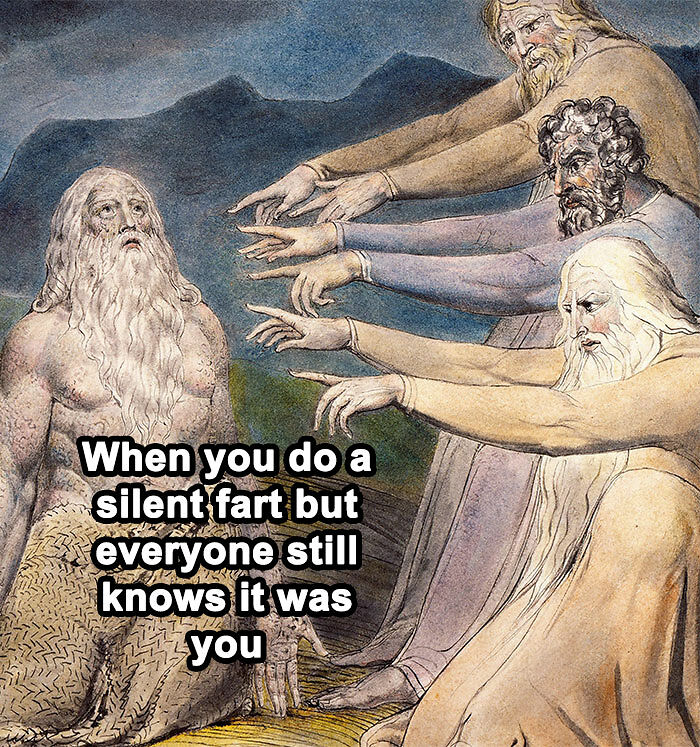
Image source: classicalsarcasm
#11
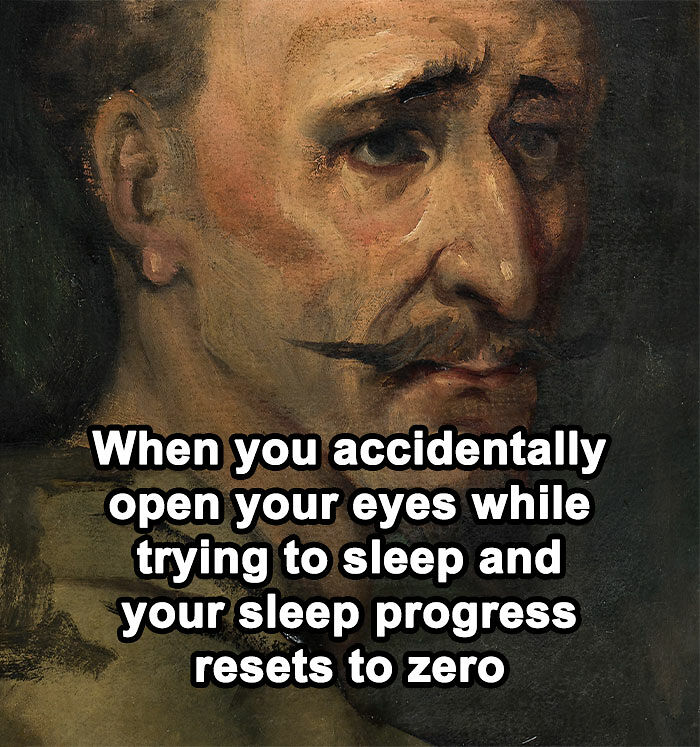
Image source: classicalsarcasm
#12
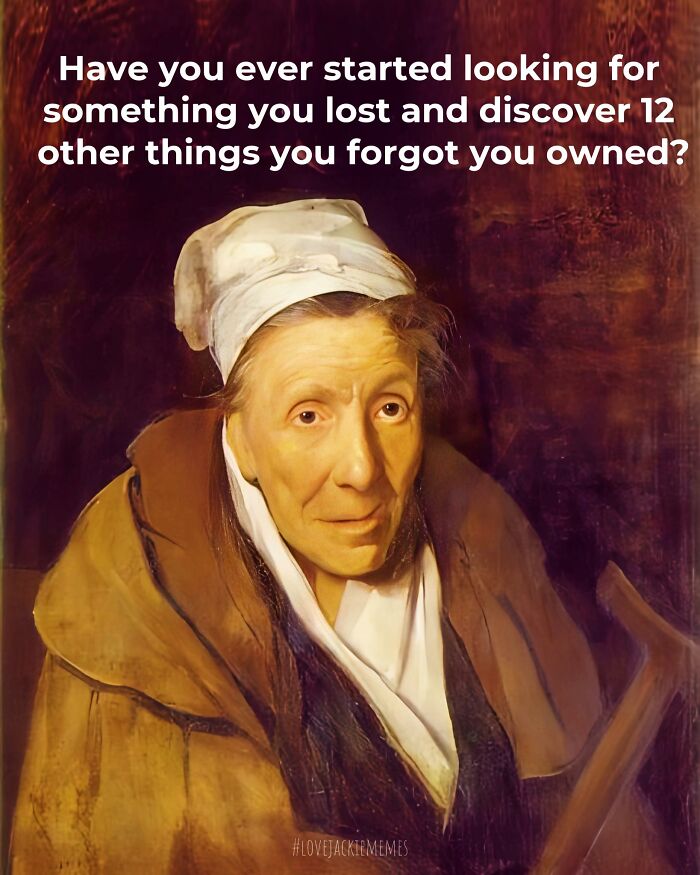
Image source: classicalsarcasm
The success of these memes also relies heavily on the power of juxtaposition. There is something inherently funny about pairing a grand, dramatic scene of a Roman battle with a caption about a minor modern inconvenience like dropping a piece of toast. This contrast between the high stakes of the art and the low stakes of our daily lives creates a comedic tension that is easy to share and understand.
#13
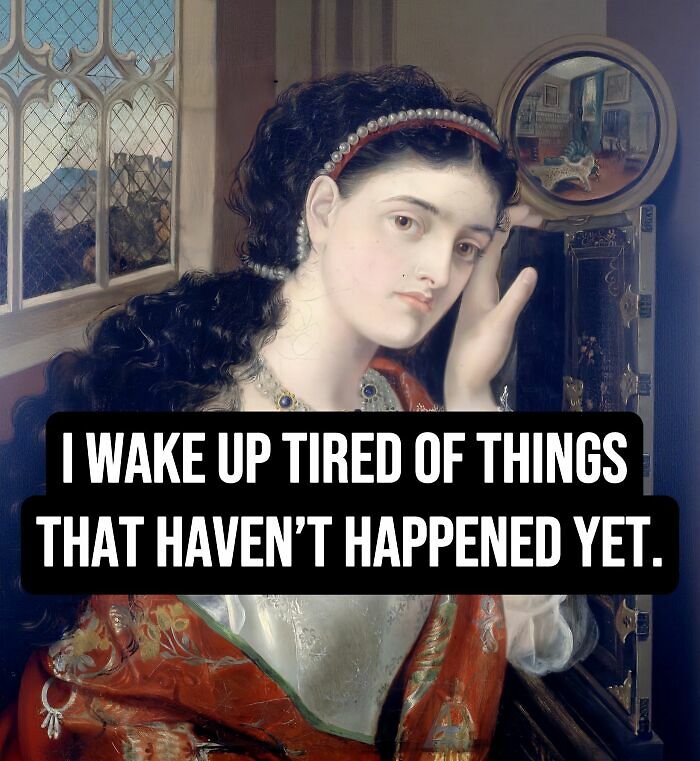
Image source: classicalsarcasm
#14
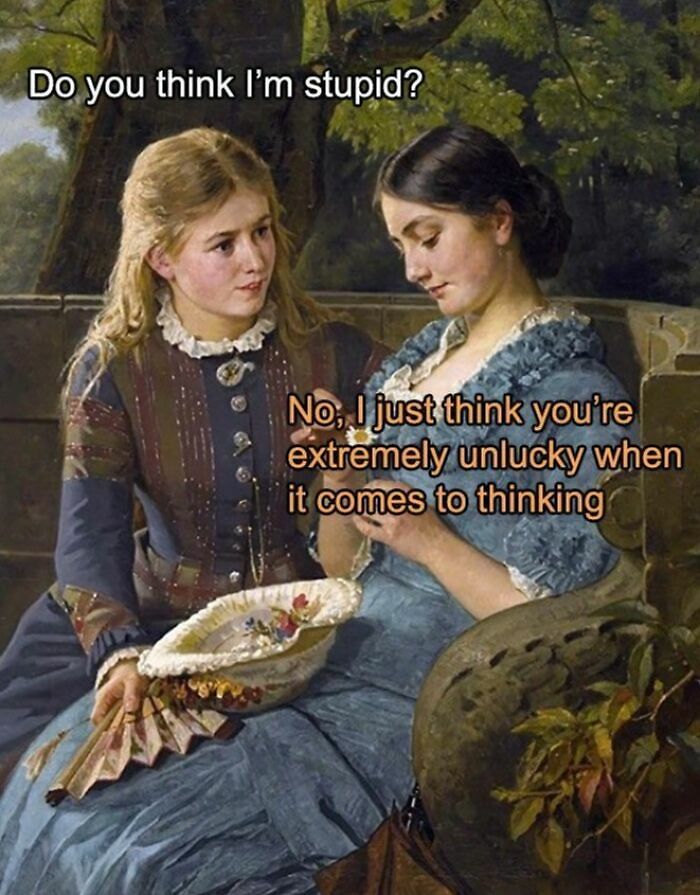
Image source: classicalsarcasm
#15
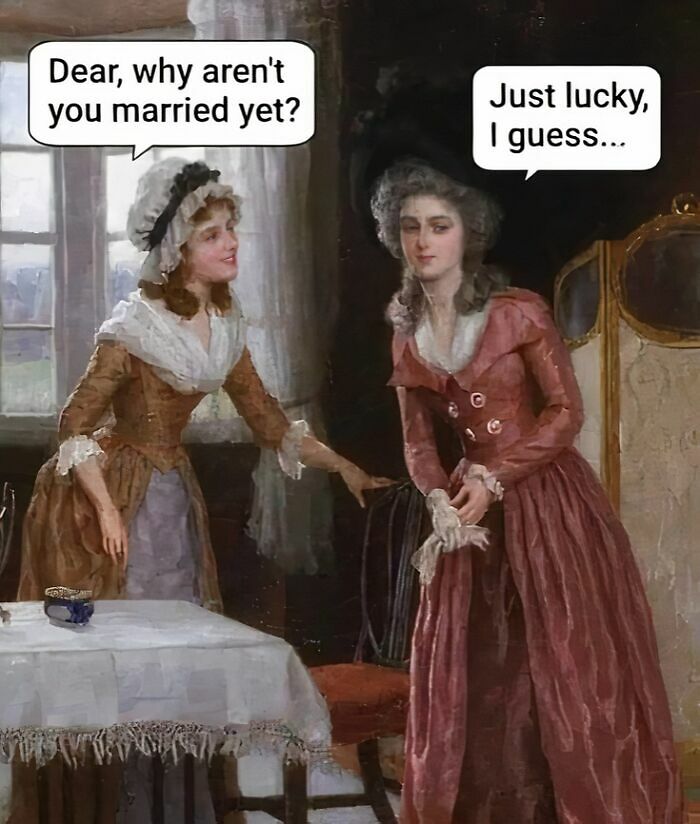
Image source: classicalsarcasm
Scholars often point to the work of Richard Dawkins who originally coined the term meme to describe how ideas spread and evolve through a culture. In the digital age, this evolution happens at lightning speed. A portrait that took years to paint can be transformed into a global punchline in less than five minutes because the internet has democratized the way we consume and interpret visual media.
#16

Image source: classicalsarcasm
#17
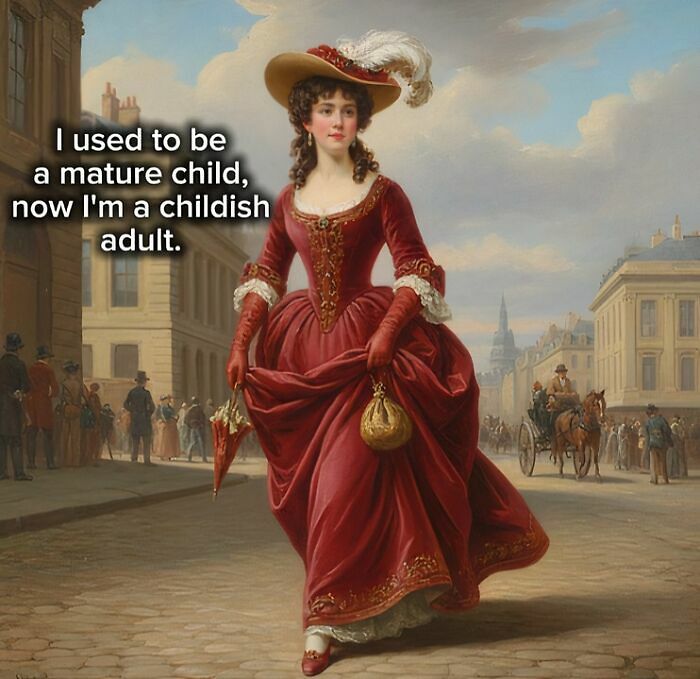
Image source: classicalsarcasm
#18
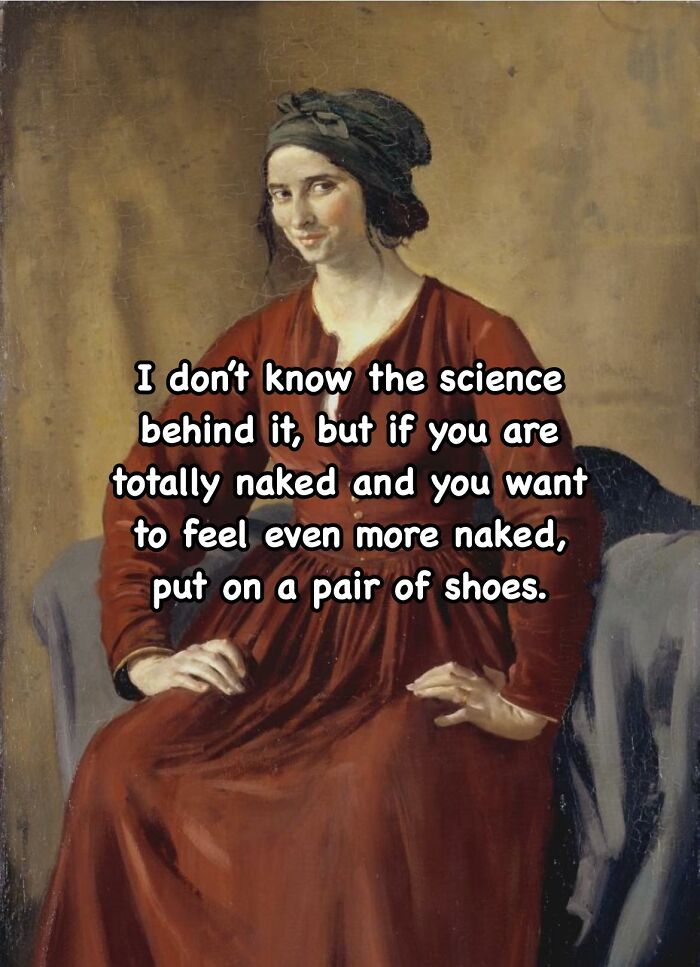
Image source: classicalsarcasm
Furthermore, the faces captured in classical art are often far more expressive than we initially realize. Painters like Caravaggio or Rembrandt were masters of capturing the human condition, including the subtle looks of annoyance, exhaustion, and suspicion that we still recognize today.
#19
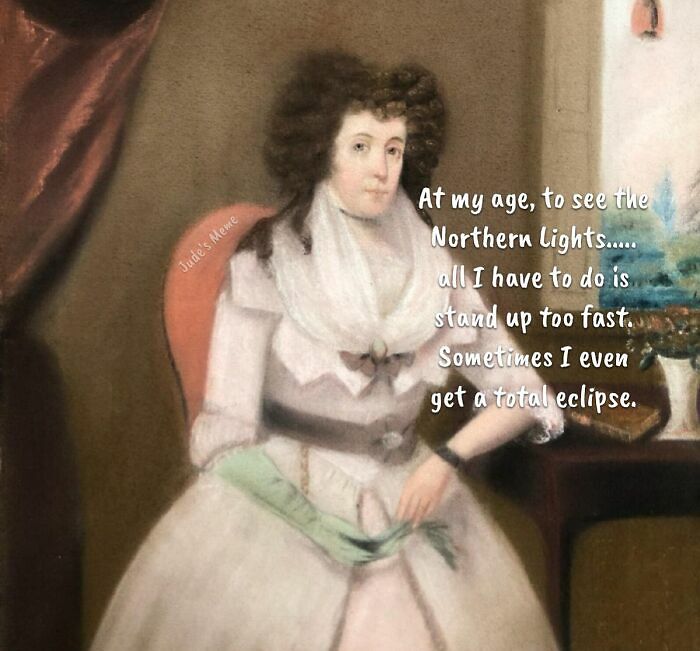
Image source: classicalsarcasm
#20
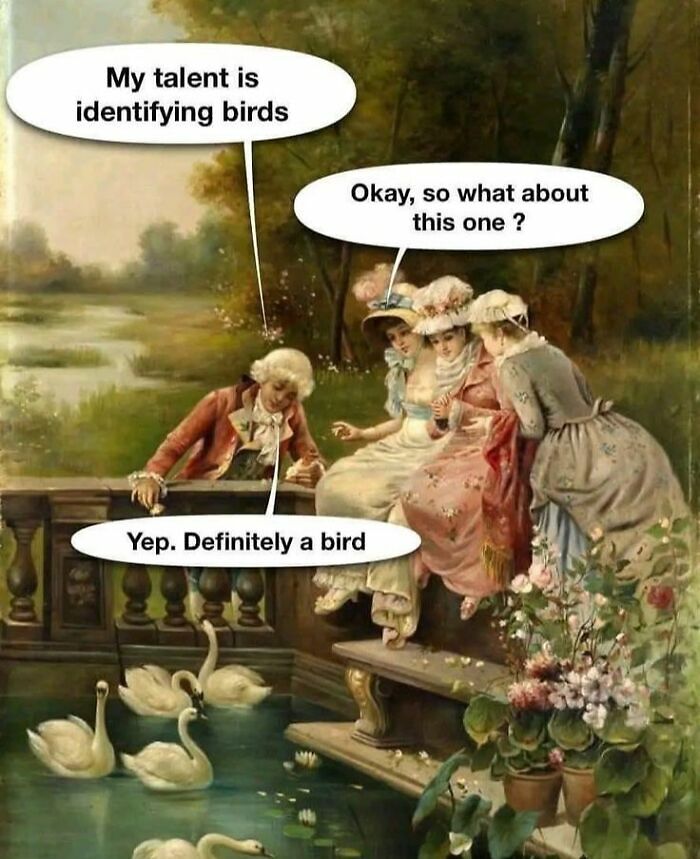
Image source: classicalsarcasm
#21
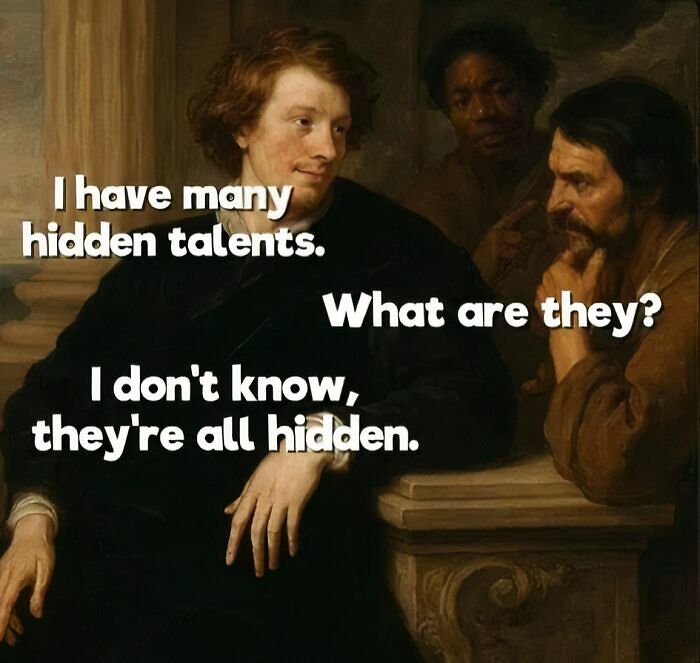
Image source: classicalsarcasm
When we see a noblewoman in a Dutch portrait giving a sharp side eye to someone off canvas, we do not need a history degree to understand exactly what she is feeling. We recognize that look because we have seen it in our own friend groups and offices. This universality is what allows a painting from the sixteen hundreds to survive and thrive on social media platforms that did not exist even twenty years ago.
#22
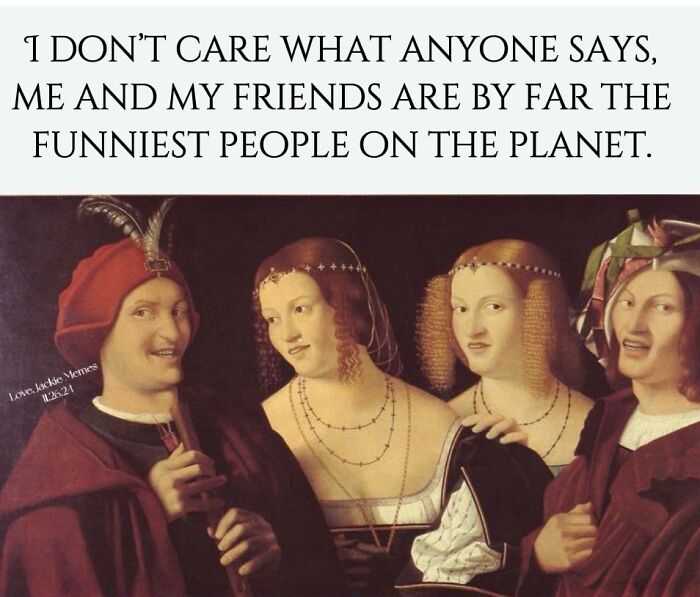
Image source: classicalsarcasm
#23
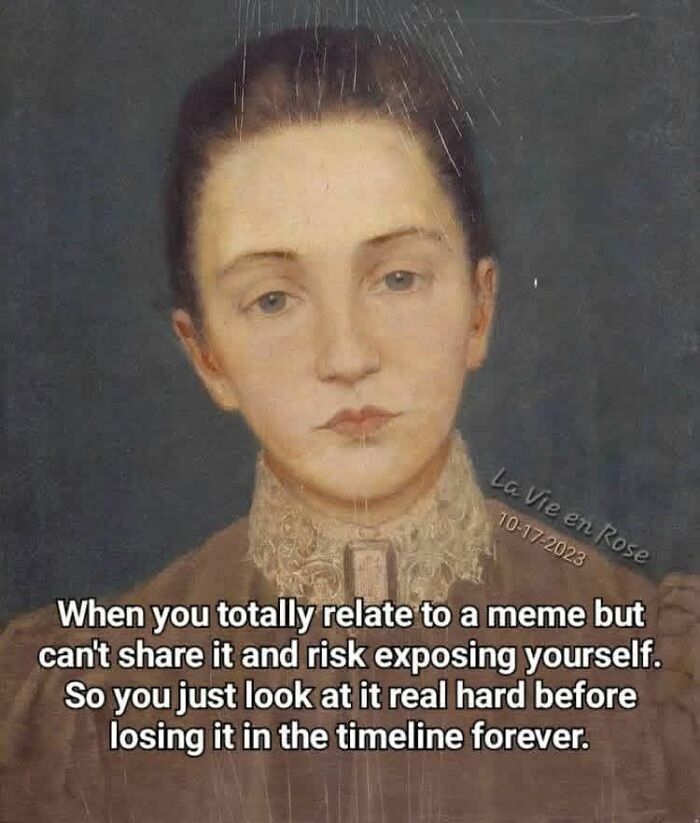
Image source: classicalsarcasm
#24
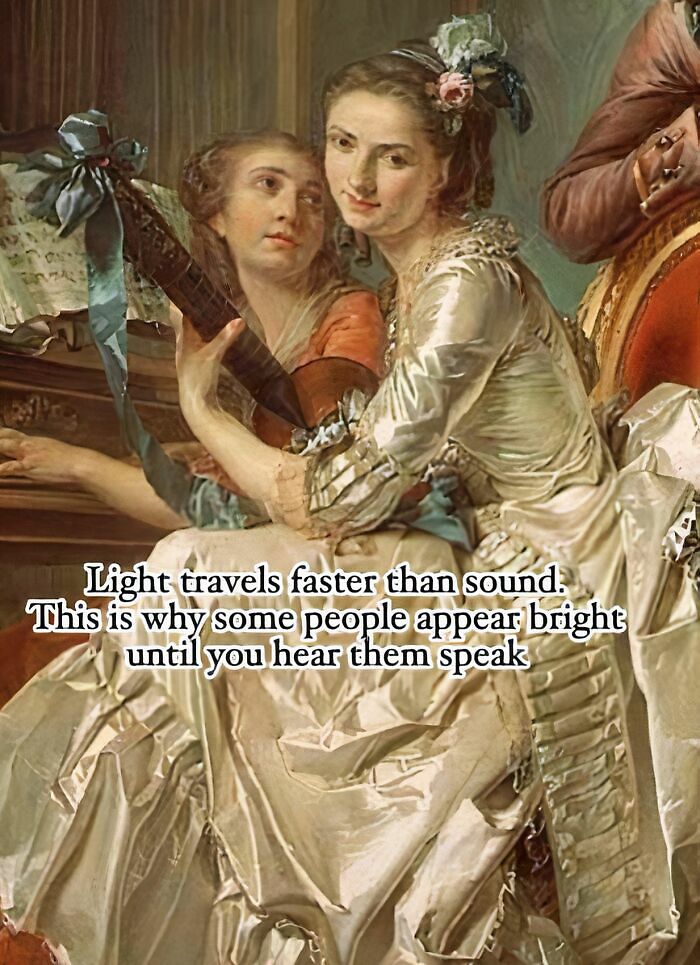
Image source: classicalsarcasm
The act of meming art also serves a secondary purpose by making history feel alive and accessible to younger generations who might otherwise find it boring. When a teenager scrolls past a meme featuring a statue of Julius Caesar with a caption about a group project, they are engaging with history in a way that is active rather than passive.
#25

Image source: classicalsarcasm
#26
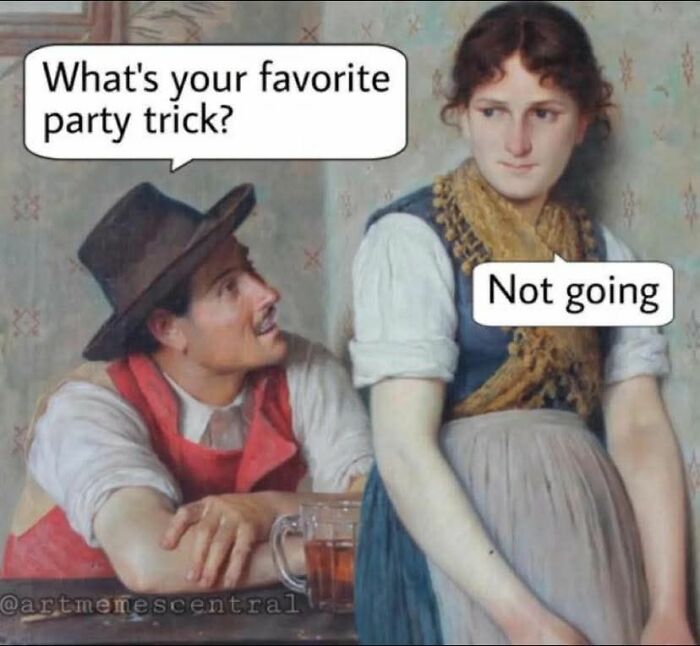
Image source: classicalsarcasm
#27
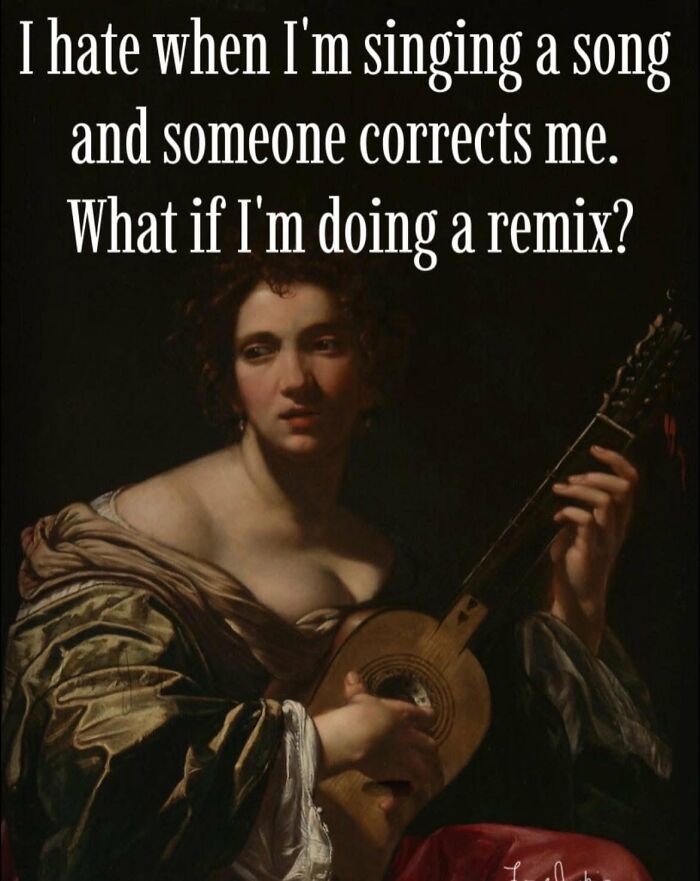
Image source: classicalsarcasm
They are learning to look closely at the details of the work, even if their primary goal is just to have a laugh. This creative reinterpretation keeps these images relevant and prevents them from fading into the background of dusty textbooks. It is a testament to the enduring power of human creativity that we can take a piece of stone carved thousands of years ago and find a way to make it say something meaningful about our lives today.
#28
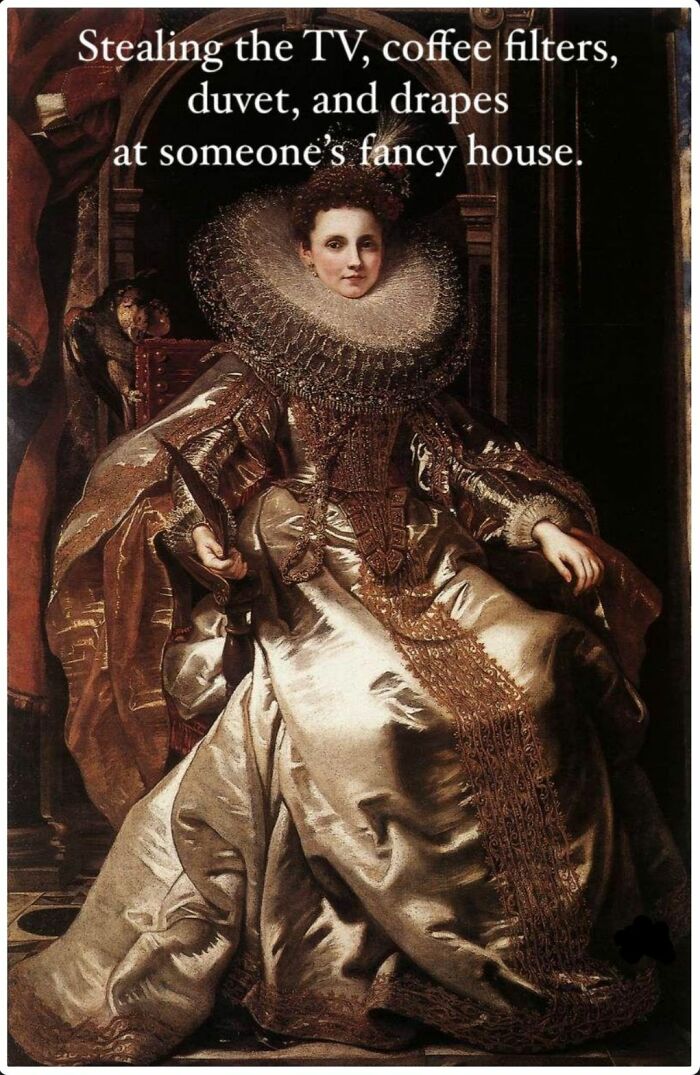
Image source: classicalsarcasm
#29
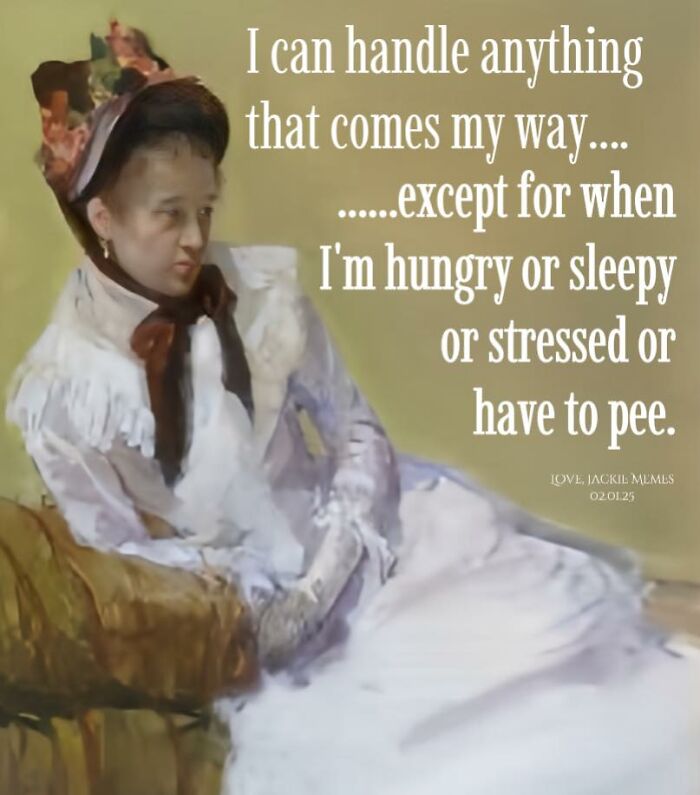
Image source: classicalsarcasm
#30
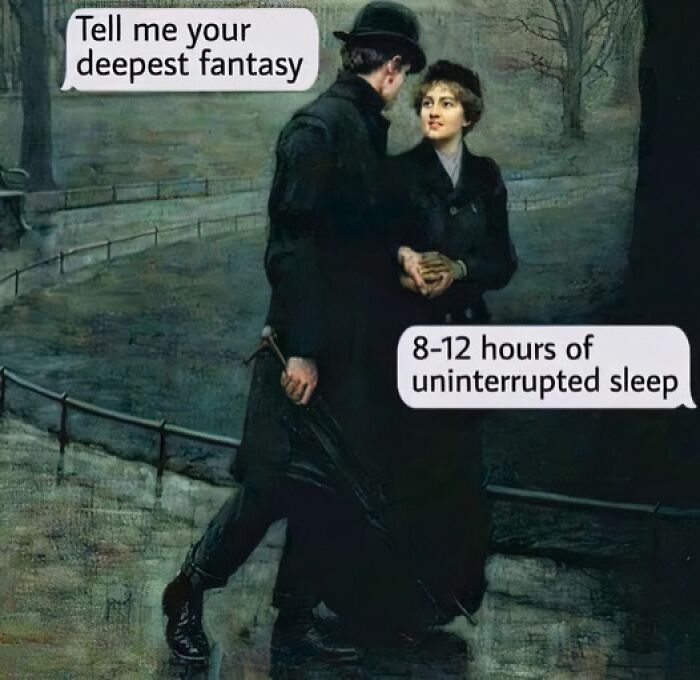
Image source: classicalsarcasm
Ultimately, our ability to turn everything into a meme is a sign of our profound need for connection and shared understanding. We use humor as a tool to navigate a world that can often feel overwhelming or disconnected. By laughing at the dramatic poses and bizarre details of the past, we are acknowledging that while technology and fashion change, the core of the human experience remains remarkably consistent.
#31
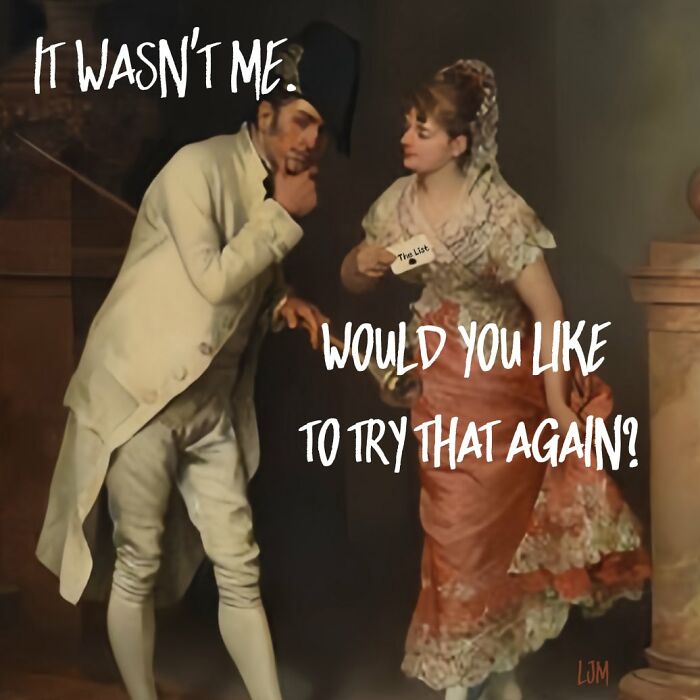
Image source: classicalsarcasm
#32

Image source: classicalsarcasm
#33
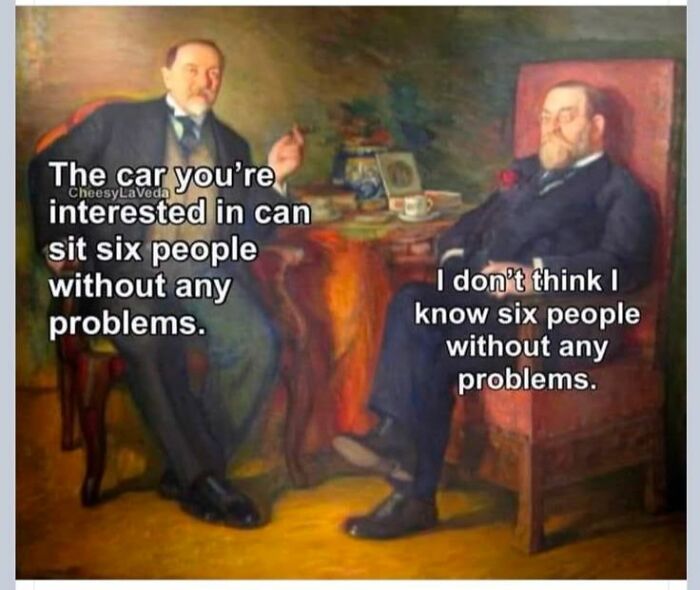
Image source: classicalsarcasm
#34
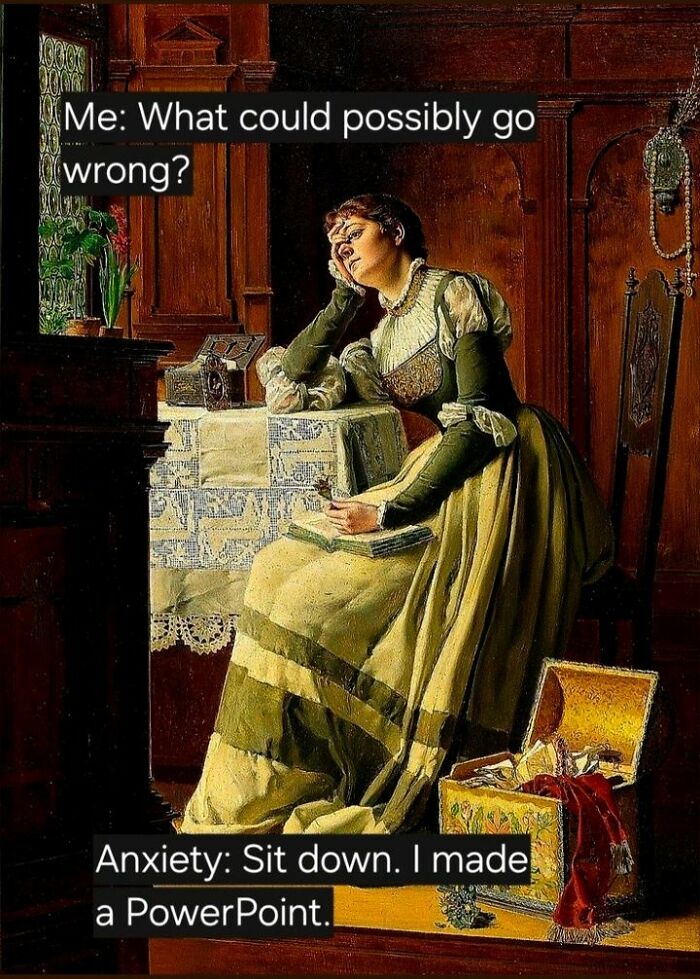
Image source: classicalsarcasm
#35

Image source: classicalsarcasm
#36

Image source: classicalsarcasm
#37
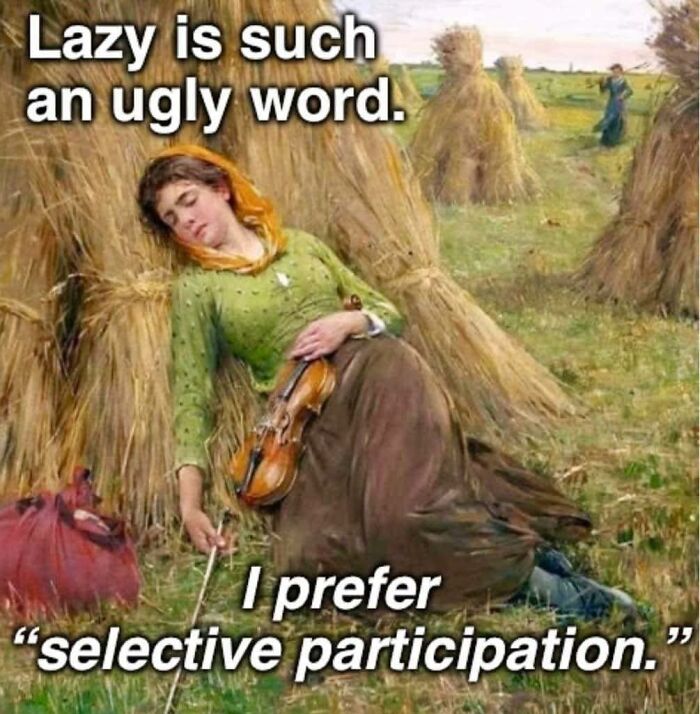
Image source: classicalsarcasm
#38
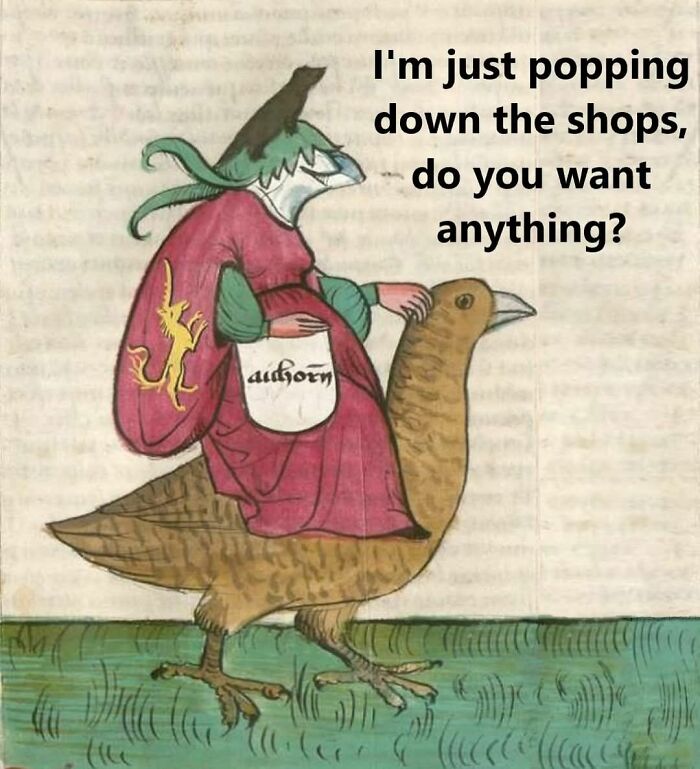
Image source: classicalsarcasm
#39

Image source: classicalsarcasm
#40

Image source: classicalsarcasm
#41
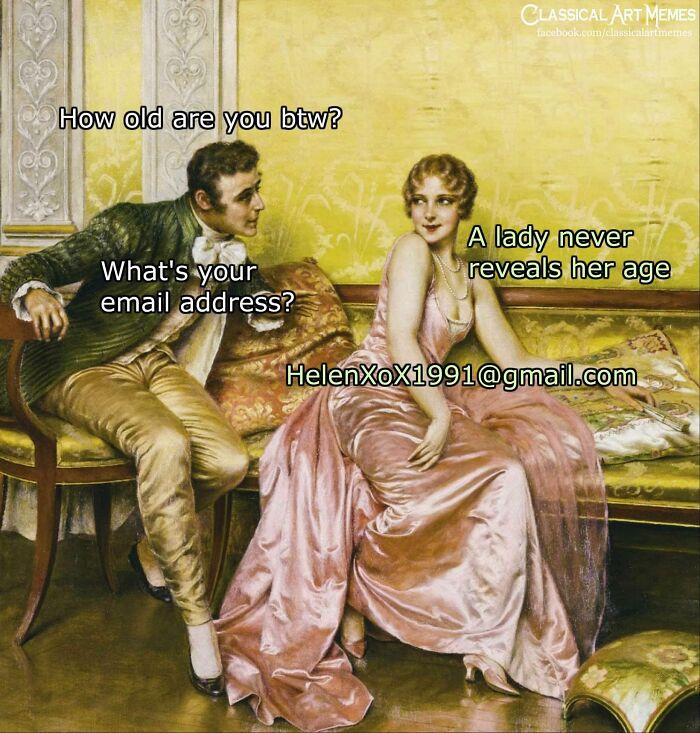
Image source: classicalsarcasm
#42
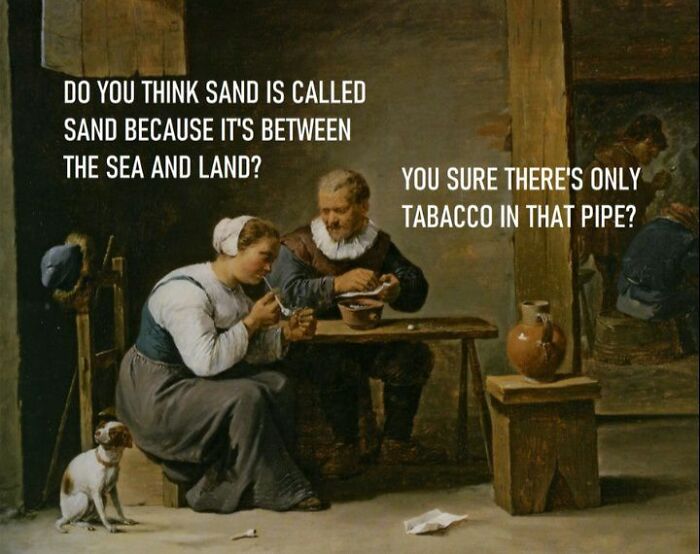
Image source: classicalsarcasm
#43
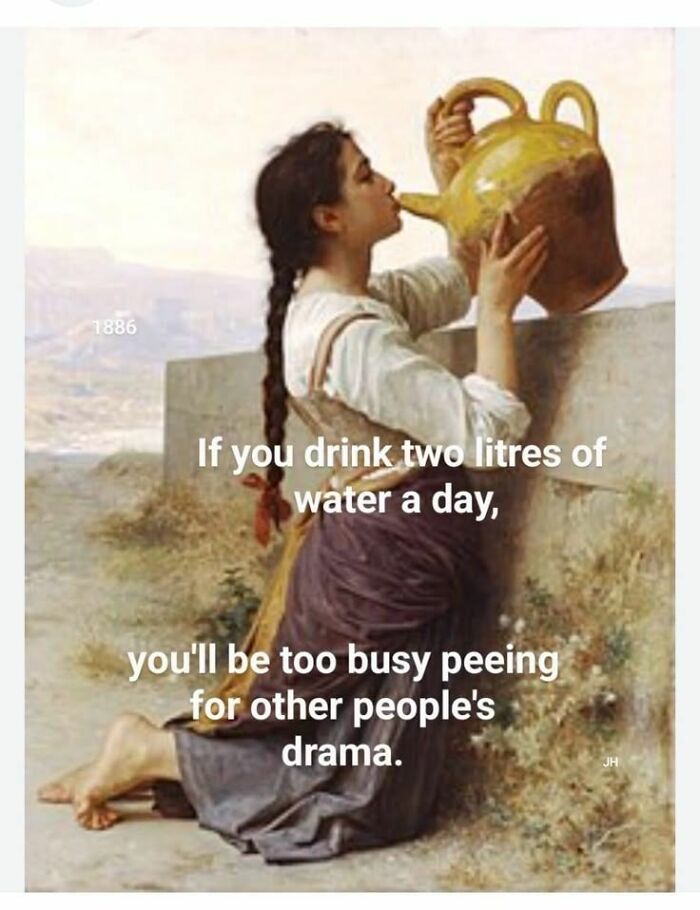
Image source: classicalsarcasm
#44

Image source: classicalsarcasm
#45

Image source: classicalsarcasm
#46
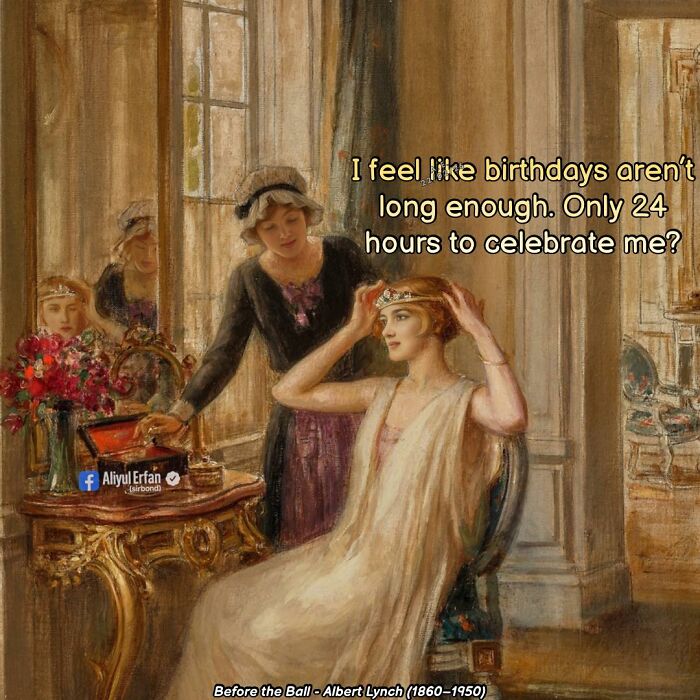
Image source: classicalsarcasm
#47

Image source: classicalsarcasm
#48
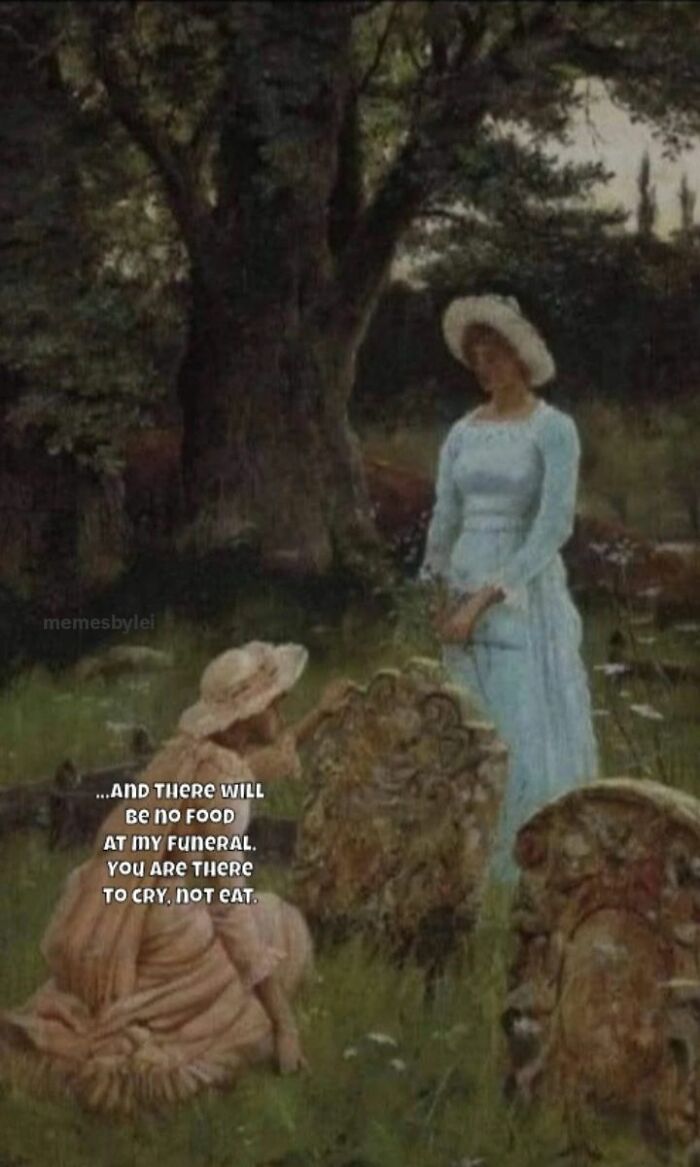
Image source: classicalsarcasm
#49

Image source: classicalsarcasm
#50
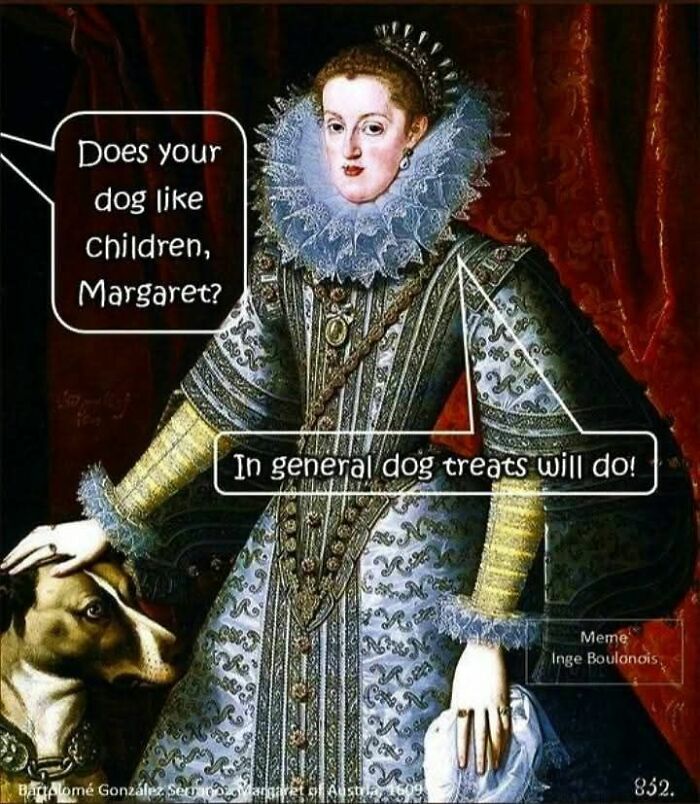
Image source: classicalsarcasm
#51

Image source: classicalsarcasm
#52
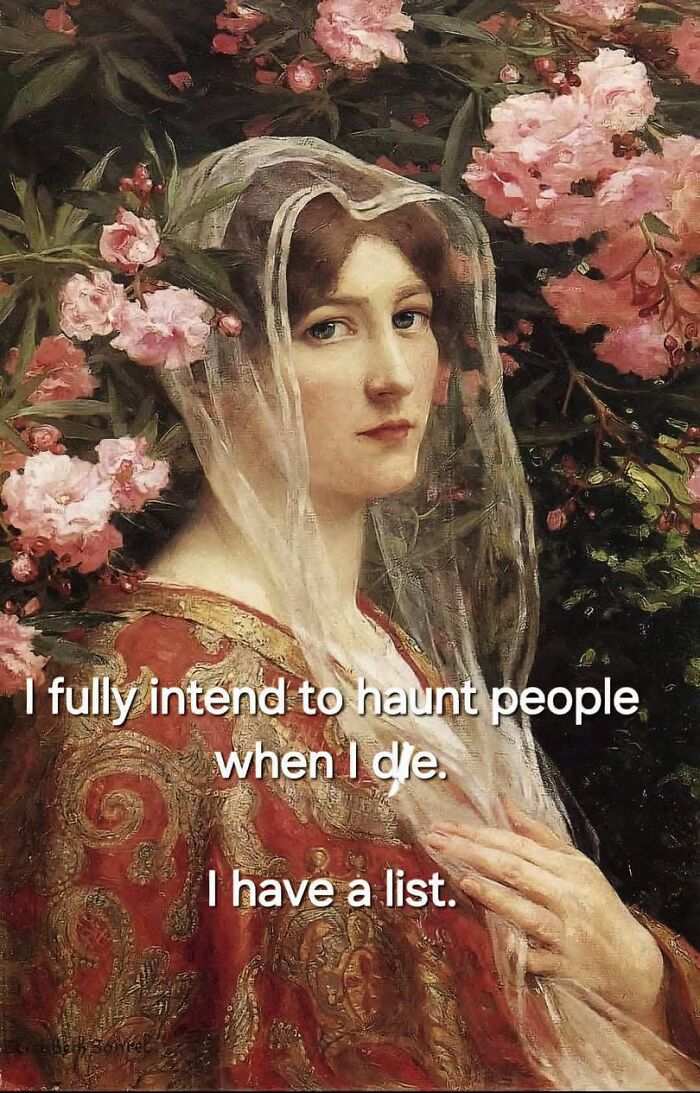
Image source: classicalsarcasm
#53
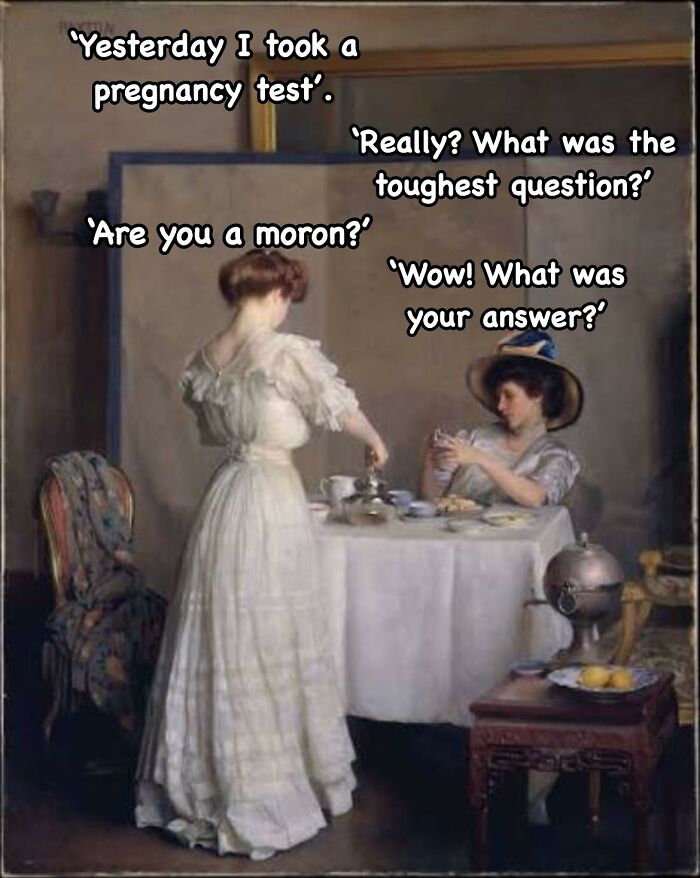
Image source: classicalsarcasm
#54
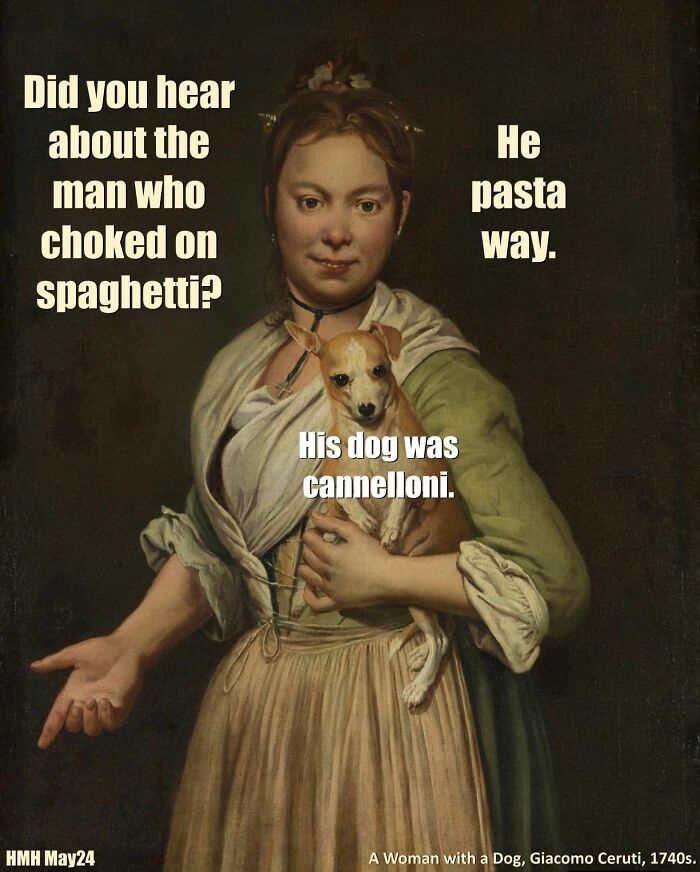
Image source: classicalsarcasm
#55
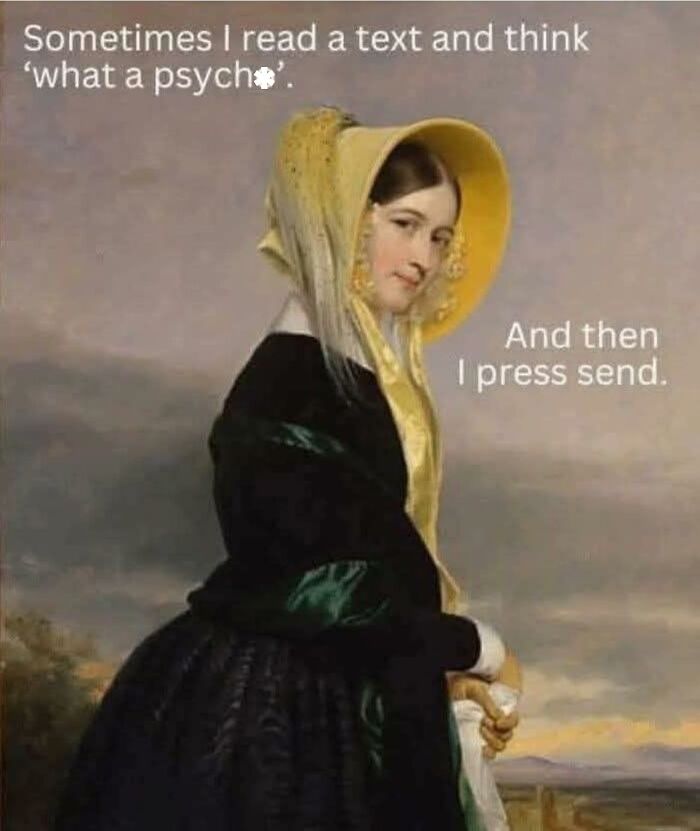
Image source: classicalsarcasm
#56
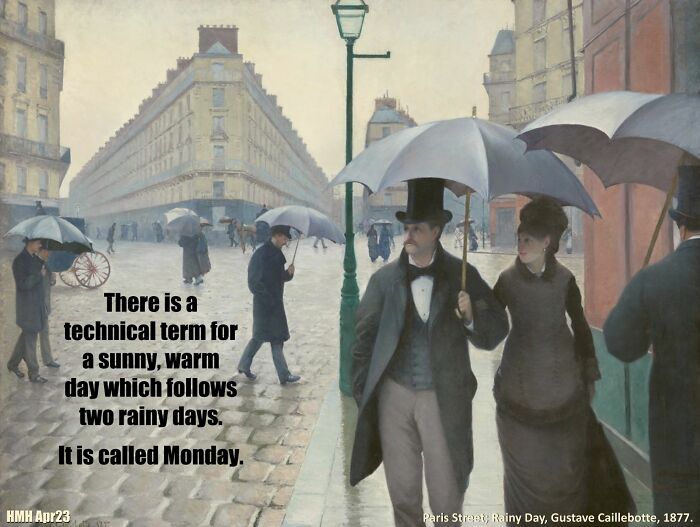
Image source: classicalsarcasm
#57
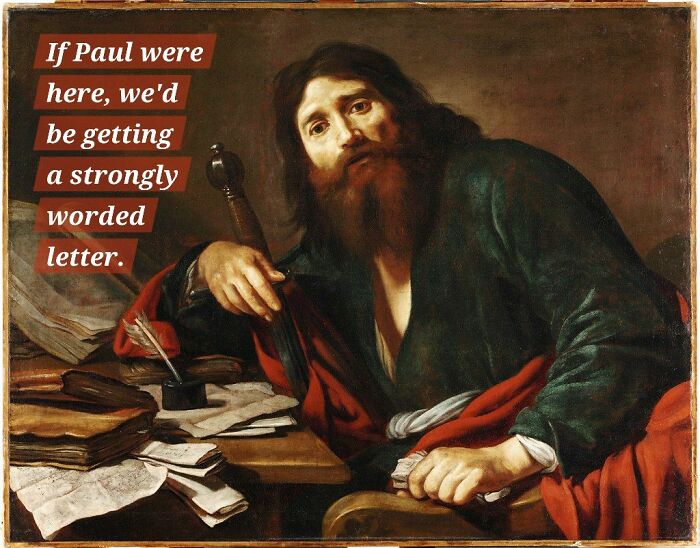
Image source: classicalsarcasm
#58
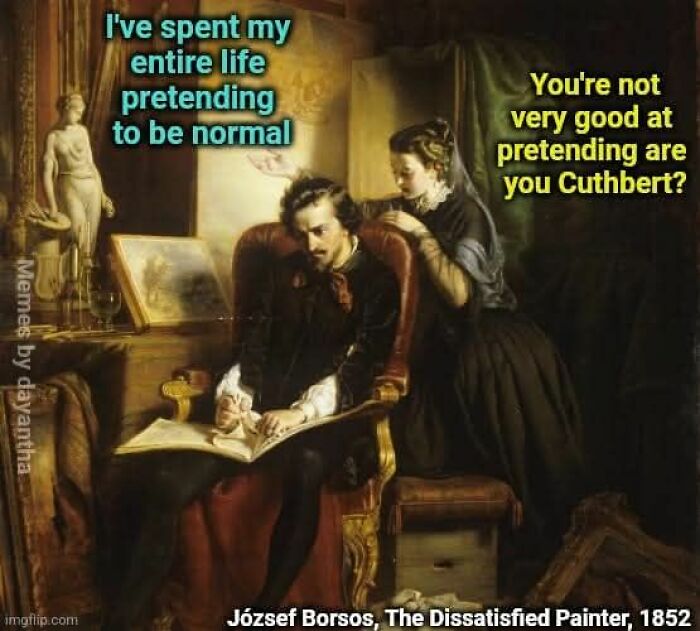
Image source: classicalsarcasm
#59
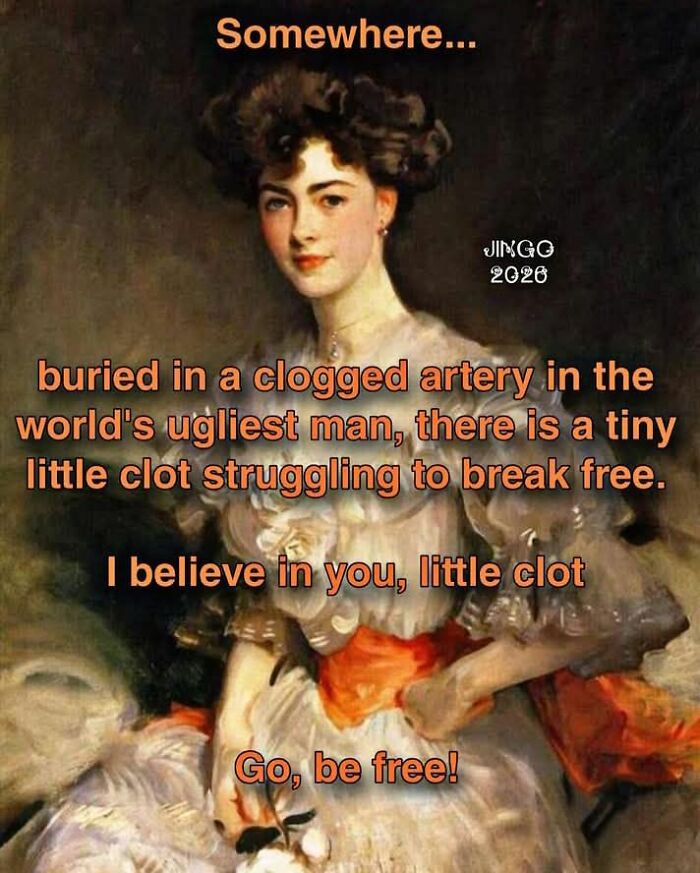
Image source: classicalsarcasm
#60
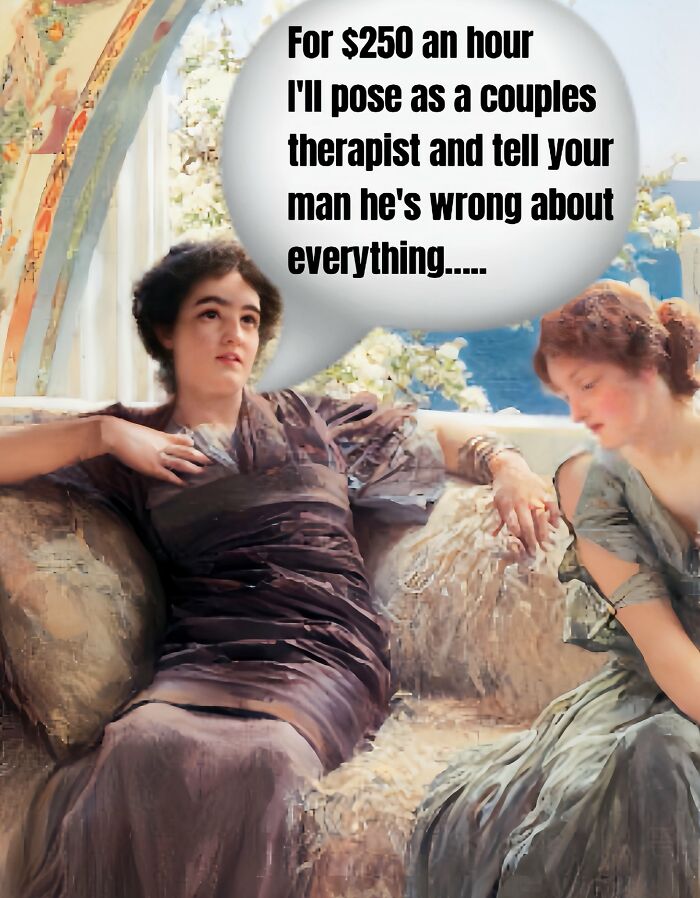
Image source: classicalsarcasm
#61
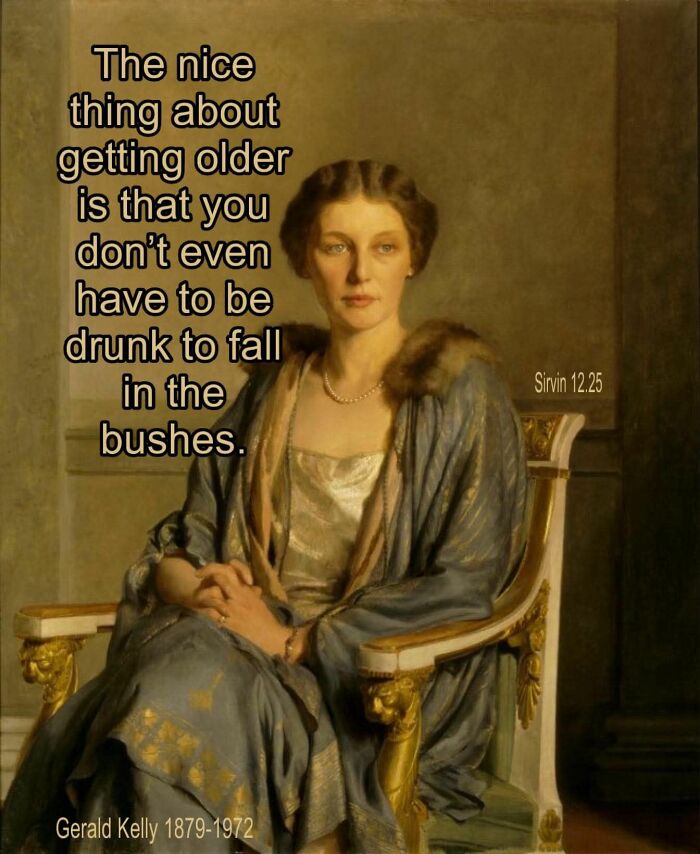
Image source: classicalsarcasm
#62

Image source: classicalsarcasm
#63

Image source: classicalsarcasm
#64

Image source: classicalsarcasm
#65
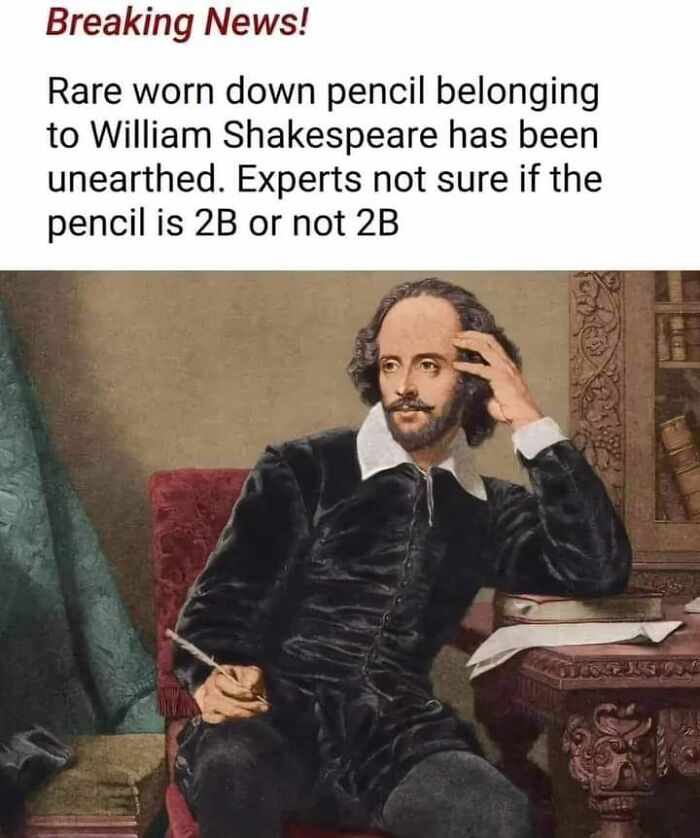
Image source: classicalsarcasm
#66

Image source: classicalsarcasm
#67
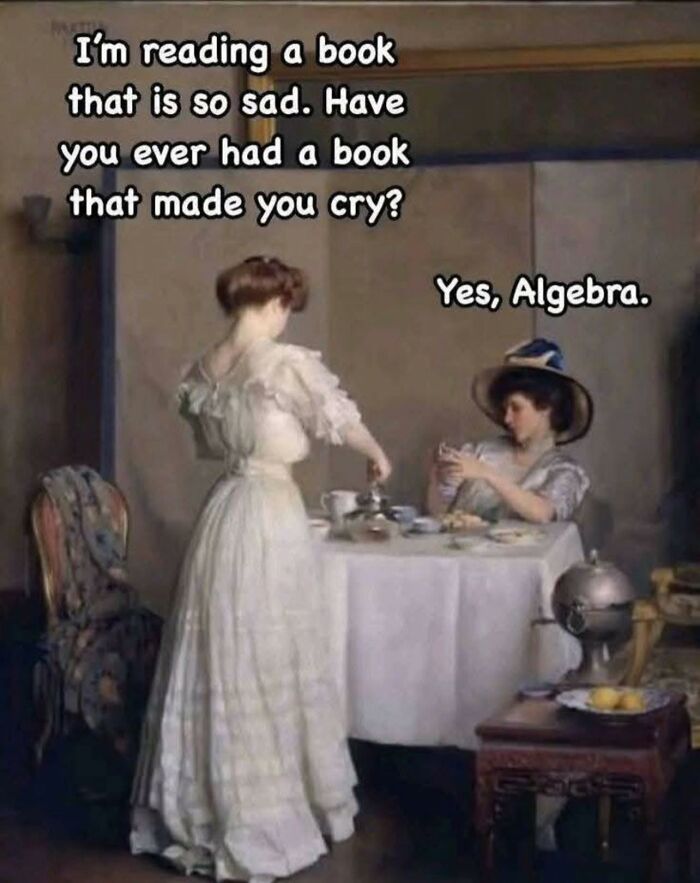
Image source: classicalsarcasm
#68
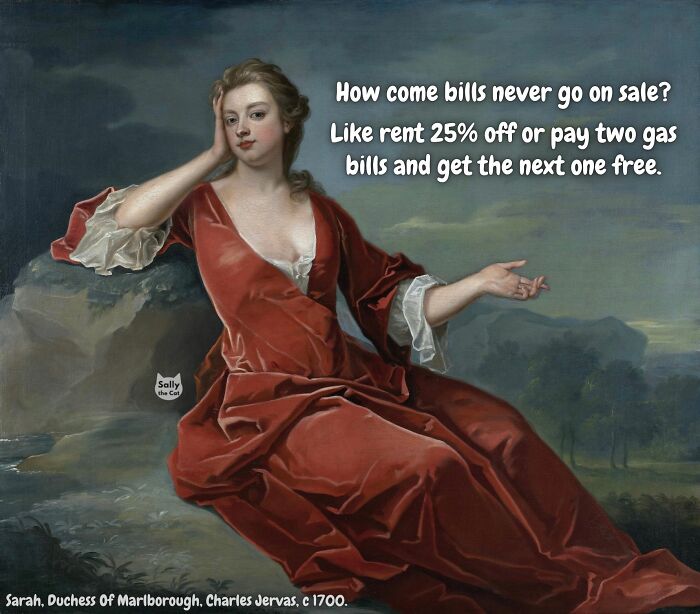
Image source: classicalsarcasm
#69

Image source: classicalsarcasm
#70

Image source: classicalsarcasm
#71

Image source: classicalsarcasm
#72
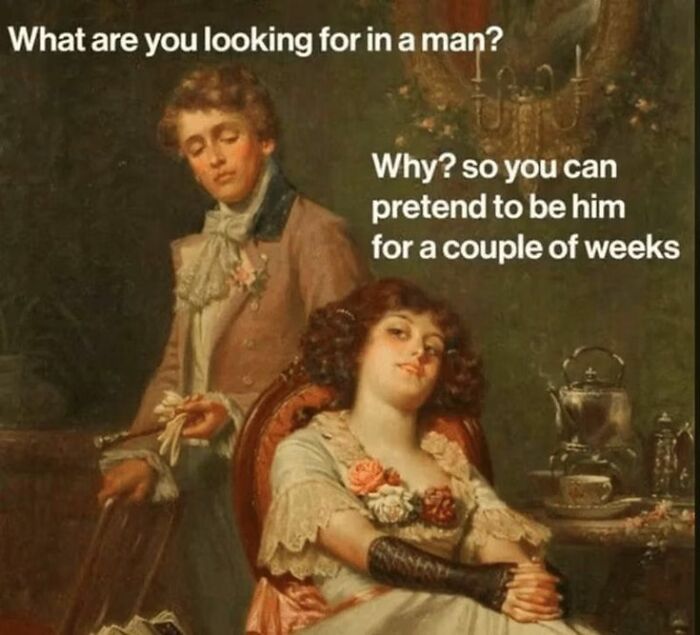
Image source: classicalsarcasm
#73
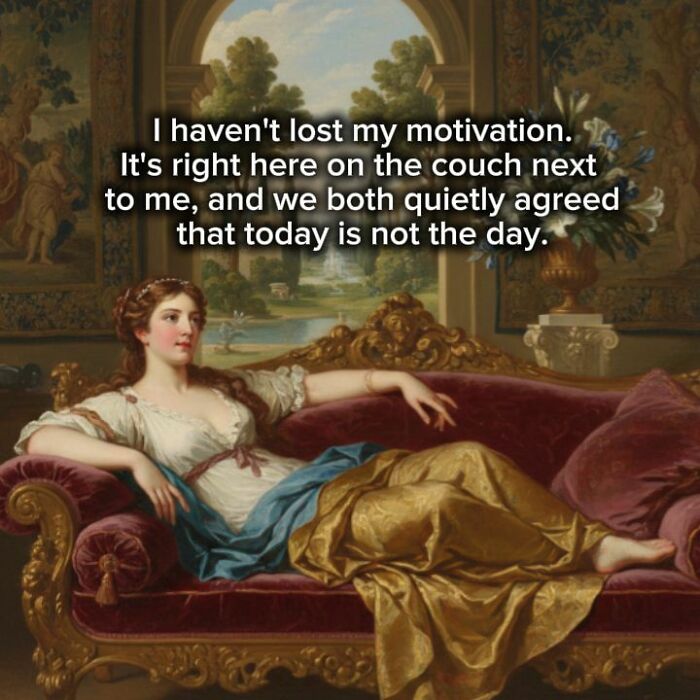
Image source: classicalsarcasm
#74
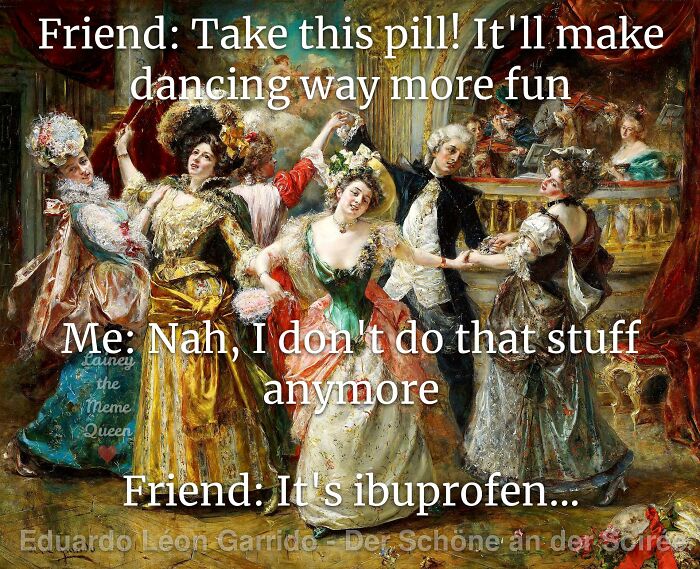
Image source: classicalsarcasm
#75

Image source: classicalsarcasm
#76

Image source: classicalsarcasm
#77
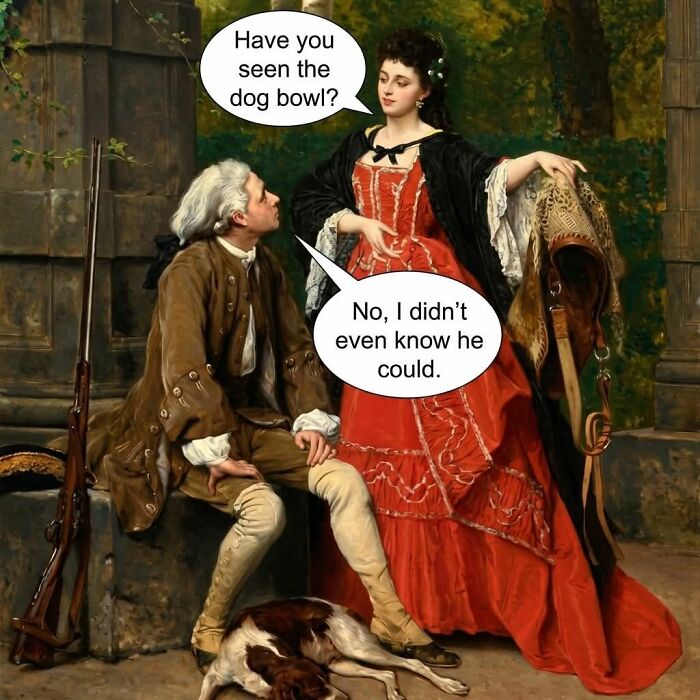
Image source: classicalsarcasm
#78

Image source: classicalsarcasm
#79

Image source: classicalsarcasm
#80

Image source: classicalsarcasm
#81

Image source: classicalsarcasm
 Follow Us