You know that dream of moving somewhere quiet, where birds chirp, neighbors wave politely, and nothing more dramatic than a missing recycling bin ever happens? Yes, sometimes that dream comes with a plot twist.
In fact, behind those neatly trimmed hedges can lurk something far more entertaining like territorial disputes, silent judgments, and the occasional self-appointed neighborhood sheriff. And unfortunately, today’s Original Poster (OP) found herself in that situation when her and her husband moved to a neighborhood they thought would be peaceful.
More info: Mumsnet
There’s a particular kind of discomfort that doesn’t come from a single obvious incident, but from a growing pattern that feels hard to explain

Image credits: Freepik / Magnific (not the actual photo)

The author and her husband moved from London to a quiet residential close in southeast England, hoping for a peaceful life among mostly elderly neighbors

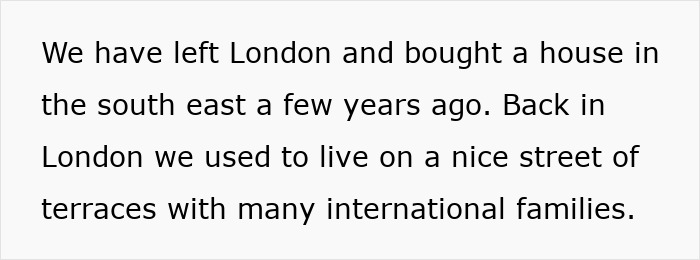

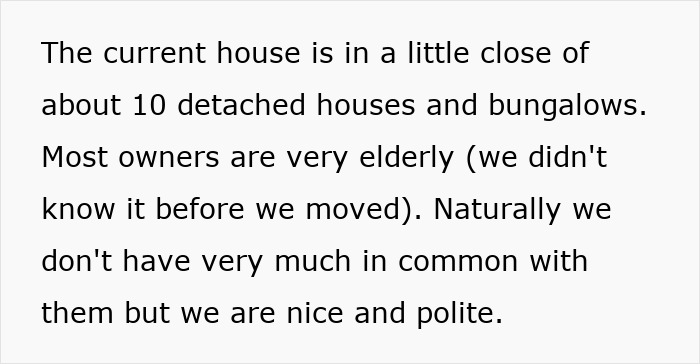
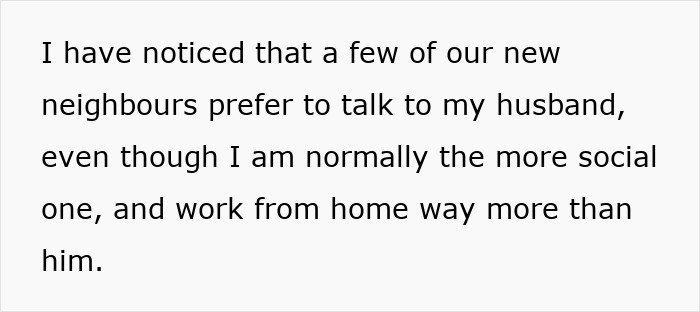
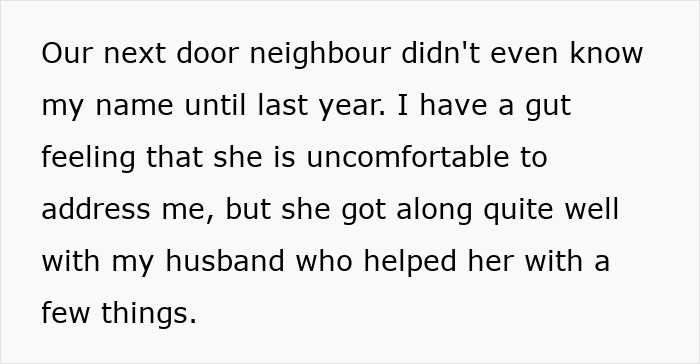
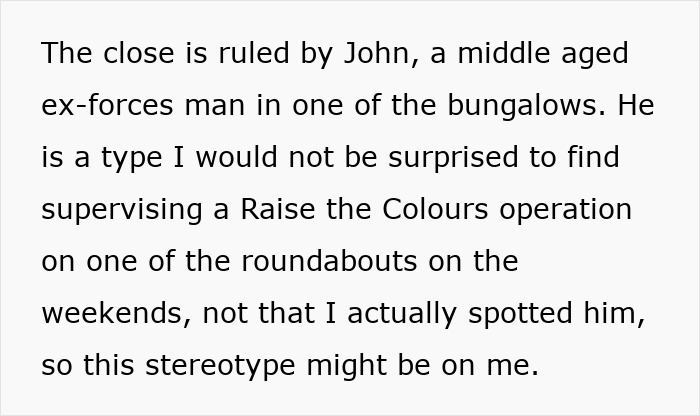

Image credits: Freepik / Magnific (not the actual photo)
However, she gradually noticed social distance and subtle exclusion, with a self-appointed neighborhood figure increasingly acting as the local authority
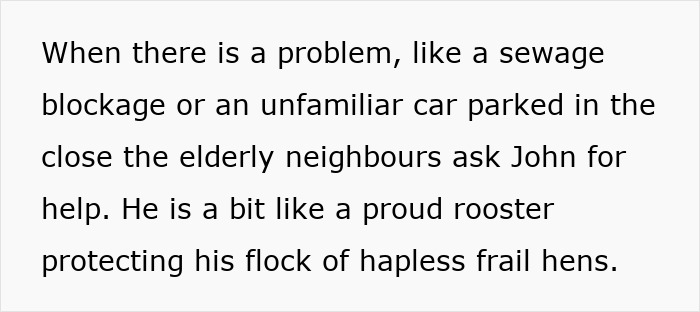
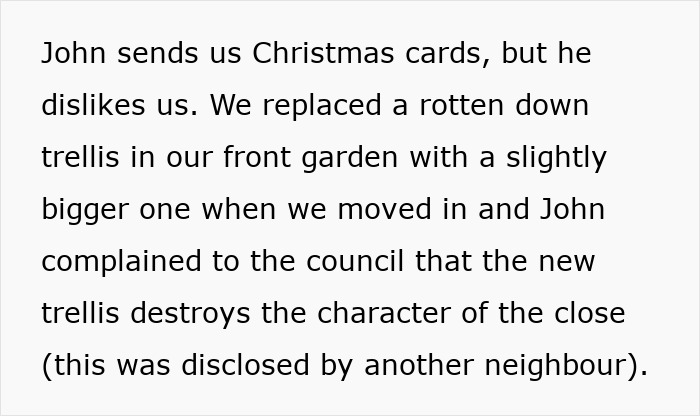
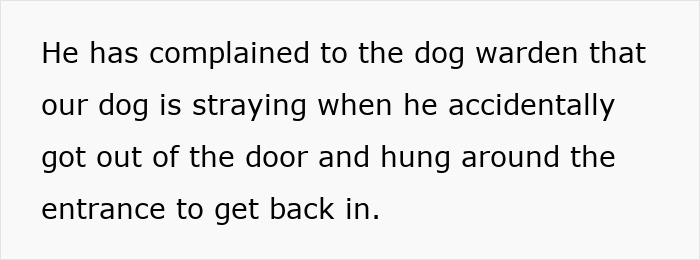



Image credits: nilayaji / Magnific (not the actual photo)
After a period of minor complaints and strained relations, they receive a formal accusation about a supposed property issue



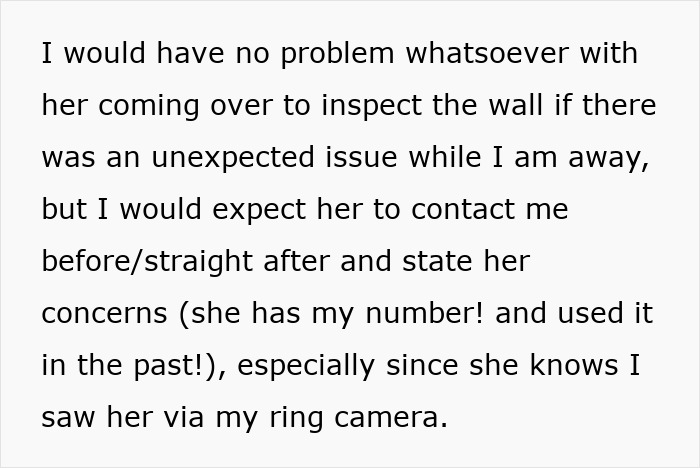
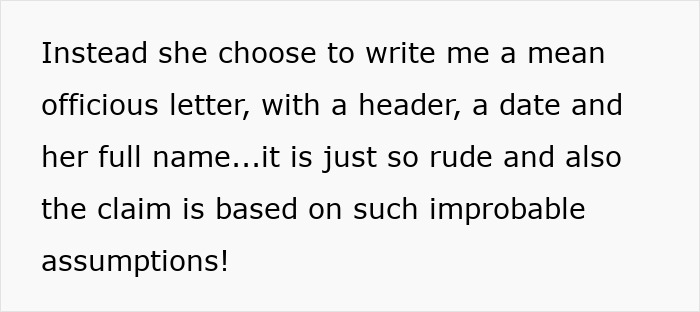
The author was then left shocked by the escalation, feeling unfairly targeted and questioning whether the situation was just neighborly tension or something more personal
After more than a decade in the UK, the OP and her husband had built a comfortable life in London, surrounded by international neighbors and a sense of belonging. Their move to a quieter area in the southeast seemed like a natural next step, since they had more space, a house of their own, and a calmer environment.
However, things didn’t quite unfold as expected. The new neighborhood turned out to be mostly elderly residents, making it harder to connect. While her and her husband remained polite and friendly, subtle dynamics began to emerge. The OP noticed that conversations often bypassed her and went straight to her husband, leaving her with a feeling of being quietly sidelined.
Every neighborhood has that one person who seems to take on the role of a problem-solver and authority figure. For them, it was a particular former military man who was the go-to for everything from minor complaints to neighborhood concerns. While he maintained a surface level of politeness, the OP noted that his actions suggest something else entirely.
From reporting a harmless garden trellis to raising concerns about a briefly loose dog, his involvement consistently leans toward scrutiny rather than support. Despite this, the OP and her husband chose not to escalate things. However, on a short Easter trip when they were away, they spotted him through their security camera standing inside their carport, closely inspecting a shared wall.
Shortly after returning, they then received a formal letter accusing them of unauthorized modifications, specifically attaching a pipe to a shared wall, allegedly causing structural damage. The letter demanded repairs, inspections, and accountability. This left the OP wondering if they were being targeted as foreigners, or if this was normal behavior.

Image credits: volodymyr-t / Magnific (not the actual photo)
In situations like the their experience, research on residential communities helps explain how quickly small misunderstandings can escalate. According to Community Finders, residents in small communities often avoid direct confrontation and instead rely on informal communication routes. Rather than speaking openly with those involved, concerns may be channeled through a perceived “go-between” or trusted neighbor.
Building on this, Will Camden explains that these informal “go-betweens” can evolve into unofficial authority figures within the neighborhood. They may begin acting as default mediators or decision-makers despite holding no formal role. While this can sometimes create a sense of order, it also risks introducing bias, especially when decisions are influenced by personal relationships or long-standing social dynamics.
Finally, The Architect’s Diary highlights how disputes often escalate not from major issues, but from early breakdowns in informal communication and unclear boundaries. When neighbors do not resolve concerns directly and early, misunderstandings can grow over time. Once the situation shifts into formal or legal-style communication, such as written complaints or official accusations, the dynamic changes significantly.
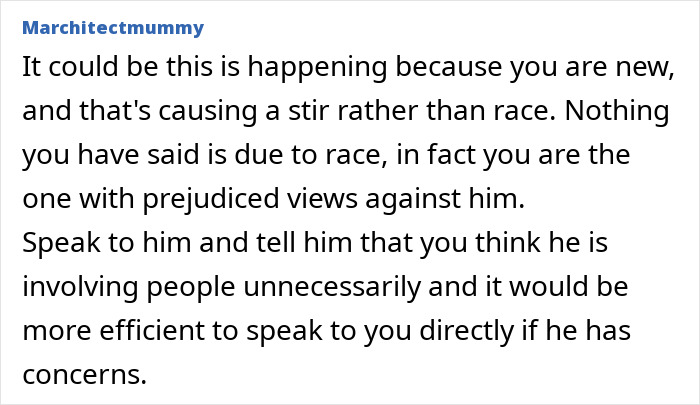
Netizens leaned toward the idea that the OP and her husband are being unfairly targeted by a difficult neighbor rather than anything specifically linked to their background. What do you think about this situation? Do you think this is just typical neighborhood drama, or something more targeted? We would love to know your thoughts!
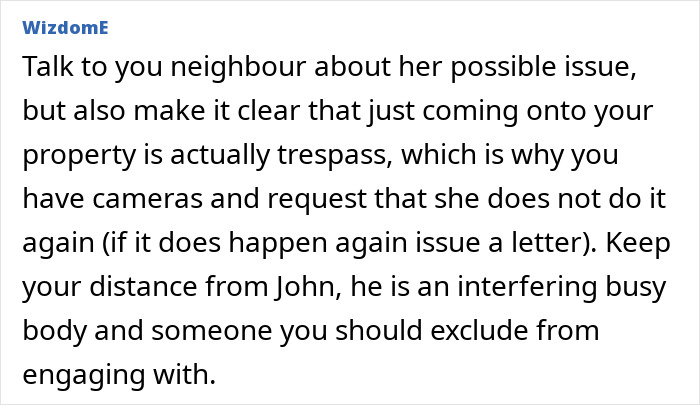
Netizens urged caution and a more practical legal perspective, suggesting the issue may not be personal or malicious at all




 Follow Us