Mike Flanagan has become one of modern horror’s most distinctive storytellers, transforming haunted houses, isolated communities, and literary classics into deeply emotional television. His work explores grief, addiction, mortality, religious belief, and the lasting effects of trauma. Supernatural threats remain central, but his strongest stories discover their greatest horrors in ordinary human experiences. Across five Netflix series, Flanagan has repeatedly demonstrated his ability to make audiences care about characters before placing them in terrifying situations.
This ranking includes all five Netflix television series created or co-created by Flanagan between 2018 and 2023. His Netflix films are excluded, along with his 2026 adaptation of Carrie for Prime Video. Each show is evaluated through its writing, performances, atmosphere, scares, emotional impact, consistency, and conclusion. From an ambitious teenage mystery to an extraordinary haunted-house drama, here is every Mike Flanagan Netflix series ranked from worst to best.
5. ‘The Midnight Club’ (2022)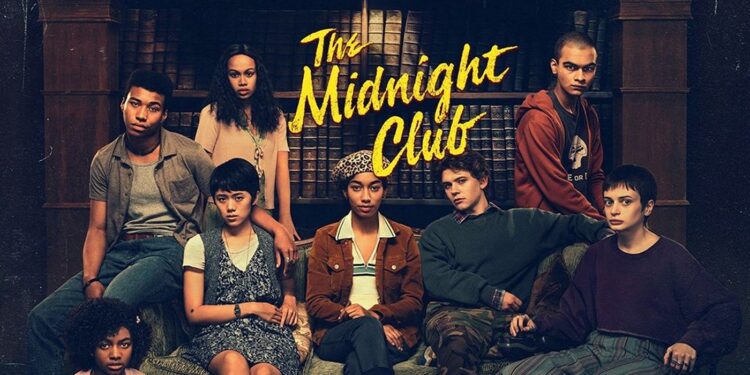
The Midnight Club follows terminally ill teenagers living at Brightcliffe Hospice, where they gather nightly to tell frightening stories and discuss life after death. Iman Benson leads the ensemble as Ilonka, a teenager diagnosed with thyroid cancer who believes the hospice contains secrets that could save her. Ruth Codd plays Anya, whose bitterness conceals considerable vulnerability, while Igby Rigney, Annarah Cymone, and Sauriyan Sapkota portray other members of the group. Heather Langenkamp plays Dr. Georgina Stanton, the hospice director whose seemingly compassionate approach becomes increasingly mysterious. Flanagan co-created the series with Leah Fong, adapting the work of novelist Christopher Pike.
The show’s imaginative structure allows individual characters to become protagonists of stories reflecting their fears and regrets. Its strongest episodes use these fictional narratives to reveal emotions the teenagers struggle to express openly. Anya’s storyline is particularly effective, transforming an abrasive character into someone deeply sympathetic. Unfortunately, the larger Brightcliffe mystery lacks the same confidence. Questions involving the hospice’s history, supernatural apparitions, and the Paragon cult remain unresolved after Netflix canceled the series following one season. Flanagan later explained his intended conclusion, but those answers cannot replace the dramatic resolution viewers deserved. The young ensemble delivers memorable performances, yet the unfinished story and uneven balance between anthology horror and mystery place it last among his Netflix productions.

4. ‘The Haunting of Bly Manor’ (2020)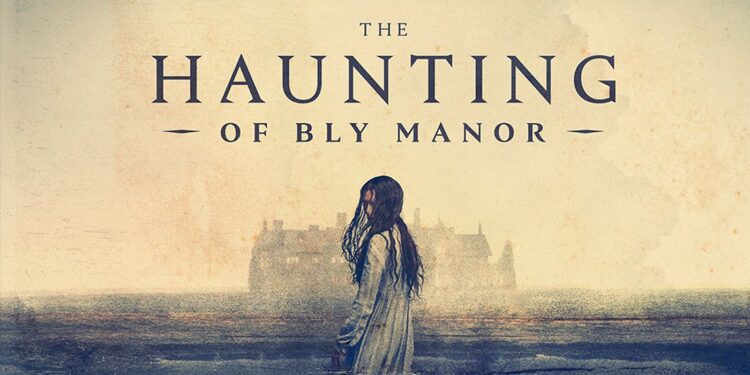
The Haunting of Bly Manor takes viewers to an English estate during the 1980s, where American au pair Dani Clayton, played by Victoria Pedretti, accepts a job caring for two orphaned children. Their uncle, Henry Wingrave, played by Henry Thomas, remains absent, leaving Dani to manage a household filled with disturbing supernatural encounters. Amelie Bea Smith and Benjamin Evan Ainsworth portray Flora and Miles, while T’Nia Miller plays housekeeper Hannah Grose, Rahul Kohli portrays chef Owen Sharma, and Amelia Eve plays gardener Jamie Taylor. Oliver Jackson-Cohen appears as Peter Quint, whose troubled history becomes essential to the haunting. Drawing from Henry James‘ The Turn of the Screw, Flanagan constructs a gothic romance about memory, identity, and love.
The series distinguishes itself through its melancholic atmosphere and patient characterization. Dani’s growing relationship with Jamie provides its emotional foundation, while Hannah’s experiences become increasingly heartbreaking as the truth emerges. “The Altar of the Dead” is among Flanagan’s most inventive episodes, using fractured chronology to transform a supporting character into the center of an extraordinary ghost story. The Lady in the Lake also gives the estate a tragic history that gradually explains its supernatural rules. However, the pacing sometimes becomes excessively deliberate, and extended explanations occasionally weaken the momentum. Its romantic emphasis may also surprise viewers expecting conventional haunted-house horror. Nevertheless, the nine-episode story builds toward a powerful conclusion about devotion, sacrifice, and fading memory.
3. ‘The Fall of the House of Usher’ (2023)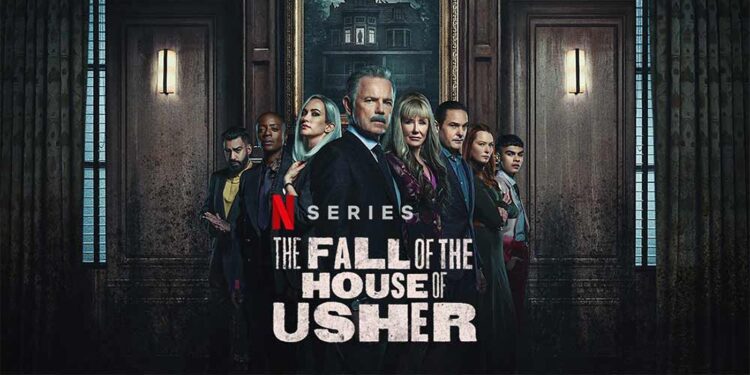
The Fall of the House of Usher reimagines several works by Edgar Allan Poe as a contemporary horror story about wealth, corruption, and family destruction. Bruce Greenwood stars as Roderick Usher, a ruthless pharmaceutical executive whose fortune was built alongside his calculating twin sister Madeline, played by Mary McDonnell. Their company becomes the center of a horrifying mystery when Roderick’s six adult children begin dying in increasingly grotesque circumstances. Carla Gugino portrays Verna, an enigmatic woman connected to the family’s past, while Carl Lumbly plays investigator C. Auguste Dupin. The ensemble includes Kate Siegel, Kohli, Samantha Sloyan, Thomas, Miller, and Mark Hamill.
Flanagan treats Poe’s stories as interconnected pieces of a larger tragedy, allowing each death to reflect the victim’s personality and moral failures. References to “The Masque of the Red Death,” “The Black Cat,” and “The Tell-Tale Heart” become disturbing modern horror set pieces. Gugino is exceptional, shifting between identities while maintaining Verna’s unsettling authority. Greenwood makes Roderick’s extended confession compelling, while McDonnell transforms Madeline into a formidable embodiment of ambition. The series also delivers sharp satire about pharmaceutical profiteering, inherited privilege, and corporate irresponsibility. Several Usher children receive limited development, making their deaths more memorable than their personalities. Still, the efficient eight-episode structure and devastating conclusion make this one of Flanagan’s most entertaining Netflix productions.
2. ‘Midnight Mass’ (2021)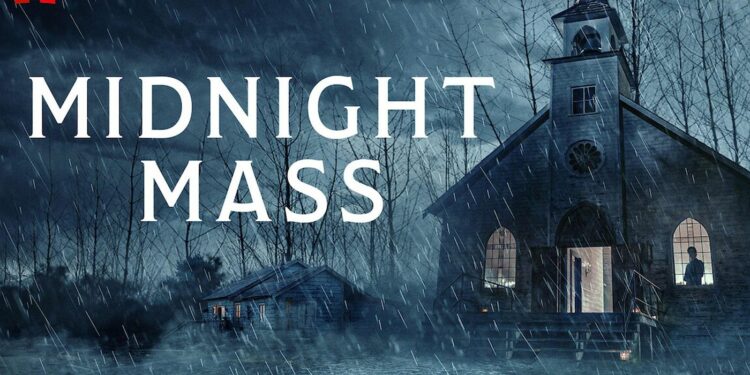
Midnight Mass takes place on Crockett Island, a struggling fishing community divided by grief, economic hardship, and religious belief. Zach Gilford plays Riley Flynn, a former resident returning after serving prison time for causing a fatal drunk-driving accident. His arrival coincides with Father Paul Hill, portrayed by Hamish Linklater, a charismatic priest whose presence appears to inspire miracles. Siegel plays Erin Greene, Riley’s childhood friend, while Sloyan portrays Beverly Keane, an influential church volunteer whose rigid convictions become increasingly dangerous. Kohli plays Sheriff Hassan, a Muslim officer navigating a predominantly Catholic community. Across seven episodes, Flanagan examines faith, guilt, forgiveness, fanaticism, and humanity’s desperate desire to overcome death.
Linklater delivers one of Flanagan’s finest performances, making Father Paul compassionate, frightening, sincere, and dangerously misguided. His sermons become increasingly significant as residents interpret extraordinary events through their own desires. Riley’s conversations about guilt and mortality provide remarkable dramatic moments, particularly when his skepticism conflicts with the community’s growing hope. Sloyan is equally memorable as Beverly, whose ability to justify cruelty through religious certainty makes her deeply disturbing. The final episodes contain extraordinary horror as the consequences of the islanders’ devotion become unavoidable. Lengthy philosophical conversations occasionally interrupt the suspense, but they also give the characters unusual depth. The finale delivers a devastating combination of horror, sacrifice, and emotional resolution. This remains Flanagan’s most personal and philosophically ambitious Netflix series.
1. ‘The Haunting of Hill House’ (2018)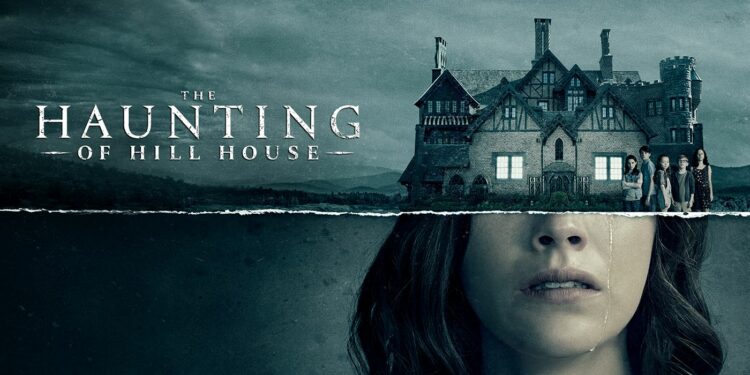
The Haunting of Hill House follows the Crain family across two timelines, revealing how terrifying childhood experiences inside a haunted mansion continue shaping their adult lives. Based loosely on the novel by Shirley Jackson, the series introduces the family as they renovate Hill House before supernatural encounters change their lives forever. Gugino portrays Olivia Crain, while Thomas plays her husband Hugh during their time at the mansion. Their adult children are portrayed by Michiel Huisman as Steven, Elizabeth Reaser as Shirley, Siegel as Theo, Jackson-Cohen as Luke, and Pedretti as Nell. Timothy Hutton plays the older Hugh, whose difficult relationship with his children becomes increasingly important as they confront their shared past.
The series succeeds because its supernatural horror and family drama strengthen one another. Each sibling responds differently to childhood trauma, creating believable conflicts extending beyond their encounters with ghosts. Nell’s story culminates in “The Bent-Neck Lady,” whose devastating revelation transforms the meaning of her haunting. “Two Storms” delivers a technical masterpiece, using extended tracking shots to move between the family’s past and present without sacrificing emotional intensity. Hidden ghosts reward repeat viewing, while the deeper horror emerges through grief, addiction, guilt, and fractured relationships. Gugino gives Olivia heartbreaking vulnerability, and Pedretti and Jackson-Cohen deliver particularly powerful performances. The finale offers emotional resolution while acknowledging trauma’s lasting consequences. Across 10 episodes, Flanagan achieves an exceptional balance of frightening imagery, characterization, ambitious direction, and devastating storytelling. None of his later Netflix series has brought these elements together so completely, making The Haunting of Hill House his greatest achievement.
 Follow Us


