Employee policies exist to ensure compliance with regulations and keep things in order. But let’s face it: not every company guideline makes sense, and it can be detrimental to workflow, productivity, and the overall system.
While going against such policies may be the knee-jerk reaction, one can also comply maliciously. This is what a fast food employee did, and the result of his actions earned him a reward.
His managers, on the other hand, had to face some unpleasant consequences. You will find the entire text below.
Some companies impose policies that don’t make sense

Image credits: Boshoku / Unsplash (not the actual photo)
A fast food employee dealt with his employers’ questionable rules about taking breaks during shifts

Image credits: Marcel Heil / Unsplash (not the actual photo)
As a response, he maliciously complied with them

Image credits: Polina Zimmerman / Pexels (not the actual photo)
His actions made a strong point, as they also highlighted the inefficiency of the imposed guidelines

Image credits: Muu-karhu / Wikimedia (not the actual photo)
Upper management eventually amended the breaktime rules, as the author received a reward
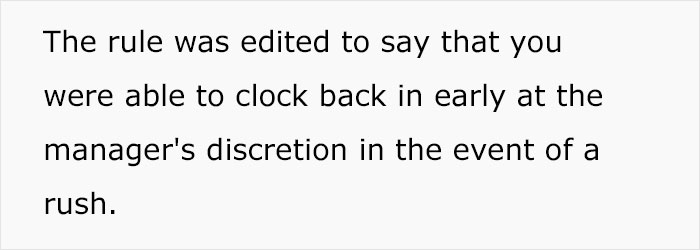
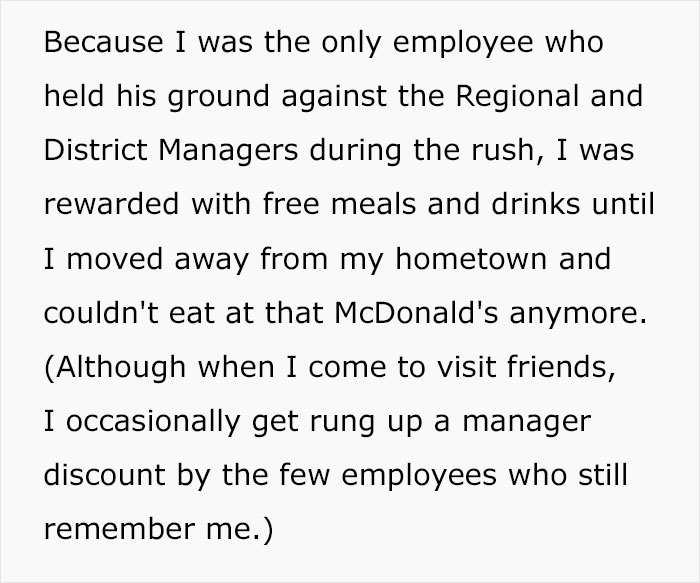
Image credits: DrD3adpool
Rules that take away choices and focus on activity instead of outcomes may be problematic
The fast food restaurant’s break time policy does serve a purpose. However, it also restricts employee choices, making them feel less accountable for their jobs.
As author and leadership expert Kevin Kruse explains in an article for Forbes, “employees will feel less and less ownership over their own work, and their emotional commitment (i.e., engagement) decreases.”
It can also happen if a company imposes rules to focus on activities that control outcomes. Kruse gave the example of a policy against working from home to ensure employees provide a full day’s work.
According to the author’s story, the fast food chain he worked for implemented the break time rule to streamline kitchen operations. However, it backfired.
As Kruse explained, implementing such rules allows upper management to “micromanage from afar.”

Image credits: Getty Images / Unsplash (not the actual photo)
“They stifle creativity and insightful thinking. They disempower workers in the spirit of protecting against very low chances of risk or loss,” he wrote.
So, how does an employee handle a questionable company policy? Executive coach Liz Ryan says going against it may also be a sensible approach. As she explained in her Forbes article, bending a nonsensical rule may help encourage change.
“The more irrelevant a rule becomes, the faster it will slide into oblivion. The more often employees ignore the rule, the faster it will happen,” she wrote.
The author’s defiant compliance with the rule in place may have highlighted its inefficiency. His actions did foster an amendment in company guidelines, and he received a reward in the end.
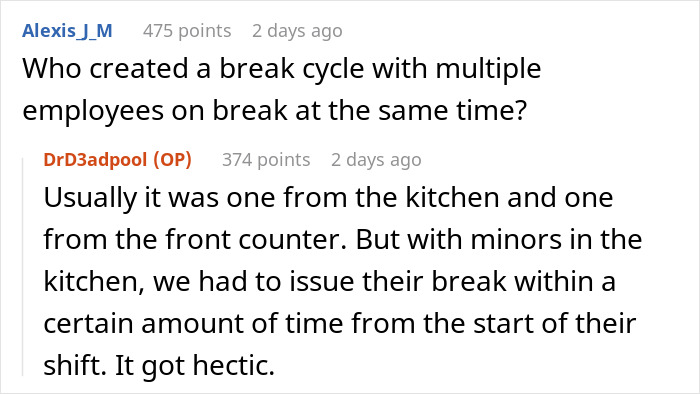
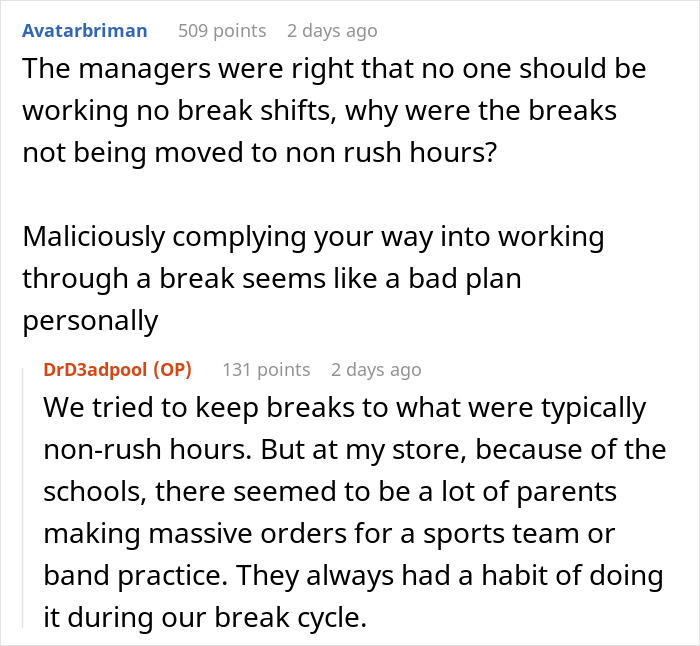
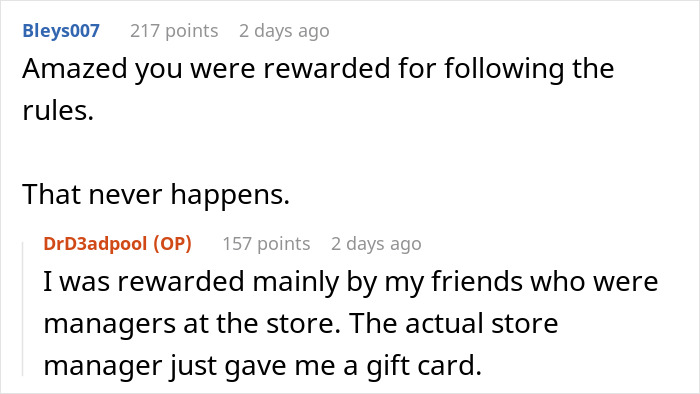
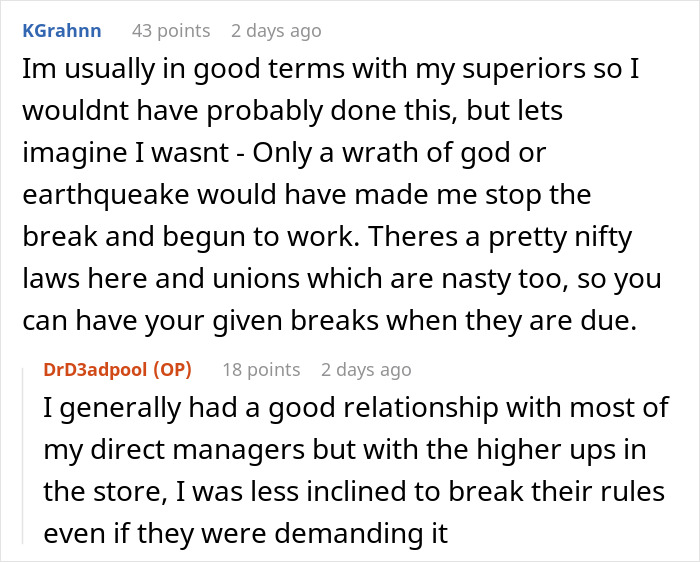
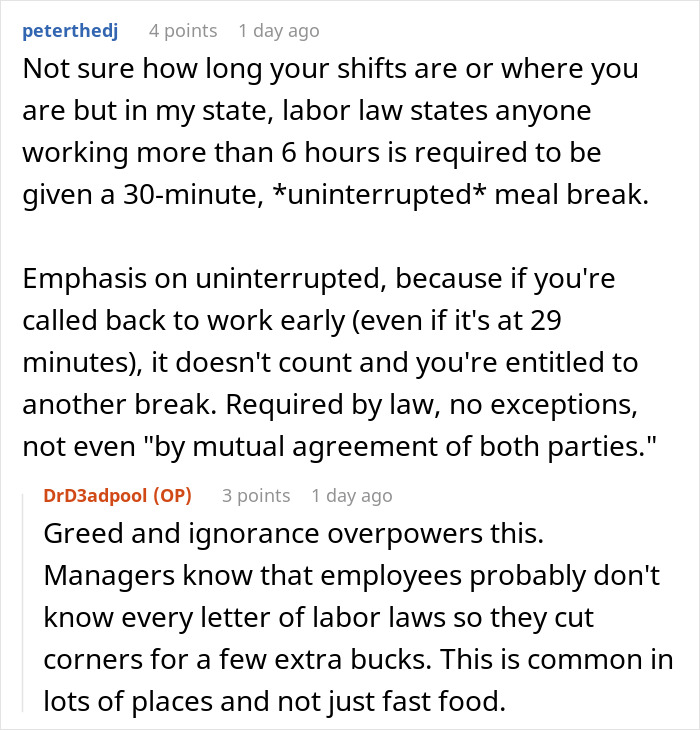
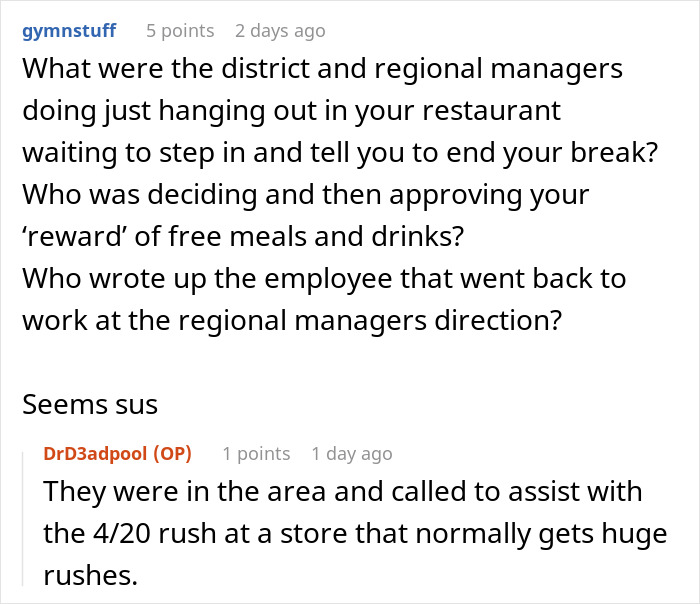
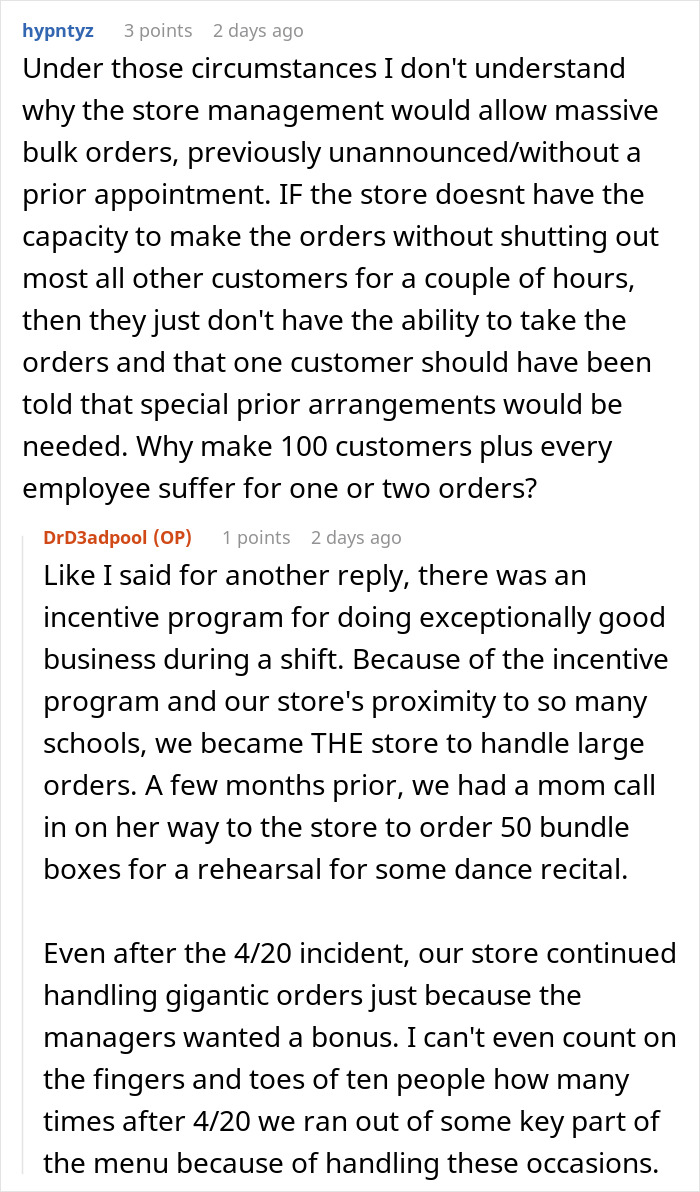
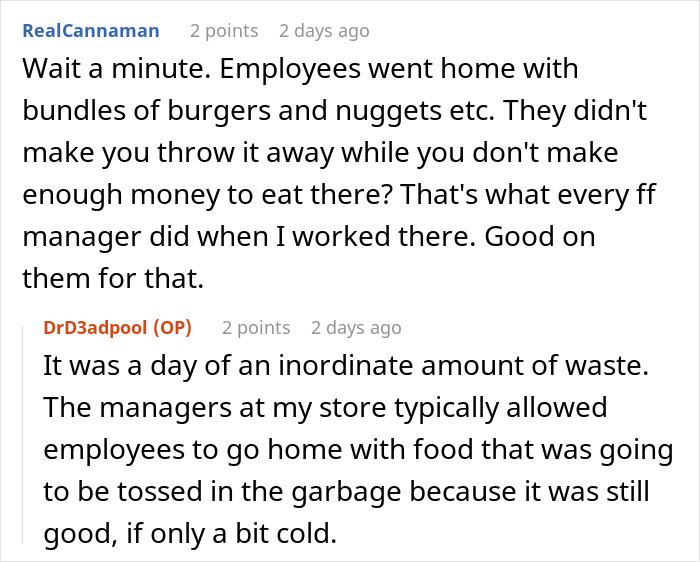
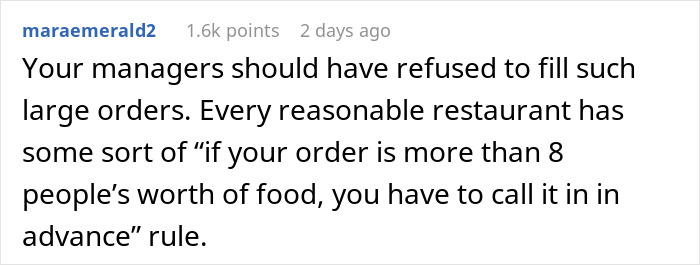
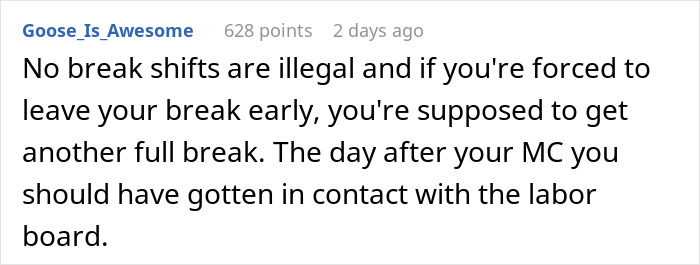
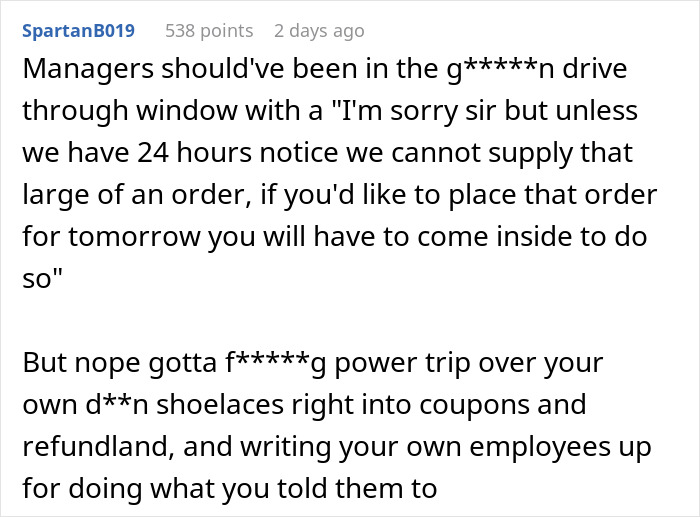
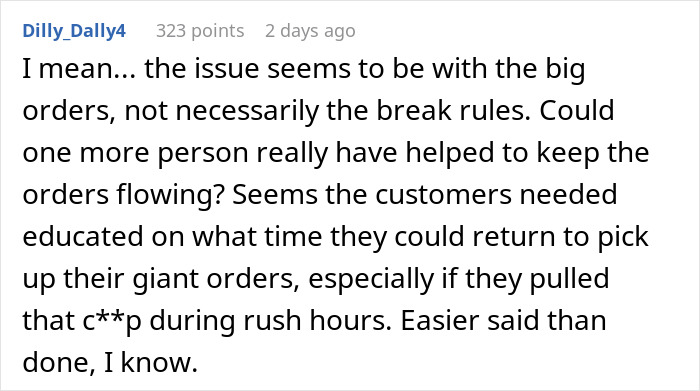
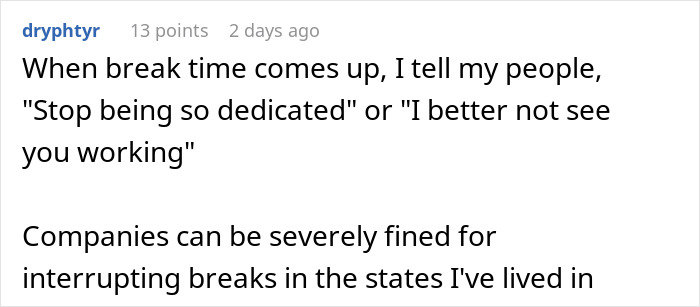
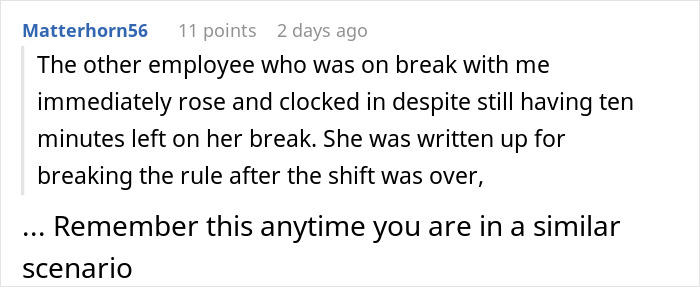
Commenters had mixed reactions to the story as the author answered some of their questions


 Follow Us