In all my years with my cat, I’ve left her in someone else’s care only once. Since then, I’ve taken her everywhere with me, even on short trips and quick vacations. It wasn’t a negative experience, but I simply feel more at peace when she’s with me.
The woman behind this story understood that feeling, but she faced a very different situation when her longtime friend asked her and her husband to care for two cats for an entire year. Unsure how to refuse without damaging their friendship, she turned to Reddit to share the situation and ask the community how to handle the conversation.
Helping a friend can feel natural until the favor starts demanding more than expected

africaimages / Envato (not the actual photo)

A woman was asked to care for her longtime friend’s two cats for a year, but she and her husband had serious concerns
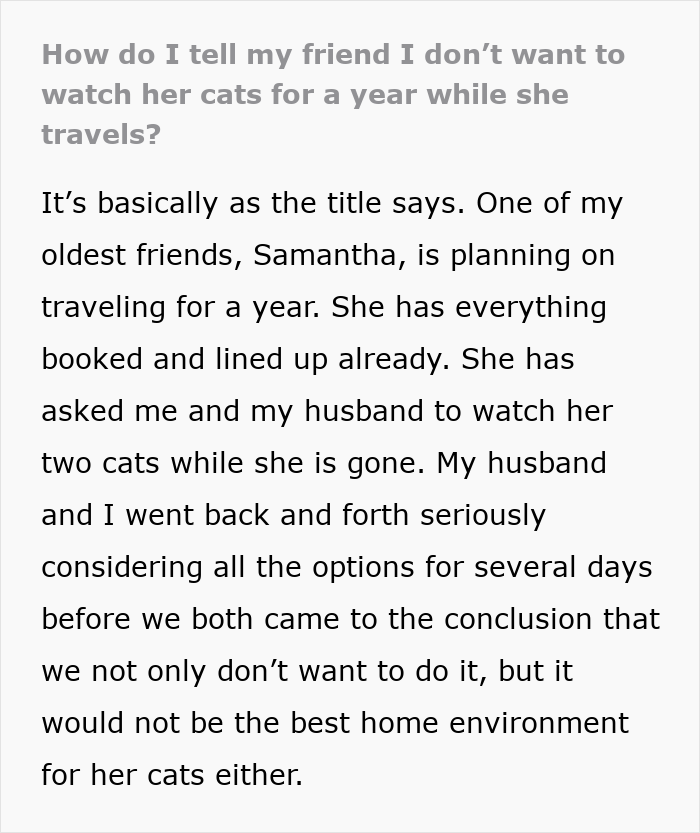
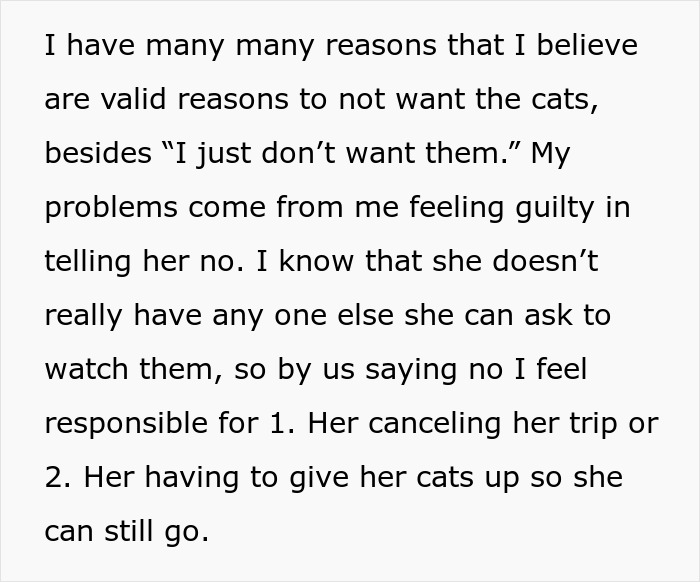
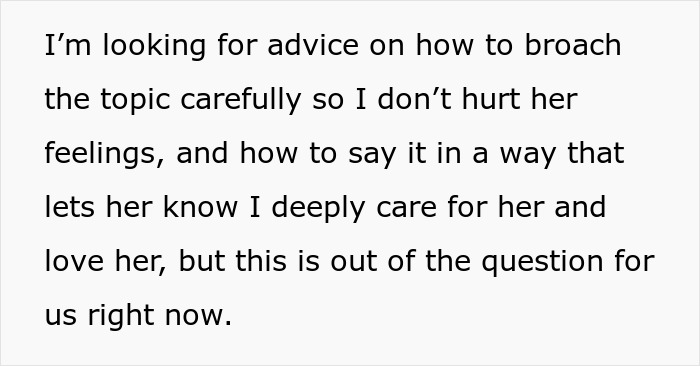

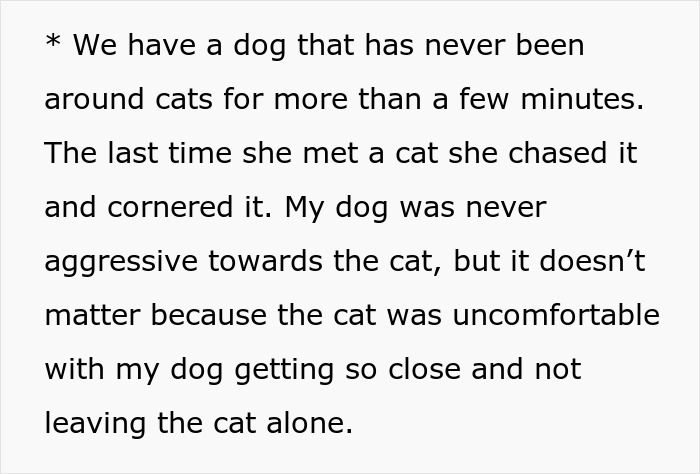
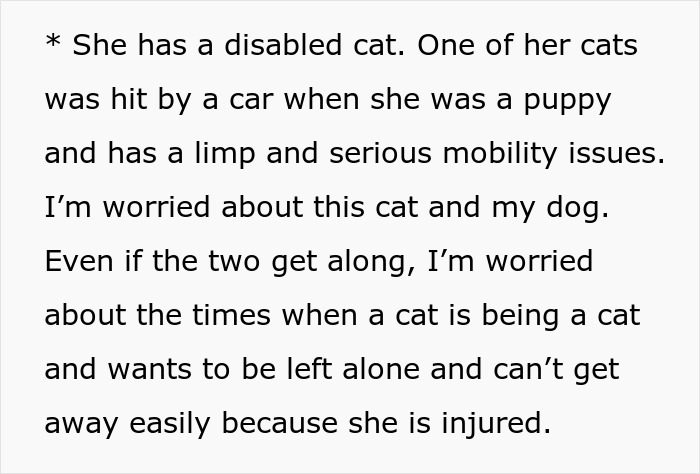
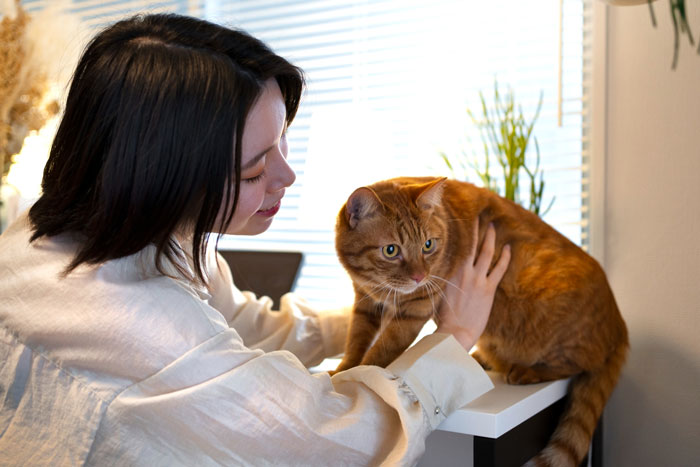
magnific / Magnific (not the actual photo)
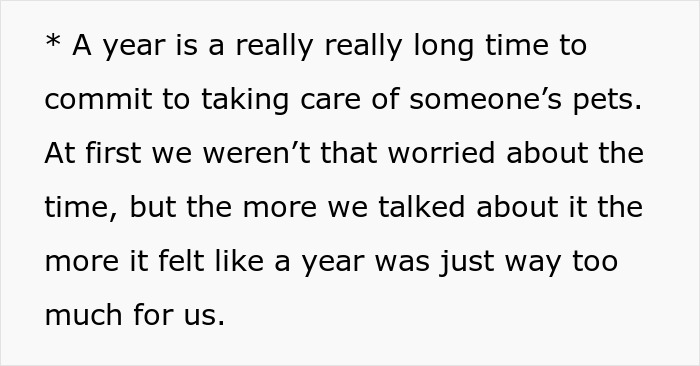
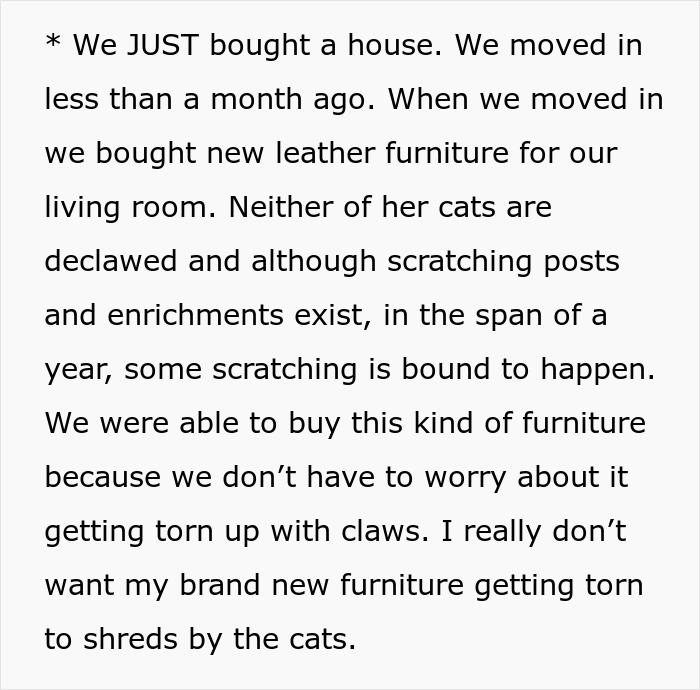
A year was a long commitment for the couple, and they had other reasons to be worried
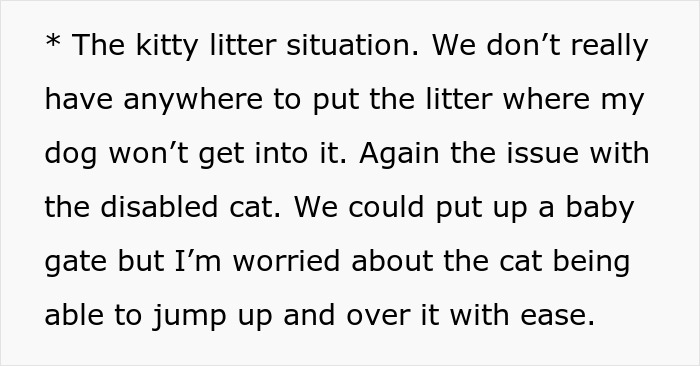


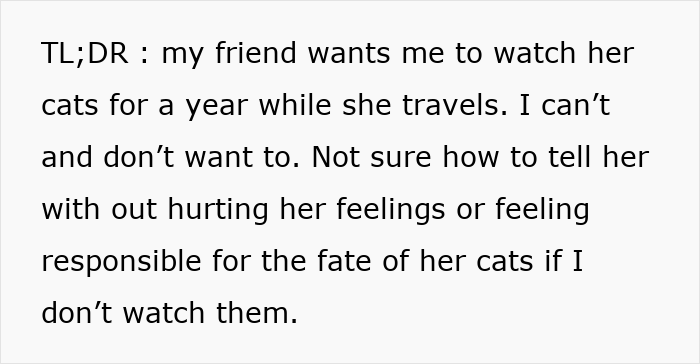
After deciding against the arrangement, the woman asked her friend to call so they could talk directly
Pets can occupy an important place in our daily lives, from greeting us at the door to sharing meals, routines, and quiet evenings at home. For many of us, caring for an animal means much more than providing food and shelter. It also means protecting a companion we usually grow deeply attached to.
That attachment can make leaving pets with someone else surprisingly difficult. Whether you call yourself a pet parent or simply a pet owner, you may still want another person to follow the animal’s routine and keep your furry friends safe.
The idea of pets as family members is growing year by year. Numbers show that 91% of U.S. pet owners consider their pets part of the family, while 67% of people in Latin America say they prefer their pets to their friends. Among U.S. millennial pet owners, 53% consider dining with their pets essential.

vh-studio / Magnific (not the actual photo)
With that level of attachment, asking a friend to care for a pet can feel convenient, but the arrangement still needs careful consideration. Friends can work well for short absences and easy-going pets, but longer trips or animals with health needs, like one of the cats in this story, can create greater risks. The person agreeing to help needs to match the responsibility.
The situation is even more delicate when a favor lasts for months rather than days. A friend may have good intentions, but goodwill isn’t enough if something goes wrong. Asking someone to take responsibility for two animals for an entire year can indeed create pressure on both the pets and the friendship, even if this relationship has lasted for decades.
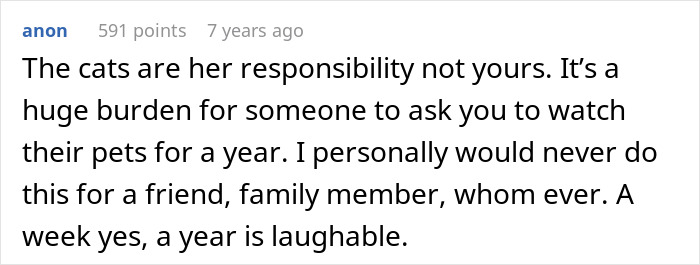
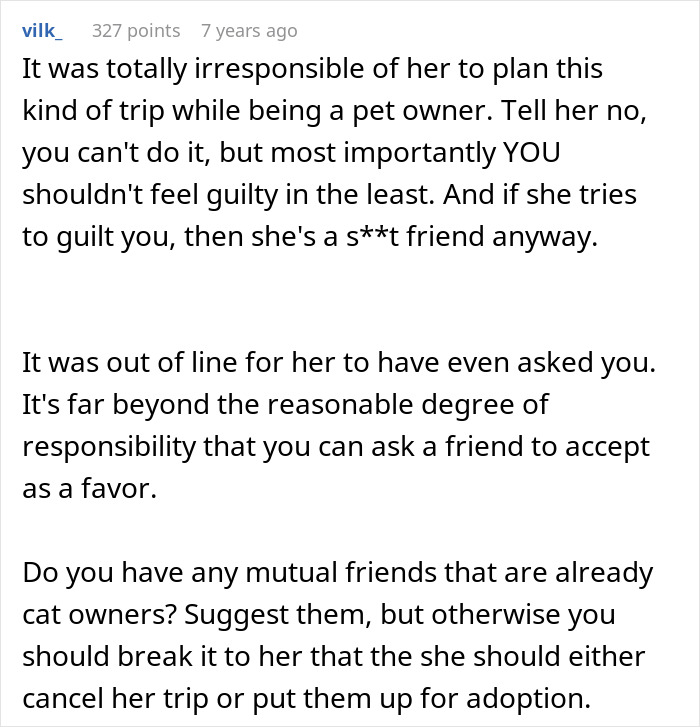
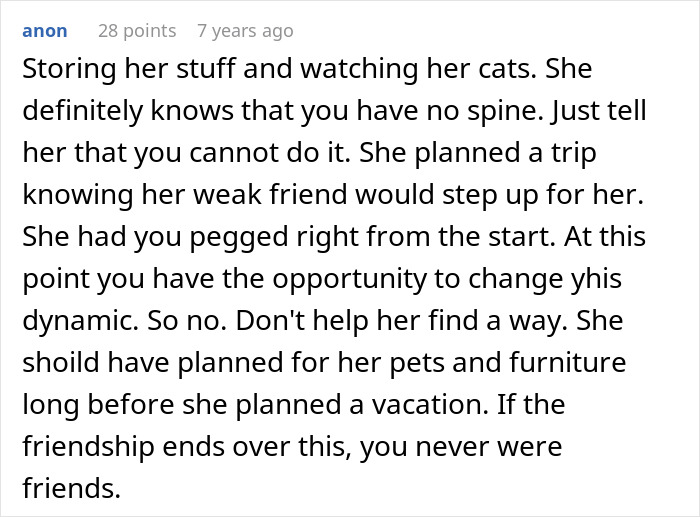
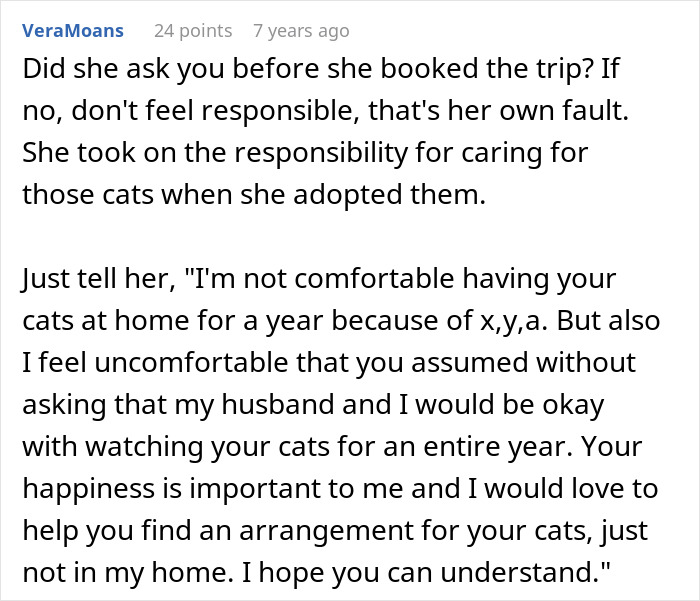
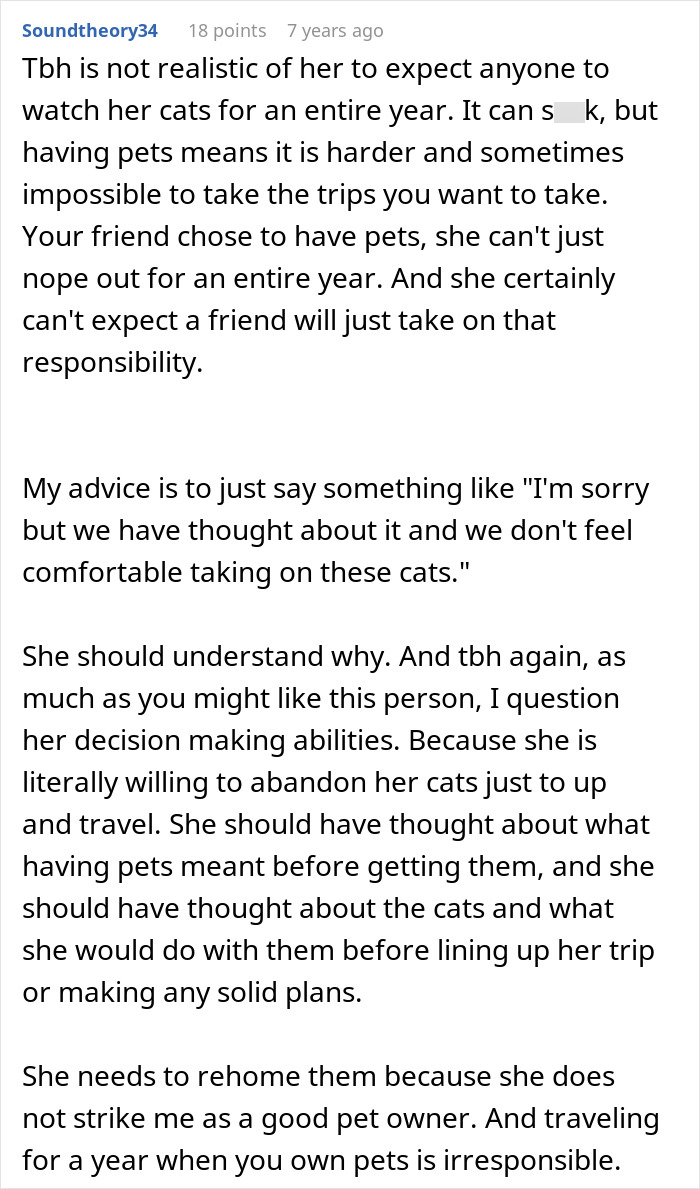
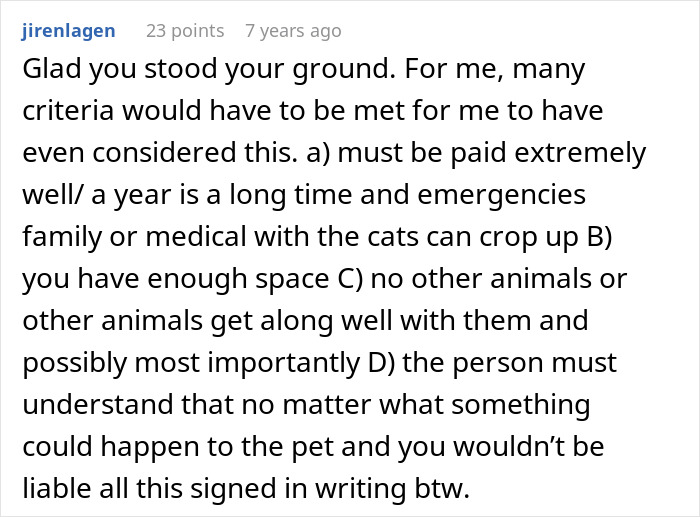
The online community agreed that caring for the cats remained the friend’s responsibility, not the couple’s





teplopribors-m / Magnific (not the actual photo)
The woman then called her friend and explained why she and her husband could not take care of the cats

grustock / Magnific (not the actual photo)
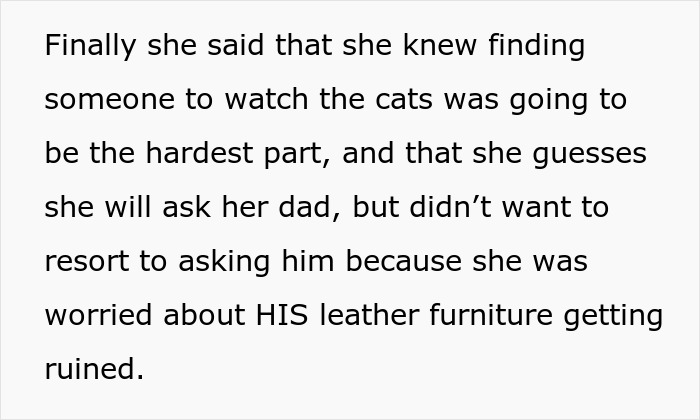
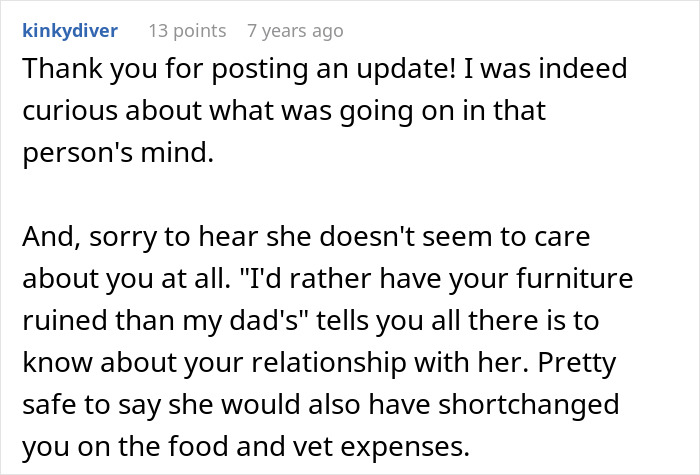
The friend revealed she could ask her father to watch the pets, despite initially making the narrator feel she had no other options


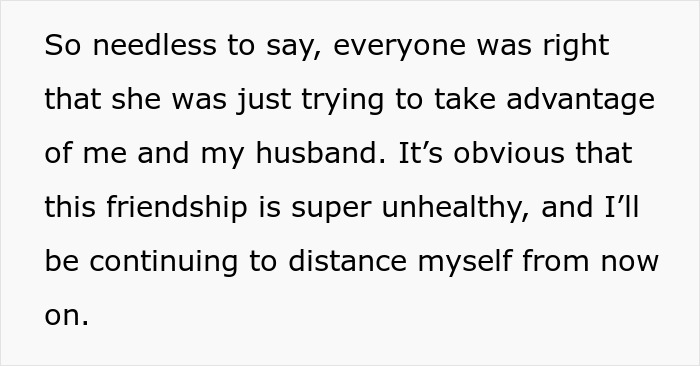
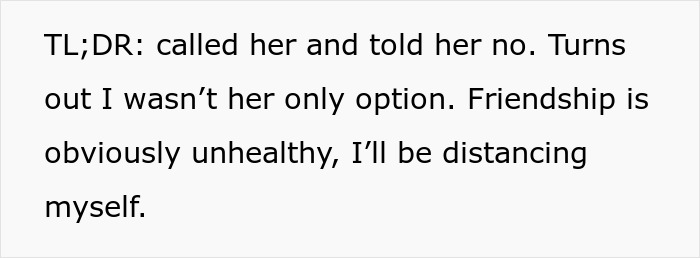
The woman stood firm and decided to distance herself from the unhealthy friendship
In this story, the main source of conflict is the long relationship between the two friends. The U.S. National Library of Medicine shares research on childhood and early-adolescent friendships, describing them as voluntary and rooted in mutual affection rather than instrumental need. They can provide support and security but the relationship still depends on both ends to be healthy.
That helps explain why a refusal can sting. A friend may feel rejected when someone declines a major request, particularly if she expected their history to translate into help. But a close friendship does not automatically turn one person’s needs into the other person’s responsibility.

natabuena / Magnific (not the actual photo)
Indeed, everything can get worse if one of the friends starts treating a favor as an obligation. However, Stephen J. Betchen, D.S.W. and family therapist, argues that people can remain in unhealthy friendships because they struggle to let go of long-standing relationships or fear being alone.
In this case, the woman didn’t need to prove that her reasons were good enough. She and her husband considered the risks, decided that keeping the cats would not work for their house, and clearly communicated that decision. Staying clear and firm when setting boundaries is always a good move, especially if the other person pushes back.
Do you think the couple was right to stand their ground and refuse to watch the cats? What would you have done in their place? Share your thoughts in the comments!
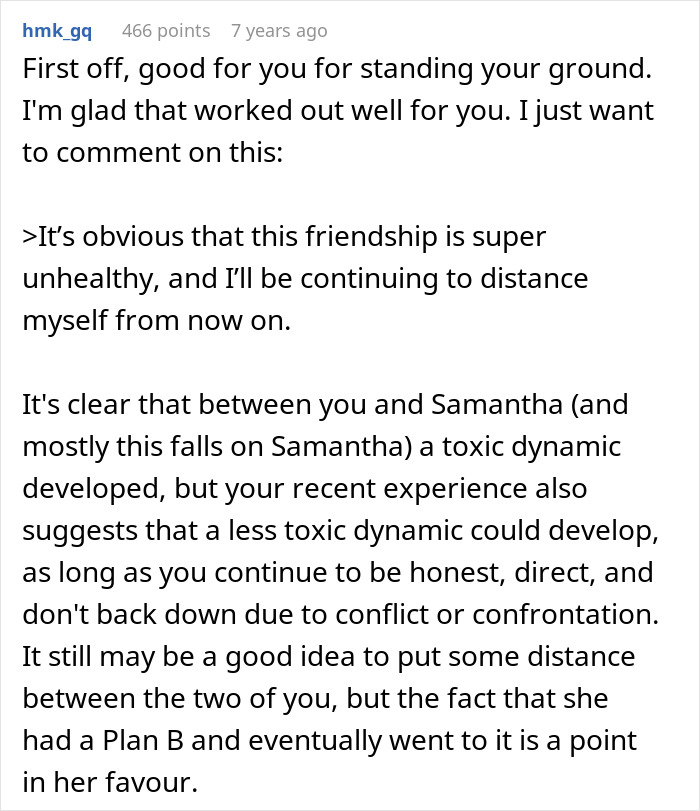
Commenters praised the narrator for protecting her boundaries







 Follow Us