When you start living with a partner, you naturally get to know them better, seeing habits and moods that dating alone never reveals. But sometimes, even though you are closer than ever, there might be sides they keep hidden or details they choose not to share, and those gaps can slowly change how safe the relationship feels.
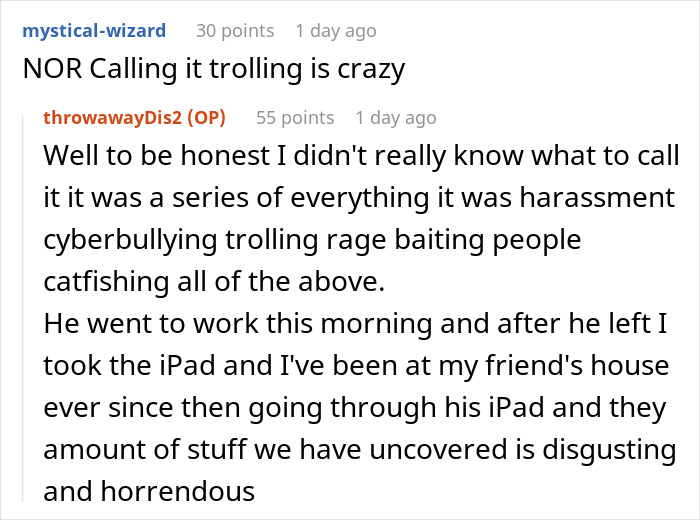
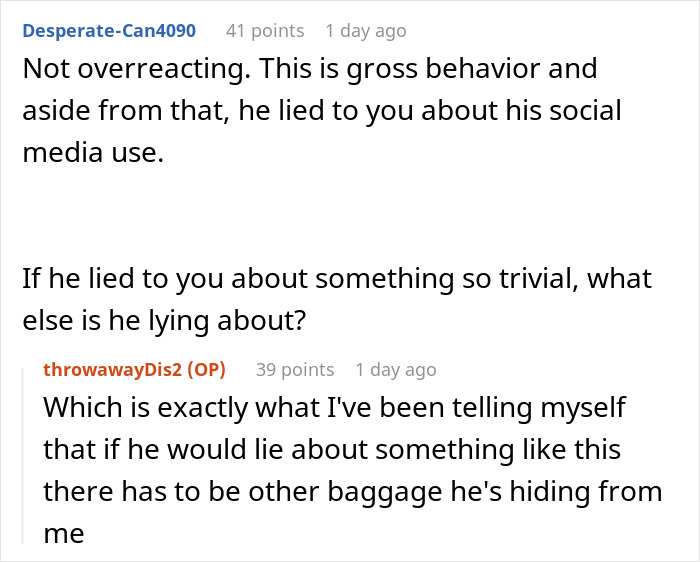
For instance, a woman explained how her boyfriend had been lying about using social media, and, beyond that, he was secretly leaving appearance and makeup remarks on women’s posts. He even joined her livestreams under anonymous accounts to write negative messages about her and her friends, and the discovery forced her to reconsider the trust she once believed was solid. Keep reading to follow the full story.
Learning that your partner has been lying to you can be deeply upsetting and disorienting
Image credits: SHVETS production/Pexels (not the actual photo)
A woman shared how her boyfriend had been secretly trolling her, her friends, and other women, even suggesting they should look a certain way
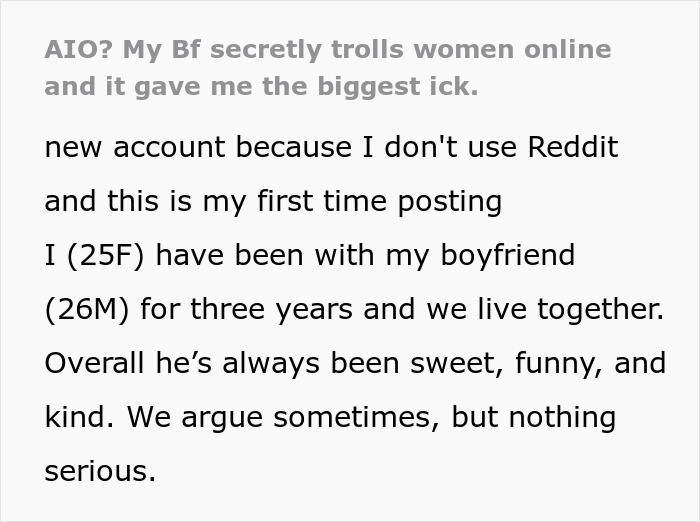
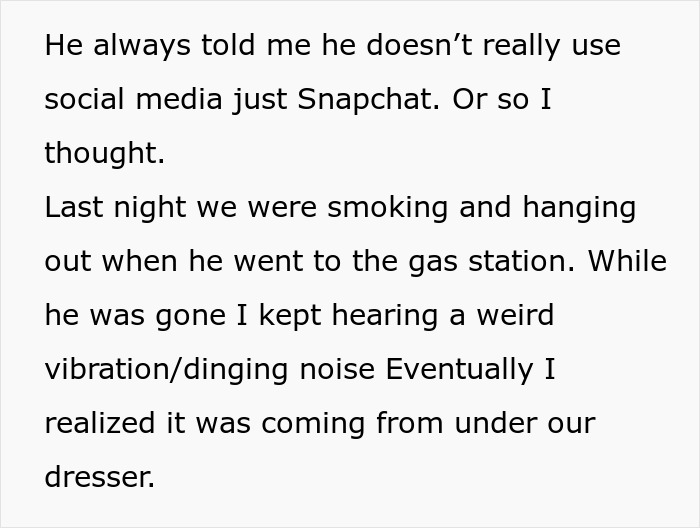
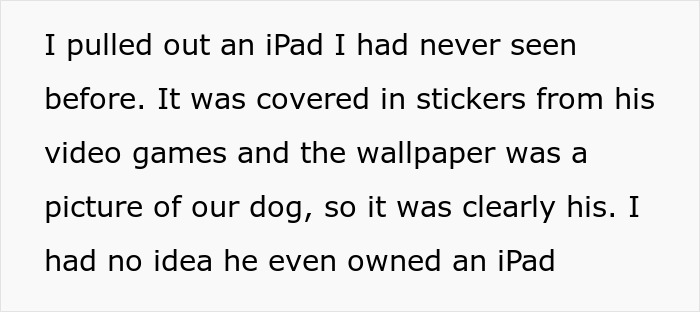
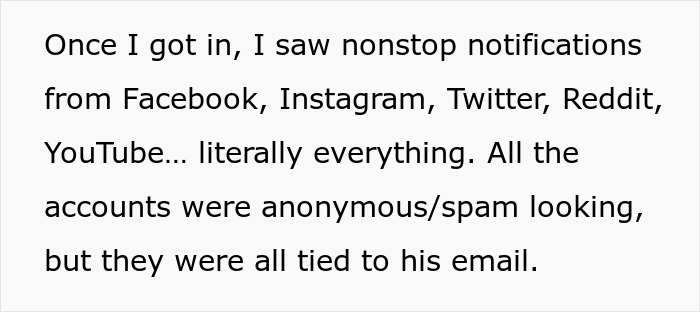
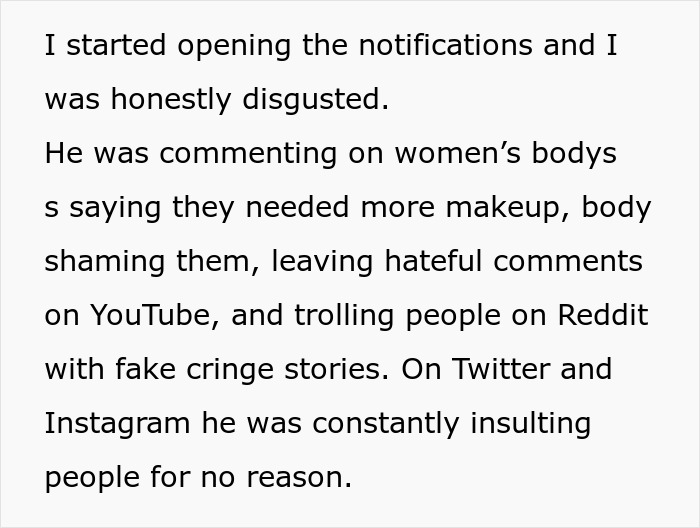
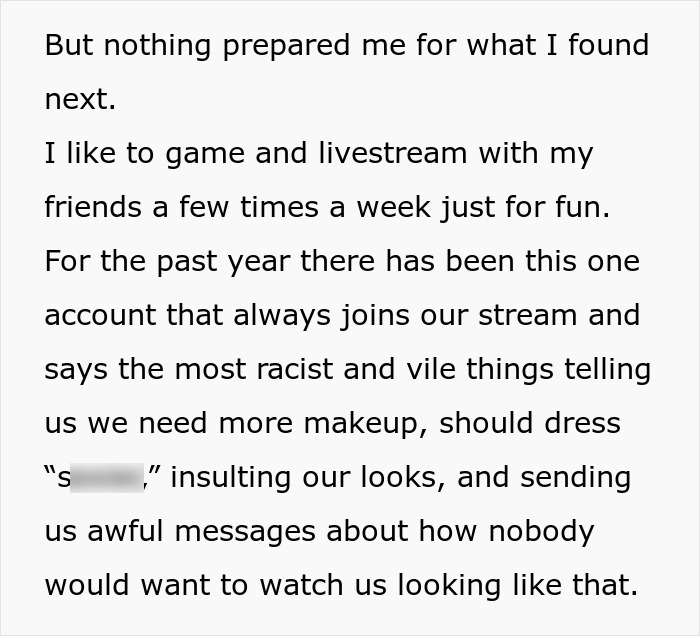

Image credits: Rodolfo Quirós/Pexels (not the actual photo)
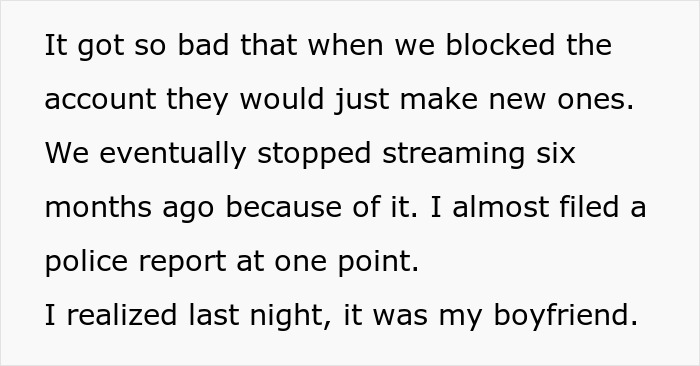
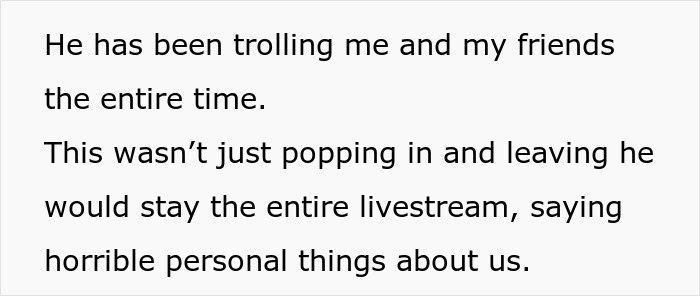
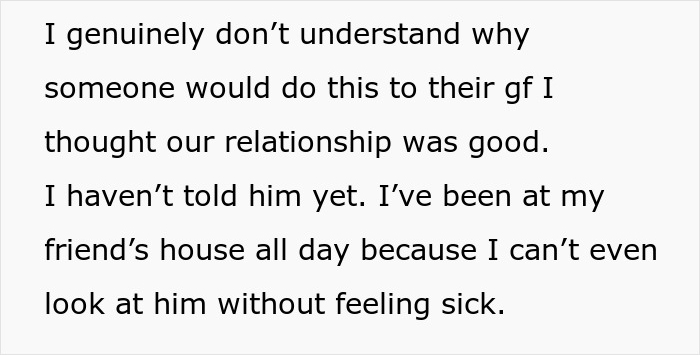
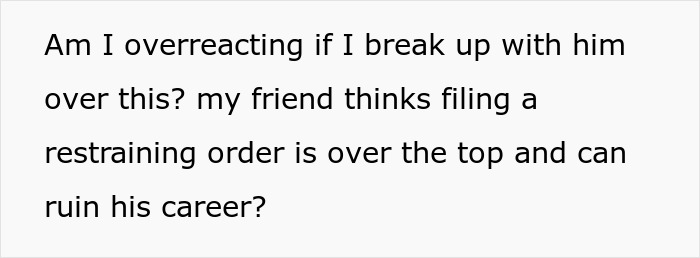
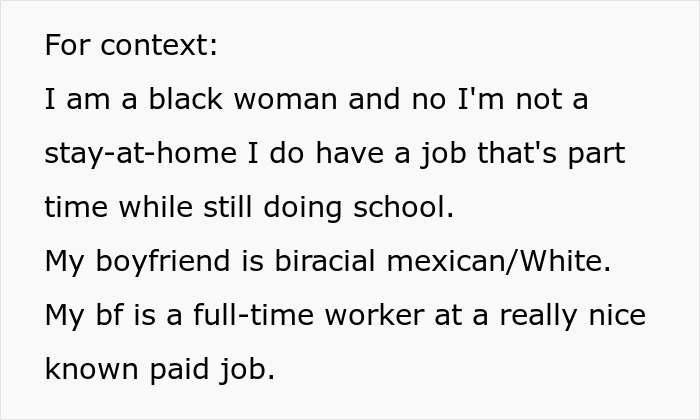
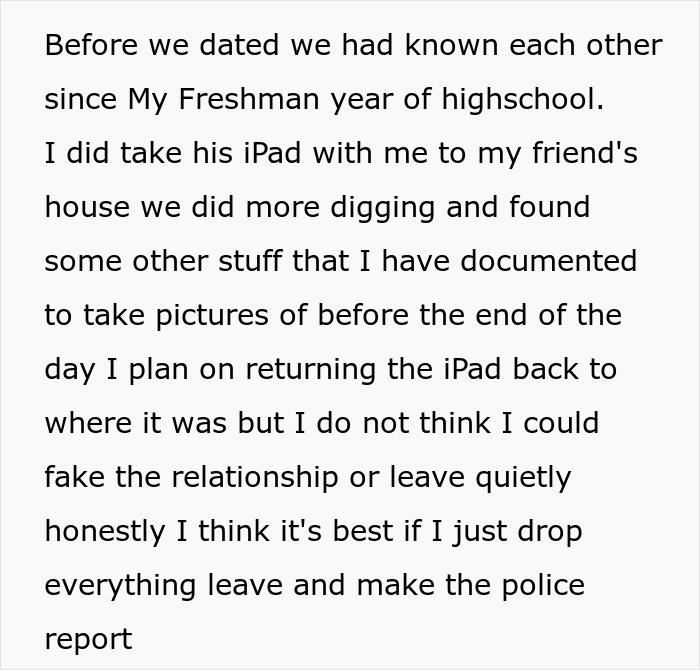
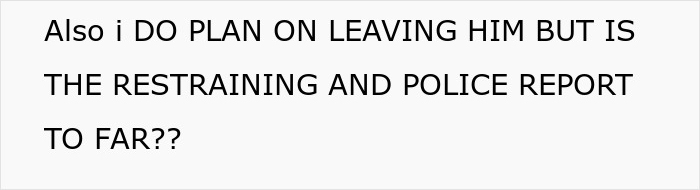
Image credits: throwawayDis2
She also spoke about her concerns and thoughts regarding the possibility of seeking restraining order

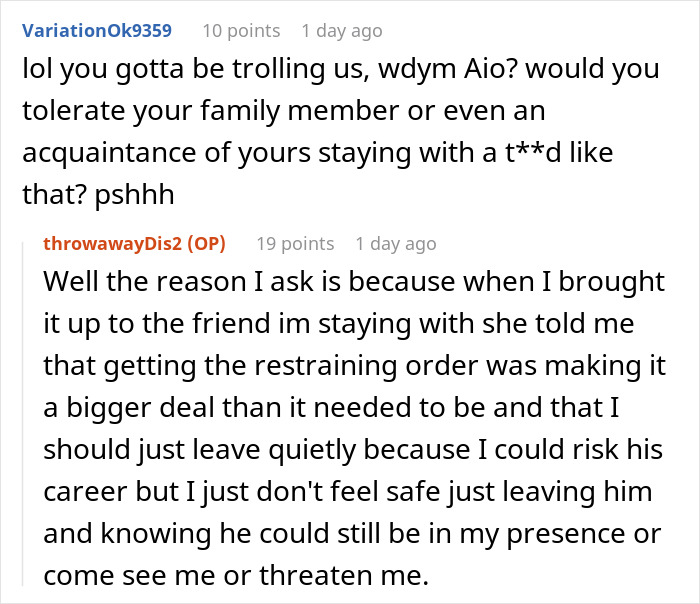

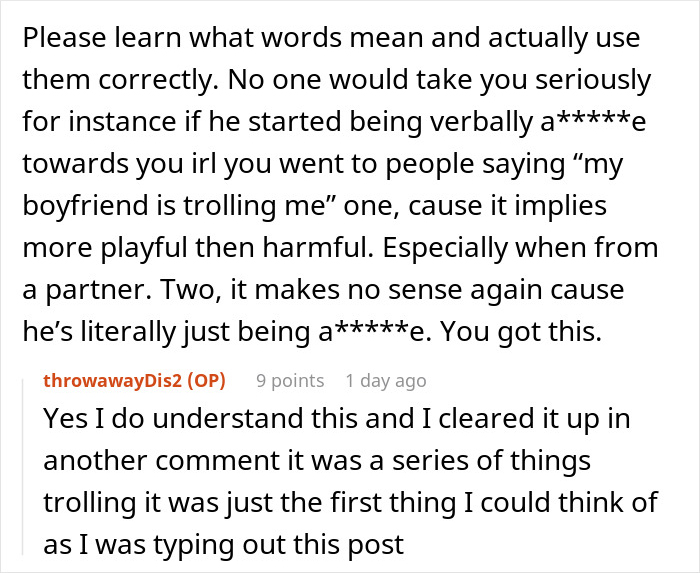
Misinformation can spread incredibly fast on social media, often before people have a chance to fact-check or think twice
Over 5.6 billion people, or nearly 70% of the world’s population, now use social media. That’s a huge portion of humanity scrolling, liking, and sharing every single day. It means news, trends, and opinions travel faster than ever. We can stay connected across continents in seconds. Friendships form without borders. Voices that were once unheard can now reach millions. Social media has changed how we communicate. It’s powerful, exciting, and everywhere.
With that kind of exposure, there are plenty of upsides. Social media lets people learn, express themselves, and build communities. It helps small businesses grow and creators find audiences. Important conversations gain visibility. Moments are shared in real time. But like most things, it’s not perfect. The same tools that connect us can also overwhelm us. Balance becomes important. And that’s where the challenges begin.
One of the biggest downsides is how easy it is to get addicted to scrolling. Minutes turn into hours without you noticing. There’s always one more post, one more video. This constant stimulation can affect focus and mood. It becomes harder to unplug. Rest starts to feel unproductive.
Another issue is the rapid spread of misinformation. False stories often spread faster than the truth, especially when catchy headlines are shared without a second thought. Opinions start sounding like facts, and before you know it, things get confusing and messy. This kind of misinformation can influence real-life decisions in harmful ways. Once it’s out there, it’s incredibly hard to undo the damage. That’s why slowing down matters. Taking a moment to read, think, and verify can make a real difference.
Security is another issue many people don’t think about until something goes wrong. Personal information can slip out more easily than expected. Scams, phishing messages, and fake accounts are everywhere, and sometimes all it takes is one careless click. Privacy settings often get ignored or forgotten. Oversharing might feel harmless in the moment, but it can come back later. Staying cautious online should feel just as natural as locking your front door.
If things start to feel overwhelming or cross a serious line, filing a formal complaint can be the safest and most responsible step to take
Then there’s the not-so-fun side of social media: cyberbullying and trolls. Hurtful comments and harassment can affect anyone, no matter how thick-skinned they seem. Trolls usually want attention, and reacting gives them exactly that. The simplest rule is often the best one: don’t engage. Ignoring them takes away their power. Protecting your peace is far more important than winning an online argument.
Most platforms also give you tools to make your experience healthier. Blocking accounts, muting keywords, and filtering content can really help. You’re not being dramatic or sensitive by doing this. You’re setting boundaries. Curating your feed doesn’t mean avoiding reality, it means choosing what deserves your time and energy. Social media should add something positive to your life, not constantly drain you.
And finally, a little professionalism goes a long way, especially in public online spaces. Screenshots don’t disappear, and words tend to stick around. When behavior crosses a line, documenting and reporting it is the right step. Platforms can’t help if they don’t know what’s happening. Being thoughtful about how you show up online protects you in the long run. With awareness and clear boundaries, social media can still be a space that feels safe, useful, and enjoyable.
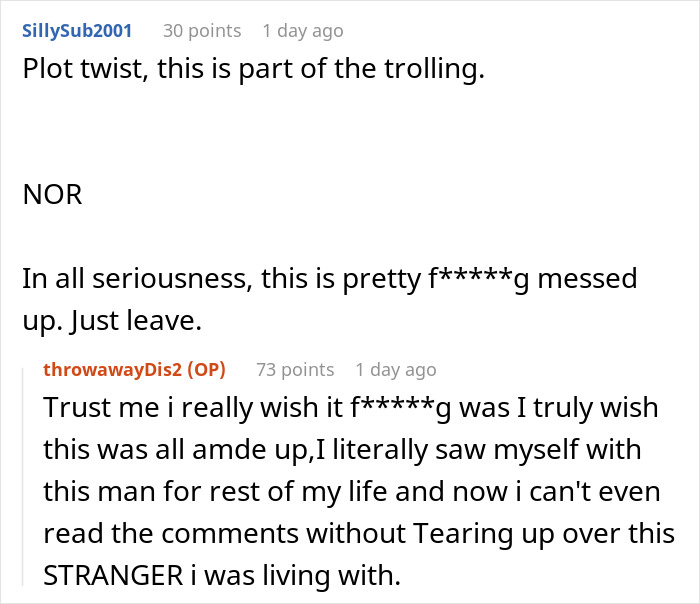
In this particular case, the author and her friends were eventually forced to stop streaming because the trolling became too much. What made it even more devastating was discovering that the person behind it was her own boyfriend. The betrayal left her completely shaken and questioning everything. Given the seriousness of the situation, she rightfully considered filing a formal complaint. What are your thoughts on how she handled it? Let us know what you think.
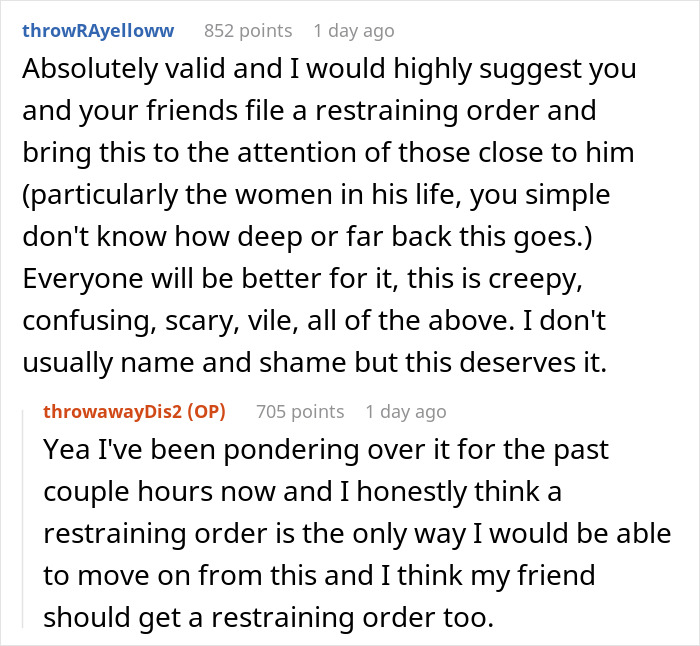
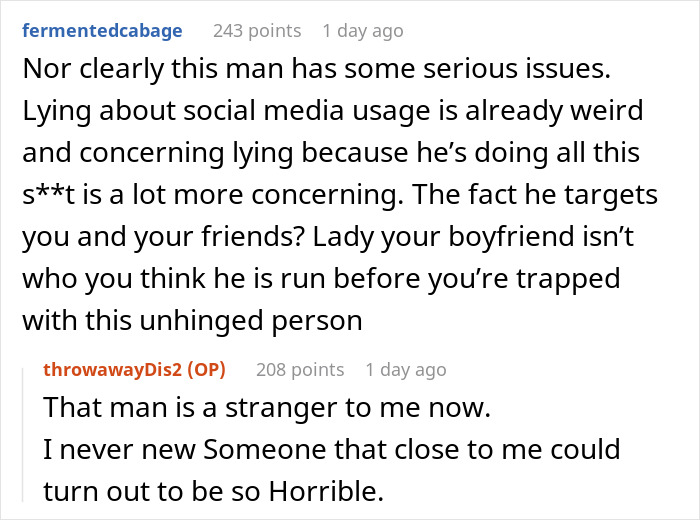
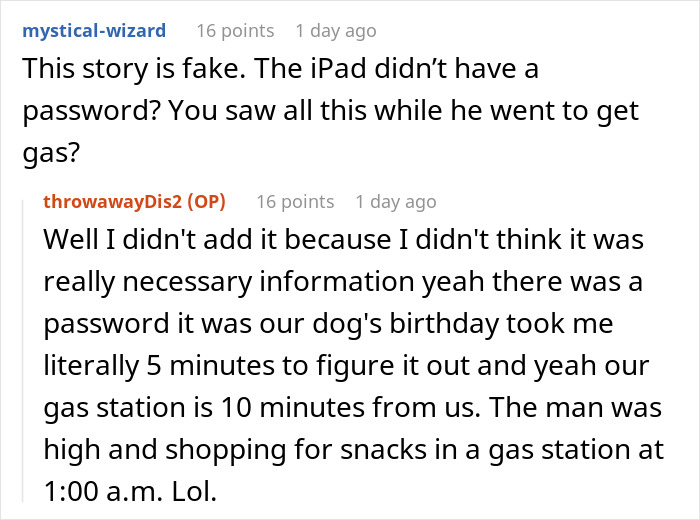
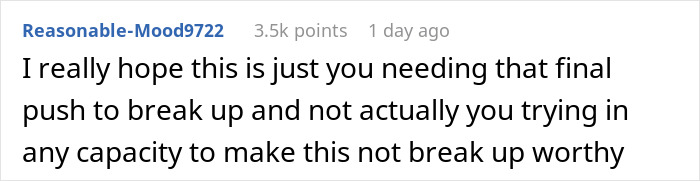
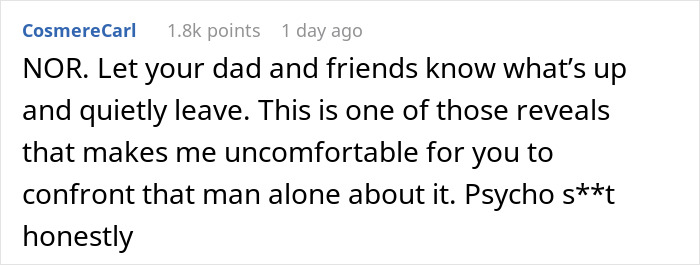
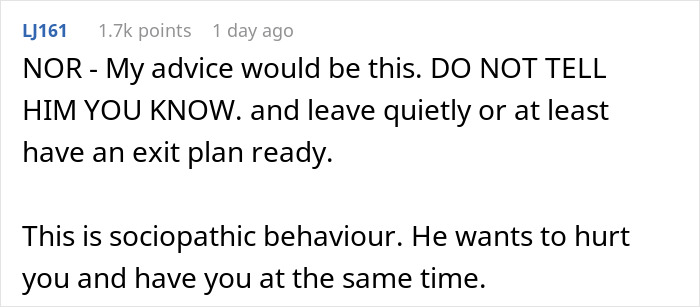
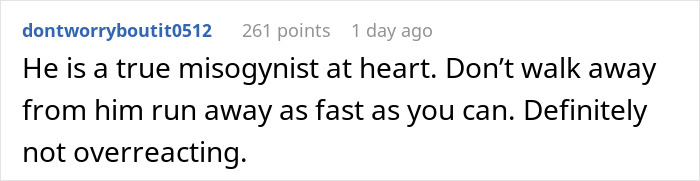
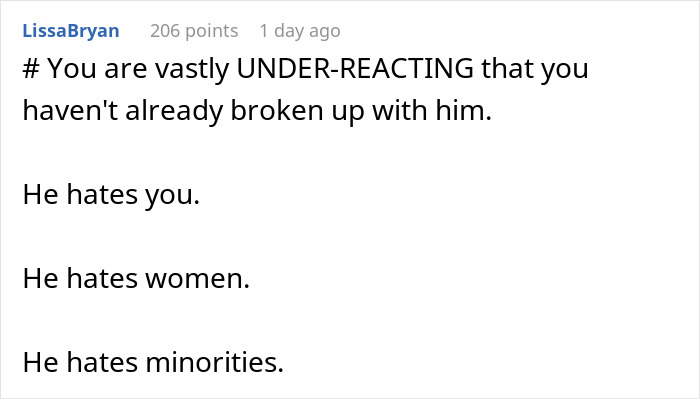
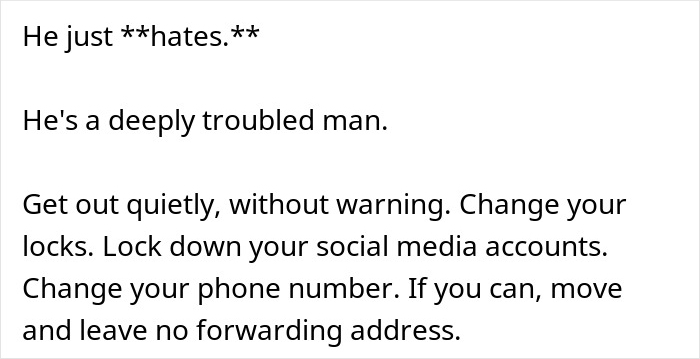
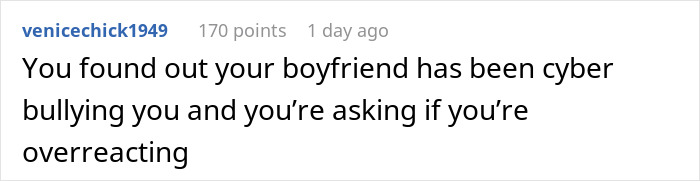
People online encouraged her to leave her boyfriend and prioritize her safety and well-being
 Follow Us