When you’ve been with someone for decades, you should be able to talk about everyday things without feeling like you’re moments away from drama. When simple questions come wrapped in pointed words and a sharp tone, they can start to wear you down. Before long, you may find yourself wondering why a harmless conversation starts to feel like a confrontation.
After more than 25 years of marriage, this woman found herself increasingly bothered by the way her husband spoke to her. His annoying tone gradually became a recurring source of tension, leaving her unsure whether she was genuinely being too sensitive or if something about his communication methods needed to change.
More info: Reddit
The way partners phrase everyday questions can shape how those conversations feel, especially when one person repeatedly feels blamed

Stockbusters (not the actual photo)

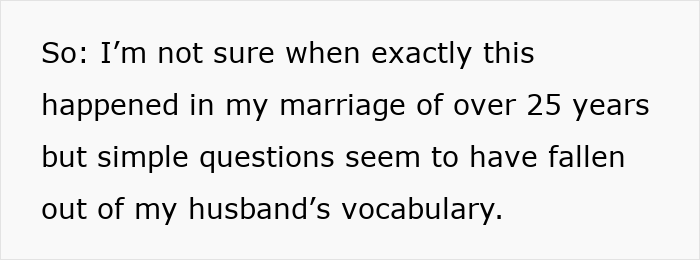
After more than 25 years of marriage, the narrator was frustrated by her husband’s habit of turning ordinary questions into pointed remarks

magnific (not the actual photo)
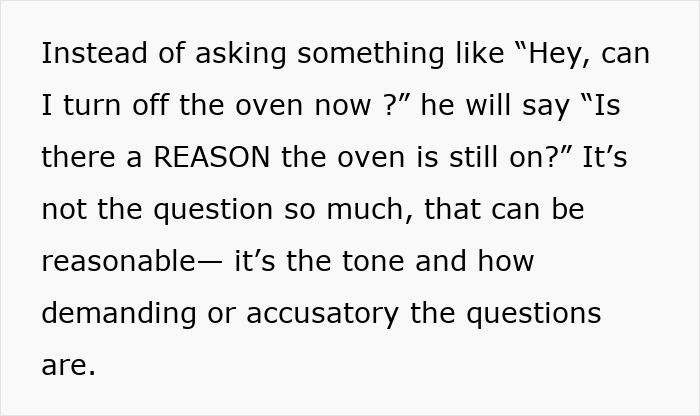
Her husband frequently asked about unfinished tasks in a way that made her feel as though she had to justify herself over everyday household matters
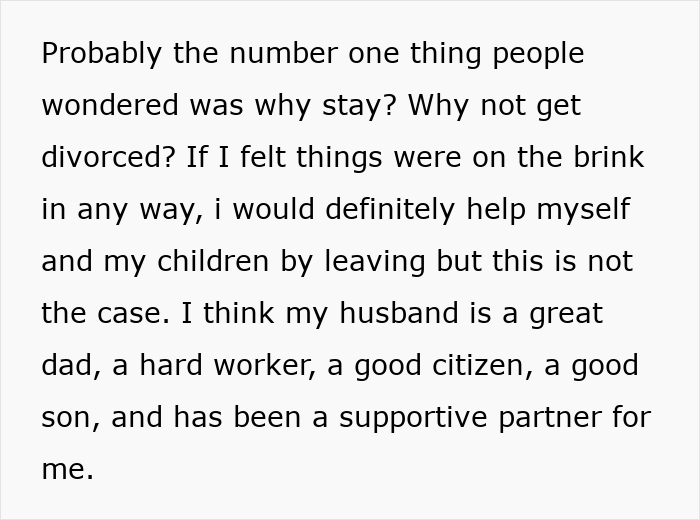
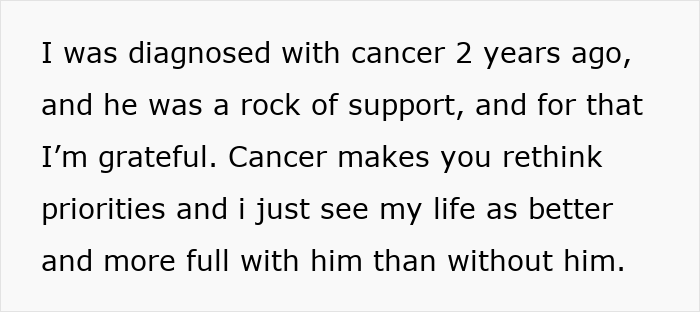

simonapilolla (not the actual photo)
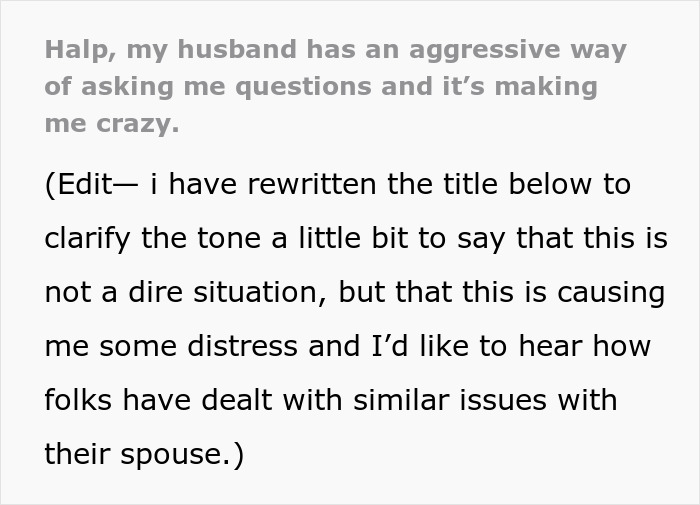
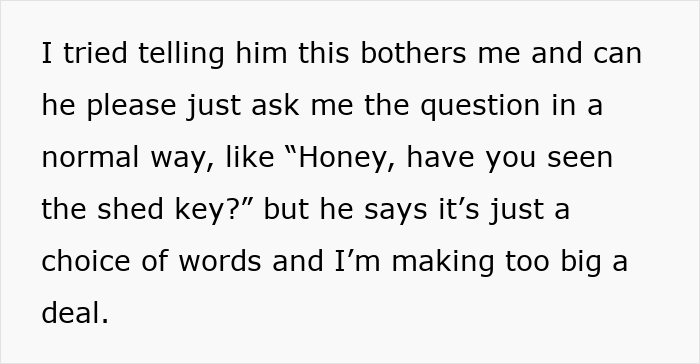
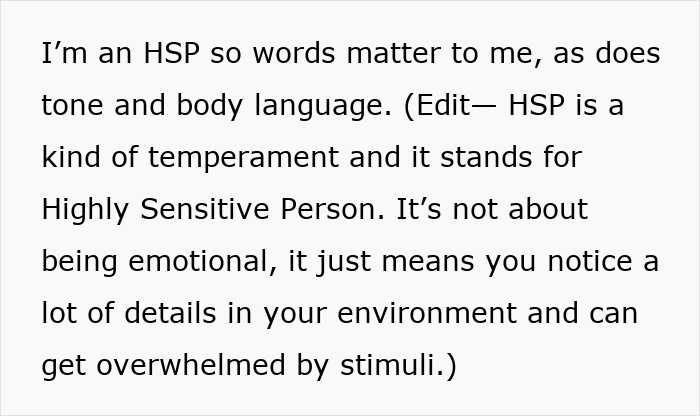
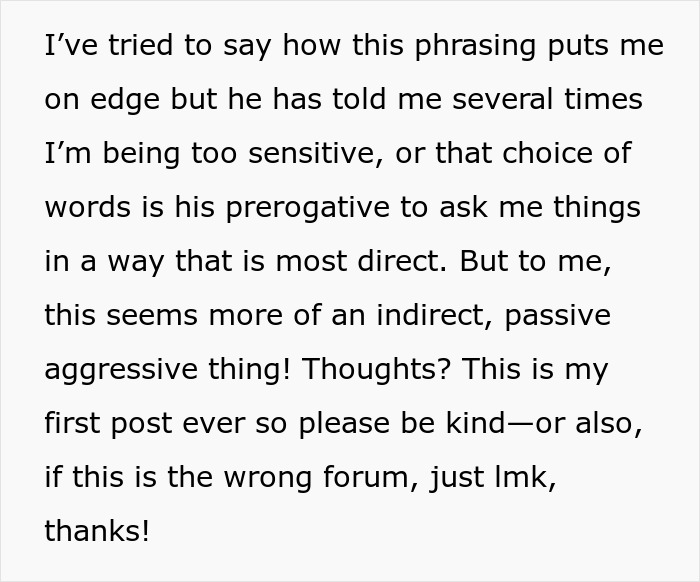
The poster tried explaining that his choice of words bothered her, but he dismissed her concerns and said she was being too sensitive
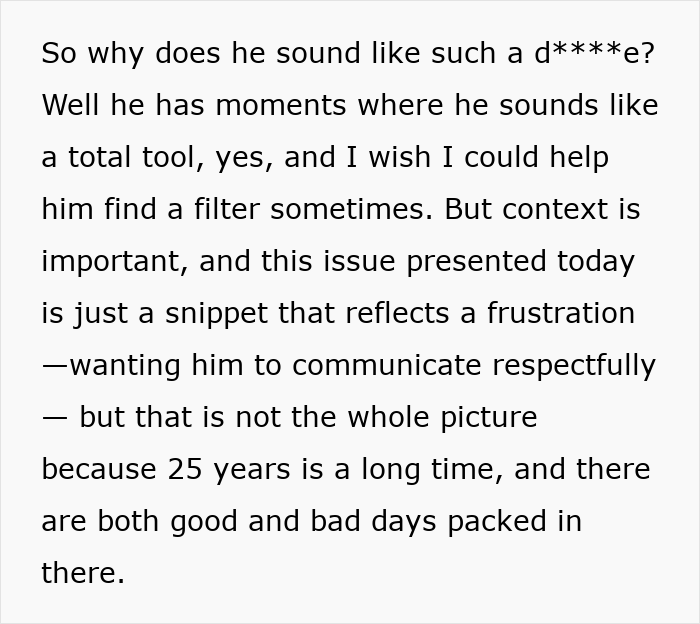
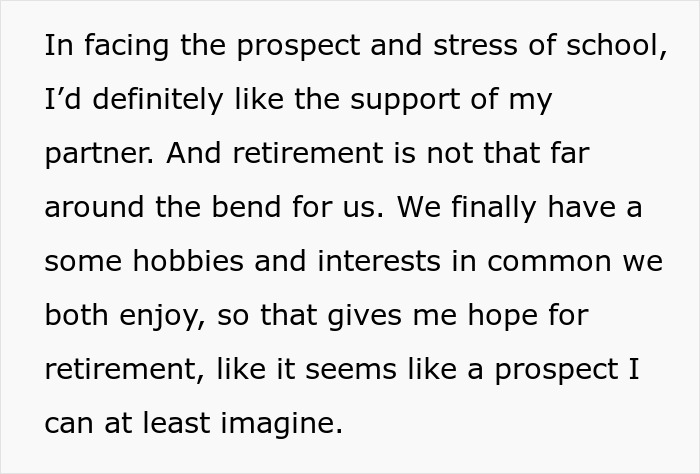

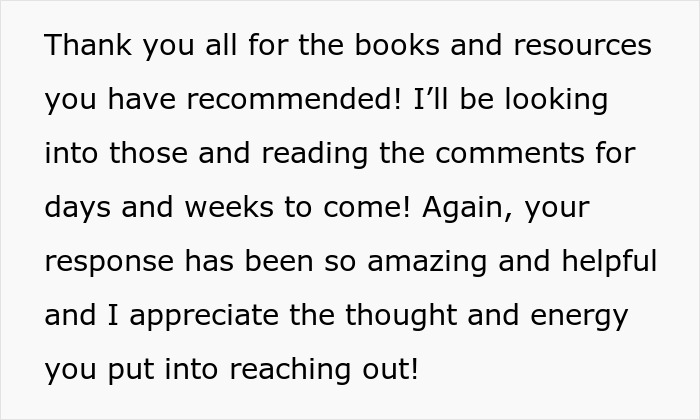
Image credits: paulala343
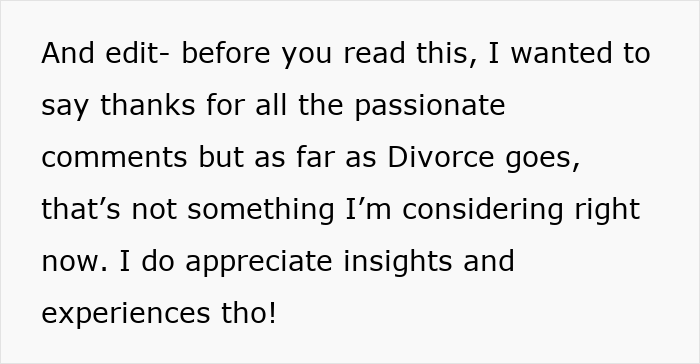
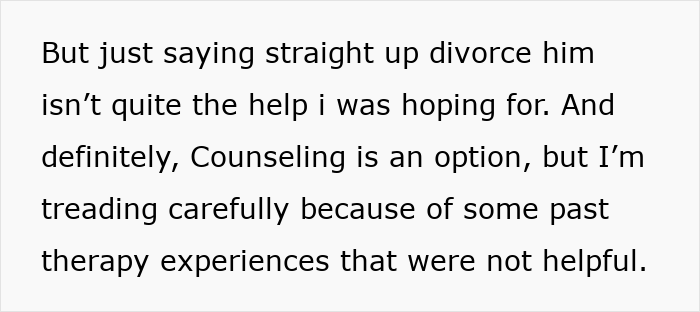
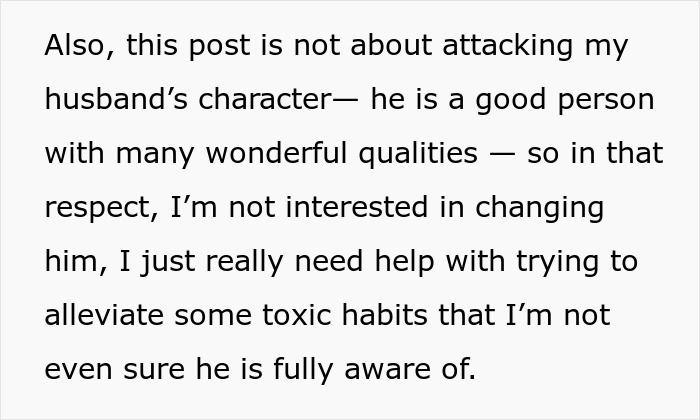
Despite her frustration, the author made it clear that she loved her husband, valued their marriage, and wanted to find a healthier way for them to communicate
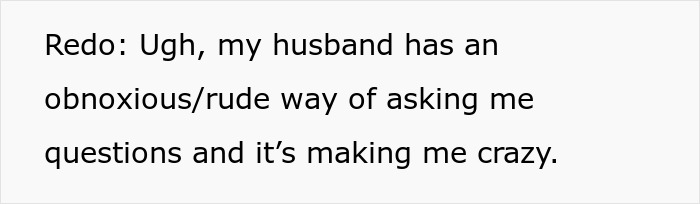
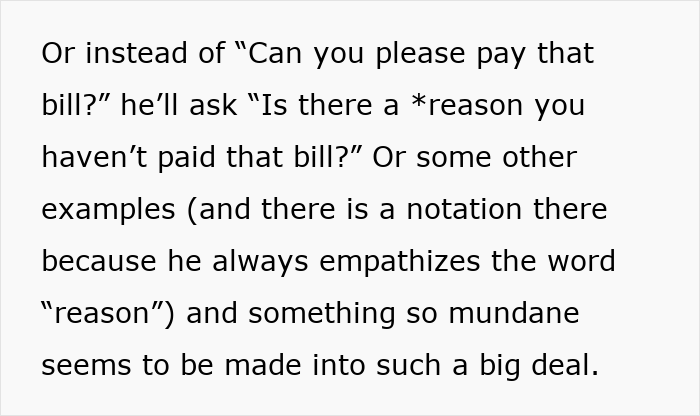
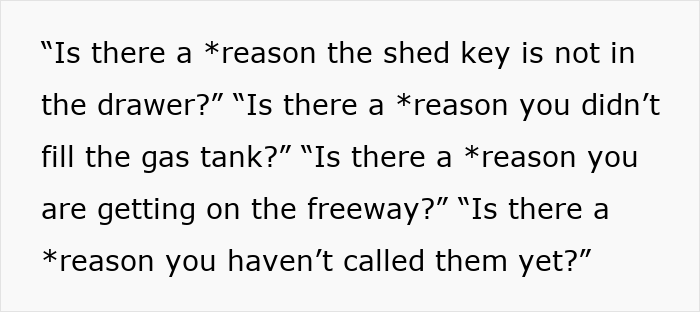
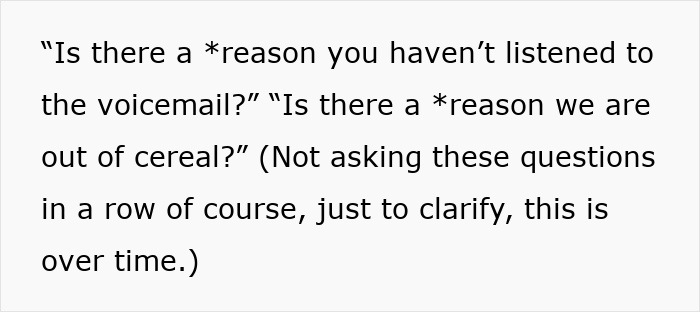
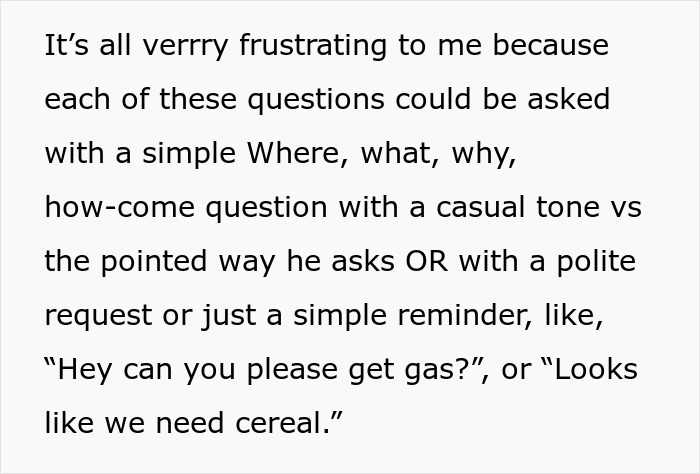
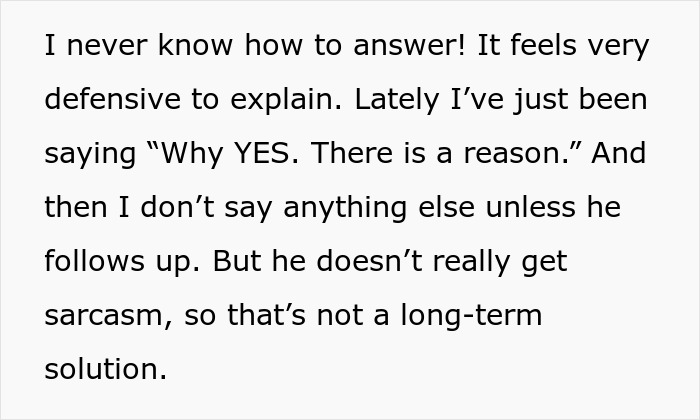
The Original Poster (OP) had been married to her husband for more than 25 years, and one communication habit had started driving her up the wall. He often turned ordinary questions into pointed remarks, asking whether there was a “reason” she had not done something instead of telling her nicely to see to the task.
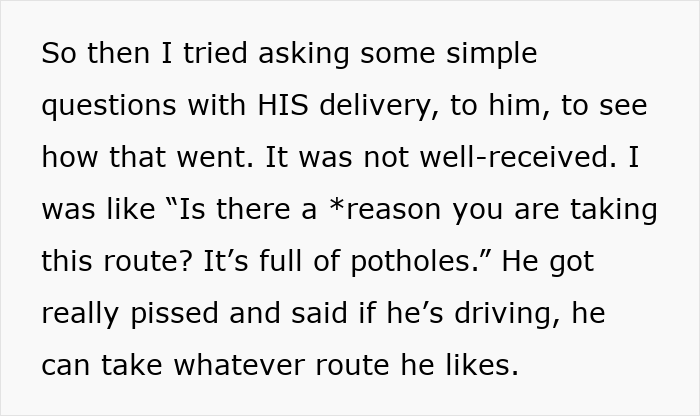
The narrator had told her husband several times that his tone and phrasing made her uncomfortable, but he felt she was being too sensitive. Frustrated, she decided to mirror his style and see how he reacted. When she questioned his choice of driving route in the same pointed way, he became angry and insisted he could choose his own route.
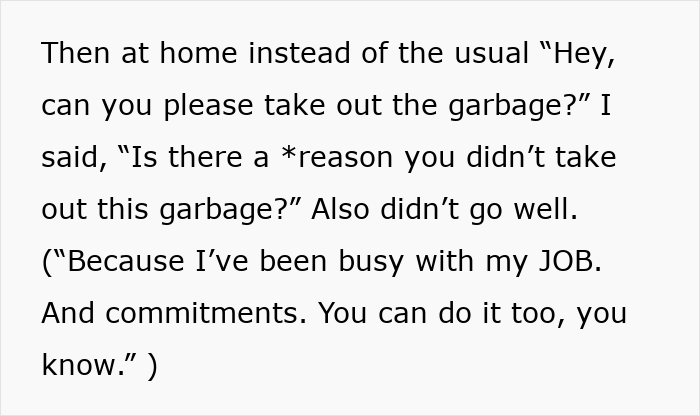
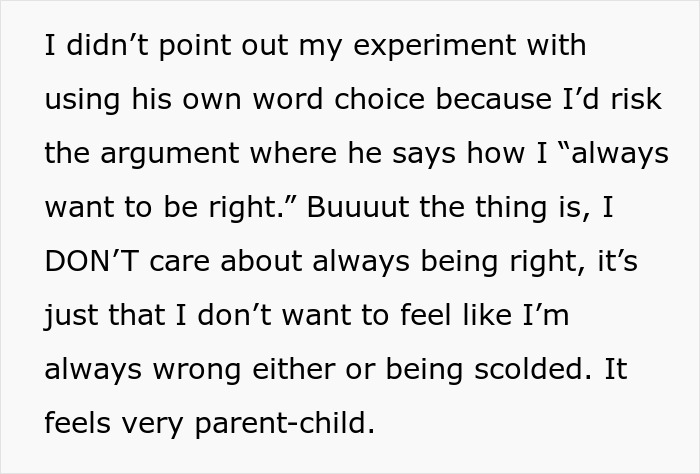
A similar exchange happened over the garbage, leaving the poster feeling that her experiment had made her point and she was not being unreasonable. For her, the bigger issue was how these exchanges made her feel. She said she was tired of feeling defensive over ordinary things and felt the dynamic sometimes resembled a parent scolding a child.
Still, the OP stressed that this was one frustrating part of a much decent marriage. Her husband had supported her through cancer, was a good father, and had many qualities she loved and respected. After 25 years together, she wanted to find a healthier way to communicate, especially as their children were growing up and they were entering a new stage of life.
The narrator had started learning about communication patterns and tracking the behaviors that bothered her, hoping to understand what was happening and find a way forward. Now, she wanted to hear from people who had dealt with a similar problem and discovered what actually helped.

magnific (not the actual photo)
Tone and wording can change a message’s meaning, even when the speaker believes they are being direct. The Gottman Institute notes that the way a complaint is delivered can make a partner feel criticized, which can put them on the defensive. What the author describes may seem like a small communication quirk, but repeated over time, that kind of questioning can create a tense dynamic.
The husband’s response can also start a frustrating cycle. The APA describes a demand-withdraw pattern in which one partner pushes for a change while the other responds defensively or avoids the conversation. The poster was trying to address a communication habit she found hurtful, while her husband focused on his right to phrase things however he wanted, leaving her concern unresolved.
The couple needs to find a way to raise concerns without immediately putting the other person on the defensive. Harvard Health recommends using “I” statements when discussing tense relationship issues, focusing on how a situation affects you rather than accusing your partner. That could create more room for an actual conversation about the habit the narrator wants to change.
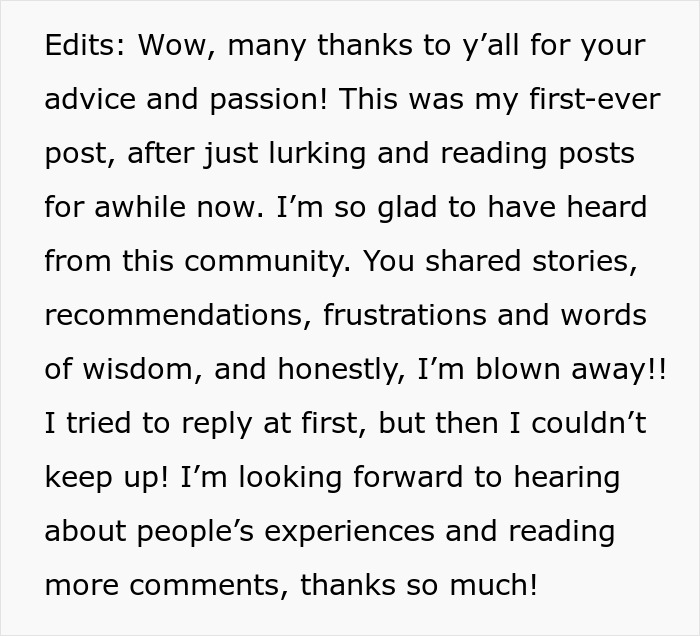
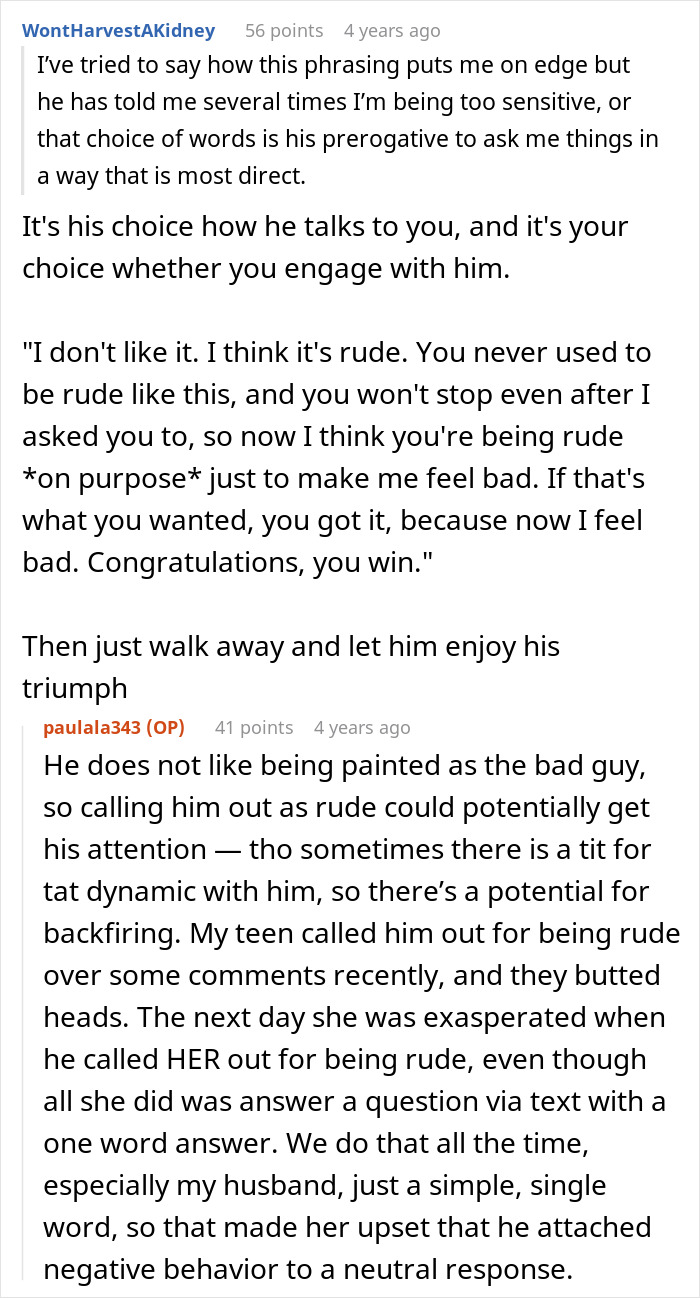
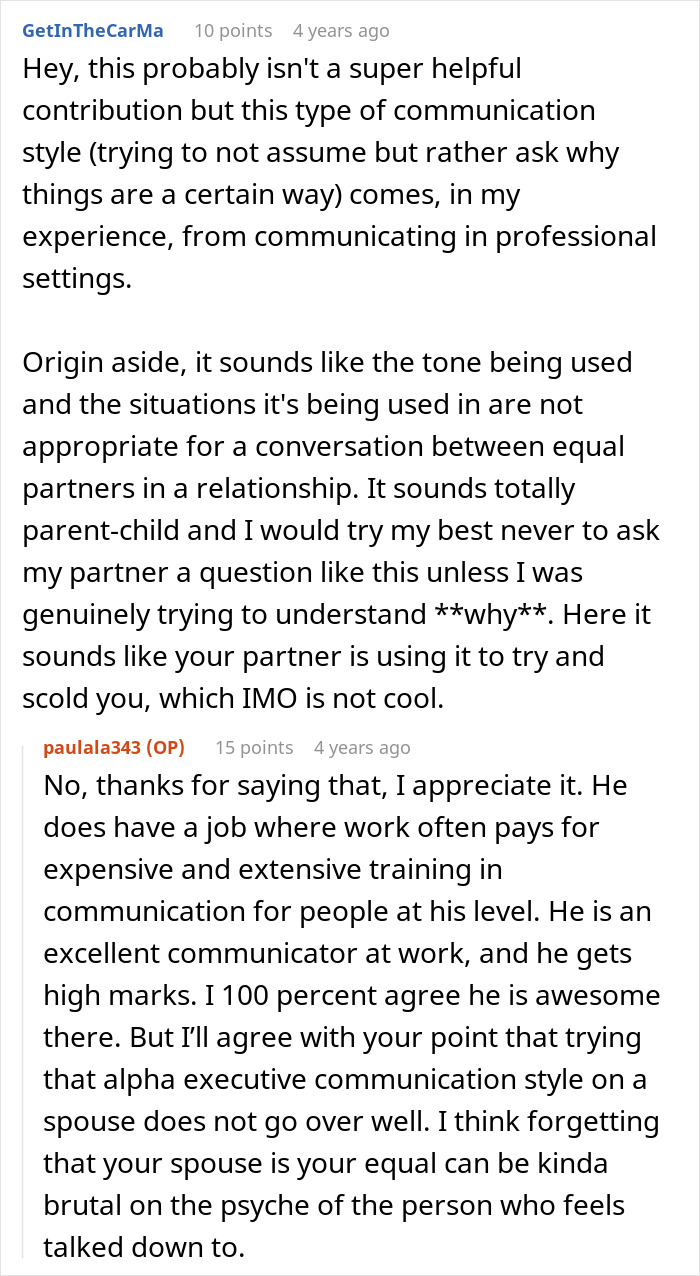
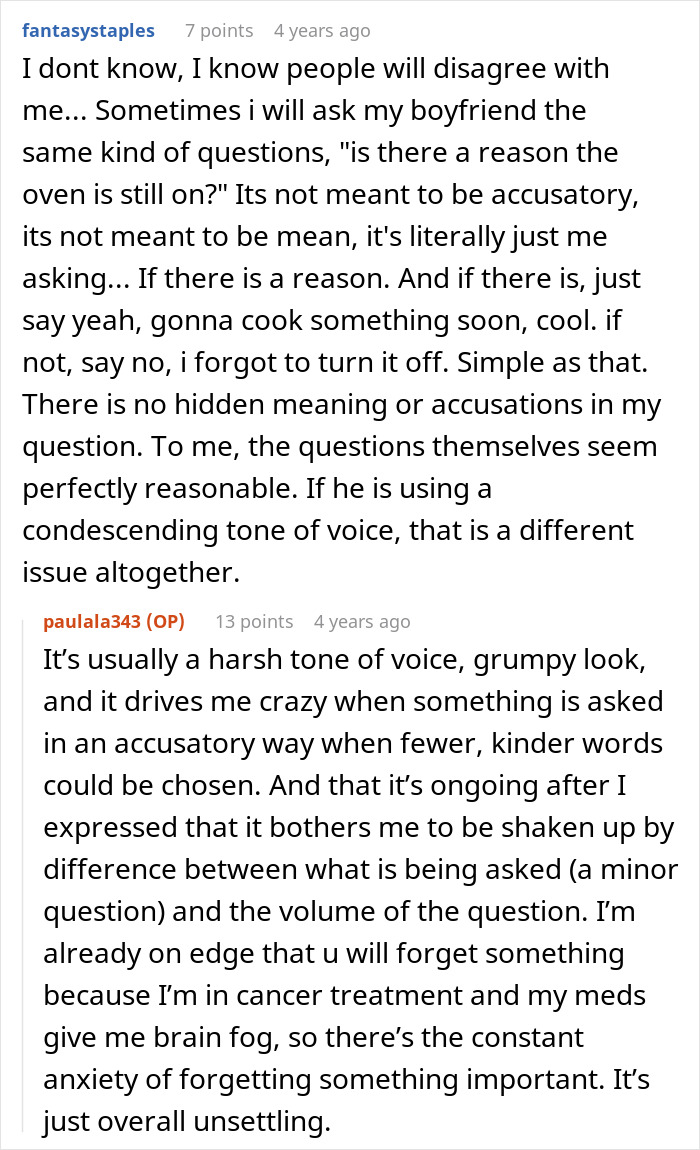
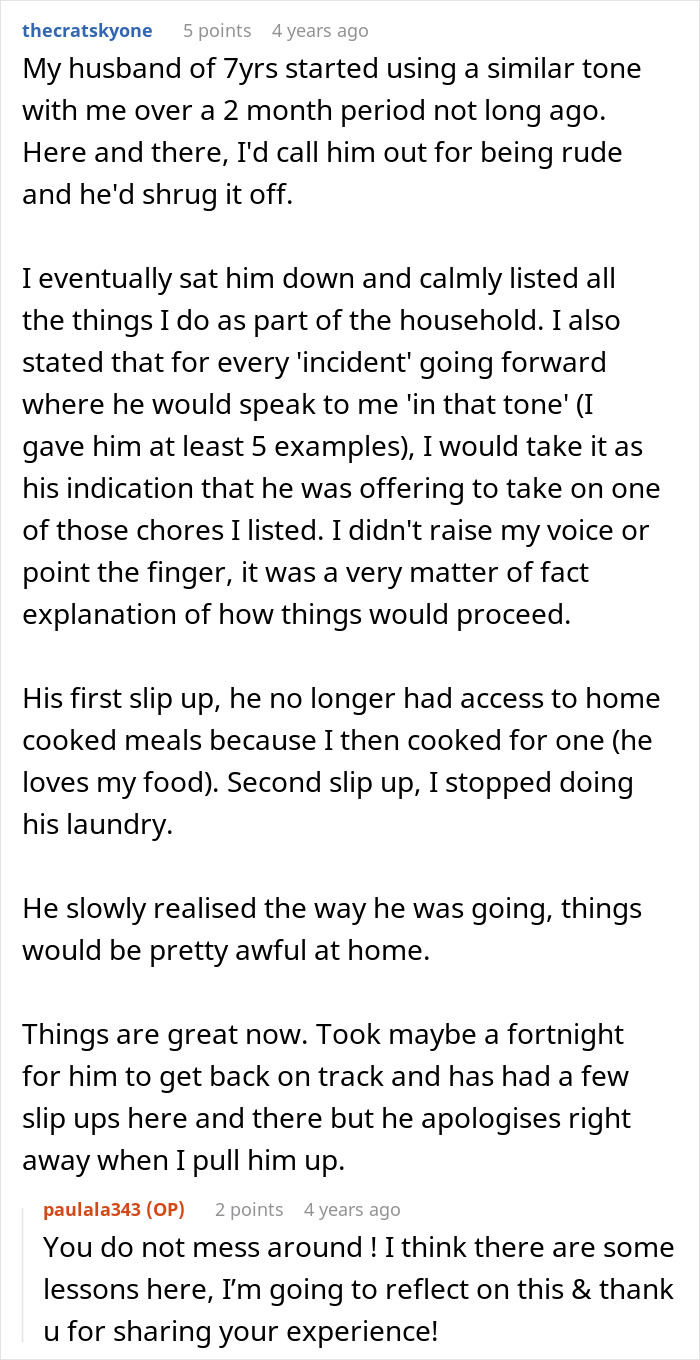
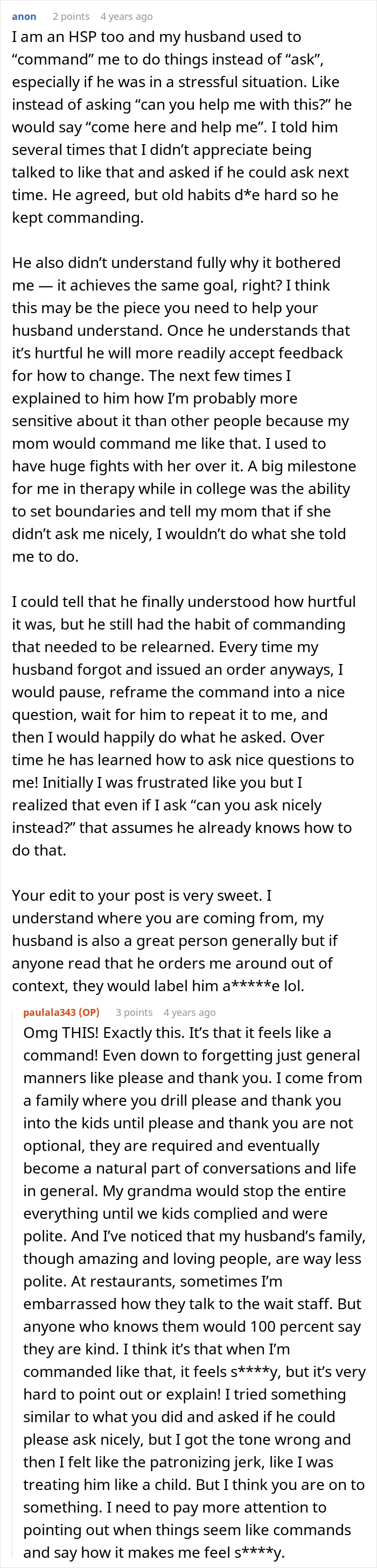
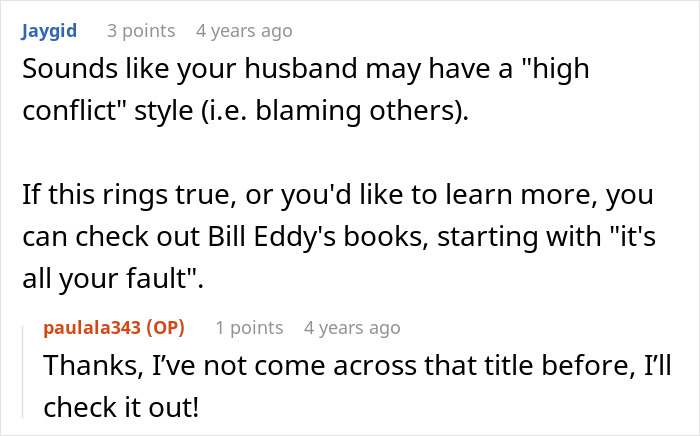
Readers pointed out that the poster’s husband’s reaction to hearing his own phrasing was telling, especially after she had already explained how it made her feel. They encouraged her to focus on calmly explaining the impact rather than mirroring his behavior. Have you ever dealt with a partner whose tone made ordinary conversations feel like arguments? Share your thoughts and experiences in the comments!
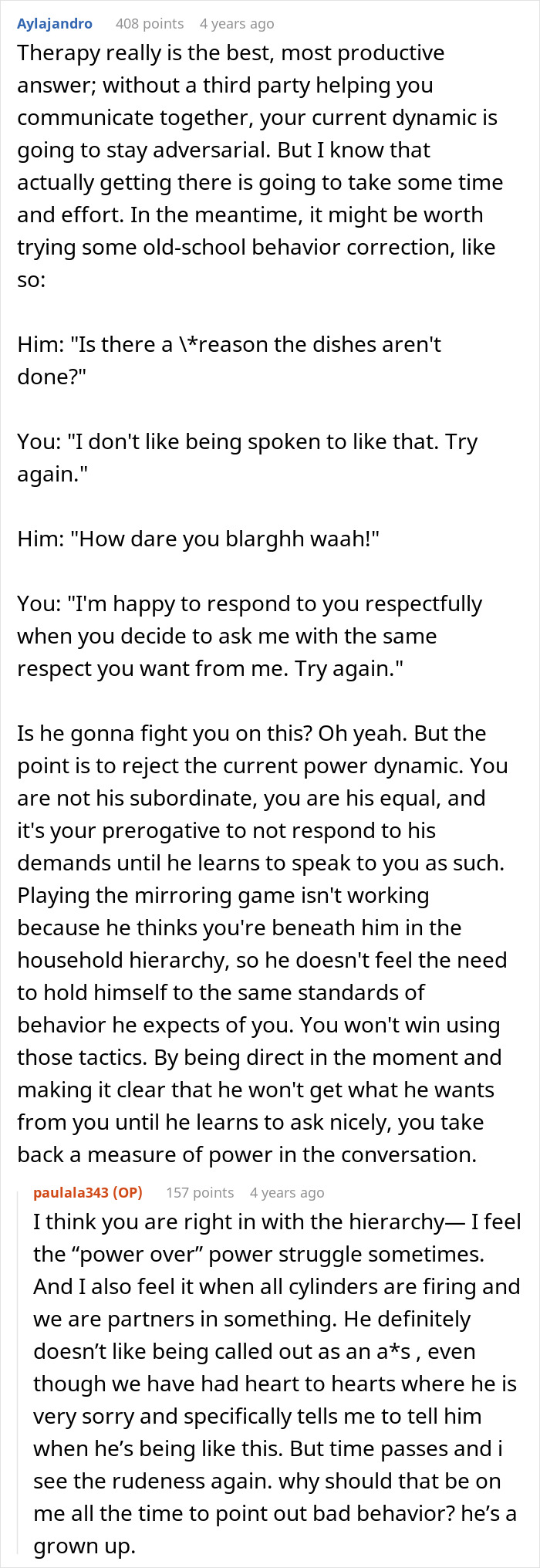
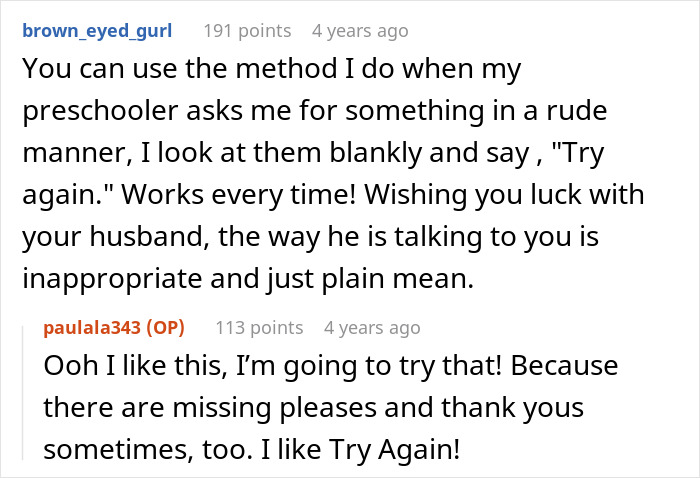
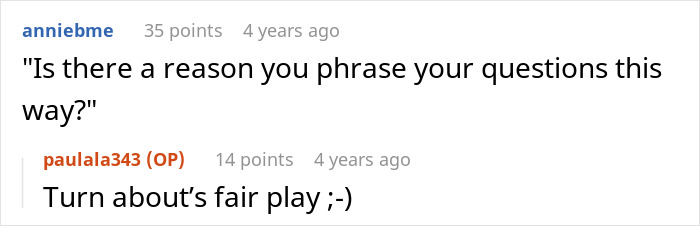
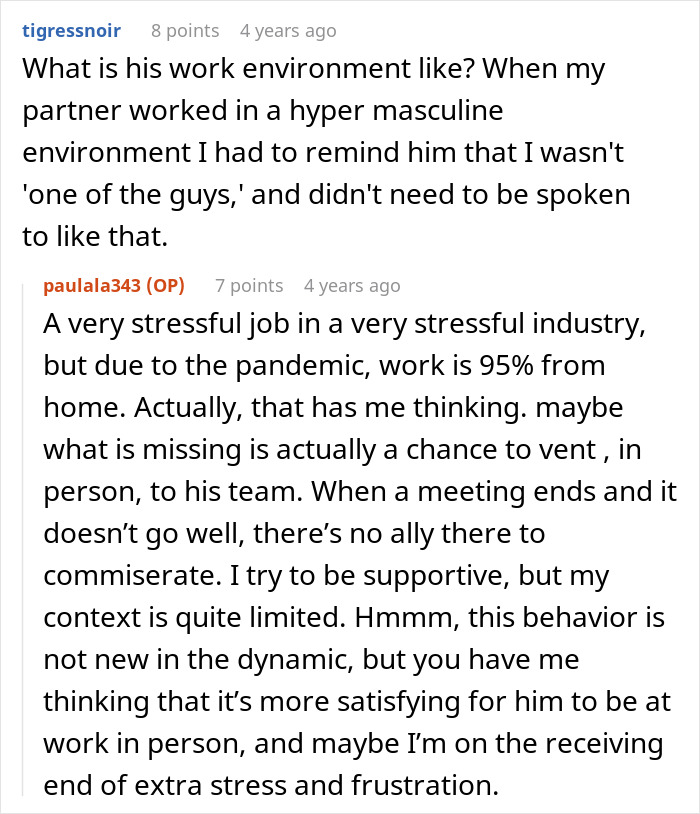
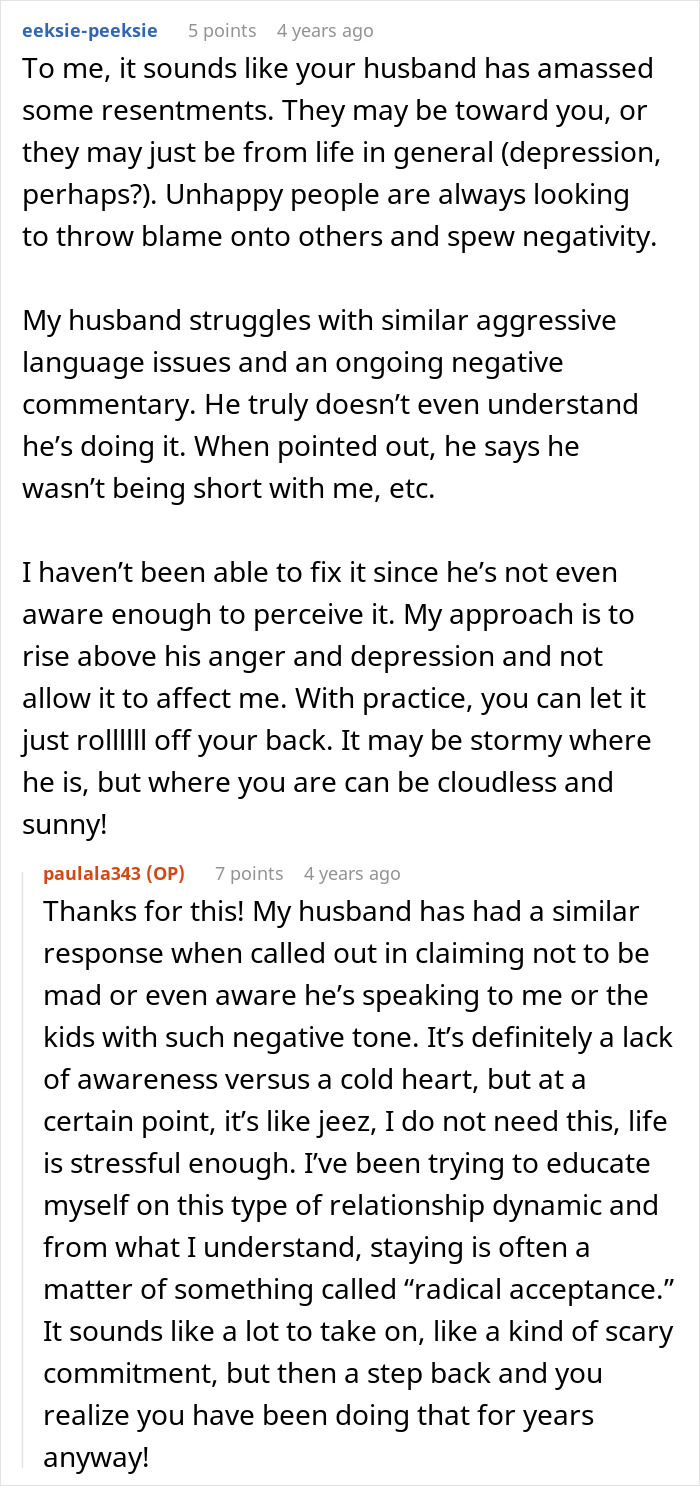
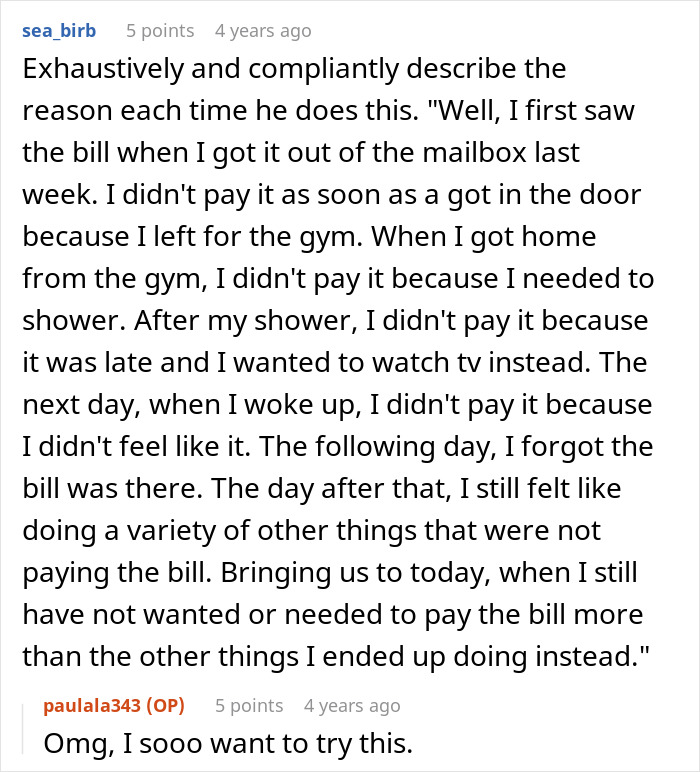
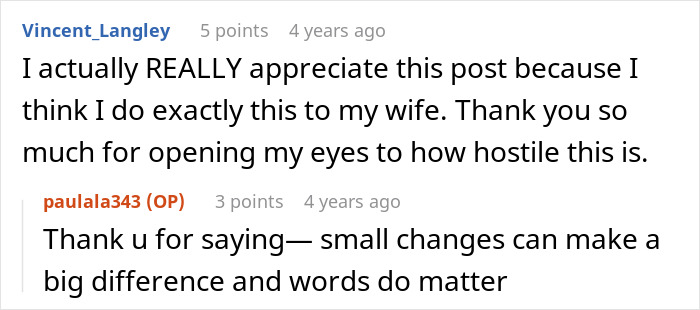
Commenters sympathized with the poster and debated what might be behind her husband’s behavior, while others shared their own similar experiences

 Follow Us