Sometimes in Hollywood, before the very first frame hits that silver screen, drama unfolds behind the scenes. To be more specific; in a courtroom. Making a movie is a high-stakes gamble, but the real plot twist happens when attorneys step into the spotlight.
To put it bluntly, legal battles are as much a staple of Tinseltown as red carpets. Sometimes a studio is slapped with a lawsuit before a film ever hits theaters, threatening to freeze distribution indefinitely. Other times, the explosive fallout strikes years down the line when an unexpected plaintiff comes forward. Here are five movies that proved the most dangerous setting in cinema isn’t always on location – it’s often in front of a judge.
5. Straight Outta Compton (2015)
Straight Outta Compton was a much larger success than many expected it to be. F. Gary Gray‘s epic docudrama knocked it out of the park at the box office, pulling in over $201.6 million worldwide against a $28 million production budget. And it wasn’t just diehard rap fans who sang its praises, the film was nominated for Best Original Screenplay at the 2016 Academy Awards. However, the triumph was soon marred by controversy.
Shortly after its release, former group manager Jerry Heller slapped NBC Universal, Ice Cube, and Dr. Dre with a massive $110 million defamation lawsuit. Played by Paul Giamatti as a manipulative financial puppet master, Heller claimed the movie unfairly painted him as a greedy villain who tore the group apart. He alleged the film damaged his reputation and lifted scenes directly from his 2006 memoir without his permission. The legal battle dragged on for years – even after Heller’s death in 2016 – before a federal judge eventually dismissed the remaining claims.

4. Back to the Future Part II (1989)
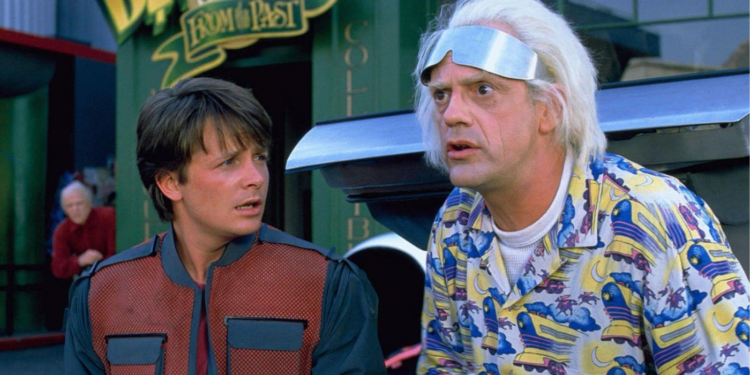
Back to the Future was the biggest movie of 1985. It conquered the box office, stuck around in the top 10 for most of the year, and had critics raving in unite. So, expectations for the sequel were massive. With that came cast members commanding large salaries.
When contract negotiations between Universal and Crispin Glover (who played George McFly) broke down over pay disputes, instead of simply recasting the role with a new actor, producer Bob Gale and director Robert Zemeckis pulled an unprecedented stunt. They hired actor Jeffrey Weissman and plastered his face with prosthetic molds taken directly from Glover’s face during the first movie – then hung him upside down and put him in sunglasses to fool the audience. Glover sued the filmmakers for unauthorized use of his likeness and unauthorized reuse of archival footage. The studio settled for a reported $760,000, but the real legacy was a brand-new Screen Actors Guild rule that explicitly banned studios from replicating an actor’s physical likeness without permission – a precedent that remains vital today in the age of AI and digital de-aging.
3. The Hangover Part II (2011)
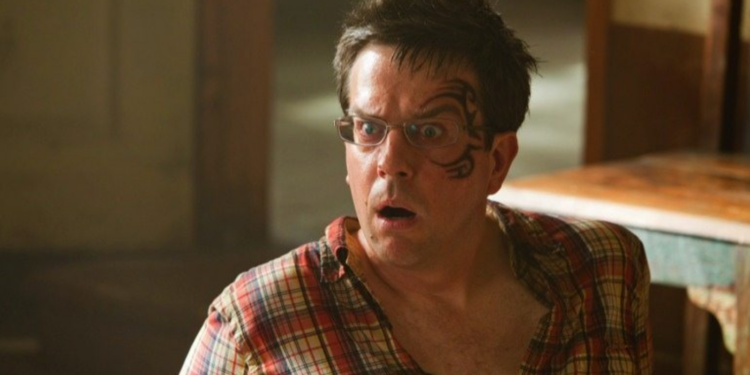
The Hangover Part II was hit with a rare double whammy of legal trouble. While the film was expected to dominate the box office, Warner Bros. spent the months leading up to its release putting out some red hot flames. First came S. Victor Whitmill, the tattoo artist who designed Mike Tyson’s famous facial ink.
When Ed Helms‘ character woke up with the exact same tattoo in the movie, Whitmill sued for copyright infringement, nearly blocking the film’s theatrical release weeks before premiere. Behind the scenes, a far darker tragedy was unfolding: stuntman Scott McLean suffered catastrophic, permanent brain injuries during a high-speed car scene in Thailand. McLean sued the studio for negligence, claiming a last-minute change to the stunt’s timing caused the head-on collision.
2. The Matrix (1999)
One of the biggest movies ever made came with one of the biggest legal dramas not many people know about. At the time, The Matrix felt like a truly innovative slice of sci-fi cinema people had been waiting for. While it certainly was unique, one woman has claimed it was birthed from stolen creative property. In 2003, writer Sophia Stewart filed a massive, multi-billion-dollar copyright infringement lawsuit against the Wachowskis, Warner Bros., and producer Joel Silver.
Stewart alleged that back in 1986, she submitted a science-fiction treatment and manuscript titled The Third Eye in response to a magazine advertisement looking for comic book ideas. She claimed the filmmakers took her core concepts – including a mechanical dystopian future, a chosen savior, and a underground sanctuary called Zion – and turned them into The Matrix. The case took on a life of its own on the early internet, spawning a widespread, persistent urban legend that Stewart had won a record-breaking $2.5 billion settlement. In reality, the case was dismissed in 2005 when the judge ruled that Stewart failed to provide sufficient evidence proving striking similarities or that the Wachowskis ever had access to her work. Despite the legal defeat, the conspiracy theory that The Matrix was stolen still circulates online today.
1. Borat (2006)
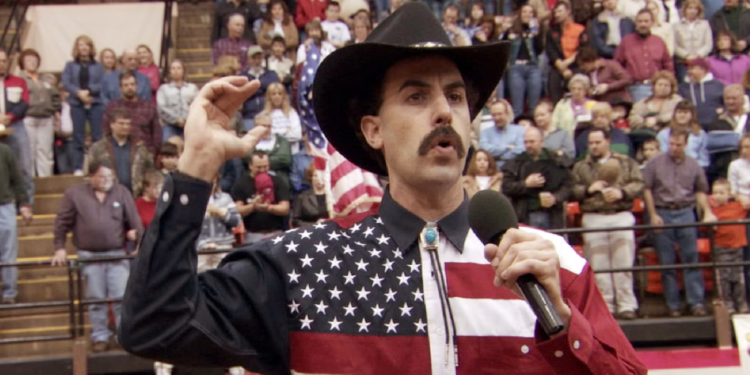
Sacha Baron Cohen is one of the biggest stars in the world, and he also has one of the heftiest legal teams money can buy. When you look into the chaos that came behind the scenes of Borat, this makes a lot of sense. The Hammersmith-born chameleon began building his large, specialized legal network around 2006, coinciding with the massive, unanticipated success of the first Borat film.
Behind the absurd suit and thick accent, the mockumentary was a legal landmine waiting to detonate. Almost immediately after the film smashed box office records, the lawsuit notices started flooding in from all sides. Romanian villagers who doubled as Borat’s fictional hometown sued for tens of millions claiming they were lied to, South Carolina fraternity boys filed defamation suits alleging they were plied with alcohol before signing releases, and unwitting extras sued over emotional distress and unauthorized use of their likeness. Virtually all of these cases were thrown out because Baron Cohen’s team had weaponized an ironclad “Standard Location Release” contract that waived almost every conceivable right to sue.
Read Next: 5 Movies That Were Plagued with Behind the Scenes Nightmares
 Follow Us