The Marvel Cinematic Universe (MCU) has accomplished something comic publishers have tried to do for decades, transforming lesser-known characters into global icons. By reshaping Marvel’s popularity hierarchy, superhero characters once considered secondary or niche now headline films, drive emotional arcs, and dominate merchandise markets. This shift reflects the power of casting, storytelling tone, and cinematic accessibility. It also demonstrates how adaptations can redefine cultural significance independent of the comic’s legacy.
For true Marvel comic fans, this transformation can spark debate over legacy versus popularity. Many of these MCU superheroes were never considered top-tier figures in the comics, yet film and television exposure propelled them into the spotlight. While that shift does not diminish their entertainment value, it raises interesting questions about how cinematic storytelling can redefine the importance of characters. Here’s a look at several Marvel Comics superheroes, whose fame skyrocketed far beyond their original standing, thanks to their MCU storytelling.
Star-Lord (Peter Quill)
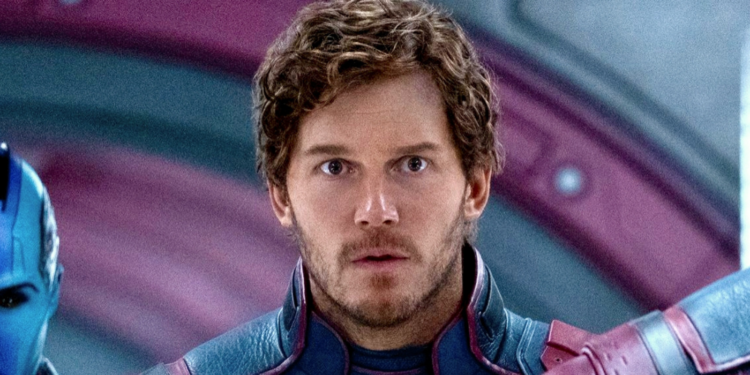
In Marvel Comics, Peter Quill spent decades as a relatively obscure cosmic adventurer before the 2008 relaunch of Guardians of the Galaxy gave him modest prominence. Even then, Star-Lord functioned primarily as a team strategist rather than a breakout solo star. His personality in the comics leaned toward hardened military leadership shaped by years of intergalactic warfare. While respected among cosmic Marvel readers, he never carried the cultural recognition enjoyed by Spider-Man or Captain America.
The MCU dramatically altered that perception by turning Star-Lord into the emotional and comedic centerpiece of the Guardians franchise. Chris Pratt’s charm and humor made Quill one of Marvel’s most recognizable cinematic heroes almost overnight. However, MCU Star-Lord often demonstrates flawed leadership and impulsive emotional decision-making that occasionally worsens major conflicts. His popularity stems more from personality and franchise success than from traditional heroic reliability, which explains why comic readers sometimes question his elevated status.

Captain Marvel (Carol Danvers)
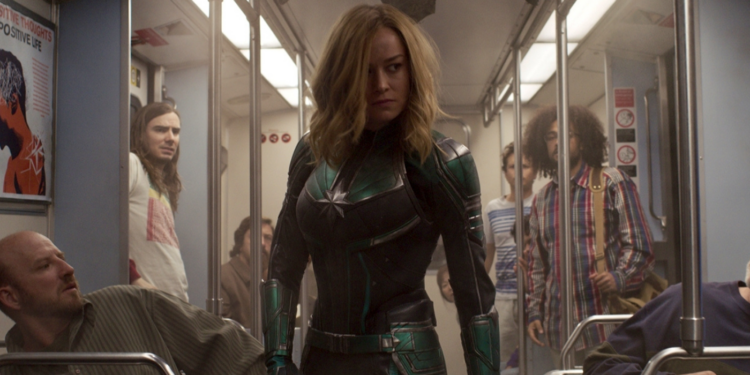
Carol Danvers has a long comic history dating back to the late 1960s, but she spent much of it under various identities, including Ms. Marvel, Binary, and Warbird. While she gained recognition among dedicated readers, she rarely occupied Marvel’s absolute top-tier popularity alongside characters like Wolverine or Iron Man. Her 2012 rebranding as Captain Marvel significantly boosted her profile. However, her comic prominence remained more symbolic than universally dominant.
The MCU quickly positioned Captain Marvel as one of its most powerful and narratively important heroes. Introduced as a near-equal to Thor-level cosmic strength, she was framed as a major savior figure during The Infinity Saga. Despite this, her cinematic characterization has sparked debate among fans who feel her emotional arc developed more slowly than her power scaling. The films elevated her cultural visibility far beyond her historic comic readership, creating a gap between cinematic status and long-standing fan attachment.
Ant-Man (Scott Lang)
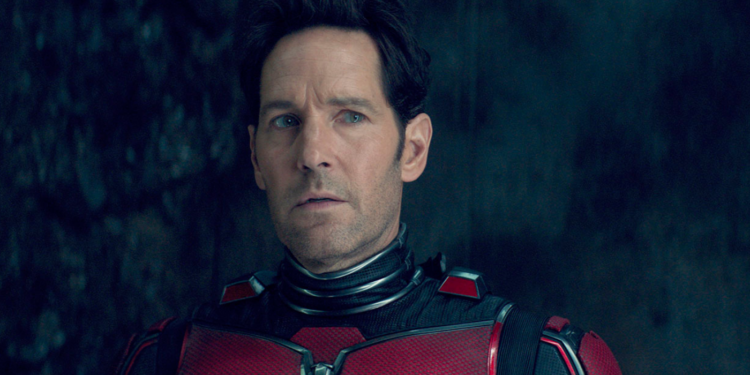
Scott Lang’s Ant-Man has always played an important but modest role in Marvel Comics. Introduced in 1979, Lang replaced Hank Pym as Ant-Man and often served as a grounded, working-class hero balancing crime-fighting with fatherhood. He appeared regularly in Avengers storylines but was rarely treated as a franchise-driving character. His comic popularity largely stemmed from relatability rather than mythic or legacy status.
Paul Rudd’s portrayal reshaped Ant-Man into one of the MCU’s most lovable comedic anchors. The Ant-Man films emphasize humor, family dynamics, and unlikely heroism, which significantly boosted the character’s mainstream popularity. While the MCU credits him with contributing to breakthroughs in time travel, comic Scott Lang rarely held such universe-altering importance. His cinematic appeal highlights how strong casting and tone can elevate mid-tier heroes into global fan favorites.
Drax the Destroyer (Arthur Douglas)
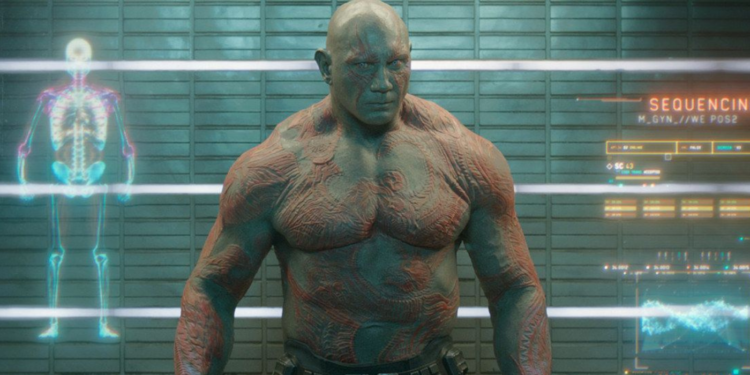
Comic readers remember Drax as a tragic and relentless warrior originally created to destroy Thanos. Early comic versions portrayed him as a literal-minded but deadly combatant driven by vengeance and cosmic destiny. Later comic runs restored his intelligence and expanded his personality, portraying him as a brutal yet deeply layered anti-hero. He remained an important cosmic figure but never reached Marvel’s upper tier of popularity.
The MCU reimagined Drax the Destroyer almost entirely as comic relief within the Guardians of the Galaxy films. Dave Bautista’s performance emphasized literal humor and physical comedy, which made Drax widely memorable among movie audiences. While entertaining, this portrayal sacrificed much of his emotional depth and tragic mythology from the comics. The character became significantly more popular but arguably far less complex.
Doctor Strange
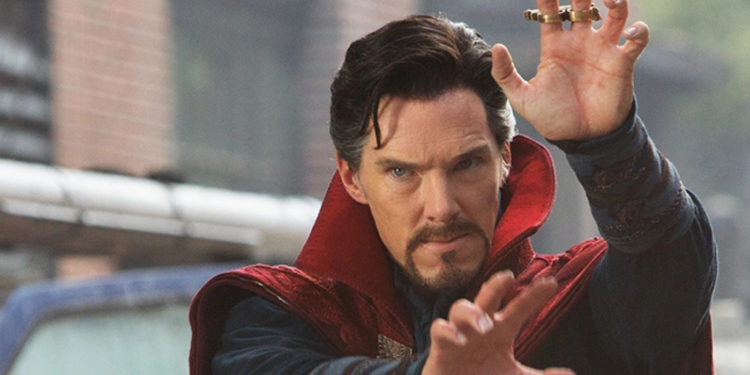
Doctor Strange has long held importance as Marvel’s primary mystical authority, debuting in 1963 and shaping supernatural storytelling within the comics. However, his readership historically leaned toward cult appreciation rather than mass mainstream dominance. Strange frequently operated in isolated magical storylines separate from Marvel’s most commercially dominant characters. Even his involvement with the Avengers remained intermittent for decades.
The MCU elevated Doctor Strange into a cornerstone of multiverse storytelling and franchise continuity. His cinematic arc rapidly positioned him as a central strategist and mystical gatekeeper, shaping major crossover events. While visually impressive, some fans argue that the films prioritize spectacle over the deep exploration of Strange’s philosophical complexity. His newfound mainstream popularity vastly exceeds his historically niche comic readership.
Falcon/Captain America (Sam Wilson)
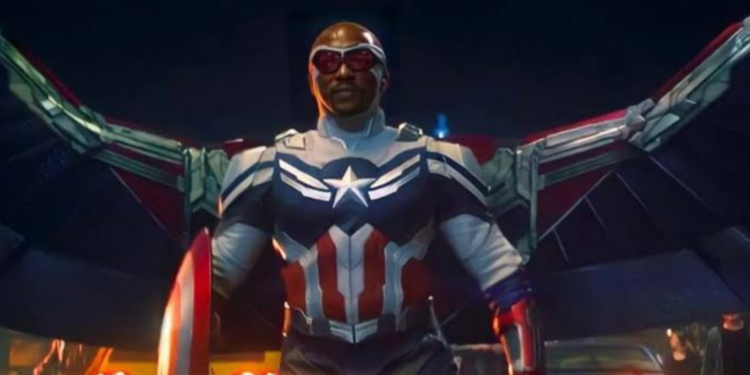
Sam Wilson debuted in 1969 as Falcon, serving as Captain America’s trusted ally and partner. In the comics, Wilson’s importance steadily grew, eventually leading to him temporarily inheriting the Captain America mantle. Despite this legacy, Steve Rogers remained the definitive Captain America figure. Falcon was respected but rarely marketed as a primary franchise anchor.
The MCU significantly expanded Sam Wilson’s narrative weight, culminating in his full transition into Captain America. Disney+ storytelling devoted substantial time to exploring his emotional and symbolic responsibilities. While the transition mirrors comic continuity, the MCU accelerated his cultural elevation. This rapid shift sparked discussion among fans about whether his cinematic prominence developed organically or was driven by franchise necessity.
War Machine (James Rhodes)
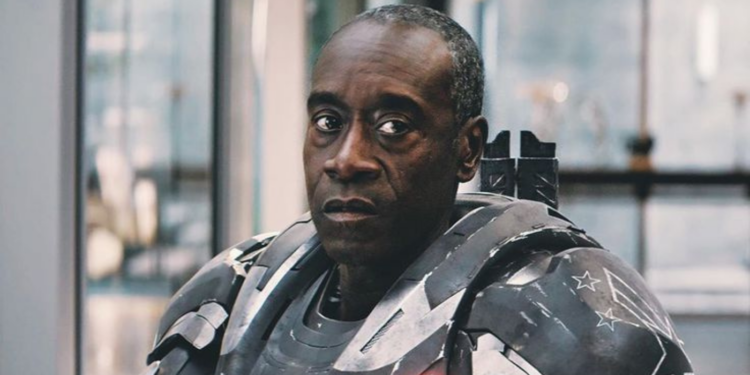
James Rhodes debuted in 1979 and occasionally replaced Tony Stark as Iron Man during Stark’s personal struggles. In the comics, Rhodes gained recognition as War Machine, representing military precision and tactical strength. Despite his significance within Iron Man mythology, he rarely headlined major Marvel events independently. Rhodey remained an essential supporting figure rather than a central franchise hero.
In the MCU, War Machine’s visibility is greatly expanded through consistent appearances across multiple phases. Rhodes evolved into a reliable Avengers member and a moral counterbalance to Stark’s recklessness. Don Cheadle’s grounded performance strengthened the audience’s attachment to the character. While Iron Man still served as the narrative anchor, his cinematic presence significantly increased his global recognition.
Rocket Raccoon
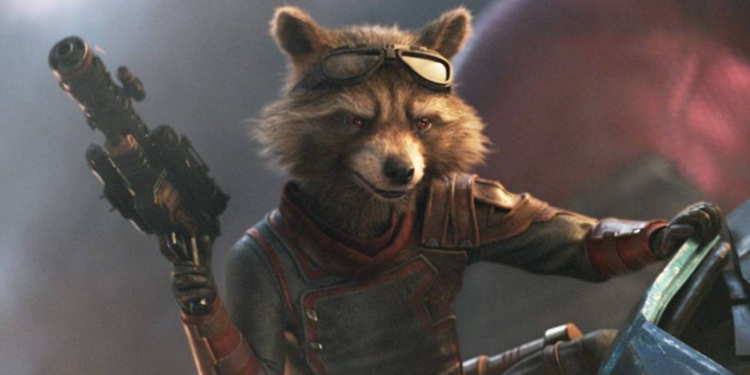
Rocket Raccoon debuted in the 1970s as part of experimental Marvel sci-fi storytelling. Although he occasionally resurfaced in cosmic Marvel arcs, he remained a cult-favorite oddity rather than a mainstream staple. His comic history includes strong characterization, but he functioned primarily as a supporting ensemble player. Rocket’s popularity was largely confined to dedicated cosmic Marvel readers.
However, the MCU transformed Rocket into one of Marvel’s most emotionally layered characters. Bradley Cooper’s voice performance helped portray Rocket as both comedic and deeply traumatized, adding resonance that connected with global audiences. The films elevated him into a central emotional pillar of the Guardians franchise. While Rocket has always been compelling in comics, the MCU dramatically expanded his cultural recognition beyond anything he had achieved previously.
Wong
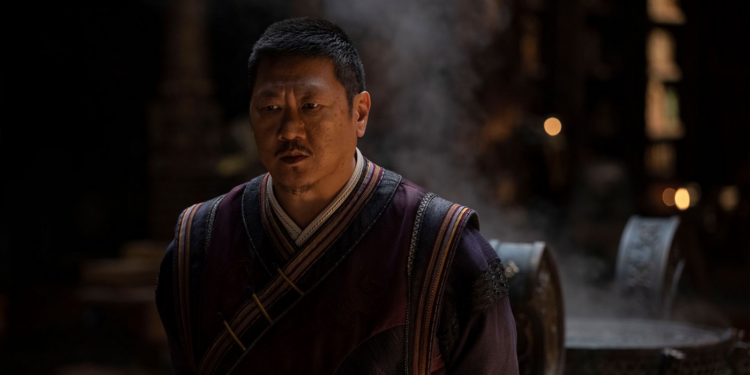
In Marvel Comics, Wong primarily functions as Doctor Strange’s loyal assistant, caretaker, and occasional combat ally. Though beloved by readers, he traditionally served a supporting role without independent heroic prominence. His characterization emphasized discipline, loyalty, and mystical training rather than leadership. Wong rarely led major comic storylines or teams.
The MCU transformed Wong into a fan-favorite scene stealer with surprising narrative authority. His expanded role includes serving as the Sorcerer Supreme and appearing across multiple Marvel projects. Audiences embraced his humor and practicality, boosting his popularity. The films elevated Wong from a trusted sidekick to a recurring franchise fixture.
 Follow Us