Martin Luther King Jr. stands as one of the most impactful figures in history. He was a leader of extraordinary vision whose voice changed millions of lives. For decades, directors and actors have long been drawn to the challenge of portraying a man whose words helped reshape a nation. These portrayals often balance historical responsibility with dramatic storytelling, making each interpretation unique.
Over the years, notable actors have taken on the immense responsibility of portraying Dr. King in both intimate dramas and large-scale productions. Portraying Dr. King is no easy task, as it requires more than mimicry. It demands deep respect for the legacy of the civil rights movement. From made-for-TV movies in the 1970s to blockbuster films in the 21st century, here are XX deserving portrayals of the legendary Martin Luther King Jr.
King (1978)
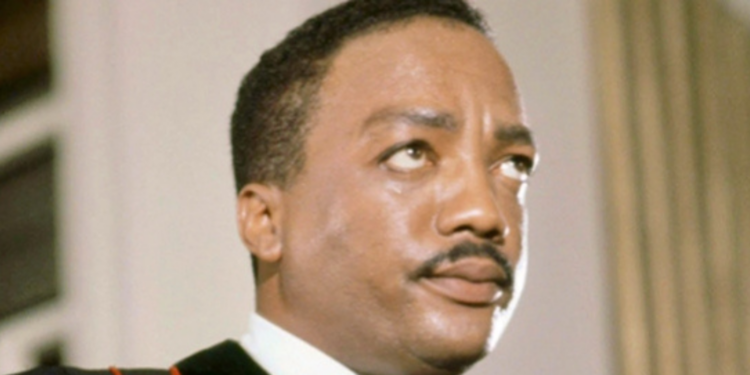
The 1978 television miniseries King marked one of the earliest and most comprehensive dramatizations of Martin Luther King Jr.’s life. Late American actor Paul Winfield delivered a performance that emphasized dignity, restraint, and emotional intelligence rather than theatrical excess. The miniseries traced Dr. King’s journey from his emergence as a civil rights leader to his assassination, offering audiences a broad historical overview. At the time of its release, the project was praised for its seriousness and respectful tone.
Winfield’s portrayal stood out for its quiet authority and emotional clarity, earning him an Emmy nomination. Rather than imitating King’s cadence too heavily, Winfield focused on conveying moral conviction and inner conflict. The film helped establish a standard for future portrayals by treating King as a complex human being rather than an untouchable symbol. For many viewers, King became a foundational screen interpretation of the civil rights leader.

Selma, Lord Selma (1999)
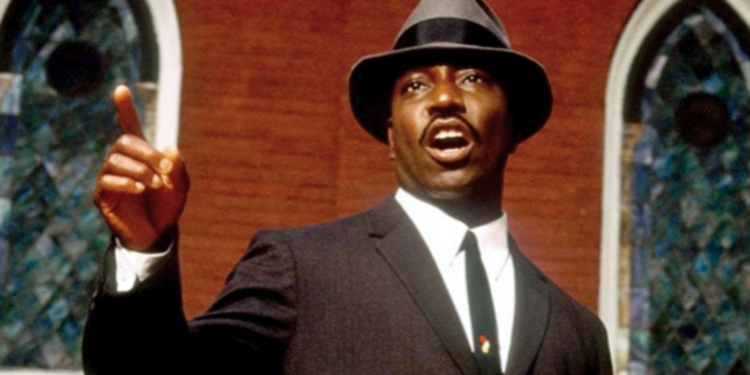
The television film Selma, Lord Selma approaches the 1965 Selma marches through the eyes of children, offering a more intimate perspective on historic events. Clifton Powell portrays Martin Luther King Jr. with calm authority and quiet resolve. His performance avoids dramatization, focusing instead on reassurance, patience, and spiritual strength. This approach made the film accessible to younger audiences.
Powell’s Dr. King is portrayed as a guiding presence rather than a commanding force. He speaks softly but firmly, embodying leadership rooted in empathy. The film emphasizes King’s ability to inspire courage without aggression. As a result, Selma, Lord Selma stands apart for presenting Dr. King as both a leader and a protector. Actress Jurnee Smollett joined the lead cast, portraying Sheyann Webb.
Boycott (2001)
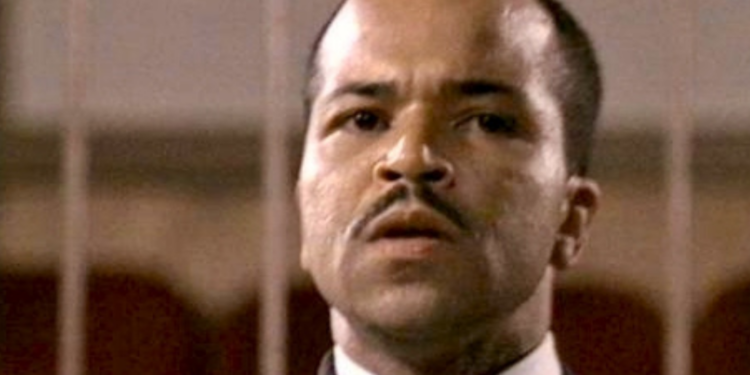
HBO’s made-for-television biological drama Boycott focuses on the Montgomery Bus Boycott, a defining moment early in Martin Luther King Jr.’s leadership. Jeffrey Wright portrayed a younger King still finding his voice on the national stage. The film emphasizes community organization and collective sacrifice rather than individual heroism. Wright’s performance reflects King’s evolution into leadership.
This portrayal highlights King’s vulnerability alongside his determination. The film shows moments of doubt, exhaustion, and moral questioning. Wright presents King as a man shaped by responsibility rather than destiny. Boycott is often praised for grounding King’s story in grassroots activism.
The Rosa Parks Story (2002)
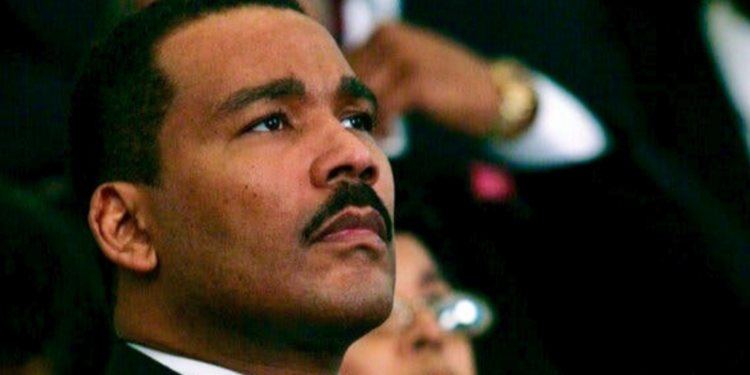
In the CBS TV movie The Rosa Parks Story, Martin Luther King Jr. appears as part of the broader civil rights narrative. Dexter Scott King portrays Dr. King in a supporting role, with the project focused on Rosa Parks (portrayed by Angela Bassett). Dexter Scott King was Dr. King and Coretta Scott King’s biological third child. The Rosa Parks Story centers on Rosa Parks’ activism, but King’s presence underscores the interconnected leadership of the movement. His portrayal is restrained and historically grounded. Dexter Scott King’s Dr. King serves as a collaborator rather than the focal point. The performance emphasizes unity and shared purpose among civil rights leaders. This depiction avoids overshadowing Parks’ story while still acknowledging Dr. King’s influence.
Betty & Coretta (2013)
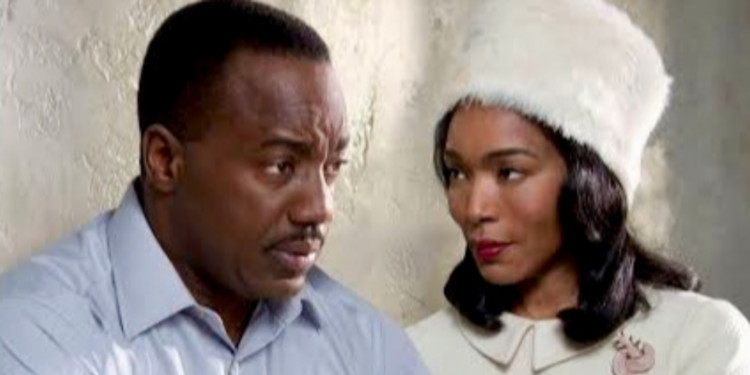
Lifetime’s Betty & Coretta shifts the focus to the wives of Malcolm X and Martin Luther King Jr. In the film, Angela Bassett portrayed Coretta Scott King, while Mary J. Blige portrayed Betty Shabazz. Malik Yoba portrays Dr. King in a supporting role, emphasizing his relationship with Coretta Scott King. The film highlights the personal toll of leadership on families. Yoba’s portrayal is measured and intimate. Rather than centering public speeches, this depiction focuses on private moments. The performance humanizes King by showing life beyond the podium. It offers a softer, less frequently explored perspective.
Selma (2014)
Ava DuVernay’s Selma stands as one of the most acclaimed films about the civil rights movement. David Oyelowo’s portrayal of Martin Luther King Jr. received widespread critical praise for its depth and emotional complexity. The film focuses on the fight for voting rights and the 1965 Selma-to-Montgomery marches. Oyelowo captures both public leadership and private doubt.
This portrayal emphasizes King’s humanity without diminishing his authority. Oyelowo balances moments of strength with visible emotional strain. His performance reintroduced King to a new generation of viewers. Selma is often regarded as the definitive modern cinematic portrayal of Dr. King.
All The Way (2016)
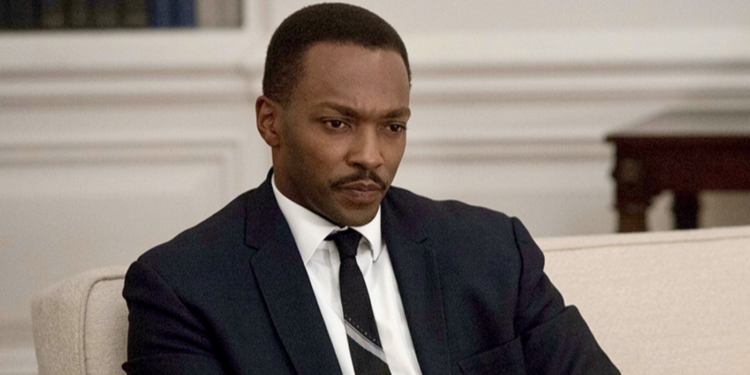
HBO’s biographical drama All The Way centers on President Lyndon B. Johnson, with Martin Luther King Jr. portrayed by Anthony Mackie. The film explores political negotiation and ideological tension during the Civil Rights Act era. Mackie’s King is assertive, principled, and strategically sharp. His performance contrasts with earlier, more reverent portrayals.
Mackie emphasizes King’s impatience with political compromise. The portrayal highlights moments of confrontation rather than consensus. This version of King is outspoken and uncompromising. It reflects a more politically charged interpretation of his leadership.
Rustin (2023)
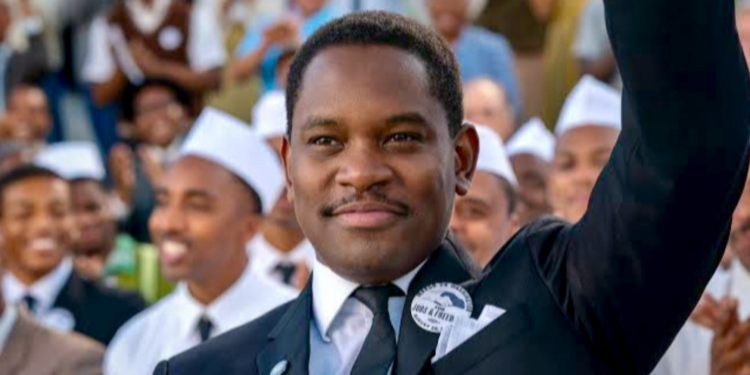
In Rustin, Martin Luther King Jr. appears within the story of Bayard Rustin (portrayed by Colman Domingo), the architect of the March on Washington. British actor Aml Ameen portrays Dr. King with warmth and credibility. The film positions King as a collaborator rather than the central figure.
His presence reinforces the movement’s collective nature. Ameen’s portrayal focuses on trust and partnership. The performance avoids grand speeches in favor of quiet influence. King is shown as a leader who listens as much as he speaks. This depiction aligns with the film’s emphasis on overlooked figures in history.
Genius: MLK/X (2024)
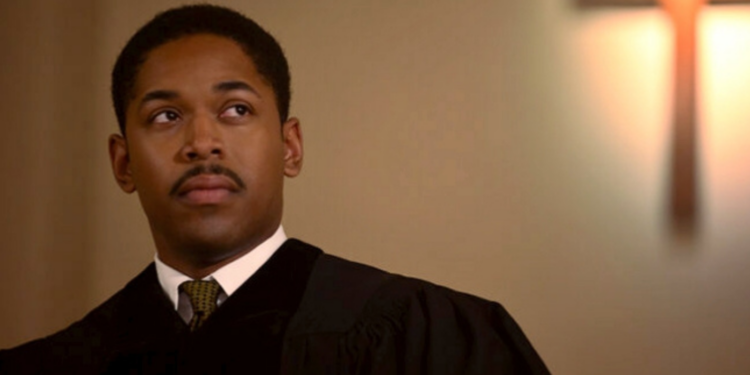
In National Geographic’s biographical anthology series Genius, the fourth season, MLK/X, presents a dual narrative of Martin Luther King Jr. and Malcolm X. Kelvin Harrison Jr. portrays Dr. King, offering a youthful, introspective portrayal. The series explores ideological contrasts and shared goals. Harrison’s performance is nuanced and restrained.
This portrayal emphasizes King’s intellectual growth and internal conflict. The series allows space for reflection rather than spectacle. Harrison presents King as a thinker shaped by experience and opposition. Genius: MLK/X stands out for contextualizing Martin Luther King Jr. within a broader ideological landscape.
 Follow Us