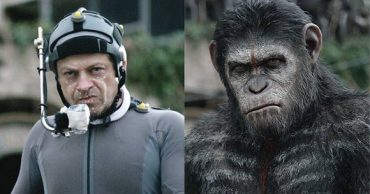
True crime films are often accused of twisting facts for drama, but some of the genre’s most powerful entries are shockingly faithful to the truth. These movies don’t rely on exaggeration — instead, they recreate events using police reports, interviews, archived evidence, and firsthand testimony. What makes them unforgettable isn’t Hollywood polish but the uncomfortable realism behind every scene. These nine films prove that when filmmakers commit to **authentic detail**, the result can be even more gripping than fiction.
‘Zodiac’
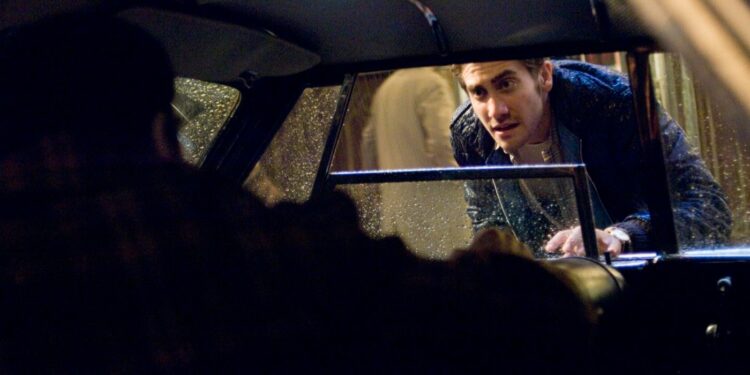
Zodiac is arguably the most obsessively accurate true-crime film ever made. Director David Fincher built timelines from thousands of pages of documents and ensured that the lighting, wardrobe, and settings matched archival footage. Even the handwriting comparisons and coded letters came directly from case files. The film’s slow, procedural pacing mirrors the real investigation’s exhaustion — showing how the pursuit, not the killer, became the real threat to the detectives’ sanity. Its accuracy is so respected that some investigators still use it as a reference point.
‘All the President’s Men’
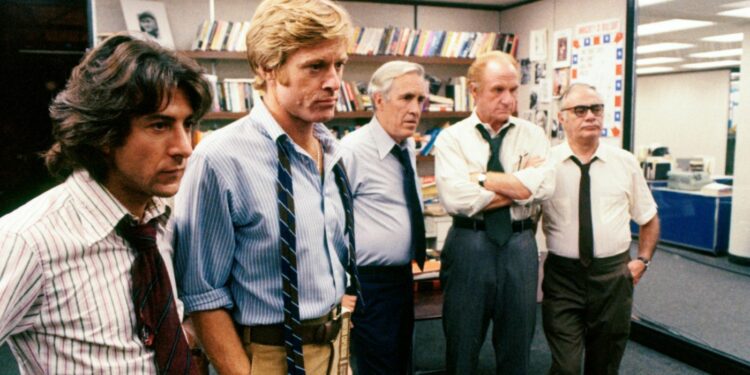
All the President’s Men avoids dramatic invention entirely. Instead, it shows journalism in its rawest form: missed calls, dead ends, reluctant sources, and methodical fact-checking. Carl Bernstein and Bob Woodward worked closely with the filmmakers, ensuring the dialogue reflected real conversations recorded in their notes. The movie demonstrates how accountability journalism actually operates — not through hero speeches but through persistence, accuracy, and the courage to follow leads others ignore.
‘Dog Day Afternoon’
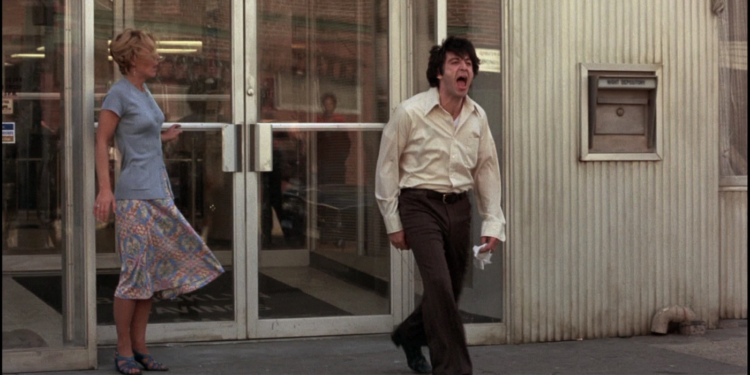
Dog Day Afternoon is so chaotic and emotional that many viewers assume parts were fabricated. In reality, the script mirrors the 1972 robbery with uncanny accuracy. Witness testimonies, TV broadcasts, and courtroom details informed the film’s structure. Even the unpredictable crowd reactions and tense negotiations reflect what reporters captured on location. The film’s realism doesn’t come from style — it comes from the fact that the real story was already stranger than fiction.
‘Monster’
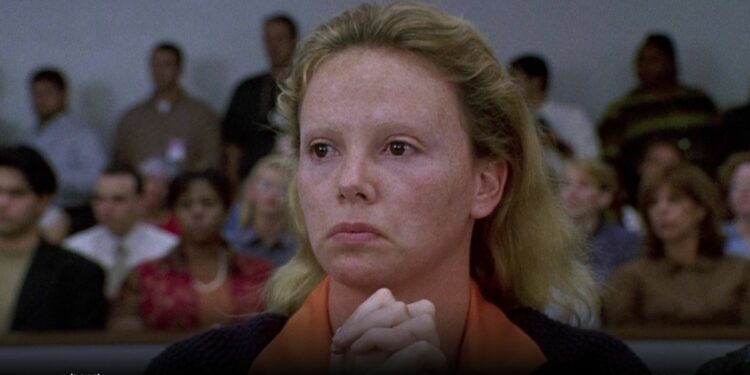
Monster sticks unusually close to the documented history of serial offender Aileen Wuornos. Charlize Theron’s transformation wasn’t only physical; she studied legal transcripts, taped interviews, and personal writings to understand Wuornos’ state of mind. Many conversations in the film come from police reports and courtroom testimony. The emotional accuracy — the desperation, instability, and volatility — is what makes the film feel more like a case file than a screenplay.
‘Spotlight’
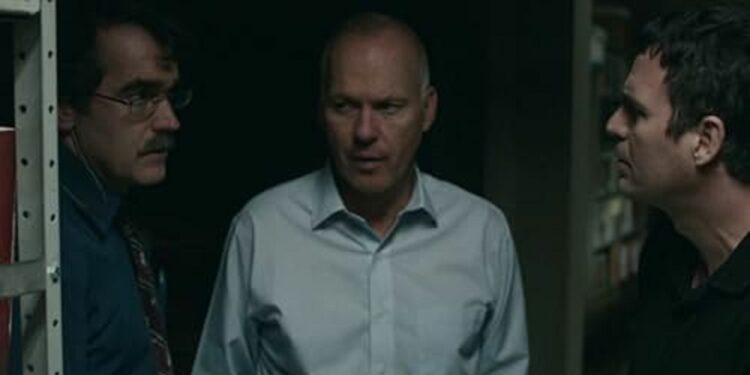
Spotlight is remarkable for its restraint. Instead of dramatizing the scandal, it follows the Boston Globe team exactly as their archives describe: slow verification, difficult interviews, and internal debates about timing and ethics. The film avoids sensationalized dialogue and instead uses documented facts to show how systems protect themselves. Its accuracy is so respected that many journalists use it as a training example in investigative reporting courses.
‘The Social Network’
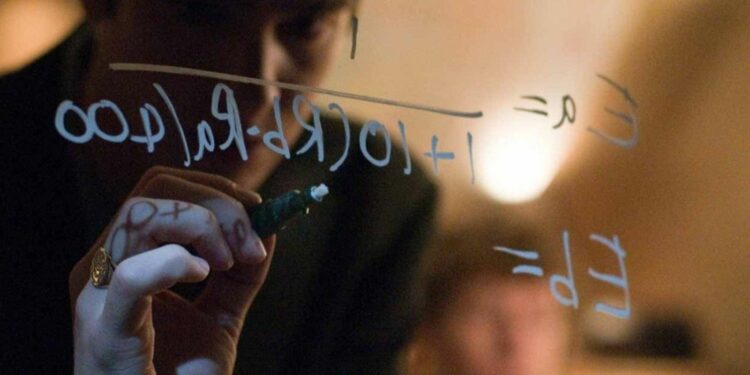
The Social Network is often remembered for its stylized tone, but its core events reflect real lawsuits, depositions, and sworn testimony. What gives the film its intensity isn’t exaggeration; it’s how quickly real relationships collapsed under pressure. The disputes, the emails, and the shifting alliances are drawn from legal records that portray a genuine battle for control, identity, and ownership. The emotional stakes, surprisingly, required very little dramatization.
‘The Stanford Prison Experiment’
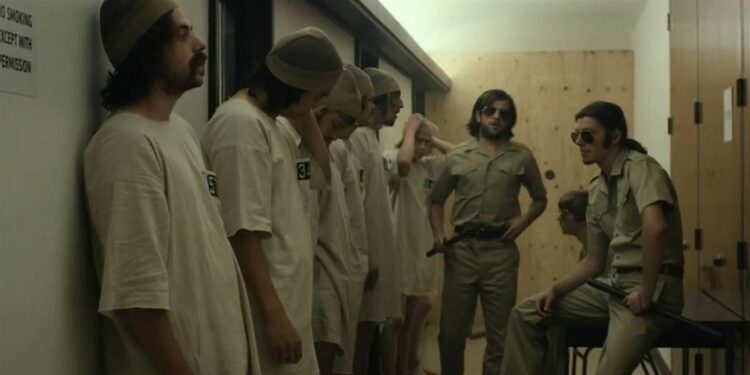
The Stanford Prison Experiment uses transcripts and recordings from Philip Zimbardo’s controversial study, recreating key exchanges almost word-for-word. The actors were instructed to follow the documented behavior patterns, making the film feel disturbingly close to the real psychological breakdown that occurred. Its accuracy forces viewers to confront the ethical failures and institutional blind spots without the protection of cinematic distance.
‘United 93’
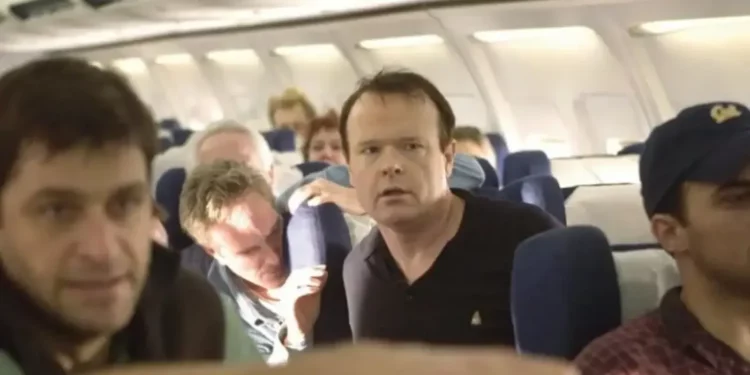
United 93 is one of the most respectful and precise reenactments of a historical tragedy ever attempted. The film bases its timeline on FAA logs, cockpit recordings, and verified passenger phone calls. Director Paul Greengrass deliberately avoided sensationalism, choosing instead to recreate events with quiet authenticity. Even the casting of real aviation professionals reflects a commitment to accuracy that honors the actual people involved.
‘Foxcatcher’
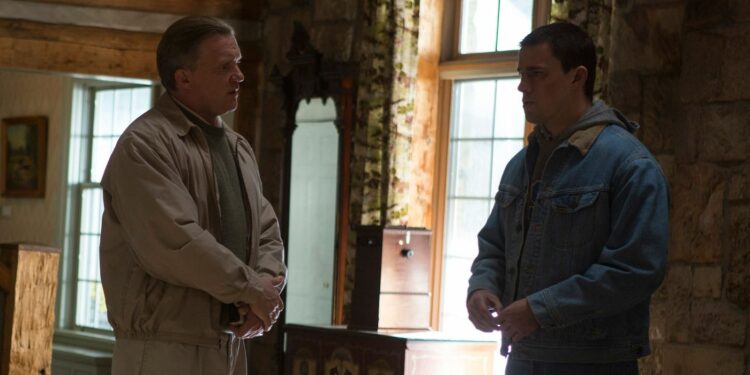
Foxcatcher captures the unsettling dynamic between John du Pont and Olympic wrestler Mark Schultz using decades of interviews, court records, and witness accounts. While motivations are interpreted, the major events — the psychological manipulation, the isolation, the escalating paranoia — reflect details found in legal documents. The film’s tension comes from its realism, not fabrication, which makes the final act even more devastating.
Together, these films demonstrate that true crime doesn’t need to distort the truth to be compelling. In many cases, **the real events are more dramatic, more chaotic, and more disturbing** than any scriptwriter could invent. Accuracy, when handled with respect, becomes its own form of storytelling power — one that stays with viewers long after the credits roll.
 Follow Us