A pumpkin-themed daycare activity took a terrifying turn for one North Texas family when a four-month-old baby developed unusual symptoms, with doctors fearing the worst.
Her mother, Briana Robertson, is now warning parents about unexpected risks linked to seasonal fall activities involving pumpkins.
Doctors noted that severe cases like baby Kehlani Robertson’s are exceedingly rare in infants, making precautions even more necessary.
“Poor baby and mama, common knowledge that I believe has been lost over time. Bring back teaching basics in schools,” one netizen commented.
4-month-old Kehlani Robertson became critically ill two days after touching a bag of pumpkin seeds and pulp

According to Briana, her infant daughter’s daycare teacher had placed the inside of a pumpkin, including its seeds and pulp, in a zip-lock bag for the infants to explore.
“The teacher scooped out the insides of the pumpkin and had the pumpkin seeds and guts in a zip-lock bag, and my daughter was only 4 months old, so there wasn’t much she could do other than touch the bag,” Robertson told CBS News.
About two days later, Kehlani unexpectedly began vomiting, developed a high fever, and experienced severe diarrhea.
Reports said the symptoms were so frequent that she needed as many as 10 to 15 diaper changes an hour.

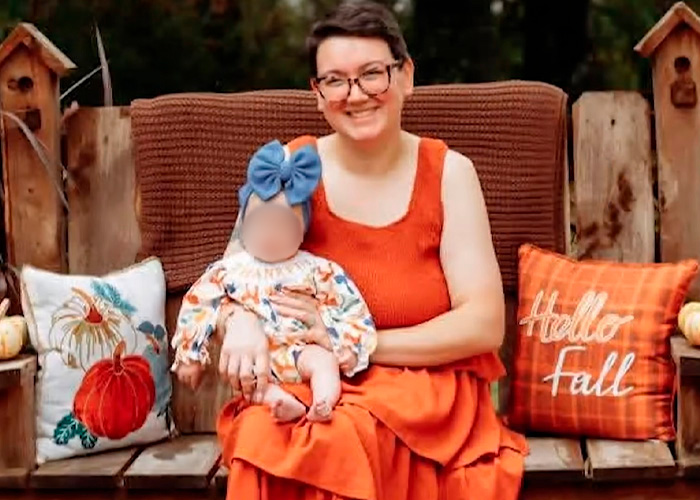


“Her symptoms started at 6:45 that morning. By 12 that day, she was being admitted,” said Briana.
She added, “And the fact that they didn’t really have answers at first was scary because you just see your four-month-old lying there, severely dehydrated, purple, and there’s nothing that anybody can do until they know how to treat her.”
After several tests, Kehlani tested positive for a severe Salmonella infection.
Because she wasn’t yet eating solid foods, her doctor determined that exposure to the pumpkin was the most likely source of the infection.
Kehlani was then taken to an emergency room in Athens, Texas, before being admitted to the hospital.
The baby needed hospital treatment for severe symptoms, leaving doctors surprised by the unusual case
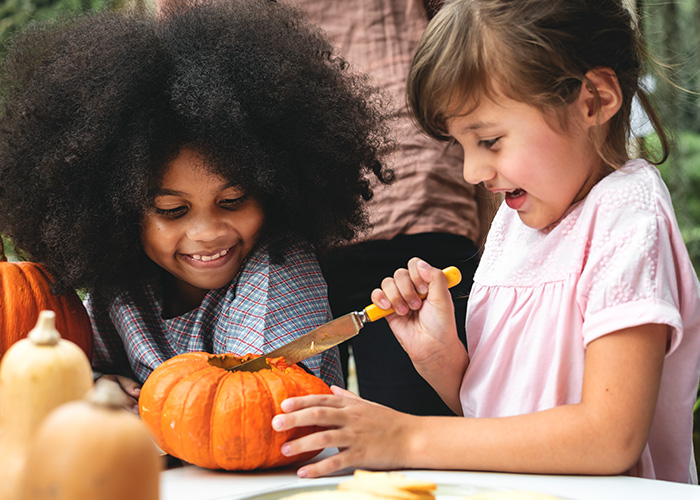
rawpixel.com/Magnific (not the actual photo)
Her dehydration was reportedly so severe that medical staff made 15 attempts to place an IV to administer treatment.
“I was shocked. Like, I was completely shocked,” the baby’s mother recalled. “I never would have thought that she could have gotten salmonella from a pumpkin.”
Brianna said her doctor acknowledged “that they’ve never had an infant or child come in with a severe case of salmonella due to pumpkins.”
Salmonella is a type of bacteria that can cause an intestinal infection called salmonellosis.
Symptoms commonly include diarrhea, fever, and stomach cramps, although vomiting can also occur.
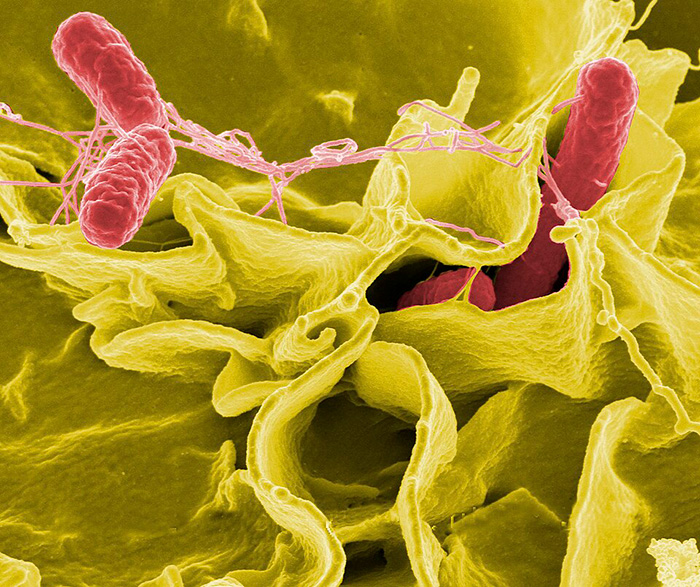


The infection usually spreads when someone swallows contaminated food or water, or transfers bacteria from contaminated hands, objects, or animal environments into their mouth.
Pumpkins are agricultural produce, and their outer surfaces can become contaminated through contact with soil, water, or handling.
When someone cuts open a pumpkin, bacteria on the rind can transfer to the pulp, seeds, utensils, or nearby surfaces.
While her doctor did not confirm the exact route of transmission in Kehlani’s case, pumpkin exposure was considered the most likely source.
Young children are more vulnerable to foodborne infections because their immune systems are still developing.
Salmonella can be especially dangerous for infants because vomiting and diarrhea can cause rapid dehydration
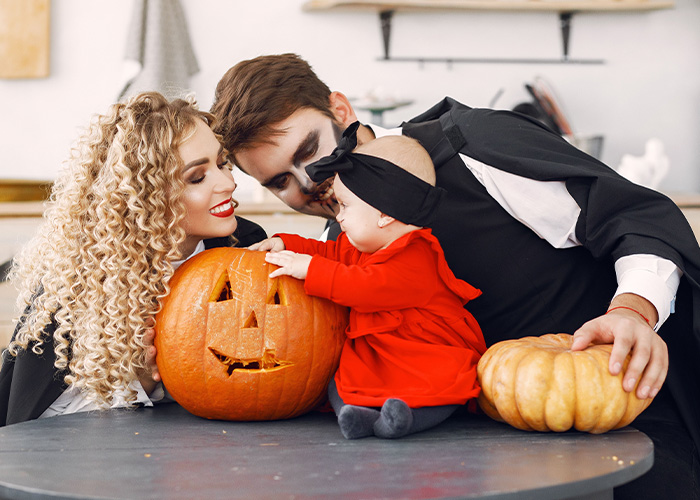
Gustavo Fring/Pexels (not the actual photo)
According to the US Centers for Disease Control and Prevention (CDC), children younger than five are “three times more likely to be hospitalized” if they contract Salmonella than older individuals.
The illness can be particularly dangerous for infants because they have smaller fluid reserves and can become severely dehydrated quickly.
Salmonella symptoms typically begin within six hours to six days of exposure.
While many people recover within four to seven days, some develop severe illness or complications that require hospitalization.
Warning signs in babies can include unusually few wet diapers, a dry mouth, no tears when crying, extreme sleepiness, limpness, or difficulty waking.
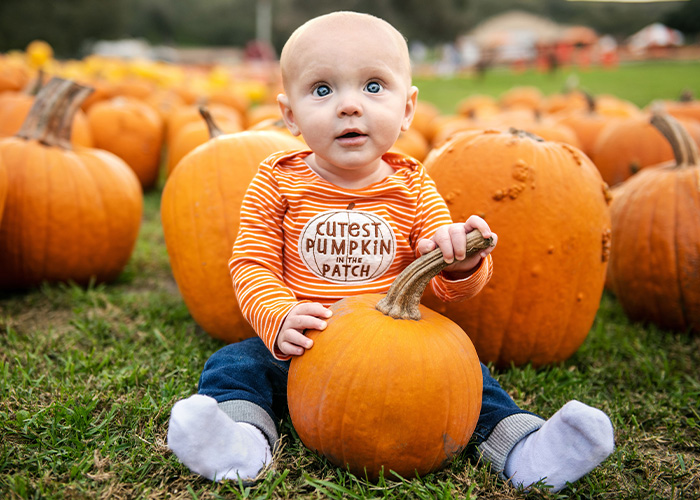
Tim Mossholder/Pexels (not the actual photo)


A baby who becomes unresponsive or appears severely dehydrated needs emergency medical care.
Doctors may recommend oral fluids for mild cases, while severe dehydration can require intravenous fluids and electrolyte replacement.
To reduce risks during pumpkin crafts, the FDA recommends washing fresh produce under running water before cutting it.
Caregivers should also wash their hands before and after handling pumpkins, and clean and sanitize any surfaces, utensils, or bags that come into contact with the raw pulp and seeds.
These steps reduce the risk of contamination, although they cannot eliminate it entirely.
The baby’s terrifying ordeal comes amid a French outbreak linked to contaminated pumpkin seeds
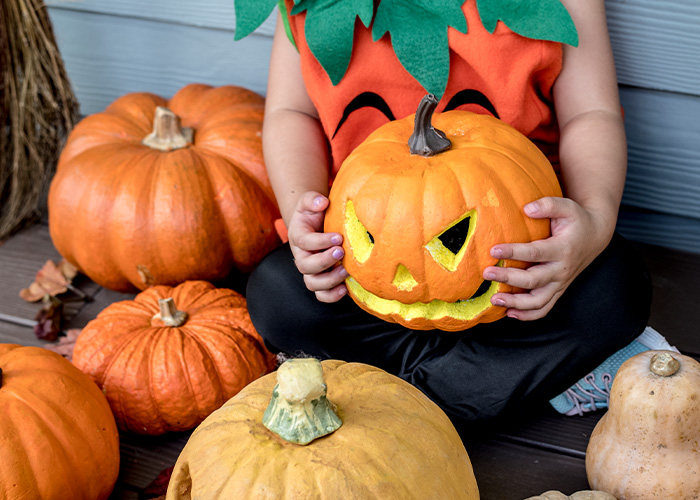
rawpixel.com/Magnific (not the actual photo)
Kehlani’s case comes amid a separate Salmonella outbreak in France linked to consumption of contaminated pumpkin seeds.
The French National Public Health Agency, also known as Santé publique France, reported 81 cases of the same Salmonella Enteritidis strain, with illnesses identified between May 3 and August 12 this year.
Investigators hospitalized six people and traced the outbreak to pumpkin seeds grown in France.
Authorities initiated a recall in August, and the investigation continued into October.
The bacteria can also spread through contact with certain animals.
A CDC investigation into a 2025 multistate outbreak of Salmonella Cotham linked infections to pet bearded dragons.
The investigation recorded 20 cases across 14 states, and nine people were hospitalized.
Half of those affected were infants or children younger than five.
These cases show how Salmonella infection can reach people through unexpected routes, from contaminated produce and supplements to contact with animals.
Robertson hopes that sharing her baby’s experience will encourage parents and caregivers to take precautions during seasonal activities, especially when babies are involved.
“New fear unlocked! This country still has a long way to go when it comes to hygiene,” one netizen wrote










 Follow Us