When Sabrina Castaldi moved in with her boyfriend, she thought she was starting an exciting new chapter.
Instead, months later, she began suffering from dizziness and other unexpected health problems that she couldn’t figure out.
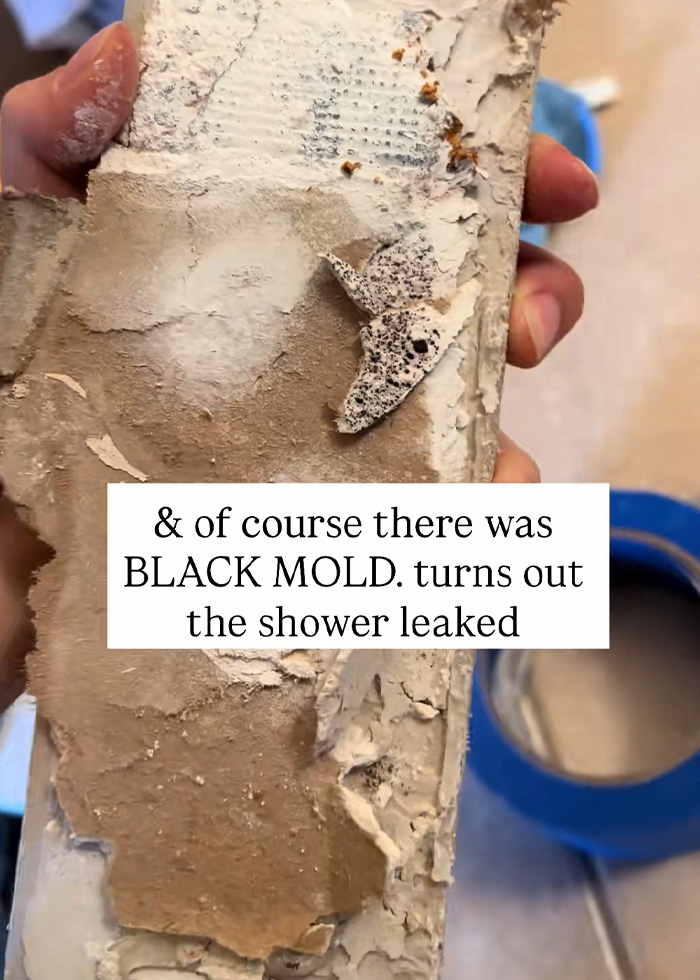
After investigating her home, she discovered black mold hidden behind a bathroom mirror caused by a water leak.
Once the mold was removed, her symptoms improved again.
Now, Castaldi has shared her experience to encourage others to pay attention to hidden water damage and mold inside their homes.
Sabrina Castaldi was left with years of unexplained health problems

Castaldi, who grew up in New Jersey, said her health problems started long before she discovered mold.
As a child, she was diagnosed with synovitis, an inflammation that affects the tissue around the joints. She also dealt with severe pain in her hips, knees, and legs that often left her in the hospital or on bed rest.
“At the time, the doctors had no answers for why I was in such bad chronic pain,” she told Newsweek.
As she got older, the list of symptoms became even longer.




She developed pain in her hands, arms, and elbows, along with digestive issues, headaches, dizziness, fatigue, and heart palpitations.
At 15, things became even more frightening.
“I actually thought I was dying and no one wanted to tell me.”
She recalled fainting in the shower, suffering a seizure and being taken to the hospital by ambulance.
Doctors considered conditions such as diabetes and lupus, but none of the tests gave her a clear explanation.
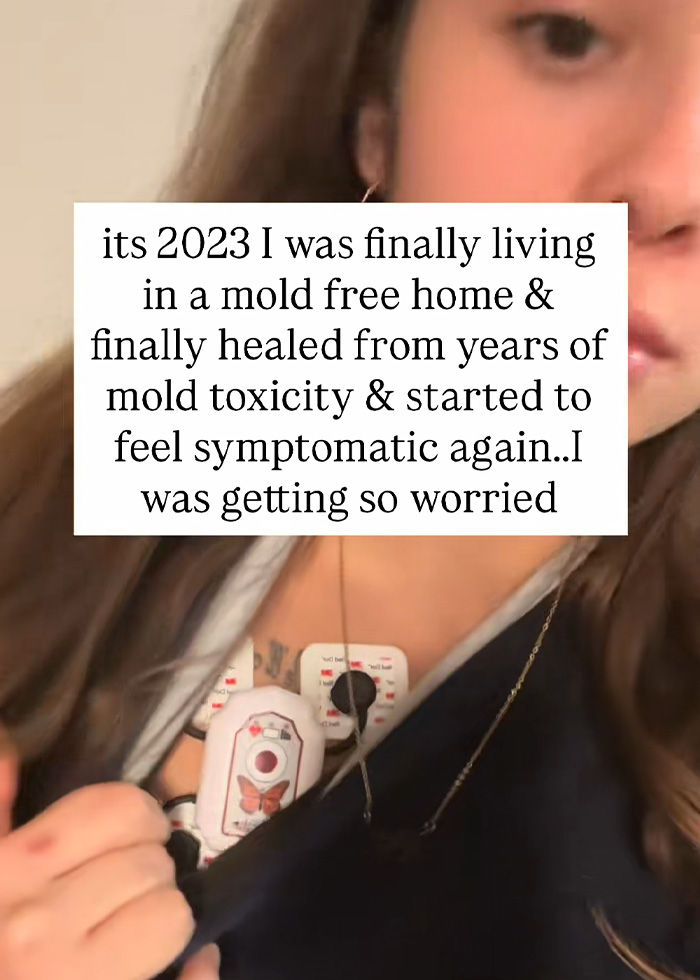
Her symptoms eventually became so severe that she had to give up cheerleading.
“The pain in my legs combined with the fainting and brain fog led me to stop cheerleading.”
By the time she turned 22, she had developed severe acne on top of her existing symptoms.
“This is where I drew the line. I was so over being sick.”
She began researching nutrition, herbs, and alternative wellness practices, hoping to find something that would finally help her feel better.
At 24, Castaldi moved into her first apartment, which made things much worse
Instead of feeling better, her health rapidly declined when she moved into her first apartment.
She developed breathing problems, anxiety, and panic attacks while many of her older symptoms became worse than ever.
“My body was falling apart, and mentally I was losing it.”
The turning point came after a friend suggested that mold exposure could be causing her health problems.
“A light bulb clicked.”
Looking around the apartment, she noticed water damage and leaks.

She also realized this wasn’t the first time she had lived in a damp environment.
“My childhood house was not a ‘moldy home,’ but there was often water leaking into my bedroom ceiling.”
She believed her apartment had become heavily contaminated with mold because of ongoing water damage.
“Moving into my first apartment made me so sick because it was infested with mold.”
After moving out, she said her health gradually improved over the following months.
Later, she moved into a new home with her boyfriend and thought the problem was finally behind her.
However, about seven months later, many of the same symptoms suddenly returned.
After Castaldi’s symptoms returned, she continued searching for answers and investigated her home
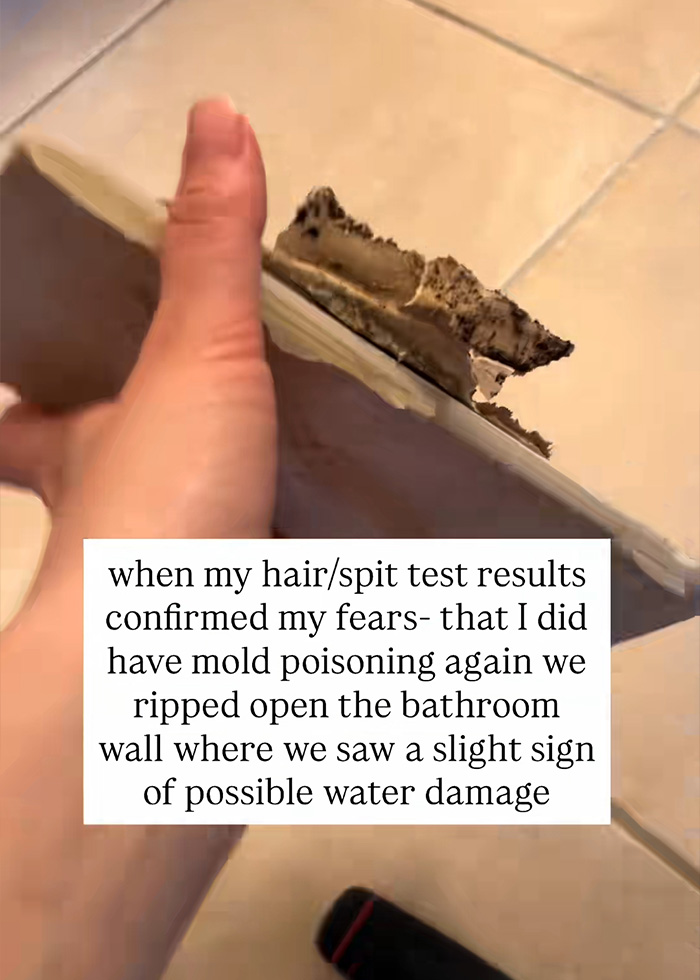
Determined to find out what was happening, Castaldi continued investigating her home.
Eventually, testing suggested mold exposure again.
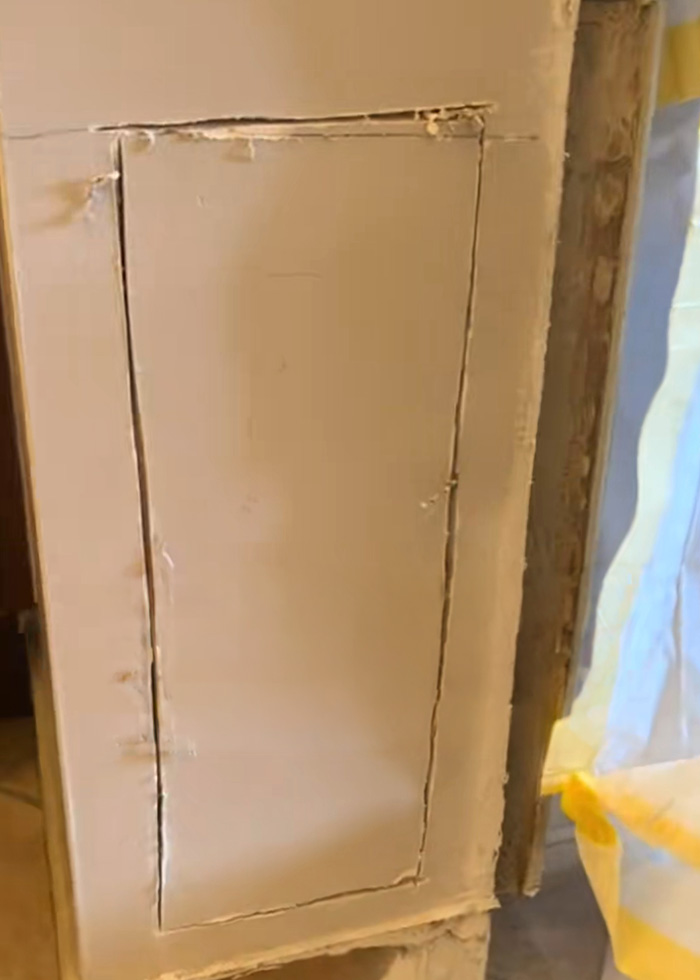
This time, the source was hidden behind a bathroom mirror.
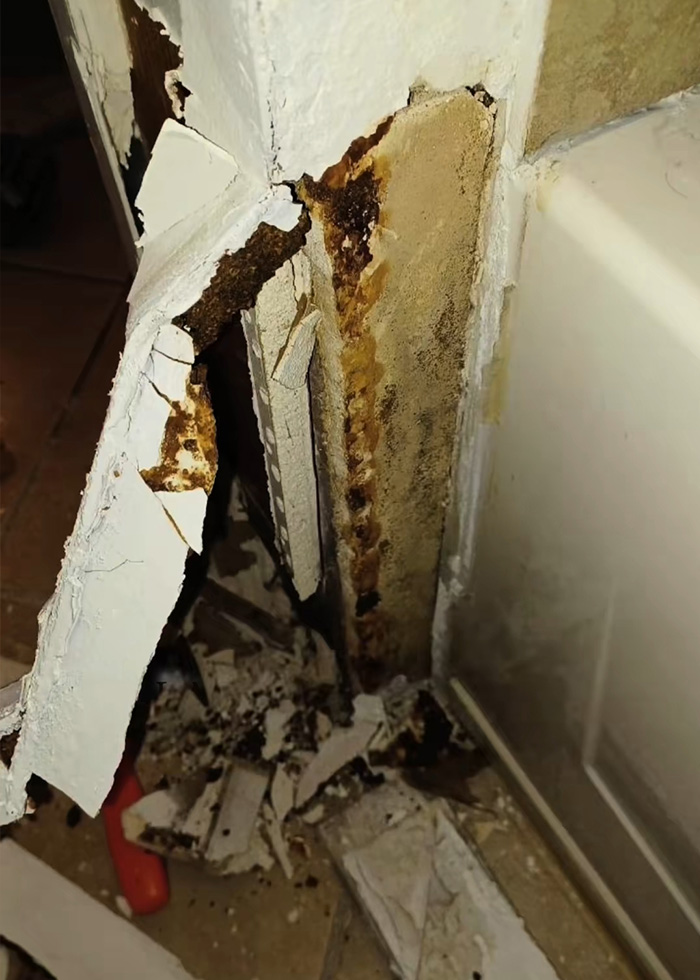
According to Castaldi, a water leak inside the wall had allowed black mold to grow where it couldn’t easily be seen.
After the mold was professionally removed, she said her symptoms once again improved.
Today, she lives with her fiancé in what she described as a mold-free home.

Looking back, she believes discovering mold changed her life.
“I am so grateful to have discovered mold p*isoning and how it can cause hundreds of health issues.”
Even so, she said she remains cautious because future exposure could trigger symptoms again.
“The thing with mold illness is it can always come back if you’re exposed again.”
Her experience has encouraged her to raise awareness about hidden mold and the importance of checking homes after leaks or water damage.
Medical experts shared that mold can affect people’s health, although not everyone reacts the same way
According to the World Health Organization, living in damp or moldy buildings has been linked to higher rates of respiratory symptoms, allergies, and asthma.
However, experts said there is much less evidence connecting mold to many of the broader health claims often shared online.
Harvard Medical School noted that most molds are not dangerous by themselves. Still, exposure can trigger inflammation in the respiratory tract, especially in people who have allergies or asthma.
Common symptoms include runny or blocked nose, sneezing, coughing, itchy or watery eyes, and wheezing in people with asthma.
Harvard also said that long-term exposure to indoor mold has been associated with a higher risk of asthma in children and may be linked to increased stress, anxiety, depression, and ongoing inflammation in some people.
Doctors also stressed that mold problems are usually caused by water damage.
Roof leaks, leaking pipes, poor bathroom ventilation, flooding, and high indoor humidity all create the damp conditions mold needs to grow.
Experts further recommended looking for discolored patches, slimy spots, or a musty smell, particularly around bathrooms, basements, windows, air conditioners, and areas affected by water leaks.
Furthermore, the Centers for Disease Control and Prevention (CDC) does not routinely recommend home mold testing kits. Instead, experts advise removing mold whenever it is seen or smelled and fixing the water problem that caused it in the first place.
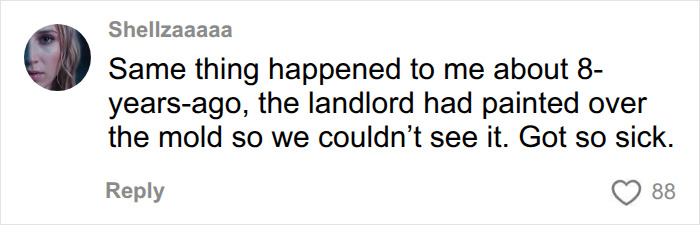
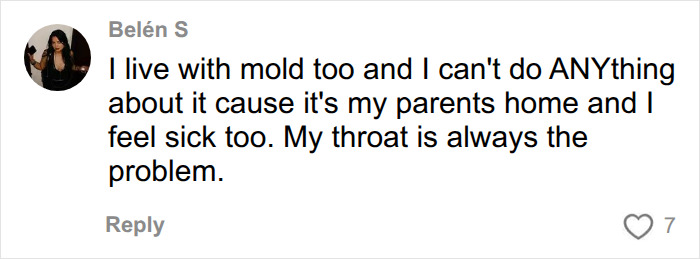
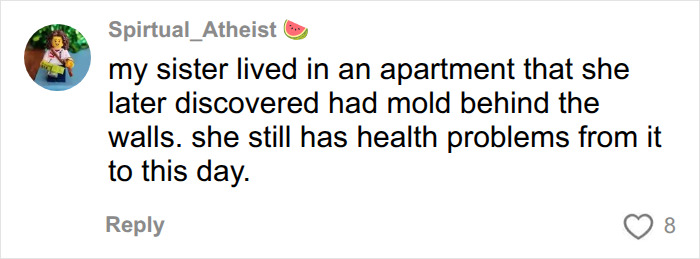
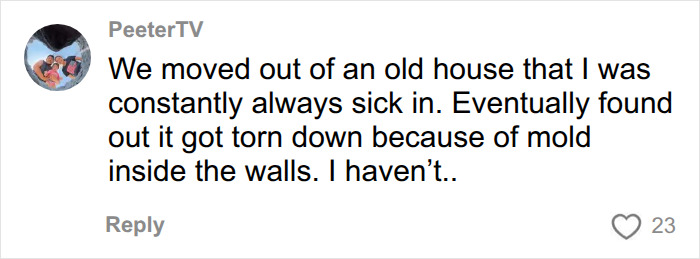
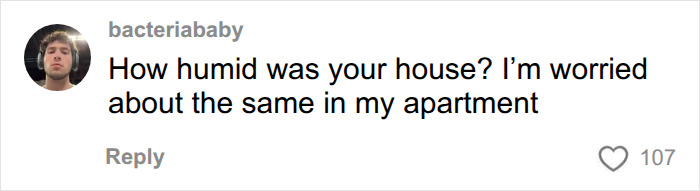
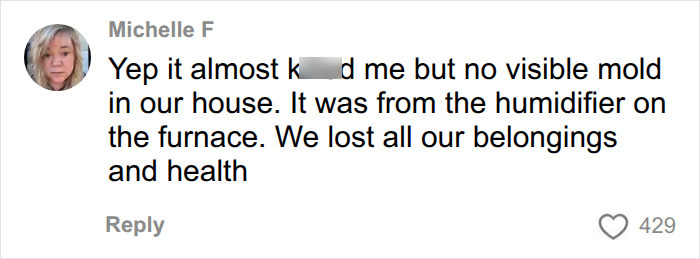
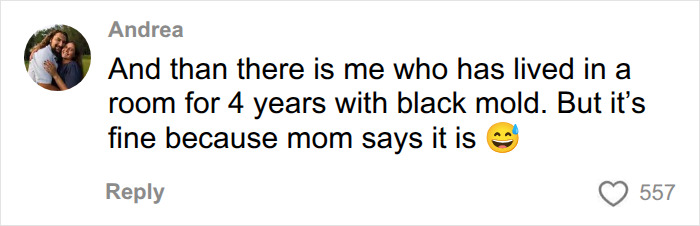
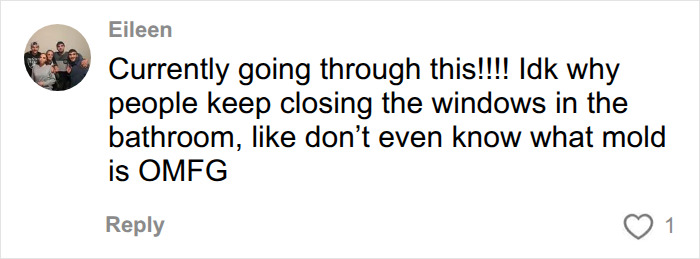
“I have mold toxicity too. I’m trying to figure out where it’s coming from,” wrote one netizen






 Follow Us