When we’re young, we feel invincible. Health is on our side, we feel like we have all the time in the world, and all the ailments that affect older people? We don’t need to worry about those — or so we think.
From time to time, we all get a reality check. Whether it’s a sharp pain in our back reminding us that time is indeed slipping by, or the sudden realization that our parents are growing old, it’s the kind of growing pains everyone goes through. But no one truly expects to be diagnosed with a life-changing disease at 28 years old, as happened to Jade Windley. This is her story.
At 28 years old, Jade Windley discovered a shocking eye condition while watching television
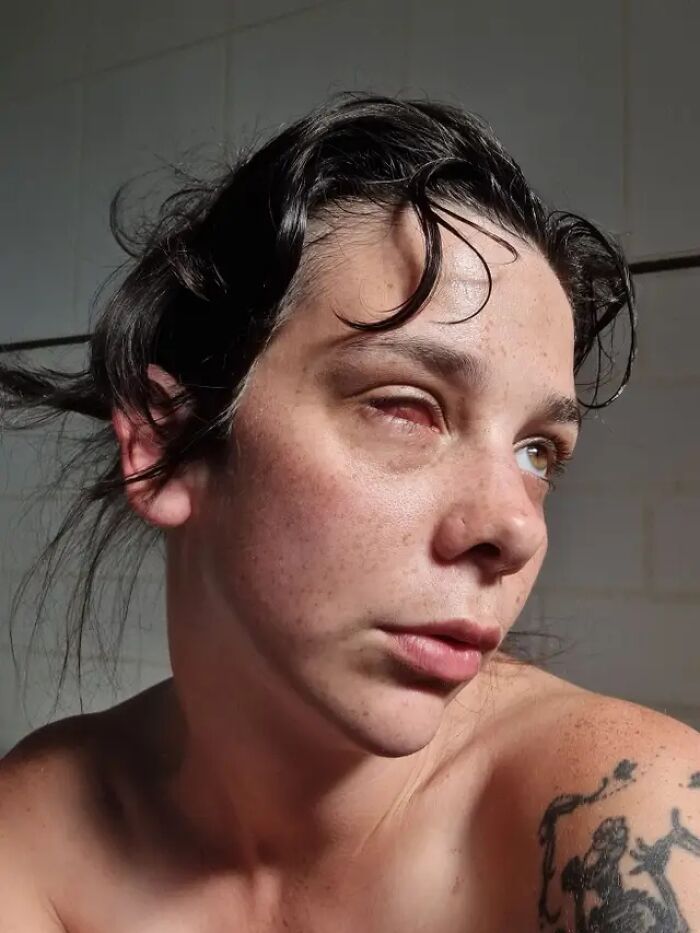

While she was watching a Beyoncé concert on TV, Jade realized the backup dancers seemed blurry
Jade Windley, a 28-year-old woman from Sheffield, England, had a traumatic experience in October 2022. As she watched a Beyoncé concert on TV at her friend’s place, Windley struggled to see the backup dancers, since her vision looked blurry. At the time, the British woman believed it was a direct result of a hangover, as she thought she had drunk “too much” wine the night before.
“I was at my friend’s house and was watching a Beyoncé concert,” she said. “I couldn’t see the backing dancers. I thought, ‘Maybe I’ve just had a bit too much wine the night before, and I’ll sleep it off.’” However, her friend thought it was something they shouldn’t put off — and thankfully, they didn’t.
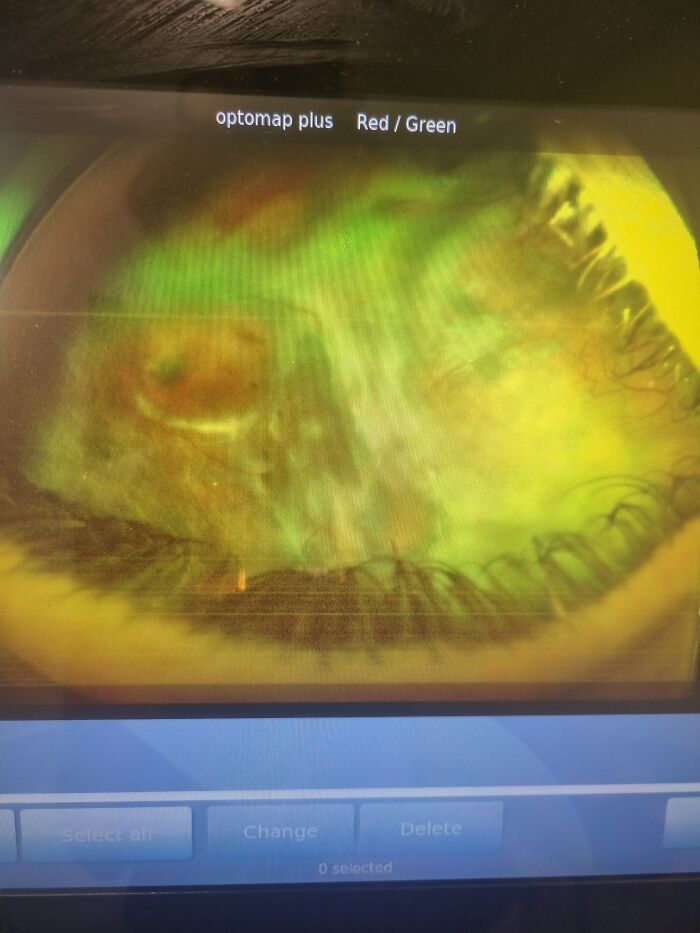
Initially, she paid it no mind since she was hungover from the night before, but her friend insisted she take a detached retina test
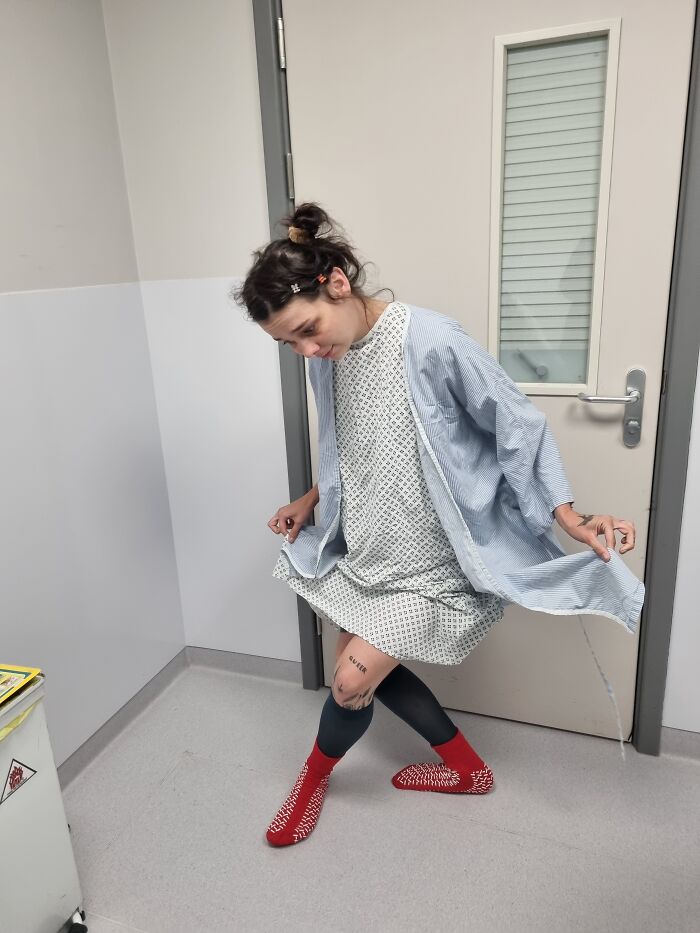
After the test, the woman decided to go to an optometrist who ran a few scans and told her to immediately go to A&E
Windley’s friend decided to look up an at-home test for “how to tell if you have a detached retina,” and the 28-year-old admitted that she “couldn’t see this black dot.” Technically, though, experts explain that no single self-administered home test can diagnose a detached retina. However, simple self-checks can help you monitor changes in your visual field.
In this case, Windley likely used the Amsler Grid Test, a printed grid with a dot in the center. By looking at the grid while covering one eye, the test can reveal whether straight lines appear wavy, bent, or completely missing, which can signal a retinal problem. But in the Sheffield woman’s case, it was the black dot that she couldn’t see at all.
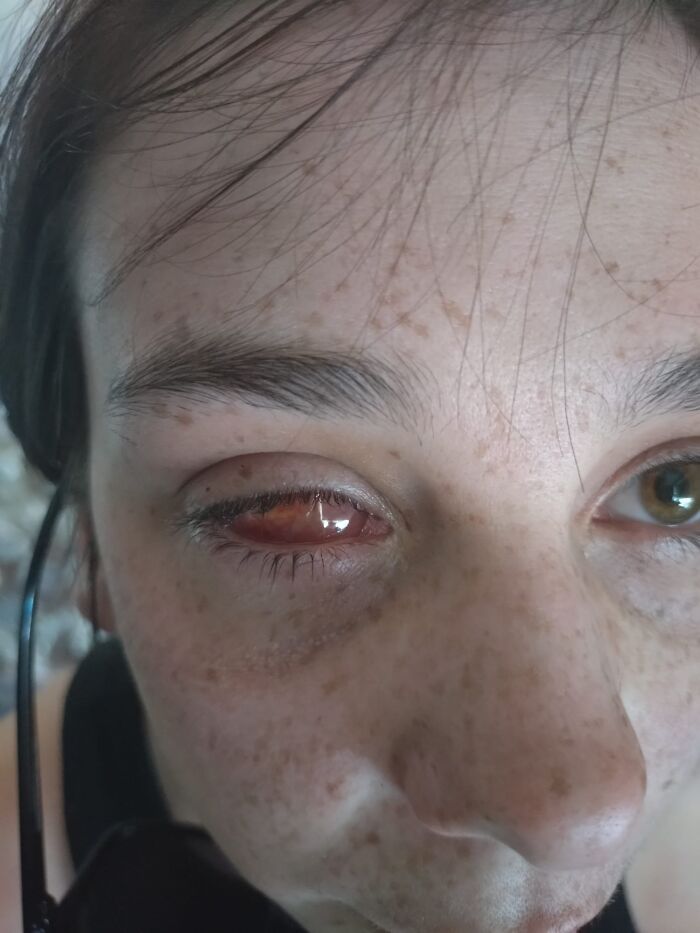
The woman ended up going to the hospital, where she discovered she had a non-cancerous tumor in her right eye, and so treatment began

Kevin Woblick / Unsplash (not the actual photo)
But after countless injections and a lot of pain, doctors confirmed she had to have her eye removed
And that alone was enough to make Windley go to the doctor, who immediately wanted to scan her. “They offered me a scan for my eye,” she said. “I thought, ‘This is stupid, I’ve just been on the wine.’” But she couldn’t be more wrong, and the next day, at Specsavers for her checkup, an optometrist told her to head to A&E as quickly as possible.
At the time, Jade described herself as “confused and baffled,” but went to the hospital nonetheless. After running all the tests needed, she finally got a diagnosis: she had a non-cancerous tumor in her right eye. That’s when she was also told she could lose her vision entirely.
And so, her treatment began. She ended up receiving six injections into her eye, steroids, and radiotherapy in October 2025. But her vision was only getting worse, as was her pain. “I didn’t talk to anybody about it, but I was in pain,” she said. “Your gut knows, but I didn’t want to accept that.” That’s when she got the news that she would need surgery to have her eye removed.
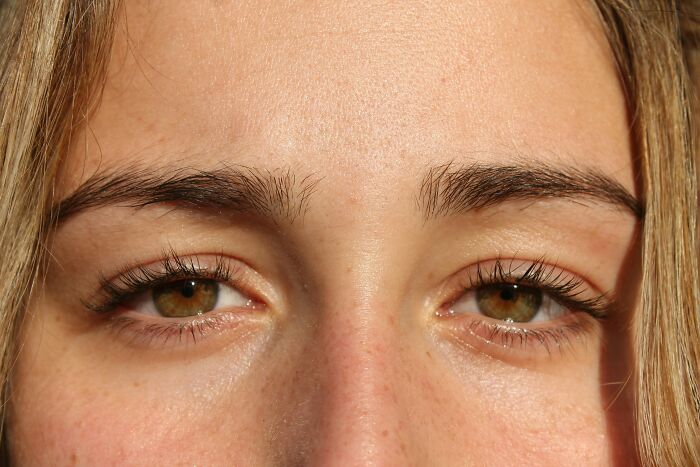
Laura Cukaj / Unsplash (not the actual photo)
“By this point, I’d gone completely blind, and it was painful. I was throwing up all the time at work,” she admitted. But while she was waiting for surgery, a second tumor was found in the same eye in March. By August, she had surgery to have the eye removed completely. But she’s hardly letting the experience bring her down.
The Sheffield woman is now wearing an ocular conformer. Specialists describe it as a smooth, clear acrylic or silicone shield placed in the eye socket. But it isn’t a permanent solution — it’s a temporary option used while the socket tissue heals and to prevent it from potentially collapsing during this sensitive period.
For now, Windley is relying on the conformer and an eyepatch until she can afford a permanent prosthetic. But she’s admitted that her journey is now about finding “love for the eye hole.” Despite this, she admits that she struggles with her loss of vision and depth perception, and is now experiencing Charles Bonnet syndrome, a condition that can cause hallucinations. Nonetheless, she’s still grateful that she got the checkup and continues to encourage others to get themselves checked as soon as possible.
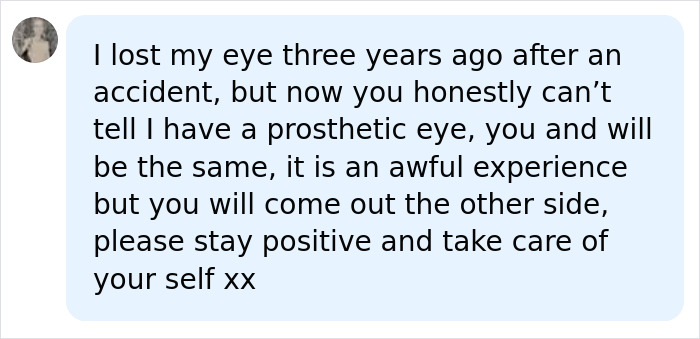
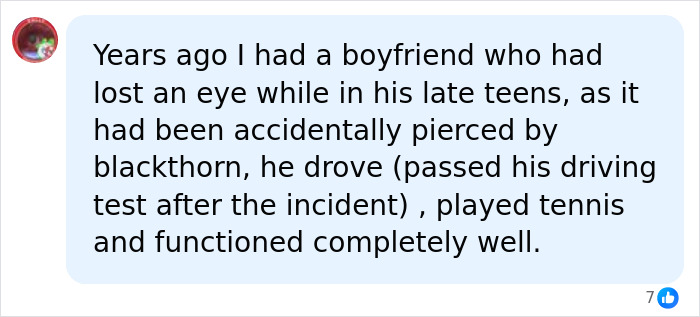
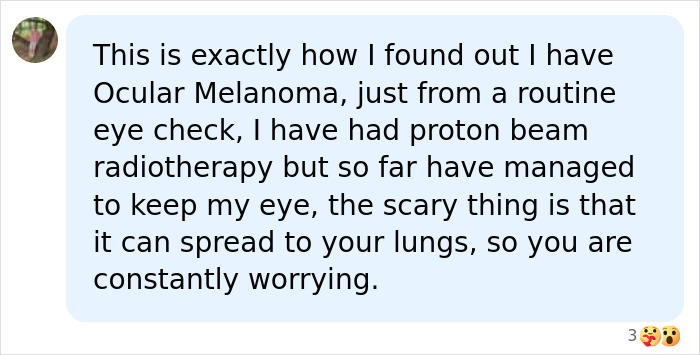
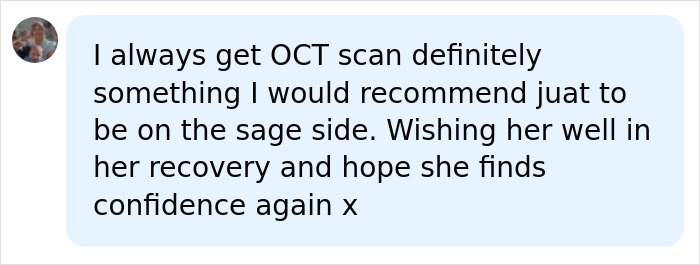
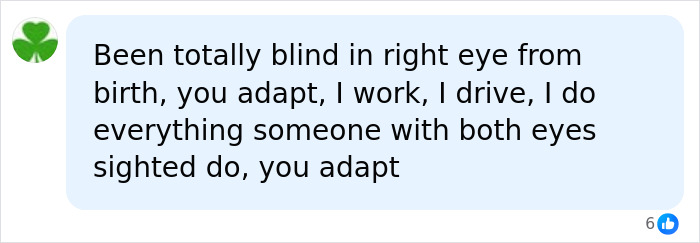
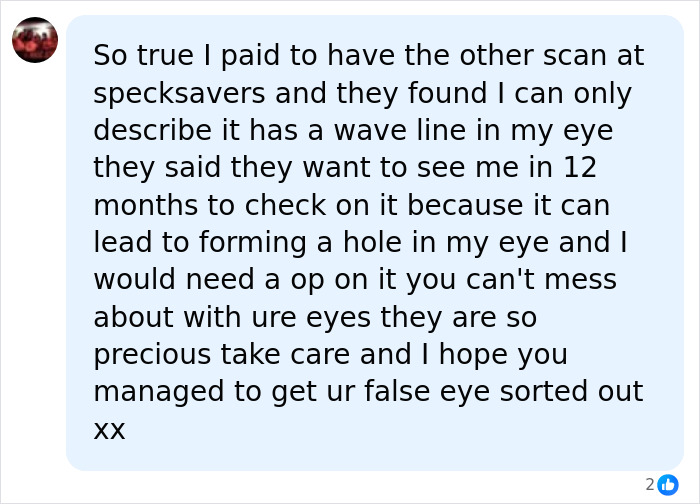
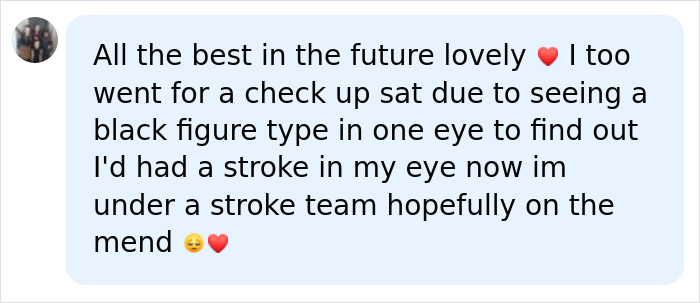
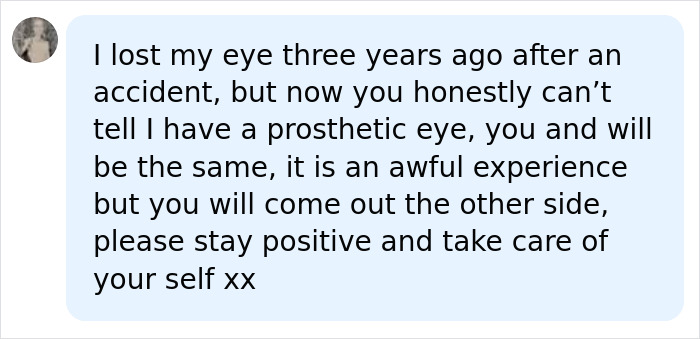
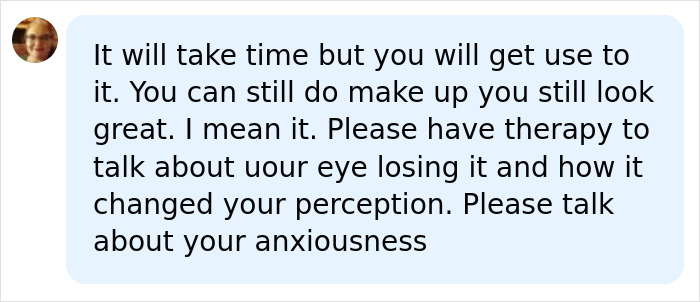
Readers flooded the comments with support, sharing their own stories





 Follow Us