“Life is so short, and if there’s one thing I want everyone to do for me, it’s LIVE!”
These are the words of 26-year-old woman Annaliese Holland, who has spoken openly about becoming “more at peace with dying than surviving.” Living with a chronic illness has led Holland to confront an incredibly difficult reality: she knows she may have only a few months left to live. Despite the profound challenges she has faced, she hopes that sharing her experience can encourage others to appreciate the time they have, find meaning in everyday moments, and live as fully as they can. Keep reading to learn more about Holland’s story, her perspective on life and death, and the message she hopes to share with others.
Please note: This article touches on assisted dying and end-of-life choices and may be difficult for some readers.
Annaliese, a 26-year-old woman from Australia, decided to speak openly online about her decision to pursue euthanasia
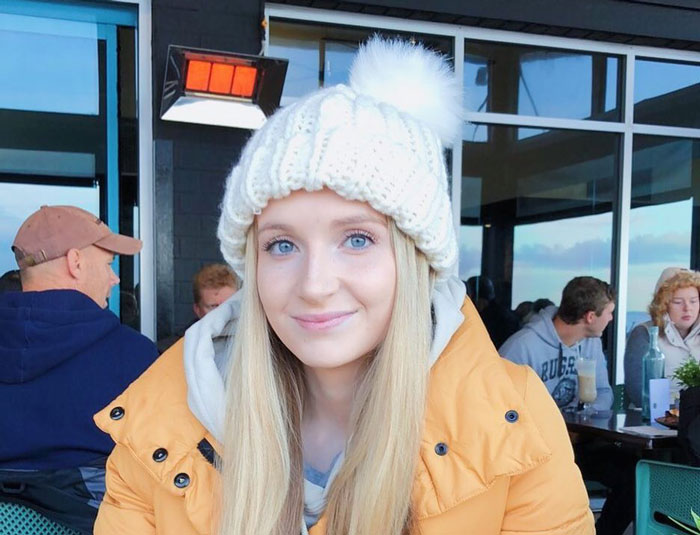
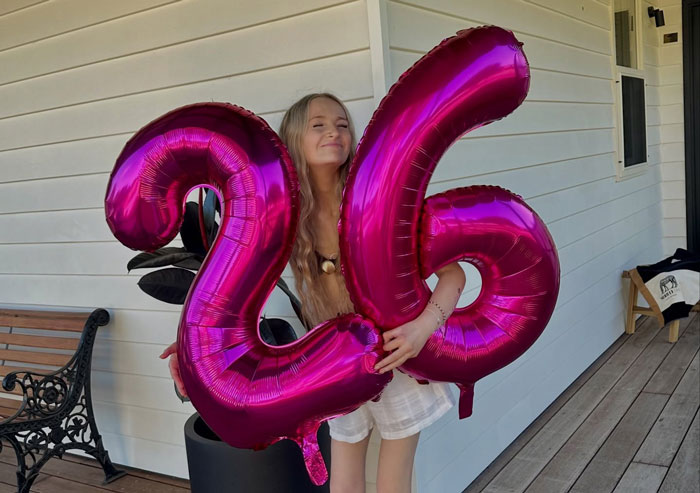
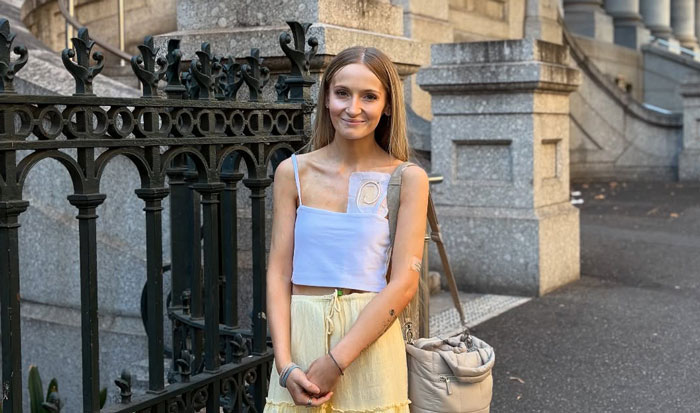
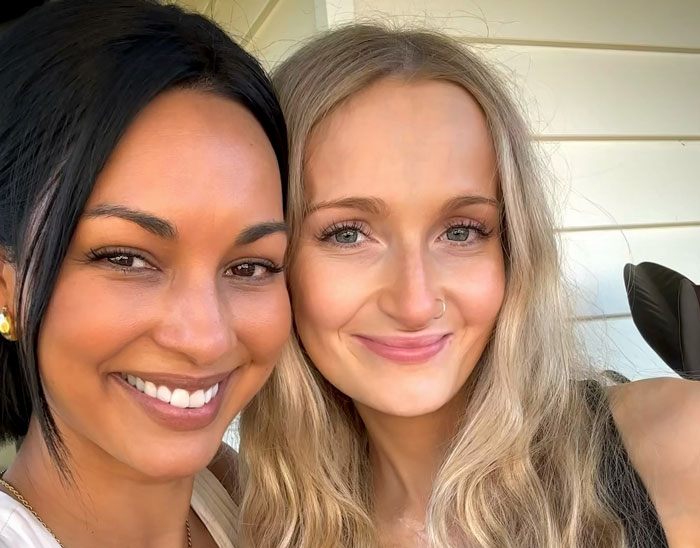
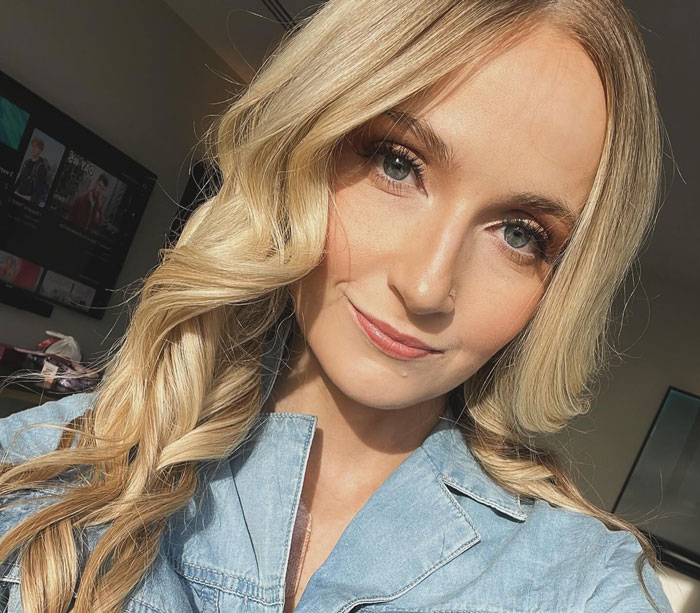
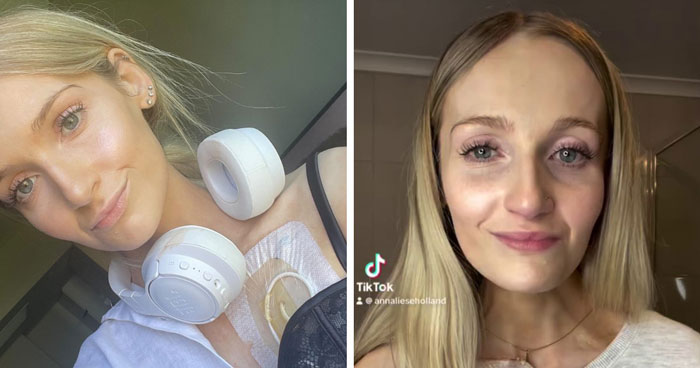
Annaliese Holland (known as Annie to her friends and family) is 26 and lives in Adelaide, South Australia. She has been approved for voluntary assisted dying (VAD) and has chosen to speak openly about what that decision means to her. Rather than keeping the subject of death private, Annie wants to use her remaining time to have honest conversations about end-of-life care and what it can look like for younger people living with serious illness.
Annie is known for her warmth, humour, and lively personality, which can make the reality of her situation difficult to comprehend. She has lived with chronic illness since childhood and was diagnosed with Autoimmune Autonomic Ganglionopathy (AAG) at 18. She has described her decision to pursue VAD as something connected to dignity and having some control over what happens as her condition progresses.
Understanding the rare condition Annaliese lives with
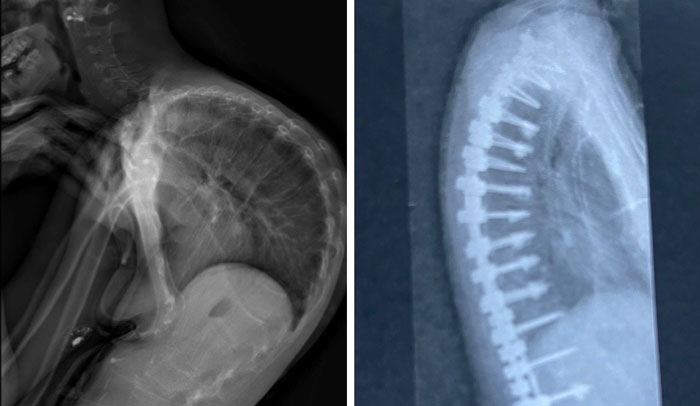
To understand Annie’s experience, it helps to understand AAG. Autoimmune autonomic ganglionopathy is a rare autoimmune condition in which the immune system attacks parts of the autonomic nervous system. This system controls many functions that happen automatically, including blood pressure, digestion, pupil responses, sweating, urination, and other bodily processes.
Because the autonomic nervous system is involved in so many different functions, AAG can affect the body in numerous ways. People with the condition can experience problems such as severe drops in blood pressure when standing, digestive difficulties, abnormal pupil responses, dry mouth and eyes, difficulties urinating, and reduced sweating. The severity can vary considerably from one person to another.
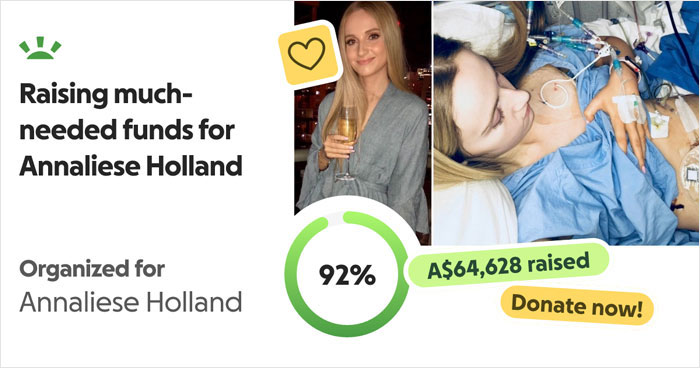
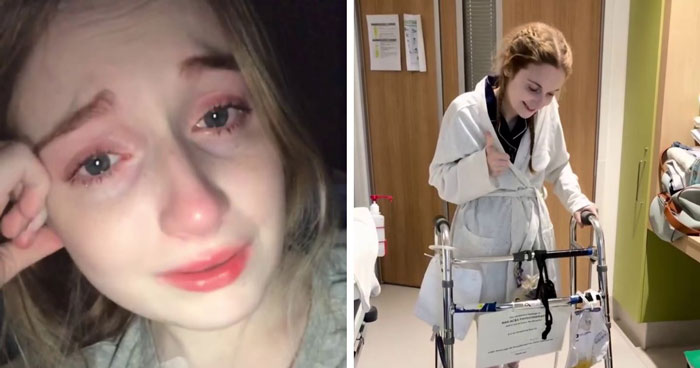
For Annie, the illness has had an especially profound impact. By the time she was diagnosed, several of her organs were already failing, and she has spent much of her life dealing with hospital stays, severe pain, and complications associated with her condition.
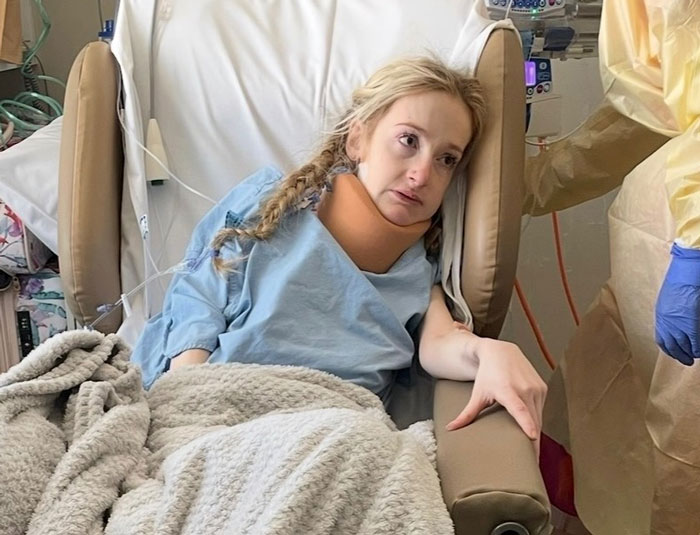
Annaliese has spoken about the challenges of living without being able to eat normally
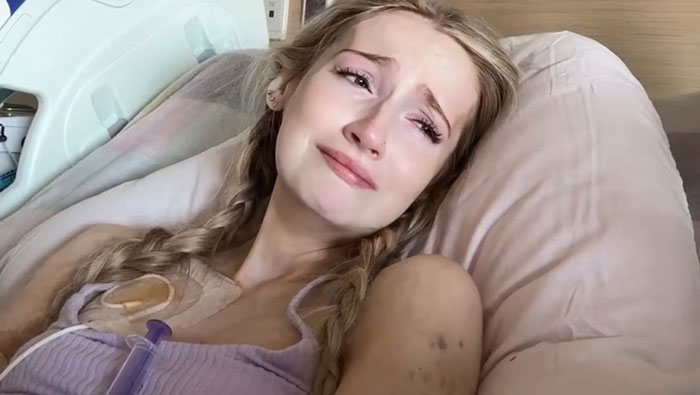
One of the most difficult aspects of Annie’s condition is that she can no longer eat or absorb food normally. She has said that she hasn’t had a regular meal in around a decade. Instead, she relies on total parenteral nutrition (TPN), which provides nutrients directly into the bloodstream through a line in her chest. After years of complications and infections, she has only one remaining viable vein that can be used for this treatment. Annie has also experienced sepsis more than 25 times.
Speaking to A Current Affair, she explained just how serious the situation could become if that remaining vein were no longer usable: “If this vein gets blocked then basically there’s no way of giving me hydration or food… you basically starve to death.” These are difficult realities for anyone to live with, let alone someone who is only 26. Annie has been candid about the physical and emotional toll of spending so much of her life managing a condition that has progressively limited what she can do.
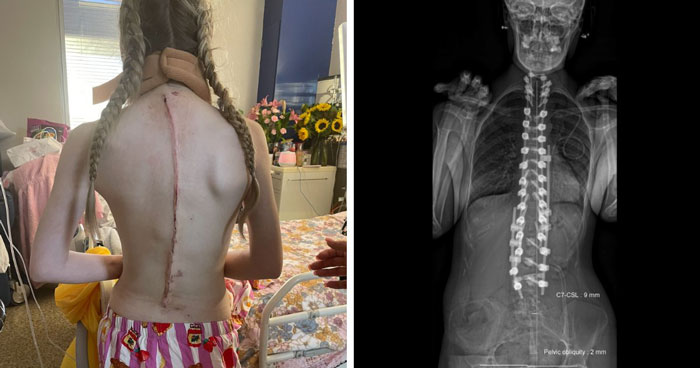
Annaliese’s perspective on VAD changed over time
Annie has explained that she did not always understand or support voluntary assisted dying. Her perspective changed after she grew close to Lily Thai, a young woman with the same rare condition. Lily chose VAD in 2023 and asked Annie to be by her side. Before she died, Lily told her, “You’ll know when you know.”
At the time, Annie said she didn’t fully understand what her friend meant. Looking back now, however, she feels that she does. Annie has also made an important distinction when explaining her decision. She has said that she does not see it simply as choosing to die, because she believes her illness will eventually take her life regardless. In her words, “I’m going to die anyway. It’s just me choosing when and how.”
Annie’s story also comes at a time when laws surrounding assisted dying continue to differ significantly from one country to another. The issue remains deeply debated internationally, with different governments taking very different approaches to questions surrounding autonomy, suffering, medical ethics, and safeguards for vulnerable people.
Within the European Union, for example, Belgium, Spain, Luxembourg, and the Netherlands have legislation allowing physician-administered euthanasia. Germany, Italy, and Austria permit assisted dying under certain circumstances, although the legal frameworks and requirements differ between countries. Several other European countries have also been considering or developing legislation in this area.
The Netherlands is one of the most frequently discussed examples. Its euthanasia law took effect in 2002, and the country allows euthanasia or assisted dying only when specific statutory requirements are met. Among other safeguards, a physician must be satisfied that the patient’s request is voluntary and well considered, that their suffering is unbearable with no prospect of improvement, and that there is no reasonable alternative. An independent physician must also be consulted.
Elsewhere, countries including Canada, Australia, and New Zealand have developed their own forms of assisted-dying legislation, while Colombia and Ecuador have also undergone significant legal changes. In the United States, physician-assisted dying is permitted in a number of jurisdictions, although the legal model differs from physician-administered euthanasia.
Australia itself has its own state-based system. VAD laws have been introduced across Australia’s states, although the territories have historically had different arrangements. In South Australia, where Annie lives, VAD is available to eligible people who meet the state’s legal requirements.
Annaliese’s story offers a deeply personal perspective on a difficult subject
There is no simple way to talk about a decision as personal as this one. For Annie, voluntary assisted dying is not an abstract legal or political question. It is something she has considered while living with a rare illness that has profoundly affected her body, her independence, and the future she once imagined for herself.
At the same time, she has made it clear that she still values life. In an interview with ABC, she spoke about wanting to use her remaining time to encourage more open conversations about death, advance care planning, and what end-of-life choices can mean for young people. She also described the peace she gets from knowing her family understands her wishes.
Stories like Annie’s don’t necessarily provide easy answers, and they don’t have to. They can simply give us a glimpse into an experience most of us will never fully understand. They can also remind us that conversations about serious illness, dying, and end-of-life care aren’t only relevant to older generations. Sometimes, having those difficult conversations earlier can help people understand what matters to them and what they would want if circumstances ever changed.
For Annie, perhaps the most important part of sharing her story is not asking everyone to see things exactly as she does. It is encouraging people to talk more openly about subjects we often avoid until we are forced to confront them. Her experience is deeply personal, but the questions it raises about dignity, compassion, choice, and how we spend the time we have are ones that many people can understand, even when they may arrive at very different conclusions.
Annaliese opened up about how living with a chronic illness has completely changed her life
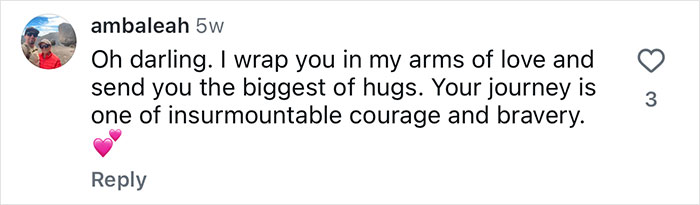
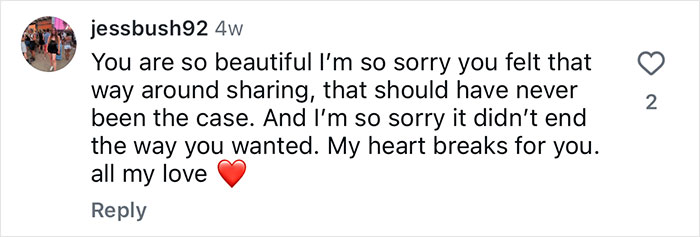
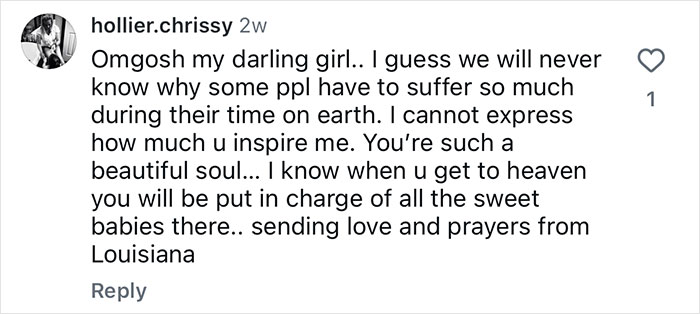
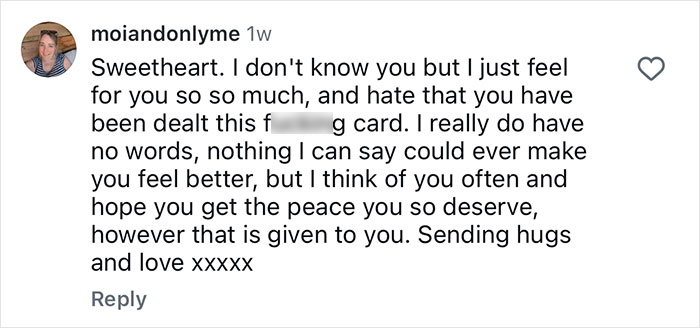
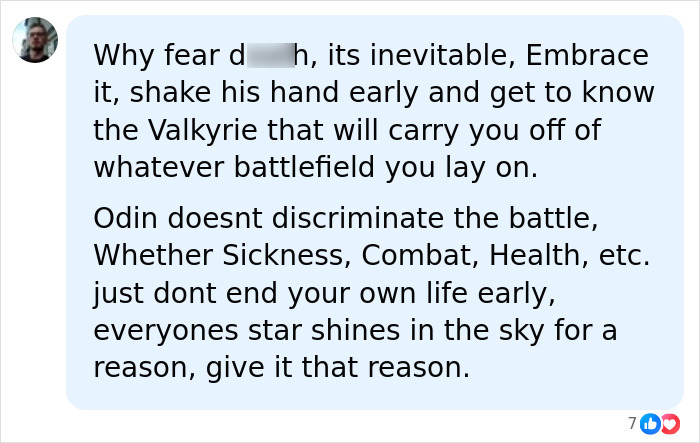
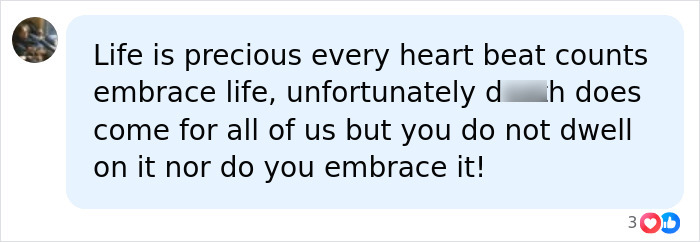
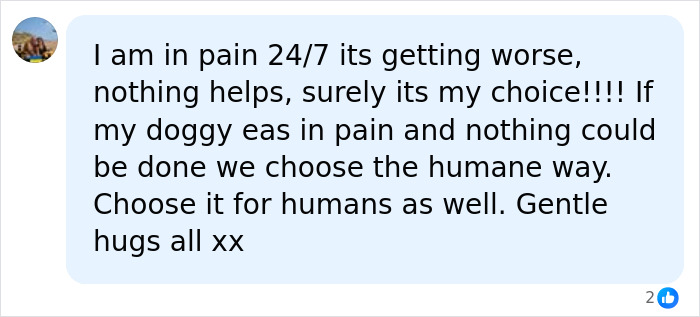
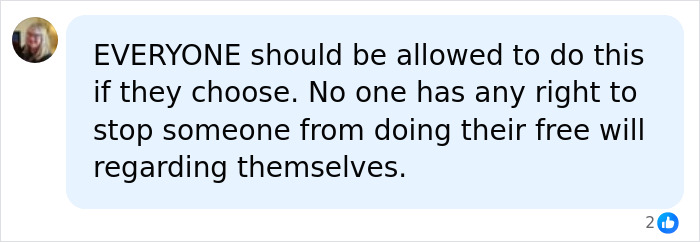
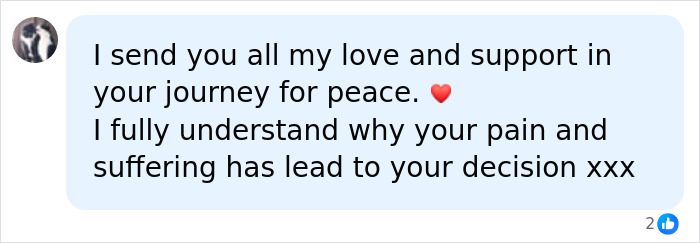
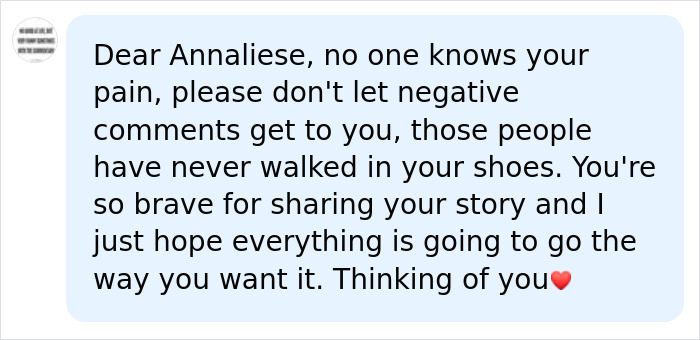
People online shared messages of love, support, and kindness after hearing her story

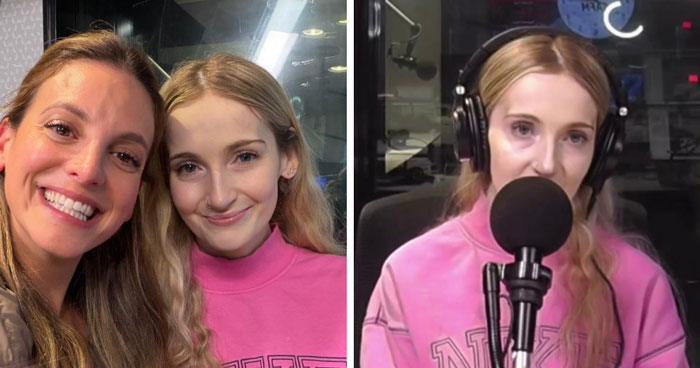
Annaliese spoke about how difficult life has become while living with her condition
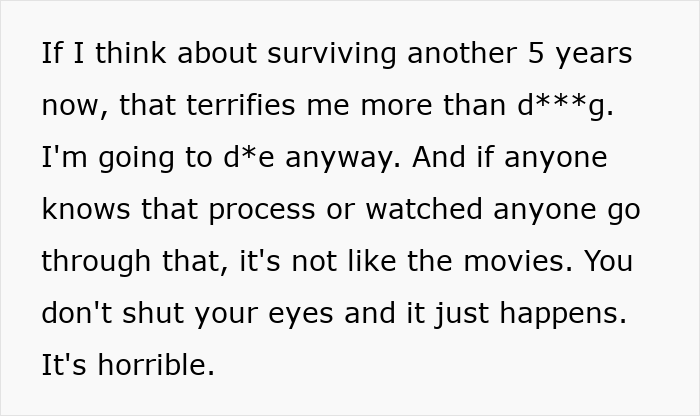
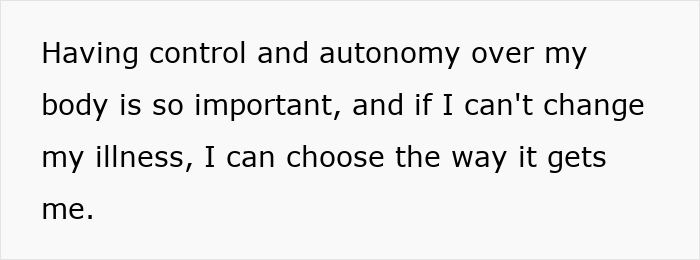
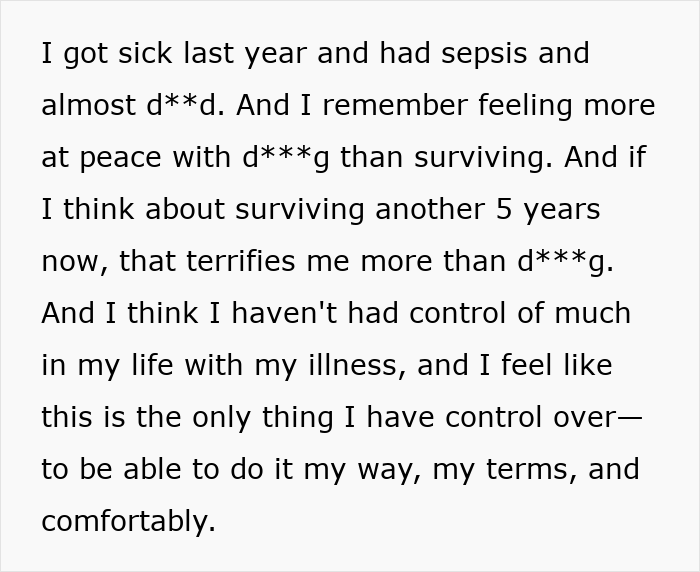
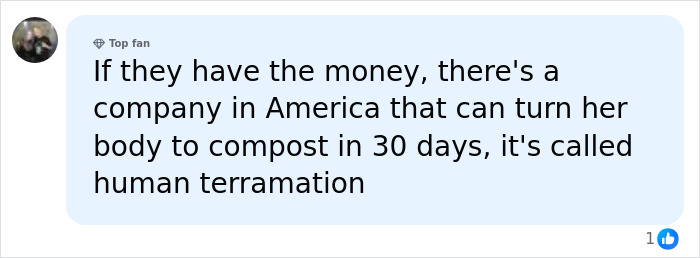
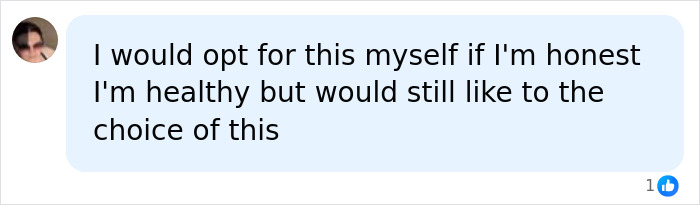
People shared their thoughts after hearing more about Annaliese’s deeply personal decision

 Follow Us