Having a conversation about private parts can be quite a daunting task for most, but healthcare professionals have long insisted on it to facilitate better chances of recovery.
According to Dr. Jamin Brahmbhatt, it is ideal to know what “normal” looks and feels like down there to determine whether something requires medical attention.
That knowledge, along with regular self-check-ups, can help spot early signs of serious health conditions, including testicular cancer.
The disease affects 1 in 250 males in the USA.
“The more you know your baseline, the easier it is to notice when something is off,” Dr. Brahmbhatt said.
The urologist pointed out what “normal” male nether regions should look like
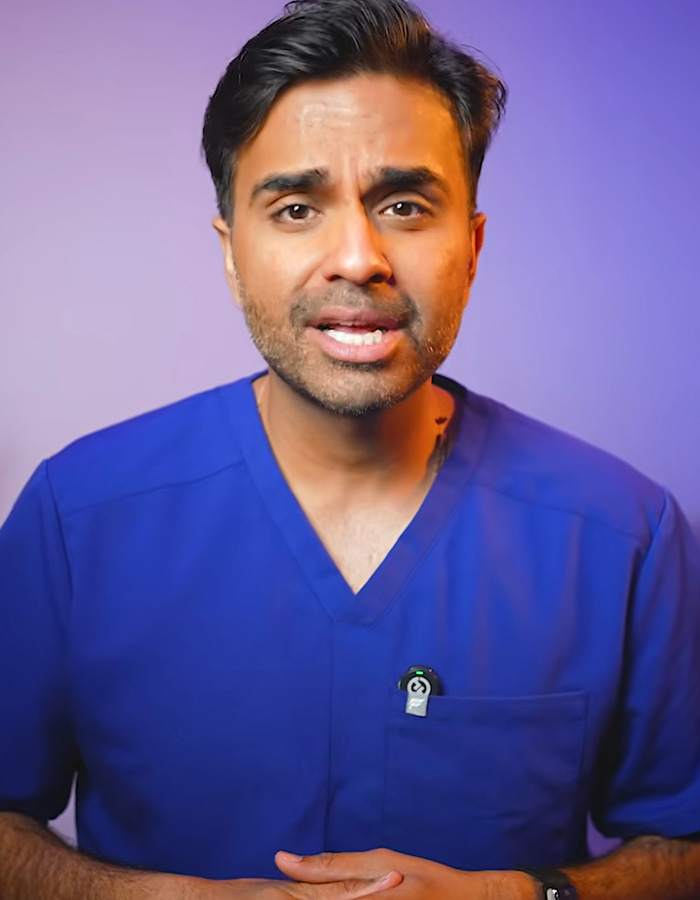
Image credits: Jamin Brahmbhatt, M.D./YouTube
Dr. Jamin Brahmbhatt, a urologist and robotic surgeon, recently penned a column for CNN Health on how men can best maintain healthy, disease-free urinary and reproductive systems.
In the article, published on June 25, 2026, Dr. Brahmbhatt revealed that he first recognized the importance of knowing the “normal” appearance of private parts when he found a small lump in his testicles during medical school.

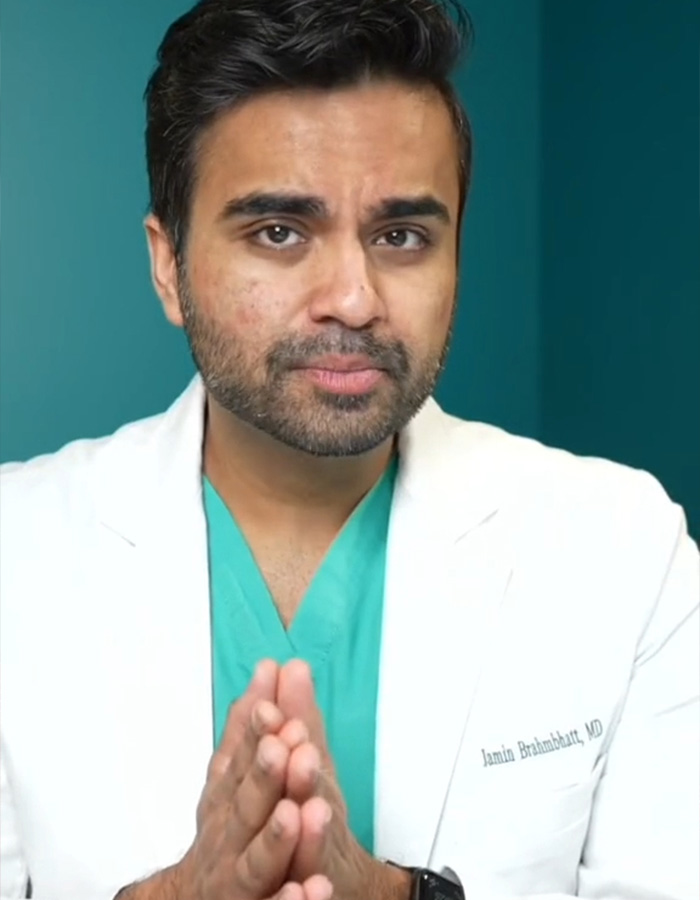
Image credits: drjaminb/TikTok
The lump turned out to be a benign cyst, but it felt like a “milestone moment,” which later led to him recommending that his patients get in the habit of routine self-exams.
Describing what a “normal” male anatomy looks like down there, Dr. Brahmbhatt clarified that one testicle being larger or lower than the other is a regular phenomenon, and so are the “soft, lumpy, wormlike structure” along the top and back of each testicle.
“That’s the epididymis, not a tumor,” he wrote.


“A cordlike structure extending from the top of each testicle is the spermatic cord. Cysts can form on the testicle or epididymis, but they are usually benign.”
Dr. Brahmbhatt warned about another common and harmless condition — varicocele — which can be identified by enlarged veins above the testicles that feel like a bag of worms.
“It’s worth mentioning to a doctor if it’s new and painful or if you have concerns about fertility,” he added.
Early diagnosis of testicular cancer leads to a 99% chance of survival

Image credits: TIVASEE ./Pexels (Not the actual image)
Once an individual is aware of their baseline anatomy, it becomes easier to rule out benign conditions and spot potential malignancies.
“A firm, painless lump on the testicle itself is a red flag,” Dr. Brahmbhatt wrote. “It is the classic presentation of testicular cancer.”
“If you find a firm lump, you should get to a doctor right away, even if you feel fine. Most testicular cancers are painless, but pain doesn’t rule cancer out.”
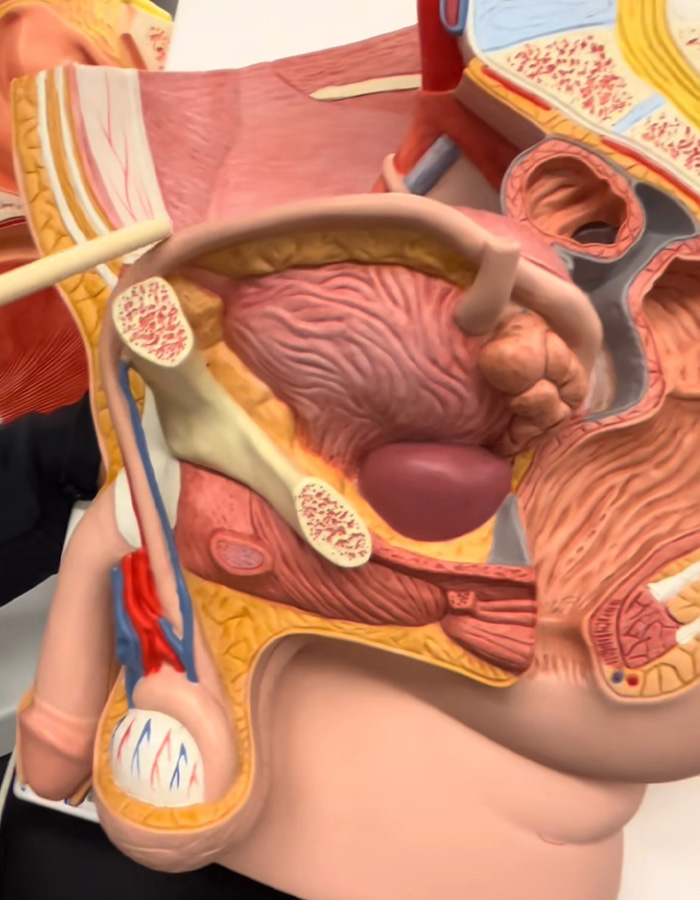
Image credits: m.n.anatomy/TikTok
According to the American Cancer Society, about 9,810 new cases of testicular cancer are diagnosed annually as of 2026. The disease causes about 630 fatalities per year.
It is most common in younger and middle-aged men, with the average age of males at first diagnosis being about 33.
However, testicular cancer is also one of the most curable forms of malignancy if treated early.
If the cancer is diagnosed at the localized stage, where it is limited to the testicles, the survival rate is 99%. In cases where cancer spreads to nearby tissues or lymph nodes, the rate goes down to 96%.
When the cancer spreads to distant parts of the body, such as the liver or the lungs, the relative survival rate drops to 72%. Diagnosis at the third stage typically results from a delay in seeking appropriate medical attention.
Dr. Brahmbhatt detailed how men should conduct routine self-exams
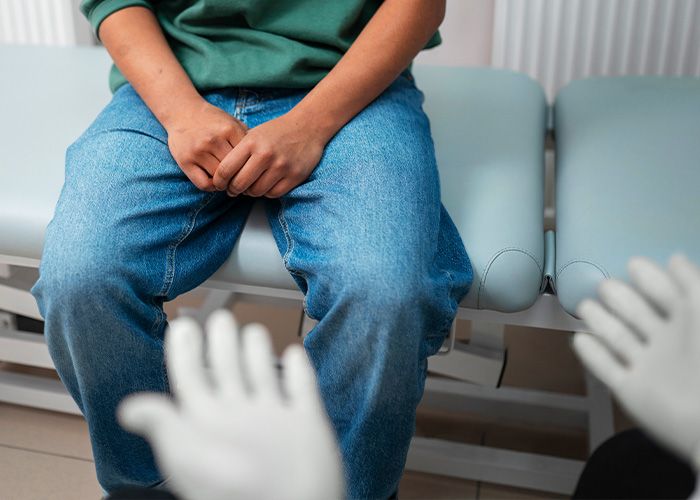
Image credits: freepik (Not the actual image)
Dr. Brahmbhatt also warned readers about testicular torsion, which requires immediate professional attention.
“Sudden, severe pain in one testicle could be testicular torsion — the spermatic cord twisting on itself and cutting off blood supply,” he wrote. “Torsion is a medical emergency, full stop. If the testicle is not untwisted within hours, it can be lost.”
Another condition he mentioned was epididymitis, or inflammation of the epididymis, identified by tender swelling, redness, and warmth in the testicles, sometimes accompanied by frequent urination or fever. It is treatable with antibiotics and anti-inflammatories.
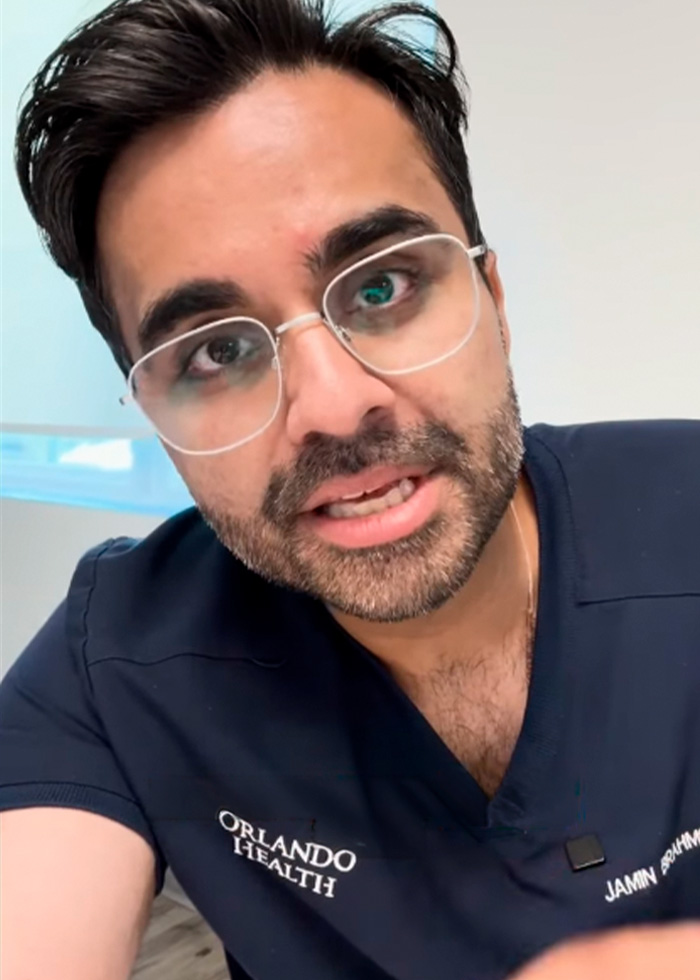
Image credits: drjaminb/Instagram
As for the self-exam, Dr. Brahmbhatt recommended doing it in the shower, as warm water relaxes the scrotum and makes it easier to feel for any anomalies.
“Take a couple of minutes to examine one testicle at a time,” the urologist wrote. “Roll it gently between your thumb and fingers. You are not squeezing. You are feeling for the shape, the size, the surface.”
“Find the epididymis along the back. Notice the spermatic cord rising.”

Image credits: freepik (Not the actual image)
“Remember, if you find anything new — a lump, a hard area, a change in size, persistent pain — in a self-exam, don’t drag your feet and delay care,” he continued.
“Get checked early. Proactive care is the best form of healthcare,” he added, saying that the doctors will then do a more thorough physical examination along with blood work and screening for tumor markers.
Lance Armstrong, Dwayne Johnson, and others have helped raise awareness about testicular health


Over the years, a handful of public figures have helped raise awareness about testicular cancer.
World-renowned cyclist Lance Armstrong famously advocated for the disease after his 1996 diagnosis at the age of 25.
According to several published biographies of the former Olympian, the cancer had spread to his lymph nodes, lungs, abdomen, and brain when it was diagnosed.

Image credits: lancearmstrong/Instagram
Jim Reeves, the first urologist he visited, believed Armstrong had no scope of recovery and told him he had a “20 to 50% chance” of survival, just to give him hope. He was eventually cured by a medical team led by Dr. Lawrence Einhorn at the Indiana University Melvin and Bren Simon Cancer Center.
He went on to win multiple Tour de France tournaments and a bronze medal at the 2000 Olympics before being stripped of the victories due to admission of using performance-enhancing substances.
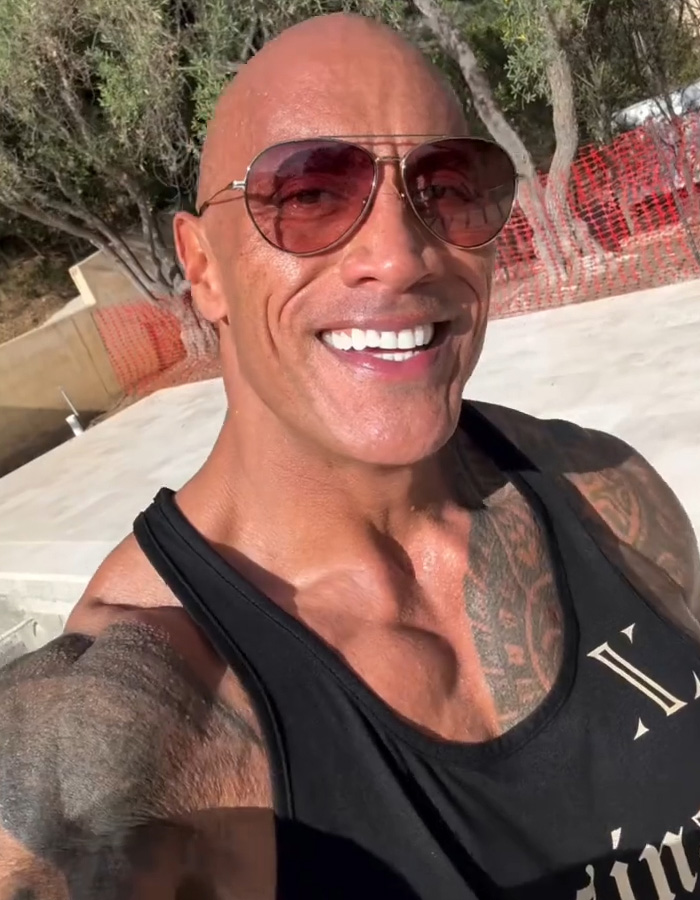
Image credits: therock/TikTok
His Livestrong Foundation, initially known as the Lance Armstrong Foundation, continues to raise millions for cancer research and community support for fellow survivors.
WWE star and actor Dwayne Johnson recently opened up about finding a lump on his testicle and fearing he had cancer. It turned out to be epididymitis — not cancer.
Other celebrities who have helped reduce stigma surrounding testicular health are comedian Tom Green, figure skater Scott Hamilton, and actor Colin Egglesfield.
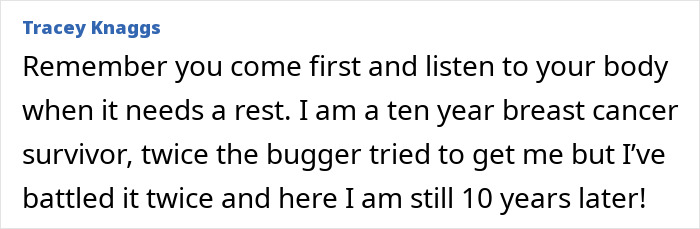
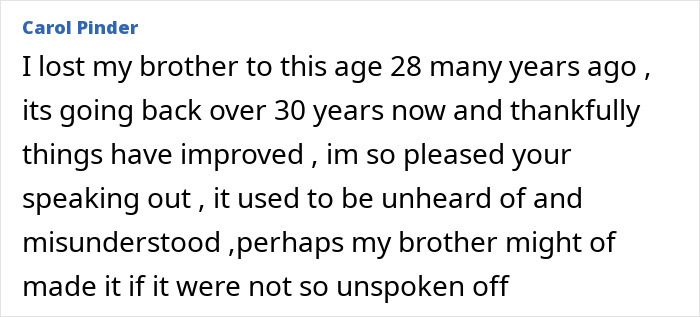
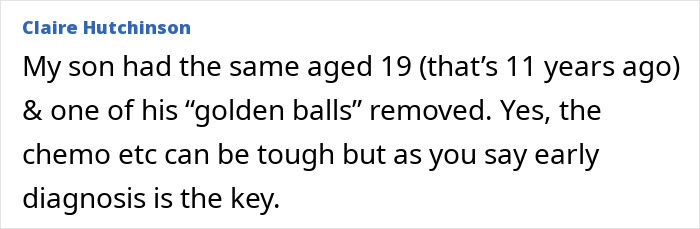
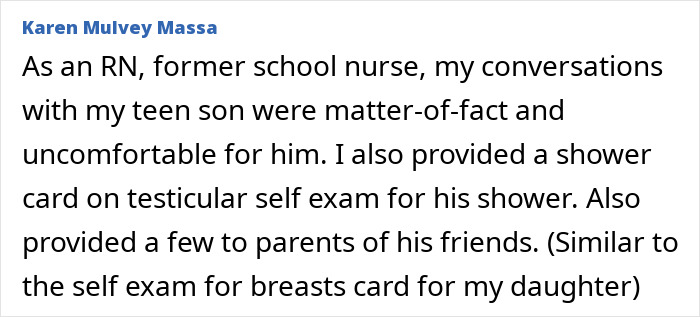
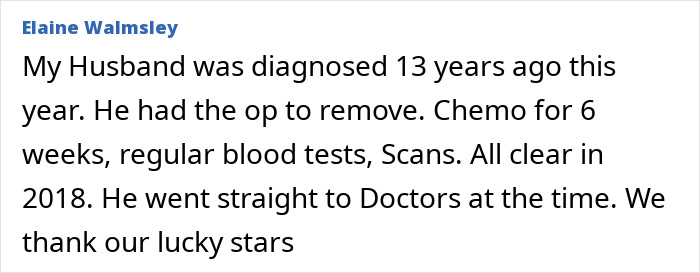
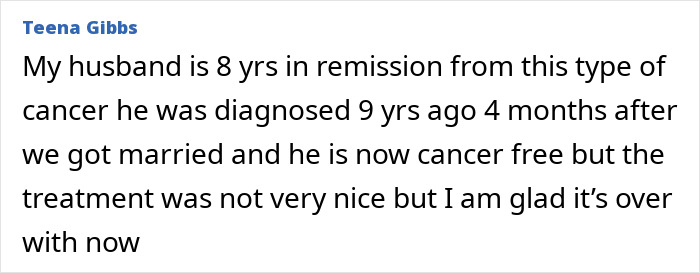
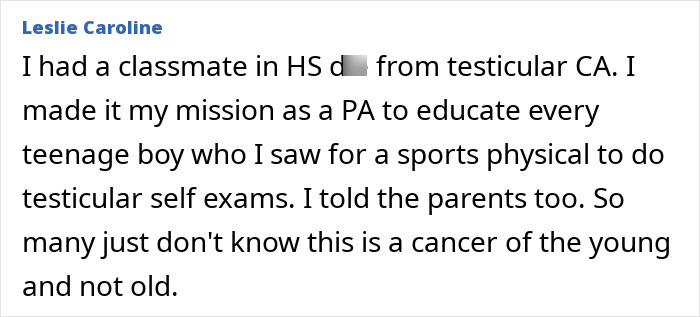
“Get yourself checked.” Netizens opened up about their personal experiences with private parts health scares






 Follow Us