As of 2026, all three men who hijacked a school bus in Chowchilla, California, and buried its occupants alive are free.
Richard Schoenfeld was released in 2012, James Schoenfeld in 2015, and Frederick Newhall Woods IV, the wealthy heir long seen as the ringleader, was paroled in August 2022 after decades of failed bids for release.
In the years since, the 1976 case has returned to public view through a 2023 CNN documentary, a 2025 documentary on Fawesome, and a new wave of survivor interviews that have forced a grim question back into the open:
What does justice mean when the men who buried 26 children and their bus driver alive have gone home, while many of the people they terrorized are still carrying that day inside them?
The three men responsible for the 1976 hijacking of a bus with 26 children are free
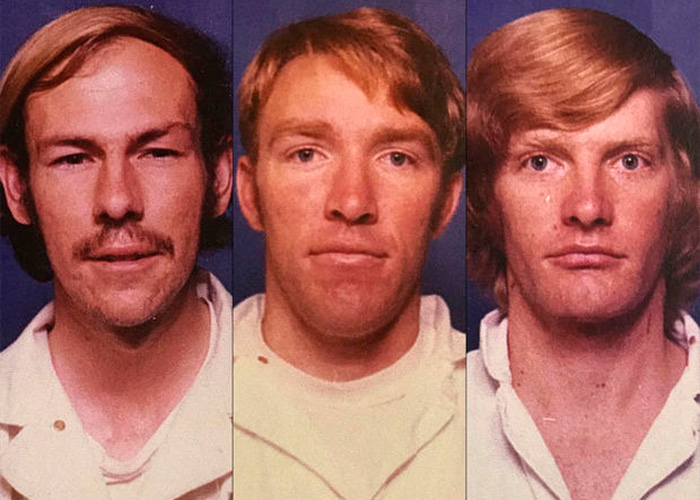
Image credits: Alameda County Sheriff’s Office
On July 15, 1976, 55-year-old school bus driver Frank Edward “Ed” Ray was doing what he had done countless times before. He was driving 26 Dairyland Elementary School children home from a summer trip to the Chowchilla Fairgrounds swimming pool.
The children, ages 5 to 14, were Lisa Ardery, Monica Ardery, Lisa Barletta, Jeff Brown, Jennifer Brown, Irene Carrejo, Julie Carrejo, Lynda Carrejo, and Stella Carrejo.
They were joined by Darla Daniels, Johnny Estabrook, Andres Gonzales, Robert Gonzales, Jody Heffington, Sheryll Hinesley, Mike Marshall, Jody Matheny, Andrea Park, Larry Park, and Barbara Parker.
Judy Reynolds, Rebecca Reynolds, Angela Robison, Michelle Robison, Cindy Vanhoff, and Laura Yazzi were also on board.

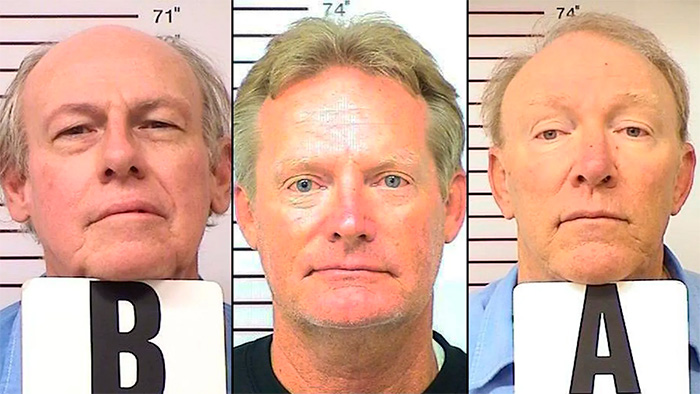
Image credits: Alameda County Sheriff’s Office
By about 4 pm, what should’ve been a routine trip home had become the largest mass kidnapping in US history.
It all happened fast. A van cut off the bus. Ray stopped. Three men wearing nylon stockings over their faces got out. One pointed a firearm at Ray. Another took over the wheel. The third followed in the van.
Jodi Heffington, who was 10 at the time, never forgot the first seconds of terror.
“And this man came up with a stocking over his head with a g*n and said ‘open the door.’ I’ve never been around g*ns,” she told CBS News, in March 2023.
“You only see bad guys in the movies with stockings on, so I knew it wasn’t good. He held a shotg*n to my stomach… I thought he was going to shoot me.”
The children were buried alive in a 12-feet underground bunker covered in dirt
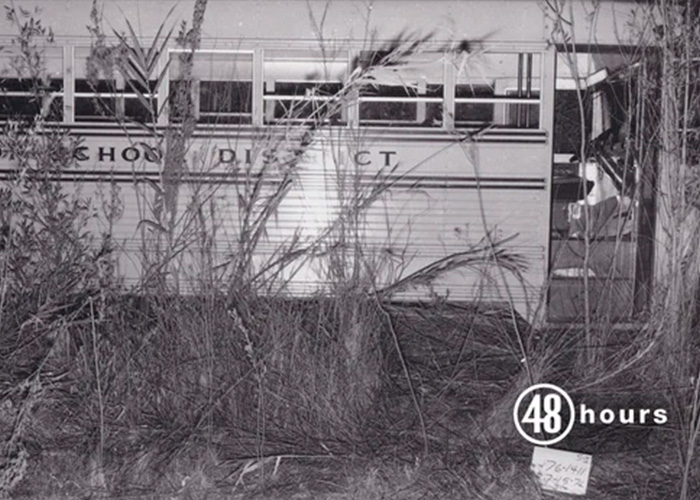
The kidnappers first drove the bus to Berenda Slough, where they hid it. There, they retrieved a second van they had hidden earlier.
Both vehicles had already been prepared for the operation with rear windows painted black and interiors insulated with soundproof paneling.
Ray and the children were forced into the darkened vans, then driven roughly 110 miles to the California Rock & Gravel quarry in Livermore.
The trip dragged on for nearly 12 hours.
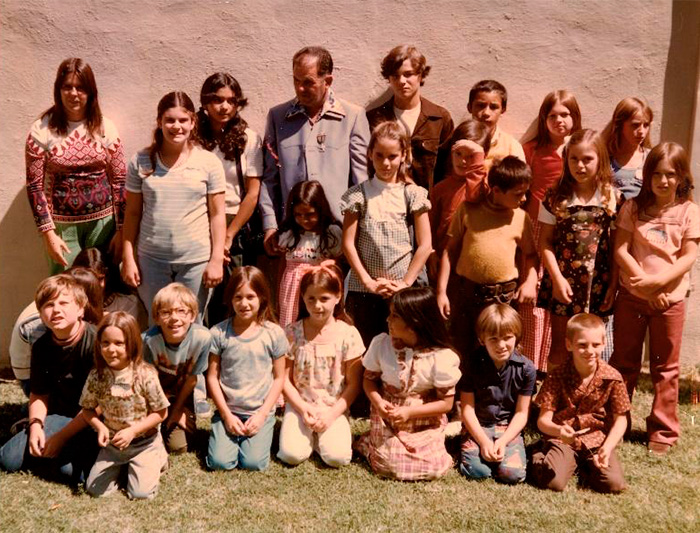
Image credits: Inside Edition
The children had no idea where they were being taken. Jodi Heffington remembered the dread of being removed one by one from the vans after the drive ended.
“They’d take the next kid out. And they would close the doors. But when they opened the doors, you didn’t see them. I thought they were basically k**ling us one at a time,” she said.
In the early hours of July 16, the kidnappers forced the bus driver and the children at gunpoint down a ladder and through a hatch into what was, in effect, an underground coffin.
They had buried a truck trailer 12 feet underground and converted it into a bunker.
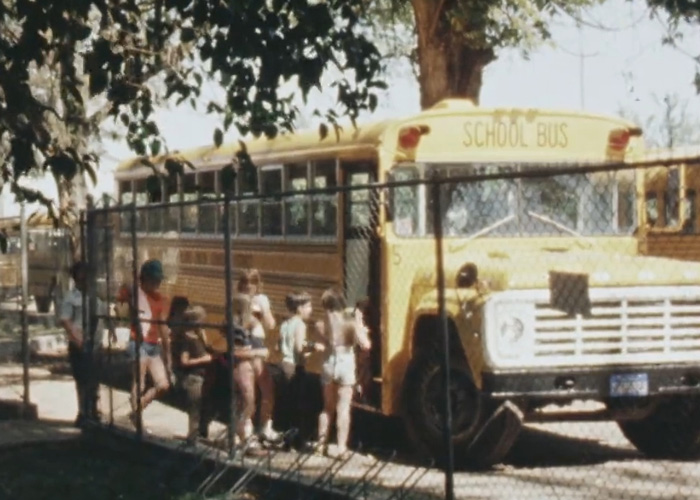
Image credits: CBS News/48 Hours
The area had a pit toilet, some mattresses, very little food and water, a small amount of ventilation, and almost nothing else.
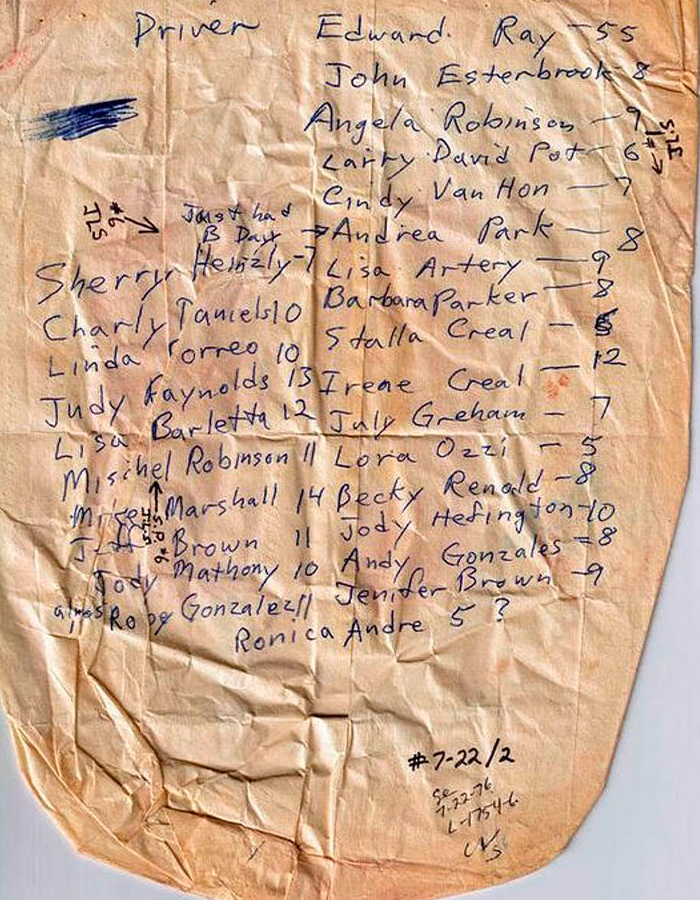
As the victims descended, the kidnappers wrote each child’s name and age on a Jack in the Box hamburger wrapper. Once everyone was inside, they pulled up the ladder, sealed the hatch with heavy sheet metal, weighed it down with two 100-pound industrial batteries, and covered the opening with dirt.
The children and Ray were left in darkness.
The children managed to escape 16 hours later, but the incident caused long-lasting trauma
Image credits: kryptobiony
Survivor Jennifer Brown Hyde later remembered the painful conditions in as much detail as she could manage.
“As a young kid, you don’t have a lot of sense of time.There was no sunlight,” she said. “So, you couldn’t tell if it was day or night. We were out of food, we were out of water, the roof was caving in… It just was a desperate situation.”
The case would later be remembered for the cruelty of the kidnapping itself, but the survival story matters just as much. Buried alive, terrified, and trapped underground, the victims had no other option but to save themselves.
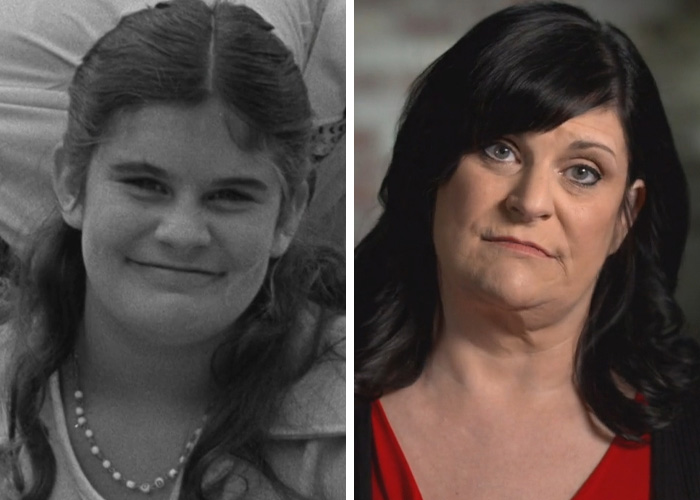
Image credits: CBS News/48 Hours
After hours in the bunker, Ed Ray and some of the older boys realized that the hatch might be reachable if they used the mattresses as a platform.
Ray and 14-year-old Michael Marshall led the effort. Larry Park later said they stacked the mattresses until they were directly under the manhole cover.
Ray pushed upward. Marshall wedged a piece of wood into the opening, shifted the sheet metal and batteries, then kept digging through the dirt above them.
“He dug until he was exhausted and then he kept on digging. There was no quit in him,” Park said of Marshall, adding that Marshall eventually broke through and, “brave person that he is, crawled out of the hole first.”
Despite that victory, the emotional reality underground left scars that would accompany them forever.
Marshall later remembered the children clinging to him in the dark. They were convinced their lives had ended.
“I just remember the kids got a hold of me and were holding onto me. And just scared out of their – you know, we were all – just scared out of our wits,” he said.
“It would be silent and then somebody would burst out crying and the hole would just erupt. Everybody’s crying.
The thing that made me cry was not being able to say goodbye to my mom… And I’m remembering the last time that I saw her and wishing I could have told her goodbye.”
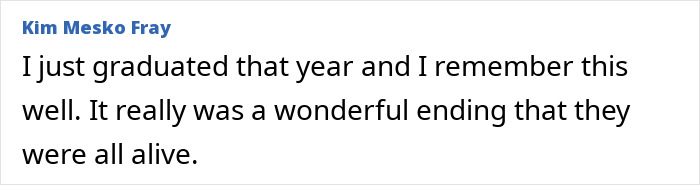
By the time they climbed out and made their way to the quarry guard shack, they had been imprisoned underground for nearly 16 hours.
The kids’ escape wrecked the kidnappers’ plan before the ransom could even be collected
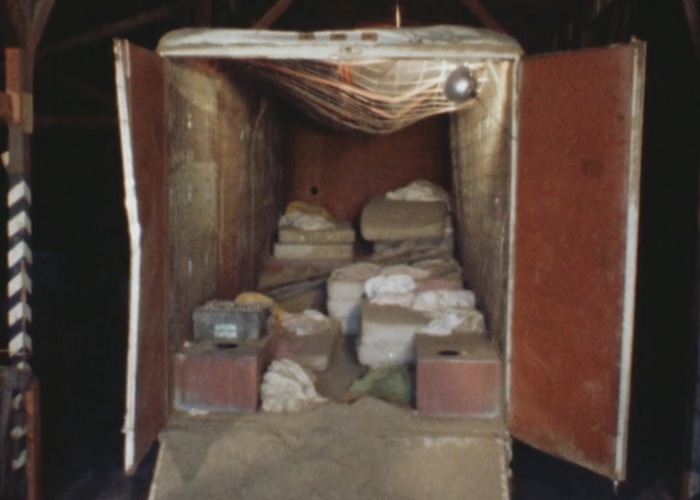
Image credits: CBS News/48 Hours
On July 16, as media and frantic families jammed phone lines at the Chowchilla Police Department, the men were still trying to set up a $5 million demand.
They decided to call back later, then fell asleep. When they woke, television news had already informed them that their victims were free and alive.
Law enforcement moved quickly, and suspicion settled on Frederick Woods almost at once. He was 24, the son of the owner of the California Rock & Gravel quarry, and he had access to the very site where the trailer had been buried.
Investigators searched the Woods family’s 78-acre Portola Valley estate and found a mountain of evidence in Frederick’s room.
They found journals, maps, notes, receipts for the vans and trailer, false identification, one of the weapons used in the kidnapping, the draft ransom note, and the hamburger wrapper bearing the names and ages of the children.
The notes described a plan to have ransom money dropped from a plane into the Santa Cruz Mountains under cover of darkness. Investigators also located the vans used in the crime, as well as a getaway Cadillac painted flat black for night camouflage.
The arrests followed in quick order.
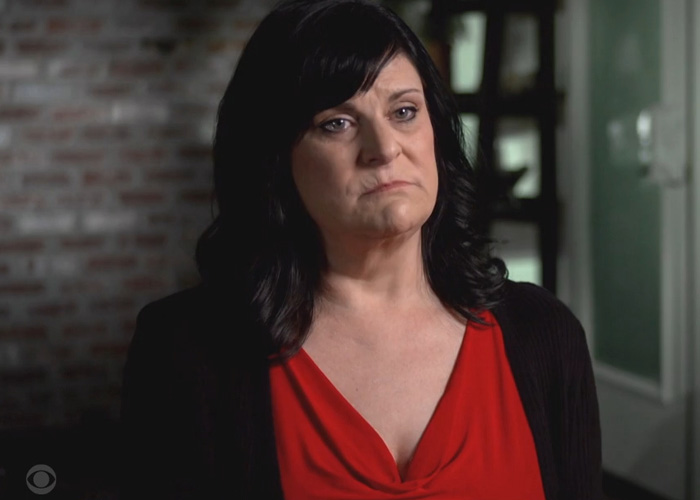
Image credits: CBS News/48 Hours
Eight days after the kidnapping, Richard Schoenfeld surrendered. About two weeks later, James Schoenfeld was arrested in Menlo Park. Frederick Woods was captured the same day in Vancouver, British Columbia, by the RCMP.
All three pleaded guilty to kidnapping for ransom and robbery, but they tried to avoid pleading guilty to infliction of bodily harm because that finding, combined with the kidnapping charge, carried a mandatory sentence of life without parole.
They were tried on that count anyway, convicted, and initially sentenced to life without the possibility of parole.
Then came the ruling that changed everything.
A 1980 ruling changed the culprits’ sentences to life in prison with the possibility of parole
In 1980, an appellate court overturned the bodily harm convictions, finding that the children’s physical injuries, mostly cuts and bruises, did not meet the legal standard. The result was a new sentence: life with the possibility of parole.
One of the judges on that appellate panel was William Newsom, father of future California Governor Gavin Newsom.
For the survivors, that legal decision would become its own recurring trauma. The crime was over, but the system ensured that it would return over and over through parole hearings.
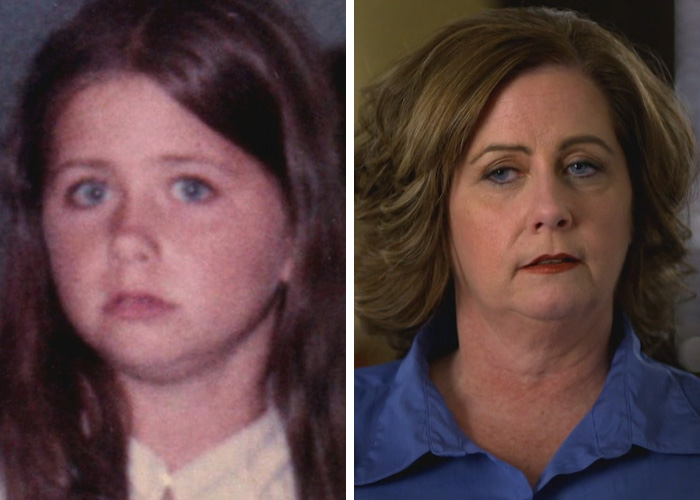
Image credits: CBS News/48 Hours
Jill Klinge, an assistant district attorney for Alameda County, later explained the toll it took.
“Every time one of the kidnappers came up for parole, it triggered their fears and traumas,” she said.
“It’s excruciating, and the aftermath is never good,” said Jodi Heffington, who attended nearly every hearing and testified at some of them.
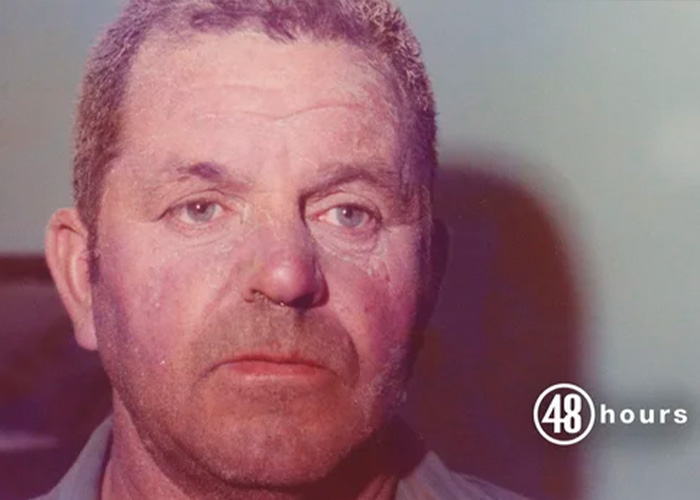
Image credits: CBS News/48 Hours
For all three kidnappers combined, there were more than 60 parole hearings.
The emotional logic of the system seemed upside down. The men who buried children alive were given repeated chances to argue they had changed. The children they trapped underground had to keep coming back to explain why the damage had never stopped.
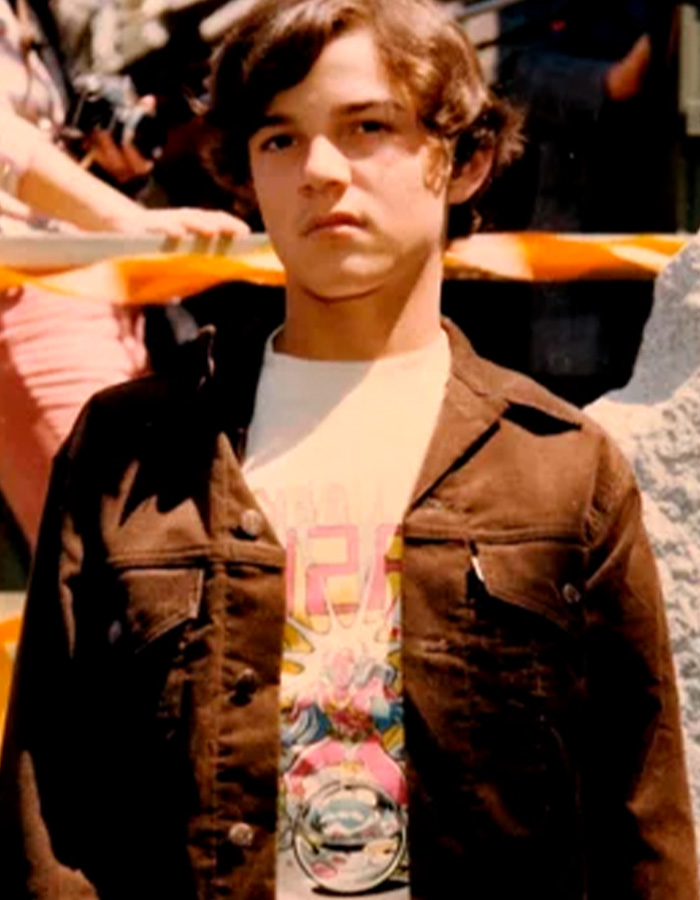
Image credits: CBS News/48 Hours
What happened to the survivors after 1976 is part of what makes the Chowchilla story matter now. The public got the heroic ending it wanted at first. The children and Ed Ray were celebrated.
They were taken to Disneyland five weeks later in the belief that good memories might overwhelm the bad ones.
“Everyone thought that was great because the good memories of Disneyland would overshadow the bad memories of the kidnapping,” Larry Park later said.
It did not work that way.
The children called for the men to be given life in prison without parole, arguing the PTSD they got will never go away
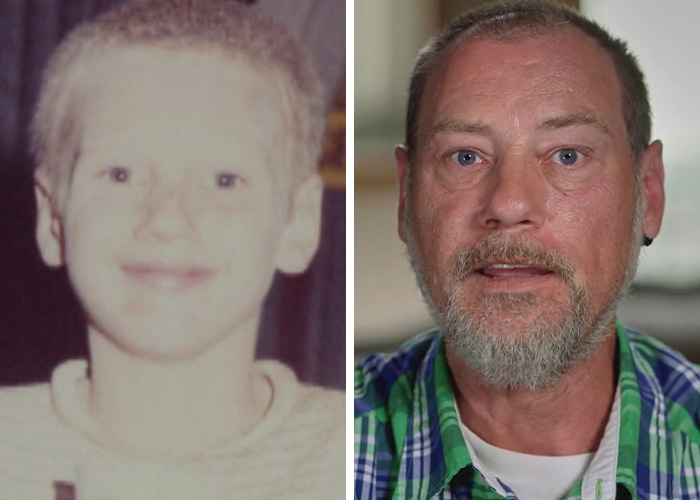
Image credits: CBS News/48 Hours
A study found the children suffered panic attacks, nightmares, personality changes, phobias, depression, substance use, and long-term trauma that persisted decades later.
“It affected me every day in some way or another. I think it made me not a good daughter, not a good sister, not a good aunt, and especially not a good mother,” Jody Heffington said.
“I try to be those things. But it seems like it just took something from me that I can’t ever get back.”
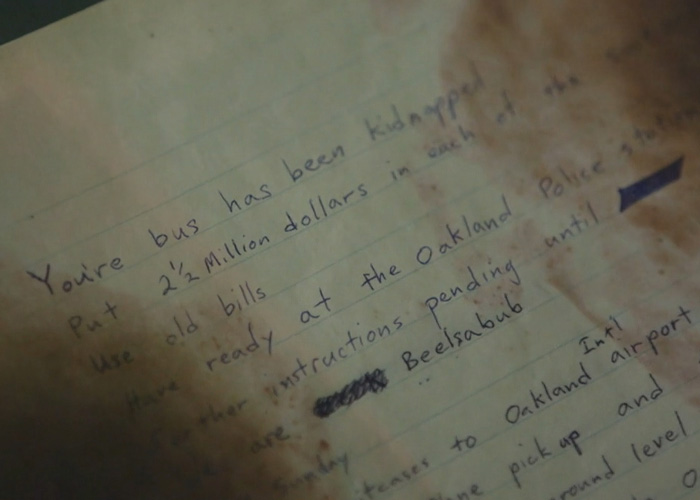
Image credits: CBS News/48 Hours
Larry Park said he became an “angry child” after the kidnapping.
His parents, frightened by what he was becoming, sent him to a facility for youth offenders when he was 15.
“By the time I was 21, I was using me*h. I was sm*king c*ack. I was doing acid. … And I was just angry,” he said.
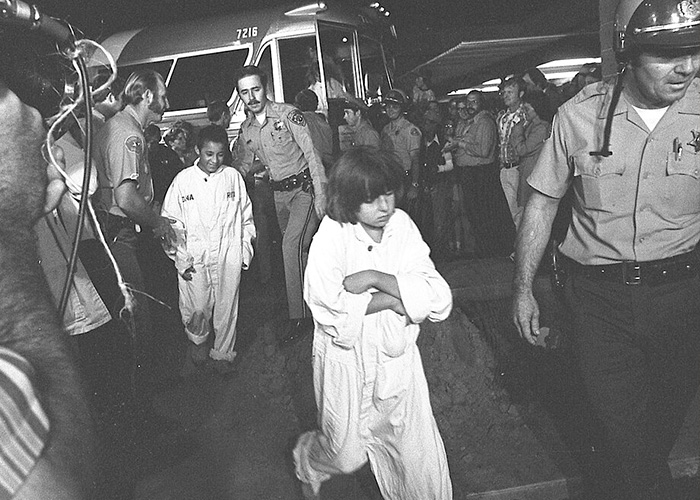
Image credits: Rick Meyer/Los Angeles Times
Mike Marshall, similarly, also struggled with dependence when he was younger. Years later, both men found sobriety.
In 2019, Park said he was nine years sober, volunteering as a pastor at a local church, and had finally seen the nightmares stop. “Healing continues if you allow it,” he said.
Marshall, who now has a therapy dog named Blue, described that bond as essential for him to find some peace.
“I rescued him before he was a year old. And now he rescues me every day,” he said.
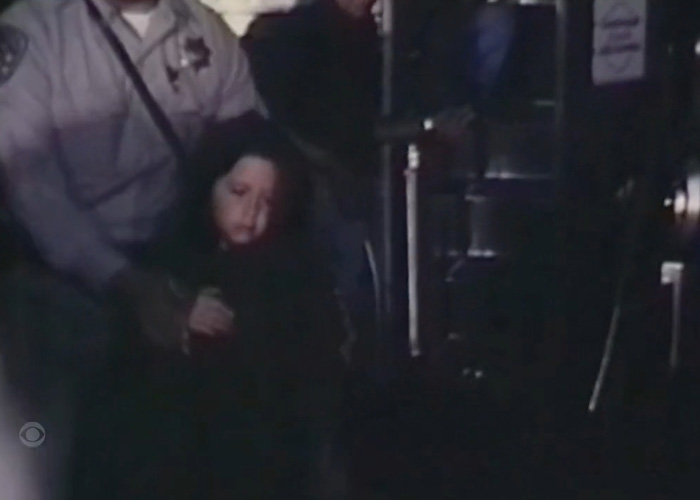
Image credits: CBS News/48 Hours
Lynda Carrejo Labendeira recalled the bunker as a “coffin” and told the parole board she was unable to control the flashbacks.
“I don’t get to choose the random flashbacks every time I see a van similar to the one that we were transported in,” she said.
“Insomnia keeps me up all hours of the night. I don’t sleep so that I don’t have to have any nightmares at all.”
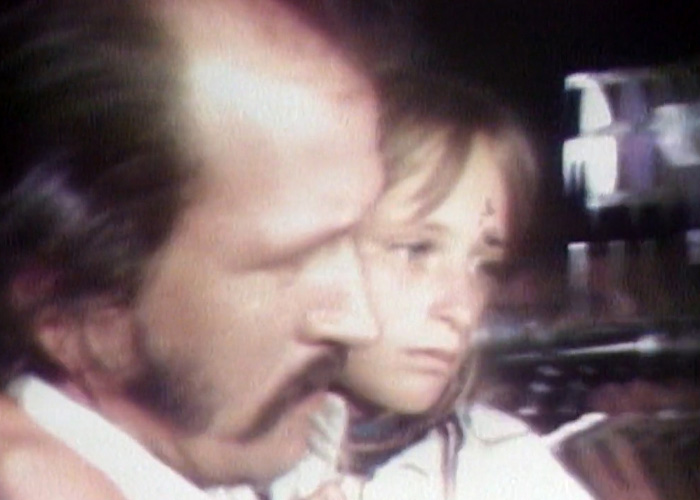
Image credits: CBS News/48 Hours
Jennifer Brown Hyde remembered “the lifetime effects of being buried alive and being driven around in a van for the one that we were transported in and having no food, water or a bathroom in over 100-degree weather.”
“His mind is still evil and he is out to get what he wants,” she said of Woods. “I want him to serve life in prison, just as I served a lifetime of dealing with the PTSD due to his sense of entitlement.”
All three men came from wealthy families. One of them would later confess to not needing the ransom money at all
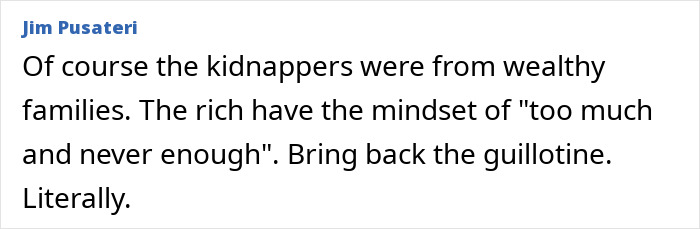
Frederick Woods and the Schoenfeld brothers were young men from wealthy families who thought they could solve their money problems by turning 26 children into leverage.
Woods, in particular, remained the emblem of that arrogance. Even from prison, he was repeatedly portrayed by prosecutors and some survivors as a man still oriented around money and status.
Richard Schoenfeld was released in 2012 after 36 years. James Schoenfeld followed in 2015 after 39 years.
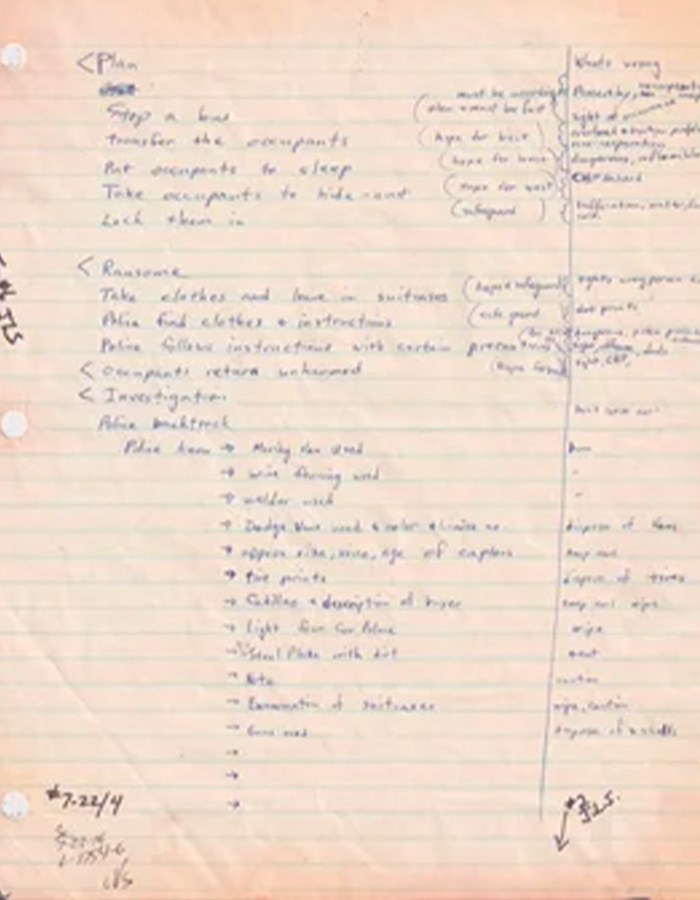
Image credits: CBS News/48 Hours
Reporting over the years said the brothers had been in contact with some of the victims and had repeatedly apologized. When James was released, local reporting said he would join Richard in helping care for their elderly mother at her home in Mountain View
That did not erase what they had done, but it created a distinction survivors and observers continued to note. The brothers, at least publicly, expressed remorse. Woods did not create the same impression.
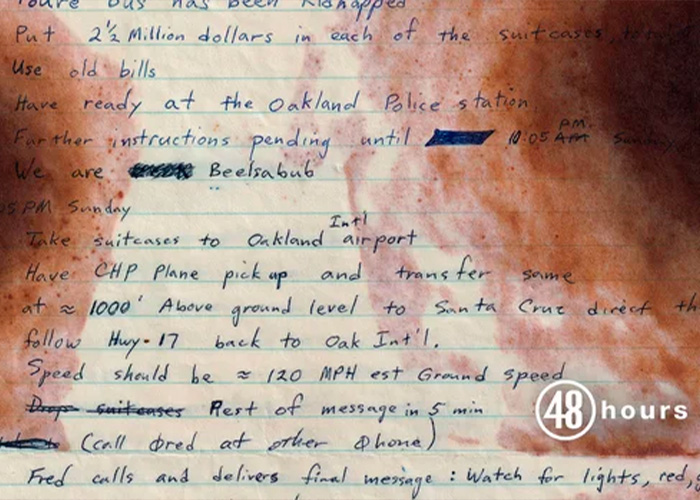
Image credits: CBS News/48 Hours
By the time Woods came up for parole again in October 2019, he had already been denied 19 times according to later reporting. Part of the reason was his behavior inside prison.
Authorities said Woods had been conducting business ventures without permission, including involvement in a gold mine, a car dealership, and a Christmas tree farm.
He had also been cited over the years for contraband cellphones and adult material. He married three times while incarcerated and even purchased a mansion while still behind bars.
Madera County District Attorney Sally Moreno argued that his prison conduct showed exactly what survivors had long believed. His behavior, she said, “continues to demonstrate that he is about the money.”
Sheriff Ed Bates, in 2019, called Woods “a sociopath.”

Image credits: helenakarenkirk
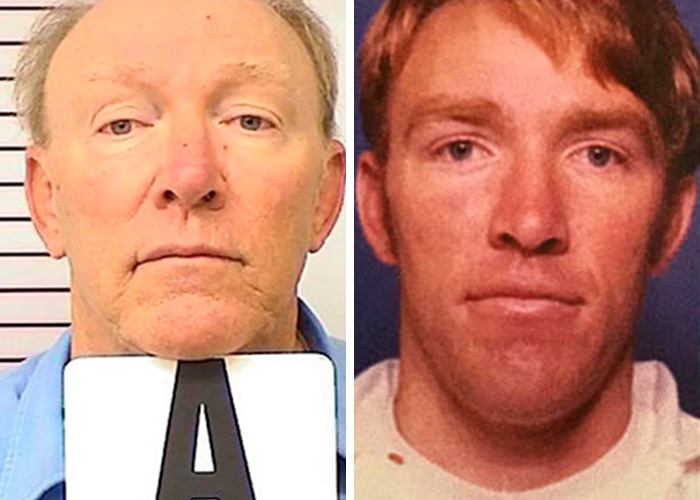
Image credits: Alameda County Sheriff’s Office/Youtube | Wikipedia
Woods’ own explanation did little to calm critics. At his 2022 parole hearing, he said that in 1976 he felt he needed money to gain acceptance from his parents and that he had been “selfish and immature.”
“I didn’t need the money. I wanted the money,” he added.
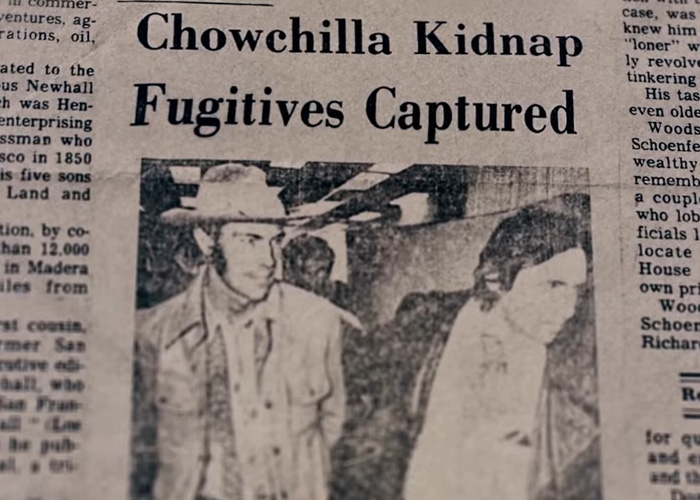
Image credits: HBO Max
In March 2022, a two-commissioner panel recommended Woods for parole. Governor Gavin Newsom asked the board to reconsider, but because Woods had not been convicted of homicide, the governor did not have the power to block his release outright.
The board affirmed the recommendation, and on August 17, 2022, it was announced that Woods would be released.
The release of Woods angered survivors, who felt they were denied justice on a technicality
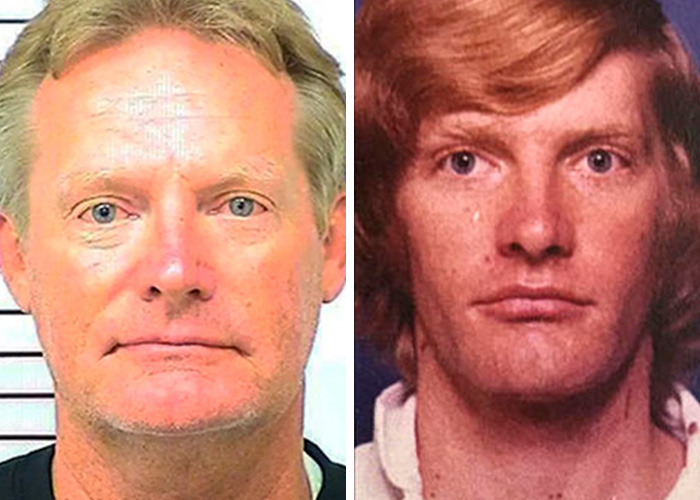
Image credits: Alameda County Sheriff’s Office/Youtube | Wikipedia
That decision completed the transformation of Chowchilla from a case about whether the kidnappers would ever get out to a case about what it means that they did.
Sally Moreno’s reaction captured the anger that followed.
She said she was furious “because justice has been mocked in Madera County” and warned about “the state of society if you can kidn*p a busload of school children, abandon them buried alive and still get out of prison after committing that crime and spending your time in prison flouting the law.”
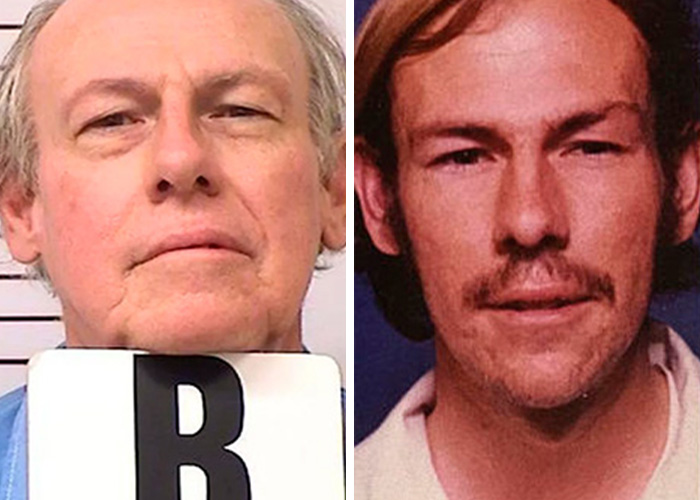
Image credits: Alameda County Sheriff’s Office/Youtube | Wikipedia
Woods’ attorney, by contrast, said the board had recognized that his client “has shown a change in character for the good” and “remains a low risk, and once released from prison he poses no danger or threat to the community.”
By then, Jodi Heffington was no longer alive to watch the last chapter unfold. She passed away in January 2021 at 55, after spending years showing up to hearings and forcing the system to look at the human cost of what had happened in 1976.
Fourteen months after her passing, Woods was granted parole.
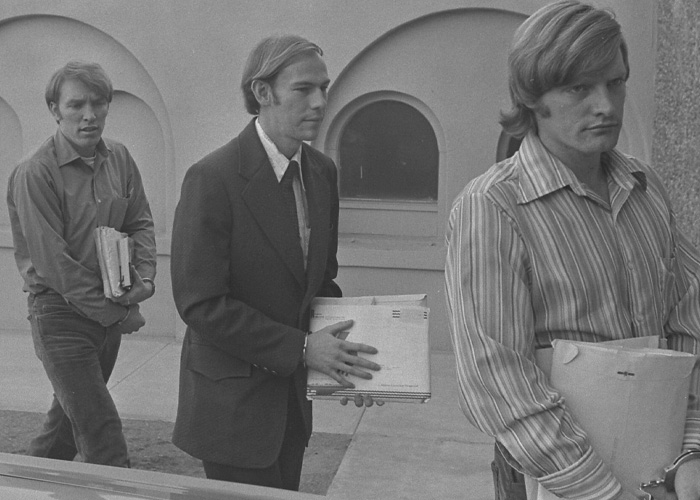
Image credits: Joe Kennedy/Los Angeles Times
Her son, Matthew Medrano, later wrote to CBS News, “I ask for all the little girls who’ve been forced into feeling scared, stifled or unrepresented to please let Jodi’s words and her truth to be told.”
On the other hand, Ray, the bus driver, received a California School Employees Association citation for outstanding community service and remained deeply loved by the children he had protected until his passing on May 17, 2012.
In 2015, Chowchilla renamed its Sports & Leisure Park as Edward Ray Park and declared February 26, his birthday, as Edward Ray Day.
According to critics, those honors, while fitting, also stood alongside a harsher truth: the people Ray helped save did not simply recover because the dirt above them had been moved away.
The surviving victims settled a lawsuit against their kidnappers in 2016 for an undisclosed amount
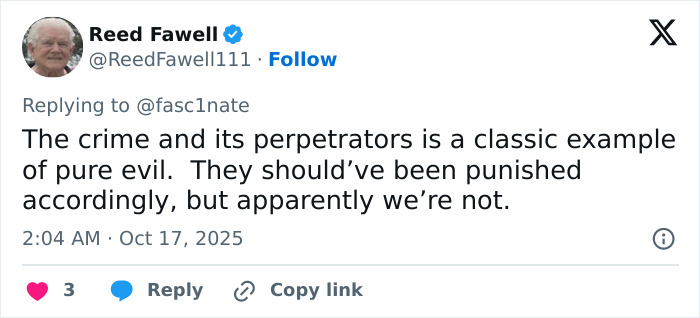
Image credits: ReedFawell111
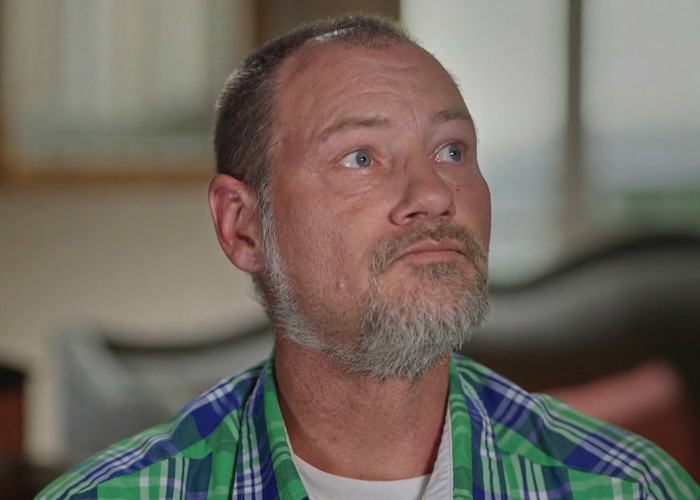
Image credits: CBS News/48 Hours
The law eventually recognized at least part of that damage. The incident influenced California’s understanding of psychological trauma and bodily injury.
In 2016, 25 of the surviving victims settled a lawsuit against their kidnappers. The settlement came out of Woods’ trust fund.
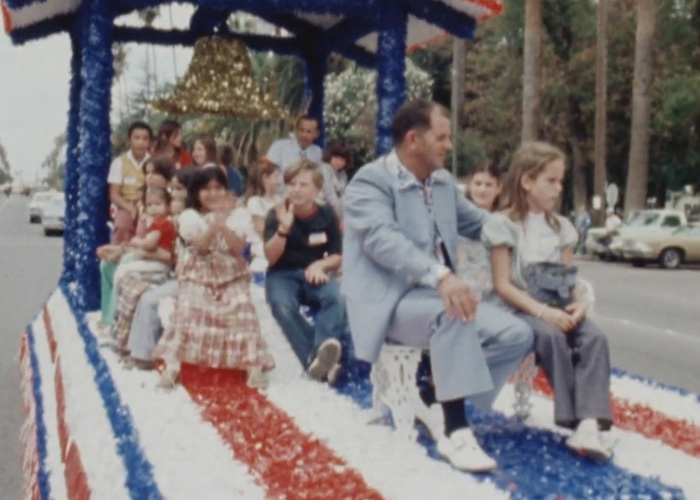
Image credits: CBS News/48 Hours
The amount was not disclosed, but one survivor said each person received “enough to pay for some serious therapy, but not enough for a house.”
In contrast, Woods, even after prison, remained connected to wealth. He was the heir to two prominent California families, the Newhalls and the Woods.
Court filings in a 2016 workers’ compensation lawsuit described his trust as being worth $100 million, though his lawyer disputed that figure.
Woods left prison with access to money on a scale that many of the people he traumatized could never imagine.
Recent reporting and commentary around the case have also focused on the fact that Woods reportedly retained two of the original kidnapping vans in his car inventory, apparently viewing them as items that could appreciate because of their notoriety.
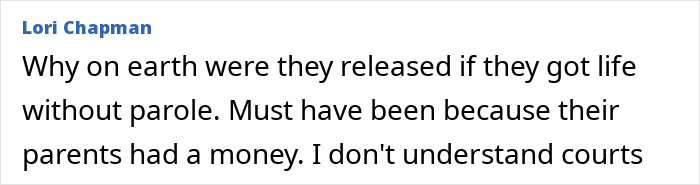
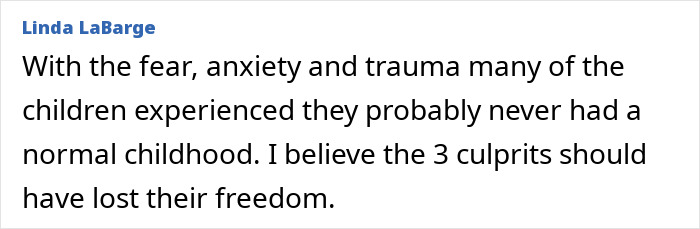
“They should’ve lost their freedom.” The outcome of the case remains heavily debated to this day




 Follow Us