Family dynamics can be complicated, but when grief, loss, and blended households intersect, tensions can escalate in ways that are difficult to navigate. For parents and stepparents alike, managing conflicts with teenagers who are struggling emotionally can feel overwhelming, especially when those teens push boundaries or withdraw entirely.
Today’s Original Poster (OP) had a stepdaughter who refused to accept her despite multiple efforts to pull her closer. However, one day, the OP lost it and the effect left the family in turmoil.
More info: Reddit
Blending families is never easy, and trying to build a bond with a stepchild can be emotionally exhausting

Image credits: freepik / Freepik (not the actual photo)
The author’s stepdaughter had long been hostile toward her and her daughter, often insulting and defying family rules


Image credits: anonymous

Image credits: dikushin / Freepik (not the actual photo)
Despite repeated attempts by her to improve their relationship, including suggesting therapy, the stepdaughter’s behavior continues to escalate


Image credits: anonymous
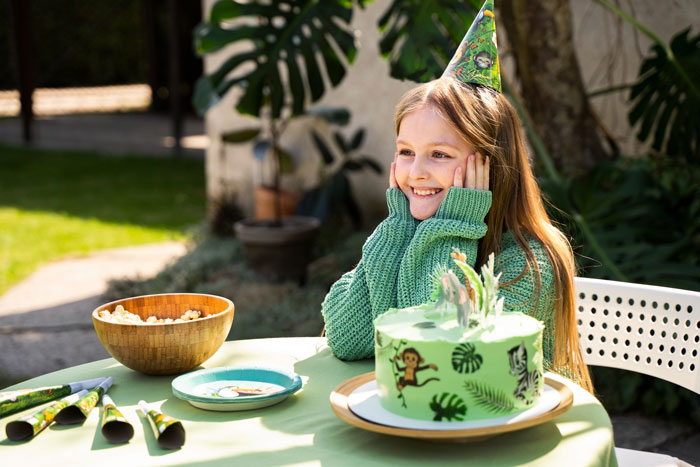
Image credits: freepik / Freepik (not the actual photo)
On her father’s 40th birthday, she refused to help with the surprise party, ignored calls during the event, and arrived late after the cake is already cut


Image credits: anonymous
She accused the author of excluding her from the party, and eventually said she hated the family to which the author insisted that if she hated the family so much, she should leave
The OP shared that her stepdaughter grew up with only her father after her mother was gone. When her father remarried and later had another child with the OP, the stepdaughter never adjusted to the changed family dynamic. From mocking the OP’s appearance to openly rejecting household rules, she’s consistently pushed boundaries.
She often stole things from home and refused to have any relationship with the OP’s daughter. And while the OP tried to bridge the distance again and again, things only escalated as the years passed. Weeks ago, the family organized a surprise party for the OP’s husband’s 40th birthday. She invited the stepdaughter to help decorate, however, she refused and chose to go out with friends instead.
Even when the party began, the OP kept calling her, but she ignored the calls. The stepdaughter eventually showed up, but after the cake had been cut and guests were already leaving. Furious, she blamed the OP for celebrating without her.
She then added that she “hated everyone”, and in a moment of exhaustion and hurt, the OP snapped and told her she could leave if she hated the family so much. The stepdaughter stormed out after that and hasn’t come home since. The family reached out to every relative they can think of, but nobody has seen her.

Image credits: gpointstudio / Freepik (not the actual photo)
The stepdaughter’s behavior reflects patterns identified in research on adolescent grief. According to Imagine Bois, unresolved grief can significantly disrupt teens’ emotional regulation, leading to heightened irritability, anger, defiance, and social withdrawal. Teens may isolate themselves, emotionally detach, or seek early independence to protect themselves from further pain.
Blended family dynamics can further complicate grief responses. LMFT Steph Sternes notes that grief combined with a fear of being replaced often manifests as hostility toward stepparents and siblings. Adolescents may struggle with loyalty conflicts, fearing that forming a bond with a stepparent betrays their biological parent, which can lead to defiance or emotional distance.
Addressing these behaviors requires sensitive, trust-building approaches. Eterneva emphasizes that bereaved teens who resist therapy often respond better to low-pressure support, such as peer groups, creative outlets, and family involvement, before formal counseling is introduced.
They explain that teens may avoid therapy due to fears of appearing weak, previous dismissals of their emotions, or a desire for independence. Creating a safe, nonjudgmental environment could help someone them gradually engage with support, offering a pathway toward healthier coping and potentially easing the ongoing family tension.
Most netizens expressed frustration with the OP’s husband, criticizing him for not addressing his daughter’s behavior earlier. They felt that while the stepdaughter’s actions were unacceptable, the father bears responsibility for not guiding her or seeking help sooner.
What do you think about this situation? Do you also think the father is to blame for not addressing his daughter’s behavior earlier? We would love to know your thoughts!
The stepdaughter left in that moment which caused everyone to worry, and netizens blamed the author’s husband for not holding is daughter accountable


 Follow Us