Few automobiles have become as instantly recognizable as the Porsche 911. Introduced in 1964, it remains one of the longest-running sports car models ever produced, with its distinctive silhouette evolving remarkably little over more than six decades. While its engineering has continuously advanced, Porsche has carefully preserved the design that made the 911 famous, turning it into one of the most enduring examples of industrial design. For collectors, originality is everything, many spend years returning damaged cars to factory specifications, making Ben Tuna’s decision to leave one unrestored all the more surprising.
Rather than repairing a heavily weathered Porsche 911 Carrera, the Los Angeles-based artist transformed it into The Resurrection, replacing its windows with elaborate stained-glass compositions while preserving every dent, rust spot, and burn mark. Instead of restoring the car’s past, he chose to celebrate it.
More info: Instagram | glasscowboystudio.com
Ben Tuna is continuing a family tradition of stained-glass craftsmanship that began more than four decades ago
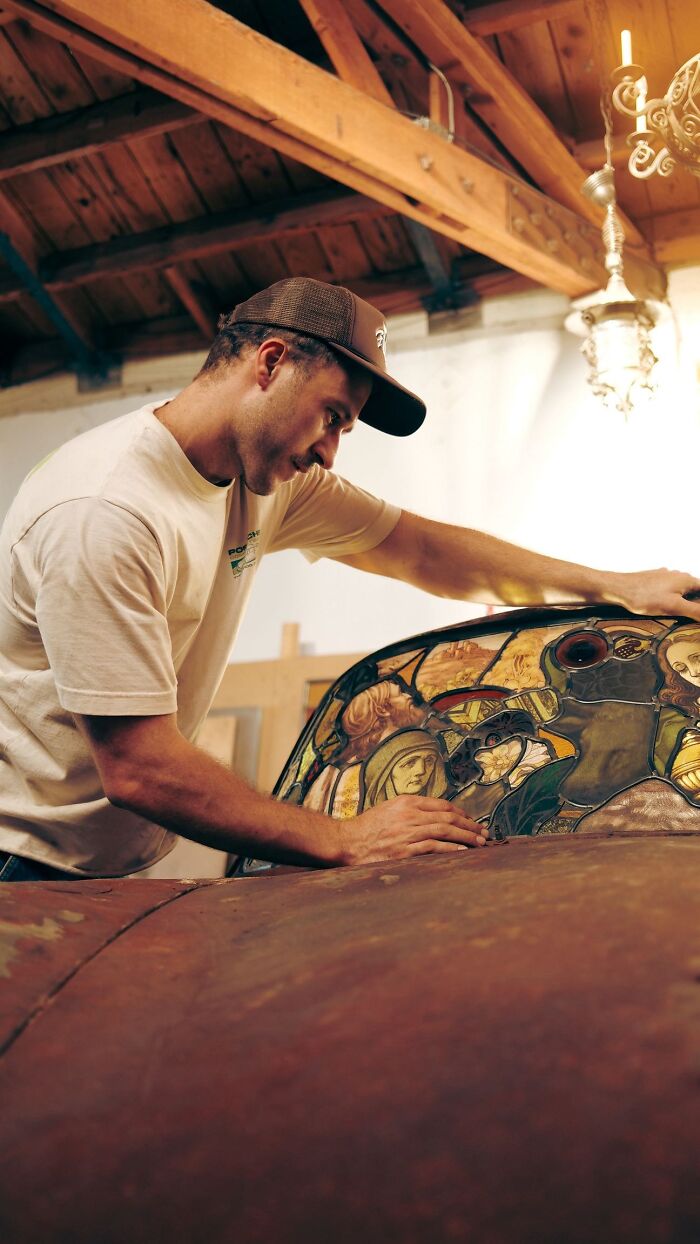
Image credits: glasscowboyy

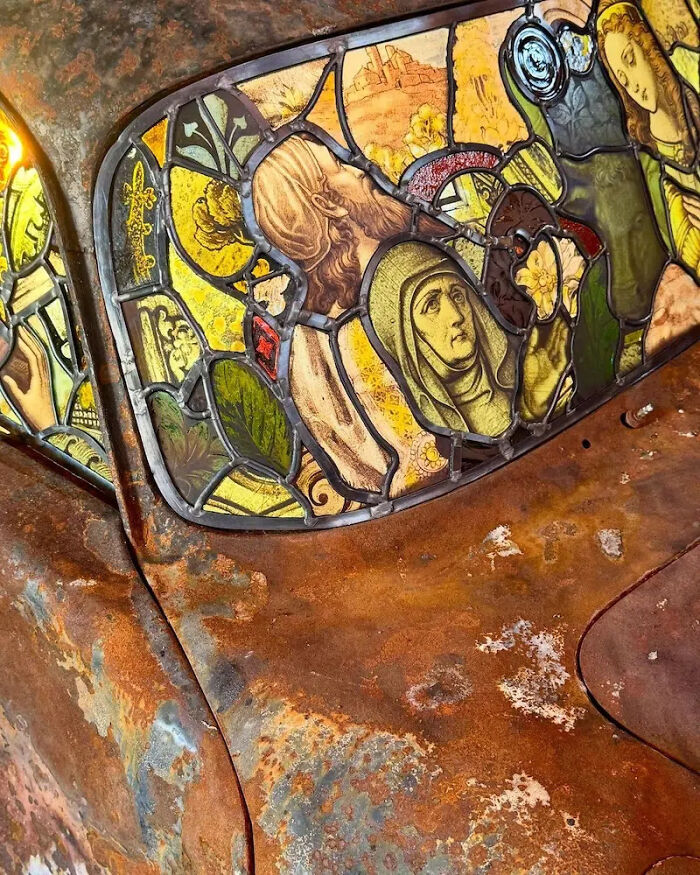
Image credits: glasscowboyy
Although Ben’s Porsche sculptures have attracted international attention, his connection to stained glass began long before these ambitious projects. The artist’s father, Mark Tuna, founded Glass Visions Studio in Los Angeles in 1979, building a reputation for handcrafted stained glass, restoration work, custom commissions, and architectural installations. After taking over the family business in 2021, Ben inherited not only the studio but also a centuries-old craft that continues to rely primarily on handwork.
Unlike many contemporary art forms, stained glass remains remarkably unchanged. Every design still begins as a full-size drawing before each individual piece of glass is cut, shaped, assembled, soldered, cemented, and installed by hand, a process that demands extraordinary precision and patience.
Traditional stained-glass windows have been illuminating buildings for nearly a thousand years
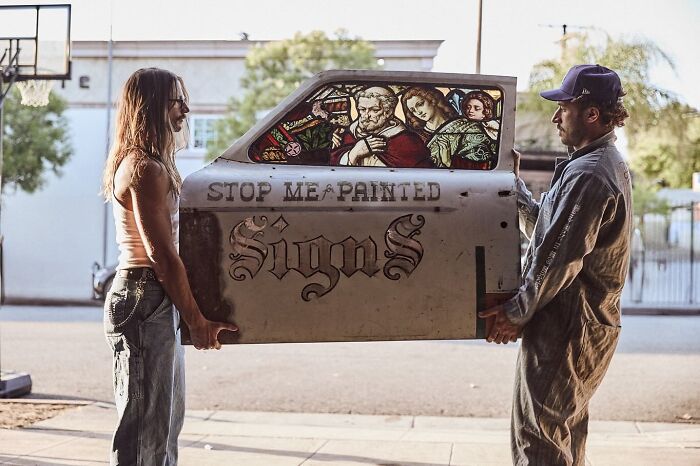
Image credits: glasscowboyy
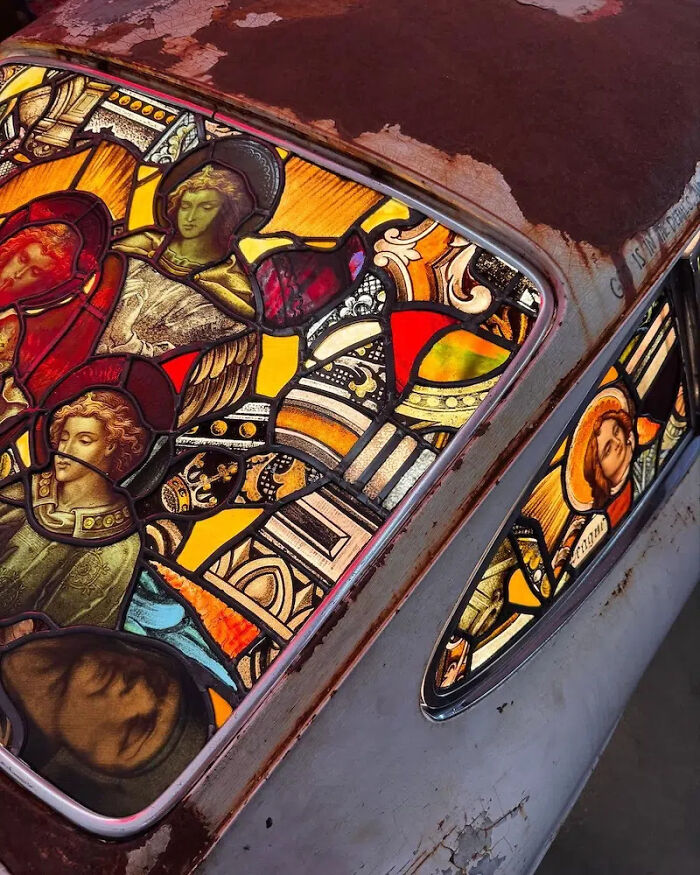
Image credits: glasscowboyy
Although stained glass existed long before the Middle Ages, it reached its artistic peak during the construction of Europe’s great Gothic cathedrals between the 12th and 15th centuries. Rather than serving purely decorative purposes, these monumental windows were designed to transform sunlight into storytelling, using biblical scenes, saints, symbolic colors, and intricate ornamentation to educate largely illiterate congregations. Some of these medieval windows remain intact today, demonstrating both the remarkable durability of the material and the craftsmanship behind their construction.
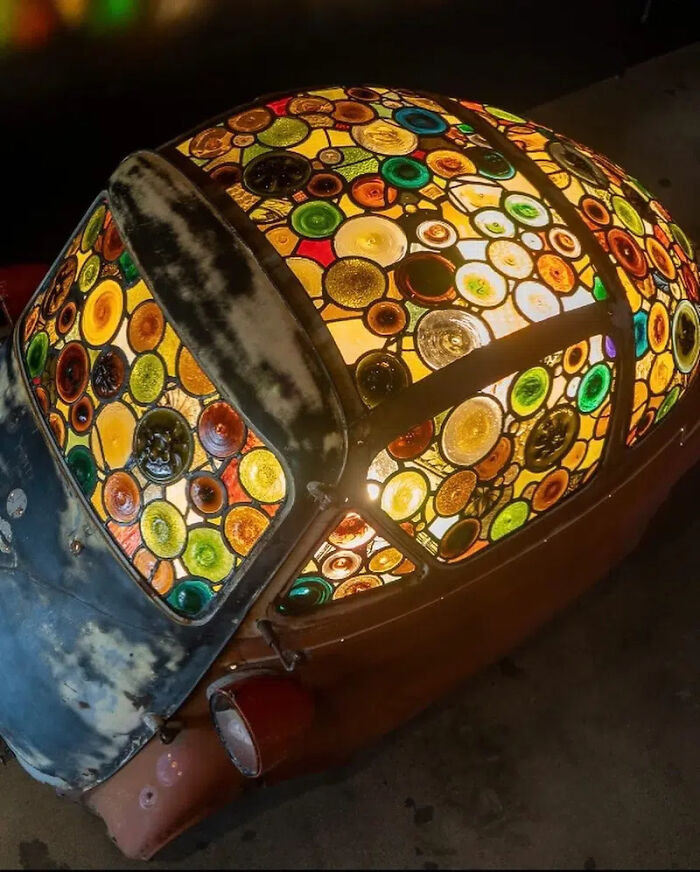
Image credits: glasscowboyy
Ben draws heavily from this visual tradition. Angels, praying figures, floral motifs, Gothic tracery, and religious symbolism frequently appear throughout his work, creating an unexpected dialogue between sacred architecture and classic automobiles.
“I’m a trained stained glass artist and a lifelong car enthusiast. When it came time to create something different, I simply combined my professional skills with my greatest passion,” he explained in the interview with Bored Panda.
Every color in a stained-glass window begins inside molten glass
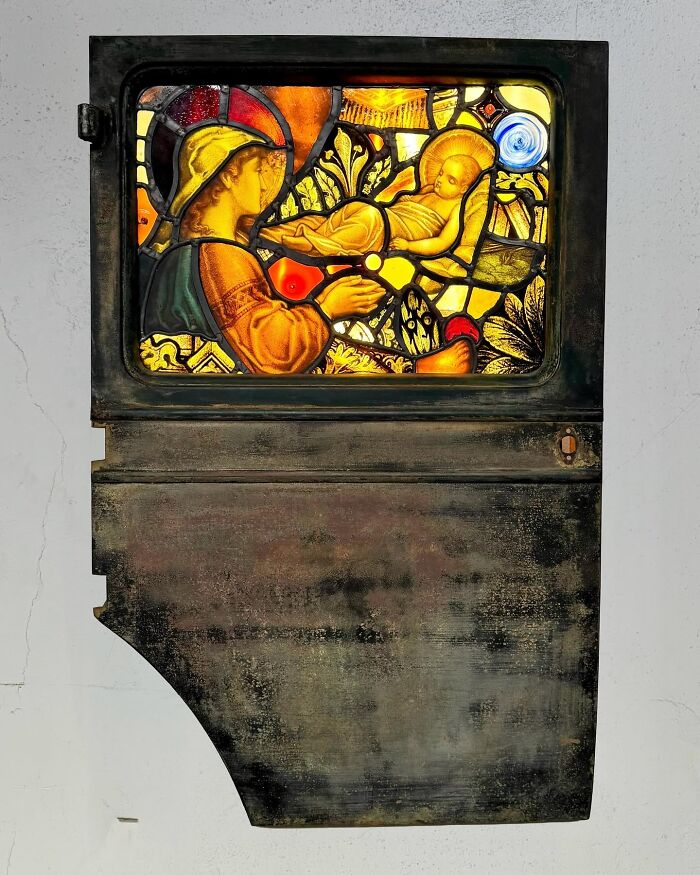
Image credits: glasscowboyy
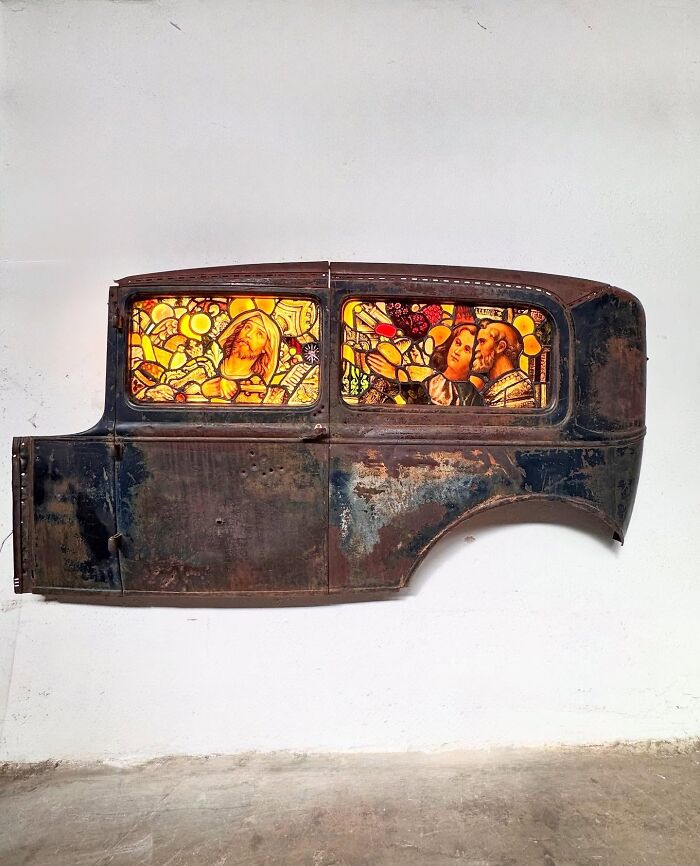
Image credits: glasscowboyy
One of the most fascinating aspects of stained glass is that its colors aren’t painted onto the surface. Instead, they’re created during manufacturing by adding different minerals and metal oxides to molten glass. Cobalt produces rich blues, copper creates greens, gold creates deep ruby reds, while manganese is responsible for shades of purple. Once the glass cools, each colored sheet is carefully selected and cut by hand to match a detailed pattern.
Many of Ben’s windows are composed of hundreds of individually shaped pieces of glass. Every fragment must fit with absolute precision before being joined with lead came or copper foil, soldered by hand, and reinforced into a finished panel designed to last for generations. The process leaves virtually no room for error, especially when working with historic materials. As Ben explains, “Architectural stained glass is an extremely technical craft. Glass is one of the most difficult materials to work with because you can’t simply glue it back together if something goes wrong. When working with one-of-a-kind pieces that are more than 100 years old, you only get one chance to cut them correctly.”
Collectors usually restore classic cars to factory condition, but Ben chose the opposite approach
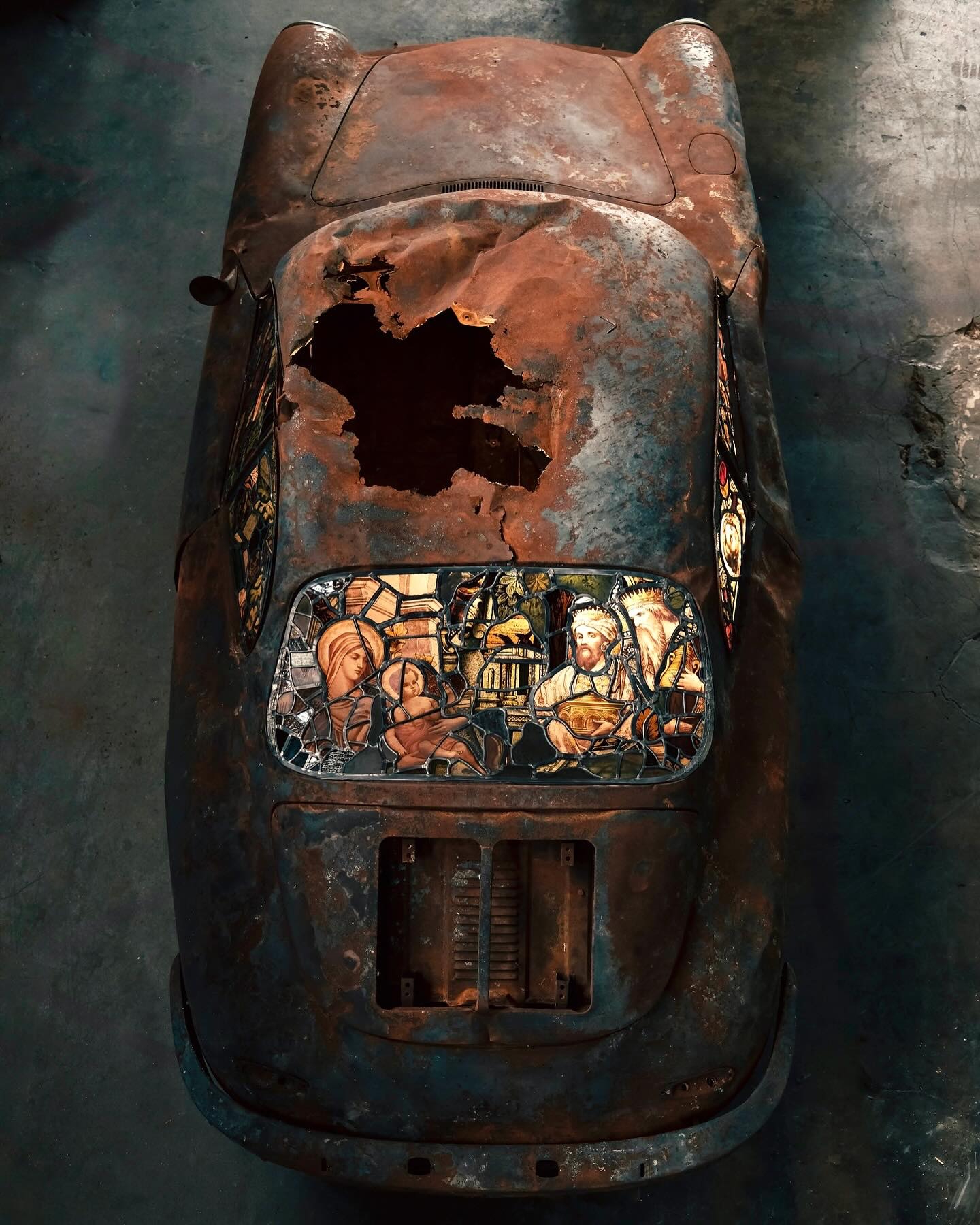
Image credits: glasscowboyy
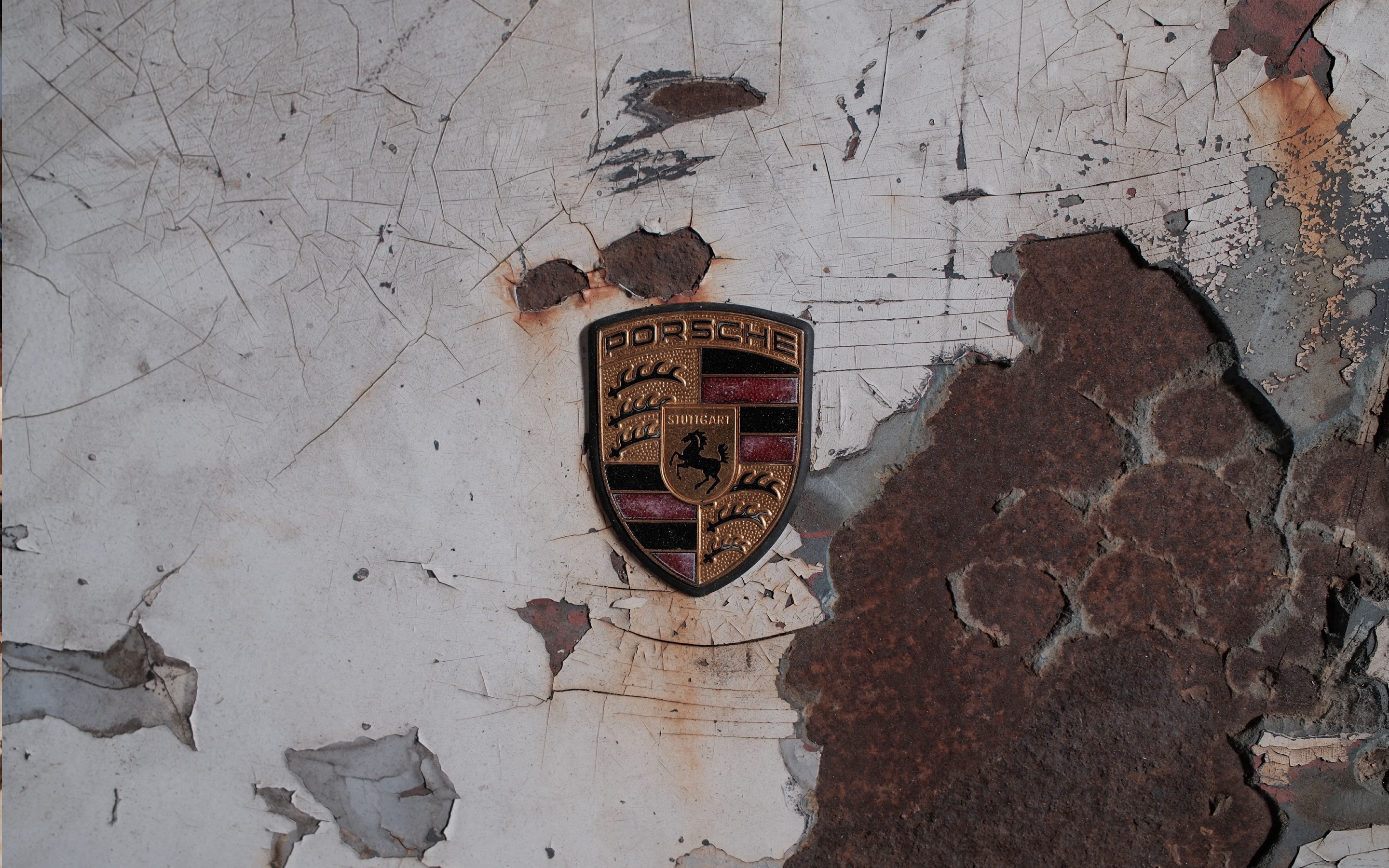
Image credits: glasscowboyy
Automotive restoration is typically about returning a vehicle to the condition it left the factory. Rust is removed, damaged panels are replaced, missing parts are sourced, and faded paint is meticulously recreated. Ben deliberately rejects that philosophy.
Instead of hiding corrosion, fire damage, scratches, or dents, he incorporates them into the finished artwork. The contrast between deteriorating steel and luminous stained glass becomes central to each sculpture, allowing the vehicle’s history to remain visible instead of being erased.
Both Porsche and stained glass were built to outlast the eras that created them
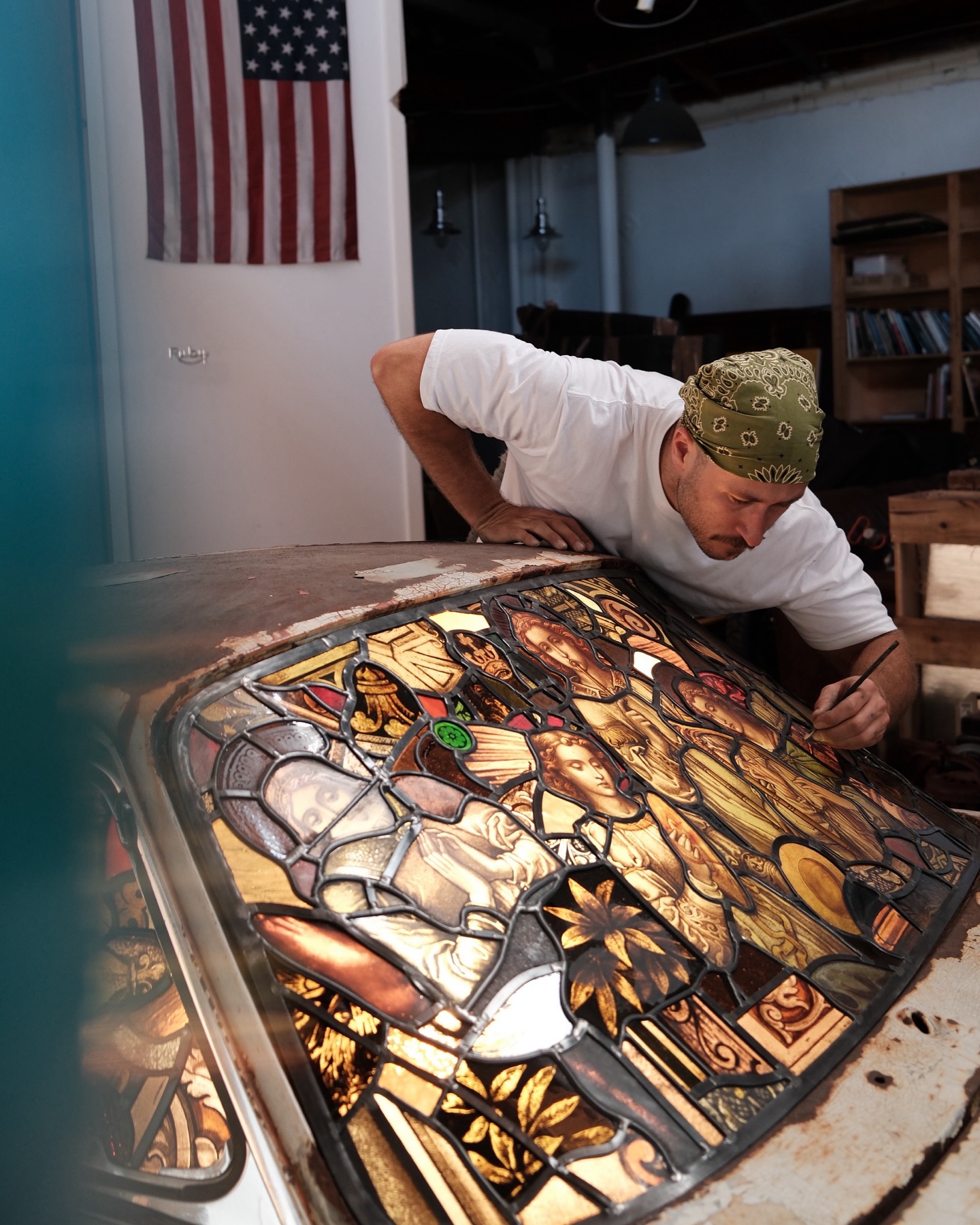
Image credits: glasscowboyy
Few objects remain relevant for generations without exceptional craftsmanship. Medieval stained-glass windows continue to illuminate cathedrals after hundreds of years, while the Porsche 911 has remained one of the world’s most recognizable sports cars for more than six decades despite continuous technological evolution. Neither has endured by chasing trends. Both have survived because their creators understood that timeless design is built on proportion, precision, and uncompromising attention to detail.
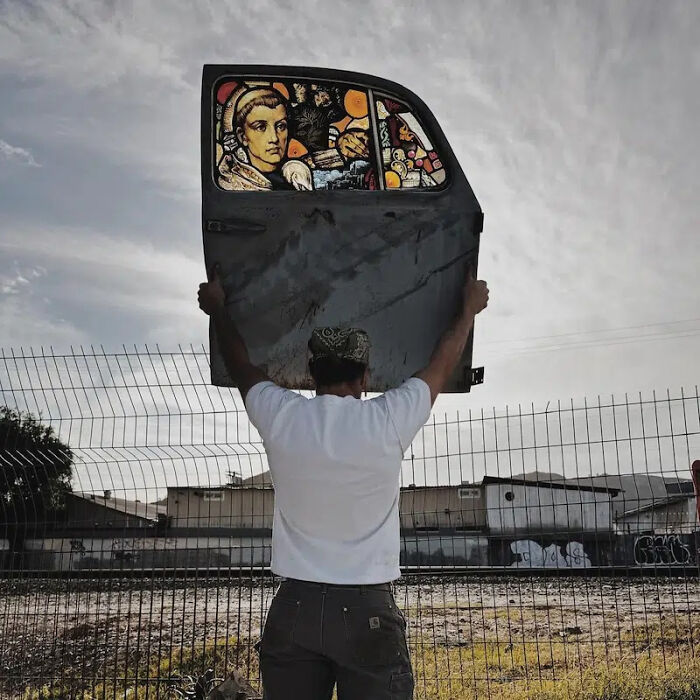
Image credits: glasscowboyy
Ben’s work brings these two traditions together in an unexpectedly harmonious way. The handcrafted glass honors centuries of artistic heritage, while the Porsche provides one of industrial design’s most enduring forms. Rather than contrasting old and new, the sculptures reveal what they have always shared: an unwavering commitment to craftsmanship, longevity, and the belief that the best design becomes more meaningful with time.
“These cars and stained glass windows were once highly valued and important, but over time, because of damage and decay, they lost much of that value. My message is that true craftsmanship and beauty are timeless,” Ben shared and added that regardless of their condition, well-made things can be always reimagined and given an entirely new life of their own.
Such creative example suggests that restoration doesn’t always mean erasing the past
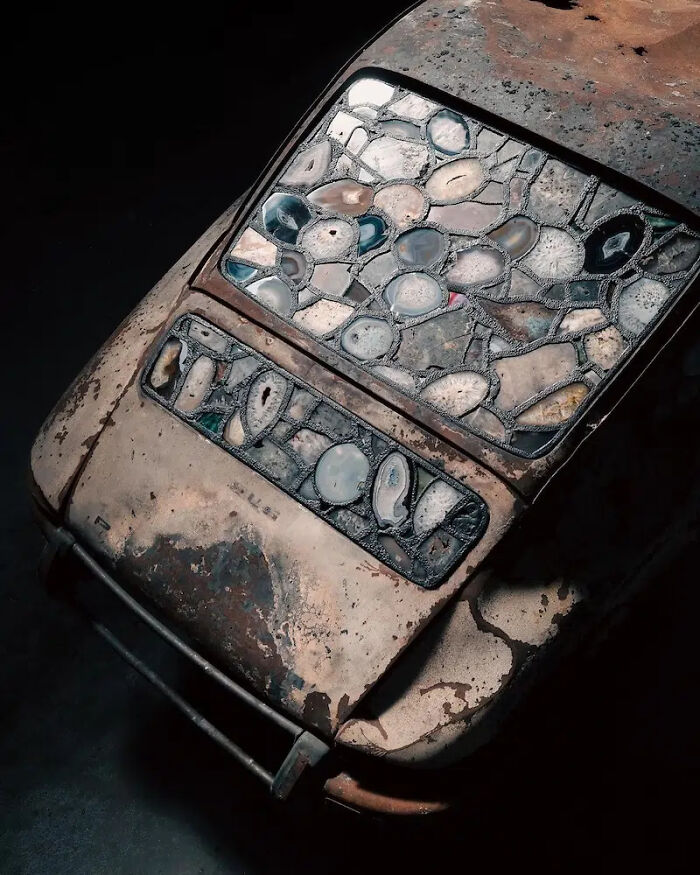
Image credits: glasscowboyy
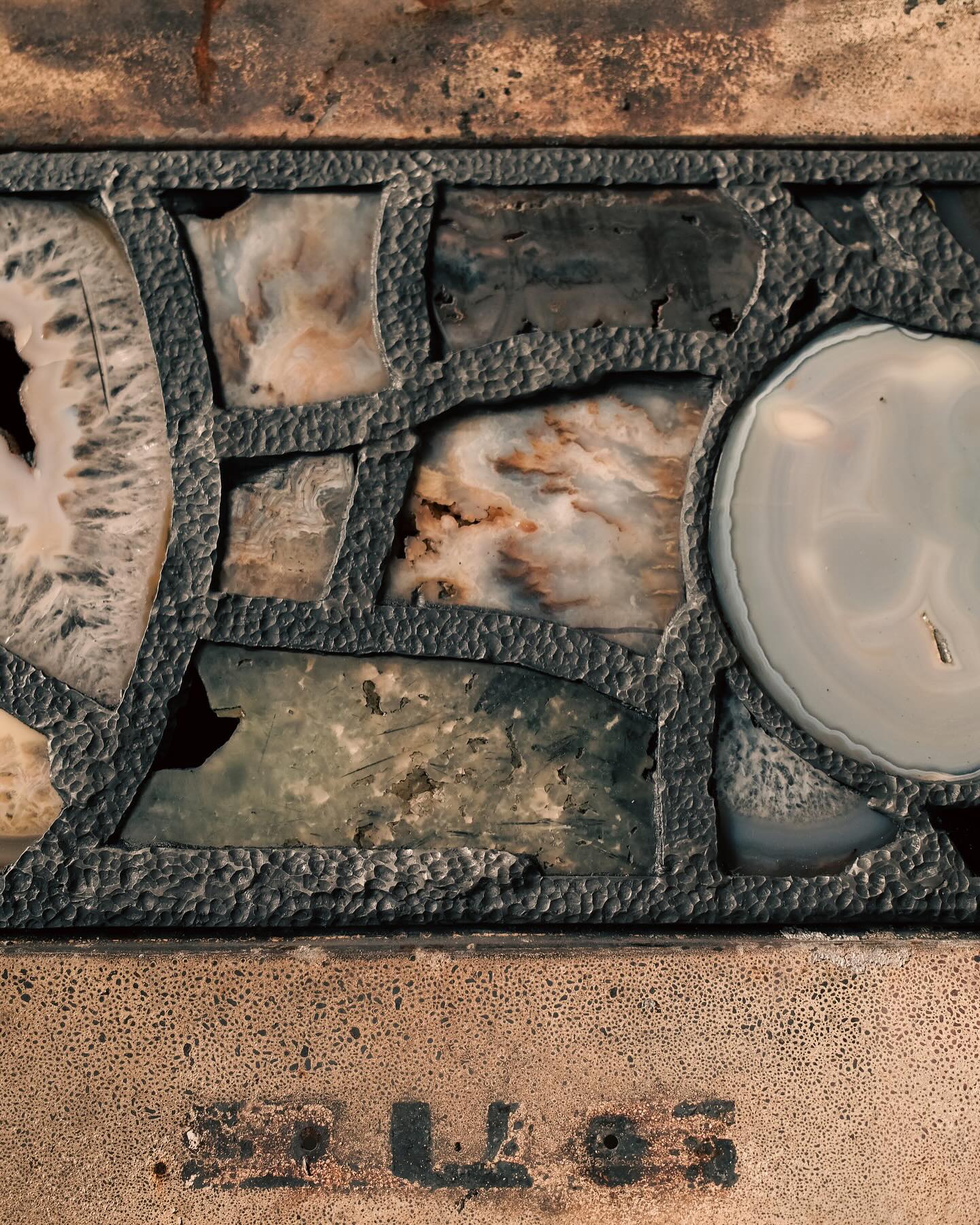
Following the success of The Resurrection, Ben expanded the concept to additional vehicles, including cars damaged during California’s devastating wildfires. Rather than viewing them as beyond saving, he saw them as objects carrying visible histories that deserved to be preserved.
His sculptures challenge the traditional definition of restoration. Instead of returning an object to what it once was, Ben asks whether its scars might tell a richer story than perfection ever could. By combining one of humanity’s oldest artistic traditions with one of the world’s most recognizable sports cars, he has created a body of work that encourages viewers to rethink not only how we value craftsmanship, but also how we define beauty, memory, and renewal.
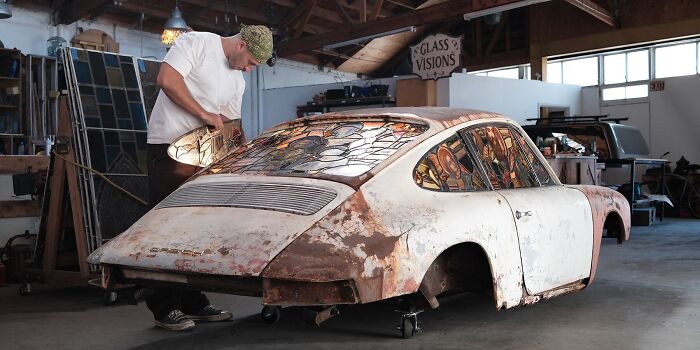
Image credits: glasscowboyy
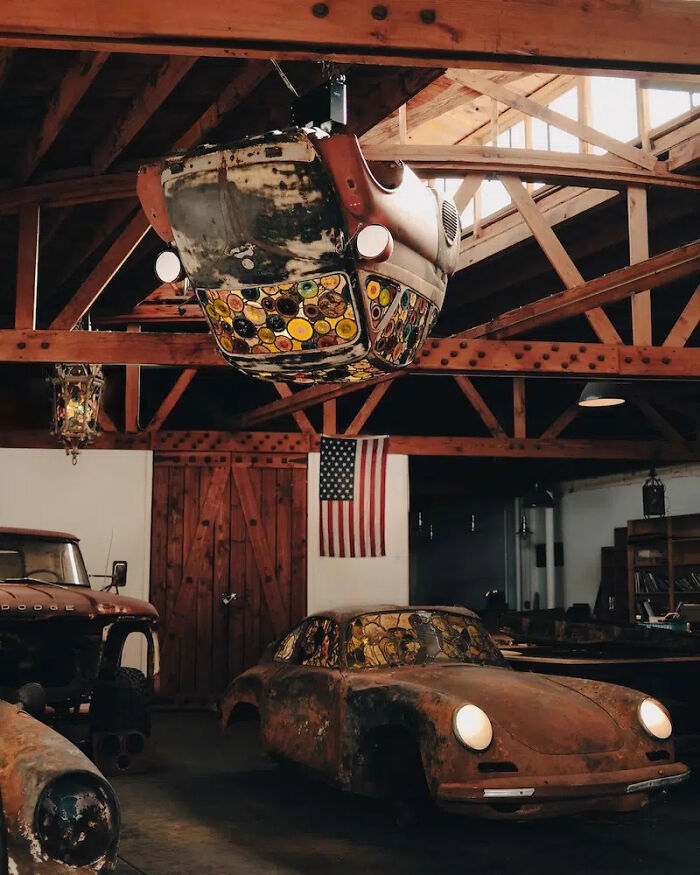
Image credits: glasscowboyy
Asked what comes next after The Resurrection, Ben revealed that he’s currently exploring sculptural lighting, pairing salvaged metal with handcrafted stained glass in a new series that continues his fascination with giving overlooked materials a second life.
 Follow Us