First impressions matter, but they’re not everything. If you truly want to get to know someone, their values, and their true character, you need to spend more time around them. It’s also a major boon if you’re perceptive, well-versed in psychology, and good at reading body language.
People online opened up about the very subtle—as well as incredibly overt—signs that a person has had a hard, possibly even traumatic, life. Scroll down to read through the signs and see if you recognize anyone in your social circle.
#1
They’re uncomfortable when someone does something nice for them.

Image source: ClinicallyHeavy, Getty Images

#2
They self isolate. They don’t talk to too many people. They enjoy little things that might not matter too much to other people. They people please because they value friendships and relationships and have probably lost friends they wish they didn’t.
Basically me, but I’ve seen so much worse so I keep moving.

Image source: Ov3rbyte719, Anthony Tran
#3
They never ask for anything, even when they need it.

Image source: HeatOfTheMomentX, Getty Images
Some individuals who had a tough upbringing and suffered serious setbacks in life can become people-pleasers. Fear makes them set their personal needs aside in order to cater to other people. Generally, people-pleasers tend to have these traits:
- Low self-worth, a lack of assertiveness, and an inability to say “no”
- Undermining their own needs for the sake of others
- Going with the flow and being too agreeable
- Valuing praise and feeling valuable when complying with others
- Apologizing when saying ‘sorry’ is not required
- Taking the blame when blameless and making excuses for others’ faults
- Lacking self-awareness
#4
They’re the calmest person in the emergency and the most anxious person in the quiet.

Image source: Muted_Negotiation613, Alex Sheldon
#5
Hyper-vigilance, constantly monitoring the room, being aware of other people with a lot of empathy but still suspicious and never fully trusting. Always afraid to get hurt again, but loves obsessively when they feel like it’s worth it.

Image source: Padhome, Timofey Radkevich
#6
They tend to downplay a lot of their past and current struggles.
A lot of people who haven’t will use it to their advantage for a victim mentality.

Image source: TheBlazingHeretic666, A. C.
Psychology Today emphasizes that people-pleasers fear failure or rejection, as a result of their early relationships. For instance, they may have had a parent whose love was conditional and ‘earned. Or an authority figure in their life may have been emotionally unavailable.
People-pleasers tend to be generous with their time and energy not because they are kind or compassionate but out of fear. They also tend to frustrate other people because they put others first and so don’t take care of themselves.
“Many people-pleasers are unaware of what they are doing; often, they don’t even know what they want or what their own needs entail. That is why it’s difficult for them to put themselves first. This stems from their self-worth being tied to what they do for others. Doing things for others makes pleasers feel important. They need adulation and praise,” Psychology Today explains.
#7
They consider someone genuinely being nice to them as believable as those e-mails from Nigeria promising people a fortune.
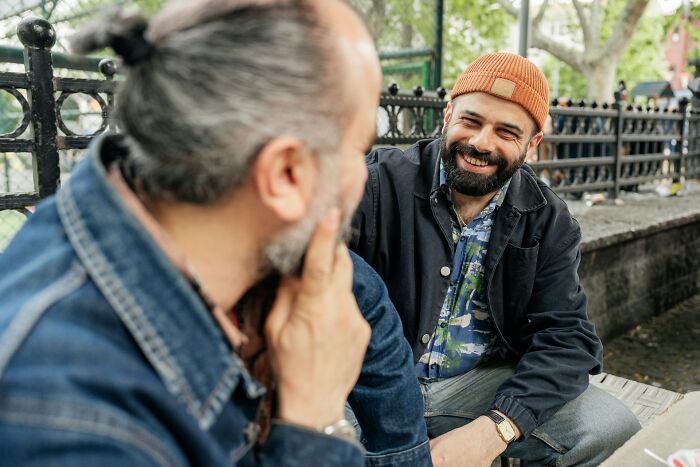
Image source: plusoneforautism, Ahmed
#8
They try not to get too attached to anything, perhaps.

Image source: ProudFill, Getty Images
#9
– They tell “a funny story” from their childhood and the audience reacts with complete horror.
– Continual self deprecating humor.
– Difficulty stating their wants, even in small, low-stakes matters like what restaurant to get takeout from or what movie to see. “Whatever everyone else wants.” “It doesn’t matter.” “I’m easy.” People often mistake this for being “easy going” or “low maintenance”.
– Inability to make long-range plans (the classic “where do you see yourself in five years?” from job interviews, e.g.) because they’re stuck in “survival mode”. They’re just trying to get through this week/today/the next hour.
– React poorly to being touched or hugged
– Being unable to identify what or how they’re feeling at any given point in time or in reaction to a piece of news that should elicit major feelings
– Deflects or minimizes compliments.

Image source: dod2190, Vitaly Gariev
You won’t stop people-pleasing overnight. True self-awareness, concerning who you are as an individual, your values, beliefs, emotions, and (perhaps most importantly) needs, will take time.
Being more compassionate toward yourself also helps. Speaking to a therapist is also a step you should seriously consider. They can help you recognize your needs, understand what (un)reasonable requests look like, and teach you about the importance of setting healthy boundaries.
In the meantime, you can also focus on building your resilience, which psychologists define as the process of adapting well in the face of adversity, trauma, tragedy, threats, or significant sources of stress.
#10
When they are hyper aware of everything going on around them. They’re super sensitive to how others feel. They don’t trust easily, and have become disassociated with a lot of life.

Image source: BlueBerryShocker, Joseph Rosales
#11
They dont have “friends” and are socially uncomfortable. Also they dont trust anyone are somewhat paranoid as a defense mechanism.
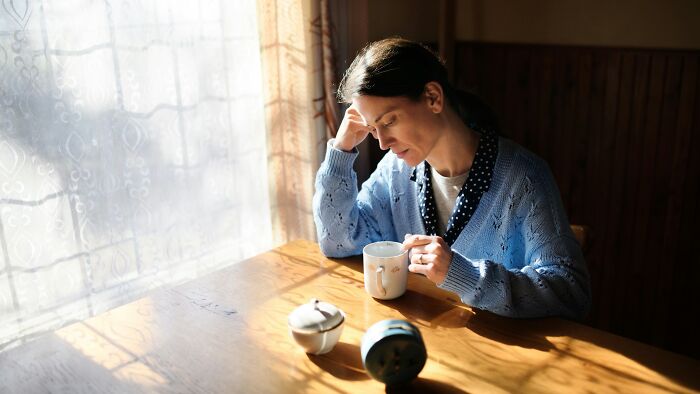
Image source: Tough_Wear_5839, Getty Images
#12
A couple people I know just seem super independent. They are friendly but in a way that seems unique to people who have had hard lives. Raised by bad people, had horrible traumatic experiences, there is an element of seriousness to them but also directness and loyalty.
Maybe not a lot of smiling or talking about fun experiences but not bad people. There’s something about them that just hits different.
And I’m so sorry my one friend was adopted by such a piece of trash, that abandoned her when she came out as gay, but she has become so great after that and I am happy about that. I hate that anyone would have to deal with that. I hate that she had to be homeless at 16.
But she is a direct and honest person. She will say when she is not comfortable doing something, not say she is and then wait and blow up, like some might.
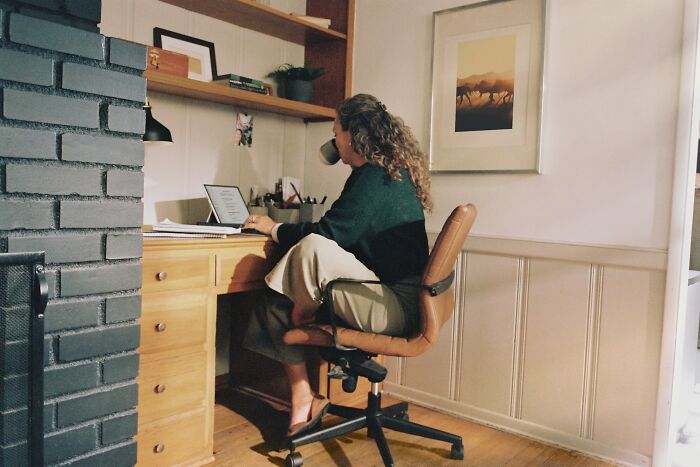
Image source: SillyGayBoy, Microsoft Copilot
The American Psychological Association explains that being resilient does not guarantee that you will never experience distress or difficulty ever again. In fact, “the road to resilience is likely to involve considerable emotional distress.”
The good news is that resilience is something that anyone can learn and develop with enough time and intentionality.
Building resilience requires that you focus on four key areas:
- Building your connections
- Fostering wellness
- Finding purpose
- Embracing healthy thoughts
#13
They always offer to help even when they’re clearly exhausted.
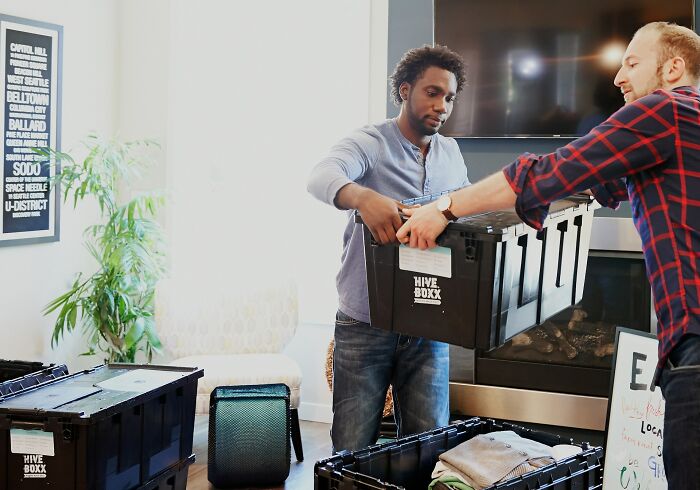
Image source: MyCherryLover, HiveBoxx
#14
Trauma responses to ordinary stimuli. Flinching at sudden/loud noises, “paranoid” behavior like being very cautious of their surroundings, refusing to waste/throw away edible food, being overly apologetic or, conversely, reacting with overly aggressive emotional responses for the situation.
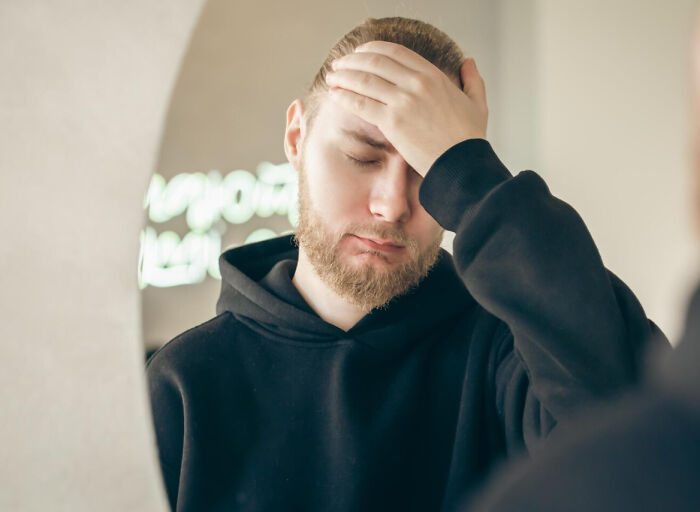
Image source: Altruistic_Cow_8422, pvproductions
#15
They’re always prepared for the worst because life taught them that things can go wrong at any moment. They struggle to relax, have trouble trusting people, and often feel guilty for asking for help. Sometimes the strongest-looking people are just the ones who never had the luxury of falling apart.

Image source: peachjulietti, GRAY
“The pain of traumatic events can lead some people to isolate themselves, but it’s important to accept help and support from those who care about you. Whether you go on a weekly date night with your spouse or plan a lunch out with a friend, try to prioritize genuinely connecting with people who care about you,” the APA emphasizes.
Furthermore, you join civic groups, faith-based communities, or other local organizations for social support.
#16
Kindness. They don’t want anybody else to feel as alone, frightened, hopeless, or angry as they have– so they make it a point to harbor, to encourage, to commiserate, to love.

Image source: The_Owlets_Nest, Getty Images
#17
I had a rough childhood. Toxic mother and two brothers with sociopathic tendencies. I can’t sit or stand with my back to a room. I have to be facing the room with my back to a wall. I also don’t trust anyone not to steal from me. I will never leave my wallet or keys in an unsecure place.

Image source: Ear_Enthusiast, Mushvig Niftaliyev
#18
In some poetic way, those who miraculously still find a way to mention their dream/vision even after years.

Image source: DoubleL278, Trung Thanh
In the meantime, take care of your body and mind, do meaningful work, help other people, and aim for purposeful goals, look for opportunities for self-discovery, and accept change as a part of life.
“Certain goals or ideals may no longer be attainable as a result of adverse situations in your life. Accepting circumstances that cannot be changed can help you focus on circumstances that you can alter.”
#19
Bad teeth is a sign also. Not everyone had two parents or any parents or anyone who could afford a dentist growing up and you end up with messed up teeth because it costs a fortune for dentist work. Also looking like you wear the same clothes all the time, because they just might not have any other clothes to wear.
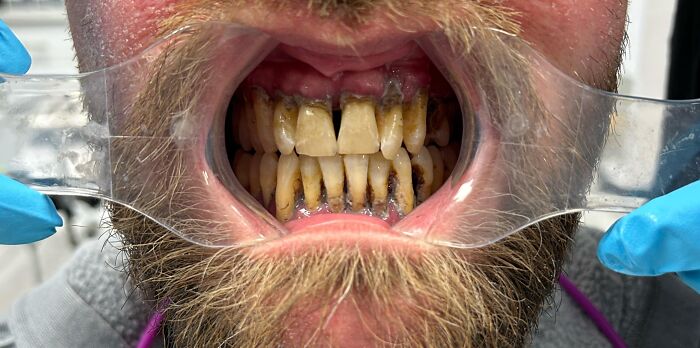
Image source: chaotichalfginger, innylaw
#20
Things don’t spook them easily.

Image source: JagaloonJack, engin akyurt
#21
They worry about anything good happening, cause there is usually some bad karma for them coming around the corner.
Image source: DikTaterSalad
#22
A thing i noticed about myself,my wife is usually happy and smiling just because. I asked her a bunch of times why are you smiling or why are you so happy when we’re not doing barelly anything. She said i might have a problem because i can’t understand that people can be happy just because.
Image source: Pale-Jelly5491
#23
Not talking about themselves. At least this is one that I’ve been told by other people who know me.
Talking about your interests, things you like, things that’s going on, isn’t safe if you grow up in an unsafe household. You learn to just not really talk about hobbies or interests. Small thing, but learned behaviour that’s hard to break.
Serious topics, like something that is troubling you? Why would you ever bring that up?
Many normal parts of your life you can’t bring up without “trauma dumping”. So basic things about your history are automatically a no-go. Maybe you have a topical revision of history you can tell people, but it’s paper-thin. Your anecdotes, stories, etc that you can tell people start at 18 instead of 4.
My friends of 1 year didn’t know I liked video games. My friend of 4 years just found out my parents weren’t biological and that I had a sibling. My friends who I could open up to have passed away. My other friends don’t know I lost friends.
Image source: dovahkiitten16
#24
My ex said he knew a couple months into dating; I said I wasn’t going to be the kind of parent who would scream at their kids for spilling milk.
I was aware enough to recognize that wasn’t right; but it was so normalized to me that I didn’t realize that it wasn’t everyone’s normal.
Image source: buffypatrolsbonnaroo
#25
Being skilled or being able to do so many things
i know it could mean a lot of things, one of them is just that u were poor and couldn’t pay for plumer, electrician or just when one of ur stuff broke u just didn’t have the money to pay someone to fix it and learning the skill to do it urself was the easier option.
Image source: sarwarnouri
#26
You see something go wrong. Something breaks in a spectacular fashion, that will involve an expensive replacement, because it won’t be repaired from that.
And they just… accept it. They’ve come to expect things going wrong, so when they do, it might be a surprise how it happened, but not that it’s gone wrong. It was always going to.
Image source: SomeRandomPyro
#27
Chronic unemployment.
Image source: justgimmiethelight
#28
They think people with “normal” lives are the odd ones out and live in a dreamworld. Meanwhile, they’re the ones stuck in a rut thinking that rut is normal life.
Of course, this is not the case for many, but I’ve known far too many people who’ve grown up in terrible situations who think this way.
Image source: luckysevensampson
#29
for me it’s shoes. i grew up in poverty and my mom’s rule was i could get a ‘new’ (from Goodwill/Salvation Army) pair of shoes when my current pair had holes big enough in them for my foot to go through. So even today, my sneakers have huge holes in them, but I still wear them because my foot hasn’t broken through and touched the ground yet.
Image source: Pinkploopy
#30
They are good at making things themselves.
Image source: aka_japon
#31
Staying quiet in arguments or altercations.
Image source: TeamFlex
#32
Strange food habits. Eating quickly, hoarding food, never throwing food away.
Image source: Kimmer37
#33
A lot of people with trauma internalize blame, to a debilitating or painful degree. On the other hand, people who have similar levels of trauma (but different temperaments or specific life experiences/different roles within the family or reactions to said roles) might externalize blame more than average. Nobody is the same, of course, but these are two outcomes that happen a lot.
Image source: Alone_Somewhere_9358
#34
Lost in thought or more than normal day dreams.
Image source: Outofmana1
#35
Constant fidgeting, squirming, pacing. That is hyperactivety, and that means that the person is struggling with maintaining peace within, often because of ADHD, (c)PTSD, or other stress.
Image source: BermanIsKing
#36
Over-apologizing.
Image source: musteyRt64
#37
In women, gaunt cheeks and a receding hairline.
Image source: browatthefuck
#38
They’re usually quiet. Don’t get too personal with strangers. Respectful yet very short with people.
Image source: freefaller3
#39
They look older than their age (whether that age is 15 or 50 or 90).
Image source: Mental-Suggestion266
#40
Very dark humour.
Image source: Soziopolis83
#41
A small social circle, few people they trust and share life with. Also someone who examines the room and situations they are in, maybe stems from anxiety.
I think most people with a true large social bubble find it easy to socialize and create bonds with others. It can be hard to find yourself and carry a smile before finding true friends when your carrying trauma.
Image source: Ok-Cap-1271
#42
i feel like a lot of anxious people have that look in their eyes, like they’re carrying the weight of the world. it’s tough.
Image source: SparkButterfly96
#43
Low standards.
Image source: Royal-Income1191
#44
I’m fine
Anyone who got it as auto response while not looking or seeming ok has dealt with some stuff
Double points if something feels off while they look normal.
Image source: Iwanttobeapharoh
#45
They don’t judge other people who are struggling.
Image source: FlyGuys1125
#46
Alcohol is their medicine.
Image source: Marvel–Jesus
#47
They have an autoimmune disease.
Image source: Lucky_Landscape7408
#48
They have a thick skin and aren’t easily bothered. They’re used to being piled on, so they just don’t care.
Image source: FlyLost4570
#49
When you talk with them conversationally and when you act serious they act like they were joking but when you take what they say as a joke they get offended and act like they were serious. Every time.
Image source: radishwalrus
#50
They take pleasure in small things in life and don’t have the same career ambitions. They most value going through a day and not having everything go wrong around them. Others might think they are lazy but they view tranquility as the ultimate goal.
Image source: amtempchant
#51
They are not picky eaters.
Image source: AndreiRossi23
 Follow Us