I might be showing my age here, but I can’t be the only one who fondly remembers The Jetsons—you know, the futuristic cartoon with flying cars, robot housekeepers, and, of course, Astro the talking dog. I remember being in awe of their futuristic world, especially the idea that one day we might actually live like that. If you know what I’m talking about—or if you’ve ever found yourself enthralled by some fantastical vision of what the future might look like—this list might be just for you.
We’ve rounded up some of the most interesting posts from r/RetroFuturism, spanning decades of visions of what the future would hold. Some got a whole lot closer than you’d expect, while others are a reminder that the future rarely arrives the way we picture it (alas, I’m still waiting on talking dogs). But they’re a pretty fascinating mix of nostalgia and imagination either way.
#1 “What The Heck Is Electronic Mail?” Honeywell Advertisement For E-Mail, 1981
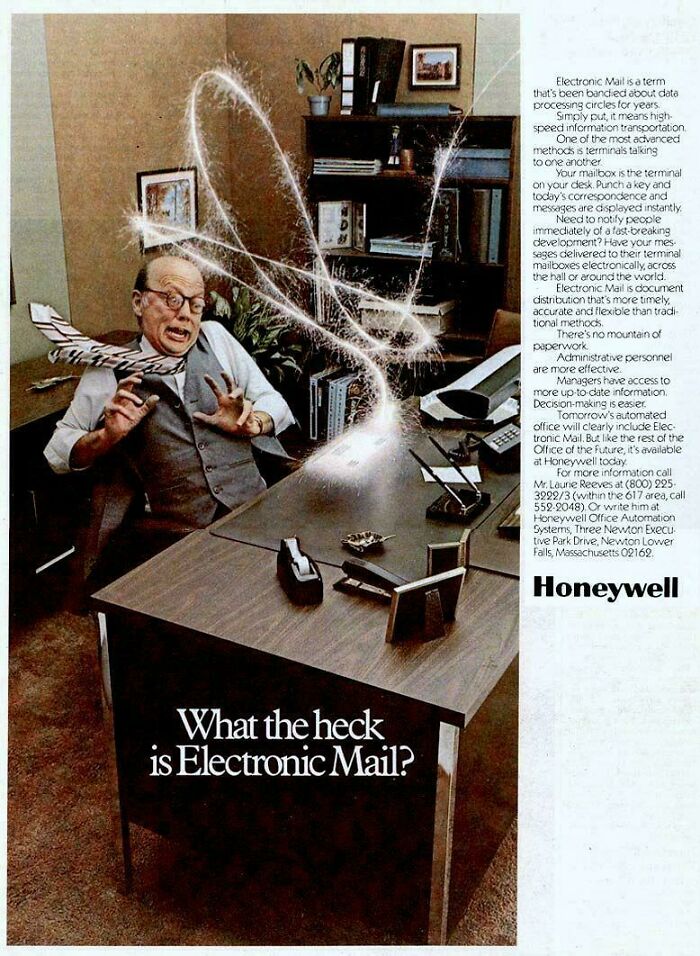
Image source: art-man_2018

#2 “Space Train”. Shigeru Komatsuzaki. 1981
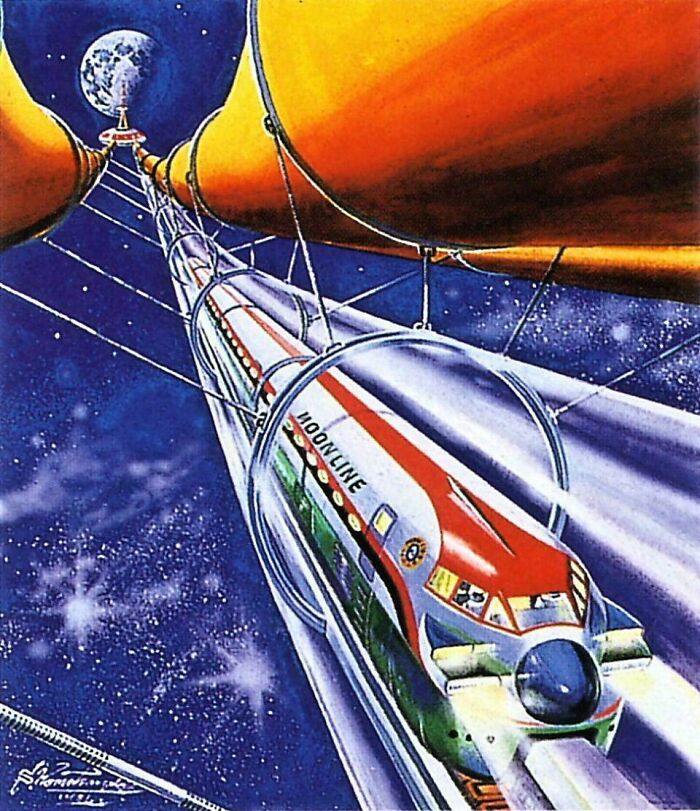
Image source: SevenSharp
#3 Space Station Under Construction. Klaus Bürgle, Circa 1963
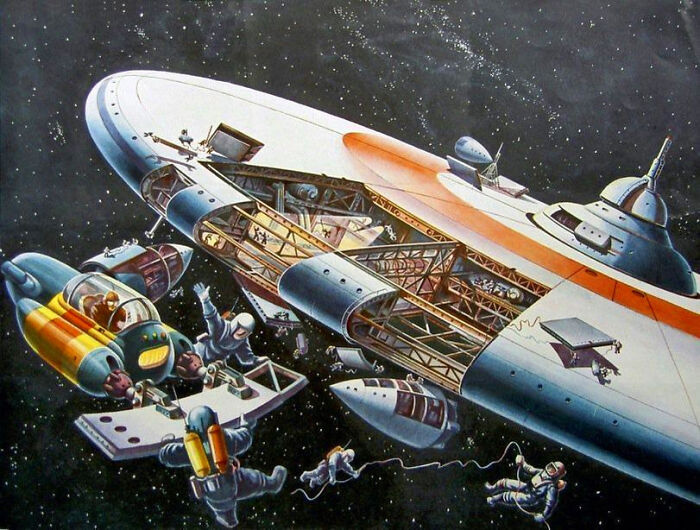
Image source: SevenSharp
Retrofuturism is essentially about looking at the future through the eyes of the past. In The Oxford Handbook of Science Fiction, Elizabeth Guffey and Kate C. Lemay describe it as an “ambivalent fascination for a future that never came to pass.”
The r/RetroFuturism subreddit, created in 2009, describes itself as a sub focused on “futuristic visions of eras past.” But it also notes that posts “may also contain contemporary art with a retrofuturist theme.” And that’s the thing about retrofuturism: it can look both ways. It isn’t necessarily limited to visions created in the past. In fact, the BBC describes it as incorporating “two overlapping trends: the future as seen from the past and the past as seen from the future.”
#4 “A Japanese Utopia” (“Ideal City Of The Future”). Tatsushi Morimoto. 1984
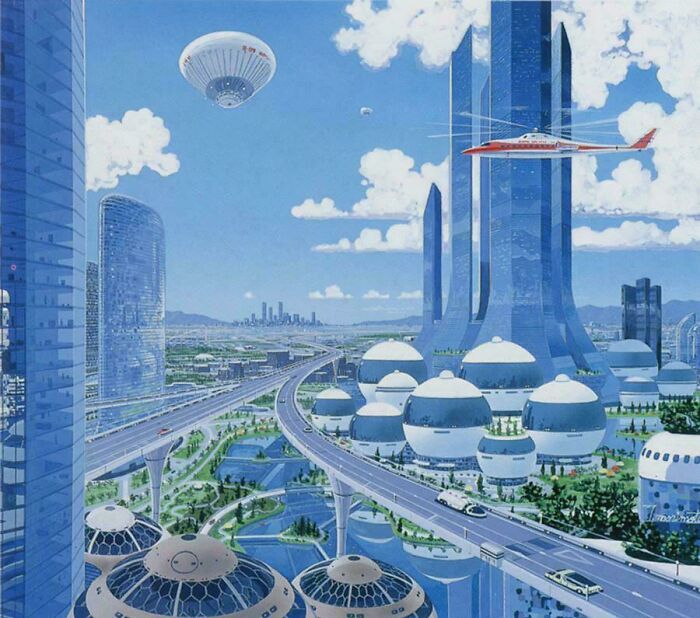
Image source: SevenSharp
#5 Vehicles Of The Future – Shonen Club Magazine, 1936
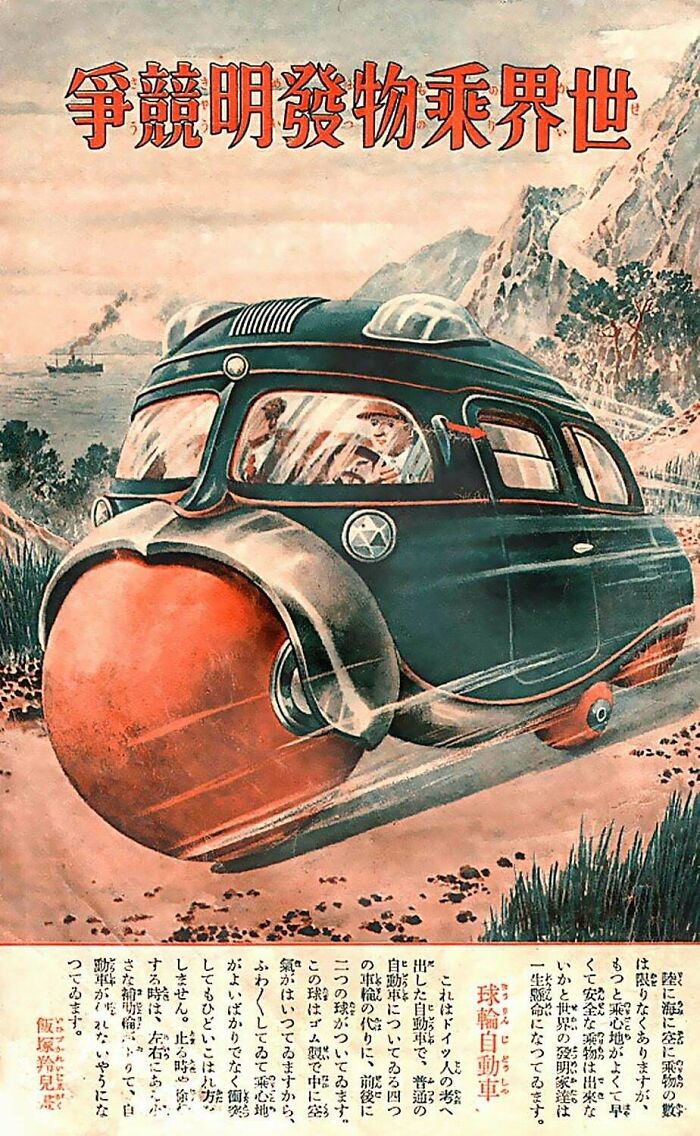
Image source: Baby-Soapy
#6 “Teledoctoring” Concept. ‘Science And Invention In Pictures Magazine,’ 1954
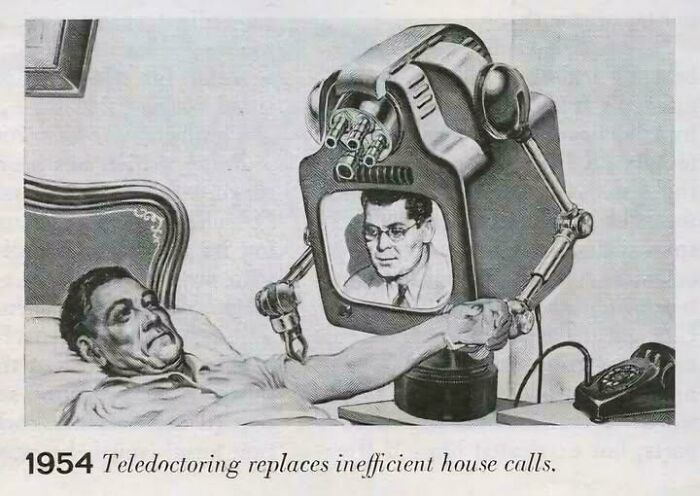
Image source: SevenSharp
The term “retrofuturism,” Guffey and Lemay explain, was first coined in the 1980s, but it’s often associated with the futuristic visions that emerged during the early to mid-twentieth century. Notably, this was a pretty transformative era, defined by major industrial growth, global conflict, and rapid technological change. Considering, for example, the economic depression of the 1930s and WWII, it’s perhaps not surprising that, as the BBC explains, at that time, “ideas of the future began to look to the sky and into space.”
#7 ‘Space Station,’ Angus Mckie. 1978
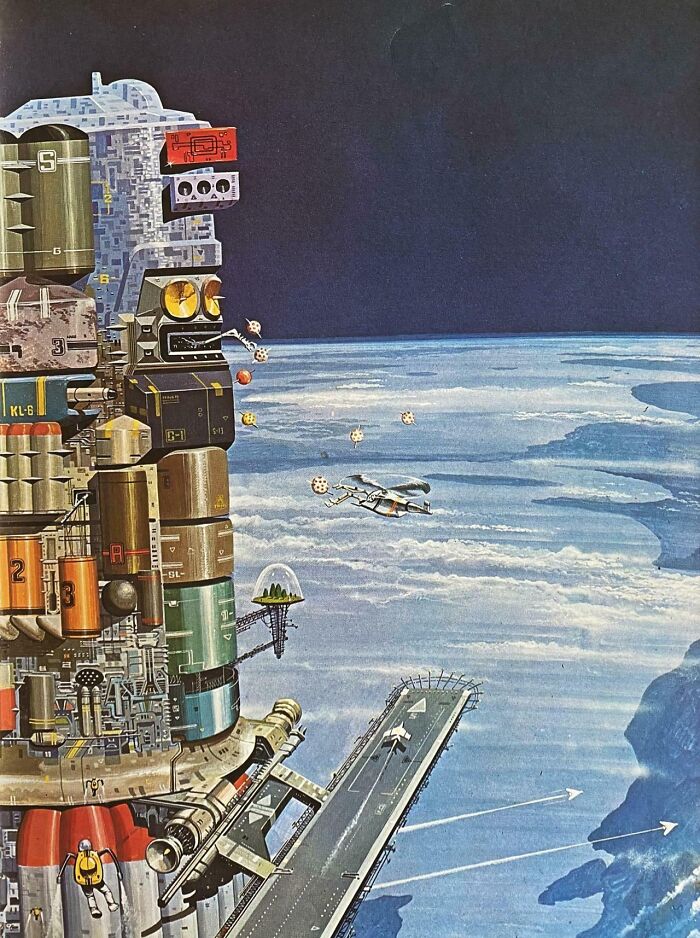
Image source: SevenSharp
#8 Otis Elevator Co Ad. 1975. John Berkey
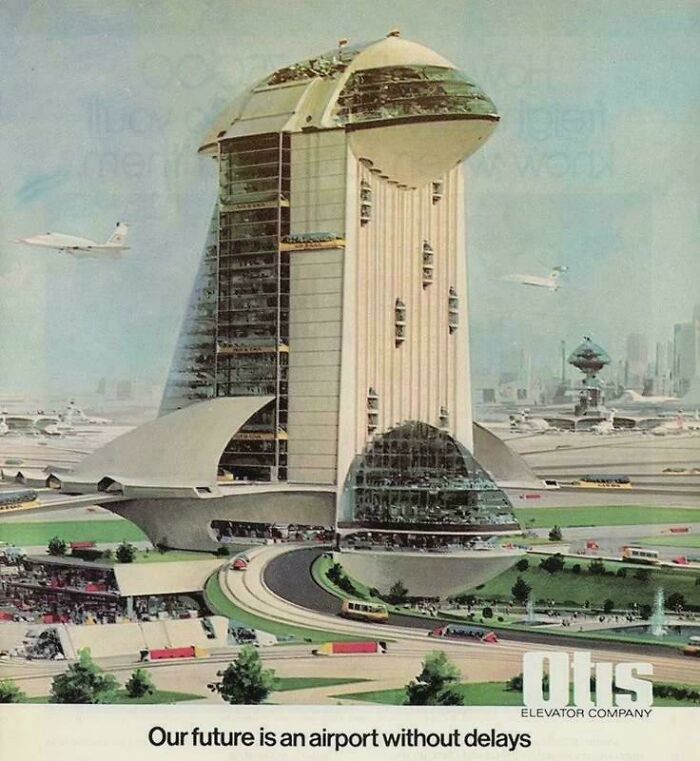
Image source: SevenSharp
#9 “London In The Year 2500”. 1920’s Advertisement
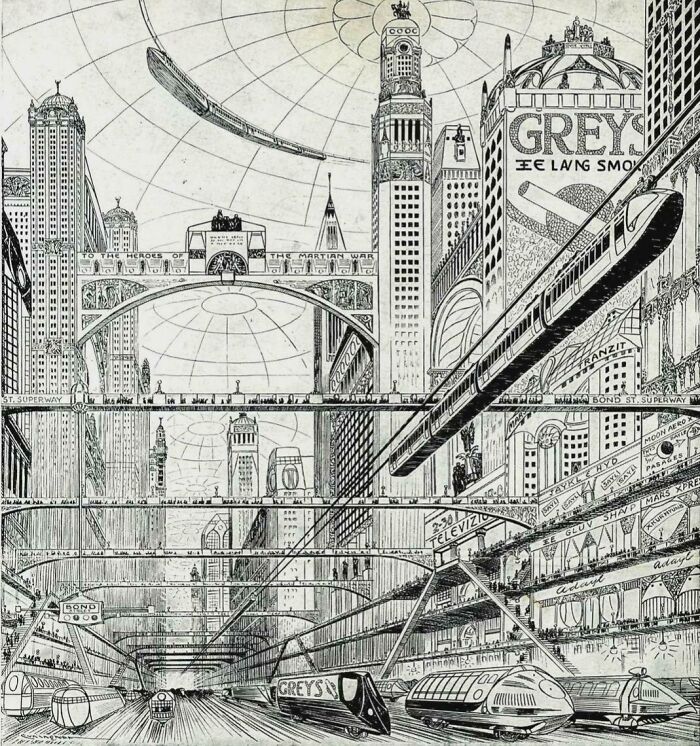
Image source: SevenSharp
So, sure, retrofuturism helps us to see what people from an earlier era imagined (or hoped) was still to come, but those visions simultaneously tell us a lot about their present, too. That’s because every generation inevitably imagines the future from the vantage point of its own present. The technology people had encountered, the way their cities looked, the things they were excited about, and even the problems they hoped technology could solve—all this could influence what they thought the future might bring. And it’s also why a view of the future from the 1930s can look so different from one created decades later.
#10 Subsurface Lunar Colony. Robert Mccall. Circa 1977
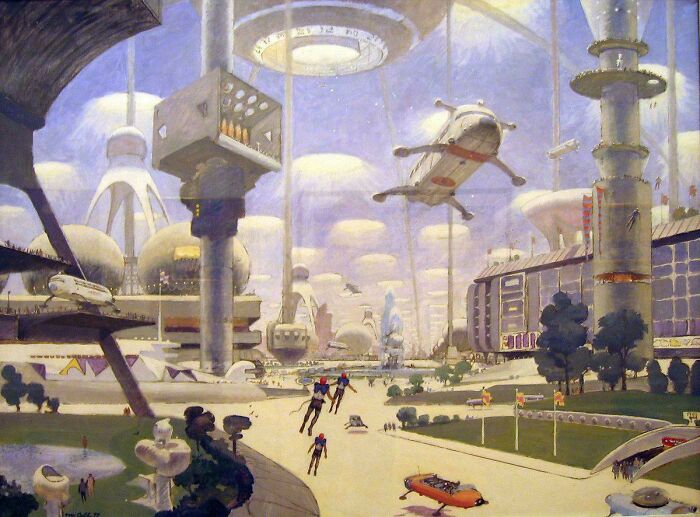
Image source: SevenSharp
#11 Jean Giraud AKA Moebius (France, 1938 – 2012) Starwatcher
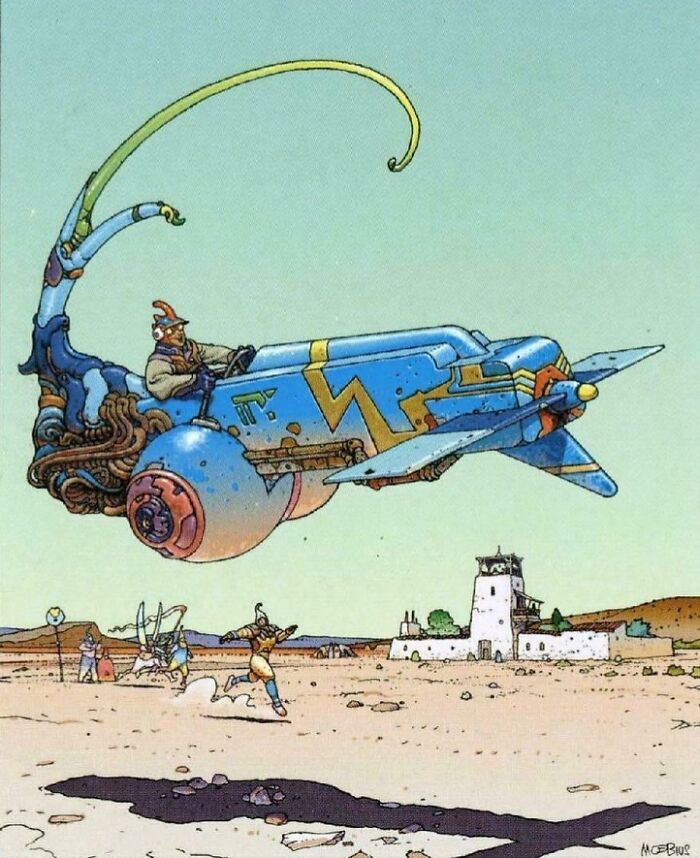
Image source: StephenMcGannon
#12 “Buergle Verkehr 1969”. Klaus Bürgle
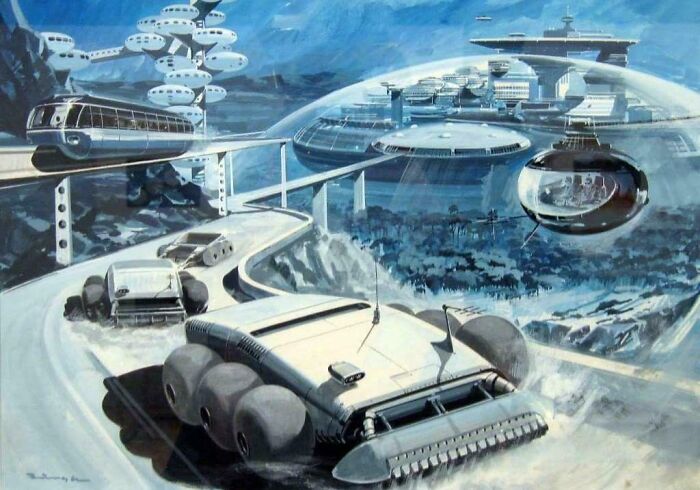
Image source: SevenSharp
The technology depicted—like robot housekeepers and personal jet packs—is only part of what makes these visions so distinctive, though. Just as the ideas were shaped by their era, so too was the way they were presented. Futuristic buildings, vehicles, gadgets, clothing, and even aesthetic elements like typography and color often borrowed from the trends of the time, creating that unmistakable blend of the familiar and the fantastical that we now associate with retrofuturism. In that sense, it could be described as a meeting of nostalgia and imagination: we recognize the visual language, even when the world it depicts is one that never quite came to pass.
#13 Departures Of Tomorrow – New Departure Ball Bearings Ads, 1955
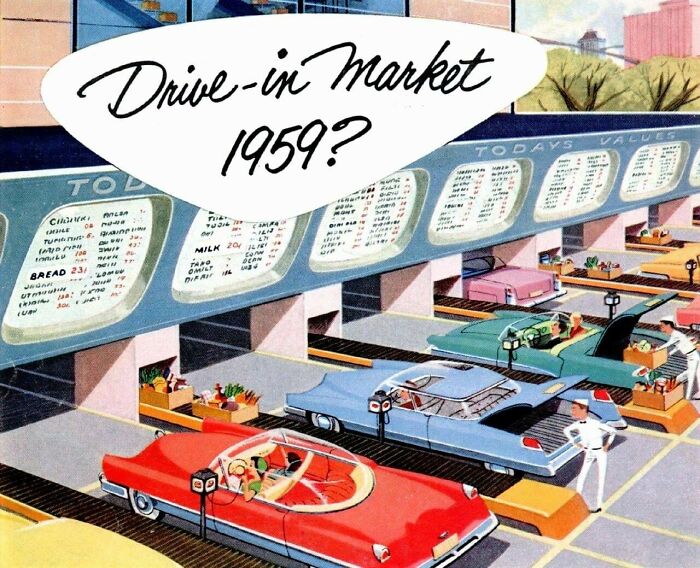
Image source: Baby-Soapy
#14 Moon Base Gaming Room – Paul Alexander, 1960
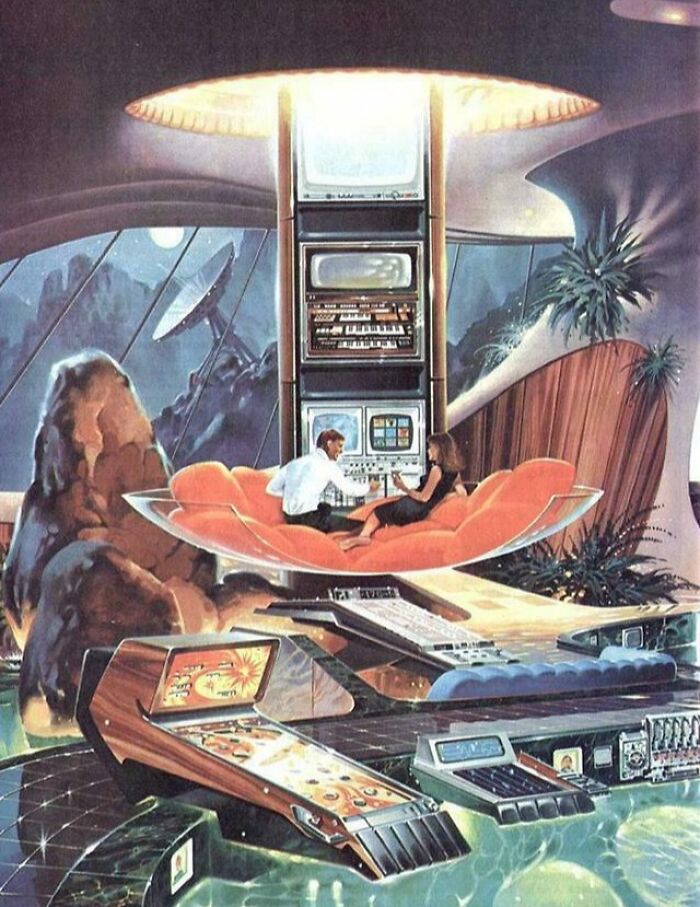
Image source: Distinct-Question-16
#15 Space Colony Concept Art For NASA. Mid 1970s
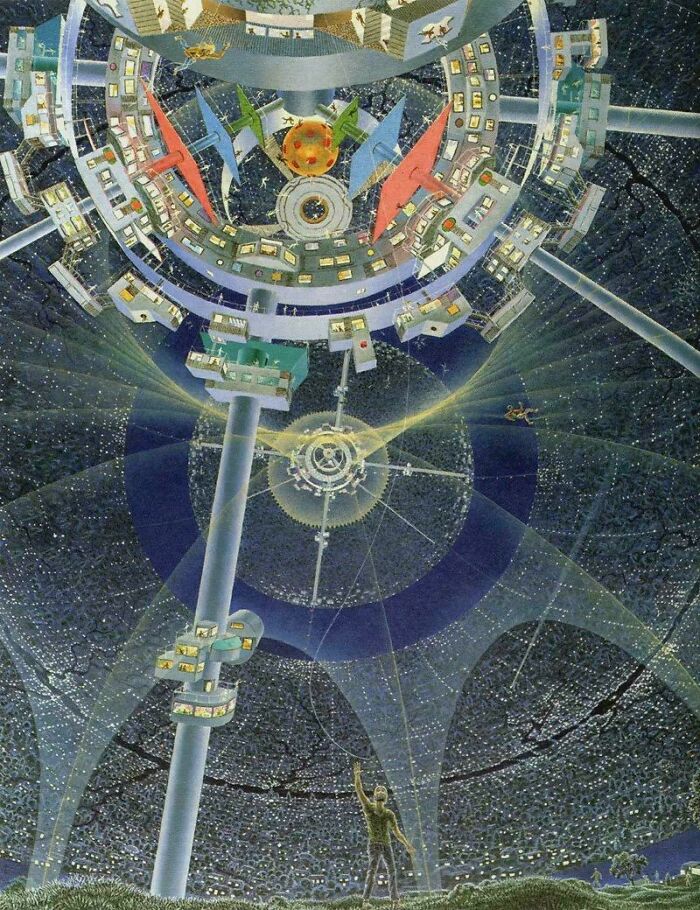
Image source: SevenSharp
And that brings us to yet another reason why these images are so much fun to look at from the present. As one source puts it, retrofuturism “places yesterday’s rockets, streamlined cities, glowing consoles, synthetic clothes, and machine optimism beside the knowledge of what actually happened.” We have the benefit of hindsight. We know how the story turned out. Some visions came surprisingly close—think video calls, personal computers, spacecraft traveling to other planets, and increasingly automated homes. But others remain out of reach. We’re yet to build cities on the Moon or fill the skies with flying cars.
#16 Yasutaro Mitsui With His Steel Humanoid Robot, Tokyo, Japan, 1932
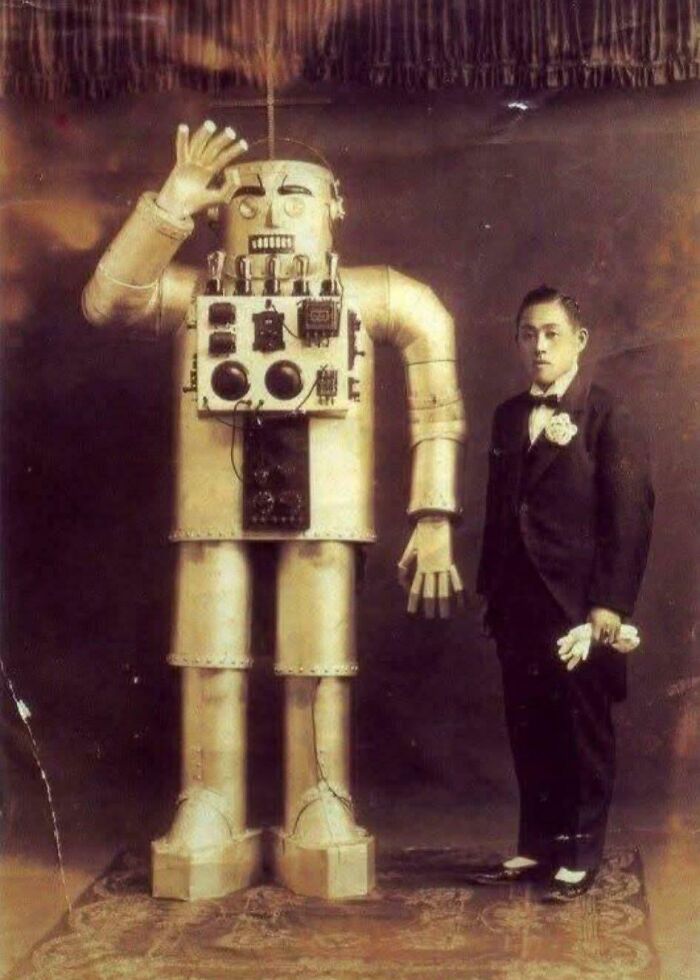
Image source: StephenMcGannon
#17 Brochure Cover And Interior Art For The British Kit Car Tici, 1972
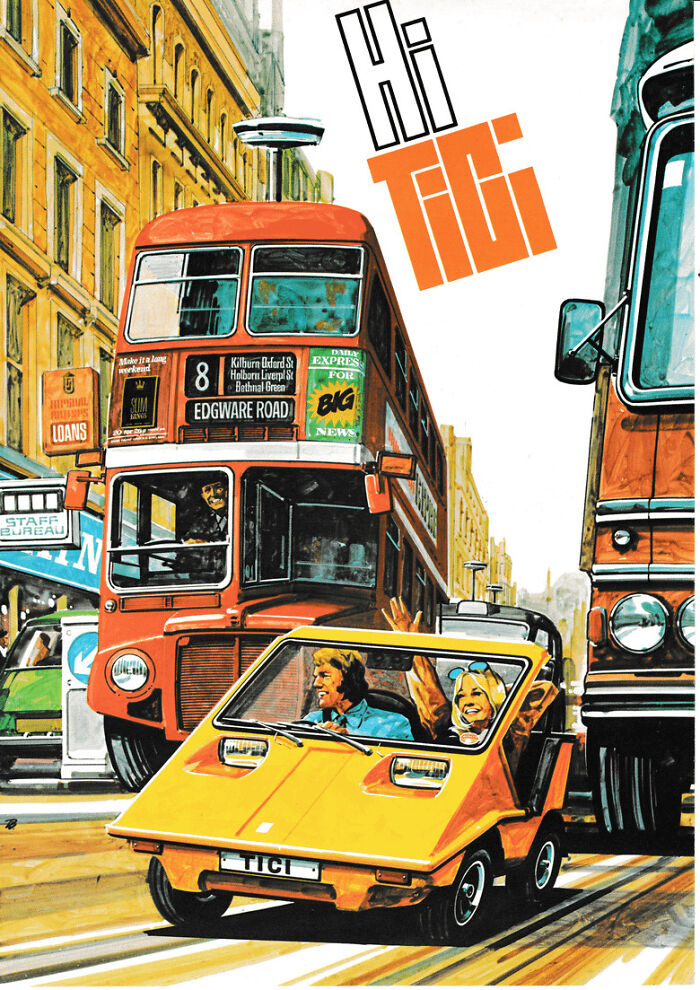
Image source: art-man_2018
#18 The War Of The Worlds Ad Poster From Brazil, 1906. Art By Henrique Alvim Corrêa
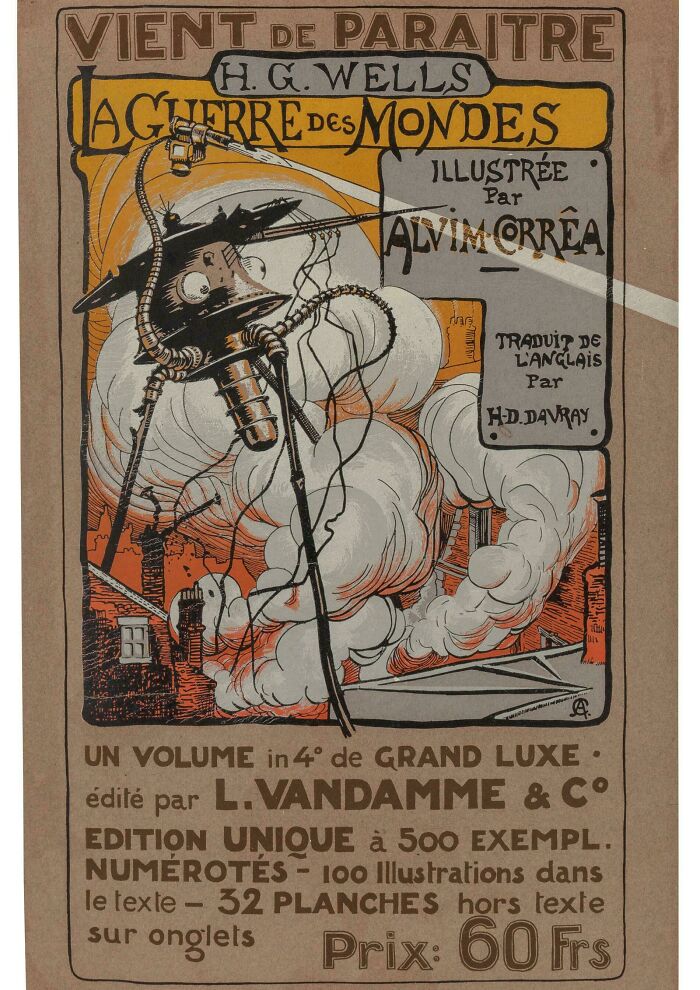
Image source: YanniRotten
But, as the BBC puts it, “It’s in the gap between these grand visions and reality that retrofuturism playfully exists.” And it’s where some of that ambivalence that Guffey and Lemay referred to comes in—what’s been described elsewhere as the “emotional and visual friction between a promised tomorrow and the present that inherited it.” We can admire the confidence and optimism of these visions while also knowing what actually happened, including the assumptions, blind spots, and unintended consequences that may have accompanied them.
#19 Les Edwards (B. 1949, British) ‘Night Flight’
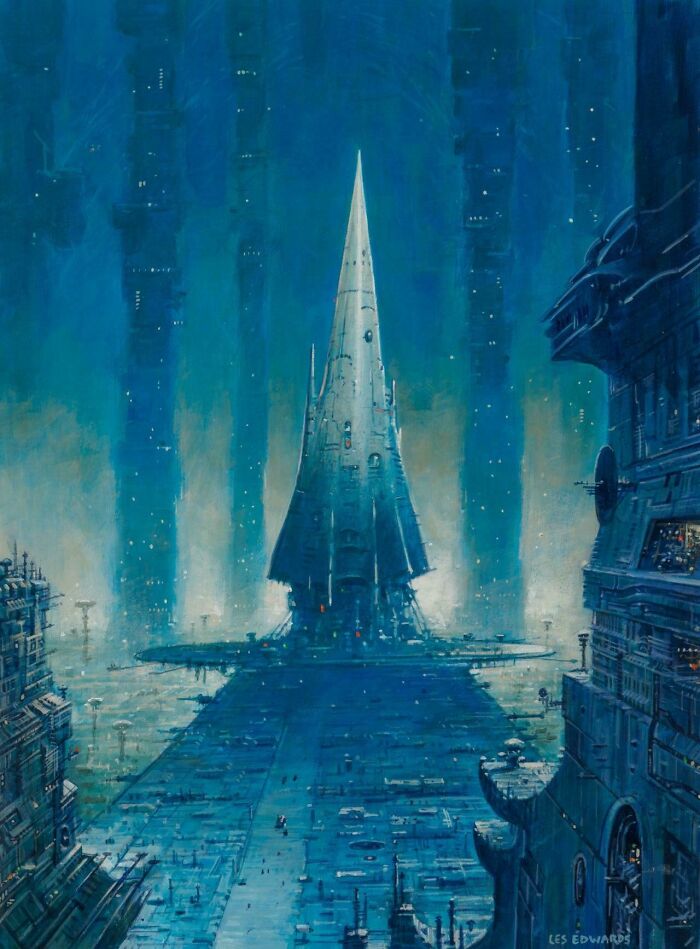
Image source: StephenMcGannon
#20 Aldebaran Nuclear Pulse Jet / SSTO Spaceplane Concept. Dandridge Cole. Art By Roy Kerswill. 1965
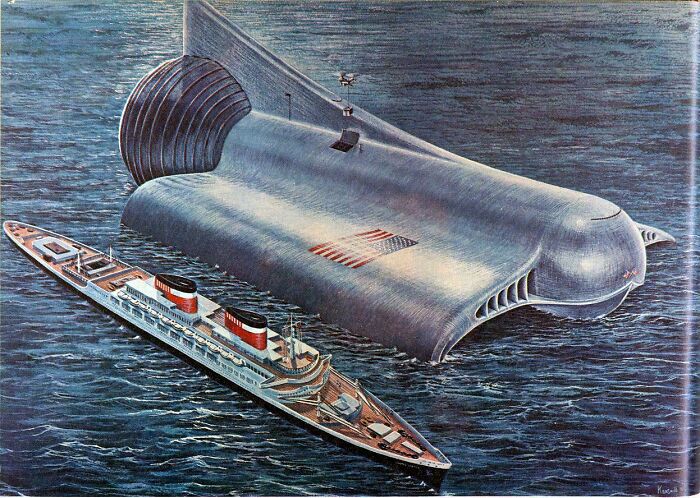
Image source: SevenSharp
#21 “Space Colony II”. Shigeru Komatsuzaki. 1980
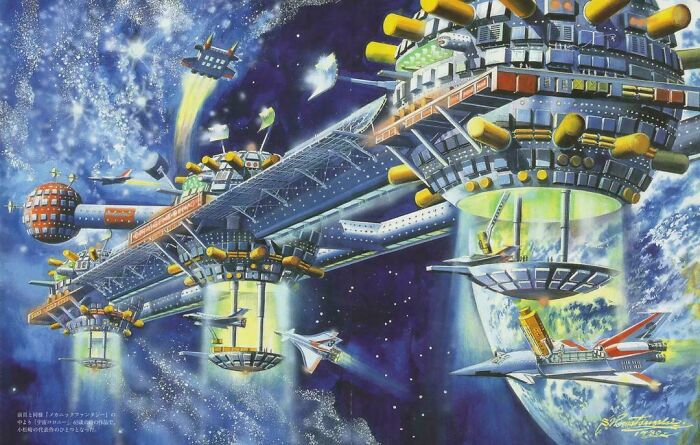
Image source: SevenSharp
And perhaps that’s why these visions continue to hold our attention. They’re snapshots of what people in different eras thought was possible, exciting, desirable, or just around the corner. Looking at them now means seeing both the future they imagined and the present they were living in.
#22 Odyssey Spacesuits. 1968. For ‘2001: A Space Odyssey’, A Stanley Kubrick Masterpiece. Designed By Harry Lange Who Had Worked With NASA & Wernher Von Braun As An Illustrator
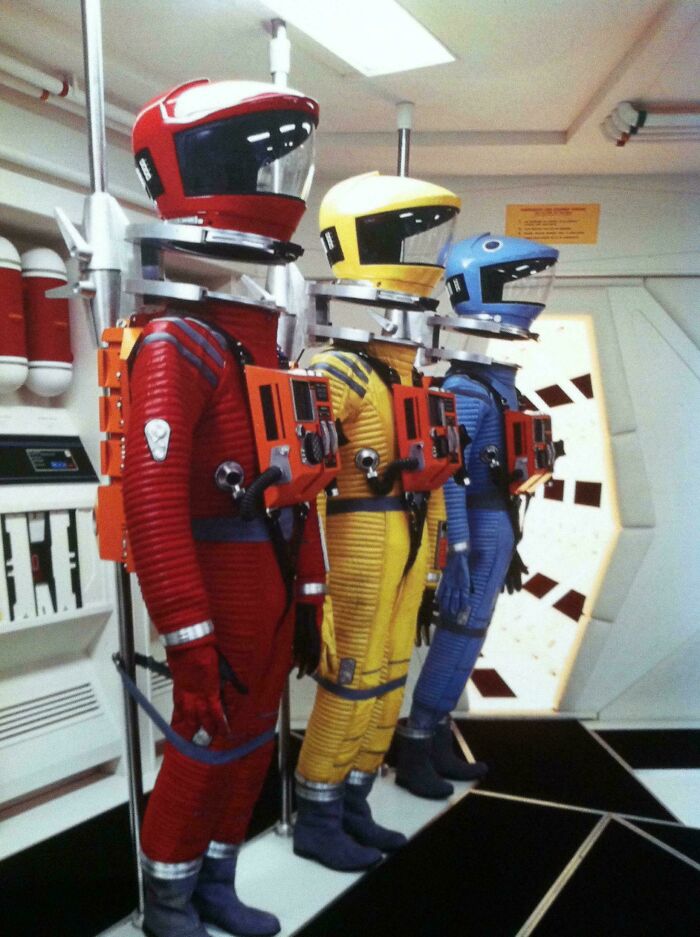
Image source: SevenSharp
#23 “Lockheed Flatbed” Concept Late 1970’s
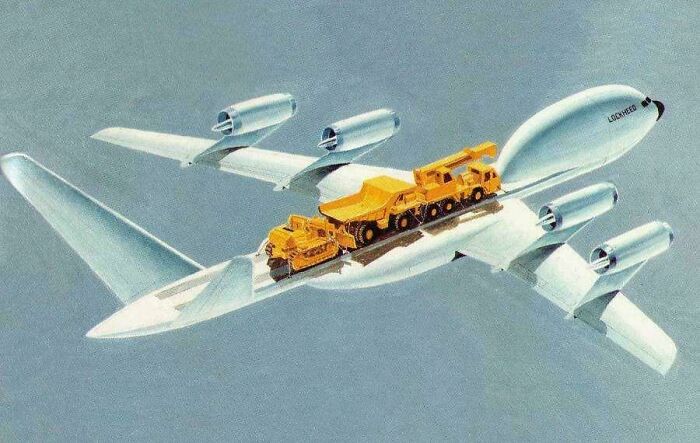
Image source: SevenSharp
#24 “Trans-Space”. Peter Andrew Jones. 1979
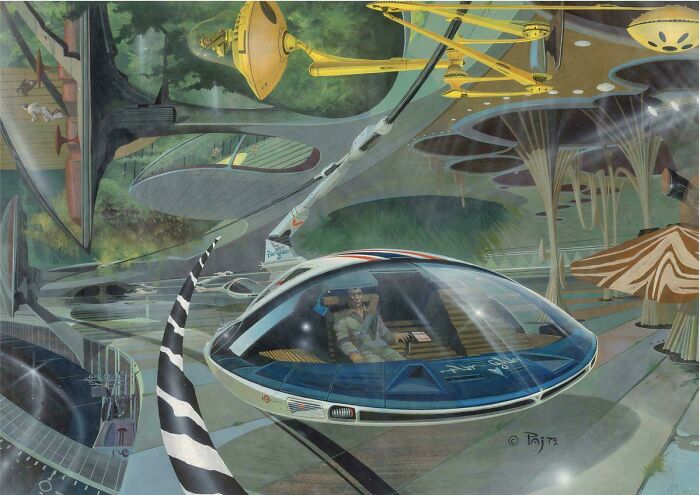
Image source: SevenSharp
As the BBC points out, “Today, the rate of change is so incredibly fast, it can be hard to imagine the future.” Maybe that’s part of what makes these older visions so compelling: they remind us of a time when people seemed perfectly willing to imagine futures that went far beyond an even smaller phone or the next update to a familiar technology. But who knows? A few decades from now, someone might look back at our own visions of tomorrow and find that some were surprisingly on the money, while others were charmingly off the mark.
#25 Star Trek Tricorder Box Art. Mego Corp. 1975. Artist Uncredited
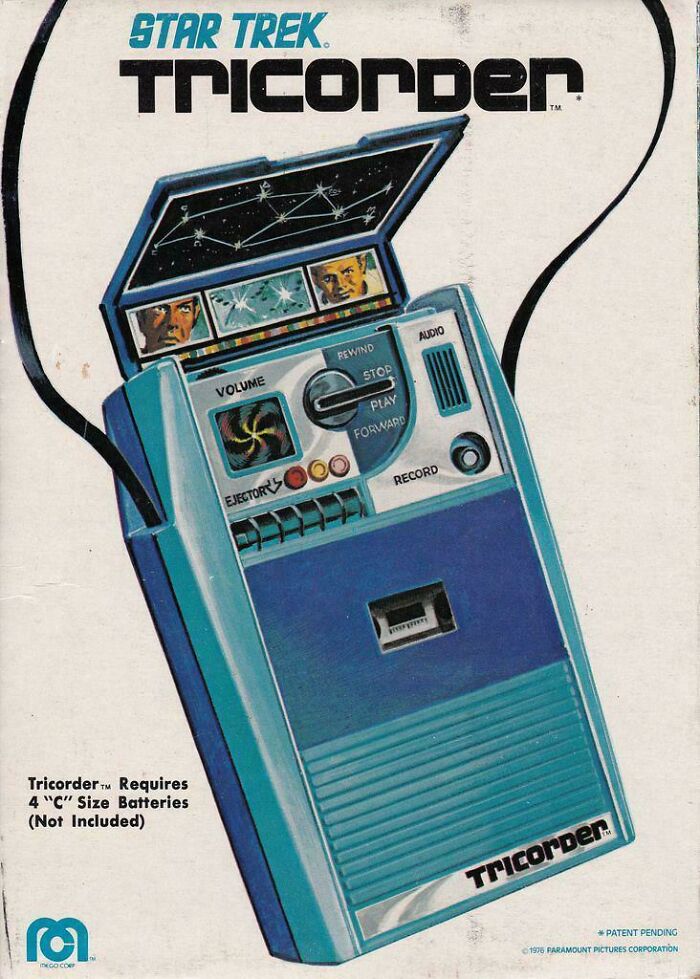
Image source: SevenSharp
#26 NASA Art . Robert Mccall 1964
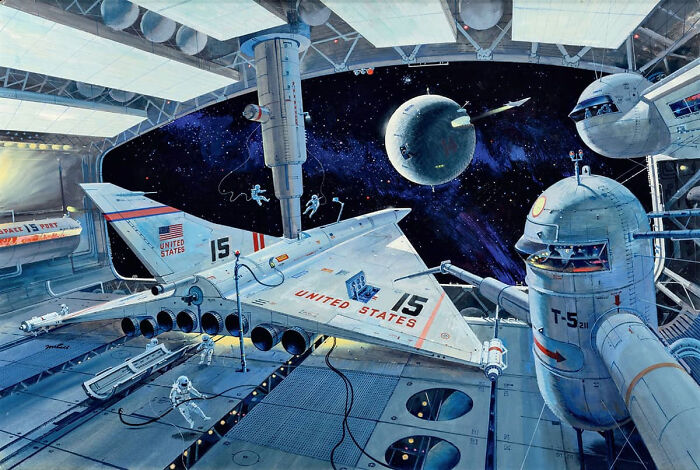
Image source: SevenSharp
#27 “Tokyo Bay Boat Race”. Syd Mead. 1983
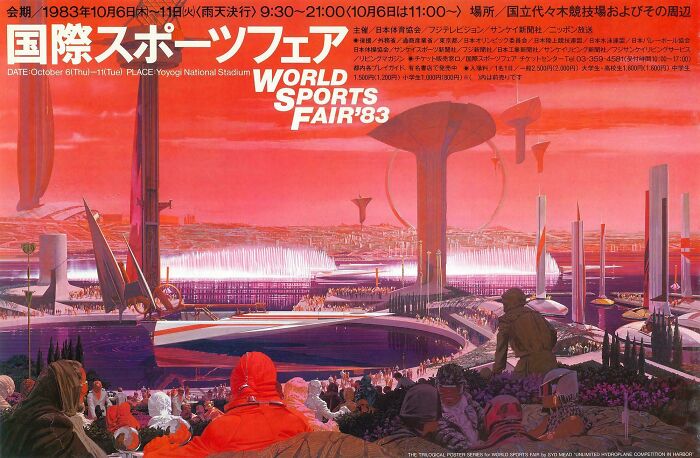
Image source: SevenSharp
#28 Paul Lehr (1930-1998)
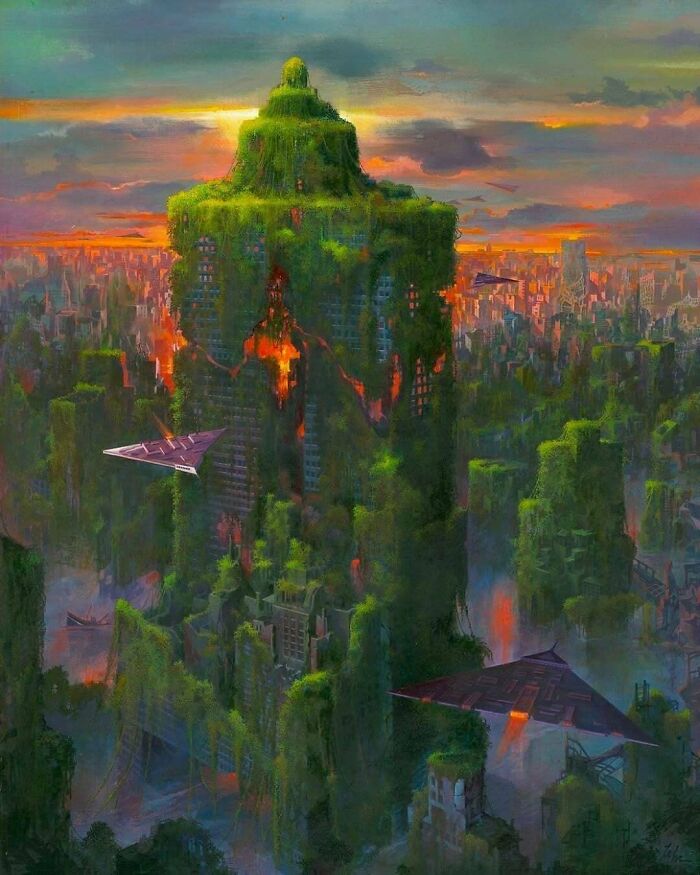
Image source: StephenMcGannon
#29 ‘Moon Base Central Plaza’. Pat Rawlings. 1986
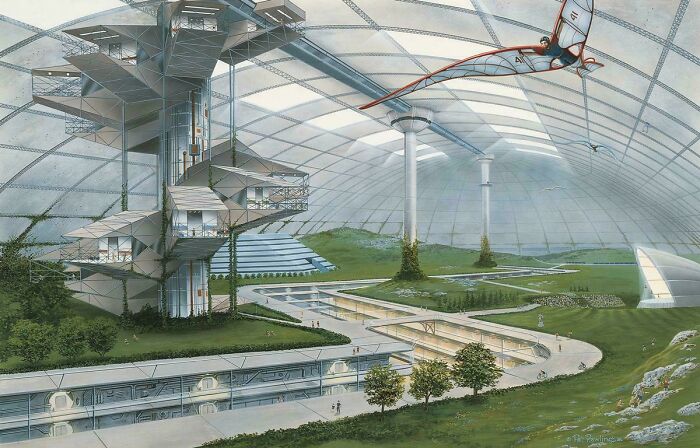
Image source: SevenSharp
#30 “Space Suburb” Concept. Graham Bleathman. 1995
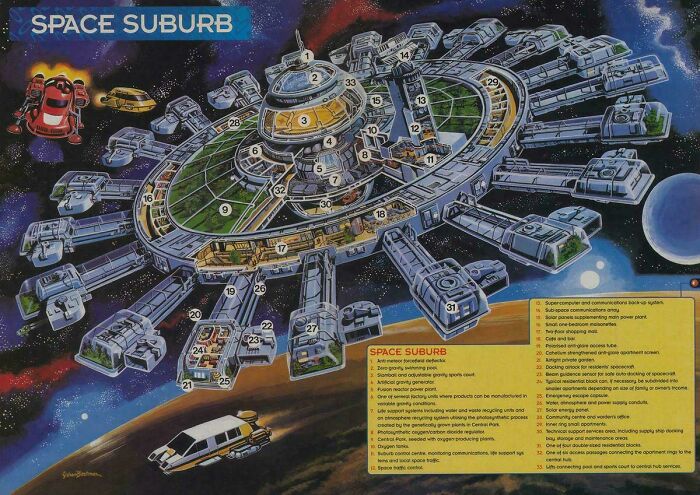
Image source: SevenSharp
#31 “Atoms For Peace”. Frank Tinsley. 1956. Nuclear-Powered Dirigible
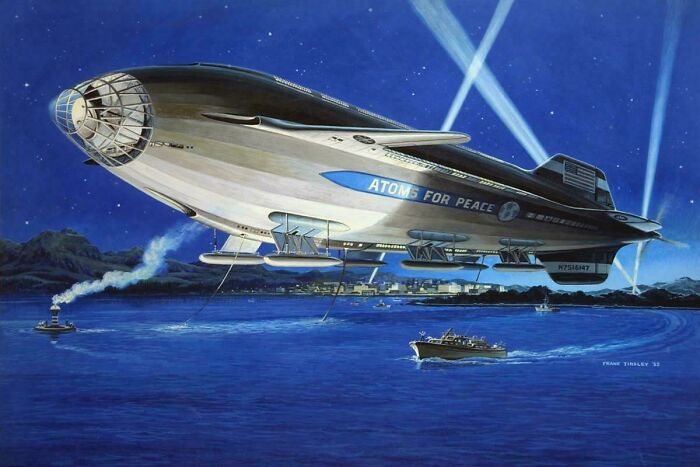
Image source: SevenSharp
#32 ‘Futureworld’ Film Poster, Promotional Concept Art. Drew Struzan. 1976
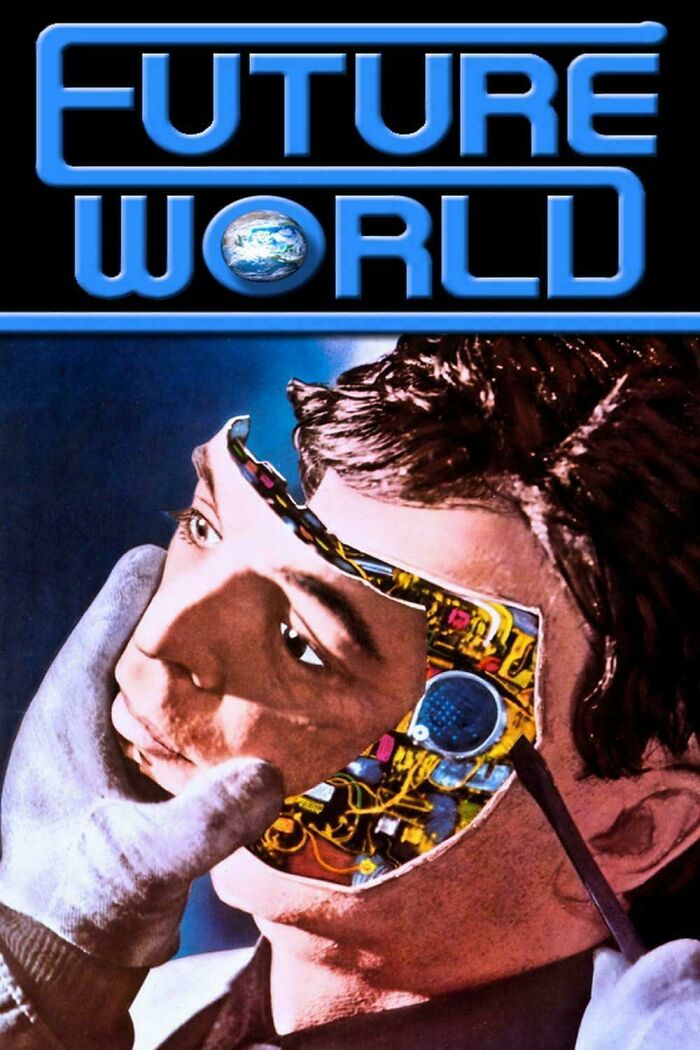
Image source: SevenSharp
#33 ‘Pacific Breeze’. Simon Stålenhag From His Book ‘The Electric State ‘
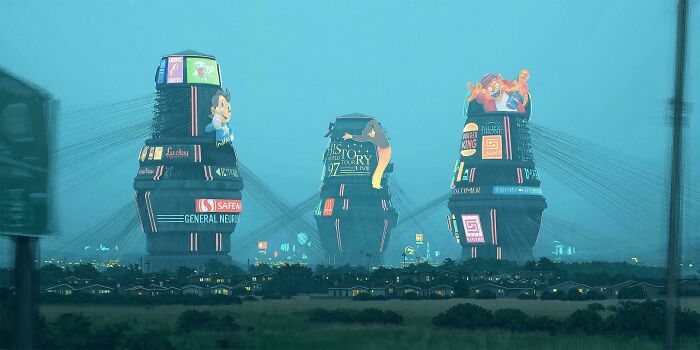
Image source: SevenSharp
#34 ‘Flying Gyron’ Concept Art For Us Steel. 1961. Syd Mead
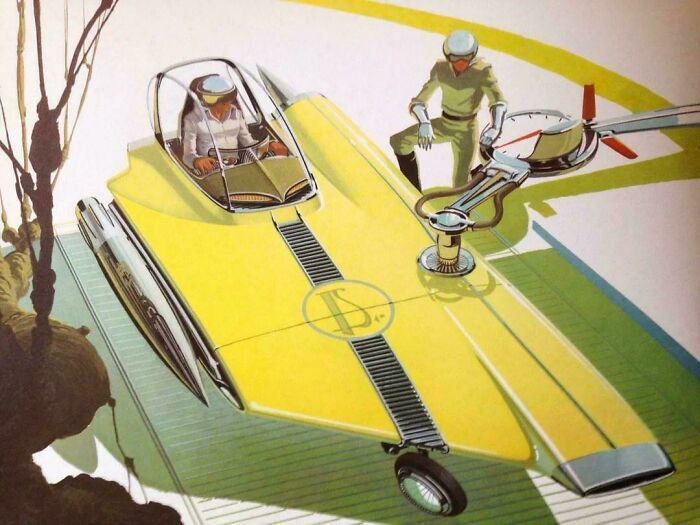
Image source: SevenSharp
#35 “Space Patrol Car – Mahha”. Cover Art For A Model Kit. Manufactured By Otaki. Artist Unknown. Classic Japanese Retrofuturism From 1968
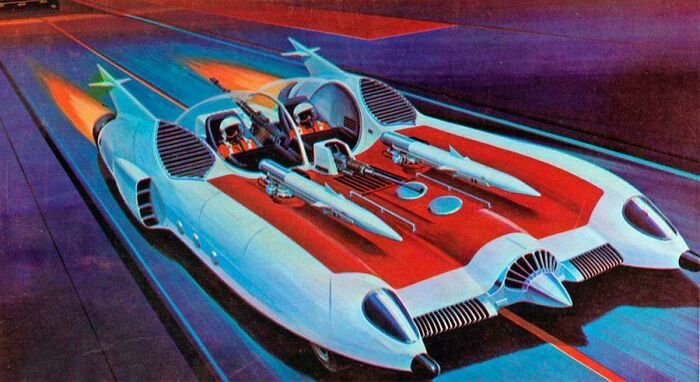
Image source: SevenSharp
#36 Concept Art For The Film ‘Black Hole’. 1979. Robert Mccall
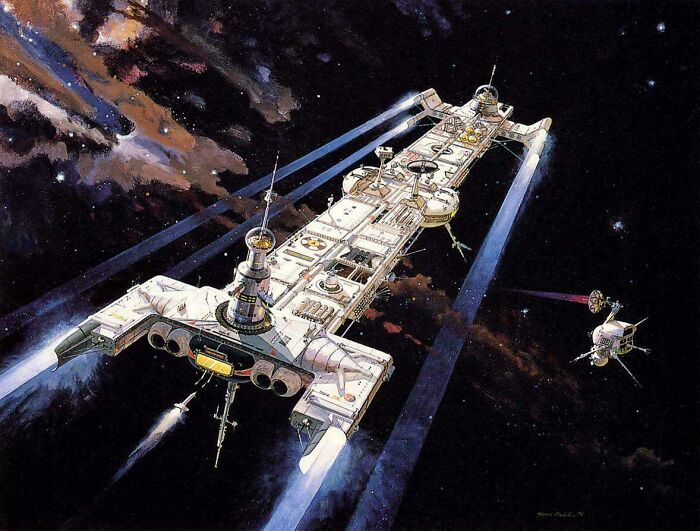
Image source: SevenSharp
#37 Back To The Future Part II Concept Art By John Bell, 1989
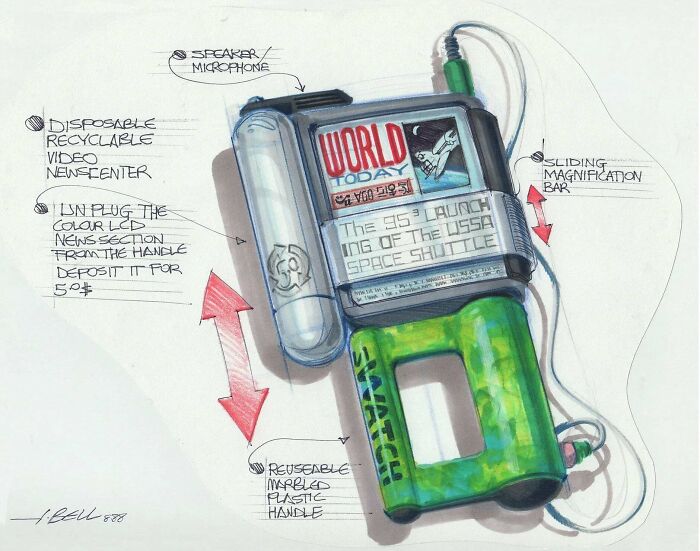
Image source: art-man_2018
#38 Byte Magazine, 1977. Robert Tinney
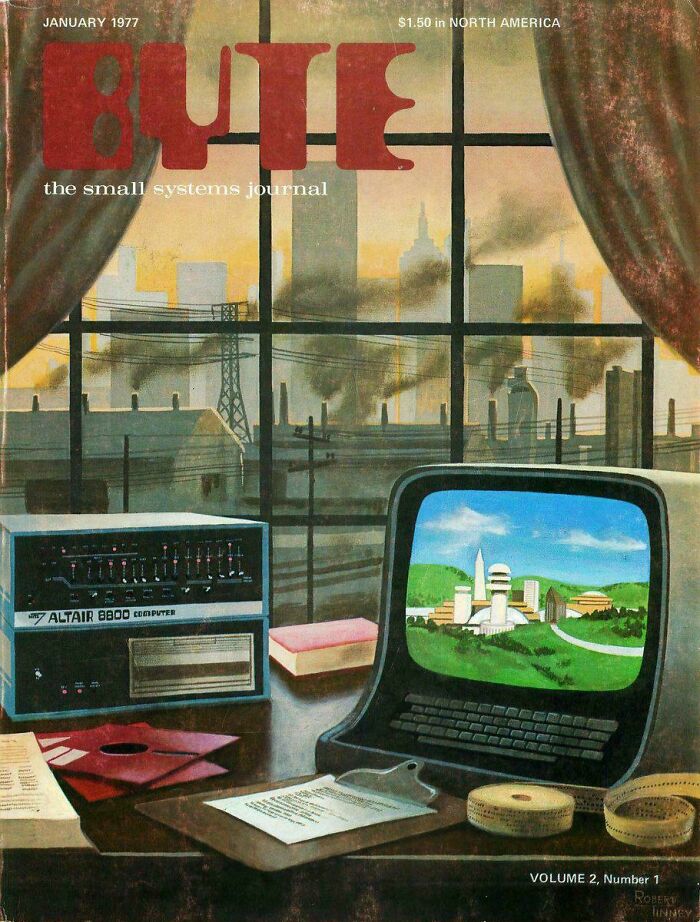
Image source: SevenSharp
#39 Running Of The 200th Kentucky Derby. Syd Mead, 1975
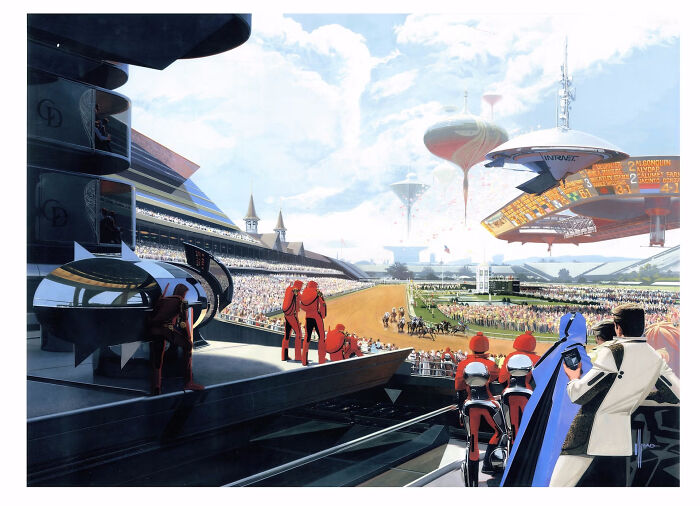
Image source: SevenSharp
#40 “Space Train”. David Schleinkofer. 1981, For ‘Science Digest ‘
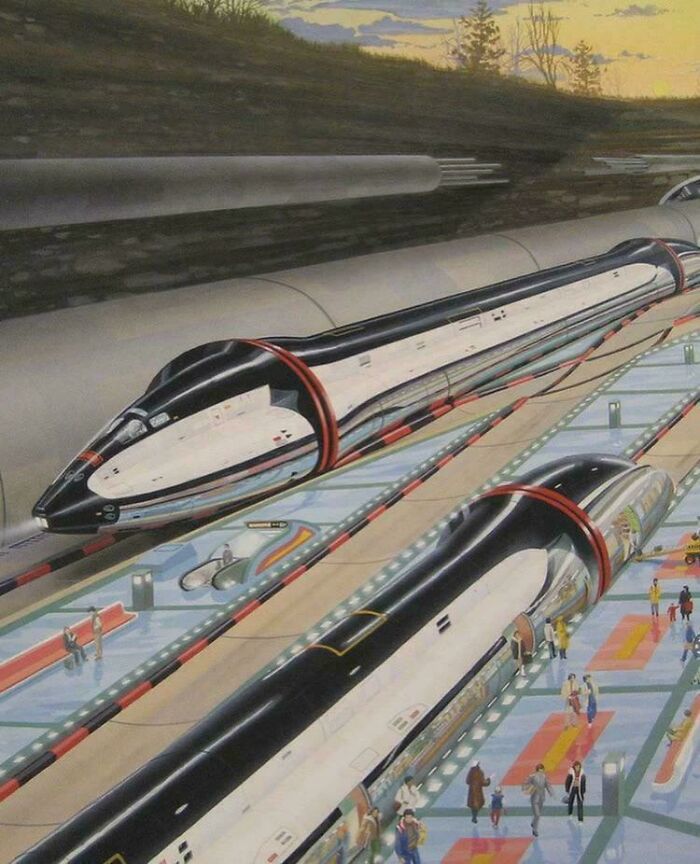
Image source: SevenSharp
#41 R.A. Smith (1954)
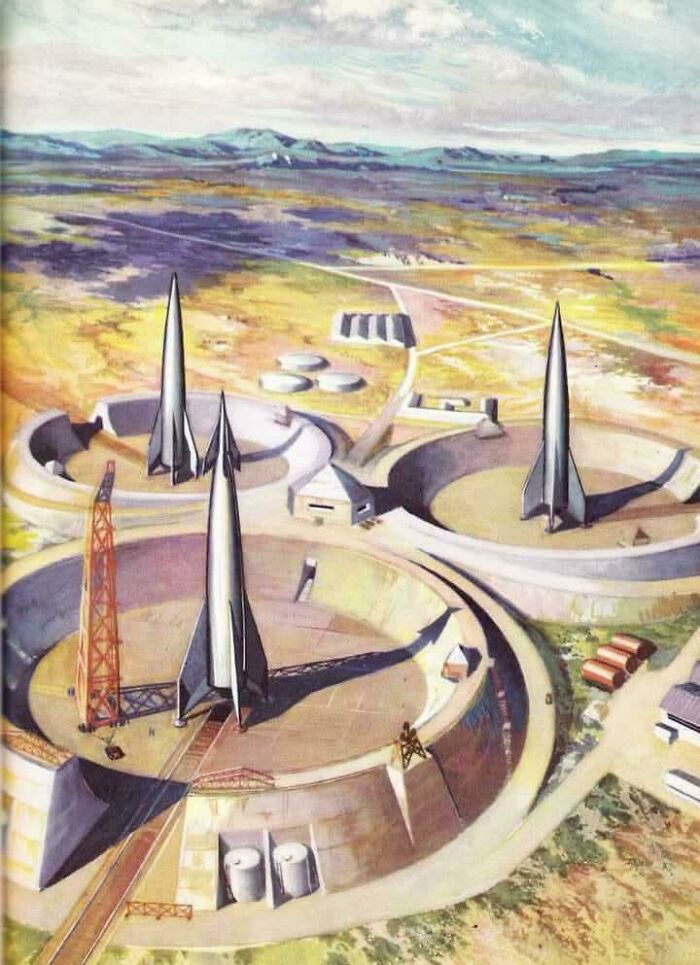
Image source: StephenMcGannon
#42 “Spaceport Of The Future”. James R Powers. 1957
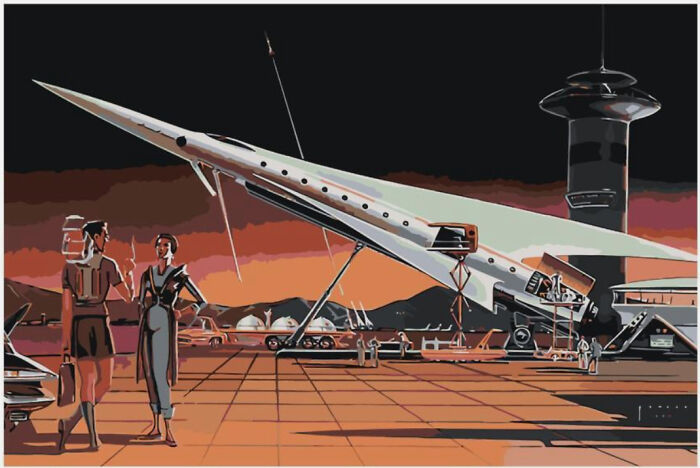
Image source: SevenSharp
#43 “Gigantic Robots, Controlled By Wireless, To Fight Our Battles” (Fresno Bee, 1904)
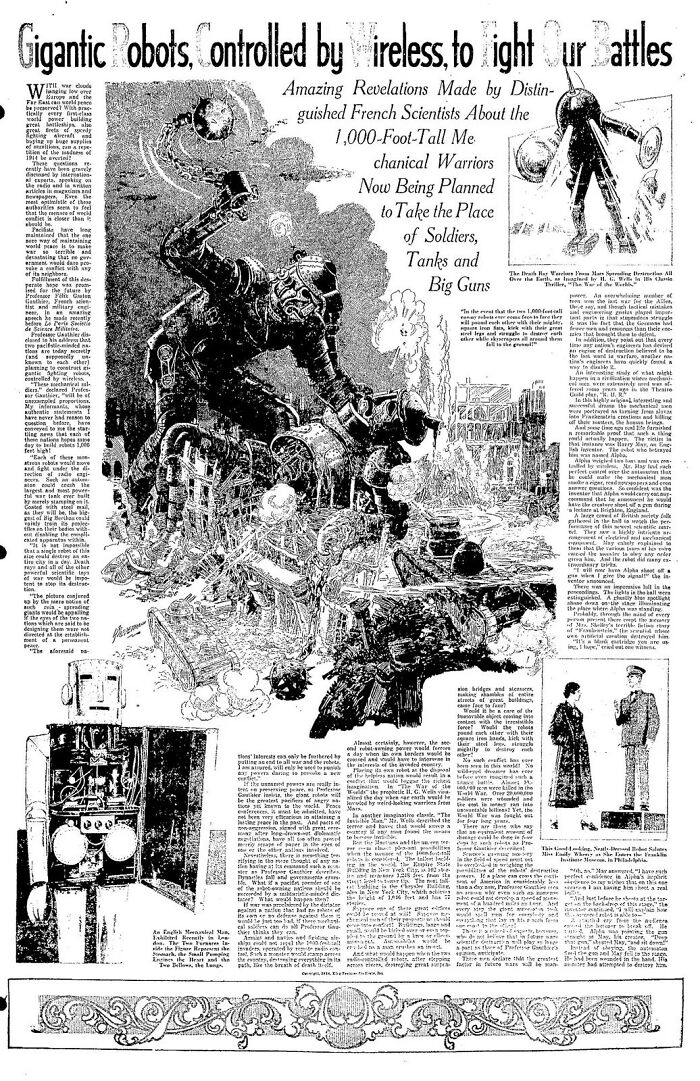
Image source: TJ_Fox
#44 NASA Concept Art. 1976. Construction Of Solar Power Satellite Array
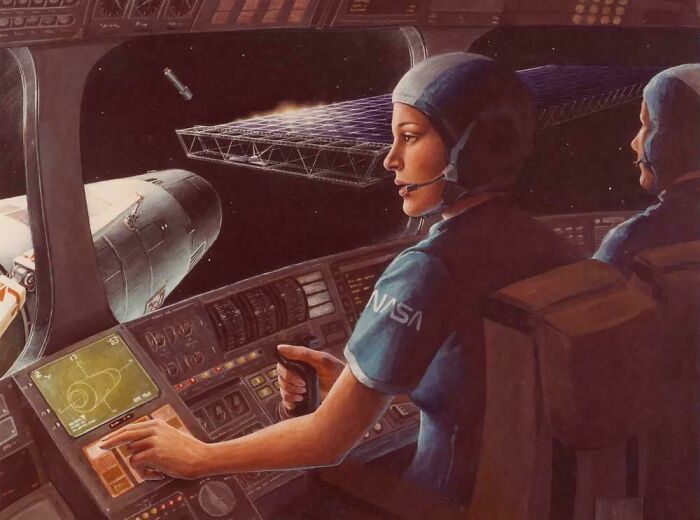
Image source: SevenSharp
#45 Zaccaria “Future World,” Pinball Playfield. 1978
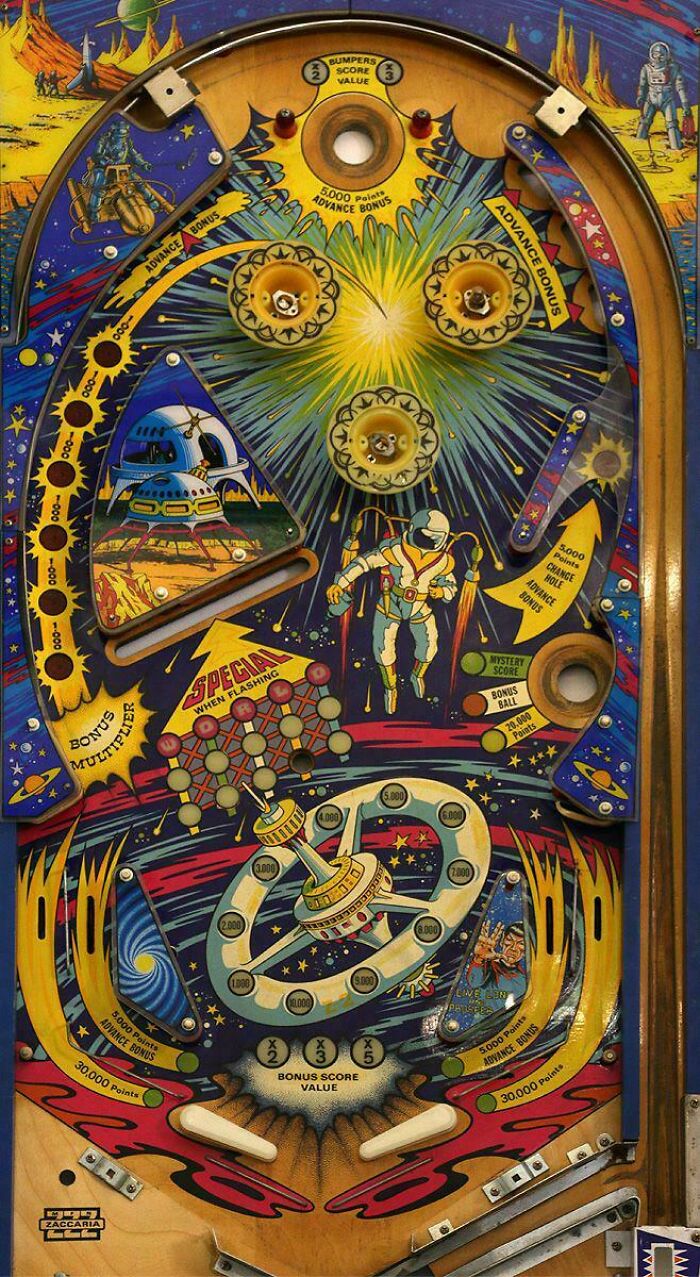
Image source: SevenSharp
#46 Fantastic Adventures By Frank R. Paul (1940)
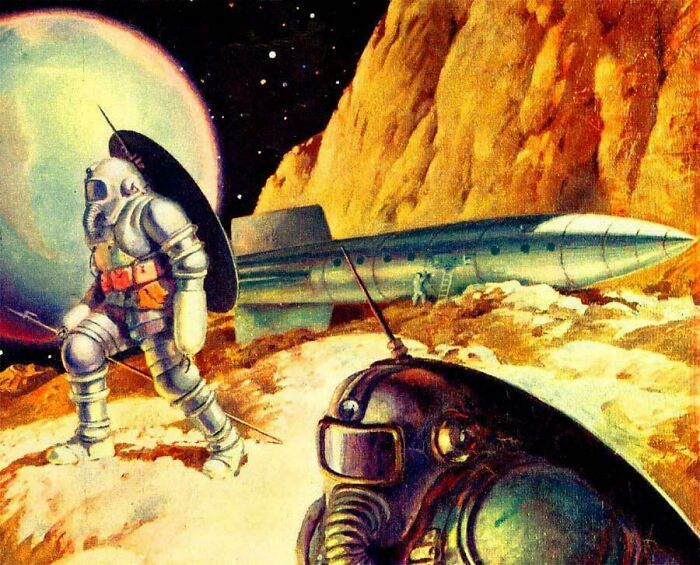
Image source: StephenMcGannon
#47 Richard Hescox I
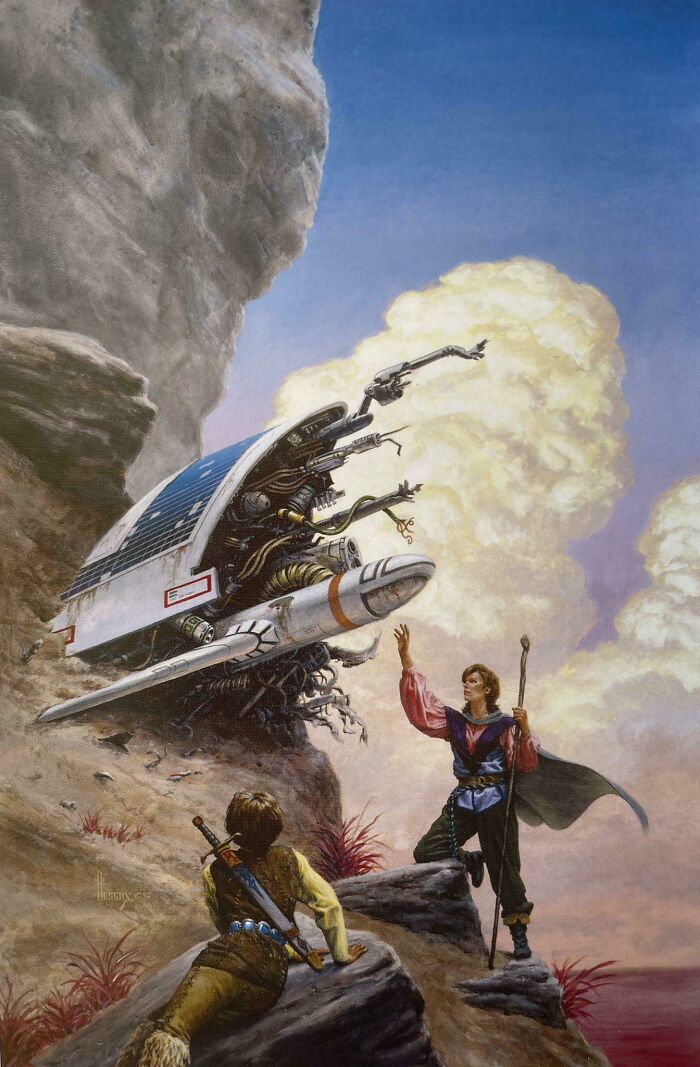
Image source: StephenMcGannon
#48 “Exploring The Space Frontier”. Robert Mccall. 1988
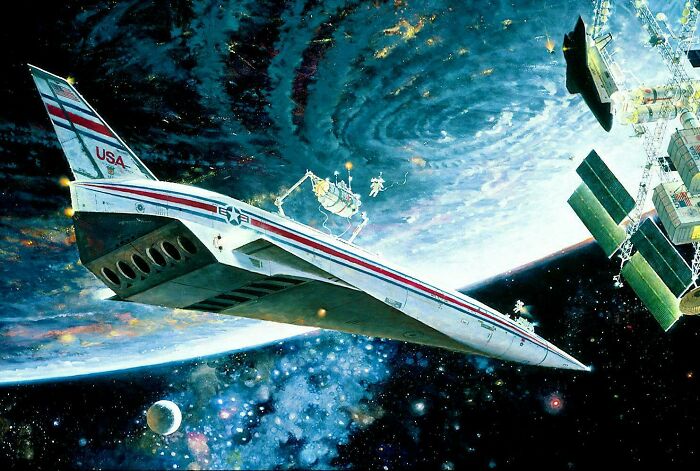
Image source: SevenSharp
#49 ‘Discovery One’ From 2001: A Space Odyssey. Artist: Oliver Rennert. Commisioned For A Book About The Making Of Stanley Kubrick’s Seminal Film
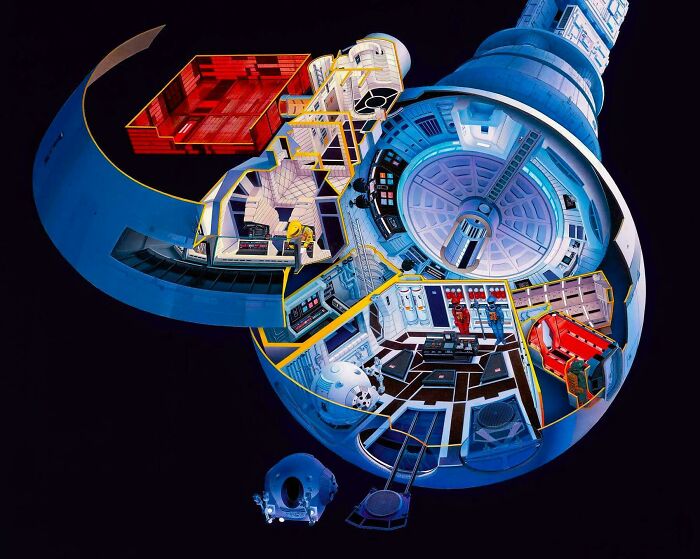
Image source: SevenSharp
#50 ‘Another Busy Day On Mars ‘. Robert Mccall. 1991
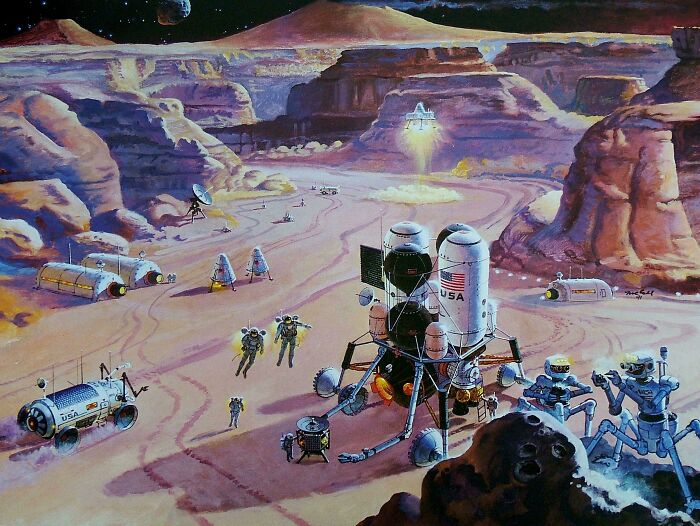
Image source: SevenSharp
#51 Robert Mccall Piece For An Isaac Asimov Book ‘Our World In Space’ 1974
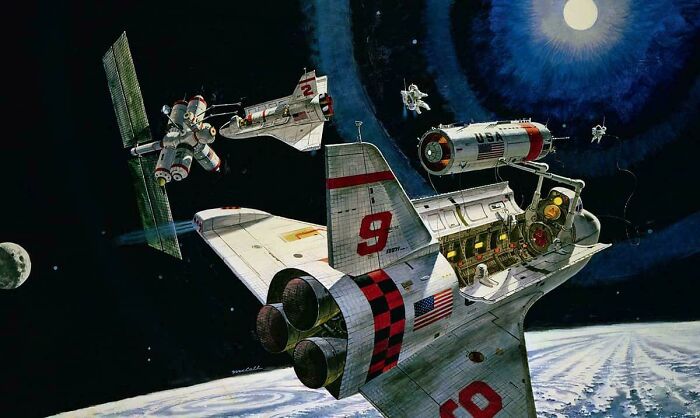
Image source: SevenSharp
#52 Inside-Out World By Roy Scarfo
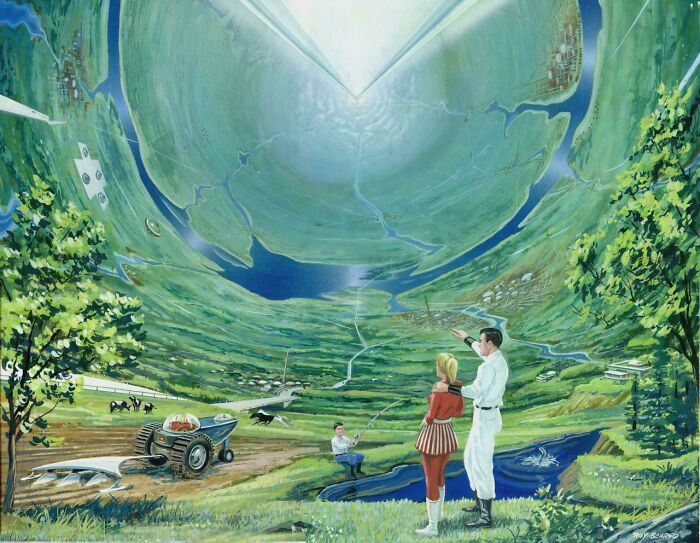
Image source: StephenMcGannon
#53 ‘Blade Runner’. 1982. Concept Art By Syd Mead . Interior Of A ‘Police Spinner’ Flying Vehicle
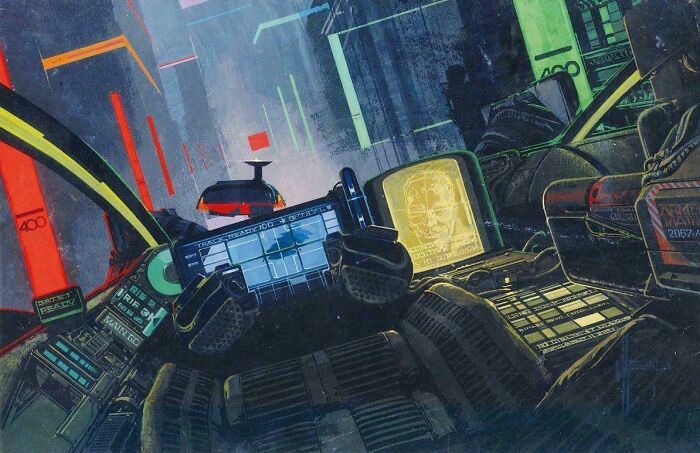
Image source: SevenSharp
#54 Concept Art For US Steel. Syd Mead. 1969
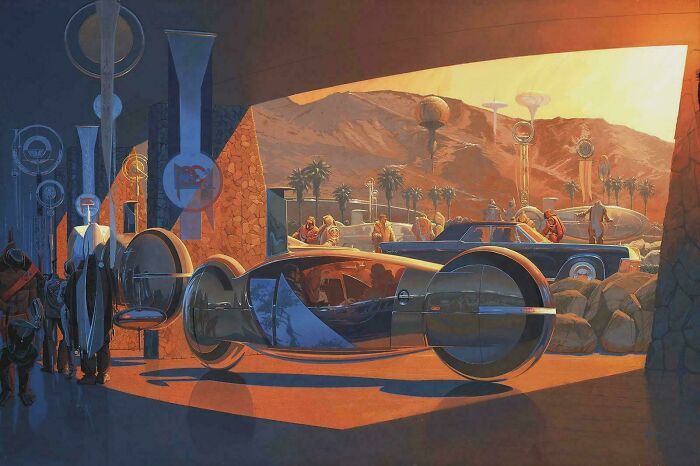
Image source: SevenSharp
#55 Part Of The Epcot “Horizons” Attraction. Robert Mccall
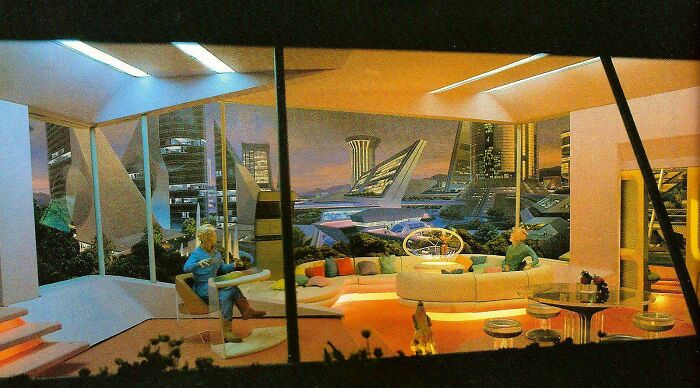
Image source: Plethorian
#56 David Schleinkofer. 1970’s
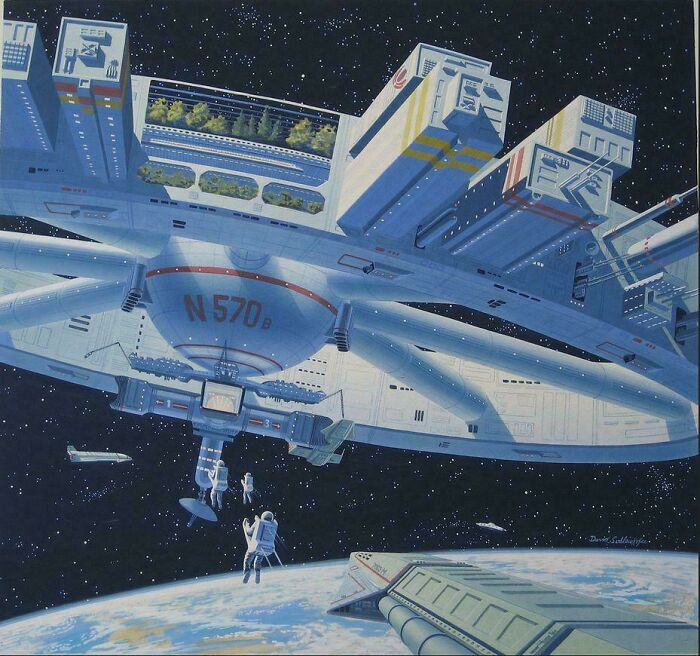
Image source: SevenSharp
#57 TWA Moonliner At Disneyland – Tomorrowland . 1955. Jon Hench (Adv By Wernher Von Braun)
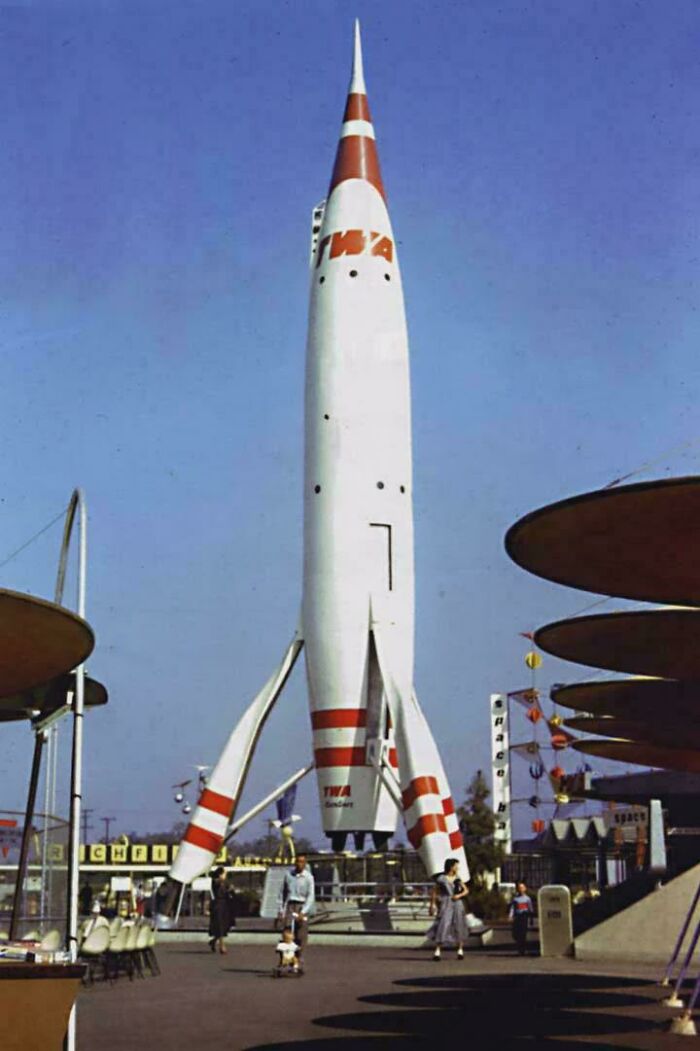
Image source: SevenSharp
#58 GMC (1955)
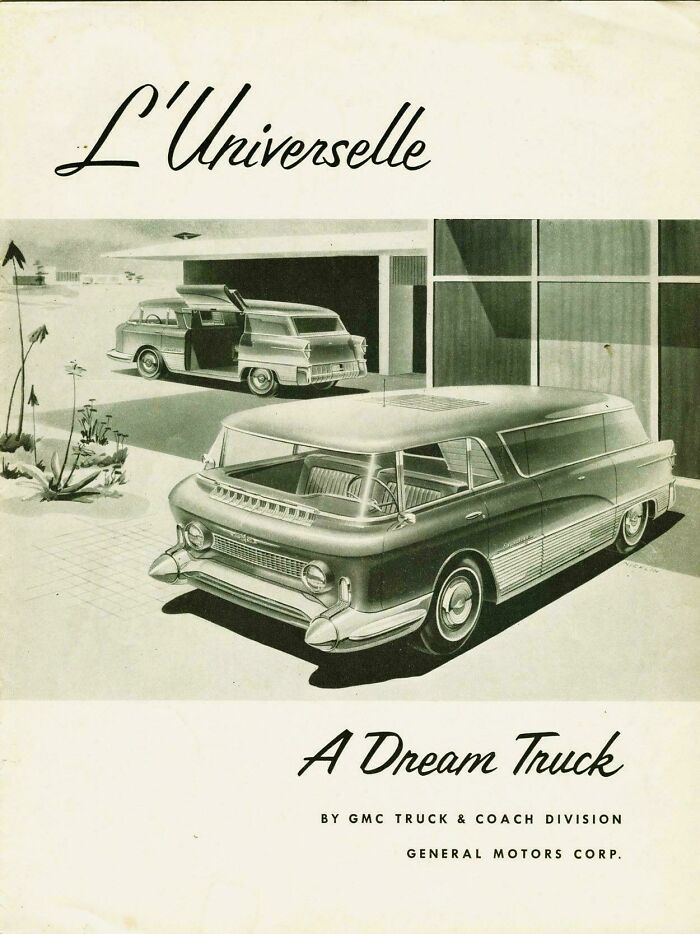
Image source: wagner56
#59 Bac Mustard (Multi-Unit Space Transport And Recovery Device) – 1962
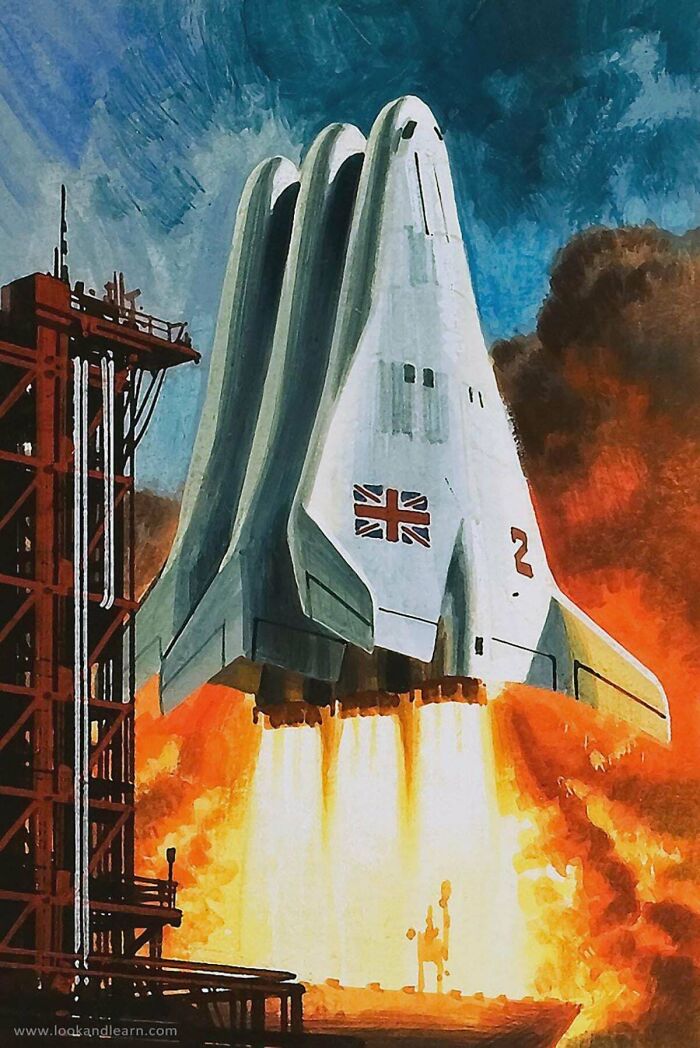
Image source: Xerxes_Iguana
#60 Toyota Maru 144 Cargo Submarine Concept. John Berkey. Late 80’s
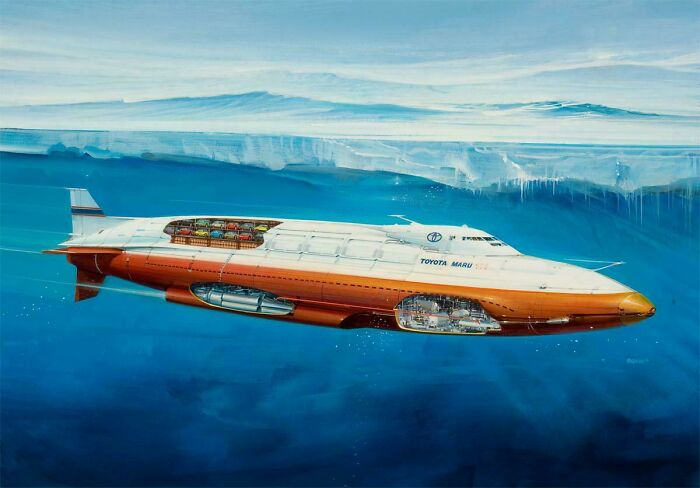
Image source: SevenSharp
#61 “Shuttles At Work”. Robert Mccall. Featured 1974 Book Our World In Space
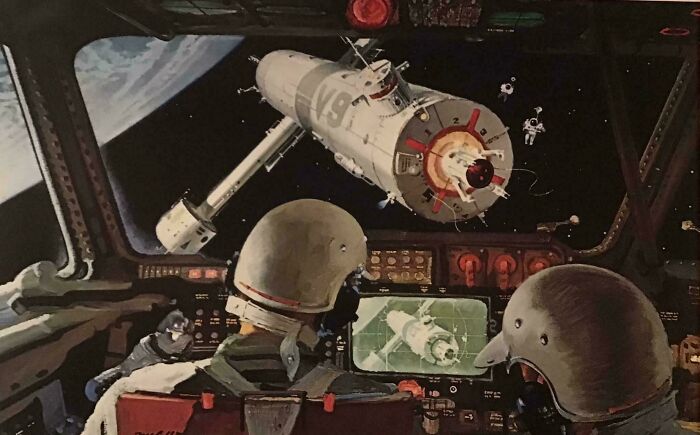
Image source: SevenSharp
#62 Darrell K. Sweet’s Cover Art For “Time For The Stars” By Robert A. Heinlein, 1978
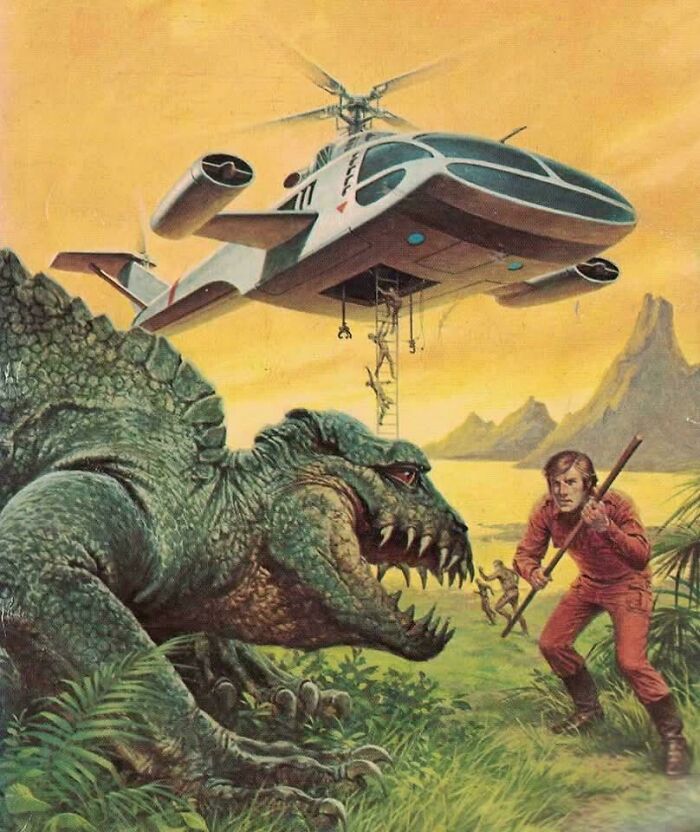
Image source: StephenMcGannon
#63 Mcdonnell Douglas MD-2001 “Orient Express”. A.A. Livery. 1985. Art By Horonzak

Image source: SevenSharp
#64 ‘Roads That Glow!’. Arthur Radebaugh. 1964. Originally Appeared In An Rca Print Ad For Transistors
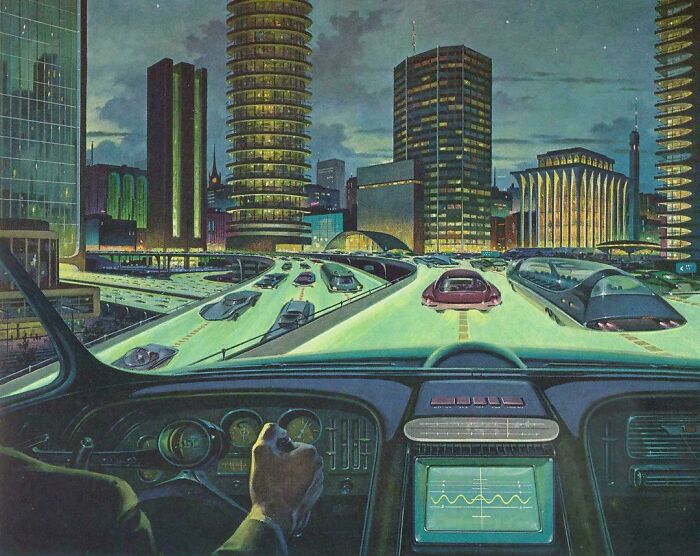
Image source: SevenSharp
#65 Steinwinter Supercargo 2040. Prototype. Unveiled At Frankfurt Motor Show 1983

Image source: SevenSharp
#66 ‘US Steel Print Series No.4’ Cargo Truck Concept – 1967. Syd Mead
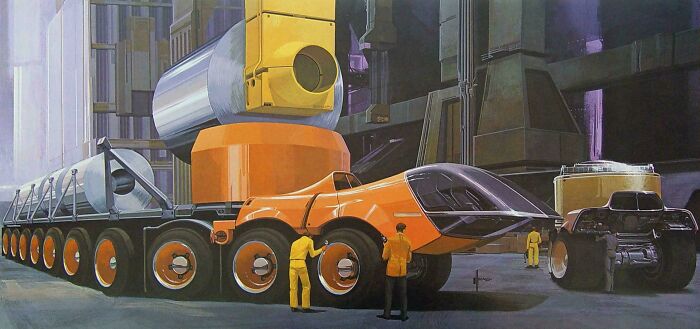
Image source: SevenSharp
#67 ‘Engines’ By Maciej Rebisz. From “Space That Never Was” Exhibition
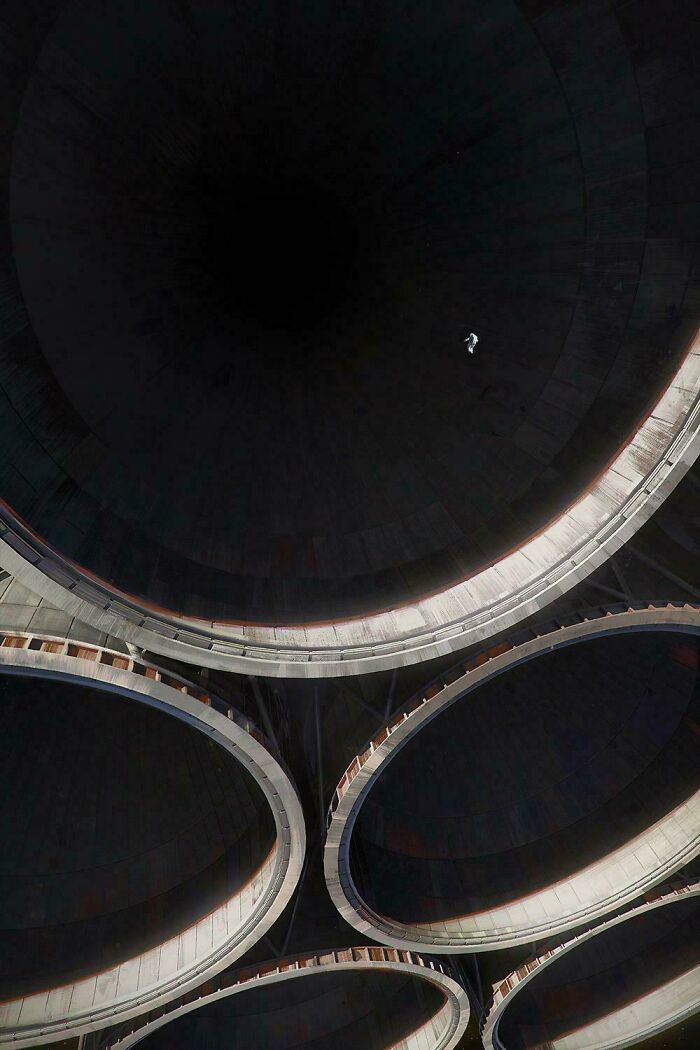
Image source: SevenSharp
#68 First Men In The Moon (1964). The Interior Of The Space Ship Cavorite
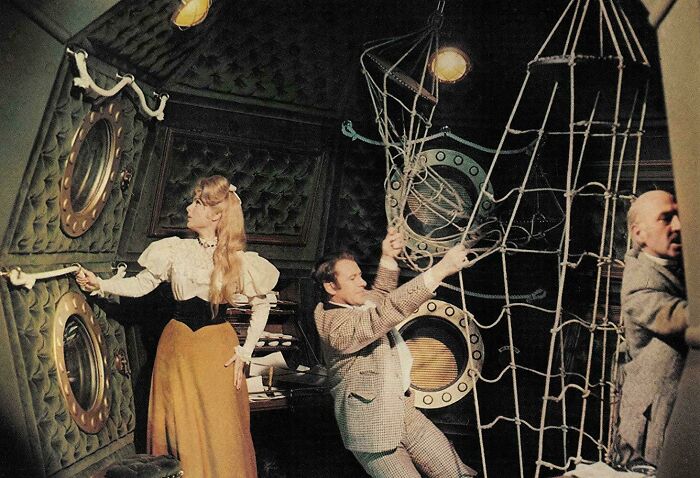
Image source: StephenMcGannon
#69 GM Futureliner Showcase Bus 1939. Harley Earl
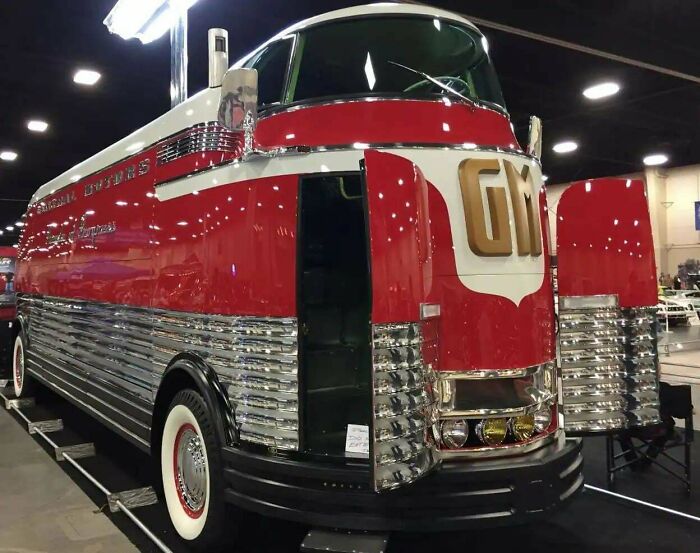
Image source: SevenSharp
#70 Peter Elson
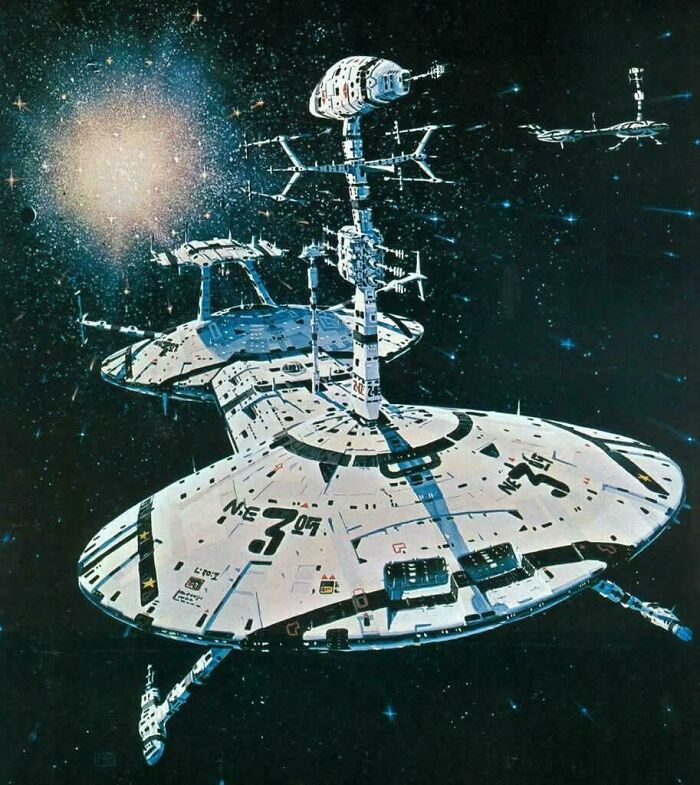
Image source: StephenMcGannon
 Follow Us