One thing that every single parent knows, almost as if it were an unspoken mantra, is that if you find a good nanny, you never let her go. There are far too many variables at play, and if you trust someone to look after your children, you gotta make sure they’re cherished.
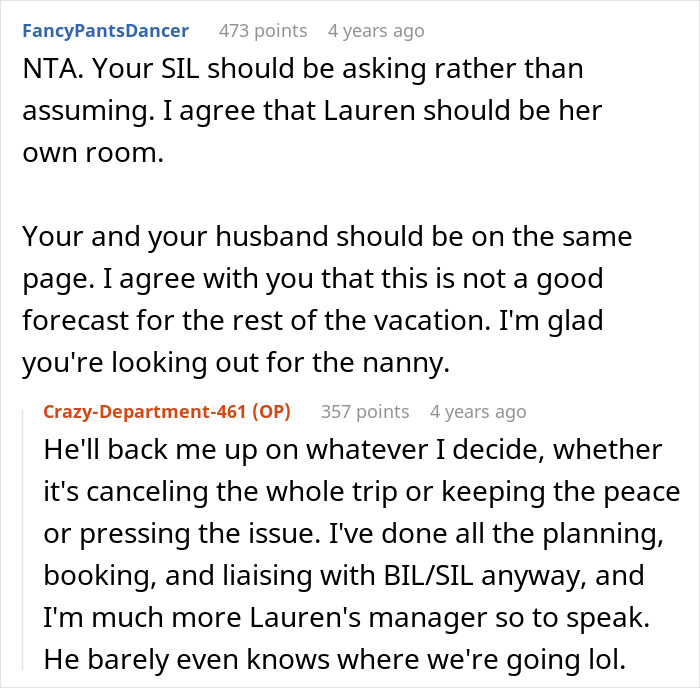
And one woman on social media shared that she had that exact dynamic with her nanny. Every year, the woman, her husband, and kids vacation with the nanny, “Lauren,” for an extra pair of hands. But one day, the narrator’s brother-in-law wanted to join his wife and kids — but they knew a nanny would be there and expected free babysitting, much to everyone’s dismay, so here’s what readers had to say.
Finding a good and trustworthy nanny is almost like finding a needle in a haystack

Magnific / Magnific (not the actual photo)

A woman has held on to her nanny for years, so when she realized her in-laws expected free babysitting for their own kids while on vacation, she had to put her foot down



lookstudio / Magnific (not the actual photo)




Wavebreak Media / Magnific (not the actual photo)
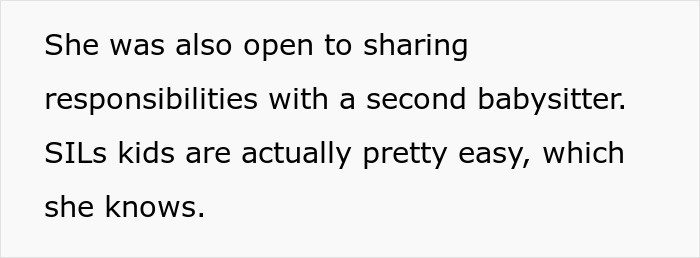
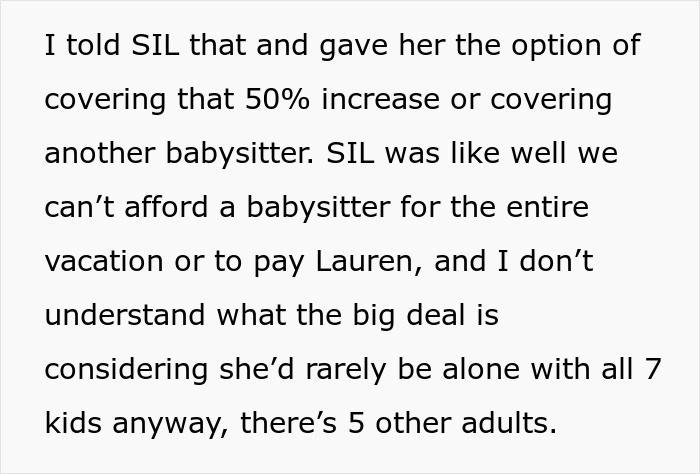

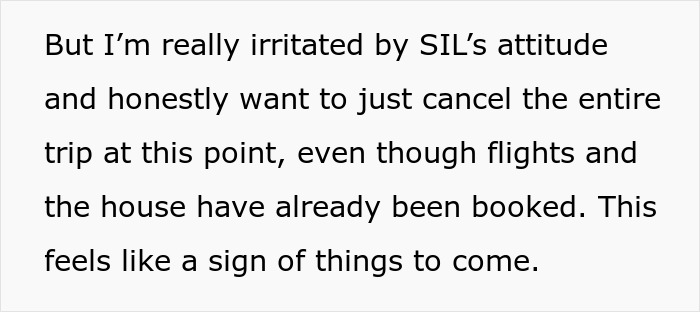
The couple believed they were entitled to the nanny, while assuming they’d be free of any financial burdens
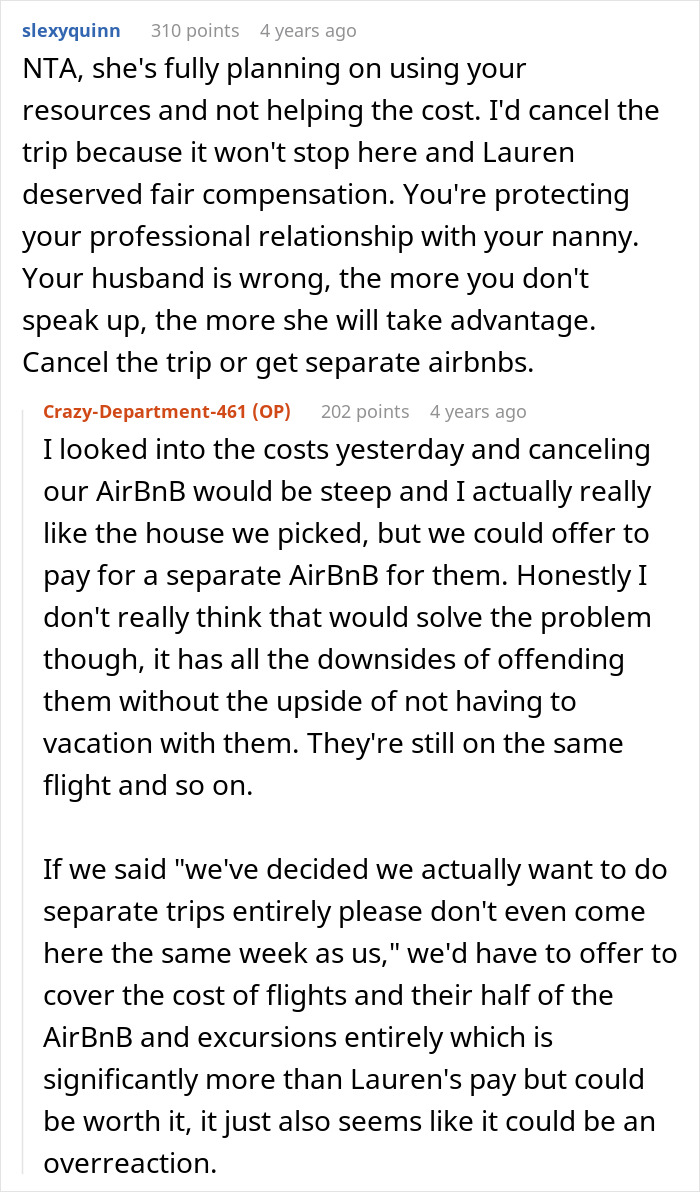
Surprisingly enough, the concept of trying to use other people’s nannies is actually so common that it even has a name: job creep. This is when people, in this case, the sister-in-law, see the nanny not as an employed professional hired by one couple, but as a community commodity that is available to anyone present, including themselves, without any additional compensation.
But of course, this doesn’t necessarily happen because of a simple misunderstanding, but because they know they’re more financially unstable. Research published in the Journal of Financial Therapy actually shows that when families have an unequal financial standing, it can create expectations. Wealthier family members are expected to cover expenses, while less wealthy members may feel entitled to shared perks.
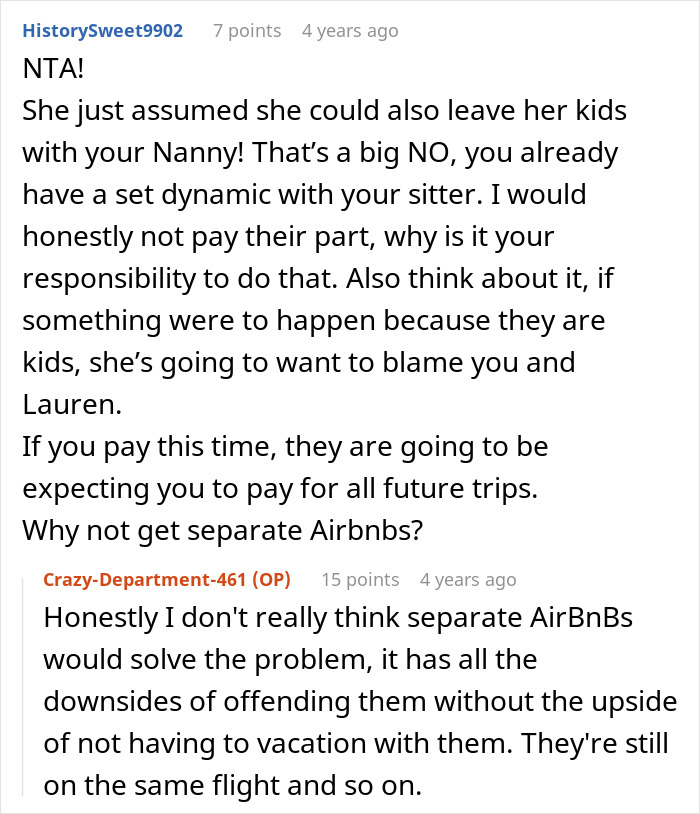
And unfortunately, the narrator’s husband falls right into the trap. To avoid conflict, his first impulse was to immediately pay the 50% increase himself to keep the peace and the vacation. However, psychological studies show that paying to solve a problem caused by someone who has overstepped boundaries may bring short-term relief, but it can also reinforce long-term entitlement and bad habits.

Magnific / Magnific (not the actual photo)
The nanny’s well-being should be prioritized over the couple’s comfort and unwillingness to pay
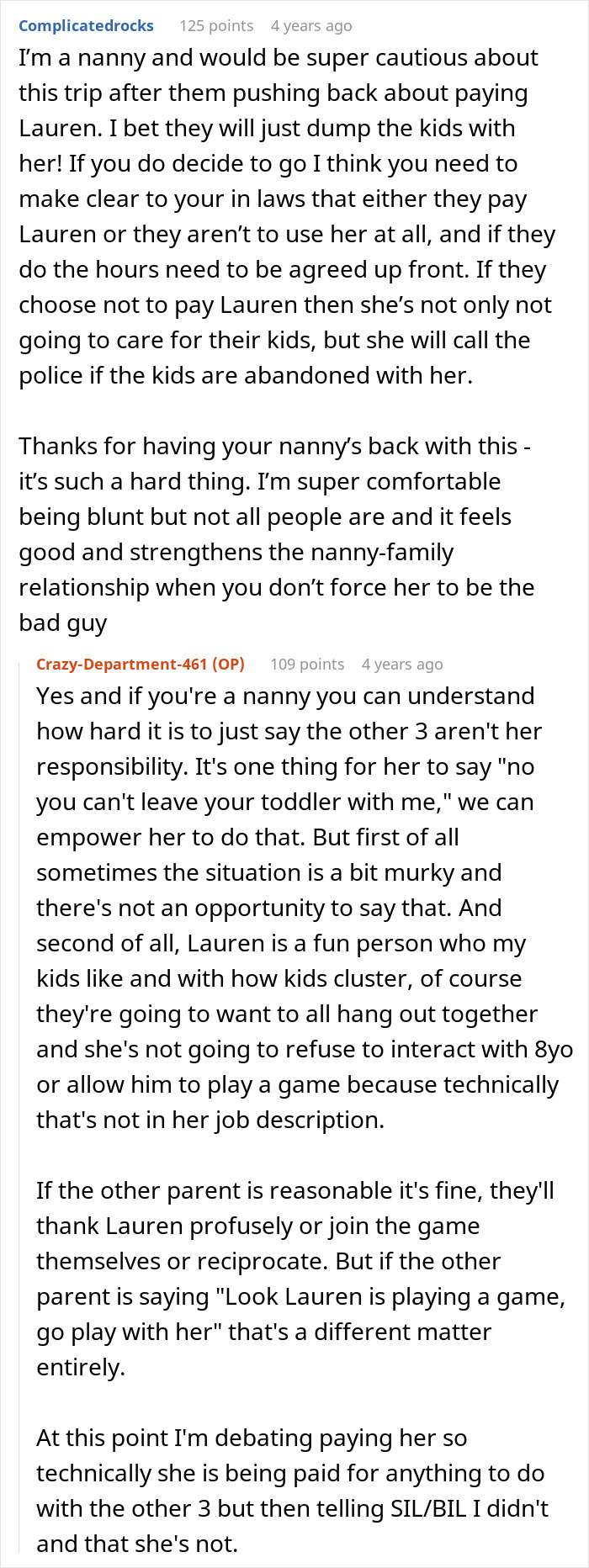
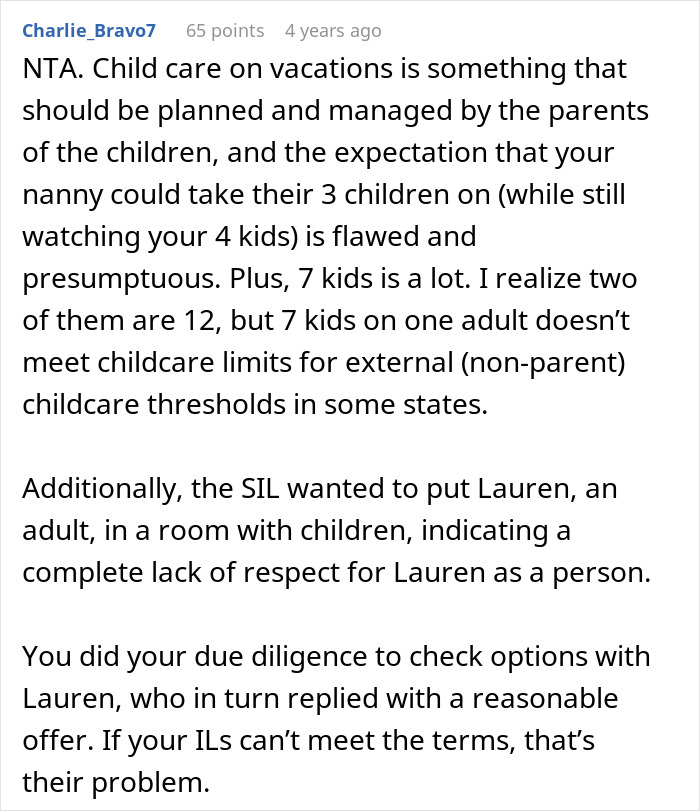
Now, there are quite a few reasons why the arrangement the sister-in-law was planning wouldn’t work. For starters, the American Academy of Pediatrics (AAP) actually establishes strict adult-to-child ratios for safety, and yes, that can include professionals like nannies. They’ve concluded that to ensure safety standards and protocols are followed, one adult shouldn’t be responsible for more than 3–4 toddlers or preschoolers.
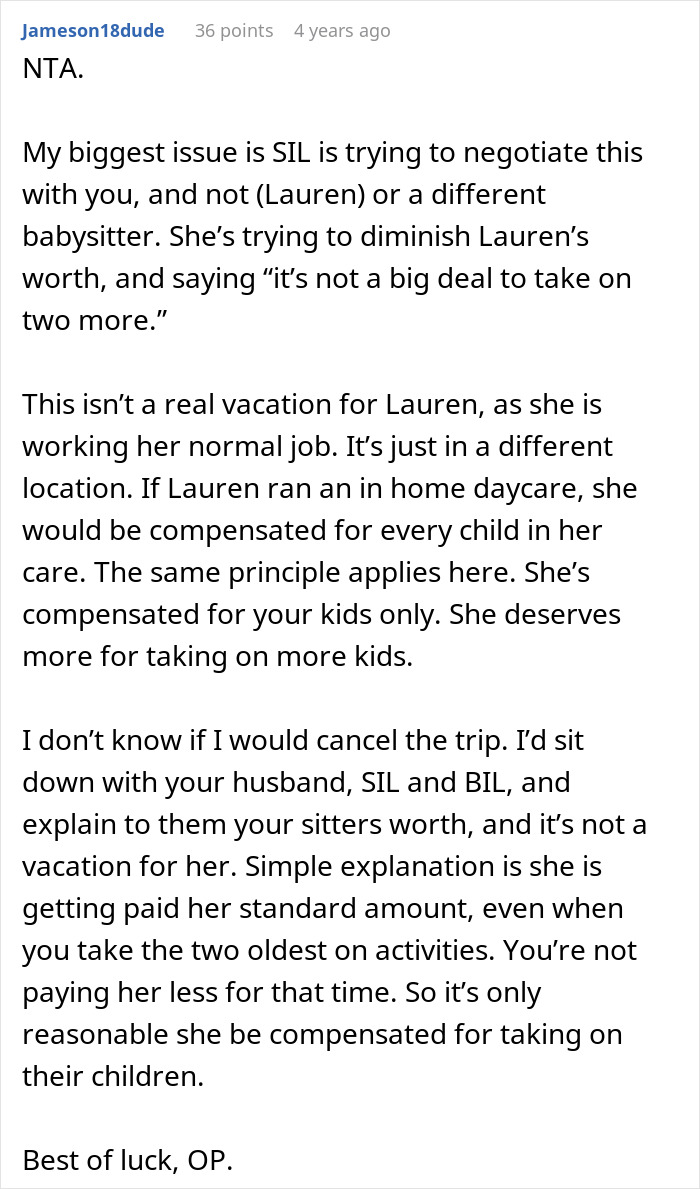
While the ages vary, it would still make Lauren responsible for two toddlers, two children, and two preteens, which would be a lot to manage, especially outside. So, with this said, what can the couple do? Well, for starters, the husband must try to stop shouldering the financial burden. Ultimately, he ought to prioritize the primary relationship (husband and wife) and hold firm boundaries against the secondary family system.
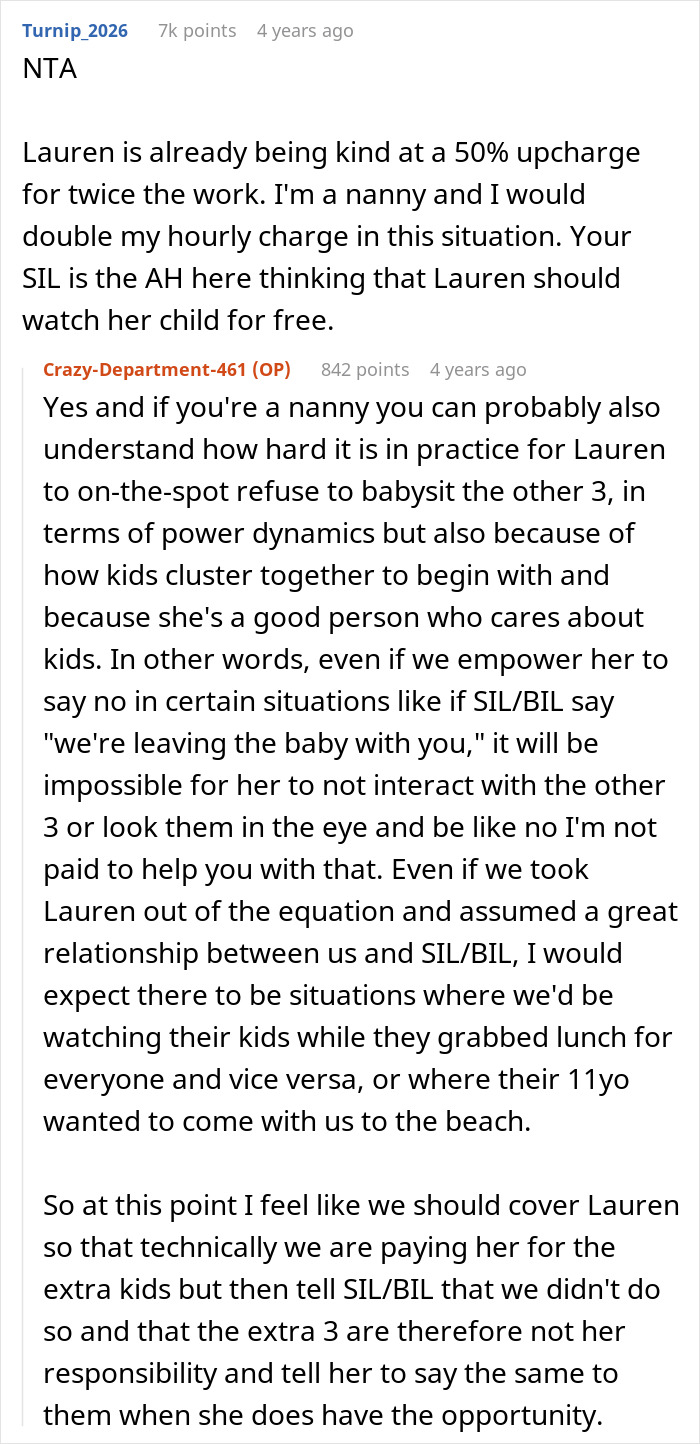
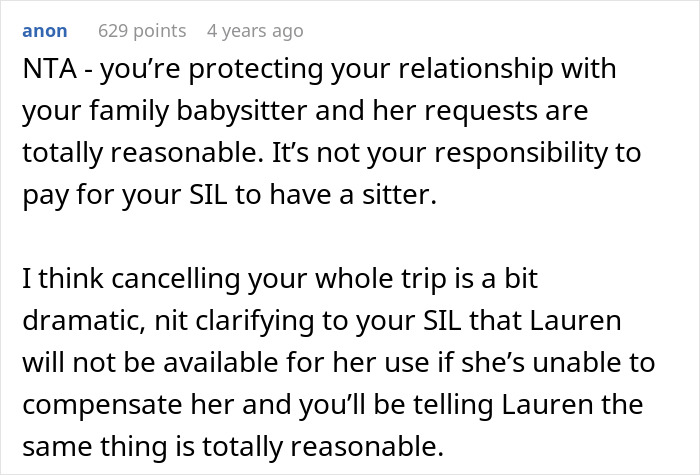
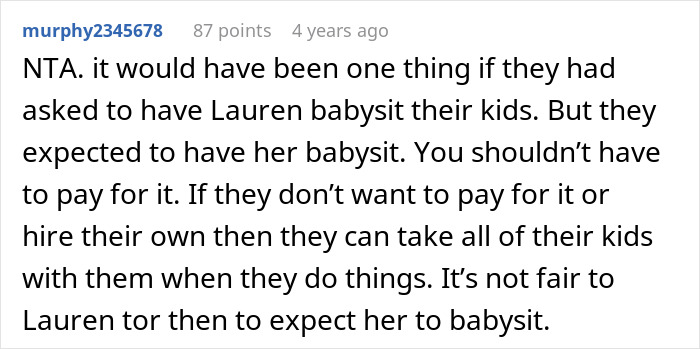
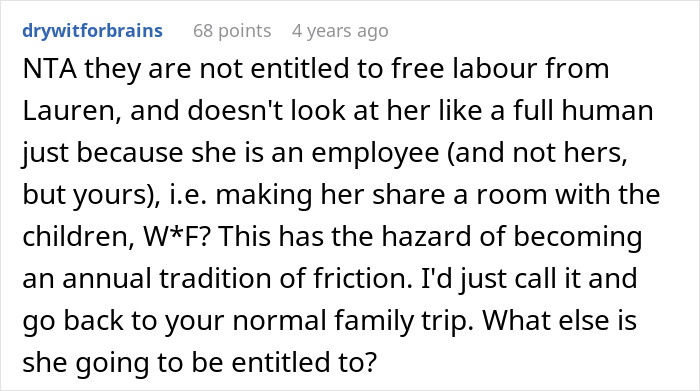
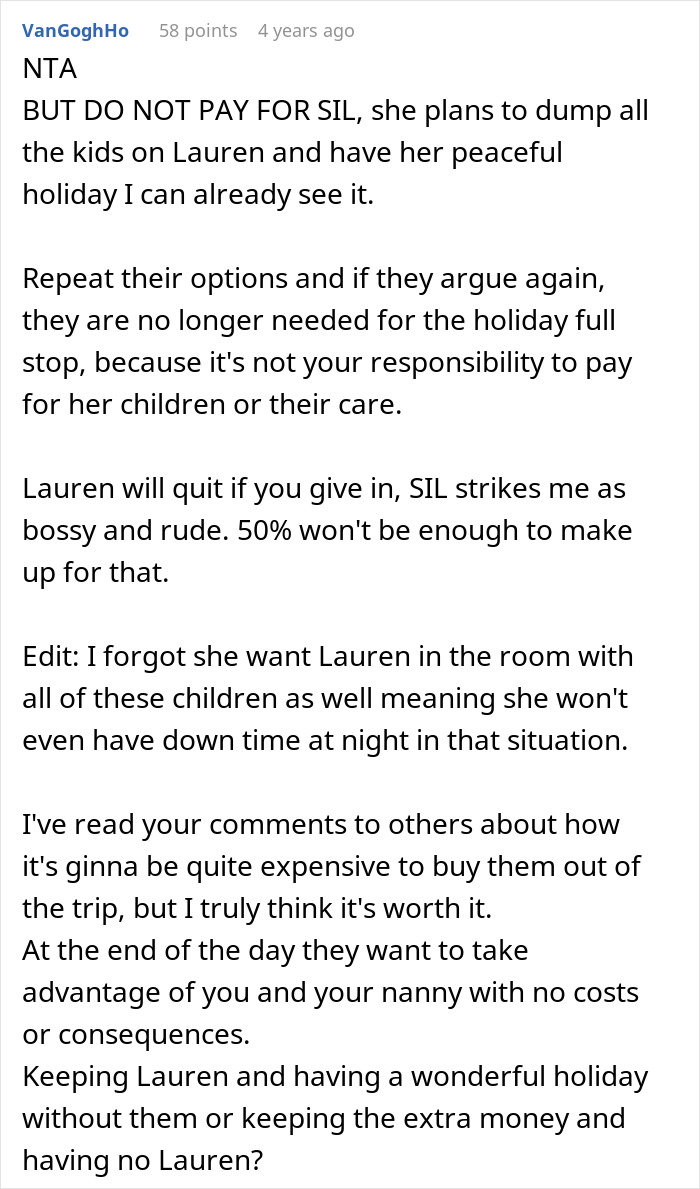
And then the answer is simple: either cancel the trip or separate the trip. To ensure the sister-in-law doesn’t try to take further advantage of having Lauren present, behavioral psychologists explain that entering a high-conflict situation simply because the money has already been spent can create a greater emotional and social hurdle. And ultimately, readers agreed with this because it establishes clear, functional boundaries.
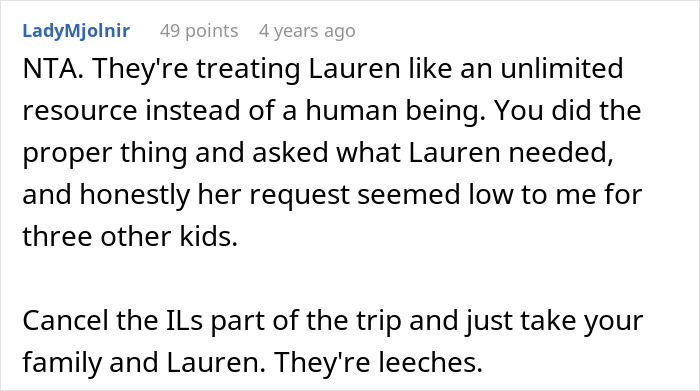
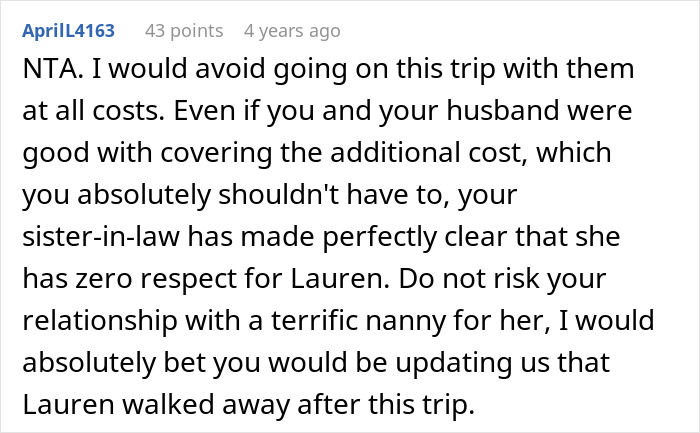
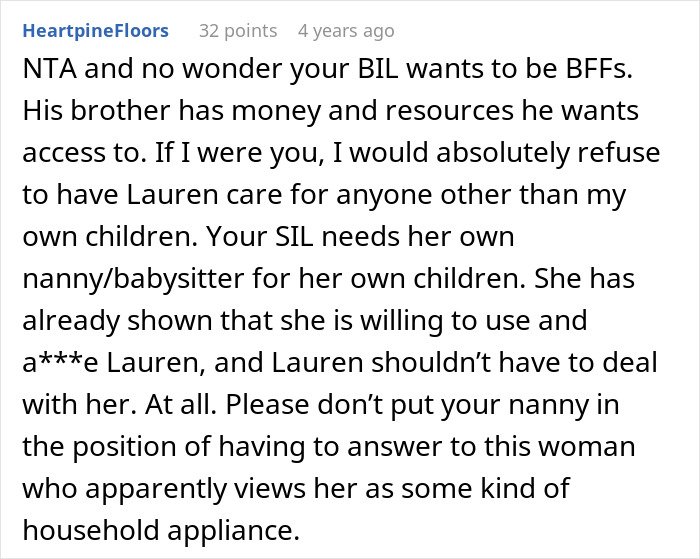
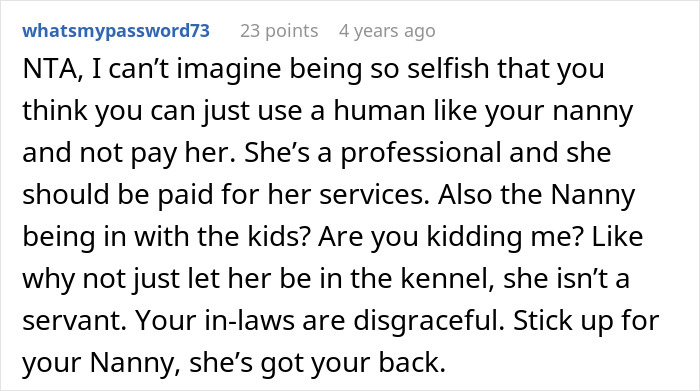
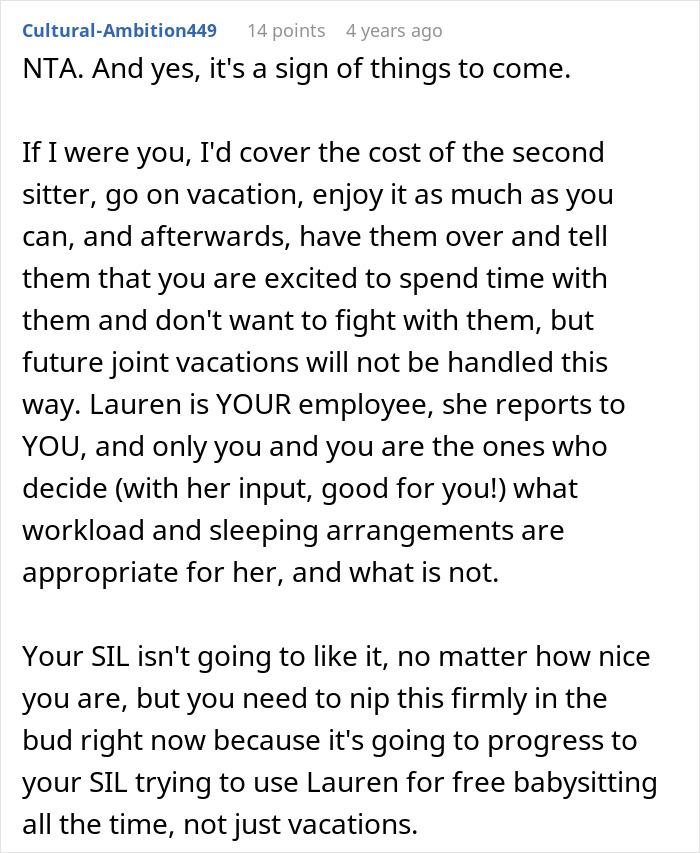
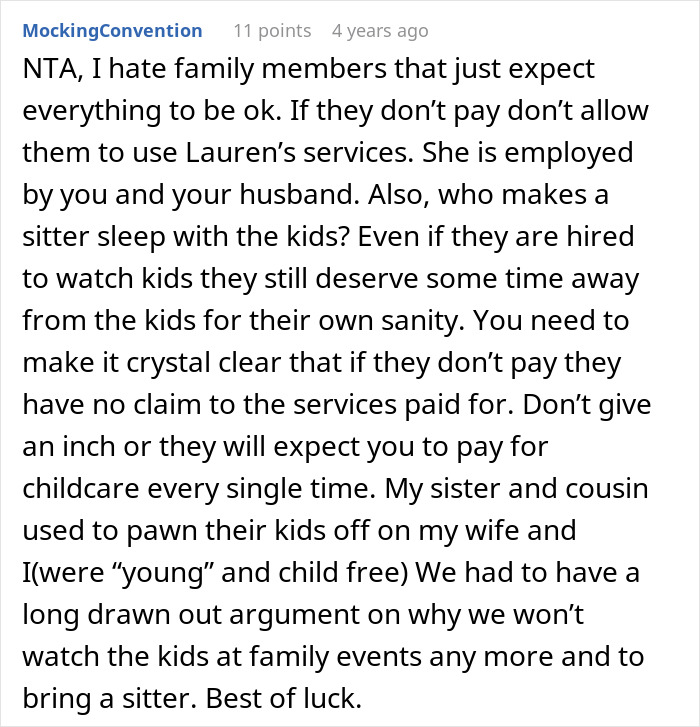
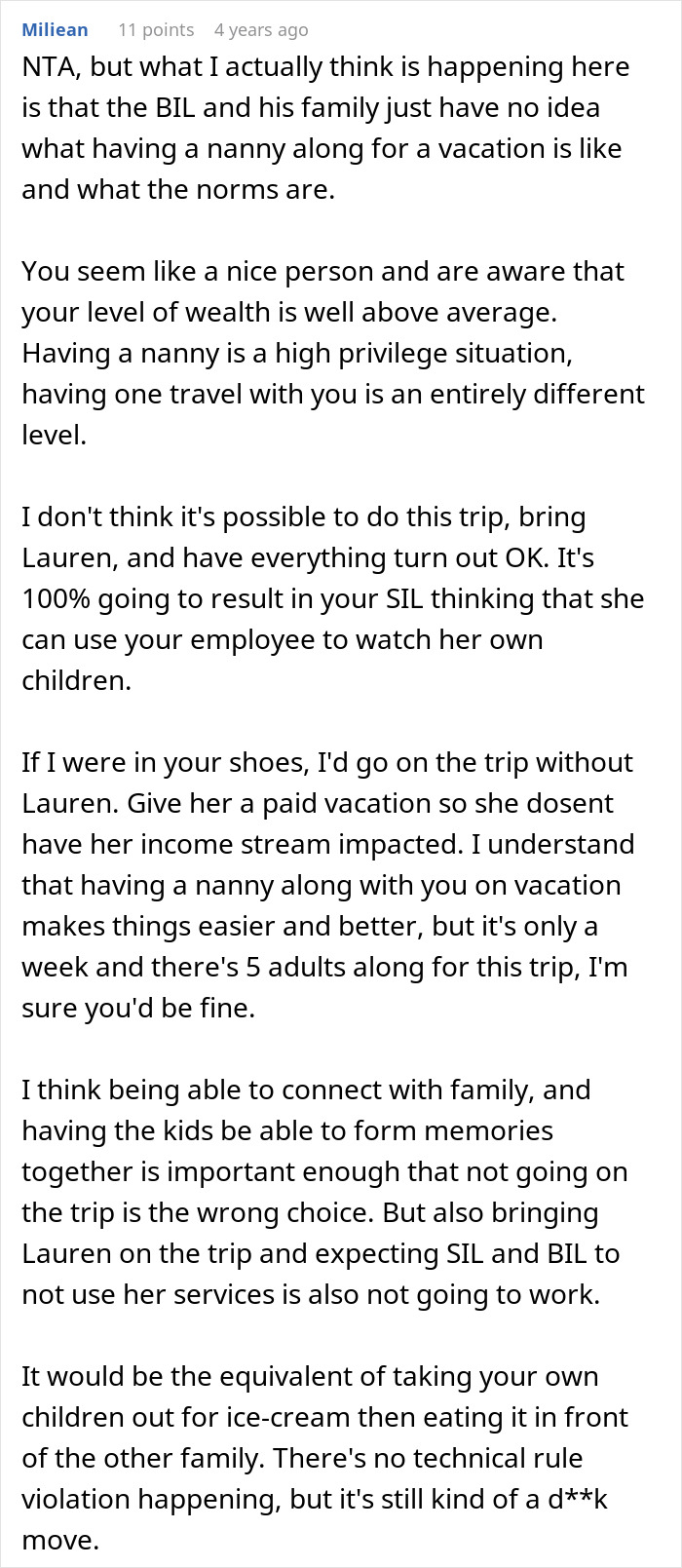
Readers warned the narrator that by the end of the trip, she would risk losing her trusted nanny





 Follow Us