You’re sipping your protein latte and nibbling your protein bagel without sensing the economic disaster looming in the distance. The entire world is obsessed with proteinmaxxing, and it has changed how you eat, shop, exercise, live, and think about health and longevity. And businesses, sensing the opportunity for profit, have pounced. Hard!
Your local supermarkets, supplement shops, cafes, bakeries, and restaurants look unrecognizable. Meanwhile, global supply chains are struggling to handle the world’s insatiable hunger for protein. Some companies are battling poor supplies and rising costs, and consumers might soon feel the pain, too.
Protein—which is absolutely fundamental for your body—is stuffed in everything now, from your morning coffee, cereal, bagels, and spaghetti to chips, sodas, popcorn, and desserts. Even though this healthy food craze is yet to fully peak, there are strong signs that there is a new mania sprinting just around the corner—fibermaxxing.
Protein has become the latest health obsession, but many people are already getting enough without realizing it
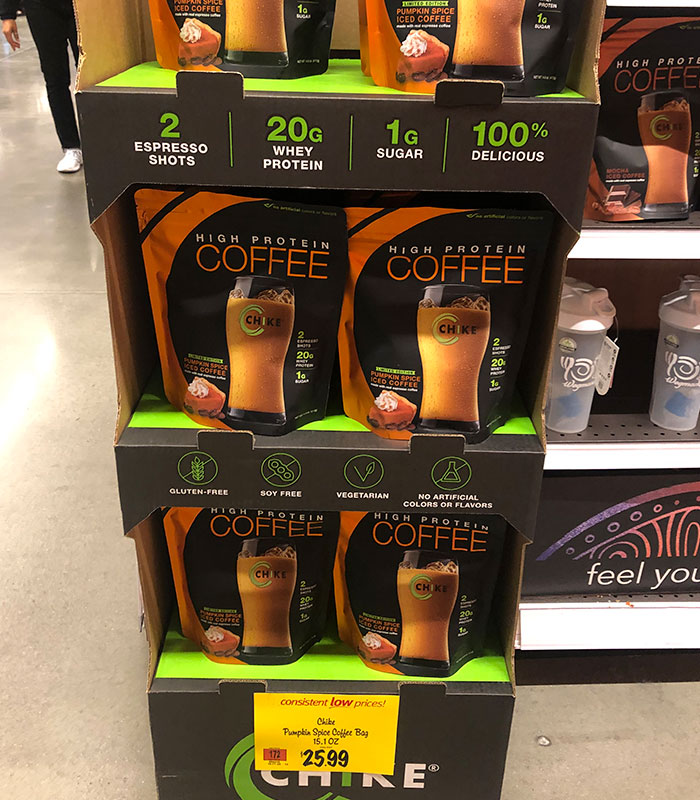
Image credits: Lindsey Nicholson/UCG/Universal Images Group via Getty

Despite the hype, most people don’t actually need the massive amounts of protein they’re being encouraged to consume
Food and drinks are getting filled to the brim with protein, and even the United States government’s new food pyramid is designed to end the supposed “war on protein.” In a nutshell, proteins are the building blocks of life. Proteins make up everything from your bones and cartilage to your muscles, blood, skin, enzymes, hormones, and vitamins.
Protein is full of amino acids that get broken down and used as the building blocks for the proteins in your cells. Those are then used for numerous vital functions like healthy growth, tissue building and repair, producing hormones, enzymes, and antibodies, generating energy, nutrient transport, maintaining fluid and pH balance, copying DNA, etc.
Out of 20 ‘standard’ amino acids, 9 are essential and must come from your diet. “You can have very high or very low amounts of fat and carbohydrates and survive, but you need a certain amount of protein,” Kiel University nutrition researcher Anja Bosy-Westphal told Scientific American.
However, many Americans are already consuming more daily protein than they need. Based on US diet studies from the 1980s, the average person needed 0.66 grams of protein per kilogram of body mass, so that they maintain their muscle mass. Recently, the guidelines were for 0.8 grams of protein per kilogram.
Meanwhile, the newest US government guidelines urge people to consume between 1.2 grams and 1.6 grams of protein per kilogram. According to nutritional scientist Claire Berryman, from the Pennington Biomedical Research Center at Louisiana State University, most Americans are consuming around 1+ gram per kilogram of bodyweight.
However, consuming more protein than that is important for some groups of people, such as athletes, older people who are at risk of muscle wasting, the severely ill, and individuals who lose large amounts of weight rapidly. The latter includes people who use GLP-1 weight-loss drugs.

Image credits: Guven Ozdemir/Getty Images
Protein is vital for your health, but for most people the challenge isn’t getting more – it’s getting enough balance
“Fat and carbohydrates have each been villainized in their own ways over time. Proteins feel safer, maybe. It’s been blown up to this big craze that everyone’s going to be able to build muscle just because they’re eating protein. You have to combine it with exercise,” Berryman stressed.
Meanwhile, you have to look at protein as part of your whole diet. For one, you should aim to get your protein from whole foods, not just snacks and supplements. Moreover, you should not ignore fats, carbohydrates, fiber, etc.
Furthermore, the Harvard Medical School emphasizes that experts disagree on protein intake. Some researchers believe that the recommended amounts are too low, while others stress that people are consuming too much. A good rule of thumb to keep in mind is that you should not exceed 2 grams of protein per kilogram of your body weight.
There are three issues with getting too much protein. For one, it can lead to a dietary imbalance, where you don’t consume enough fats and carbohydrates for overall health. Secondly, too much protein without sufficient physical activity can lead to weight gain.
The CDC recommends that adults aged 18 to 64 get at least 150 minutes of moderate-intensity aerobic exercise per week and spend at least 2 days on muscle-strengthening activities. And lastly, high-protein diets can, in some cases, increase the risk of developing kidney stones.
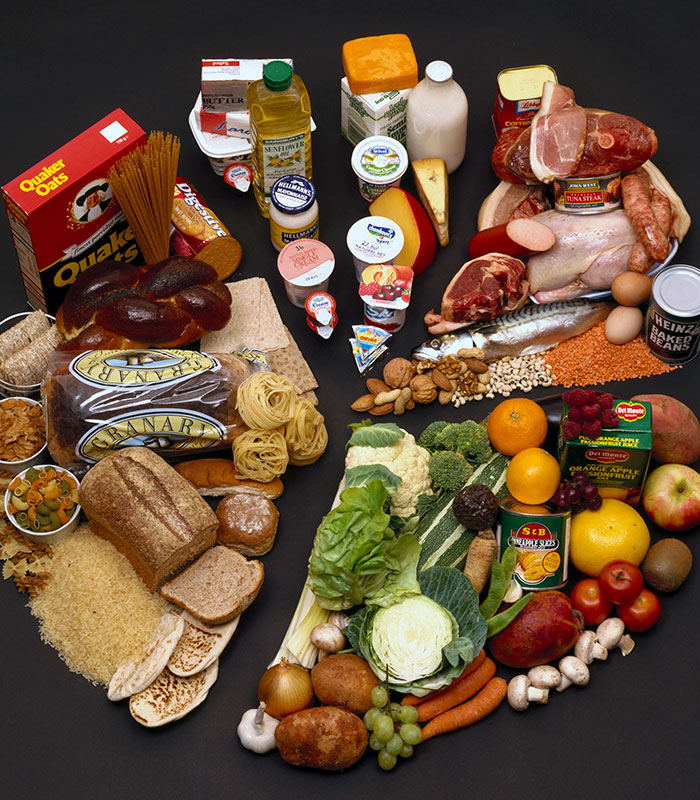
Image credits: SSPL/Getty Images
The world’s growing appetite for protein is pushing prices higher and putting pressure on global supply chains
Statista reports that in 2024 alone, protein was the most frequently mentioned nutrient by American consumers, with 71% of respondents stating that they try to consume it. This is reflective of people focusing on high-protein diets. For them, healthy food is something that is a “good source of protein.”
The global sports nutrition and supplement market is valued at $28.4 billion, and the leading product is sports protein powder. Back in 2023, a jaw-dropping 72% of American consumers who exercise regularly admitted that they take dietary supplements. The market is projected to grow to a whopping $37.8 billion by 2027.
Meanwhile, the high-protein food market size, which stood at around $56.69 billion in 2025, is expected to soar to $117.44 billion by 2034.
In the United States, the cheapest protein sources are actually chicken, pork, and turkey, but more and more consumers—especially younger people—are willing to try plant-based protein products and meat substitutes, especially as the demand for high-protein products grows.
This growth in protein consumption and consumers’ insatiability has strained global supply chains. Bloomberg reports how Big Food’s decision to start packing protein into “chips, waffles and even Starbucks’ lattes” has left the industry “grappling with shortages and skyrocketing prices” of whey protein. Some manufacturers are forced to halt production. Others are sourcing alternative ingredients and reformulating their most popular products. Still others are glad they don’t rely on whey.
Whey protein has many upsides. It is a complete protein, easily digestible, dissolves well, and can be added to various foods. Now, there’s a shortage. Whey protein is a byproduct of cheese making, when milk is separated into curds, and the protein-rich liquid whey is then pasteurized, dried, and turned into protein powders. So, you can’t increase the production of the protein on its own.
“You start to think of yourself as a protein company, not a cheese company. That’s just how crazy it’s gotten,” Bryan Weller, from the dairy cooperative Agri-Mark, told Bloomberg.
With such a tight supply, some brands are opting for alternatives: milk protein concentrate and plant-based options (soy, pea, etc.). The former, for example, is cheaper and simpler to produce. The drawback? A different mouthfeel. What’s more, different ingredients act differently when combined.
Meanwhile, Anna Victoria, the co-founder of supplement company Vitalura Labs, said they have paused selling its whey protein isolate due to spiking costs, and are now promoting its creatine, collagen, and plant-based protein, using a mix of pea, pumpkin seed, and brown rice proteins. “None of these products are going to replace whey, but collectively they are able to help us stay in business.”
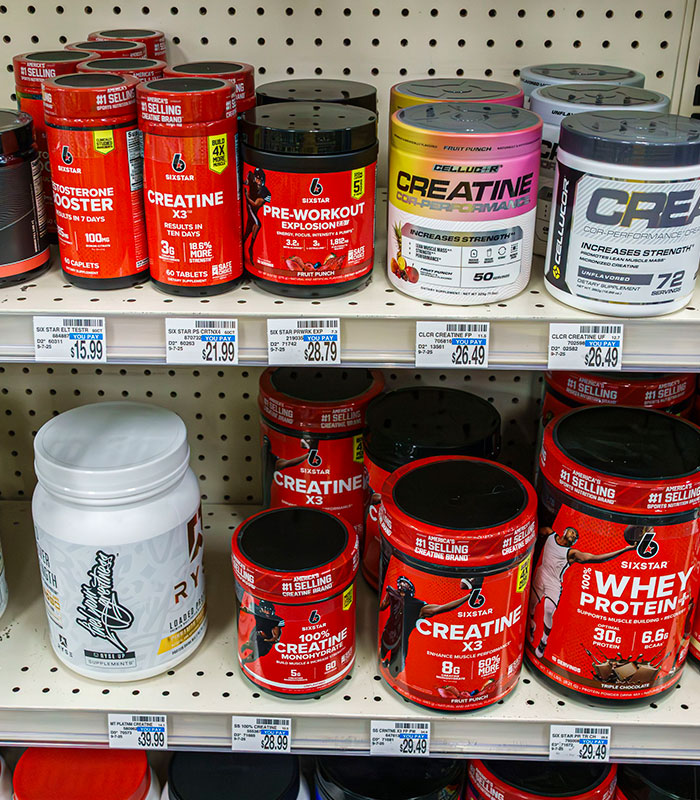
Image credits: Jeffrey Greenberg/Universal Images Group via Getty Images
The protein shortage is forcing brands to rethink their formulas, and shoppers may soon end up paying the price
It is likely that consumers will soon experience the knock-on effects of these strained supply chains. It will hit their wallets hard. “We know protein pricing is going up for the ingredient,” notes Scott Dicker, from market research firm Spins. According to him, it takes 12 to 18 months for price increases to reach retail shelves.
Some brands, which rely less on whey protein, are taking the situation in stride, such as Wide Protein Snacks, which uses chicken breast and egg whites. According to CEO Jason Wright, he is jealous of how quickly many businesses pivoted toward whey. “But thank god we didn’t go the whey route because there’s a serious shortage coming,” he told Bloomberg.
ABC News reports that, based on information from the US Department of Agriculture, some whey protein concentrate suppliers have already sold out for the remainder of the year due to strong demand. Prices are rising as a result. According to agricultural economist Leonard Polzin at the University of Wisconsin-Madison, WPC 34%, a mid-protein grade, is up “about 20% over the past six months.” He said that the price of that same whey protein concentrate has increased nearly 83% over the last two years.
Two parts of the proteinmaxxing puzzle are that both people using GLP-1 medications and health-conscious consumers are upping their protein intake. This has led companies to focus on developing products specifically for consumers seeking to maximize protein intake.
Dicker, from Spins, told ABC News that, in his opinion, we have not yet hit ‘peak’ protein. “If people are still turning toward protein powders and drinks, when there are protein options in literally every aisle of the store, it shows me that there’s still runway left for protein.”
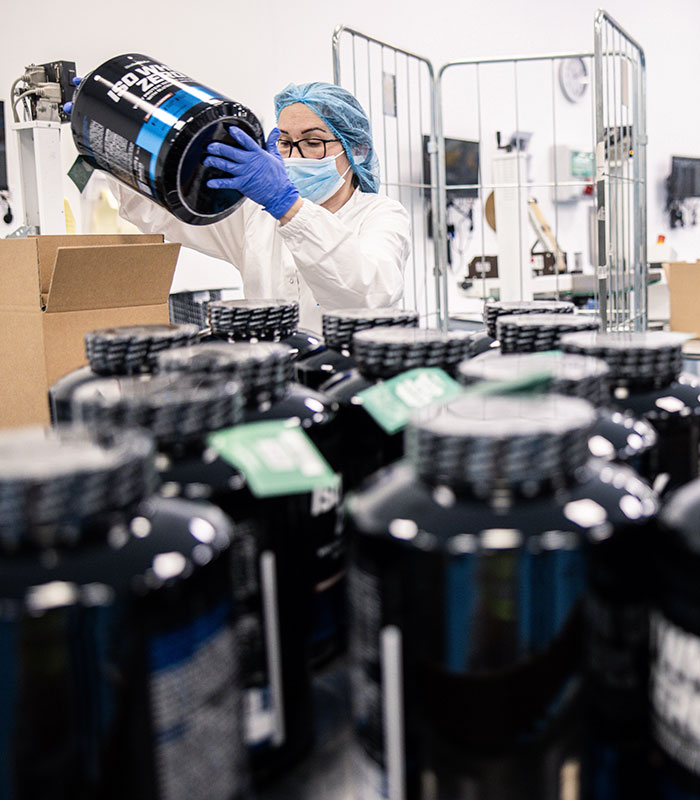
Image credits: Akos Stiller/Bloomberg via Getty Images
As consumers become more health-conscious, companies are racing to sell protein in almost everything they can
According to NielsenIQ, shoppers in the United Kingdom are shifting toward healthier diets in 2026 and looking to educate themselves more about nutrition. A quarter of households noted that health is their priority. This is fuelling growth in protein and fiber sales. For example, protein-based food sales have recently grown by 9.6%, while fiber-based food sales have soared by 14.1%.
“As well as a shift to essential food and drink there is continued interest in health and nutrition, fuelled by new product launches. For example, we are seeing a 20% boost to sales of cereal bars where there is a protein claim,” said Mike Watkins, Head of Retailer and Business Insight at NielsenIQ.
Wisconsin Public Radio also stresses that “protein is having a moment” as 7 out of 10 Americans try to include protein in their diets. While its popularity likely won’t end any time soon, some nutrition experts are worried about the craze.
Christopher Gardner, a professor of medicine at Stanford University, notes that Americans don’t lack protein in their diet. “Pretty consistently for the last few rounds of the dietary guidelines updates, Americans have been a little short on calcium, potassium, fiber and vitamin D. Protein was not and has never been in that list of things that we’re short of.”
The protein trend goes beyond social media and is now part of a political agenda, too. “Certainly more recently, the MAHA [Make America Healthy Again] movement has amplified what has been taking place in Americana,” dairy economist Corey Geiger, from CoBank, told WPR. According to Geiger, companies are capitalizing on the growing demand for protein to offer protein-enriched foods at a premium.
Julia Zumpano, a dietitian at the Cleveland Clinic, emphasized that companies will take advantage of protein’s popularity to push their products even when consumers don’t need them. However, she stressed that businesses have done this during previous food crazes, too. Just one example is the fat-free fad in the late 1990s. “It’s concerning, but that’s where we have to educate,” she said.
Zumpano noted that a varied diet can include protein sources beyond animal-based ones, such as tofu, beans, and nuts. From her perspective, the Mediterranean diet is worth following. “It’s not that they don’t eat red meat, they do. It’s not that they don’t eat cheese, it’s not that they don’t eat eggs. It’s that they do it in moderation, and they do it with variety, with other (plant-based proteins) involved.”
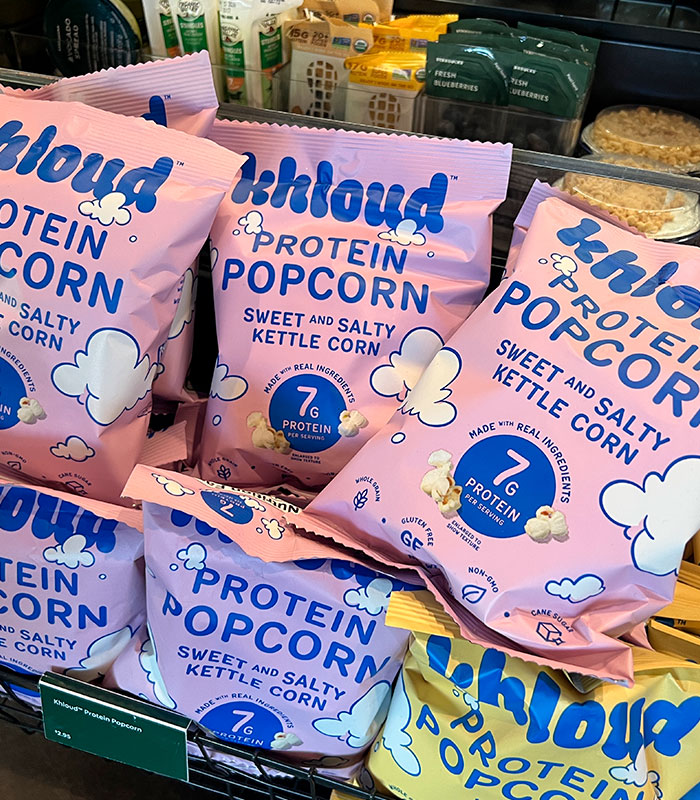
Image credits: Smith Collection/Gado/Getty Images
Protein may still dominate supermarket shelves, but fiber is quickly becoming the next big nutrition trend
As Food Dive highlights, evolving diet fads, the rise of GLP-1 drugs for weight loss, and social media health influencers have led to lots of micro-trends. Aside from protein, new functional ingredients are taking over the market: “Fiber and colostrum for gut health, sea moss and collagen for healthy skin and nails and lion’s mane and ashwagandha for energy support.”
According to Lu Ann Williams, president and co-founder of Innova Market Insights, protein will remain a “wellness powerhouse,” however, fibermaxxing and gut health awareness are rising in popularity in 2026.
Fiber is quickly following in the footsteps of protein and is being infused in various foods and drinks, especially in beverages, where prebiotic sodas have seen success. “Everything now is about taking this more holistic approach. It’s not just protein.”
Among consumers, fiber is seen as a way to improve digestive health, improve skin, decrease inflammation, and boost mood. Williams notes that 44% of people notice improvements in their energy, skin, or immunity when they improve their gut health.
What’s more, fibermaxxing appeals to GLP-1 drug users due to the gastrointestinal side effects that these medications cause.
However, Dicker, from Spins, warns that fibermaxxing has a “lower ceiling” than proteinmaxxing. “You definitely notice if you’ve had too much fiber,” he said, noting that you can only add so much of it to food.
And yet, combining fiber and protein is a huge opportunity, especially when marketed toward GLP-1 users. You are, essentially, offering consumers with suppressed appetites more nutrient-dense food.
Like with all things, how you consume fiber matters. Fiber feeds your beneficial gut bacteria, binds to LDL cholesterol (that’s the ‘bad’ one) and removes it, and stabilizes blood sugar levels. But the fibermaxxing trend that has flooded social media can lead to potential issues. Upping your fiber intake too quickly can overwhelm your gut! However, bloating is giving fiber a worse reputation than it deserves.
“Fibermaxxing is slang for eating tons of fiber, either meeting or exceeding the daily recommendations. Protein has always gotten the spotlight, but with colon cancer rates increasing, people are becoming more aware of their low fiber intake and trying to maximize it,” registered dietitian Steph Grasso told Good Morning America.
Gas and bloating from fiber are basically your body’s ways of telling you that it hasn’t digested that much fiber before. These symptoms are usually temporary. Grasso suggests slowly and gradually adding fiber to your diet, starting with 5 grams per day, and then upping this amount by another 5 grams every week. Listen to your body and see how it responds. The goal is at least 25 grams of fiber per day for women and at least 31 grams of fiber per day for men.
Meanwhile, you can’t forget to hydrate because fiber needs water to bulk and aid digestion. But, to be clear, no single food will make you healthy: different ingredients have to be combined in the context of a balanced diet, and supplemented with a healthy, active lifestyle.
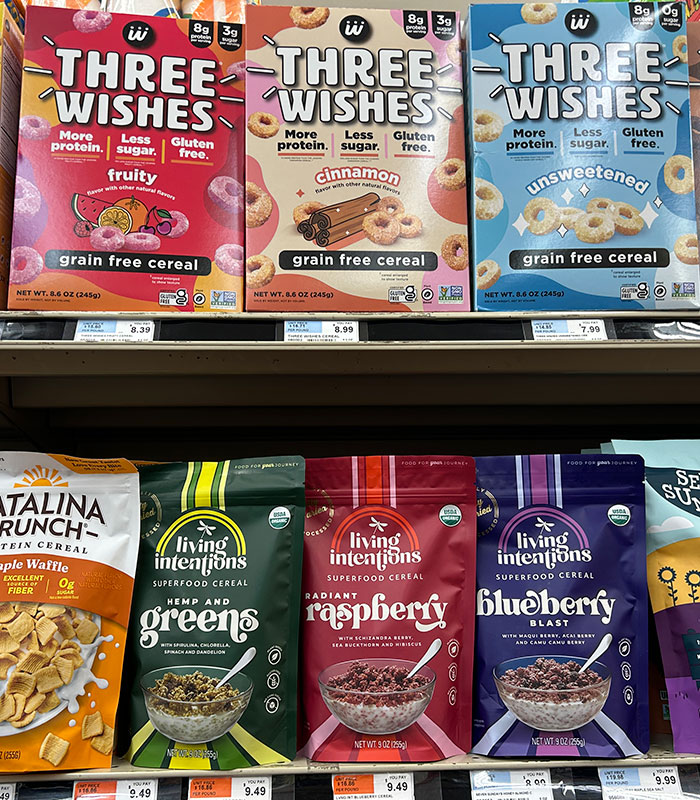
Image credits: Lindsey Nicholson/UCG/Universal Images Group via Getty Images
Food crazes come and go, but companies keep finding new ways to turn the latest wellness trend into a business
In the midst of the proteinmaxxing craze, the French have been raving about the liquid cheese, la cancoillote, which has 16 grams of protein per 100 grams of the product. It also has low fat content and is relatively cheap.
But the reality is that no matter how important protein is for your overall health, this proteinmaxxing trend will, inevitably, peak and pass (and probably reignite again) in the future. Food trends wax and wane all the time as consumers and companies move from one popular thing to another.
Just look at how Dubai chocolate and matcha mania have swept the food and drink industry. Turn the clock back a bit more, and you find swicy (sweet + spicy) tastes dominating the market. And going even further back, fats were entirely villainized (thanks, Big Sugar).
Proteinmaxxing and fibermaxxing aside, what’s also currently trending in the food, drink, snack, and dessert industry is ube (you pronounce it as oo-beh), a purple yam from the Philippines. It is found pretty much everywhere now, including cafe drinks, ice-creams, cakes, and other desserts. The main draw is the vibrant color.
“Even if there’s something that’s very familiar and simple, if the color is different or exciting — like the rainbow bagel, like the acai bowl, like strawberries that are paler than a regular strawberry, like matcha — it helps bring that appeal. Ube felt like an obvious candidate based on both, ‘Here’s a new flavor that’s not very challenging to people, but also fits into this desire to have aesthetically pleasing food,” Bettina Makalintal, a senior reporter at Eater, told CNN.
Be honest, if you had to choose between being healthy and eating what’s trendy, what would you pick? Eating enough protein remains an important part of a long, high-quality life, yes. But you need a holistic, balanced approach to your health and diet, instead of just chasing the latest (and, to be fair, quite expensive) food crazes because you’re told to. What’s popular now is just a sliver of complex reality.
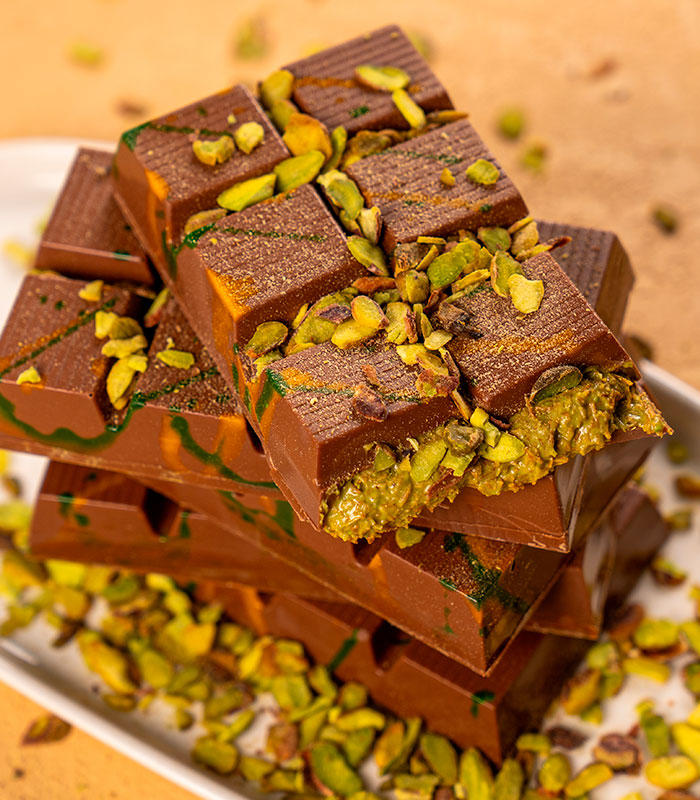
Image credits: Omer Taha Cetin/Anadolu via Getty Images
Living longer depends on far more than protein intake, and strong relationships still matter more than any food trend
Human beings are hardwired to be social animals, and we don’t want to go against the grain too much. We, at our core, want to be respected and well-liked by our peers, so we chase trends and conform to fads. The reality is that businesses use your desire to fit in, be liked, and be healthy to sell you their products.
Sensing the opportunity for immense profit, they are tapping into your fundamental hopes, dreams, and fears. Some businesses genuinely care about their customers and brand loyalty. Others are not as ethical: they will hop on a profitable trend and stuff protein and fiber into whatever it takes, so long as that gets you to open your wallet.
If all you do is proteinmaxx, fibermaxx, or whatever else we’ll all obsess about in a few years, without a balanced diet, proper exercise, rest, and hydration, you will only ever get limited ‘gains.’ The focus should be less about finding trendy hacks and shortcuts to longevity and actually embracing a consistently holistic lifestyle where you feel comfortable moving more, eating better, and resting properly.
Furthermore, diet and exercise, no matter how trendy (proteinmaxxing, matcha, and Hyrox, anyone?), still pale in comparison to how an active social life benefits you. According to a legendary 80-year-long Harvard Study of Adult Development, cultivating positive relationships has the biggest impact on your longevity.
To be clear, eating well and moving lots are still very important, but supportive and nurturing relationships protect you from stress, reduce physical and cognitive decline, and keep you living happier and healthier.

Images credits: Oliver Berg/picture alliance via Getty Images
What’s more, it matters not just that you strive to keep your body (and mind!) healthy, but what you do with it, too. Without meaningful relationships, purposeful work, fun hobbies, travel, volunteering, etc., you will live a fairly shallow life. In other words, think about what you are proteinmaxxing and fibermaxxing for? Aiming for a longer life with more energy and fewer injuries is a top-tier starting point.
But you need to actually use that time wisely. Unless you are a top-tier athlete, seriously ill, losing muscle mass due to aging, or rapidly losing weight due to GLP-1 drugs, you do not need to compulsively calculate every tiny detail about your exact protein intake if that comes at the cost of other parts of your life.
For now, listen to your body, make sure that you’re at least in the ballpark of getting enough daily protein—it is fundamental, after all—but maybe grab some snacks full of fiber on the side, and eat them with a friend, too. And when fibermaxxing overtakes proteinmaxxing to become the Next Big Thing, don’t forget about your protein intake! You do want to be healthy, not just trendy, right?
 Follow Us