A man said he was hospitalized after coming into contact with his 67 plants.
Clifton Wallace, from Houston, Texas, went viral this month after posting a video of himself in the hospital on an IV drip. The video featured overlay text that read, “Me getting ready for my Netflix documentary on how my 67 plants got me sick and now I have to live in the hospital until I get a heart transplant.”
In the days that followed, Clifton continued sharing updates from the hospital, telling his followers that he was on the waitlist for a heart transplant.
Bored Panda contacted two doctors to learn more about the case and find out whether the plants played a role in his ongoing health crisis.

Image credits: iamcliffthegift
He said he had been listed as Status 2 based on the priority of his transplant and that he had been taking antibiotics.
Clifton’s videos sparked both concern and curiosity about how the plants resulted in his hospitalization, with one viewer writing, “So having a bunch of plants in your home can damage your heart? Or like certain ones? I’m so confused.”
In the caption of one of his TikTok videos, the fitness professional clarified that he had contracted an infection caused by a bacterium called Pseudomonas aeruginosa.
This bacterium is most commonly found in the environment, including in water, plants, and soil, as well as in moist areas such as sinks and bathtubs. It can also be found on the skin.
As Pseudomonas aeruginosa researcher Dr. Timothy Wells explained, it is rare for this type of infection to develop in people with healthy immune systems.


Image credits: .iamcliffthegift
“The bacteria aren’t usually able to infect healthy people, however if you have some break in your immune defences it can cause serious infections,” the Frazer Institute researcher told Bored Panda.
“This means it can be a serious problem in hospitals where people are already immunocompromised or have medical equipment like catheters, central lines, or ventilators.”
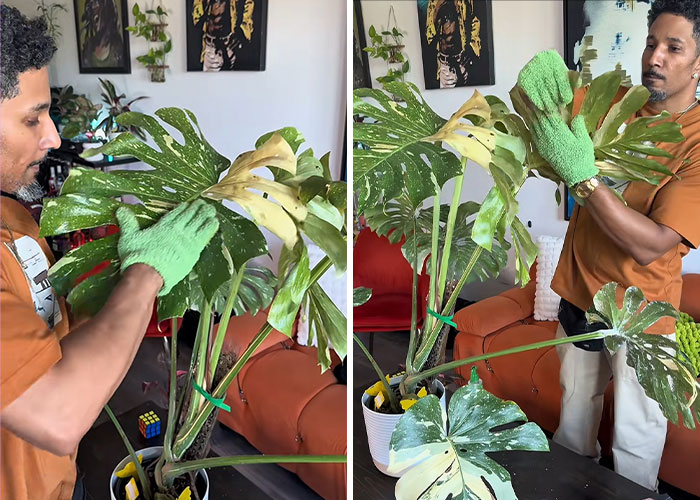
Image credits: .iamcliffthegift
Regarding Clifton’s case, Dr. Wells noted that Pseudomonas aeruginosa rarely causes endocarditis, an infection of the heart.
Instead, he said Clifton’s preexisting heart condition likely made the infection far more serious, placing additional strain on his already failing heart and accelerating his need for a transplant.
On his TikTok page, Clifton included a link to a GoFundMe page that provides more details about his health journey.

Image credits: .iamcliffthegift
In the fundraiser’s description, he explained that he needed help getting back into the insurance system to remain active on the heart transplant list.
Clifton also explained that he has been living with heart failure for over a decade. Five and a half years ago, he underwent open-heart surgery to have an LVAD (left ventricular assist device) implanted.
“That mechanical pump has kept me going ever since while I’ve waited for the gift of a heart transplant,” he shared, adding that his O-positive blood type means he may have to wait longer for a donor than for other patients.
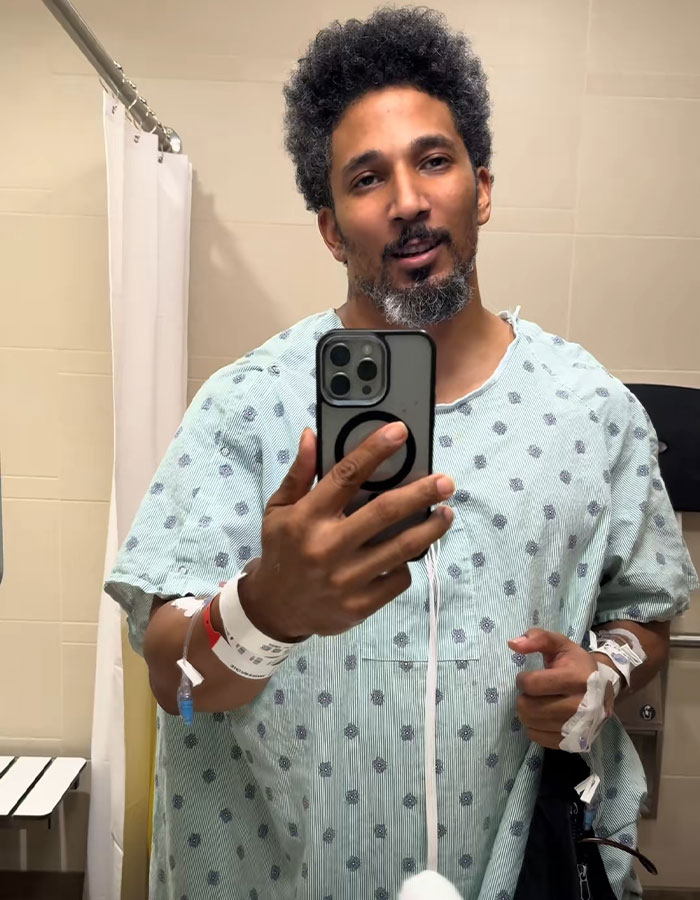
Image credits: iamcliffthegift
Pseudomonas infections are common According to the Cleveland Clinic, they affect an estimated 32,000 people every year.
These infections are contagious and usually spread from person to person through contaminated surfaces or hands.
The bacterium is common in hospital environments, with studies suggesting that up to 33% of hospital patients may encounter Pseudomonas aeruginosa.

Image credits: GoFundMe
The outlook for a Pseudomonas aeruginosa infection is generally good for people with healthy immune systems, as long as they complete their full course of antibiotics.
Dr. Bob Hancock, director of the Centre for Microbial Diseases and Immunity Research at the University of British Columbia, explained that Pseudomonas aeruginosa is found in soil (especially soil contaminated by oil), plants, and on many surfaces exposed to people.
Many people come into contact with the bacterium without developing an infection.
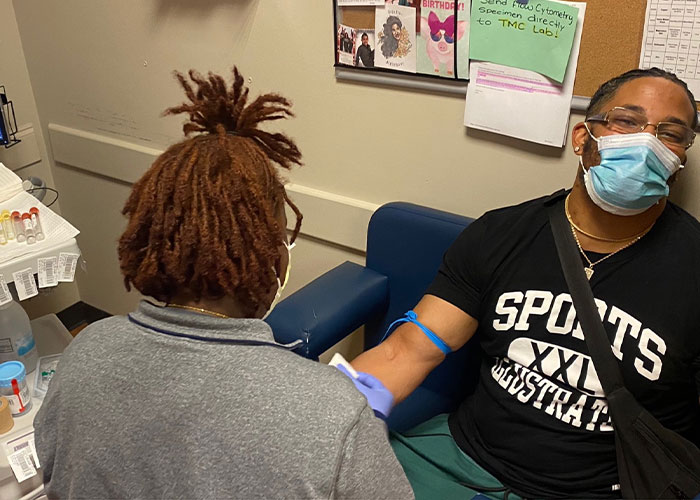
Image credits: GoFundMe
“It is present on the skin of a third of individuals, often asymptomatically,” Dr. Hancock told Bored Panda. “Plants, fresh fruits, vegetables, and damp dirt carry the organism naturally.”
Those who are more likely to develop complications from this infection include hospitalized individuals and older adults, especially those with respiratory infections and Cystic Fibrosis (CF), a genetic disorder that impairs the normal clearance of mucus from the lungs.

Image credits: iamcliffthegift
The doctor explained that the bacterium is highly resistant to many antibiotics. It can also evolve resistance over time, meaning antibiotics that would typically treat the infection may no longer work for some patients.
As a result, some patients need to take more than one type of antibiotic over a long period to stop the infection from worsening.
This is what happened to Clifton, who shared, “The bacteria already proved resistant to one antibiotic, so I’ve been switched to something stronger. The goal right now is keeping it from reaching my LVAD.”

Image credits: iamcliffthegift
Pseudomonas aeruginosa infection can occur in the chest, urinary tract, skin, or bloodstream, with symptoms varying depending on the part of the body affected.
These can include fever, joint pain, low blood pressure, ear pain, headaches, eye inflammation, difficulty breathing, and discolored bumps on the skin.
To lower the risk of developing the infection, doctors recommend washing your hands regularly, washing fruits and vegetables, drinking clean water, thoroughly cleaning surfaces, and avoiding dirty hot tubs and pools.





















 Follow Us