Do you pandas have any friends who work in IT or cybersecurity? I do, and both fields seem to produce an endless supply of incredible stories. There is rarely a dull day. From ridiculous requests for help and coworkers losing their patience to situations where workplace problems went too far.
Today’s story was one of those situations. The Original Poster (OP) described his experience working as the only IT employee at a small brokerage firm, where he modernized the company’s outdated infrastructure while uncovering increasingly shady behavior from the people running it. It all went downhill when he found out they planned to fire him.
More info: Reddit
When companies underestimate the people keeping everything running, they may discover too late how much they actually depended on them

Image credits: Zayed Hossain / Pexels (not the actual photo)

A young IT director joined a small brokerage firm, where he struggled as its only tech employee while supporting 4 partners and over 70 brokers



Image credits: RDNE Stock project / Pexels (not the actual photo)
Underpaid employees worked long hours while their shady bosses gambled with commissions, exploited staff, and secretly snooped through private emails to steal clients


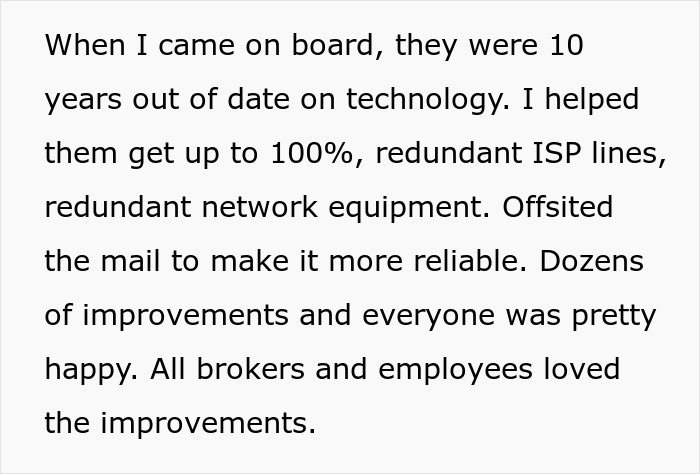
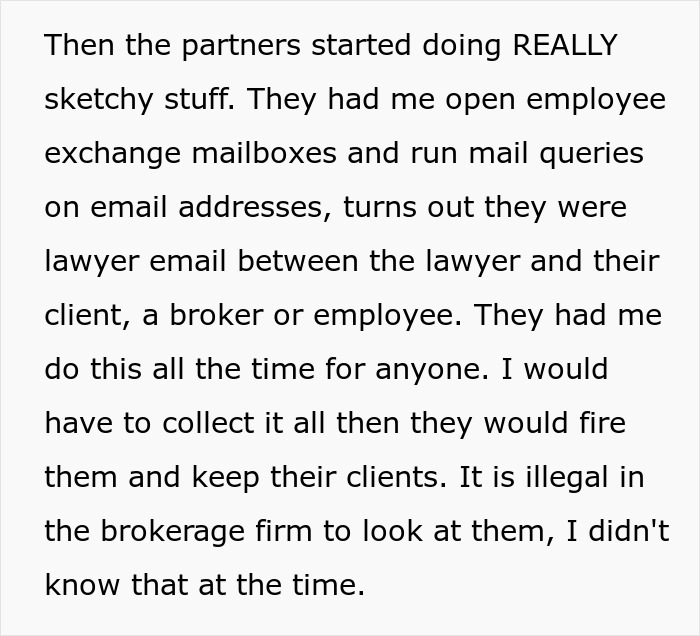

Image credits: Lisa from Pexels / Pexels (not the actual photo)
The author discovered his bosses planned to steal a merged company’s clients and fire him, but he secretly warned his friend and prepared the ultimate backup plan


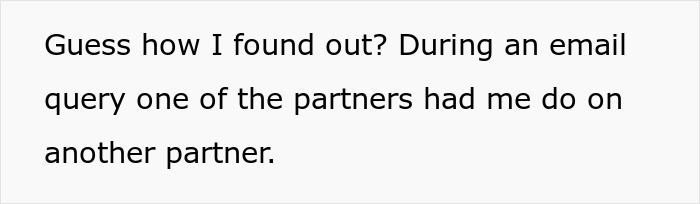
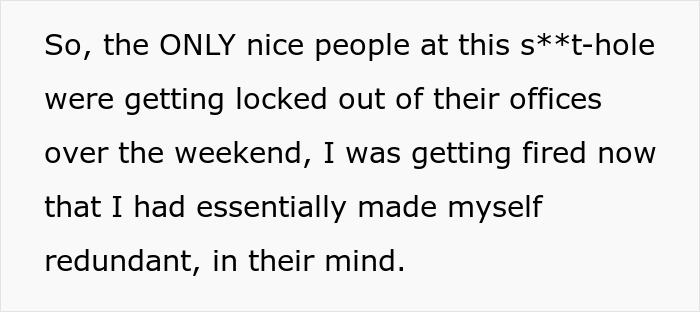
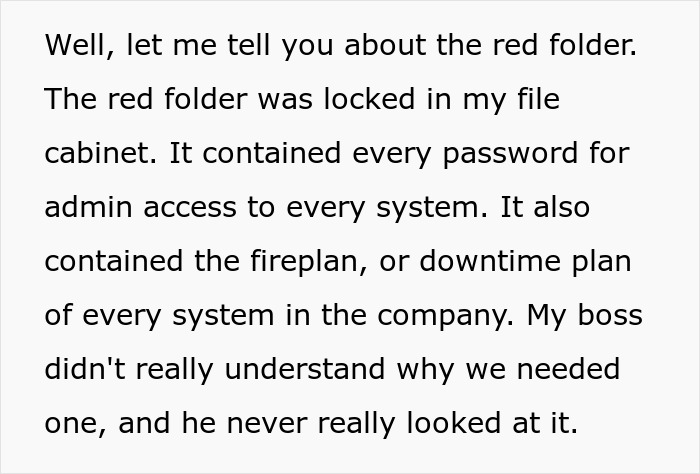


Image credits: Pavel Danilyuk / Pexels (not the actual photo)
The narrator finally quit, deleted the company’s passwords, and then watched his bosses beg him to return

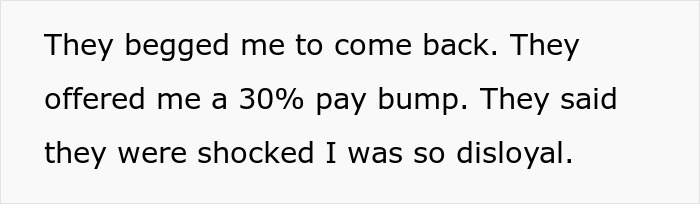
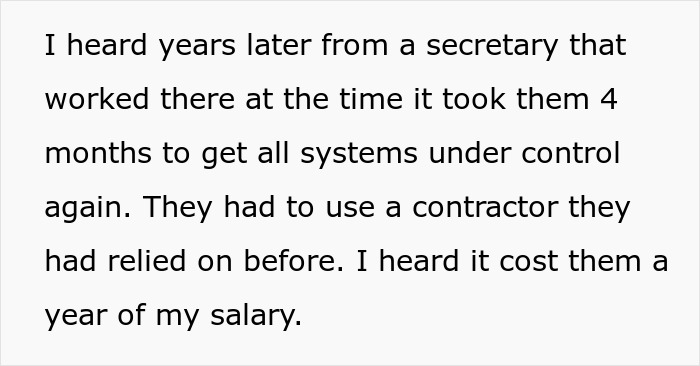

Image credits: Floridatrashburner
The young former IT Director learned the firm took 4 months to recover and realized how much his shady bosses depended on him
The narrator explained that years before telling the story, he joined a small brokerage firm as its only IT employee, initially taking the underpaid position because it offered a good boost to his resume. He felt underqualified, but he learned on the job and eventually modernized the company’s outdated infrastructure with several major improvements. However, he found himself heavily overworked.
The firm’s four partners weren’t the image of professionalism. They were constantly involved in shady behavior, gambling away broker commissions, asking the OP for personal favors during work hours, and snooping through private emails so they could fire brokers and keep their clients. But, at some point, the company merged with a smaller lending firm, which apparently was filled with good people.
It was then that the OP discovered that the partners planned to fire everyone from the new company and steal its name and client list. To make things worse, he discovered that they also planned to fire him, since the employers thought he was redundant. He learned this through an email search ordered by one of the partners, and realized the company had no idea how dependent it was on him.
Before quitting, the narrator warned his friends at the lending firm about the partner’s plan. He then changed his bosses’ admin password, shredded a “red folder” containing every system password, and resigned. The company begged him to return, but he refused. Years later, he learned it took them four months to regain control of their systems and cost them roughly a year of his salary.

Image credits: cottonbro studio / Pexels (not the actual photo)
Without too much judgment on the firm’s tactics, we can safely say that the OP is a clear example of an overworked and underpaid employee. You don’t need to be a major scholar to suspect this is a huge red flag when it comes to employment. However, research on the subject notes that heavier workloads without proper compensation can contribute to burnout and resentment toward an employer.
The OP’s story also highlights how IT work is often what experts call invisible labor. Even if the partners would’ve been fair players, much of the narrator’s effort was easy for management to overlook. As a matter of fact, they did, even thinking he was no longer needed. Invisible labor is “the work no one sees until it stops getting done.” The firm learned the meaning of that sentence only after he left.
On top of this, IT professionals seem to be particularly vulnerable to this kind of pressure. This article reported that 57% of tech workers surveyed were experiencing burnout, while 65% of Security Operations Center professionals said stress had made them consider quitting. In the OP’s story, we can see he was not hesitant about resigning and was even eager to do so.
Ultimately, the OP’s revenge worked because his employers had underestimated the invisible work he did on a daily basis. They treated their only IT employee as disposable, only to discover that the systems he maintained were anything but. We don’t want to say that vengeance is justified, but it kinda feels like the partners had the karma train coming.
What do you think? Did the OP do the right thing by deleting the passwords and walking away, or did he take his revenge too far? Share your thoughts in the comments!
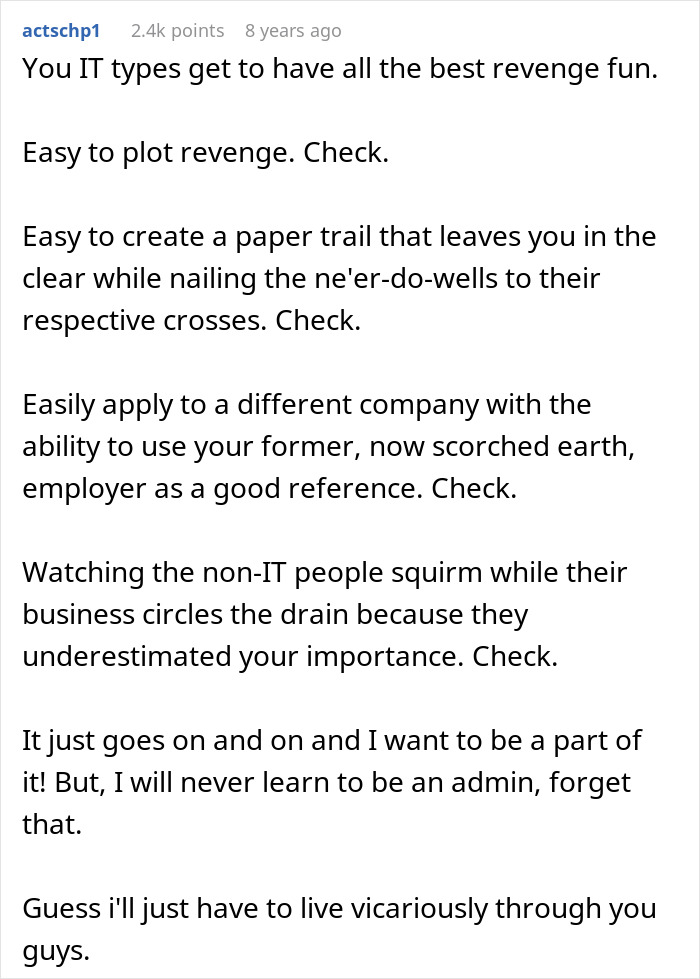
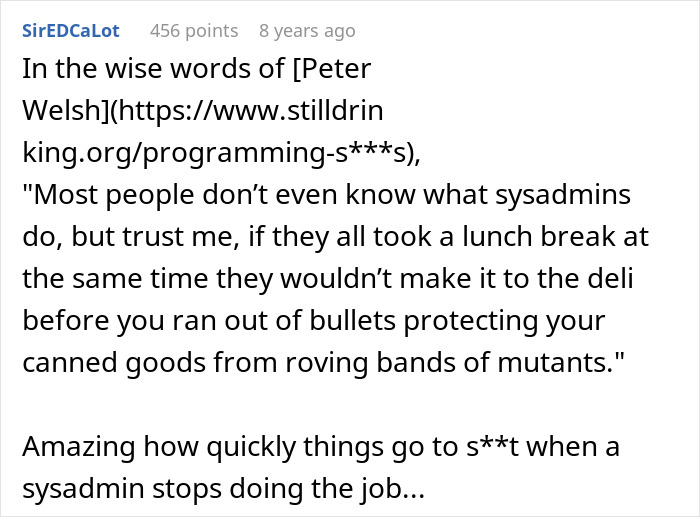
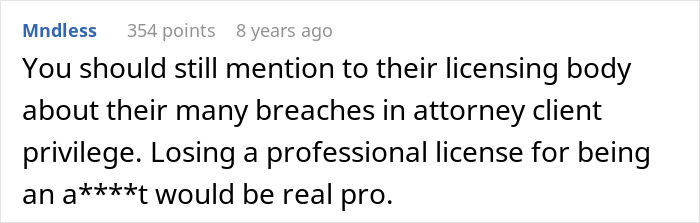
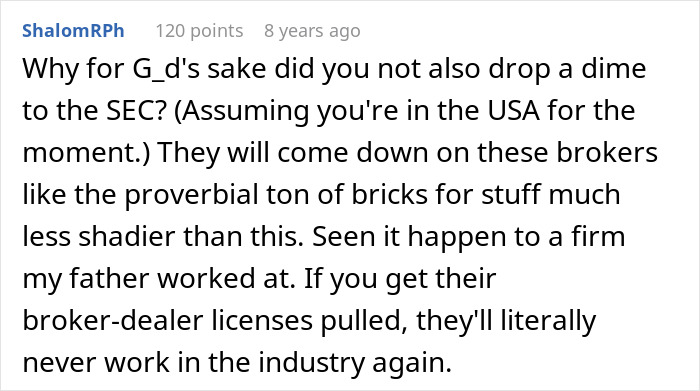
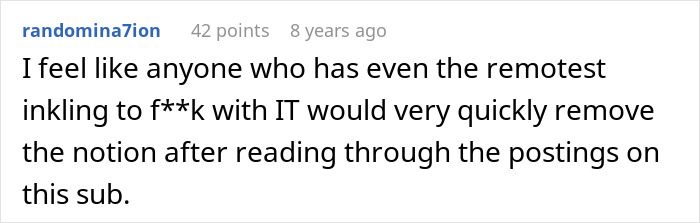
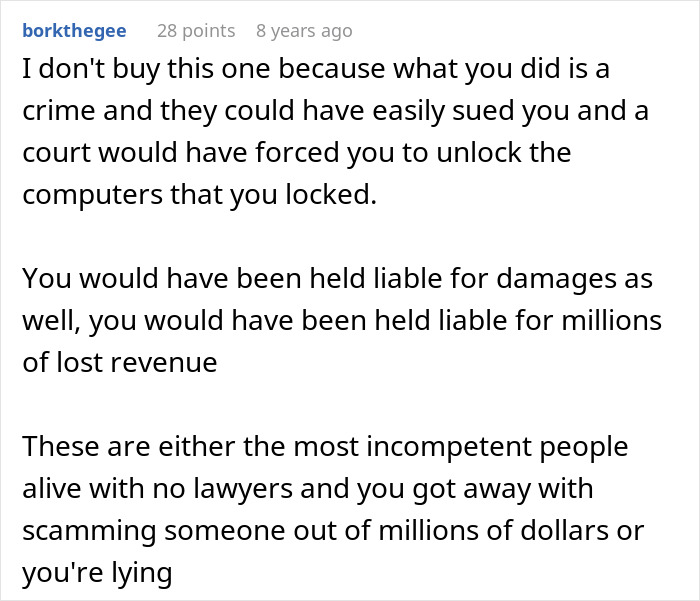
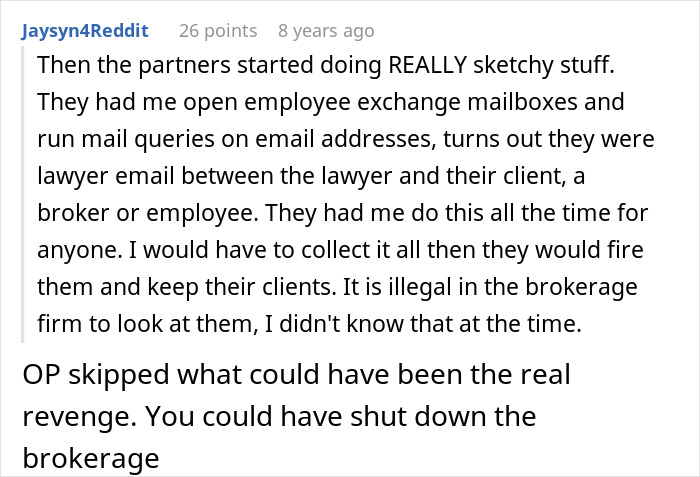
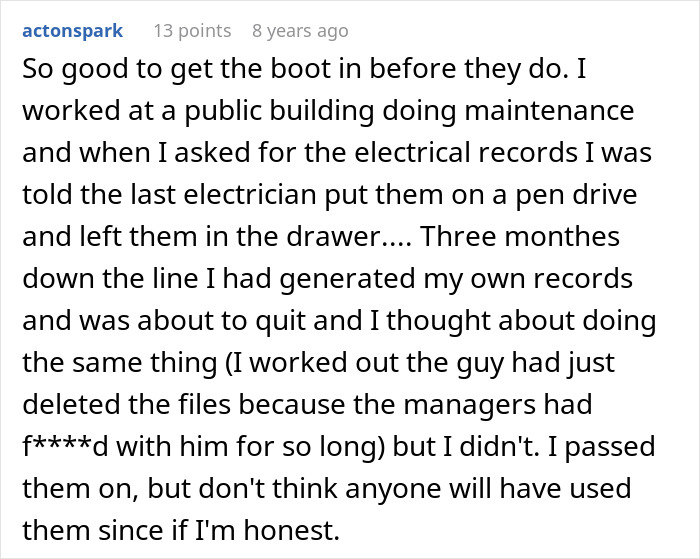
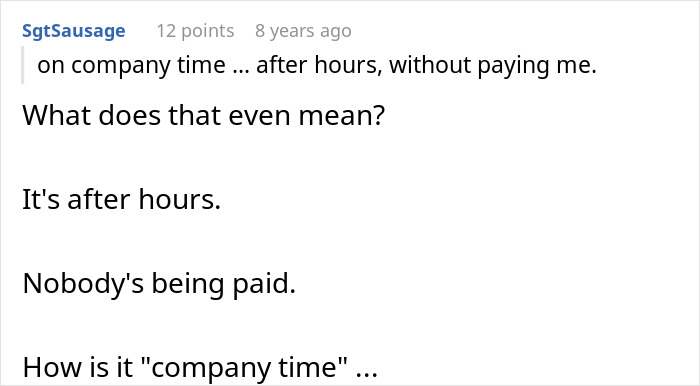
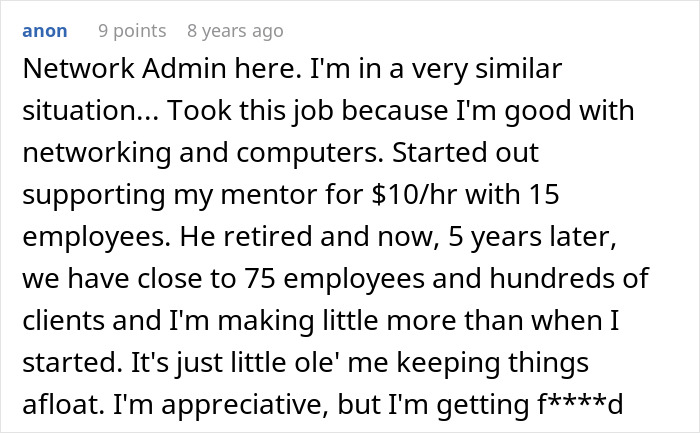
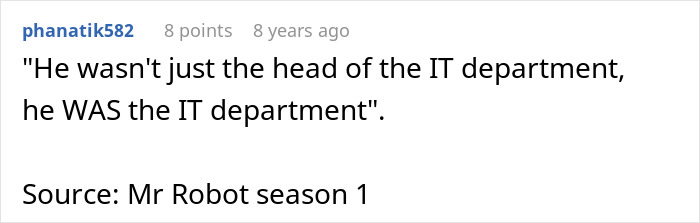
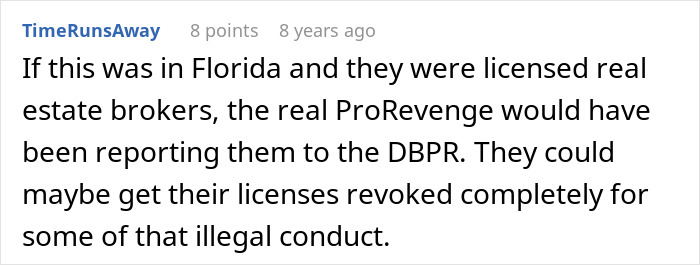
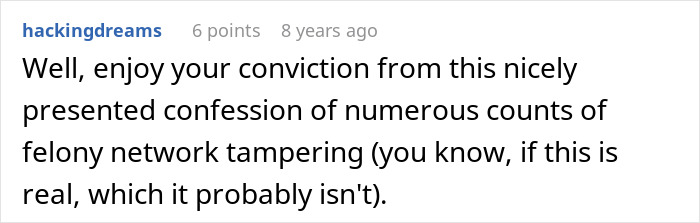
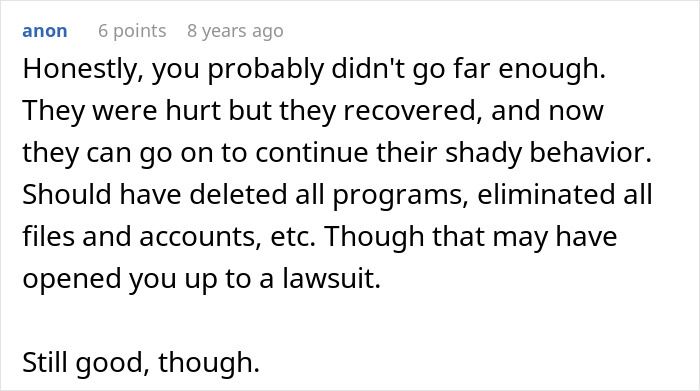
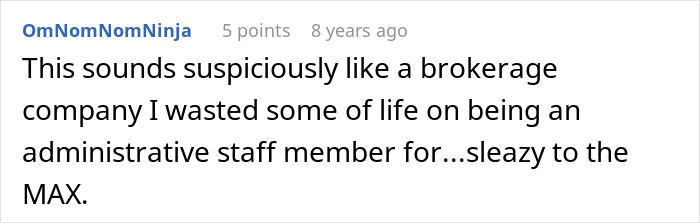
The community was quick to side with the author, praising his decision to leave and suggesting even more creative ways he could have gotten revenge





 Follow Us