As adults, grocery shopping can sometimes feel like a small outing of its own. You grab a cart, wander through the aisles, pick out your favorites, and maybe even treat yourself to a snack or two along the way. It’s probably one reason grocery haul videos and “what I bought” content do so well online; people genuinely enjoy seeing what others pick up and comparing it with their own choices. But of course, not every grocery trip is lighthearted or aesthetic.
Take this situation, for example. A young teen mom recently found herself at the center of online criticism after sharing her “no-budget” grocery shopping trip. She, along with her 3-year-old daughter and her boyfriend, was seen shopping at Walmart, but what caught people’s attention wasn’t the trip itself; it was the items in her cart. According to viewers, most of the groceries appeared to be heavily processed or unhealthy choices, which quickly sparked a wave of comments and debate online. Keep scrolling to see why the video got so much attention and what people had to say about it.
This teen mom went viral online after sharing a video of her ‘no-budget’ shopping trip at the grocery store





































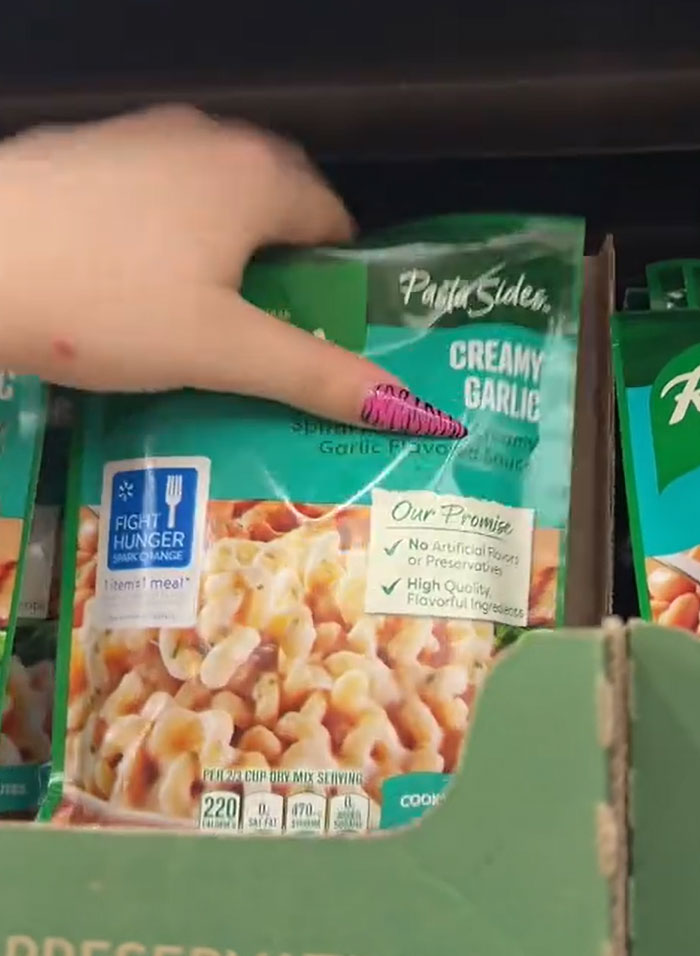


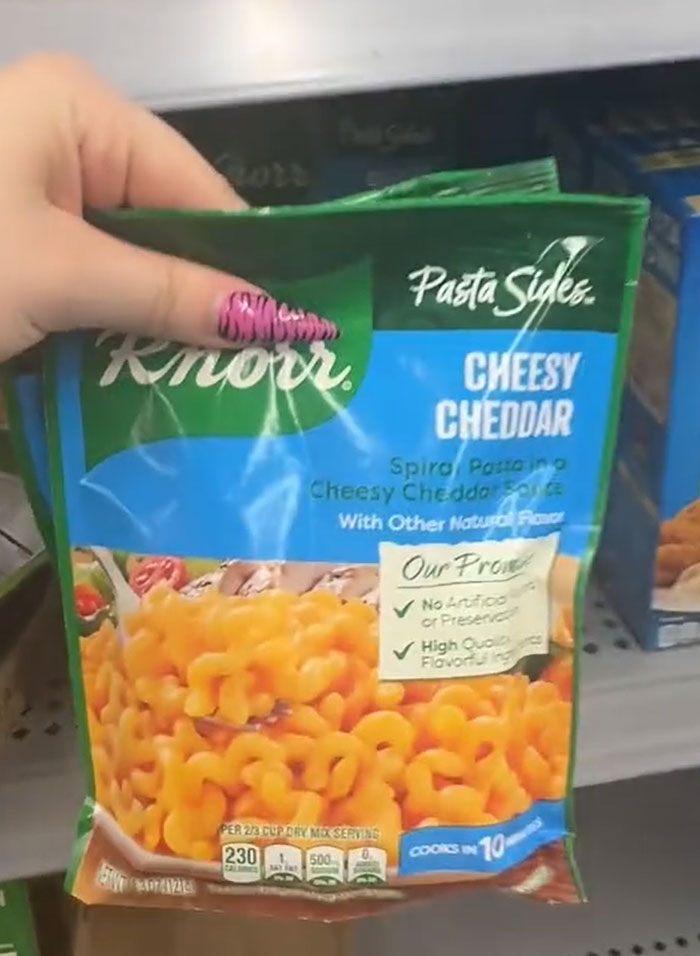













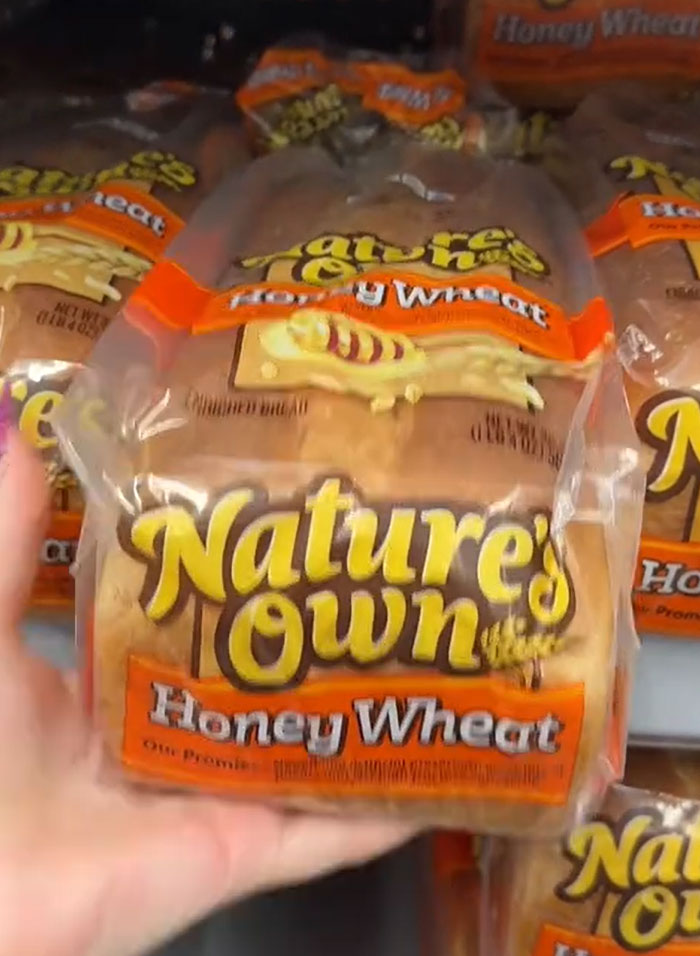
















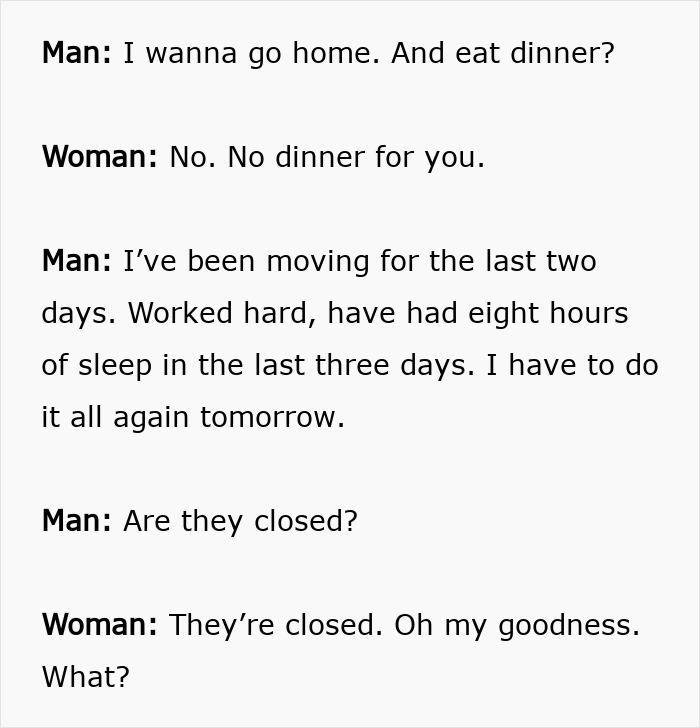
You can watch the video in full right over here
A balanced diet provides essential nutrients that support overall health, energy levels, and long-term well-being
A fridge stocked with ice cream, chocolates, and a pantry overflowing with chips probably sounds like pure happiness if you think back to childhood. There’s something almost comforting about those “anything goes” snack days when food was just about taste, not consequences. But as we grow older, our relationship with food naturally shifts. We start noticing how what we eat affects our energy, mood, skin, sleep, and even how focused we feel during the day. It slowly becomes less about instant cravings and more about how we want to feel long-term.
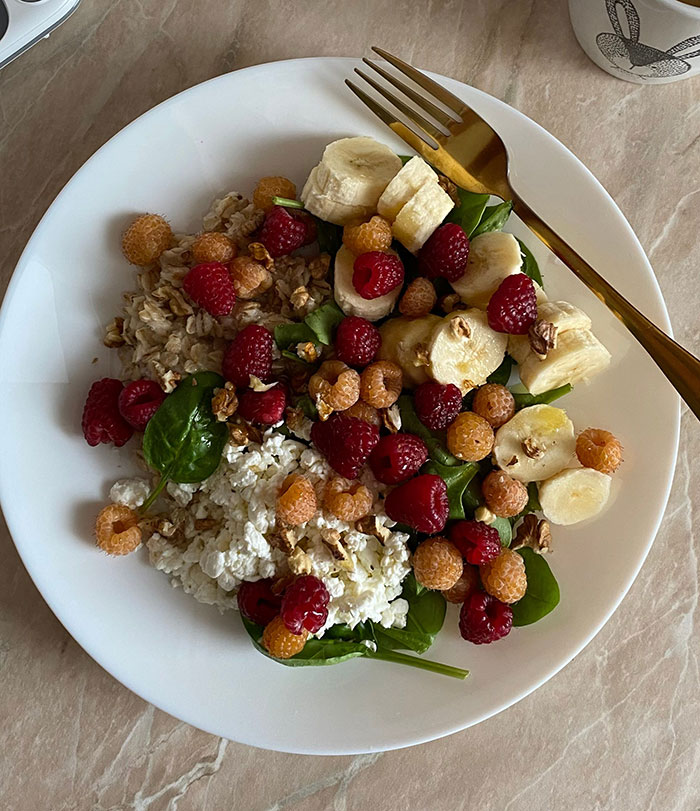
Alexandra Matviets/Pexels (not the actual photo)
A balanced diet, at its heart, isn’t about strict rules or saying no to everything you love. It’s really about giving your body a bit of everything it needs to function well. Think of it less like restriction and more like variety and balance on your plate. When meals include different food groups in the right proportions, your body gets steady fuel instead of quick spikes and crashes. And over time, those small, consistent choices start adding up in a big way.
The Eatwell Guide offers a simple way to understand this balance in everyday life. It suggests eating at least five portions of a variety of fruits and vegetables each day, which helps provide vitamins, minerals, and fibre. It also encourages building meals around higher-fibre starchy foods like potatoes, bread, rice, or pasta, which give you energy throughout the day. And something we often overlook; hydration matters just as much, with around 6 to 8 glasses of fluids daily helping the body stay properly balanced and alert.
Adequate protein intake helps preserve bone mass, maintain muscle strength, and reduce the risk of fractures
Protein is one of those nutrients we hear about all the time, but it’s easy to think of it only in terms of gym workouts or building muscle. In reality, it plays a much bigger role in everyday health. Protein helps repair the body, supports healthy skin, hair, and organs, and keeps everything running smoothly behind the scenes. You’ll find it in everyday foods like eggs, fish, chicken, beans, lentils, dairy, and even plant-based options like tofu and chickpeas. Since our bodies don’t store protein the way they store fats or carbs, we need a steady intake through a variety of foods to keep things balanced.
As we get older, protein becomes even more important than most people realize. Our muscles naturally start to weaken and shrink over time, which can affect strength, balance, and overall mobility. Getting enough protein helps slow this process and keeps the body stronger for longer. It also supports bone health and can lower the risk of fractures, especially when combined with other nutrients like calcium and vitamin D. For older adults, it’s not just about staying fit; it’s about staying independent, active, and able to do everyday things with confidence.
One of the most important things nutrition experts emphasize is that healthy eating isn’t something you do for a short burst and then abandon. It’s not a “four-week reset” or a temporary phase; it’s a long-term investment in yourself. Studies even show that children who follow healthier eating patterns early in life tend to carry those benefits into adulthood, including better heart health markers later on. It’s a quiet reminder that the choices made on a child’s plate today can have a lasting ripple effect on their future wellbeing.
A good example of this comes from Federica Amati, a nutritional scientist at Imperial College London, speaking in a BBC feature. She explains that “from conception through the first 1,000 days and into the school years, children are growing rapidly and laying down most of their future bone mass.” She further highlights that nutrients like calcium and vitamin D are especially important during this stage, because they support normal bone development and help build a strong peak bone mass. This, in turn, plays a key role in lowering the risk of osteoporosis and fractures later in life.
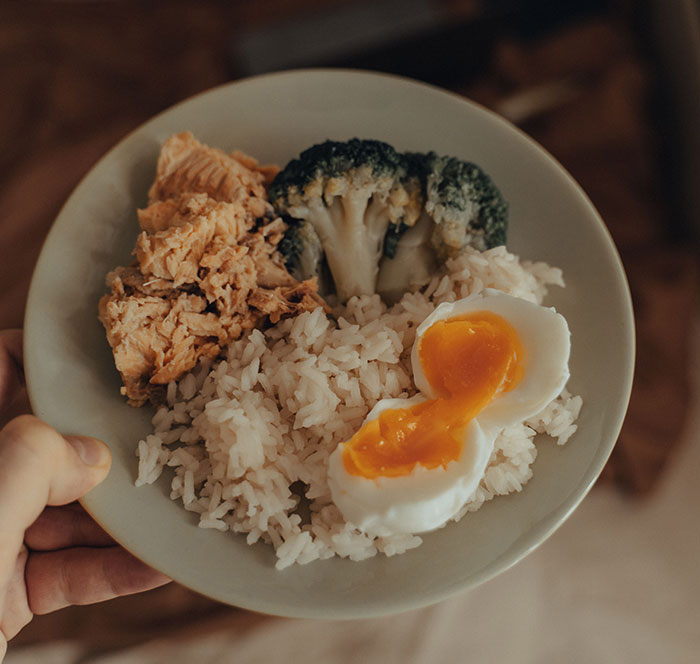
Vova Kras/Pexels (not the actual photo)
And the long-term impact doesn’t stop there. A 2025 study led by a global team of researchers examined the medical records of around 63,000 people born in the UK between 1951 and 1956, a period when sugar rationing was still in place. The findings were striking: children who were exposed to lower sugar intake during the womb and the first 1,000 days of life were 20% less likely to develop cardiovascular disease in later life, 25% less likely to develop heart failure, and 31% less likely to suffer a stroke compared to those who had higher early-life sugar exposure.
Clearly, early nutrition is not just about short-term growth or preventing childhood deficiencies; it lays the foundation for lifelong health. What a child eats in those crucial early years can influence how their bones develop, how their heart functions, and even how their body responds to disease decades later. It’s a powerful reminder that health is built gradually, not suddenly, and that small dietary habits in childhood can echo into adulthood in very real, measurable ways.
Research increasingly shows that diet isn’t just about physical health—it’s deeply connected to how we feel and function every day. The nutrients we get from food influence so much more than we often realize, from immune strength and energy levels to mood stability and even how well we handle stress. In a way, food is more than fuel; it’s like daily information for your body, quietly guiding how it works, heals, and protects itself over time.
At the end of the day, healthy eating doesn’t need to feel overwhelming or perfect. It’s not about strict rules or never enjoying your favorite foods again. Instead, it’s about the bigger picture—the patterns you build over time. What you eat most often matters far more than the occasional treat or slip-up. When you allow yourself balance, you create space for both nourishment and enjoyment, without guilt sitting in the middle of it all.
And coming back to today’s story, it’s interesting how food choices can spark so many different opinions, especially online where everyone has a voice. While situations vary from person to person, it does open up a broader conversation about awareness, habits, and how we define “healthy” in real life. So now we’re curious, pandas: what does balance look like for you when it comes to food?
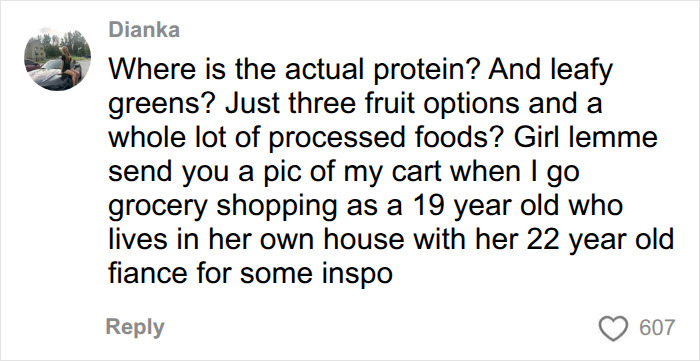
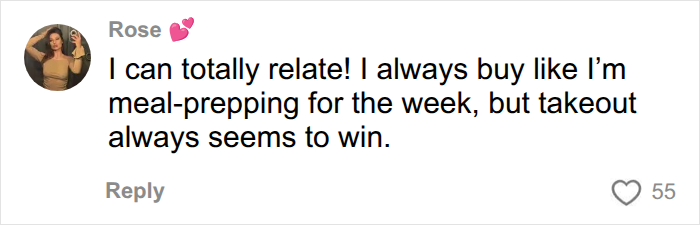
Here’s how internet users reacted




































 Follow Us