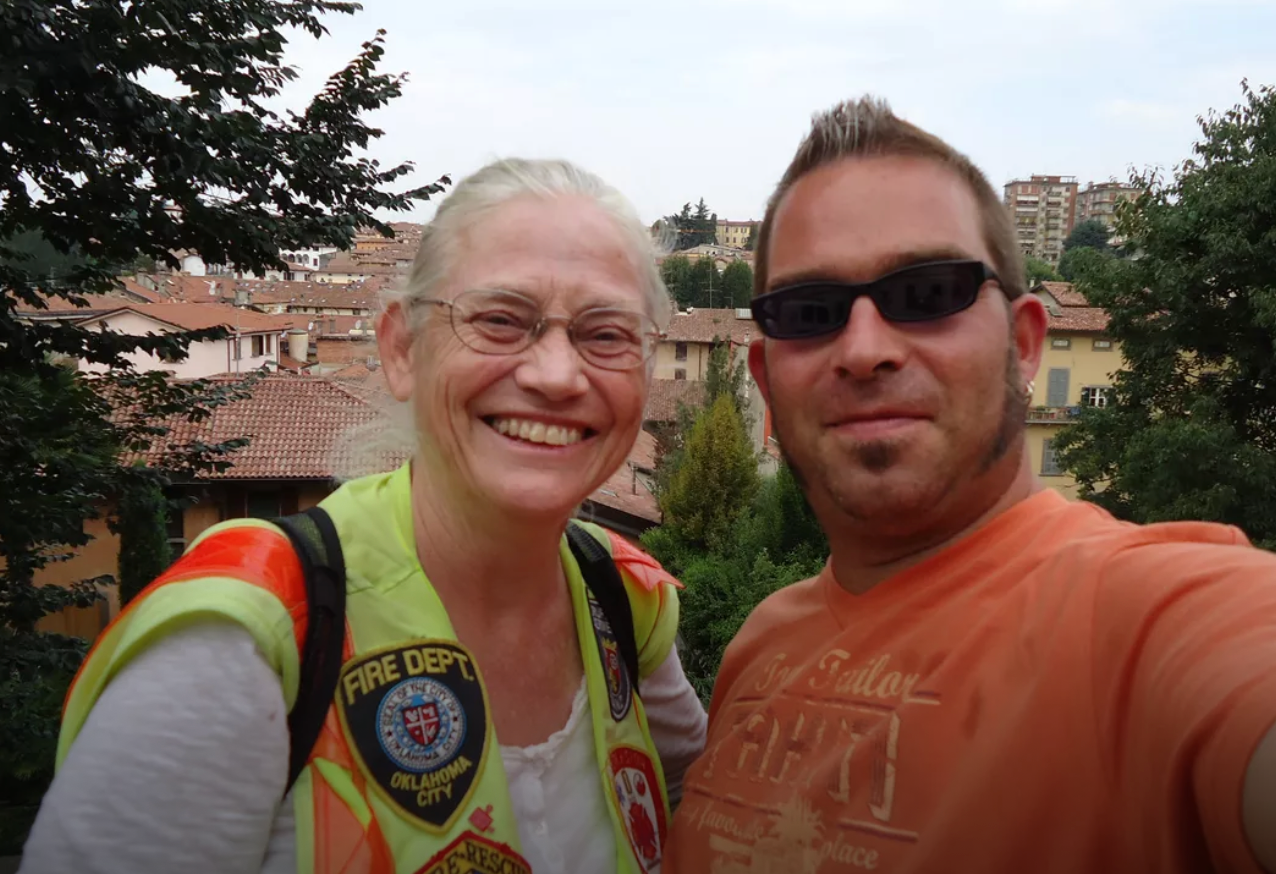
At 73, Jeana Moore is spending 45 days walking more than 350 miles for a cause that became deeply personal nearly two decades ago. In 2009, she founded the Jada Bascom Foundation after her granddaughter, Jada, was diagnosed with acute myeloid leukemia at just one month old. Today, Jada is 19 and healthy, thanks in part to a stranger in Germany who had joined a donor registry and turned out to be her perfect match.
Now, Jeana is walking again—not for herself, but to help other families have the same chance. On September 7, she set out from Seattle with her own pack and no support vehicle, beginning Steps to Marrow 5, a 45-day, 356-mile journey through Washington, British Columbia, and Vancouver Island before returning through the Olympic Peninsula and finishing in Olympia on October 21.
More info: jadabascomfoundation.org | youtube.com
Jeana founded the Jada Bascom Foundation after her granddaughter survived leukemia with help from a stranger
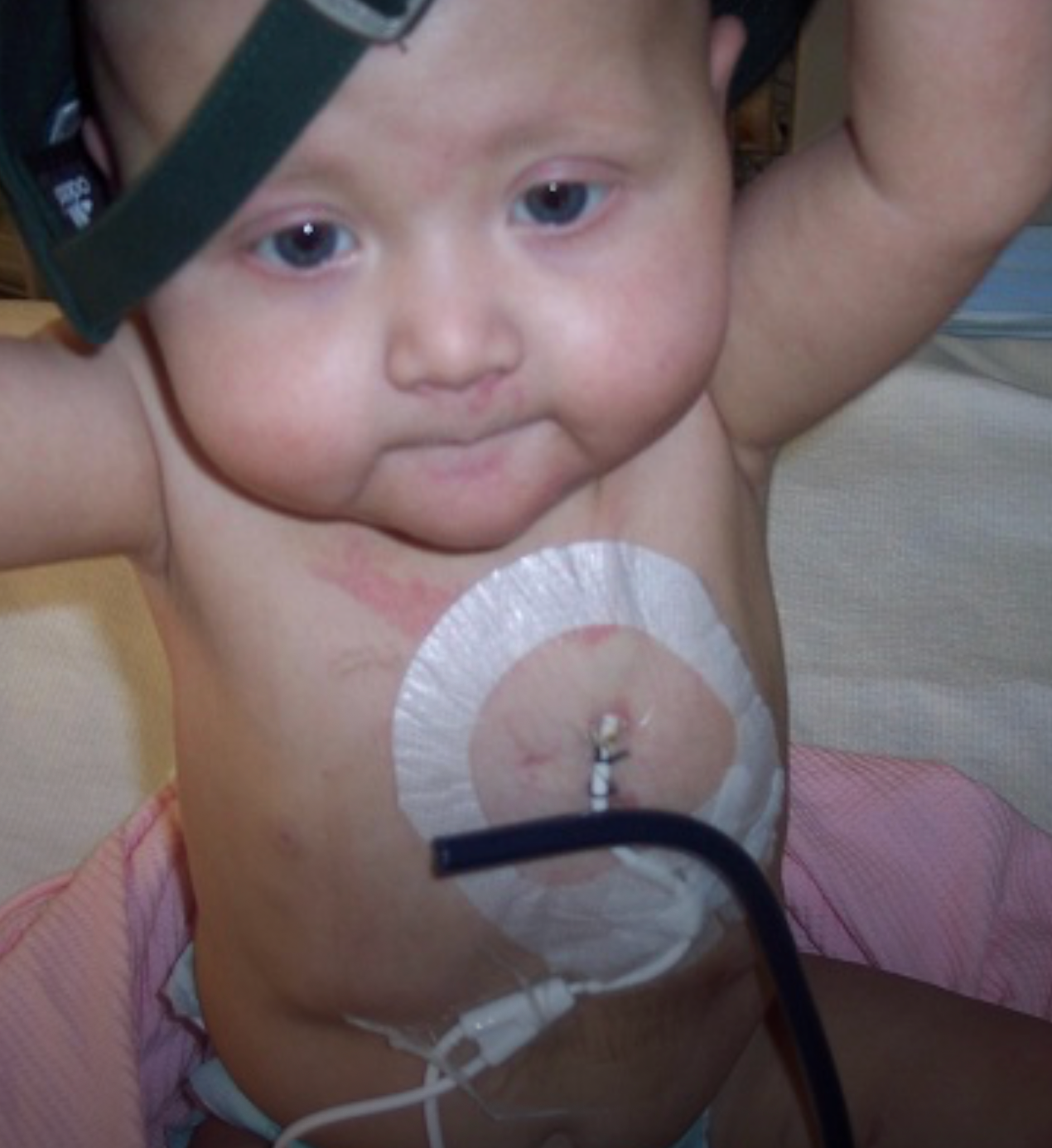
“It took thousands of people to save Jada’s life,” Jeana shared. The first was a nurse at Holy Family Hospital who spotted a tiny red dot on the newborn’s skin. Jada had already needed a blood transfusion within hours of her birth in 2007, and at one month old she was diagnosed with acute myeloid leukemia. When chemotherapy wasn’t working, her doctors told the family she would not survive without a bone marrow transplant.
That meant finding a donor whose tissue markers, known as HLA, closely matched her own, and no one in the United States did. The match came from Germany, where Torsten Huber had joined a donor registry after reading a newspaper article, more than a year before Jada was born. That’s less unlikely than it sounds. Germany has more than 10.6 million registered donors, and nearly 40% of unrelated stem cell transplants worldwide involve a German donor. Jada received her transplant at seven months old. The family met Torsten in person in New York City in January 2011, and he calls Jada his “genetic twin.”

Not every family they met in the hospital was as lucky. Jeana watched other patients who never found a match and passed away, and in 2009 she and her daughter Issa, Jada’s mother, started the Jada Bascom Foundation. Jeana could have kept the work online, but she wanted to reach people “face-to-face,” so she started walking. Thousands of people joined the registry during her first walk alone.
Today the foundation is a 501(c)(3) nonprofit based in Deer Park, Washington. It organizes registration drives, partners with registries around the world, and helps cover tissue-typing costs so money never keeps anyone from joining. Jeana also volunteers as an ambassador for NMDP, the US national registry.
The 356-mile journey is designed to turn every stop into a chance to talk about donation
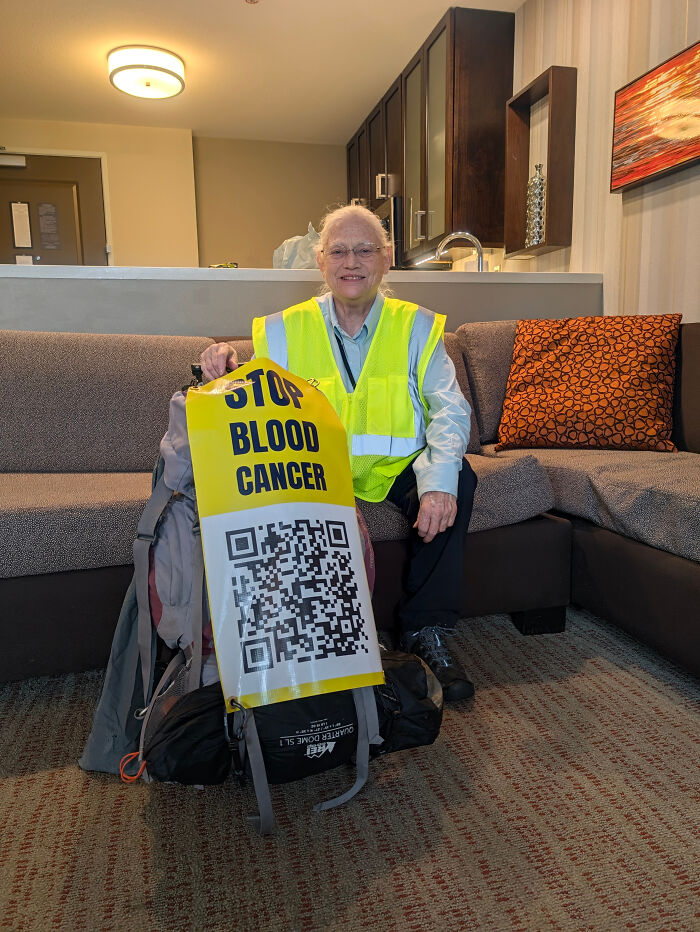
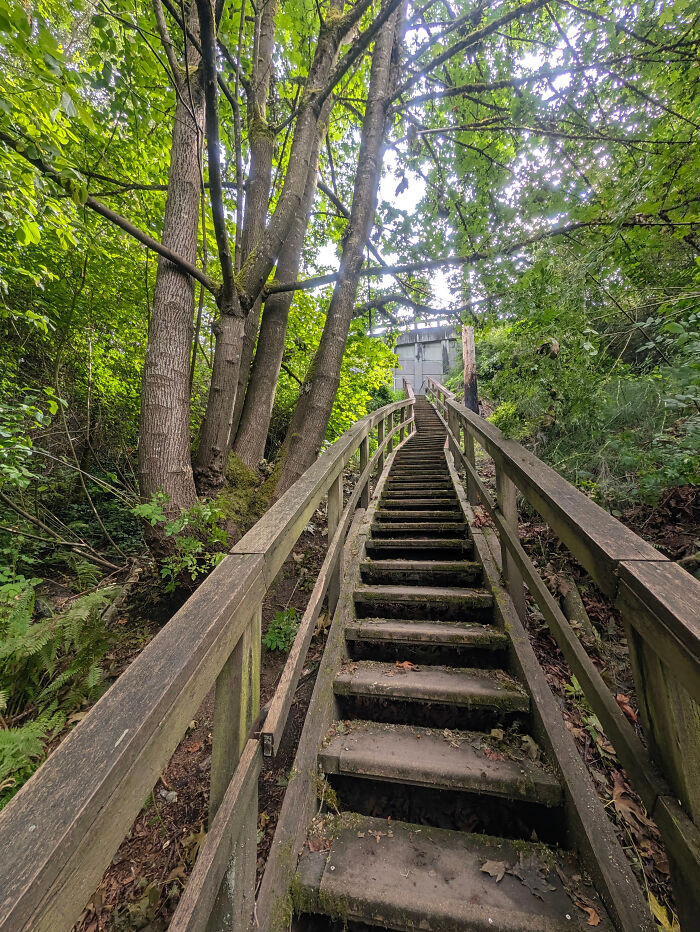
Jeana walks with a QR code on a tag around her neck and another on the back of her pack, and strangers stop her to scan them. In her first weeks on the road, gas station clerks photographed the code, a group training in trail first aid signed up on the spot, and she asked Everett’s City Council to proclaim a bone marrow awareness day.
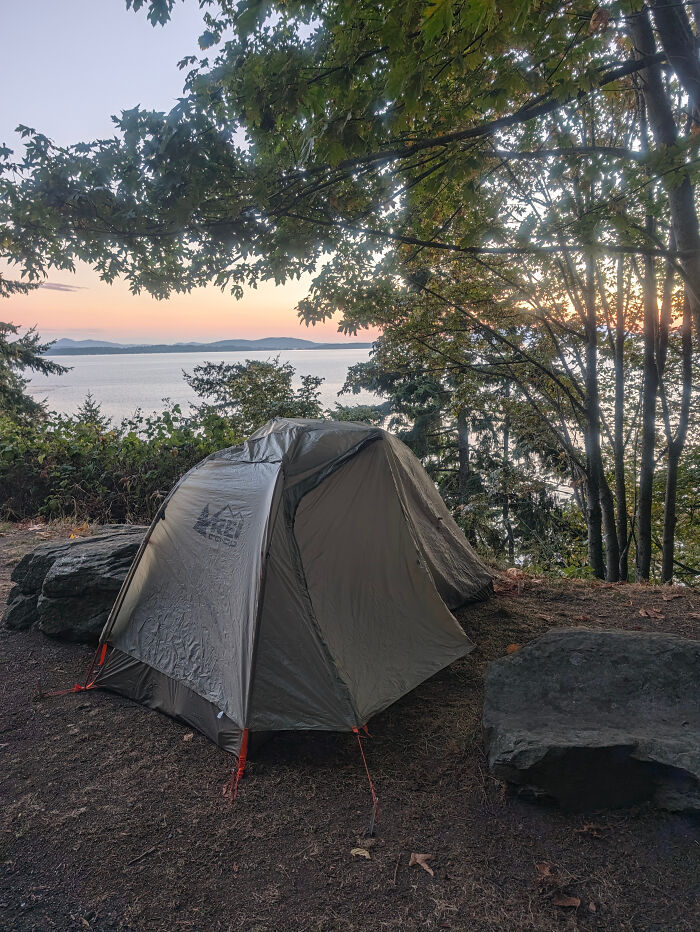
Getting from one stop to the next takes a lot of asking. Jeana doesn’t book ahead. “I rely on the generosity of others for my food and my housing,” she wrote from the road. So far that has meant a tent on the lawn of St. Joseph Catholic Church in Mount Vernon, a mattress on the floor of Bellingham’s Lighthouse Mission alongside people experiencing homelessness, a hotel voucher from the Ferndale Police Department, and a tent pitched inside an outbuilding on a family farm near Arlington. Near Custer, when no one could offer her a place to sleep, she walked laps around an outdoor shopping center until nearly 2 a.m., when a stranger gave her a ride and his guest room.
Jeana’s first walk began in October 2009 and lasted 15 months, covering 4,434 miles to Los Angeles and on to New York City. In 2012, she spent 137 days walking more than 1,000 miles through Germany, Switzerland, and Italy, from the Baltic Sea to the Adriatic, to thank Torsten. In 2020 she crossed the Sonoran Desert from Yuma to Phoenix, hoping to bring more minority donors onto the registry. In 2024 she walked about 300 miles from her home in Deer Park to Seattle Children’s Hospital.
A walk can start the conversation, but patients need people to actually sign up
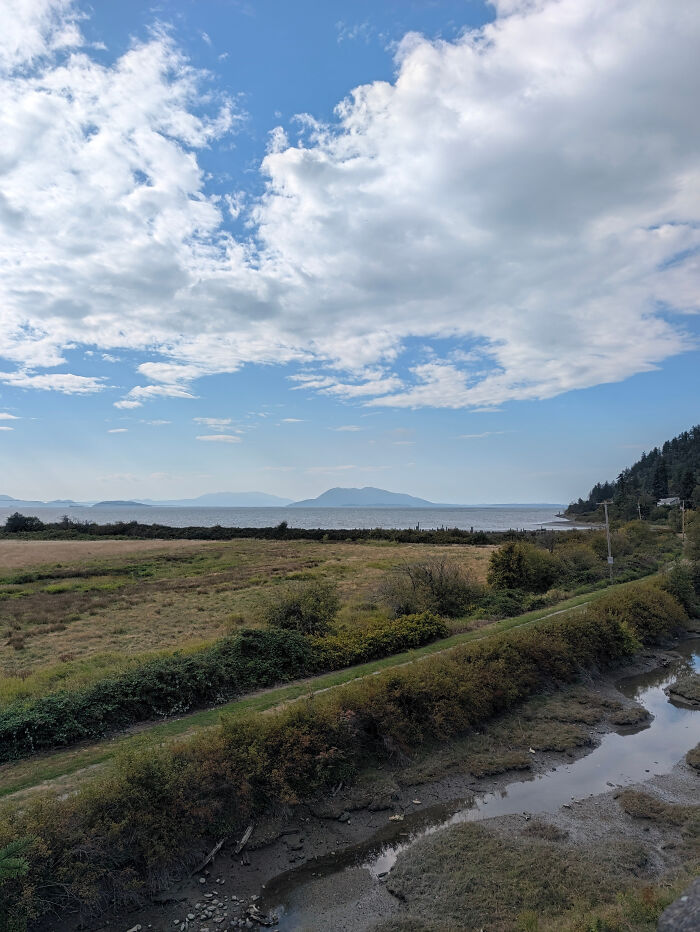
Jeana can walk hundreds of miles and tell Jada’s story in every town along the way, but awareness on its own doesn’t add anyone to the registry. A patient’s search only includes people who have already joined, and the need doesn’t pause. According to NMDP, someone in the United States is diagnosed with a blood cancer every three to four minutes, and about 18,500 people a year could benefit from a bone marrow or umbilical cord blood transplant. Around 70% of patients can’t find a matching donor in their own family, so they rely on strangers who signed up long before anyone needed them, the way Torsten did.
Ancestry changes the odds as well. The tissue markers used for matching are inherited and most often shared by people of similar ancestry, so a patient’s chance of finding a matched unrelated donor ranges from 29% to 79%, depending on ethnic background. Patients from communities that are underrepresented on the registry have historically had less than a 50% chance of finding a full match. It’s also why Jeana’s 2020 desert walk focused on bringing more donors from those communities onto the registry.
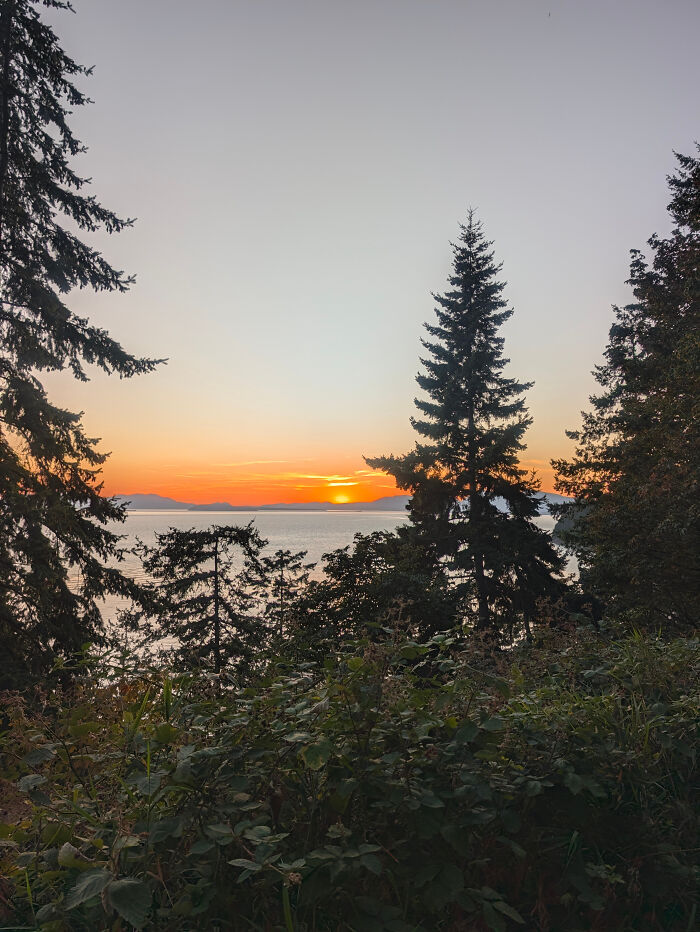
Even a large, diverse registry has limits, because most people who join will never be called. Only about 1 in 430 US registry members goes on to donate, and there’s no way to predict who it will be. Age matters, too. Members stay on the registry until 61, but doctors choose donors aged 18 to 30 more than two-thirds of the time.
Joining is only the first step, because a donor also has to be reachable when the call comes. Near Blanchard, Jeana met a receptionist who was already on the registry but whose contact details were out of date, so Jeana sent her to NMDP’s website to update them. If a matched donor can’t be reached, a patient’s treatment can be delayed, which can be life-threatening.
Jeana’s planned Awareness Days will bring her message to communities along the route
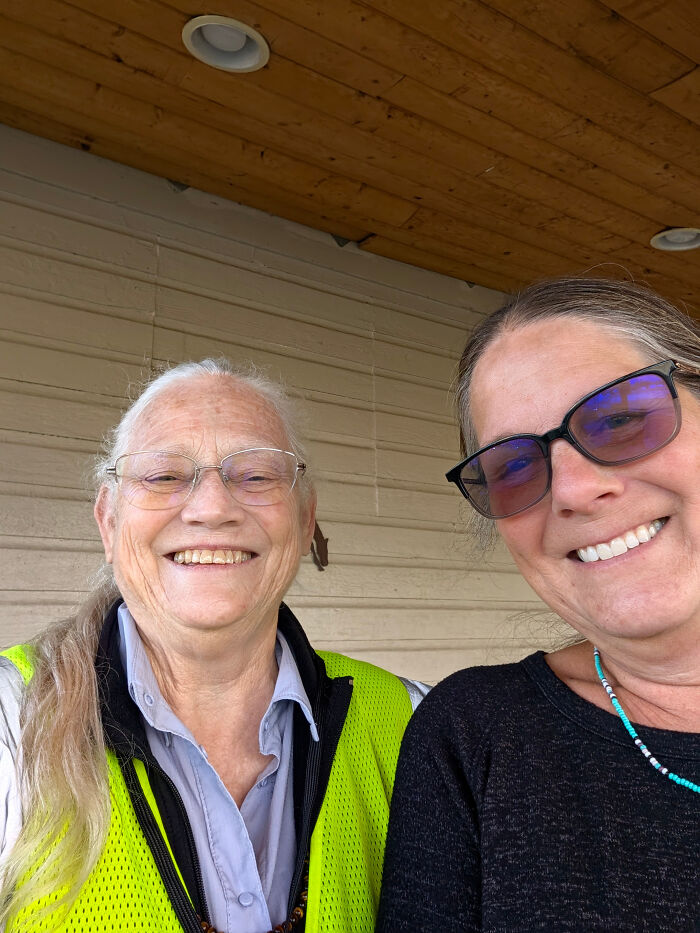
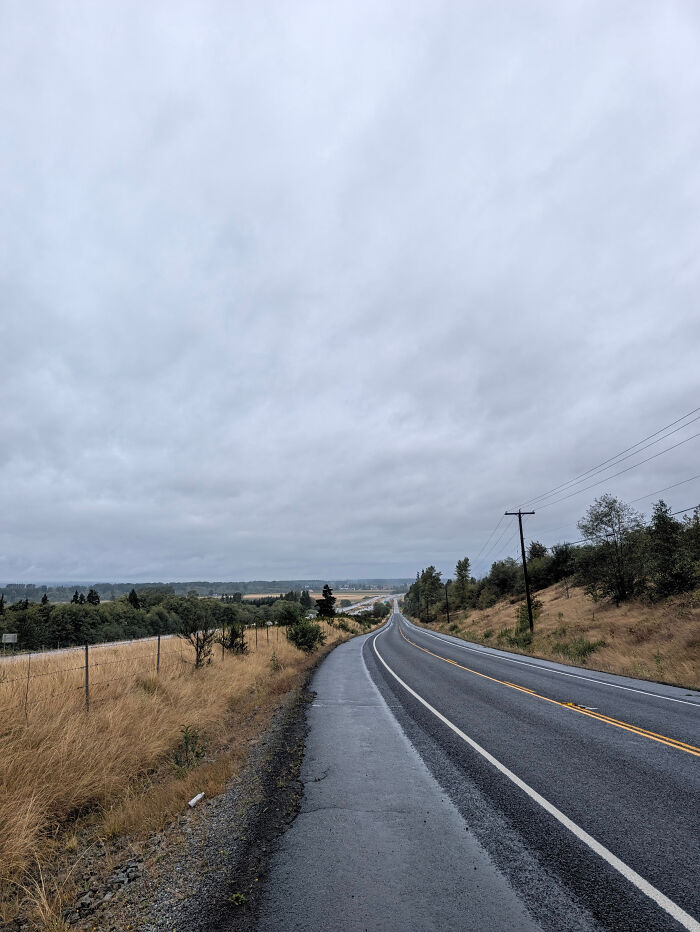
The foundation has planned Awareness Days along the route, when Jeana stops to talk with local communities about donation: Everett (September 10), Mount Vernon (September 15), Bellingham (September 19), North Delta (September 24), Vancouver (September 27), Sidney (October 2), Victoria (October 5), Quilcene (October 11), Hood Canal (October 16), and Olympia (October 21). These are planned pauses rather than confirmed public events, so anyone hoping to meet or interview Jeana should contact her directly to arrange a time and place.
Torsten signed up for a patient who hadn’t been born yet. No registry can find a donor who hasn’t joined, and that is the whole case Jeana is making this fall: anyone she signs up could be the match for someone who hasn’t been diagnosed yet. Registering takes about 10 minutes, and new members receive a cheek swab kit by mail. In the US, you can text JADA to 61474 to join NMDP; Canadians can register through Canadian Blood Services, or Héma-Québec in Québec.
Everyone can help spread the message even if they live thousands of miles from Jeana’s walking route
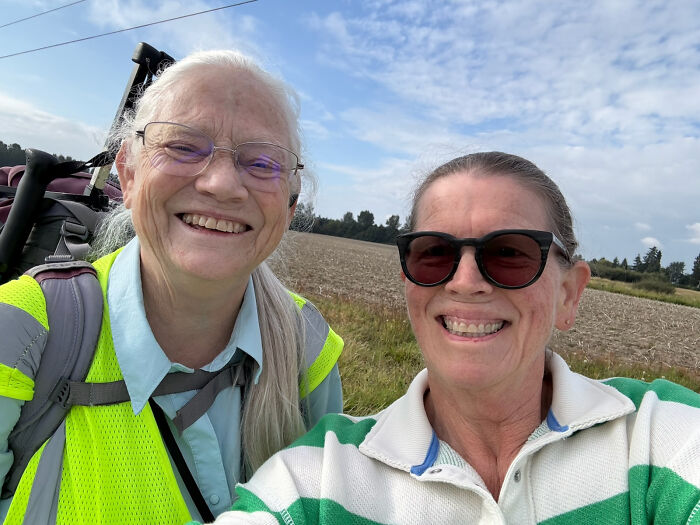
People do not have to join Jeana on the road to support the campaign. The foundation has created printable flyers and table tents that can be placed (with permission) in cafés, workplaces, community spaces, and public noticeboards.
The materials, which can be found here, include a QR code linking people to the walk as well as the JADA text shortcode, making it possible for the campaign to reach people far beyond the communities Jeana visits in person.
Jada’s donor signed up after reading a newspaper article. The person who saves the next patient might be reading this one right now.
 Follow Us