Ghost Whisperer built a loyal audience by doing something deceptively hard: mixing weekly procedural structure with emotion that actually lands. The hook was simple, but the execution depended on the cast selling grief, unfinished business, and closure without turning it into melodrama. That combination is why the show still pulls search demand years later, and why people keep asking where the stars went after the finale.
This guide breaks down the cast guide in a practical way: main characters, key recurring players, and the guest-star ecosystem that kept the series feeling bigger than a small-town setting. You will also see how the career trajectories split, who stayed in network TV, who pivoted into voice work, and who built long-term stability through consistent credits rather than headline roles.
Jennifer Love Hewitt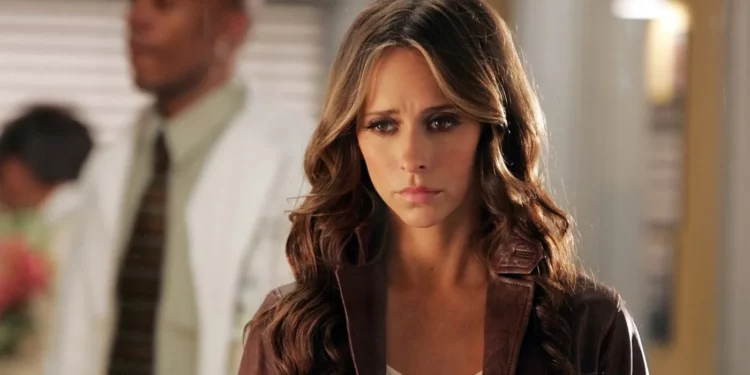
Jennifer Love Hewitt carried the show as Melinda Gordon, and the performance worked because she made the “in-between” feel human. The role demanded constant emotional range, but it also required control. If Melinda feels too shocked every episode, viewers stop believing it. If she feels too calm, the stakes disappear. Hewitt found the middle and became the identity of Ghost Whisperer, which is why her name remains the primary search trigger tied to the show.
After the series, Hewitt did what smart TV leads do: she avoided chasing the exact same tone and instead moved into projects that still used her strengths. Her run on The Client List proved she could anchor adult-driven network storytelling without relying on the supernatural hook. She later joined 9-1-1, which kept her in the high-visibility broadcast lane, but in a role that let her evolve from lead-of-a-concept to ensemble power. That path is not flashy, but it is durable, and durability is what keeps a career earning.
David Conrad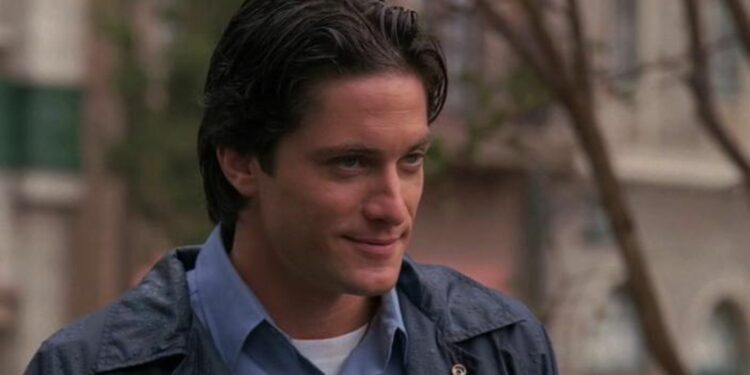
David Conrad played Jim Clancy, and his job was harder than it looks. Jim is the “grounded” character, the one who has to react like a real person would react if the supernatural kept colliding with normal life. Conrad sold that groundedness, which made the emotional beats work. Without a believable Jim, Melinda feels isolated in a way the show cannot afford.
Post-series, Conrad stayed in the working-actor lane, where the goal is consistency and range rather than constant headlines. That often includes one-off arcs, supporting turns, and the kind of steady TV presence that keeps you employable across years. This is the lane where many actors quietly win because the paychecks keep coming even when the internet is not talking about them. It is also why the public sometimes underestimates careers like his. They are not loud, but they are stable.
Camryn Manheim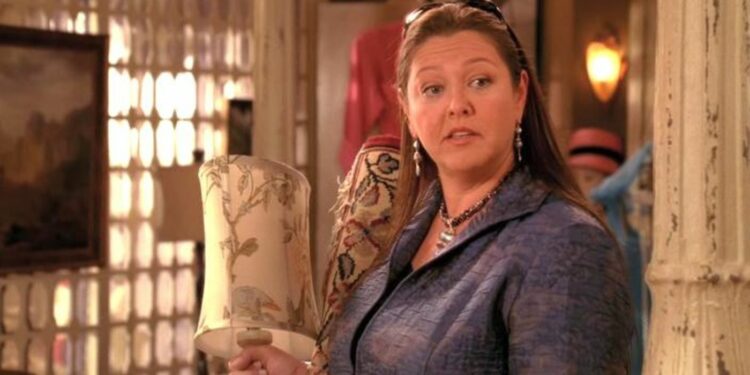
Camryn Manheim joined later as Delia Banks, and her arrival mattered because she brought weight to the show’s everyday world. Delia’s skepticism and later shifts gave the series a new engine. Manheim was already a respected TV presence before Ghost Whisperer, which meant she entered with authority, not “new cast” energy.
Her wider career has been the blueprint for long-term TV value: recognizable, reliable, and always believable. When you build a reputation as someone who elevates scenes, you get called. That is why she keeps showing up across major series and network dramas, the same ecosystem where lists like television stars often surprise people. The public tends to equate fame with success, but in television, consistency is often the real wealth strategy.
Jay Moh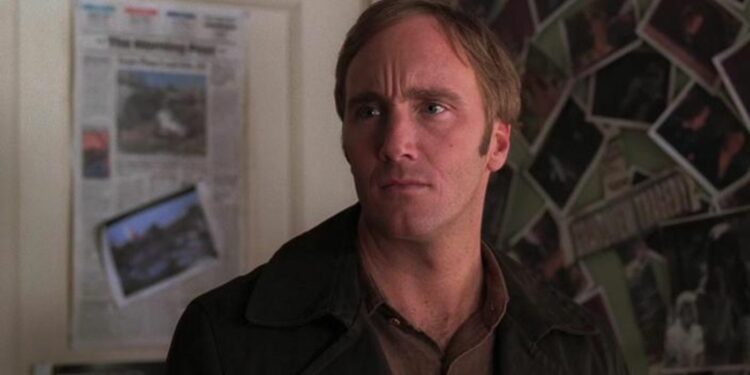
Jay Mohr played Professor Rick Payne, one of the smartest additions the series made because it expanded the mythology without turning it into lore overload. Payne gave Melinda a different kind of conversation partner. Instead of every episode being “prove the supernatural exists,” the story could move faster and explore different emotional angles.
Mohr’s career has always been a blend of acting, comedy, and media work. That mix matters because it creates multiple income channels. Stand-up and hosting work can fill gaps between acting roles, and those gaps are where many careers stall. When you can earn in more than one lane, you can stay selective, and staying selective often leads to better long-term positioning. It is not always about chasing the biggest project. Sometimes it is about avoiding the wrong ones.
Connor Gibbs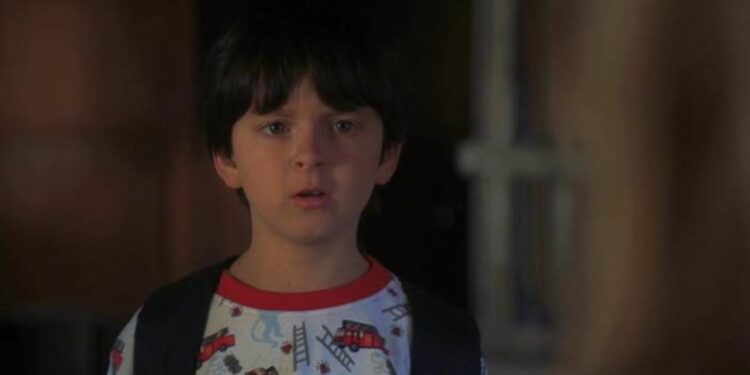
Connor Gibbs portrayed Aiden Lucas, and child roles like this can become the defining memory for an audience. The difficulty is that child actors often become associated with a single era of a show, which makes the “where are they now” searches spike even if they step away from acting. Gibbs is a good example of how the public’s curiosity can remain strong even when a performer keeps a lower profile.
That lower profile is not a failure. For many child actors, stepping back is the healthiest decision. It reduces the pressure to “keep up” with an identity formed early, and it creates room to choose whether entertainment is still the right path. Fans often want a direct pipeline from childhood fame to adult stardom, but real life rarely works that cleanly. The smarter story is usually about protecting long-term options, not forcing a brand.
Aisha Tyler
Aisha Tyler is not a “main cast” core of Ghost Whisperer, but she matters in the show’s broader footprint because she represents the kind of recognizable guest ecosystem that kept the series feeling connected to mainstream TV. Tyler’s larger career arc shows why those appearances matter. When you build a recognizable voice and persona, you become valuable across formats.
Tyler later became even more widely known through Criminal Minds, hosting, and voice work. Voice work is especially important because it can be a quiet multiplier. It is less visible than leading a live-action show, but it can run for years and stack revenue through repeats and licensing. That is why audiences are often shocked when they see how much value some performers build without constant tabloid attention, especially when people start browsing lists like net worth breakdowns.
Greg Germann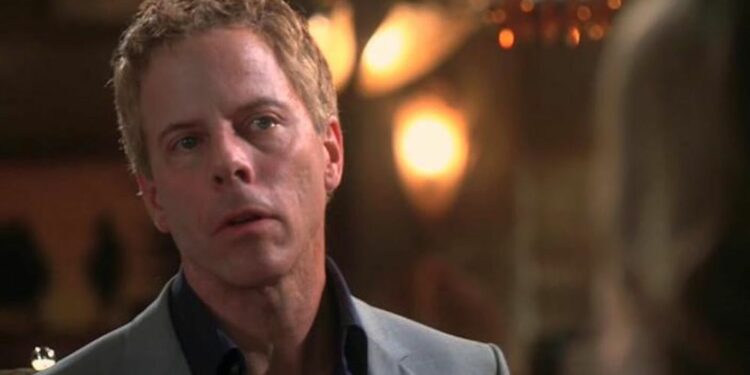
Greg Germann appeared in the show’s world and stands out because he is a classic utility performer. Utility performers keep series engines running. They can play charm, menace, authority, or comedy depending on what a scene needs. That skill makes them extremely castable, which is why they pop up across multiple long-running shows and why fans repeatedly recognize them even if they cannot immediately place the name.
Germann’s career is a reminder that television does not only reward “the star.” It rewards the people who can elevate tone, stabilize scenes, and keep story momentum moving. That is why recurring and guest work can create real longevity, especially when combined with the convention circuit and steady syndication exposure. In the long run, that visibility can be just as valuable as a single breakout, because it compounds through repetition.
Guest Stars and the Long Tail Search Effect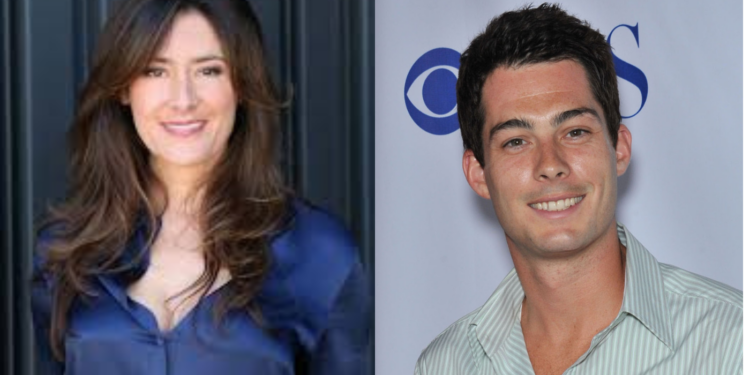
The guest stars of Ghost Whisperer are a big reason the show still produces strong search demand. People rewatch, recognize a face, and immediately start searching: “Who was that?” That cycle is the same reason cast pages and “where you know them from” formats keep performing. When someone spots Hilary Duff, Jennifer Love Hewitt’s real life husband Brian Hallisay, Camryn Manheim, or Alicia Coppola, the brain does what it always does with familiar TV faces: it tries to place them.
That is also why cast based topics remain evergreen when done properly. You are not just listing names. You are mapping recognizable faces to career paths, and you are giving the reader the answer they actually want: how someone built a career that lasted. A guest appearance from someone like Nia Long, Mark A. Sheppard, Tom Wilson, or George Takei is not just a fun cameo. It becomes a search trigger, because each name connects to other worlds people already love.
 Follow Us