If you haven’t noticed it yet, entitled parents tend to raise incredibly entitled children. When you enable selfish and downright disrespectful behavior, you end up making strangers’ lives miserable. Well, unless they push back! It is jaw-droppingly intriguing to watch narcissists who can’t take a friendly “no” for an answer and end up throwing a temper tantrum.
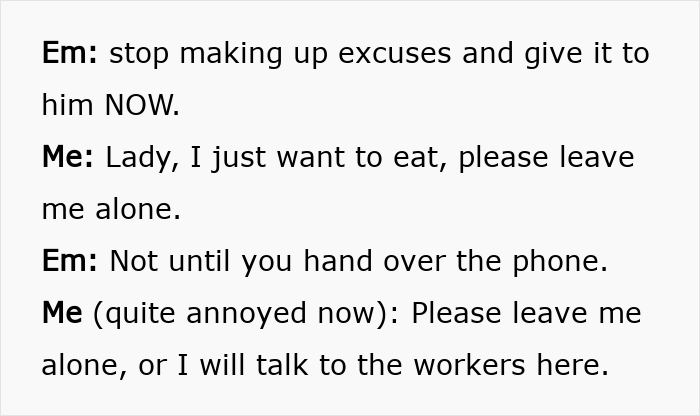
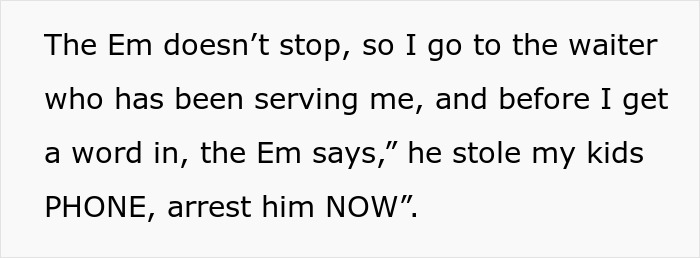
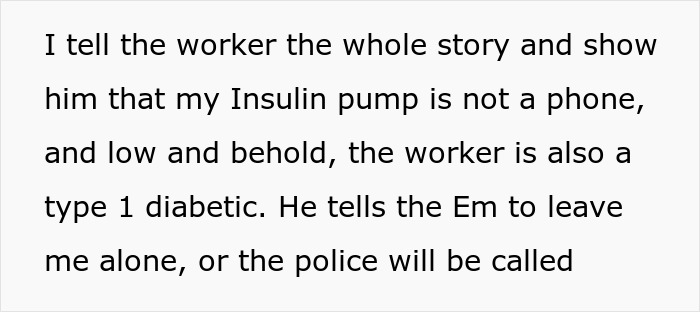
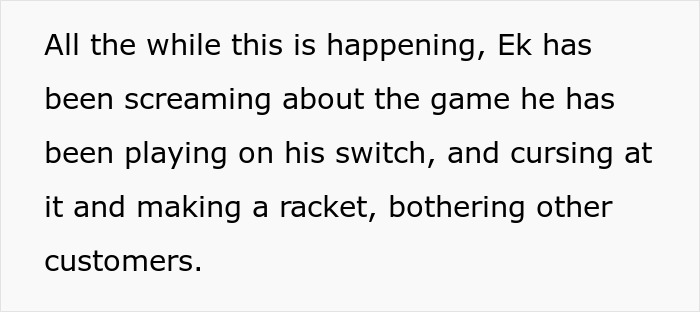
One anonymous Type 1 diabetic revealed the frustrating drama he was drawn into during a meal at a restaurant. Upon seeing his insulin pump, an entitled mom wanted to force the man to give it up for her kid to play with. Things soon escalated into a nuclear meltdown beyond anything that the restaurant guests and staff could have expected.
Some narcissists manage to take their toxicity to a mind-boggling new level
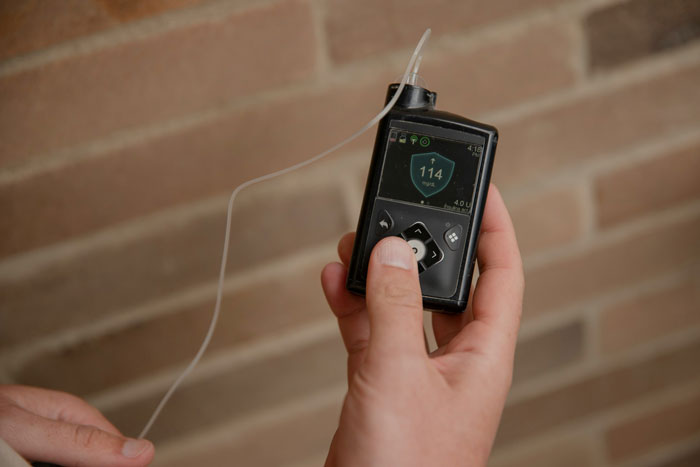
Pablo Merchán Montes / Unsplash (not the actual photo)

This Type 1 diabetic revealed how an entitled family started harassing him at a restaurant after seeing his insulin pump
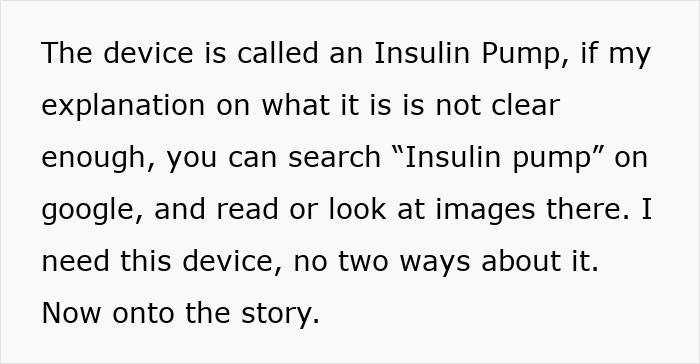

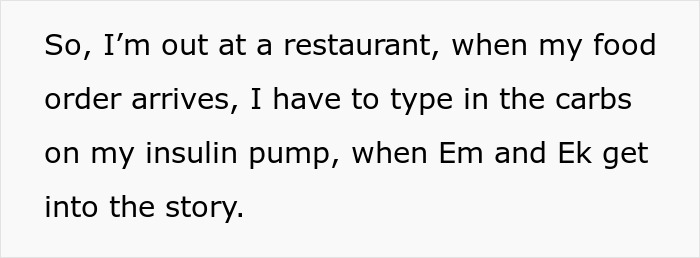
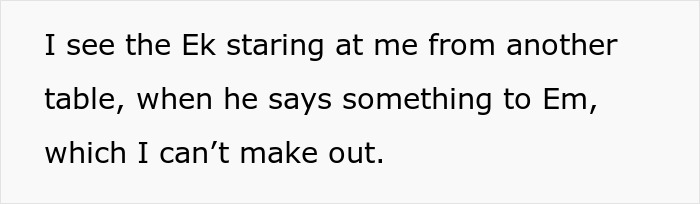

kaboompics / Pexels (not the actual photo)
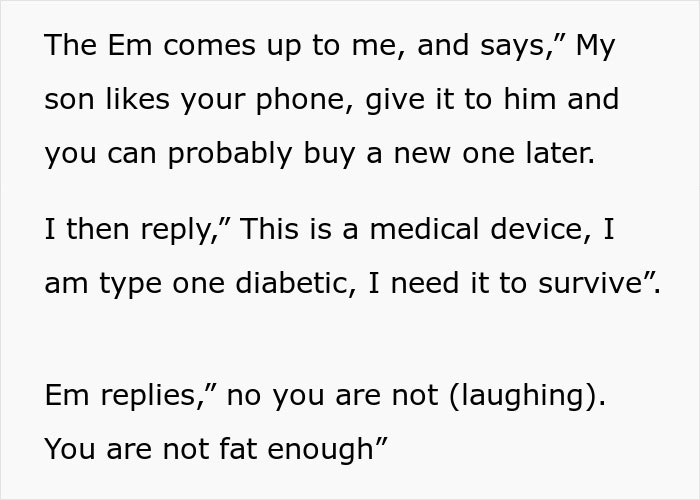


Adrian Swancar / Unsplash (not the actual photo)
Things rapidly escalated even further. The guests and staff were completely shocked
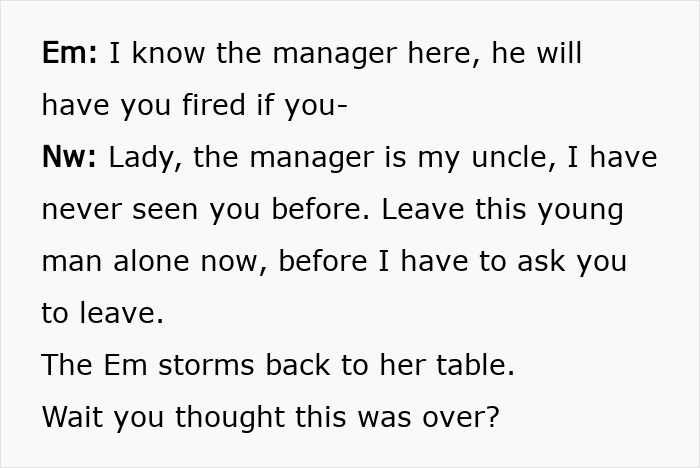
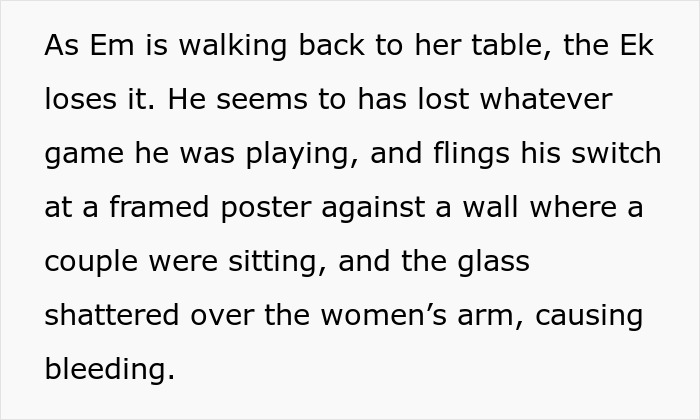
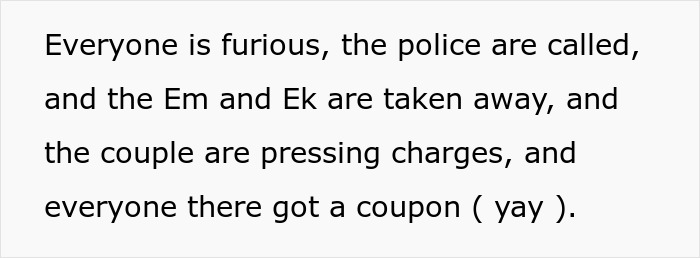
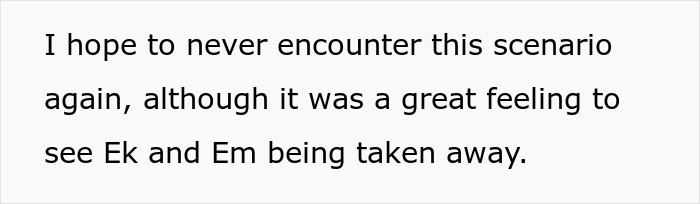
Boundaries are vital, not optional, when you’re dealing with overly entitled individuals
One of your best allies and tools in your social arsenal is your ability to communicate, set, and defend your boundaries. Healthy boundaries are great for everyone. They get everyone on the same page about your needs and how you expect to be treated. Meanwhile, they help you prioritize your well-being and protect you from other people’s overly selfish and disrespectful behavior.
Narcissists and entitled individuals utterly hate boundaries and being told “no” because you clearly tell them that you will not place their needs above yours. They see themselves as special and superior, and how dare you even consider not bowing down to their every whim? However, your boundaries are only as strong as your ability to defend them. If someone constantly ignores them, you have to follow through with consequences. You have to be willing to stand your ground and protect your interests.
Ideally, you’ll never have to deal with narcissists for long, and you’ll have the ability to walk away from toxic relationships with them entirely. Not everyone has that option if they have narcissists among their close family and friends. No matter what, though, you need to be able to deal with the potential fallout when a narcissist refuses to take your “no” for an answer.
Mental health and wellness consultant Jamie Cannon, MS, LPC, explains that narcissism, even in its most trivial forms, can lead to the destruction of healthy interactions and long-term relationships. Narcissists tend to twist the truth into something that suits them, and this leads to distress, trauma, and devastation.
“Understanding the need to set limits is imperative when interacting with a narcissist. Limits must be black and white, despite the very gray situations that can arise in life—any wiggle room in setting boundaries will only help narcissists cross that line more quickly. The most basic method of setting a limit is learning how to say ‘no’ to a narcissist,” she writes on Psychology Today.
“Giving reasons why or offering alternatives to the situation at hand may seem reasonable when communicating in a healthy relationship, but in a narcissistic relationship, ‘no’ needs to be the end of the sentence,” Cannon explains.
“Given a narcissist’s nature, hearing ‘no’ without any opportunity to argue, persuade, or manipulate will be extremely frustrating—and likely result in their behavior escalating, at least for the short term. However, over time, with steady limit-setting devoid of any maneuvering room for them to manipulate the outcome, they may eventually move on to other victims.”

Andrea Piacquadio / Pexels (not the actual photo)
Narcissists refuse to take ‘no’ for an answer. Here’s how they might react
The most common ways that a narcissist might react when you refuse them include:
Cannon warns that setting boundaries with narcissists is more akin to a marathon than a sprint. Even though they might not give up, eventually, you might be able to reduce their interactions with you.
“In the end, try to remember the overarching truth that you are allowed to have your own opinions and make your own decisions, even if those disagree with the narcissist in your life. You have a basic human right to think freely—and you can (and should!) exercise that right, even in situations that may seem nearly hopeless. It’s time to take back your personal power,” Cannon says.
Meanwhile, workplace psychology researcher Stefan Falk notes that entitled people tend to expect recognition for their perspectives and show little interest in learning from others. They accuse others of being ‘disrespectful’ for not agreeing with them.
Typically, if you can avoid selfish and entitled people, do so. Beyond setting boundaries, you can try to educate them about the long-term risks they face if they don’t change their behavior.
Falk suggests that you could tell an entitled individual something along the lines of: “If you see everything as a personal offense, you will be constantly frustrated, unfulfilled and burdened by negative thoughts about others. Isn’t that exhausting?”
Once you’ve finished reading the full story and looking through the internet’s reactions to the insulin pump restaurant drama, we want to hear your perspectives, Pandas. How would you have handled the entire situation if, for example, you were an employee at that restaurant? What do you usually do to protect your boundaries from narcissistic and entitled strangers? Tell us what you think in the comments at the bottom of this post.
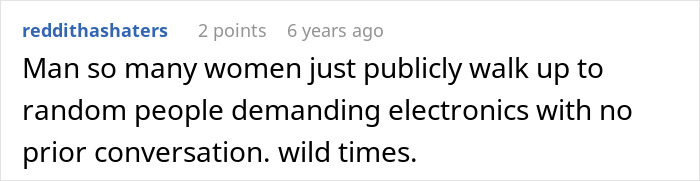
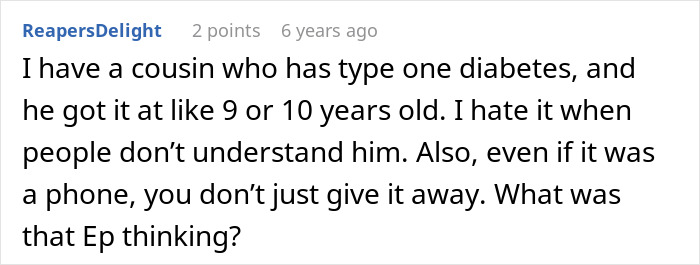
People wanted to share their thoughts after reading about the medical device drama. Here are their perspectives
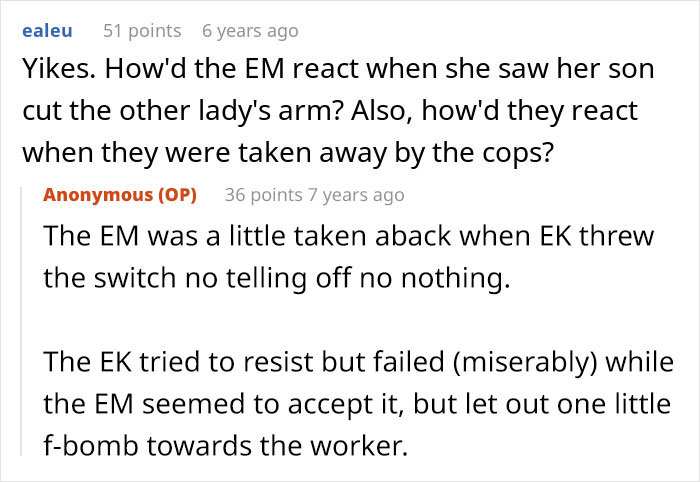


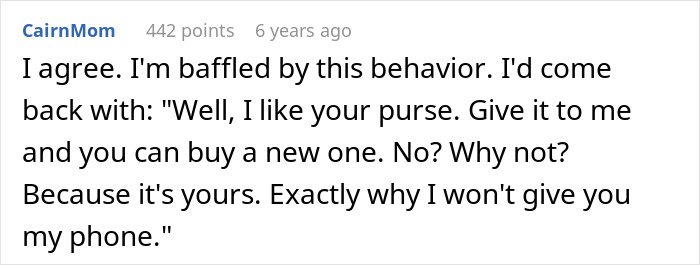

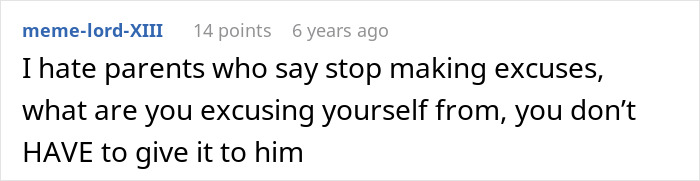
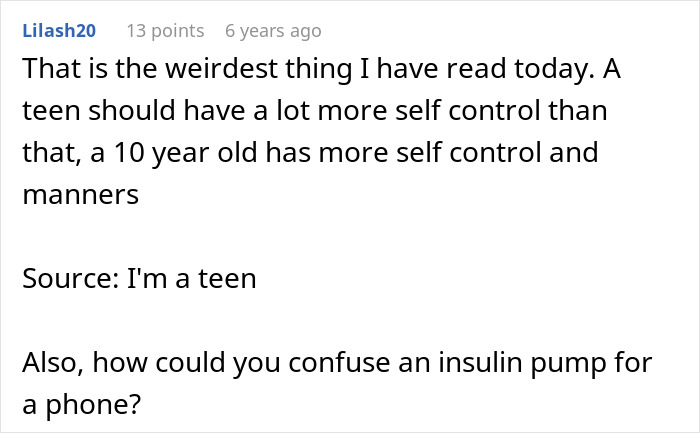

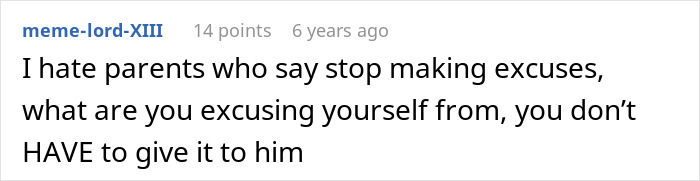
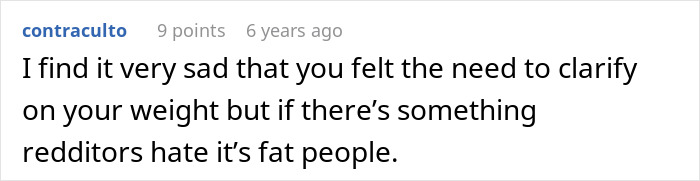
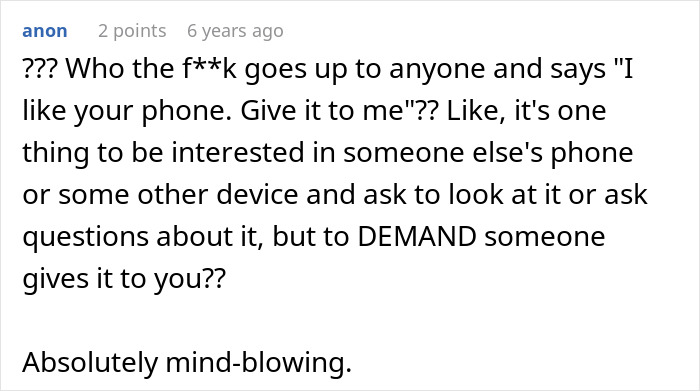
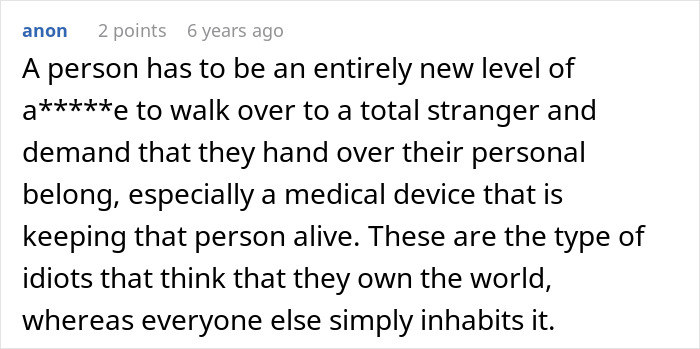

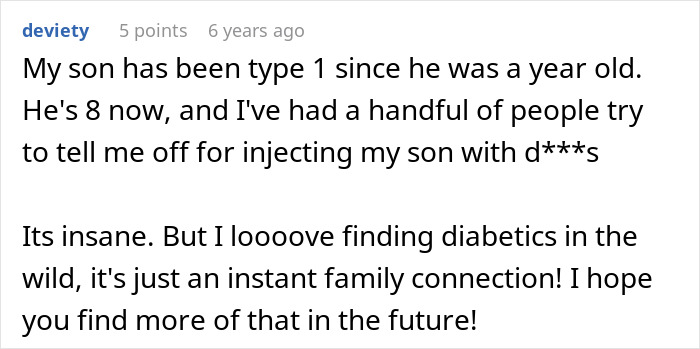
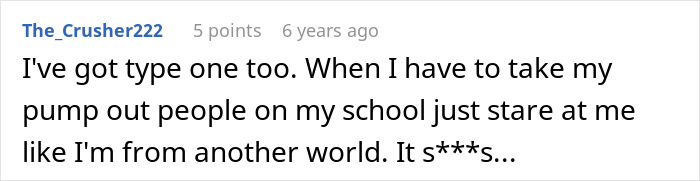
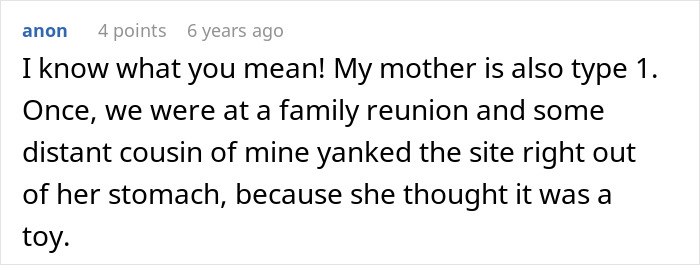
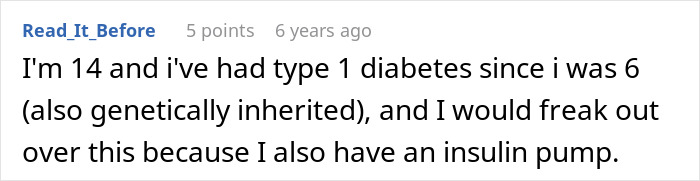
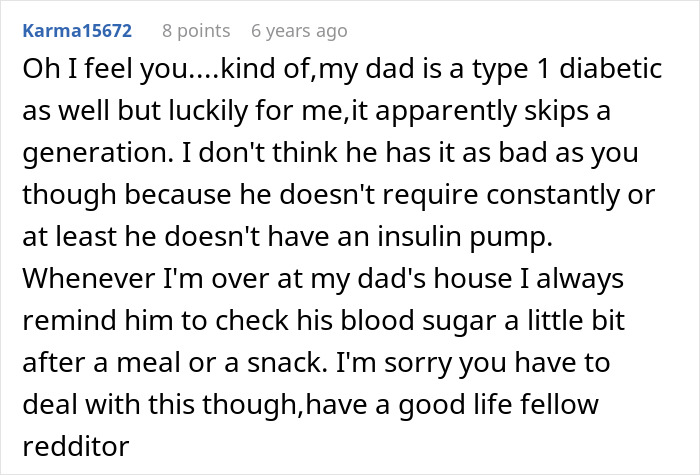
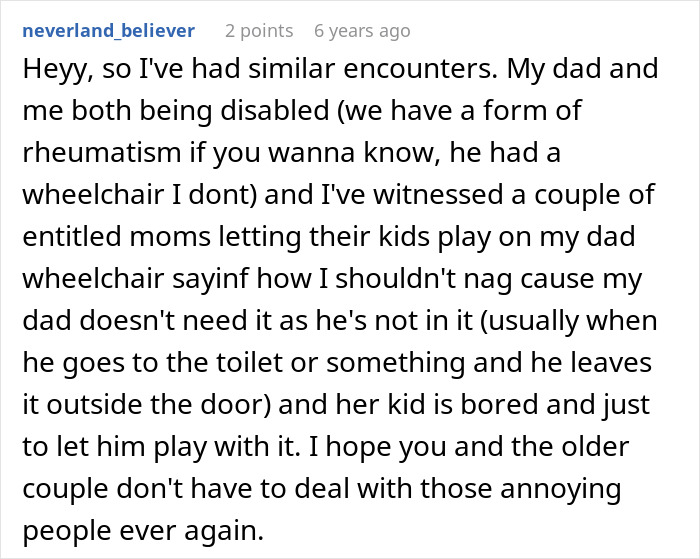
A few readers had experienced similar things. Here are their stories


 Follow Us