As adults, it’s natural to worry about our aging parents. From teaching them how to use technology to looking after their health, there’s plenty we can do to make their lives easier. But what happens when a parent who abandoned you as a kid expects such support?
One person found themselves in a tricky situation after reconnecting with their father after years of distance. Things seemed to be going well until he and his wife made an unexpected demand. Read on to find out what happened and how the author handled it.
Taking care of aging parents can be emotionally and physically exhausting

Dragana_Gordic / magnific (not the actual photo)

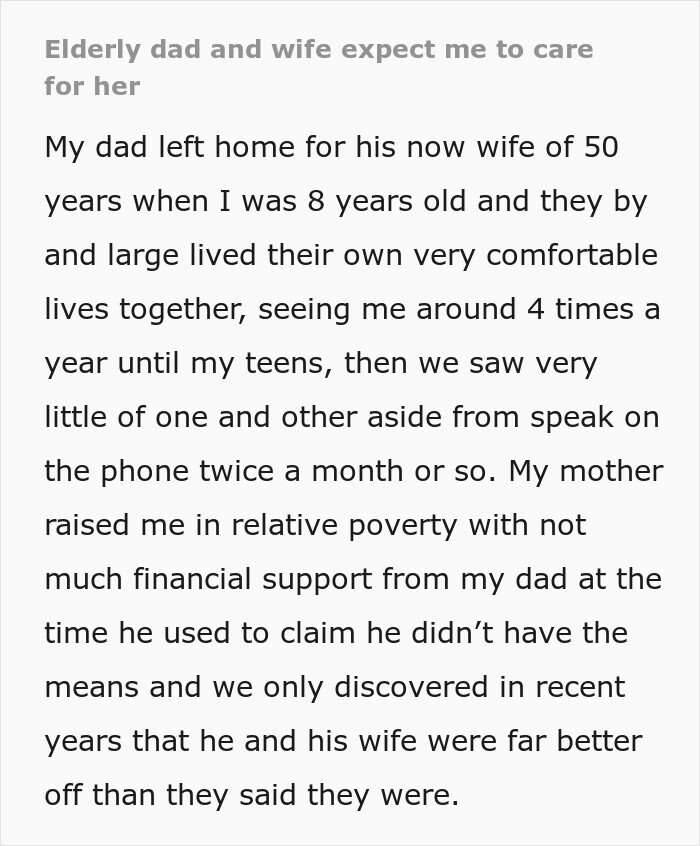
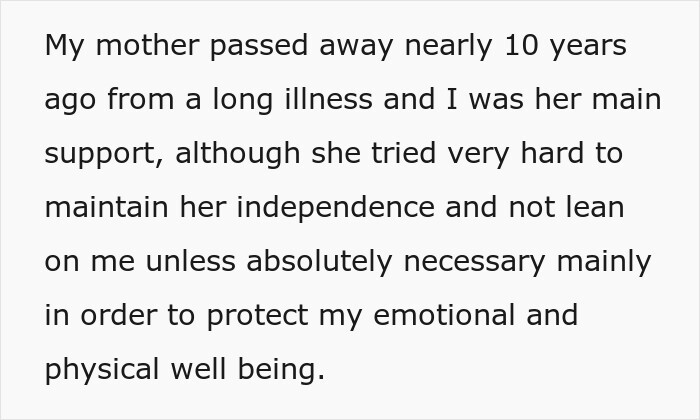
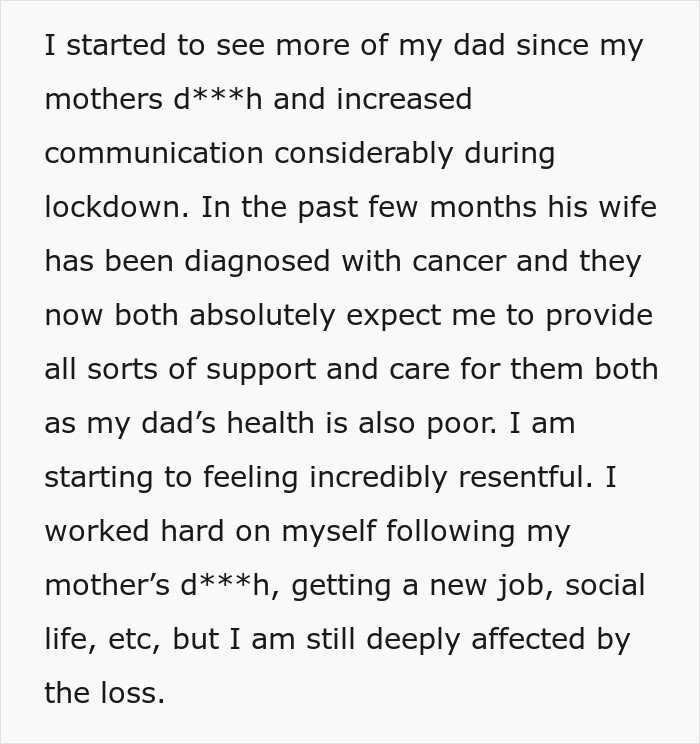
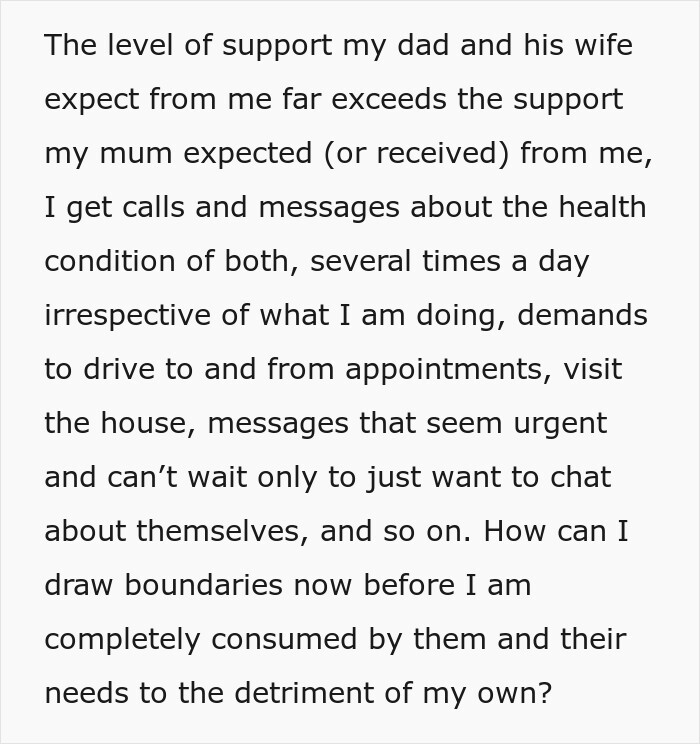
A person shared how their once-absent father expected them to care for him and their stepmother around the clock

Drazen Zigic / magnific (not the actual photo)
By 2030, nearly one in six people worldwide will be aged 60 or older
Thanks to advances in medicine and healthcare, people around the world are living longer than ever before. Many people in their 60s and 70s still work, travel, exercise, and enjoy active social lives. However, as life expectancy increases, so does the number of older people who may eventually need additional care and support.
The World Health Organization estimates that by 2030, one in six people worldwide will be aged 60 or older. That’s around 1.4 billion people, compared to 1 billion in 2020. By 2050, that number is expected to reach 2.1 billion. Meanwhile, the population aged 80 and above is projected to nearly triple to 426 million.
Population aging was initially more noticeable in wealthier countries. Japan, for example, has one of the oldest populations in the world, with nearly 30% of its people aged 60 and above.
However, low- and middle-income countries are now experiencing rapid growth in their older populations, too. By 2050, nearly two-thirds of the world’s people aged 60 and above are expected to live in these countries. Of course, having more people living longer also comes with certain economic challenges.
As birth rates decline in many countries, there may be fewer working-age people to support a growing number of retirees. This could lead to labor shortages, slower economic growth, and greater financial pressure on younger generations.
Pension systems are also feeling the strain. With people spending more years in retirement, governments need to find ways to provide financial support for longer periods. That is why countries worldwide are discussing changes to retirement ages, pension policies, and taxes.

sivakova89_89 / magnific (not the actual photo)
An aging population comes with challenges, but older generations also have plenty to offer society
Healthcare is another major concern. Older adults are more likely to develop chronic conditions such as diabetes, heart disease, arthritis, and dementia. Many require regular medical attention, medication, or long-term care. This increases the demand for healthcare professionals, caregivers, and care facilities.
Furthermore, looking after an aging parent can be difficult for families, especially when they’re already juggling work, children, finances, and other responsibilities. And while some people may be happy to care for their parents, others might have a more complicated relationship with them.
For instance, what happens when a parent who wasn’t around during your childhood suddenly expects you to take care of them? Or when you’re asked to look after a stepparent you barely know? These situations aren’t always easy to navigate. After all, providing care can take a lot of time, money, and emotional energy.
That said, growing older isn’t just about needing help. Many older adults continue making important contributions to their families and communities. From looking after grandchildren and passing down family traditions to mentoring younger people and volunteering, they have plenty of knowledge and experience to share.
Having older generations around can also provide families with emotional support and a sense of connection. However, as populations continue to age, societies will need to find better ways to support both older people and those who care for them.
It’s also important to recognize that not everyone is in a position to become a caregiver. Some people may have financial difficulties, health concerns, or family responsibilities of their own. Others may have complicated relationships with their parents that make taking on such a responsibility even harder.
Coming back to this particular story, the author had only recently started rebuilding their relationship with their father after years of distance. Being suddenly expected to provide care for him and his wife was understandably a lot to take in, especially considering their history.
What do you think about the situation, Pandas? Do you believe adult children should be expected to care for their aging parents, even if those parents weren’t there for them growing up? Have you ever found yourself in a similar situation? We’d love to hear your thoughts in the comments below.
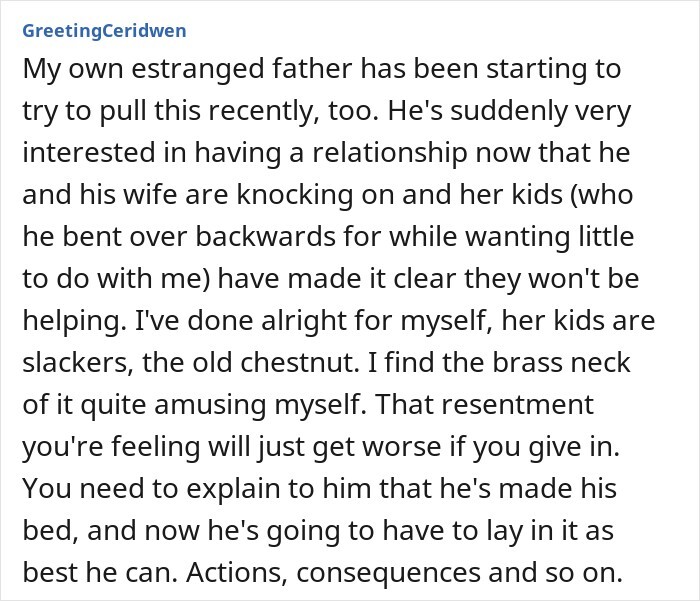
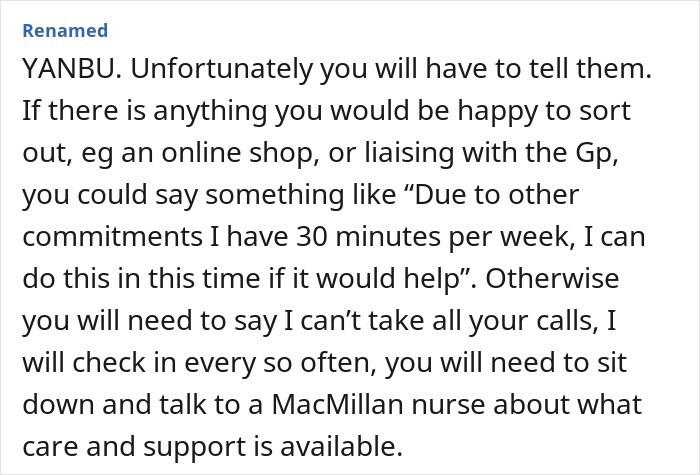
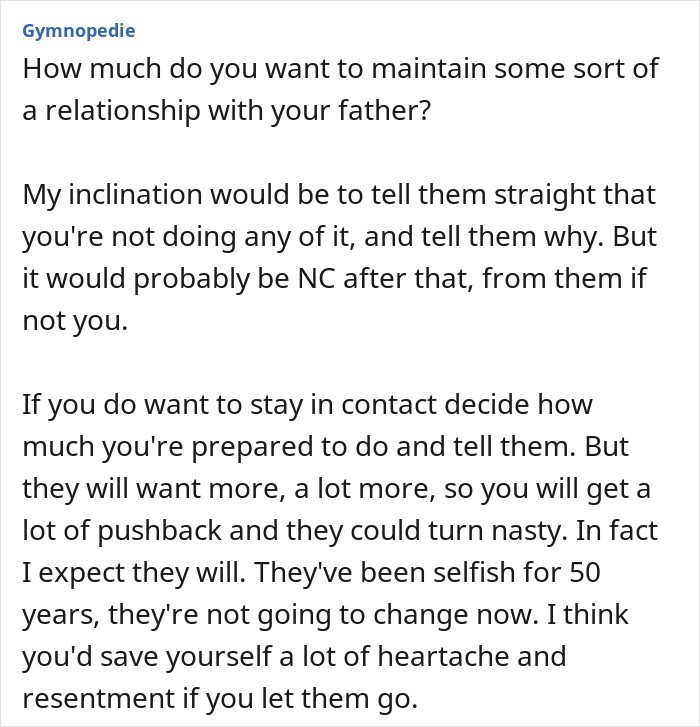
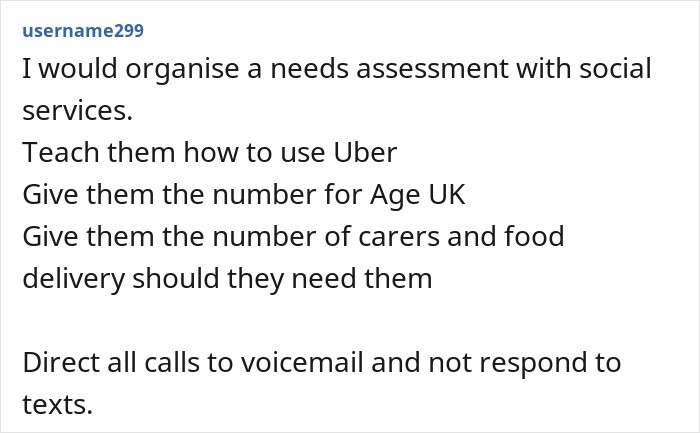
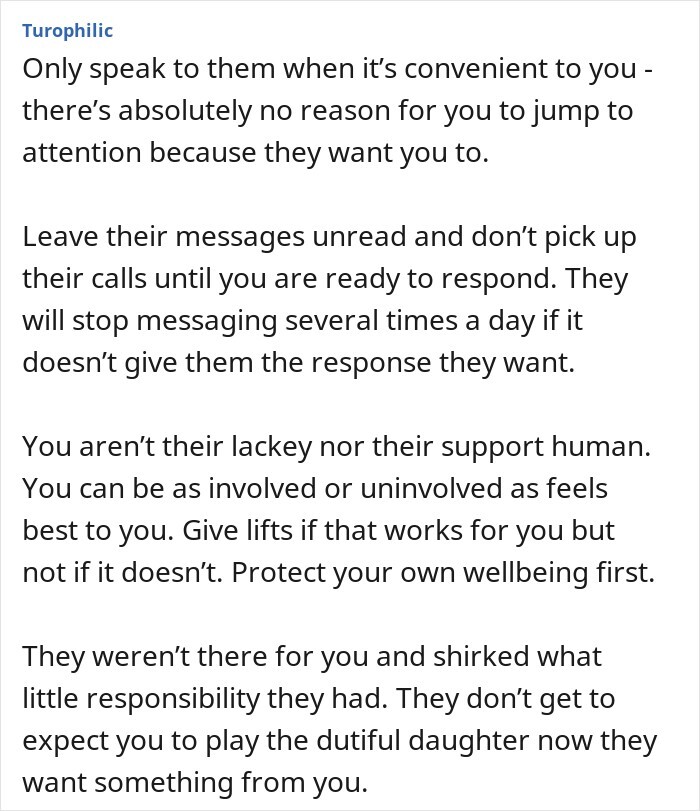
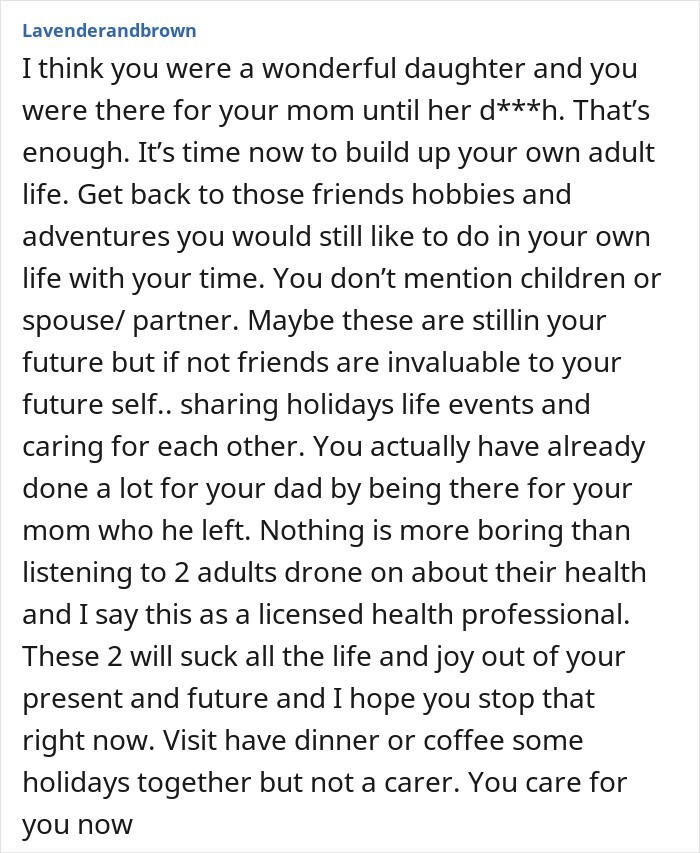
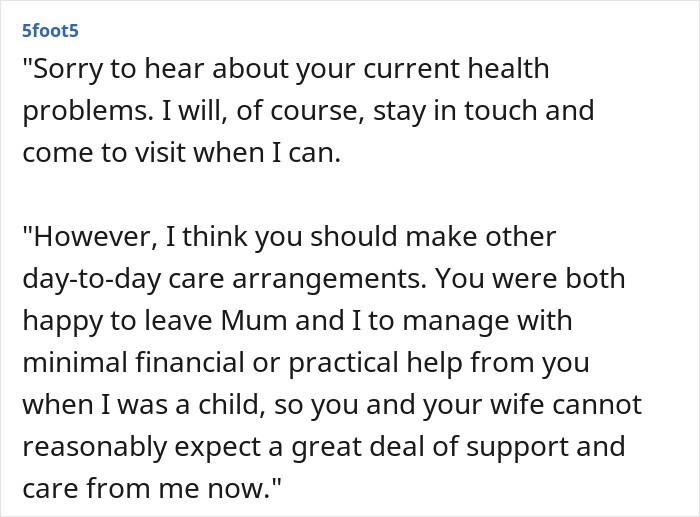
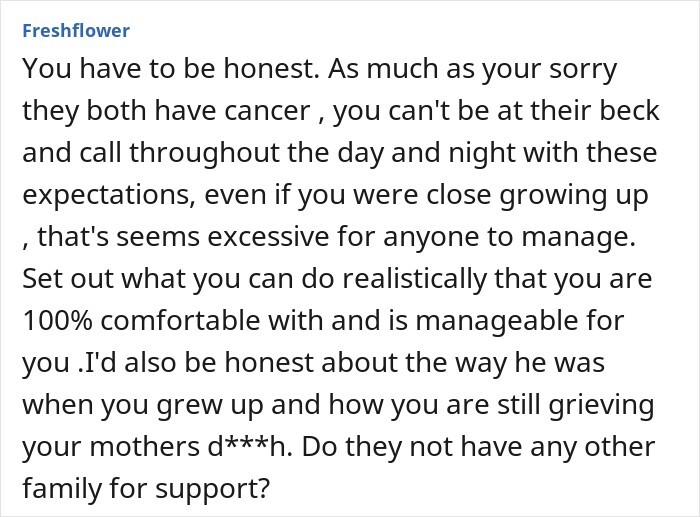
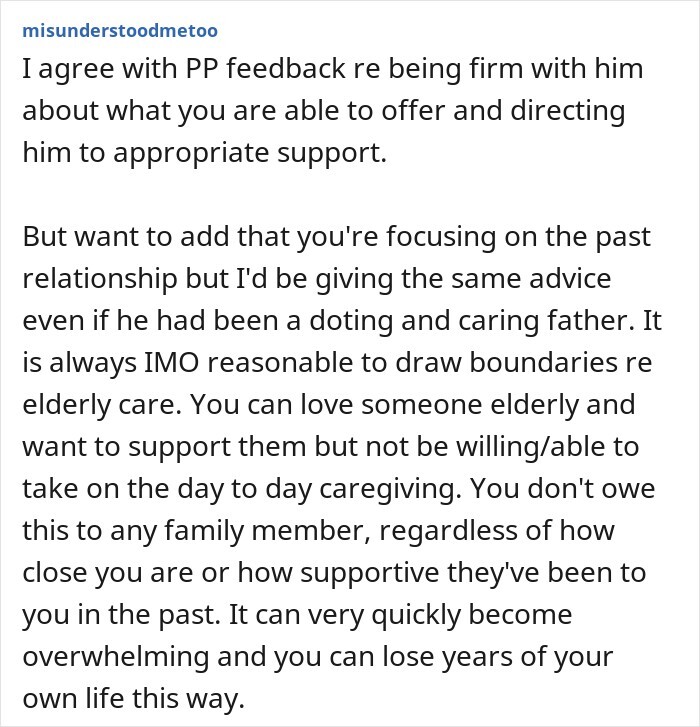
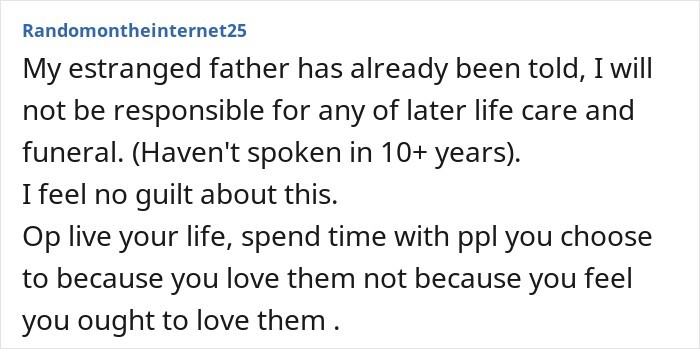
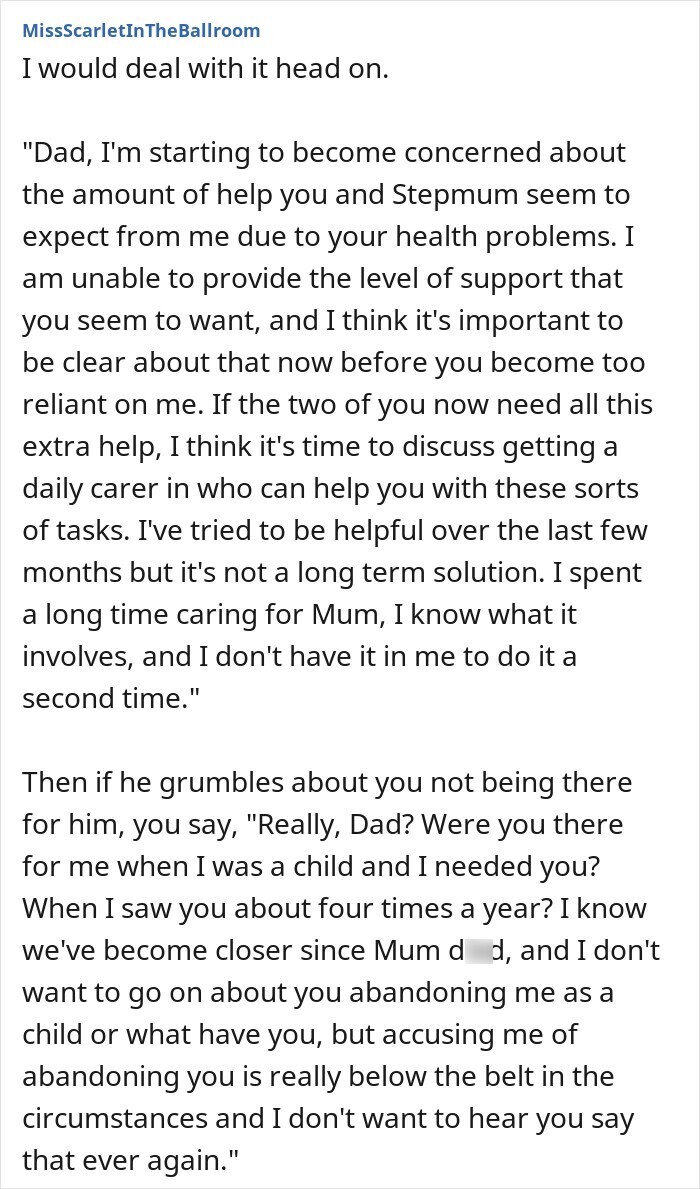
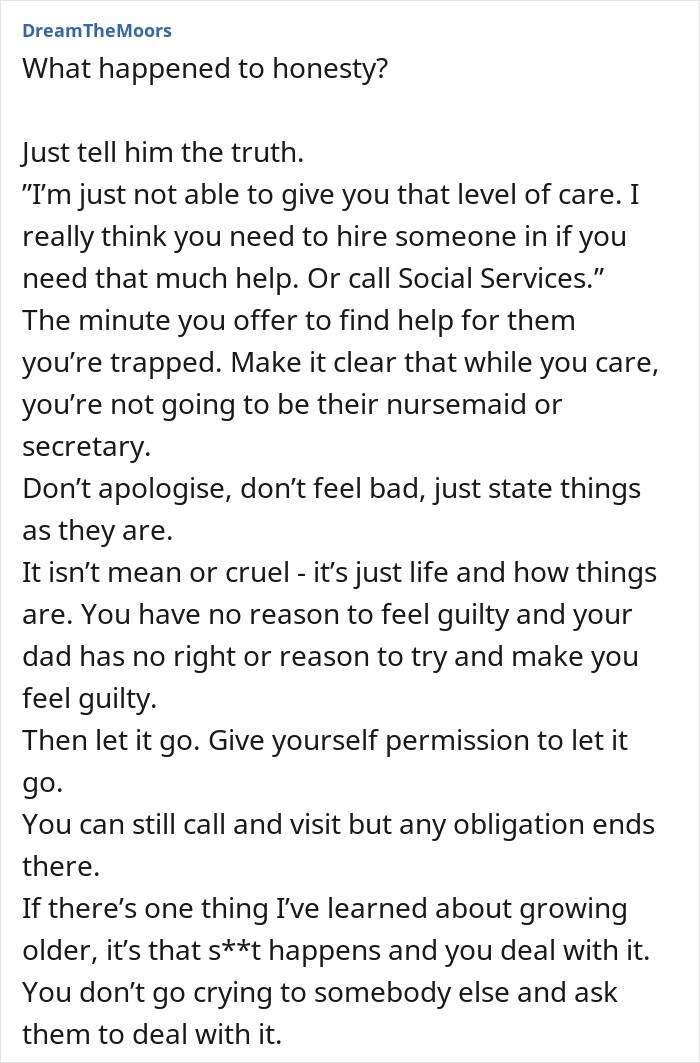
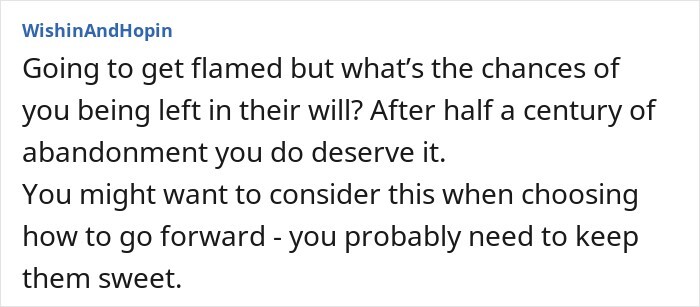
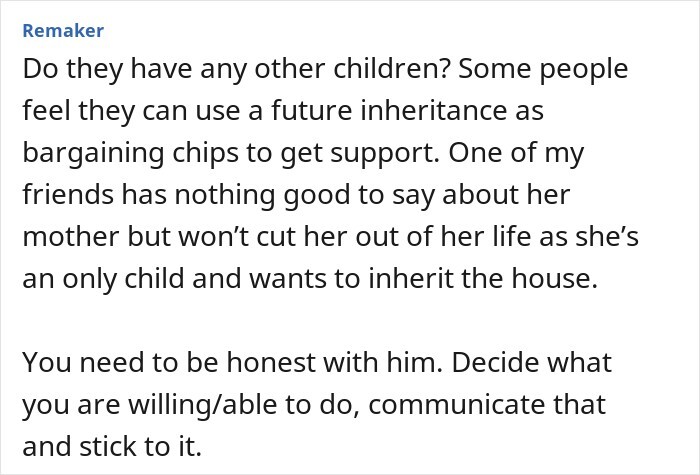
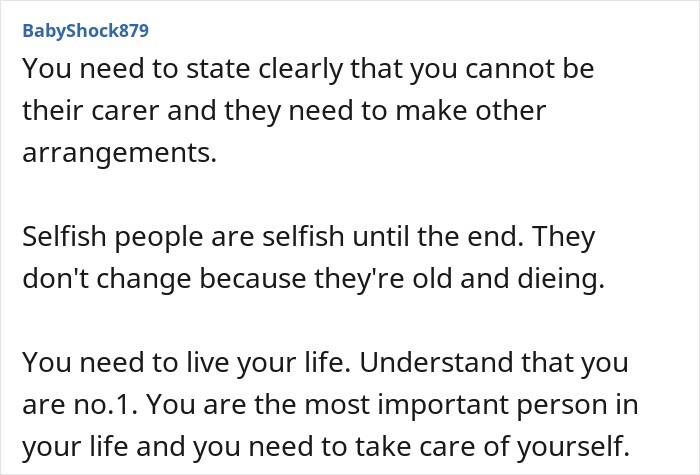
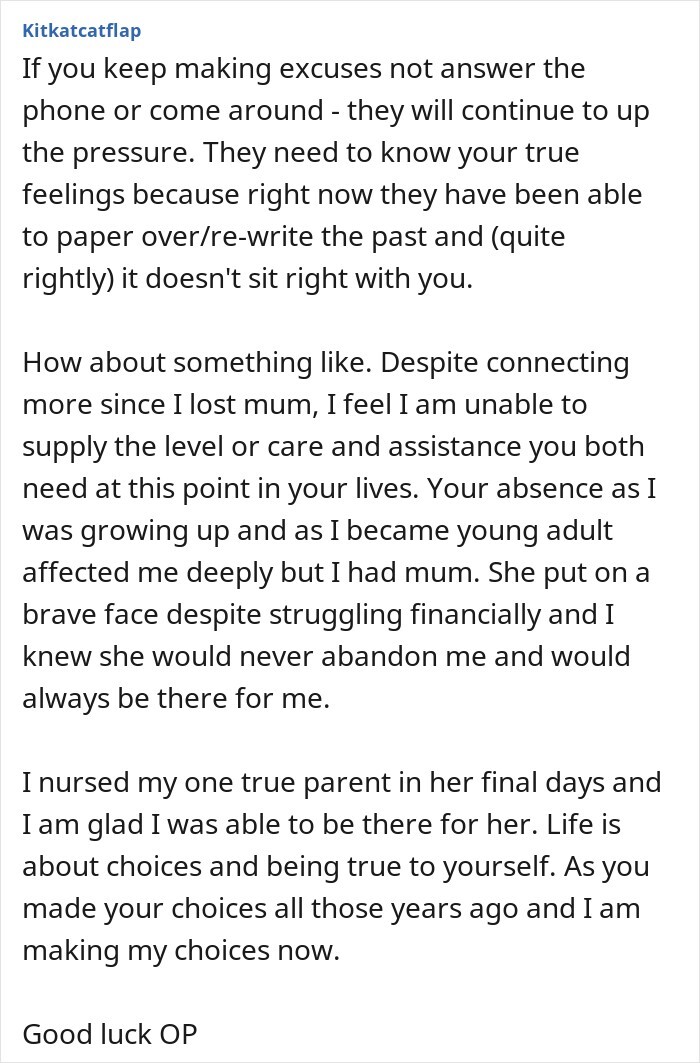
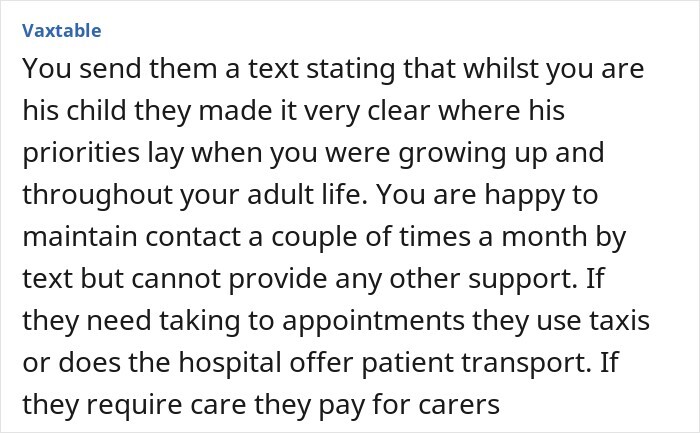
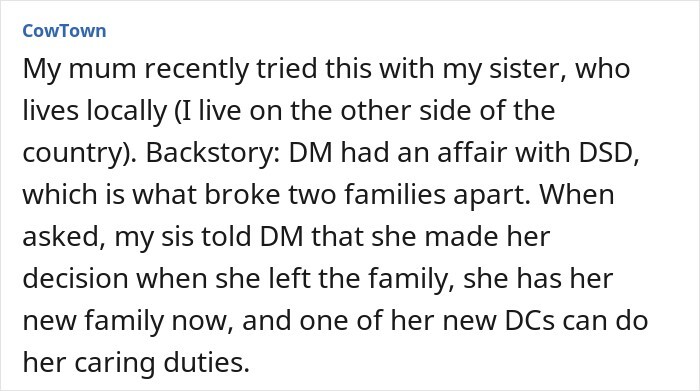
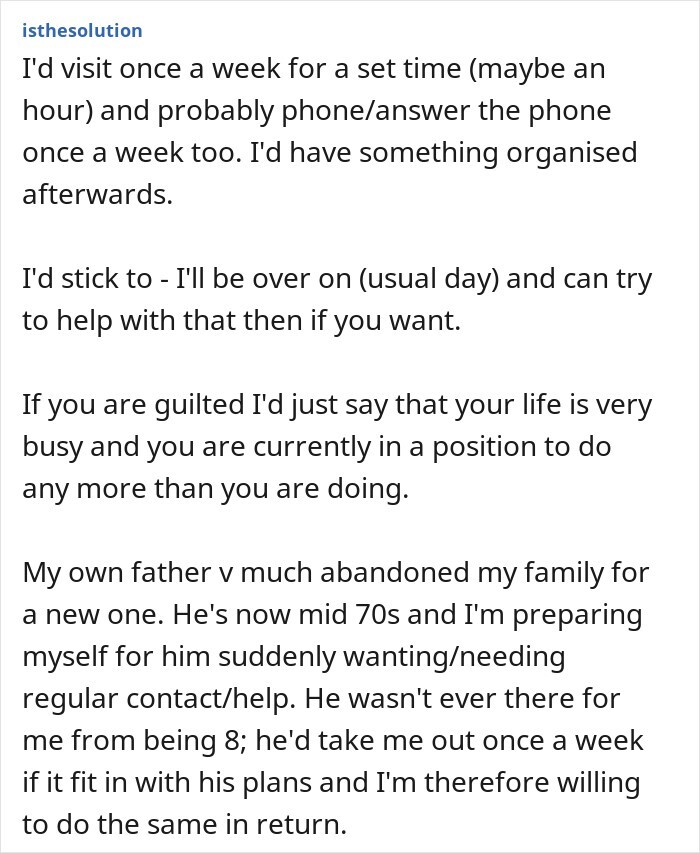
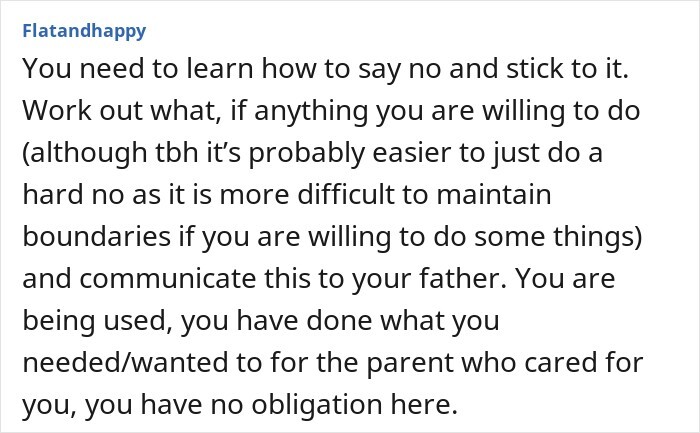
People offered the author support and advice on how to handle the difficult situation








 Follow Us