Dogs have spent decades earning a reputation as humanity’s best friend. Cats, meanwhile, have been stuck defending themselves against accusations of being cold, antisocial, untrainable, and impossible to understand. Yet many of the beliefs people hold about cats turn out to be little more than myths that have survived through repetition rather than evidence.
Part of the confusion comes from the fact that cats play by a different set of social rules. Their body language is more subtle, their motivations aren’t always obvious, and behaviors that humans often interpret as rude, spiteful, or aloof usually have a far more logical explanation. As researchers have learned more about feline behavior in recent decades, many long-standing assumptions have been overturned, revealing animals that are far more social, adaptable, and emotionally complex than their reputation would suggest.
Curious which cat “facts” are actually fiction, Bored Panda asked animal behavior expert Zazie Todd to weigh in. From purring and scratching to training, companionship, and life indoors, she breaks down some of the most persistent myths people still believe, and explains what the science really says about our feline companions.

More info: companionanimalpsychology.com | Facebook | Instagram
#1 Purring Always Means A Cat Is Happy
We don’t fully understand why cats purr. Although purring is most commonly associated with contentment, research suggests it serves several functions and is not exclusively a sign of happiness. Cats often purr while being petted or resting comfortably, but they may also purr when they are frightened, stressed, injured, giving birth, or recovering from illness. Scientists believe purring can act as a self-soothing mechanism, helping cats regulate their emotions in challenging situations. Some researchers have also proposed that the low-frequency vibrations produced during purring may promote healing of bones and soft tissues, although this theory is still being studied. In other words, a purring cat is often a happy cat, but not always.

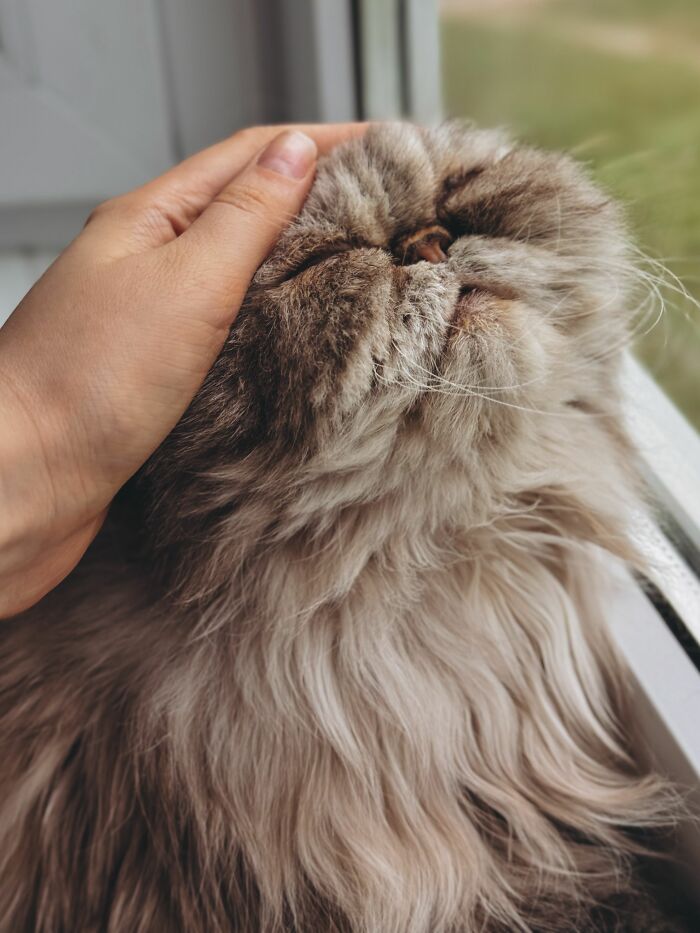
Image source: Zazie Todd , Iryna Varanovich / pexels
#2 Cats Don’t Need Mental Stimulation
Cats need things to do. In the wild, cats would spend a significant portion of their day hunting, often catching multiple small prey items rather than eating one large meal. This means that pet cats also benefit from opportunities to engage in activities that satisfy their natural instincts. Interactive play with a wand toy is one of the best ways to provide physical exercise and mental stimulation, but cats should also have toys they can enjoy on their own, as well as scent enrichment such as catnip or silvervine.
Positive reinforcement training can be another excellent form of enrichment. Not only can cats learn useful behaviors and tricks, but training sessions also provide valuable mental exercise. Food puzzle toys are particularly beneficial because they encourage cats to work for their food in a way that mimics natural foraging and hunting behaviors. When introducing a new food puzzle, start with an easy version and fill it with especially tasty treats to help your cat understand how it works. As they gain confidence, you can gradually increase the difficulty level to keep them challenged and engaged.
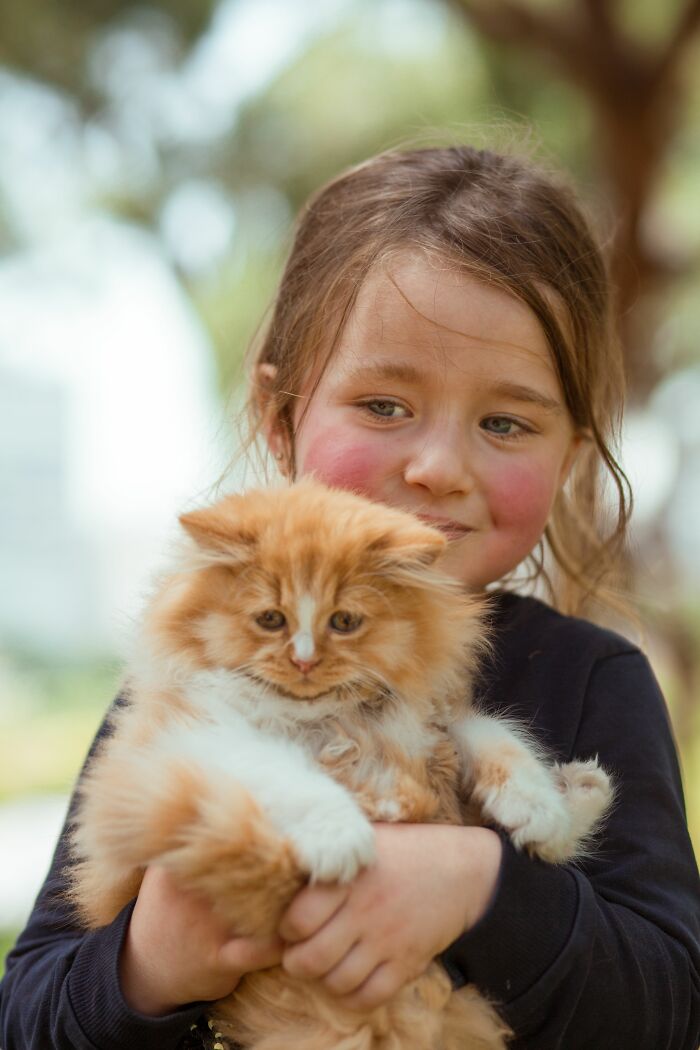
Image source: Zazie Todd , Kh-ali-l i / pexels
#3 Showing Their Belly Means They Want A Belly Rub
Many people are surprised when a cat rolls over and shows its belly, assuming it’s an invitation for a tummy rub. In reality, that’s often not the case. Cats typically expose their belly only when they feel safe and relaxed, as it is one of the most vulnerable parts of their body. For many cats, showing their belly is a sign of trust rather than a request to be touched. In fact, most cats dislike having their belly rubbed and may react by grabbing, kicking, or swatting if someone reaches in to pet it. It’s usually best to appreciate the gesture and let the cat decide how it wants to interact.
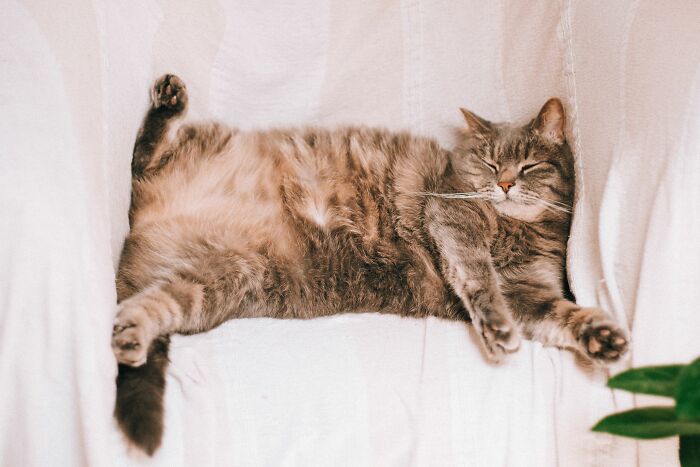
Image source: Zazie Todd , Alina Vilchenko / pexels
#4 Cats Can’t Be Trained
Cats are actually very trainable. If more people realized this, life would be better for both cats and their guardians. The best way to train a cat is through positive reinforcement, using small pieces of their favourite food as rewards. Some cats may prefer being petted, brushed, or playing with a toy instead. It all depends on the individual cat, so the key is finding what motivates yours.
One of the most useful things you can teach a cat is to come when called. It’s also a great idea to help them develop positive associations with their carrier (I include a step-by-step plan for this in my book Purr). Even cats that are frightened by the sight of a carrier can learn to feel comfortable with it, but the process needs to be gradual and move at the cat’s pace.
A carrier with a removable lid works best. You can start by encouraging your cat to explore just the base of the carrier, rewarding them with especially tasty treats. Once they are comfortable, add the lid and slowly increase the amount of time they spend inside. Leaving the carrier out in a room all the time can also help, as it allows your cat to use it as a familiar place to rest and relax rather than associating it only with trips to the veterinarian.
Cats can also learn a variety of tricks, which can be both enriching for them and a lot of fun for their people. Training provides mental stimulation, builds confidence, and strengthens the bond between cats and their guardians.

Image source: Zazie Todd , Thirdman / pexels
#5 Cats Don’t Experience Loneliness
Cats are generally okay being left home alone for longer periods than dogs, but they still enjoy spending time with their people.
However, while some cats like having a feline companion, others prefer to be the only cat in the household. Because of this, if you plan to have more than one cat, it’s usually best to adopt a pair of kittens together or a bonded pair of adult cats.
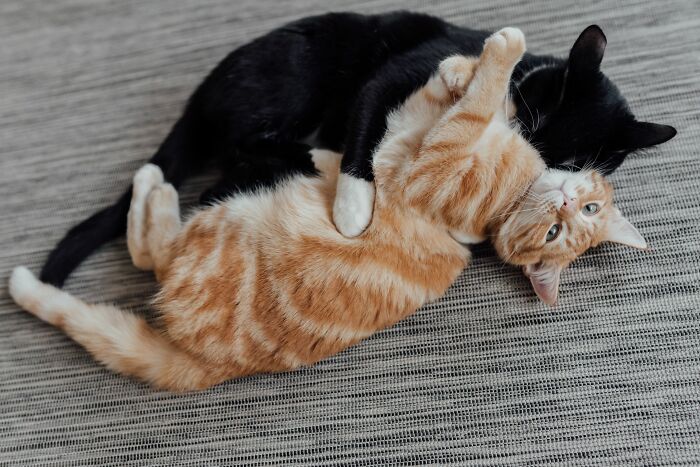
Image source: Zazie Todd , Arina Krasnikova / pexels
#6 Cats Hate People
Not at all. In fact, many of the behaviors that people interpret as a cat being unfriendly are actually signs that the cat is feeling frightened, stressed, or uncomfortable. Unfortunately, feline body language is often misunderstood, and it can be difficult for people to see a situation from their cat’s perspective.
Cats place a high value on feeling safe. Although they are skilled predators, they are also prey animals, which means they are naturally alert to potential threats. They prefer having choices and a sense of control over their environment, but people don’t always recognize or respect those needs. As a result, misunderstandings can arise between cats and their humans.
When a cat’s behavior seems unfriendly, it’s worth considering what the situation might look like from the cat’s point of view. Often, their actions make much more sense when viewed through that lens. The more we learn about feline behavior and communication, the easier it becomes to build a positive, trusting relationship with our cats.

Image source: Zazie Todd , Lance Zhang / pexels
#7 Indoor Cats Are Bored And Need Outdoor Access
Cats do not need outdoor access to live happy and healthy lives. In fact, keeping cats indoors is generally safer, as it protects them from risks such as traffic, predators, disease, and other hazards. However, an indoor-only lifestyle requires more than simply keeping a cat inside. Guardians need to provide an environment that meets their cat’s physical and behavioral needs, including opportunities to play, explore, climb, scratch, hide, and engage in natural hunting behaviors. Without enough enrichment, cats can become bored, frustrated, or stressed. One helpful framework is the “Five Pillars of a Healthy Feline Environment,” a set of evidence-based guidelines designed to help create a home that supports a cat’s wellbeing and allows them to thrive indoors.

Image source: Zazie Todd , Milada Vigerova / pexels
#8 Cats Scratch Furniture To Be Destructive
Cats need to scratch to help maintain their claws and keep them in good condition. Scratching also serves important communication functions. It leaves behind both visual marks and scent signals from glands located in the paw pads, allowing cats to mark areas that are important to them. Because scratching is a natural and essential behavior, cats need appropriate places to do it. Ideally, they should have access to a tall, sturdy scratching post that allows them to stretch their body fully while scratching. Unfortunately, many scratching posts sold for cats are too short or unstable. It’s also important to remember that cats have individual preferences, some prefer vertical scratching surfaces, while others prefer horizontal or angled ones. Understanding your cat’s preferences and providing suitable options is key to ensuring they can express this natural behavior in a healthy way.

Image source: Zazie Todd , Karina Badura / pexels
#9 Cats Are Completely Independent And Don’t Need Attention
Some cats can manage on their own, while others cannot. Some community cats live quite happily without assistance from people, catching mice for their meals, finding their own shelter, and so on. Other community cats have people who feed them and take them to the veterinarian from time to time. However, most pet cats need plenty of attention from their guardians.
This is especially true for indoor-only cats, as they can easily become bored. They rely on us to provide enrichment, such as food puzzle toys, games with a wand toy, interesting views from a window, and scent enrichment like catnip or silvervine. Some pedigree cats, particularly long-haired breeds, need to be brushed every day because they are unable to maintain their coats on their own. Others, such as Persian cats, may also need their faces wiped daily to keep them clean.
Senior cats, especially those that live indoors, may need help with claw trimming as they become less active. Regular veterinary checkups are also important for maintaining your cat’s health: annually when they are young, every six months between the ages of 10 and 15, and every four months after the age of 15 (or more frequently if your veterinarian recommends it).
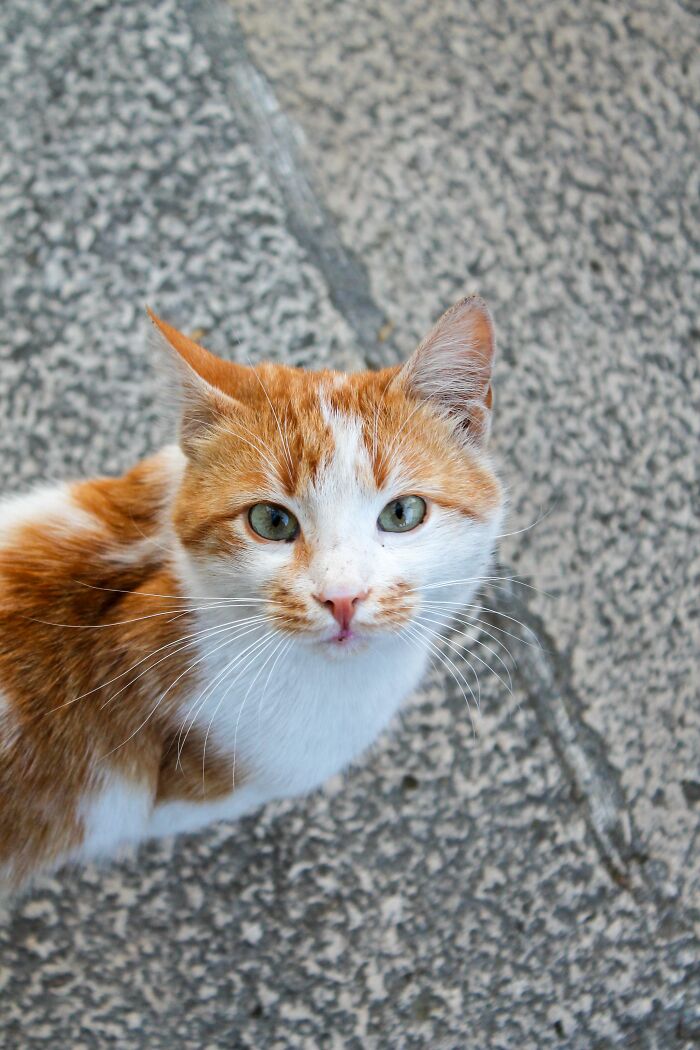
Image source: Zazie Todd , Subhi / pexels
#10 Cats Are Solitary Animals That Prefer Being Alone
It very much depends on the individual cat. Pet cats are socialized with people, so they often form strong bonds with their humans and enjoy spending time with them. Some cats also like having another cat as a companion, while others would rather not share their home with another feline. This depends on their personality as well as their early experiences as kittens.
Community cats, on the other hand, often live in colonies, which can range from small groups to quite large populations. Cats within these colonies spend time together, and female cats may even help one another care for their kittens. So while cats are sometimes described as solitary animals, the reality is much more nuanced—it really depends on the cat and the circumstances.
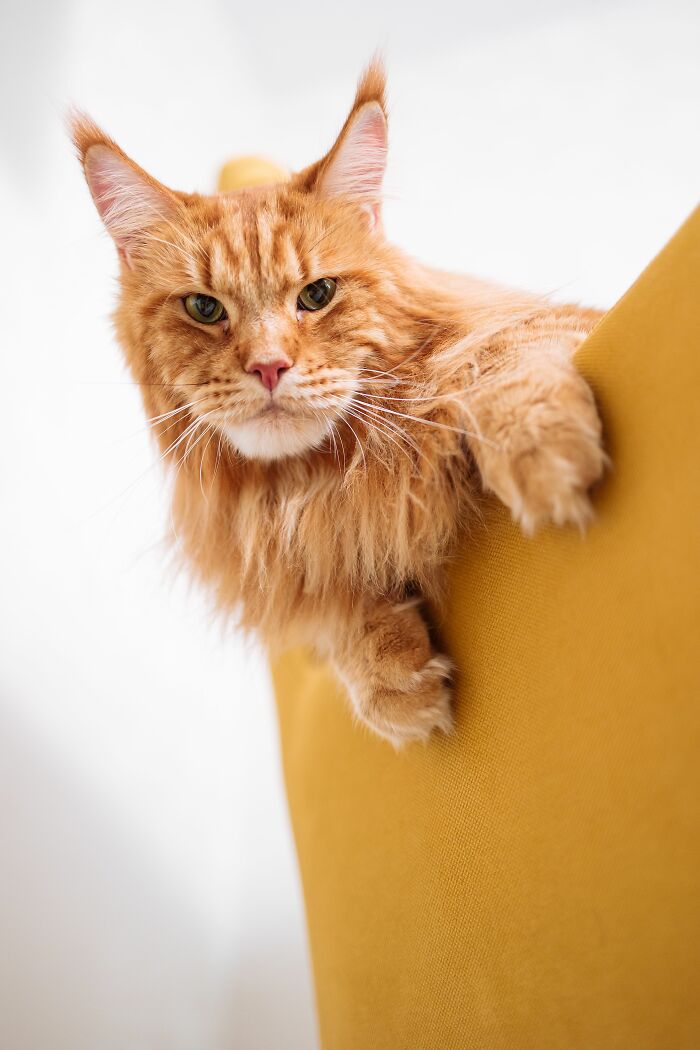
Image source: Zazie Todd , Thirdman / pexels
#11 Cats Don’t Recognize Their Names
Most cats (though not all) recognize their own name, and many can also distinguish the names of other cats they live with. Research has even shown that some cats recognize the names of the people in their household. Of course, individual cats vary, and not every cat pays attention in the same way. Still, these findings suggest that cats may be listening more closely than we often give them credit for. So it’s worth talking to your cat, they might understand more than you think.

Image source: Zazie Todd , Lance Zhang / pexels
#12 Cats Are Aloof And Don’t Form Strong Bonds With People
Cats can form strong bonds with people, and you can often see this in the way they choose to spend time with us. Some cats follow their guardians from room to room, choose to sit on or near them on the sofa, or sleep on the bed for at least part of the night. Every cat is an individual, and some prefer being close rather than actually touching you, but that’s still a choice to be with you. Once a bond has formed, your presence can even help your cat feel less stressed in situations such as a visit to the veterinarian. All of this speaks to the importance of the feline-human bond.
Of course, not all cats feel the same way about people. Kittens go through what’s known as a sensitive socialization period between about 2 and 7–8 weeks of age. If they meet a variety of people during this time, they are more likely to grow up friendly and comfortable around humans. Ideally, they should have positive interactions with at least five different people. The key is that these experiences are positive. Kittens that are not socialized with people during this period may grow up fearful or wary of humans.

Image source: Zazie Todd , 大 董 / pexels
#13 Cats Are Nocturnal
Cats are naturally crepuscular, meaning they tend to be most active at dawn and dusk. This likely reflects the activity patterns of many of their natural prey species, making these times ideal for hunting. However, domestic cats are also remarkably adaptable. Research suggests that pet cats can adjust their daily routines to fit those of their human companions. In fact, one small study found that pet cats are often most active when their people are at home and interacting with them, showing that social factors can influence a cat’s activity patterns just as much as their natural instincts.

Image source: Zazie Todd , Utpal Chatterjee / pexels
#14 Cats Are Spiteful When They Misbehave
This is a myth. Cats do not act out of spite or revenge. When we understand more about feline behavior, it becomes easier to see that there is usually an underlying reason for what appears to be “bad” behavior.
For example, if your cat starts urinating outside the litter box, the first step should be a visit to the veterinarian to rule out any medical issues. Similarly, if your cat bites or swats when you try to pet them, it may be a sign that they are uncomfortable, overstimulated, or simply do not want to be touched at that moment. Giving cats a choice about whether to interact and keeping petting sessions short can help prevent these situations.
Rather than assuming a cat is being difficult on purpose, it is more helpful to ask what they might be trying to communicate. In most cases, what looks like misbehavior is actually a response to stress, fear, discomfort, illness, or an unmet need.

Image source: Zazie Todd , Ralph / pexels
#15 Cats Always Land On Their Feet
Not always. Whether a cat lands on its feet depends in part on the height of the fall. Cats have an innate righting reflex that allows them to twist their bodies in midair and orient themselves feet-first as they fall. However, they need enough time and distance to complete this maneuver, and even when they do land on their feet, they can still be injured.
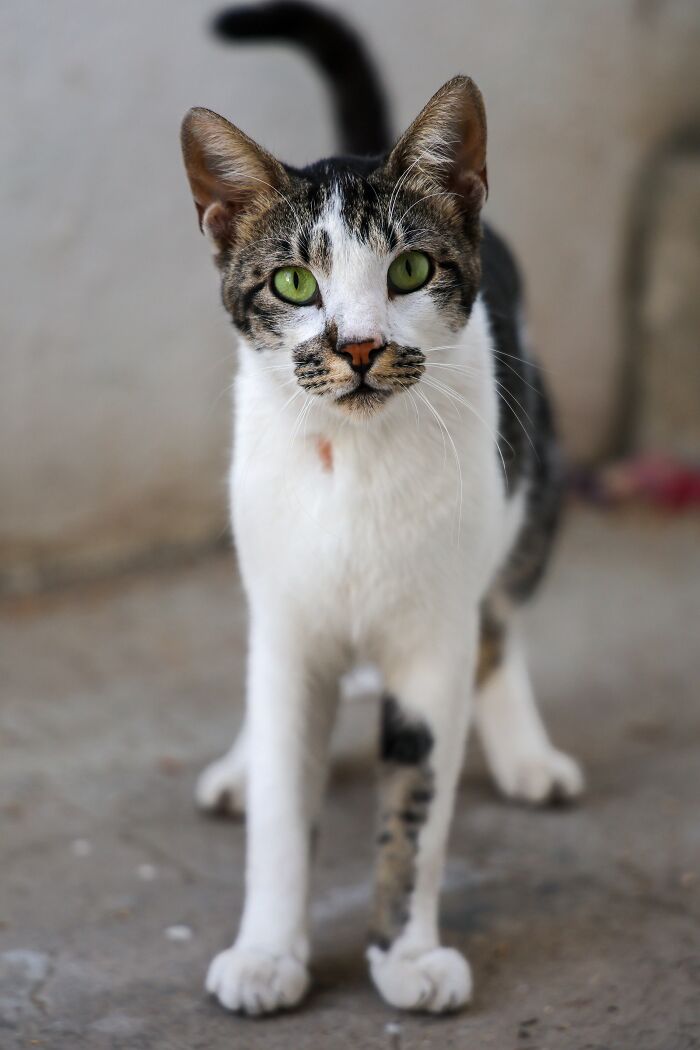
Image source: Zazie Todd , bilgehan çakır / pexels
#16 A Wagging Tail Means A Happy Cat
When a cat’s tail is swishing, it is often a sign of arousal or heightened emotion. The exact meaning depends on the situation, but if you are petting a cat and their tail begins to swish or flick, it is usually a good indication that they are becoming overstimulated and would like the interaction to stop. Paying attention to these early body language signals can help prevent your cat from becoming uncomfortable and may reduce the likelihood of a bite or swat.
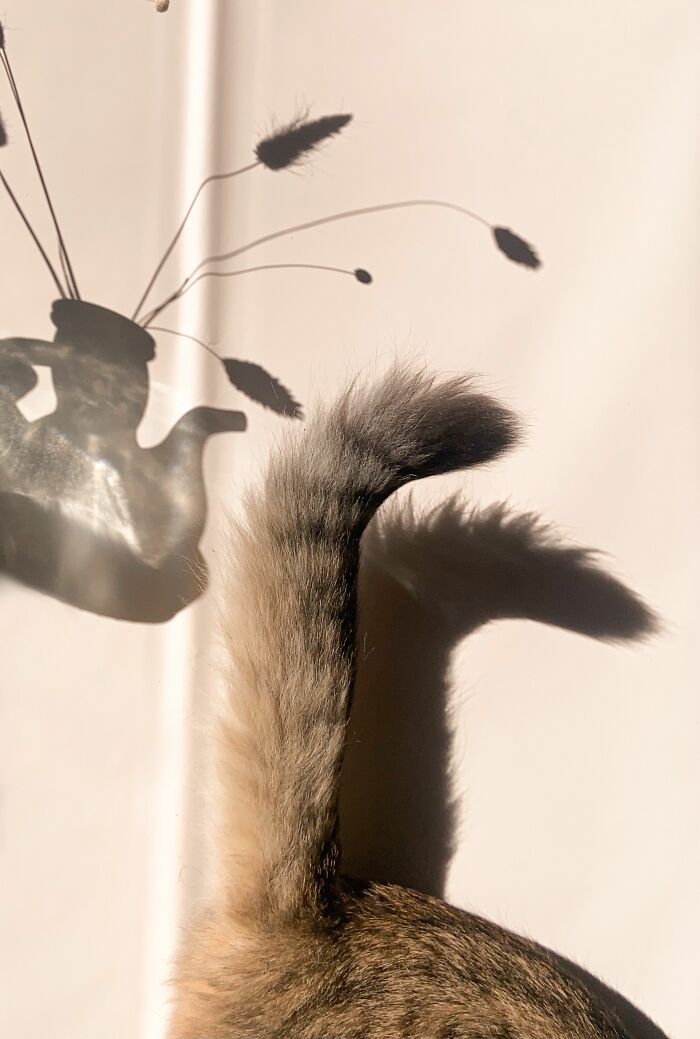
Image source: Zazie Todd , Mariam Antadze / pexels
#17 Cats And Dogs Are Natural Enemies
It really depends on the individual cat and dog. Some dogs have a strong prey drive and may chase, injure, or even kill cats, while others are calm and friendly around them. Early experiences also play an important role. Kittens that have positive interactions with dogs during their socialization period are more likely to grow up comfortable around them.
When introducing a cat and a dog, patience is essential. The process should be gradual, carefully managed, and always supervised. Giving both animals time to adjust at their own pace tends to lead to much better outcomes than simply putting them together and hoping they will work it out themselves. It’s also important to make sure the cat has safe spaces they can retreat to if they feel overwhelmed.
If you’re planning to have both a cat and a dog, it is often easier if the cat is established in the home first. This allows the cat to feel secure in its territory before the dog is introduced, which can help reduce stress and make the transition smoother for both animals.
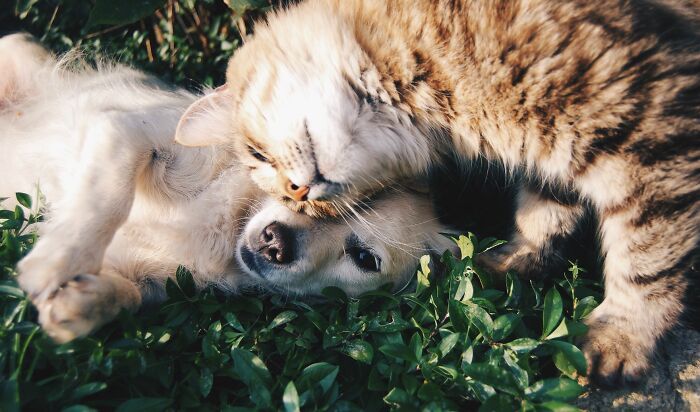
Image source: Zazie Todd , Snapwire / pexels
 Follow Us