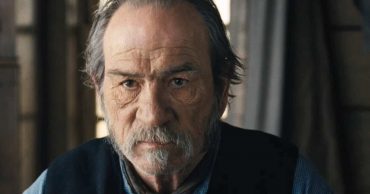
Boyz n the Hood is one of those films people do not just watch. They revisit it, quote it, argue about it, and then immediately look up what happened to everyone involved. Released in 1991, the movie became a cultural landmark, not just for what it said about South Central Los Angeles, but for how it launched and reshaped multiple careers at once. More than three decades later, the cast is still closely tied to the film’s legacy.
This is a cast-first breakdown focused on who played who and what each actor did after the film. Every H2 below is centered on a real person, because that is how audiences actually search. If you are someone who ends a rewatch by opening five tabs to see where everyone ended up, this format mirrors the same curiosity that drives long-running cast-interest content across film history.
Cuba Gooding Jr.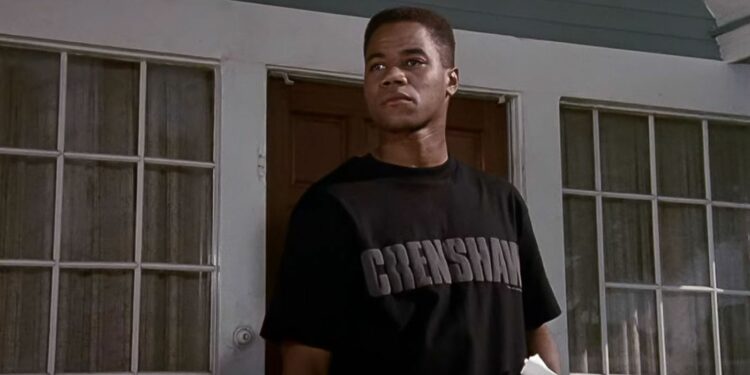
Cuba Gooding Jr. played Tre Styles, the emotional anchor of Boyz n the Hood. His performance works because it feels restrained rather than theatrical, which is exactly why the film’s biggest moments hit so hard. Tre is not flashy. He is observant, conflicted, and constantly weighing responsibility against survival. That grounded presence made Gooding instantly recognizable.
After the film, Gooding’s career exploded in the mid-to-late 1990s, eventually earning him an Academy Award for Jerry Maguire. His trajectory shows how a serious debut can open doors across genres. Even years later, people often rediscover his early work the same way they revisit other breakout performances that reshaped careers, a pattern that fuels cast-focused deep dives and long-term interest.
Ice Cube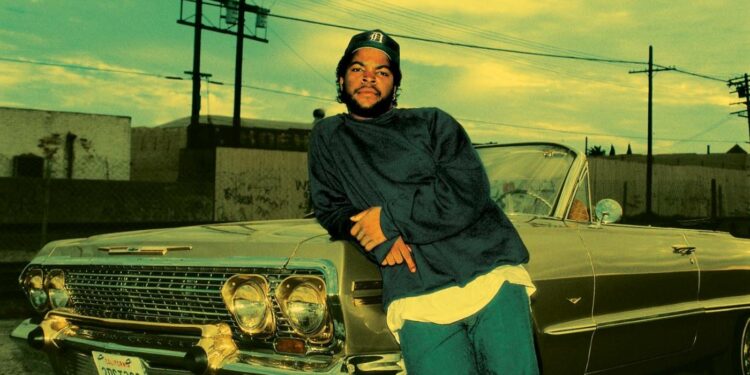
Ice Cube played Darrin “Doughboy” Baker, one of the most unforgettable characters in Boyz n the Hood. His performance is raw, unpredictable, and emotionally devastating by the film’s final act. What makes it so powerful is that Cube does not soften Doughboy or try to make him likable. He lets the character exist exactly as the environment shaped him.
Following the film, Cube transitioned into one of the most successful cross-medium careers in entertainment. He moved from music to acting to producing, building a brand that spans comedy, drama, and business. Doughboy remains a reference point because it proved Cube could act with depth, not just presence, a transformation that still gets cited when discussing artists who successfully crossed industries.
Morris Chestnut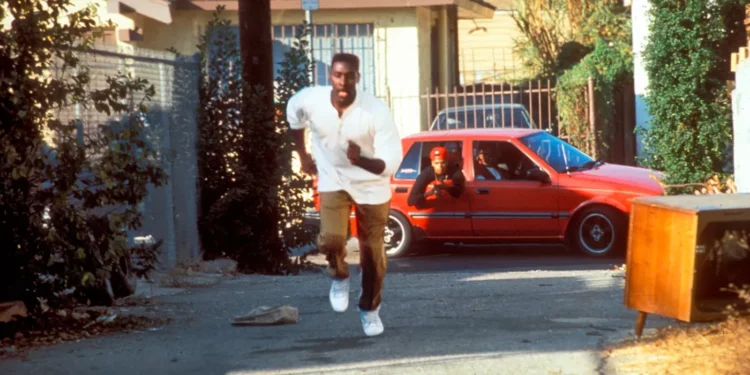
Morris Chestnut played Ricky Baker, and his role is often remembered as the emotional breaking point of Boyz n the Hood. Ricky represents unrealized potential, and Chestnut’s performance makes that loss feel personal rather than symbolic. The character’s arc is short, but its impact is massive, which is why Ricky remains one of the most discussed elements of the film.
After the movie, Chestnut built a steady and highly durable career in film and television. He became known for roles that balance warmth, authority, and vulnerability. That consistency is why his name still surfaces in “where are they now” searches. Viewers often recognize him immediately but still want to trace how one early role set the tone for decades of work.
Laurence Fishburne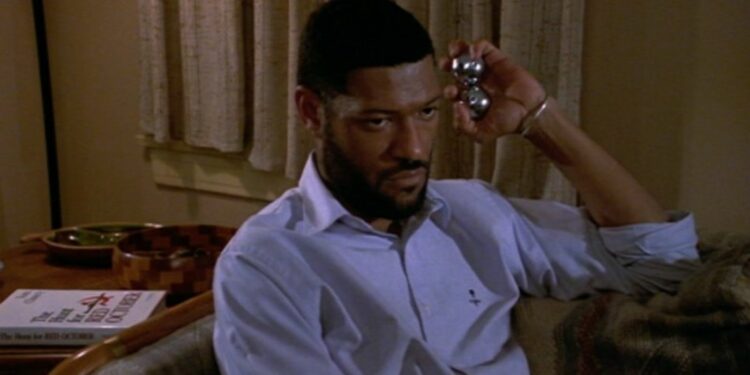
Laurence Fishburne portrayed Furious Styles, arguably the moral backbone of Boyz n the Hood. His performance delivers some of the film’s most quoted dialogue, particularly around responsibility, systemic inequality, and self-determination. Fishburne’s authority on screen gives the film its philosophical weight without turning it into a lecture.
Fishburne’s career after the film only expanded in scope and prestige. He became a fixture in both blockbuster franchises and serious dramatic roles, often playing figures of wisdom or power. Furious Styles remains one of his most culturally referenced performances, frequently cited when people revisit films that shaped conversations about race, masculinity, and community.
Angela Bassett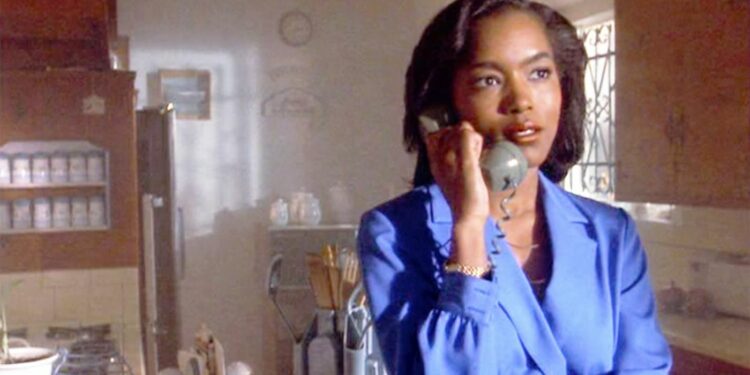
Angela Bassett played Reva Styles, Tre’s mother, bringing emotional complexity to a role that could have easily been one-dimensional. In Boyz n the Hood, she represents ambition, distance, and the tension between personal success and parental guilt. Bassett’s performance adds nuance to the film’s portrayal of family dynamics.
Since the early 1990s, Bassett has built one of the most respected careers in modern Hollywood. Her work across film and television consistently blends intensity with elegance. When audiences revisit her early roles, they often do so with hindsight, recognizing how much presence and control she had even at the beginning of her career.
Nia Long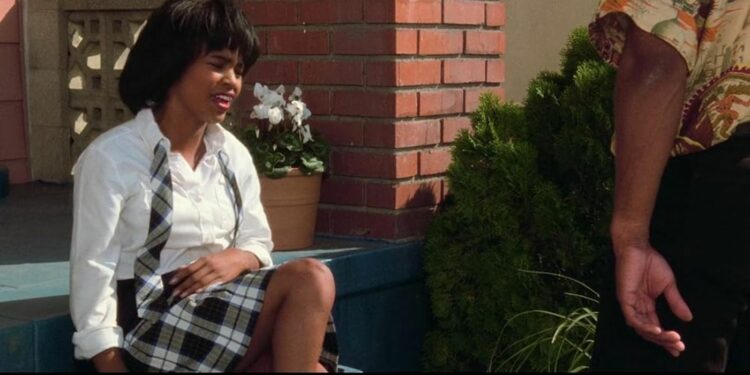
Nia Long played Brandi, Tre’s love interest, and her role is crucial because it offers a softer, aspirational counterbalance to the film’s harsher realities. In Boyz n the Hood, Brandi represents possibility, education, and emotional refuge. Long’s performance made her instantly relatable to audiences.
After the film, Long became a defining presence in 1990s and 2000s Black cinema and television. Her career longevity is tied to her ability to project warmth without weakness. That quality keeps her relevant in cast searches, especially when people trace how early ensemble films launched long-lasting stars.
Tyra Ferrell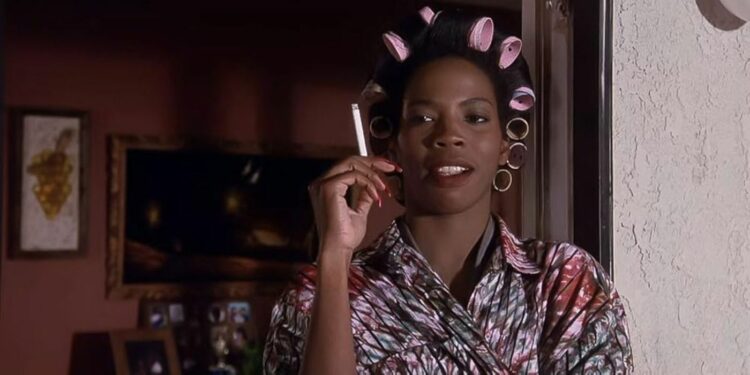
Tyra Ferrell portrayed Brenda Baker, Doughboy and Ricky’s mother, delivering one of the film’s most emotionally raw performances. Her grief scenes in Boyz n the Hood remain deeply unsettling because they feel unfiltered and painfully real. Ferrell brings a lived-in intensity that elevates every scene she appears in.
Although Ferrell did not pursue mainstream stardom at the same scale as some of her co-stars, her work is frequently highlighted in discussions about underrated performances. Her role continues to be rediscovered by viewers who focus less on fame and more on emotional authenticity.
John Singleton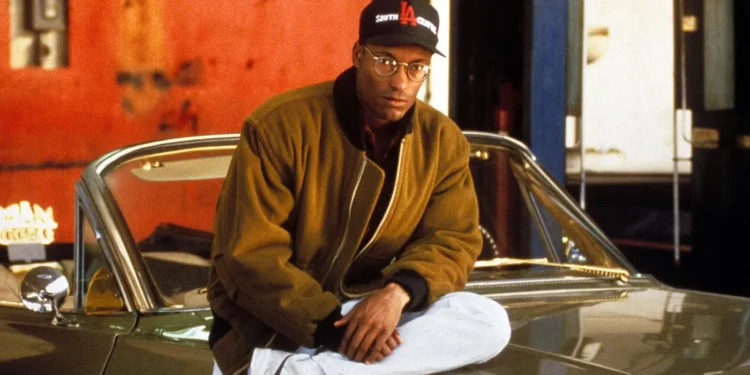
John Singleton may not appear on screen, but his presence is inseparable from Boyz n the Hood. As the film’s writer and director, Singleton became the youngest and first Black filmmaker nominated for the Academy Award for Best Director. His vision shaped how the cast’s performances were framed and remembered.
Singleton’s success after the film opened doors for more authentic storytelling in mainstream cinema. His legacy continues to influence how ensemble casts are discussed, especially when a debut project launches multiple careers at once. The enduring interest in the cast is inseparable from the clarity of his direction.
 Follow Us