Many of us have a favorite way to unwind after a long day, whether it’s watching reels, scrolling through memes, watching a show, or meeting friends. But when a habit becomes part of our routine, it’s worth paying attention to how it affects our health and well-being. Alcohol is one example. While many people enjoy drinking socially without it becoming a major part of their lives, alcohol dependence can be more complicated than simply counting drinks. Why someone drinks, how much control they have, and whether they question their relationship with alcohol can all tell us more.
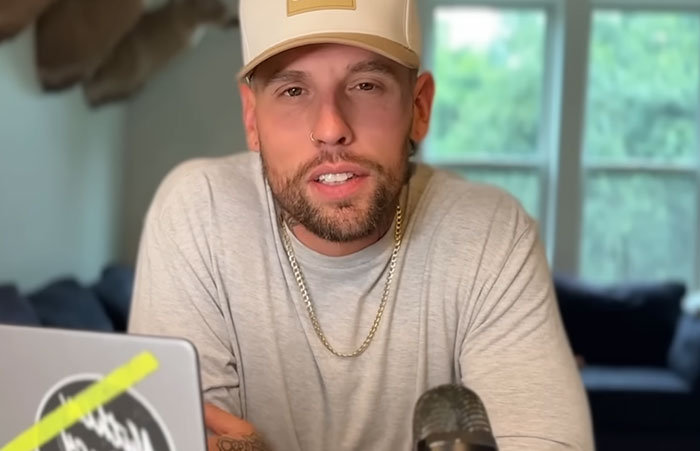
That’s something Corey Warren knows firsthand. The father of two and former alcoholic took to YouTube to share the “three big differences” he noticed between social drinking and his own experience with alcohol. Keep scrolling, Pandas, to hear what he had to say.
Based in the United States, the former drinker went through several stints in rehab before achieving complete sobriety in 2011


He says alcoholism is about more than simply drinking too much
Warren is now 15 years sober, and his experience with alcohol has become a big part of the work he does today. The YouTuber has built an audience of more than 288,000 subscribers and has uploaded more than 300 videos, many of which focus on sobriety, alcohol, and the realities of changing your relationship with drinking.
In a video on his YouTube channel that has attracted more than 440,000 views, Warren talks about the differences he noticed between his own drinking and what he describes as social drinking. His starting point is that the idea of an alcoholic being simply “somebody who drinks too much” doesn’t tell the whole story. In his view, looking only at the amount someone drinks can miss other important questions, such as why they are drinking, whether they feel able to stop, and how much they think about their own relationship with alcohol.
That distinction is important because alcohol use can look very different from one person to another. Someone might drink occasionally in social situations, while another person might find themselves reaching for alcohol whenever they’re stressed, upset, celebrating, or simply looking for a reason to drink. Warren’s own experience led him to focus less on a particular number of drinks and more on the role alcohol played in his life. He then breaks that idea down into three differences that he believes helped him understand his own drinking.

ArtHouse Studio/Pexels (not the actual photo)
The first difference: why are you drinking?
Warren begins with what he considers the first major difference: why someone drinks. As he puts it, “The difference is not in how much I drink, it’s in how I drink.” He says social drinkers often have reasons not to drink—perhaps they have work the next morning, children to care for, or an early workout. His own experience was the opposite. He could find a reason to drink in almost any situation, whether he had a bad day, felt stressed, was arguing with his wife, or simply wanted to celebrate. “I have every reason in the book to drink,” he recalled.
This idea also connects with research discussed by Psychology Today, which identifies four broad drinking motives: coping, conformity, enhancement, and social drinking. Some people use alcohol to deal with unpleasant emotions, while others drink because they want to fit in, enjoy its effects, or spend time with friends. Psychology Today notes that drinking to cope is particularly concerning because it is associated with a greater risk of alcohol use disorder, while drinking for fun can also be linked to binge drinking. In other words, the reason behind the drink can matter just as much as the drink itself.

Teja J/Pexels (not the actual photo)
The second difference: control
For Warren, the second major difference came down to control. He says social drinkers can have one or two drinks and decide they’ve had enough, while he never felt he had that same “switch.” “I never had that switch; alcohol determined when enough was enough,” he explained. If there was a drink in front of him, he said he drank it; if there was a case or bottle, he would keep going until it was gone. “When I decided to stop, it was because the bottle was empty, I was passed out, or I was blacked out.”
That experience connects with warning signs outlined by Choosing Therapy, which include frequent blackouts, repeated hangovers, becoming unreliable, problems at work or school, noticeable mood or personality changes, and regularly drinking to excess. None of these signs alone can diagnose alcohol use disorder, but they can be reasons to take a closer look at someone’s relationship with alcohol. For Warren, the key question was simple: not just how much do you drink, but can you decide when to stop?
The third difference: constantly questioning your drinking
The third and final difference Warren highlights is the questions he was constantly asking himself. He says social drinkers don’t typically spend much time wondering whether they have a drinking problem, while he was repeatedly questioning his own habits. “They don’t wrestle with the thought that maybe they shouldn’t drink,” he explained. Warren found himself asking, “Is this good for me? Am I sure I should be doing this? Maybe I’m taking this too far… maybe I’m an alcoholic, maybe I should stop.”
It’s worth emphasizing that questioning your drinking doesn’t automatically mean you have an alcohol problem. People can wonder about their habits for all kinds of reasons, and self-reflection isn’t a diagnosis. But if someone repeatedly worries about their drinking, finds it difficult to cut down, drinks more than they intended, or notices that alcohol is creating problems in their relationships, work, health, or everyday life, it can be worth talking to someone who can help.

cottonbro studio/Pexels (not the actual photo)
Knowing when to ask for help can make a difference
Mayo Clinic recommends talking with a healthcare provider if you feel you sometimes drink too much, drinking is causing problems, or your family has expressed concerns. It also suggests seeking support from a mental health professional or a group such as Alcoholics Anonymous. This can be difficult, however, because people struggling with alcohol use disorder may not always recognize how much they drink or how it affects their lives. If people close to you repeatedly raise concerns, an honest conversation with a healthcare professional can provide clarity.
Asking for help also doesn’t mean someone has to reach a breaking point. Sometimes, it simply means recognizing that something doesn’t feel right and deciding to address it before things become more difficult. And for those considering sobriety, there can be another hurdle: the fear that life will become boring without alcohol. In The Unexpected Joy of Being Sober, author Catherine Gray describes this fear of a “boring, black-and-white landscape” as a major barrier to quitting. Her message is that sobriety doesn’t have to mean giving up fun—instead, it can bring greater clarity, energy, confidence, and financial freedom.
For someone who associates alcohol with socializing, celebrations, or unwinding after work, that can be an important shift in perspective. Quitting doesn’t necessarily mean losing the things you enjoy; it can mean discovering how to enjoy them without alcohol at the center of the experience.

ArtHouse Studio/Pexels (not the actual photo)
When you put Warren’s three points together, a pattern emerges: why you drink, whether you feel in control once you start, and whether you find yourself questioning your relationship with alcohol can all offer a different perspective than simply counting drinks. None of these questions can diagnose alcohol use disorder on their own, but they can encourage us to look at the bigger picture and be more honest about the role alcohol plays in our lives.
Ultimately, there is no shame in asking for support, whether that means speaking with a healthcare professional, seeking counseling, or finding a supportive community. And perhaps that’s the most valuable takeaway from Warren’s story: sometimes, understanding our relationship with alcohol begins with asking a few honest questions—and being willing to seek help when the answers suggest that something needs to change.
Watch Warren’s full video here
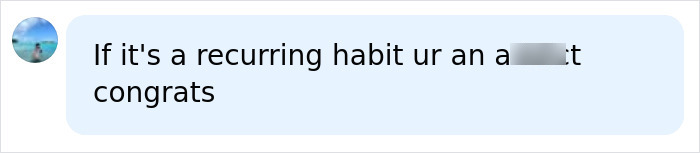
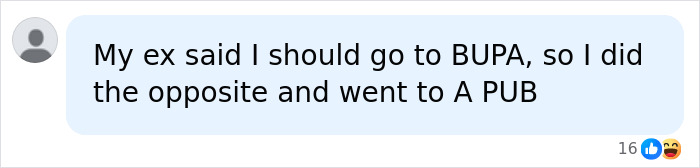
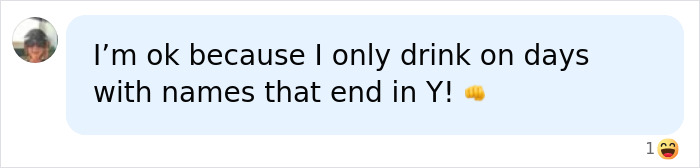
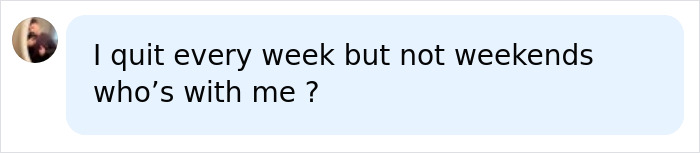
Some people responded by joking about drinking and alcoholism
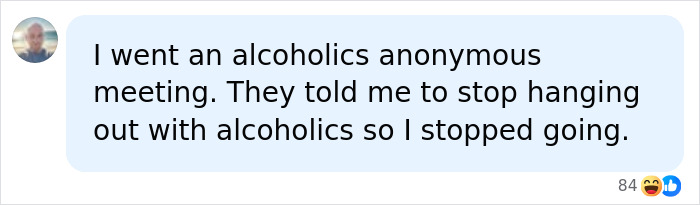
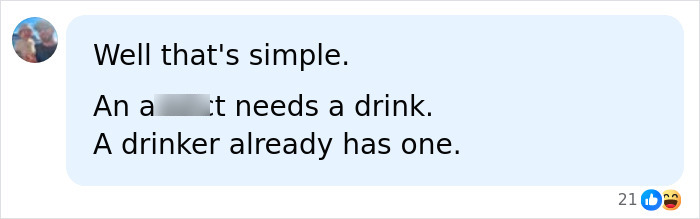
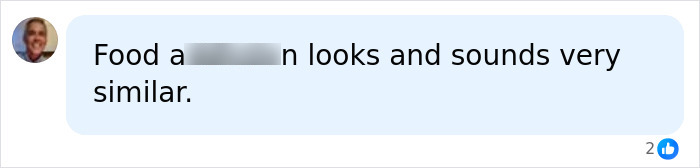

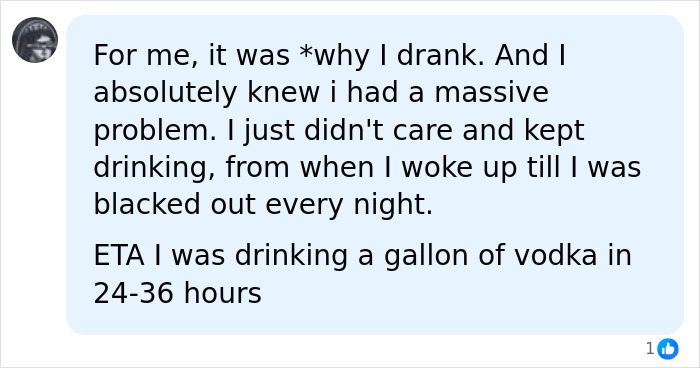
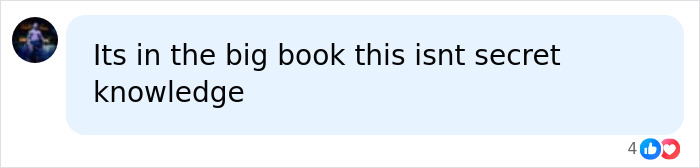
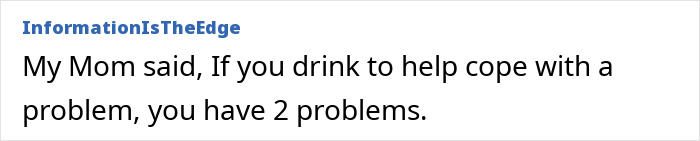
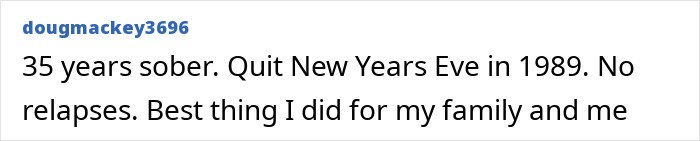
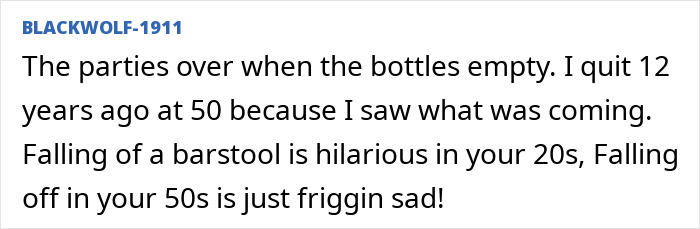
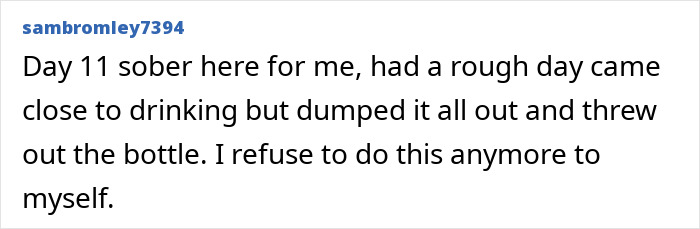
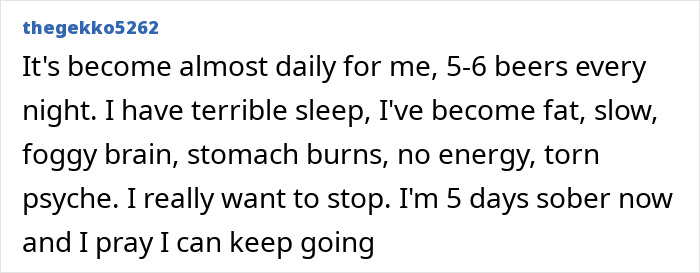
Many others opened up about their own recovery journeys and shared their experiences

 Follow Us