The postpartum period, after childbirth, can be one of the most difficult times in your life. This is when you need your loved ones’ support most! But unfortunately, not everyone steps up to the plate. You can really see someone’s true colors by how they behave around a new mom and her baby.
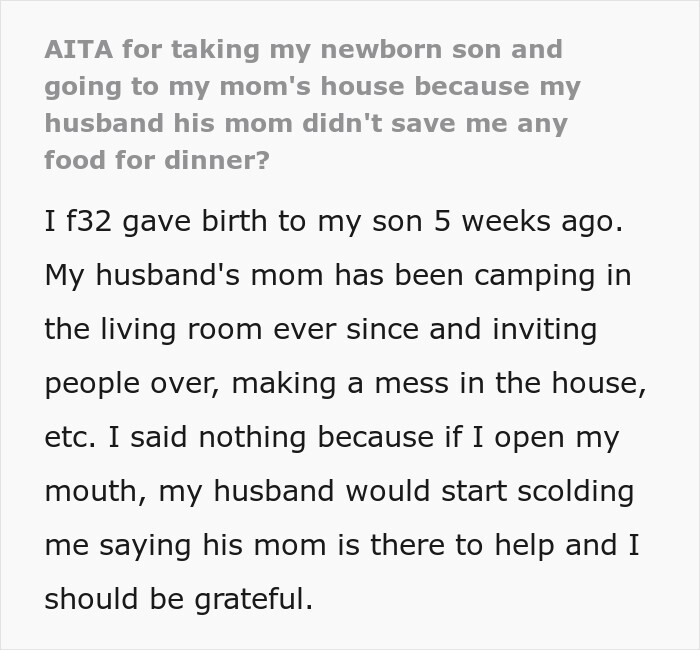
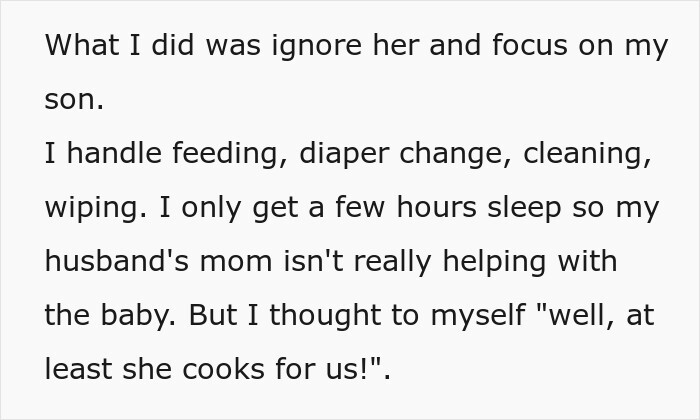
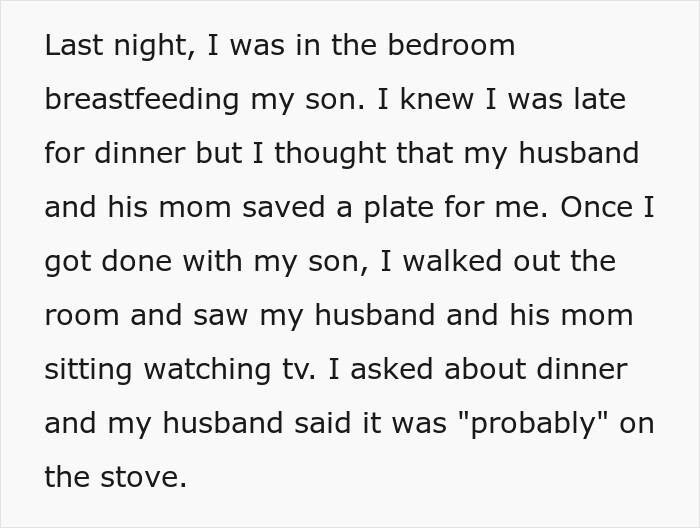
Mom u/Got50977 begged the internet for help after a horrible argument at home. She revealed how she took her baby and left home because her husband and mother-in-law only made food for themselves, leaving her hungry. Read on for the most infuriating story you’ve seen all week.
Your partner should be your biggest supporter, not your critic, after you give birth
Helena Lopes / pexels (not the actual photo)

This new mom shared how awful things have been at home, and how her husband and MIL antagonize her

Moe Magners / pexels (not the actual photo)
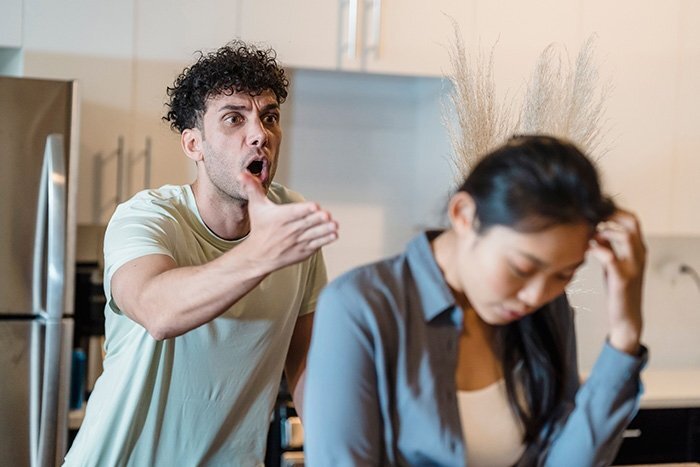
Timur Weber / pexels (not the actual photo)
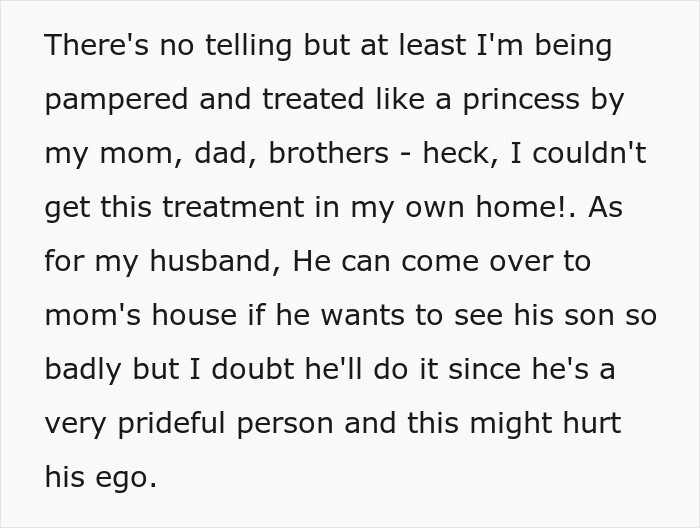
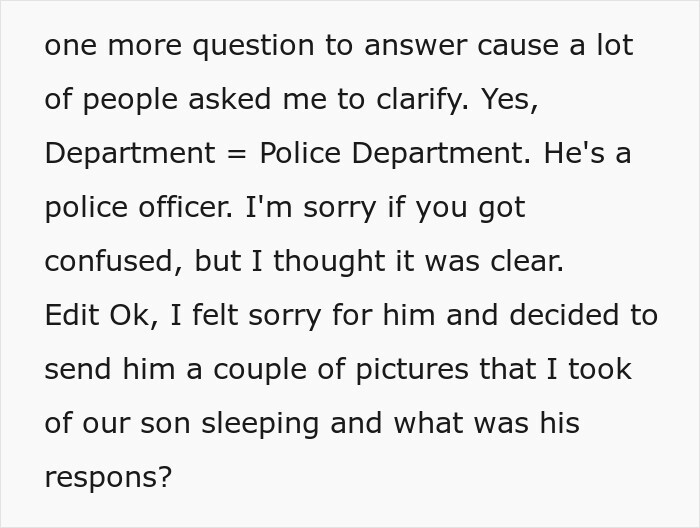
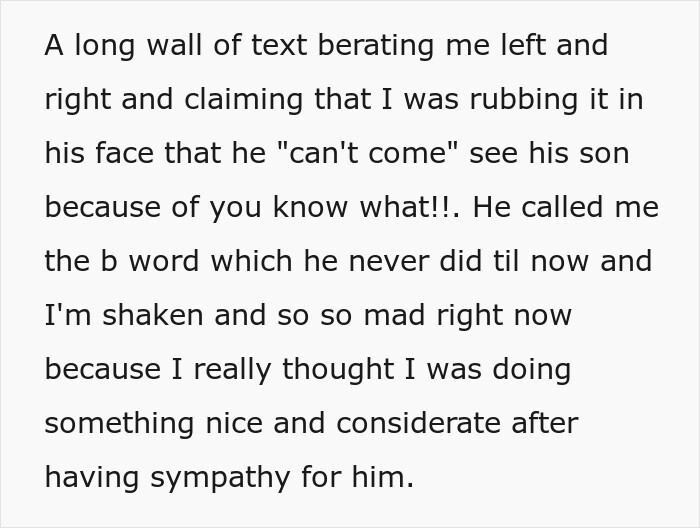
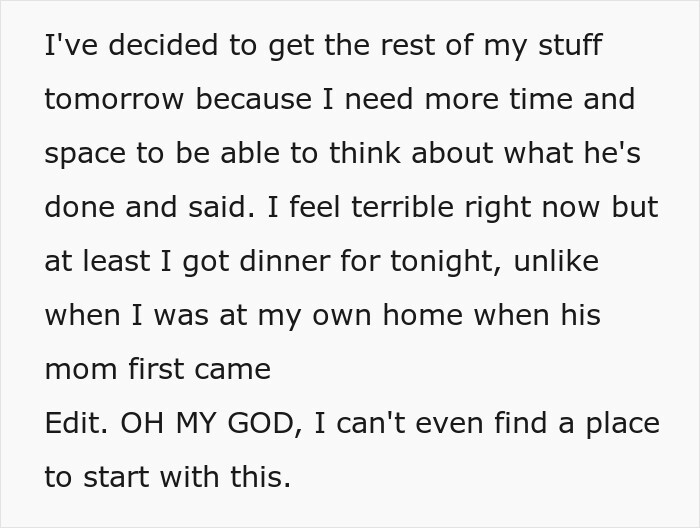
Later, the mom shared what happened after she left
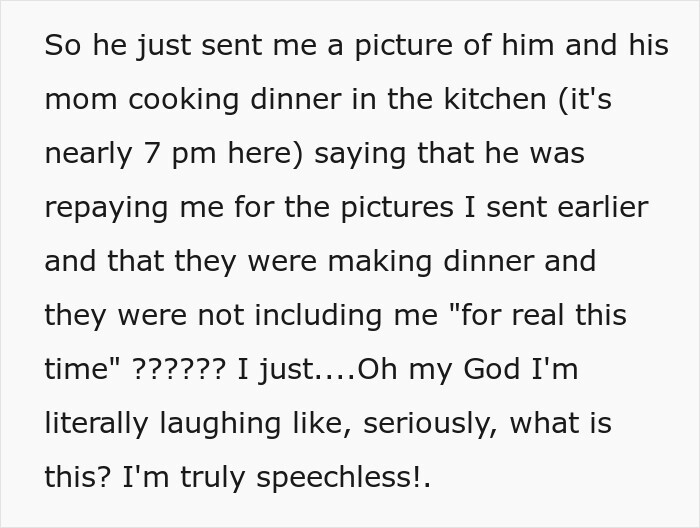
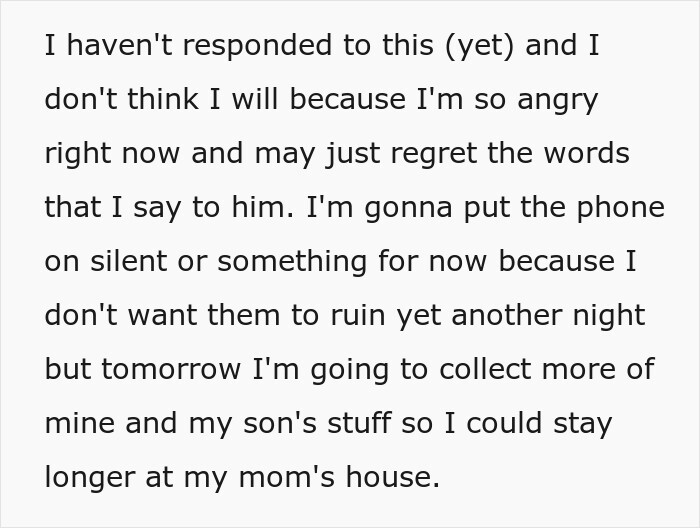
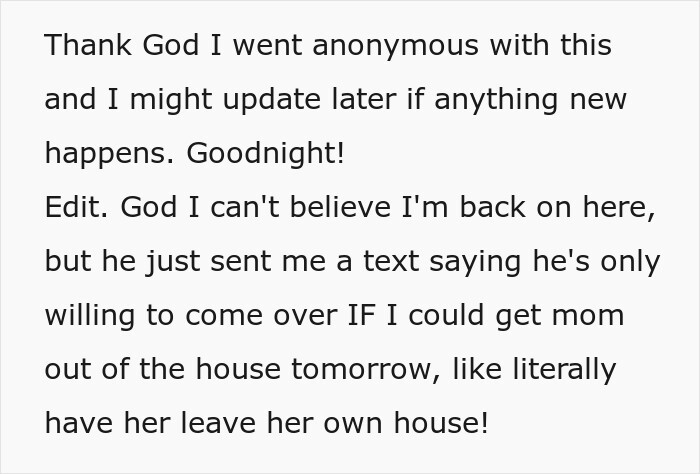
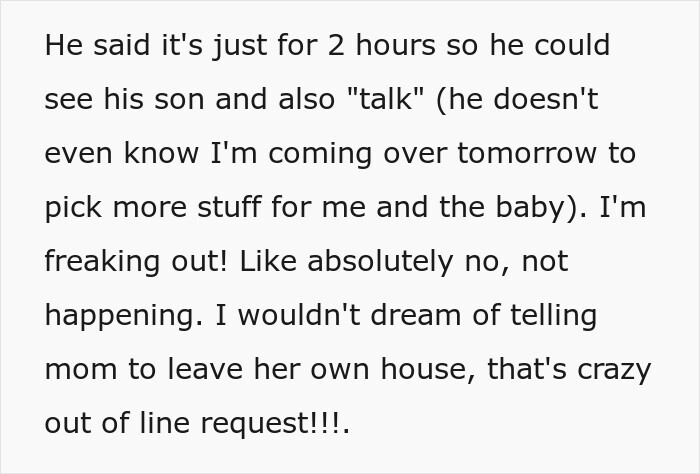
Helena Lopes / pexels (not the actual photo)
It is important that you know how to recognize toxic traits in someone, whether they’re your spouse or relative
There is no healthy alternative: your partner should be your biggest supporter after you give birth. Yes, you’re both exhausted, overwhelmed, stressed, and scared. But nobody is asking for ‘perfection,’ only that they help you out the best that they know how.
Even if they can’t anticipate your every need as a new mother, they’re a grown-up who is capable of basic communication. Honesty, transparency, care, checking in on you, thinking slightly ahead—these are all things that most of us are able to do. For example, if you’re making dinner, make enough food for the entire family, not just yourself.
There is no shame in asking your partner, relative, or friend to help out when you’re struggling. The response you get will tell you a lot about the quality of that relationship. Meanwhile, if a family member is staying over at your place to supposedly ‘help out’ with the childcare and chores, they have to, well, actually help out. Shocking, we know! If your relative is more of a burden and makes you feel emotionally worse, it may be time to ask them to leave.
The key issue is that after childbirth, you may realize that your significant other is not quite the partner or parent that you thought they would be. It is one thing to be anxious, sleep-deprived, and to struggle. It is another thing entirely when your partner intentionally antagonizes you and refuses to support you while you’re focused on the newborn. It’s a further problem if they refuse to recognize their flaws or grow as a person, and try to blame you instead.
‘She Might’ explains that some of the main warning signs that you are in a toxic relationship include your partner doing the following things:
It should set your alarm bells off if your significant other has massive issues committing to being a parent. You can tell a lot about them by their small daily habits: if they can’t commit to tiny tasks, it’s worrying. It’s also concerning if they can’t follow through on commitments that they have already made.
It’s also problematic if your spouse lacks empathy and can’t understand when you’re having a particularly tough time. A well-adjusted parent would help their partner by taking on more parenting responsibilities and chores around the home while their significant other rests or gets out of the house. A hug or a few supportive words can do wonders. A toxic partner, meanwhile, will make you feel unvalued.
With enough effort, people can change for the better. But this requires the willingness to grow
“Every parent needs to be able to acknowledge their own mistakes and shortcomings to improve. Living in a home with a partner who is unable to take responsibility for his actions and words will often lead to conflict, unhealthy relational patterns, and instability for a child,” She Might explains.
“A healthy father loves his child with selfless and unconditional love. He humbly raises them while learning and growing along the journey. If a father is unwilling to give up his own desires for his child, it can be damaging to the child and their relationship.”
WebMD suggests that if you are serious about stopping being a toxic person, you can practice some of these positive relationship traits (preferably with a therapist):
This is a very sensitive topic. We’d like to hear your perspectives and experiences in the comments if you feel like sharing. What were the biggest challenges that you faced after becoming a new parent? Who in your social circle was supportive, and who was anything but? How did you and your partner manage to stay on the same team despite any arguments?
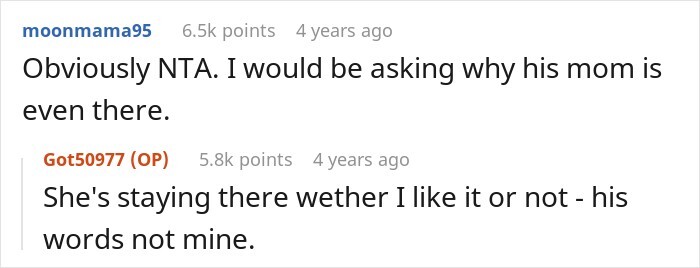
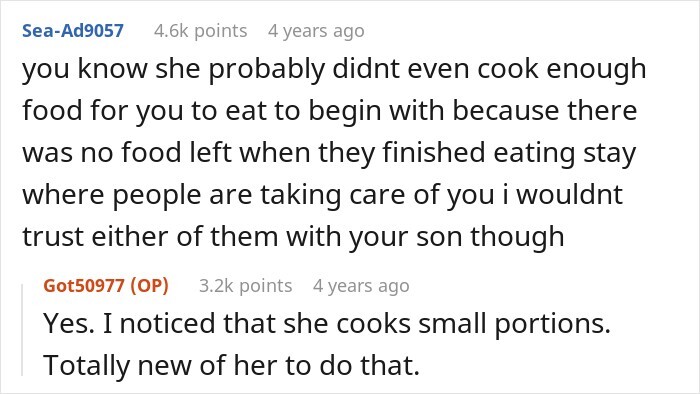
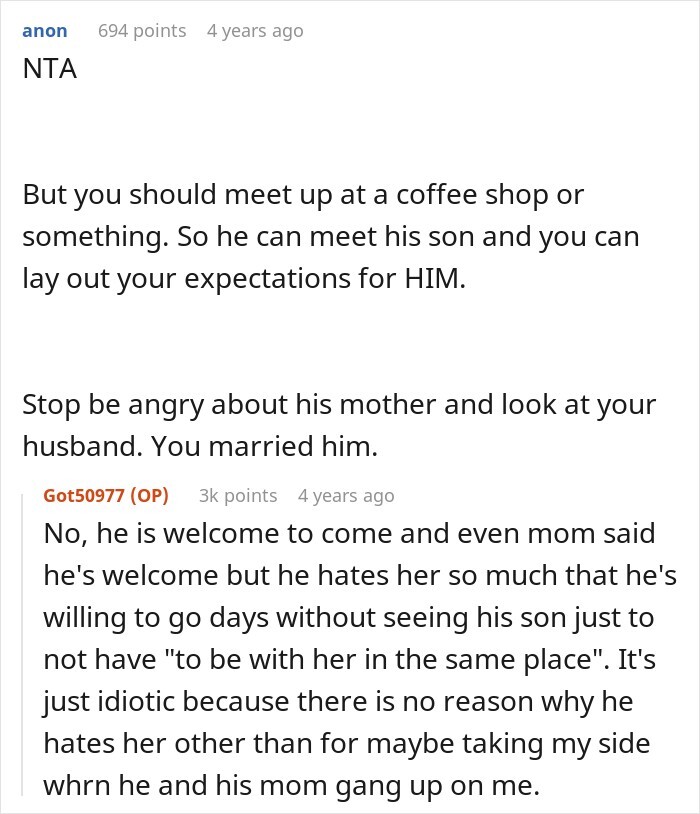
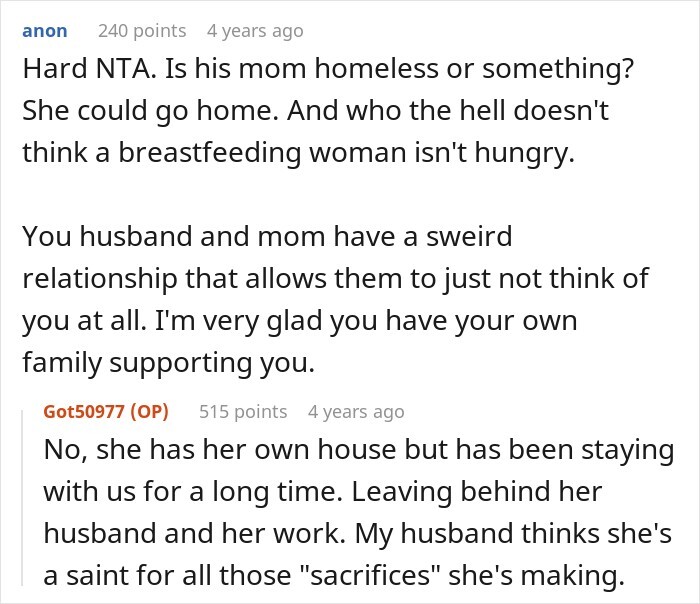
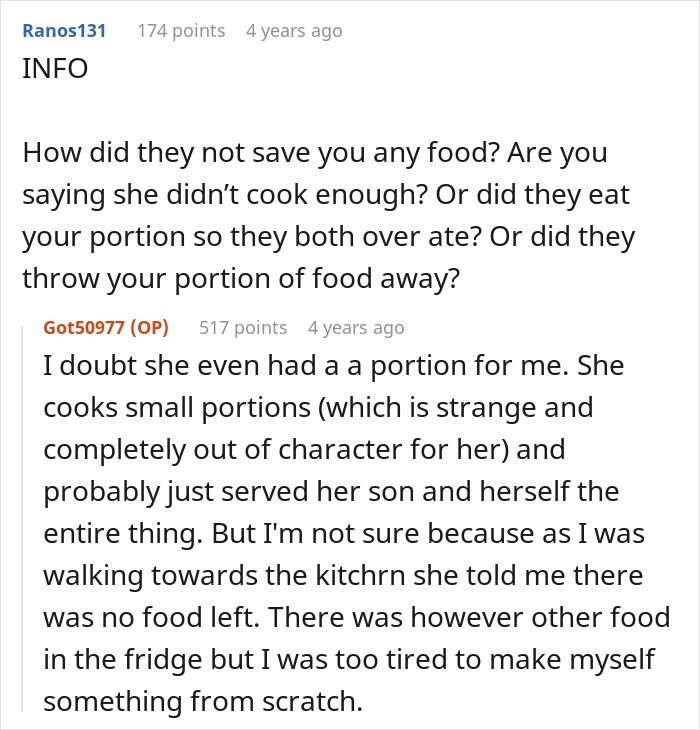
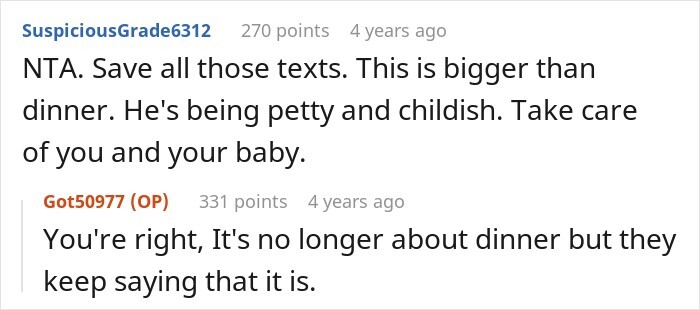
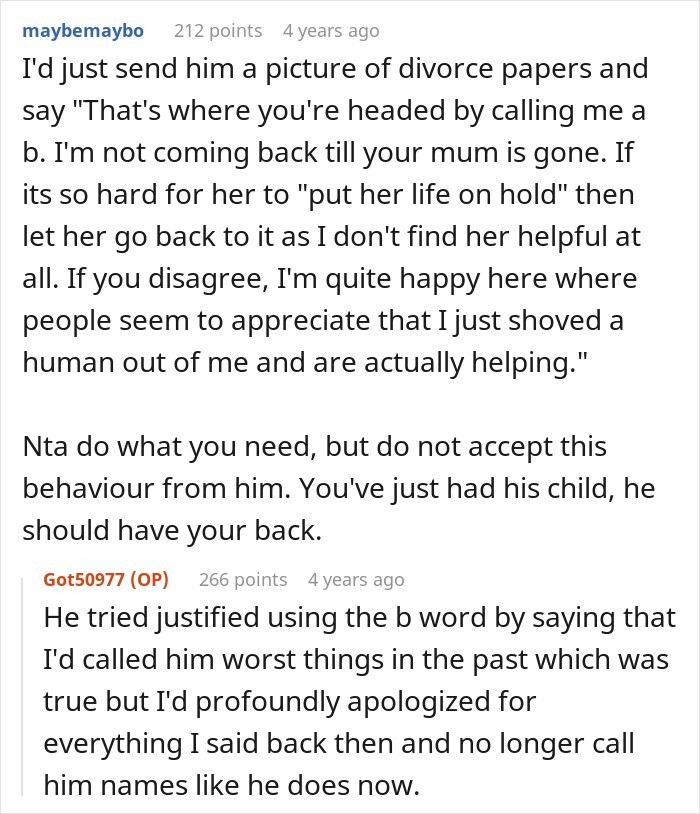
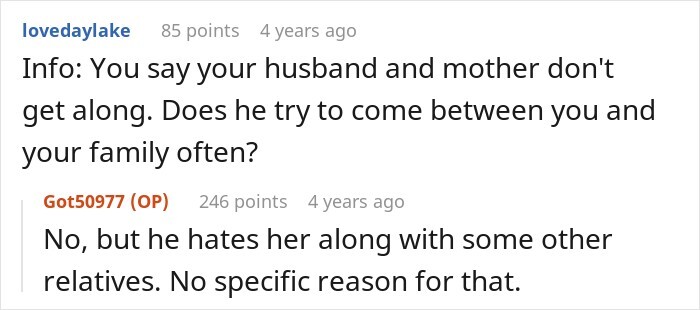
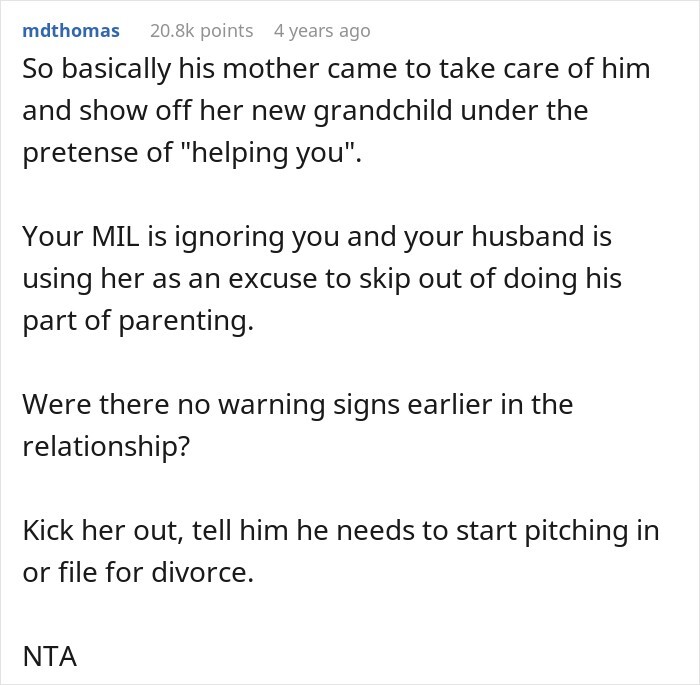
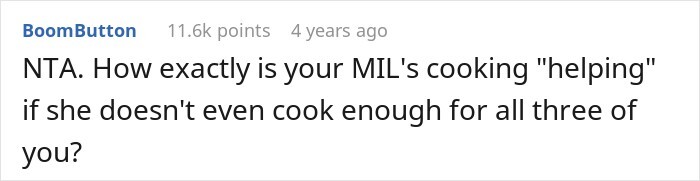
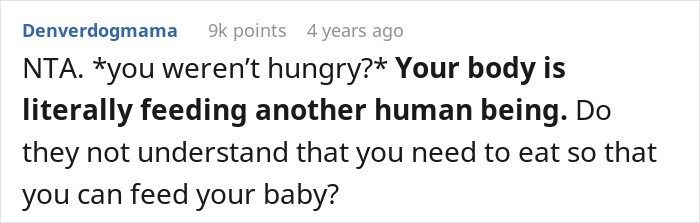
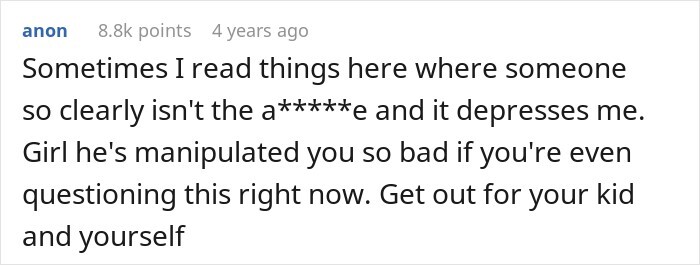
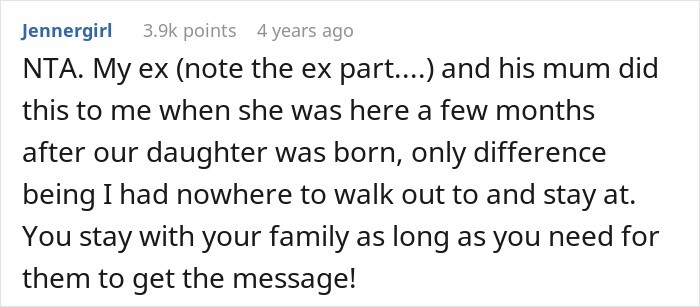
Readers were horrified by what they read and weighed in on the toxic situation

 Follow Us