“Mother-in-law” comes with a whole wardrobe of dark stereotypes, and they make life easy for anyone who needs to justify keeping their distance. If she is a bona fide witch with a cauldron in her handbag, nobody blames you for changing the locks. It gets much harder when she is perfectly pleasant, hasn’t hexed anyone, and just wants a bit of company. No one has ever written a good villain speech for a woman whose only crime is loneliness.
Then one daughter-in-law went online to say that the company her mother-in-law wanted was hers, all the time, and the comment section had some serious deliberating to do.
Mother-in-laws need to tread lightly, because it is very easy for them to get a bad reputation

Rawpixel / Envato (not the actual photo)

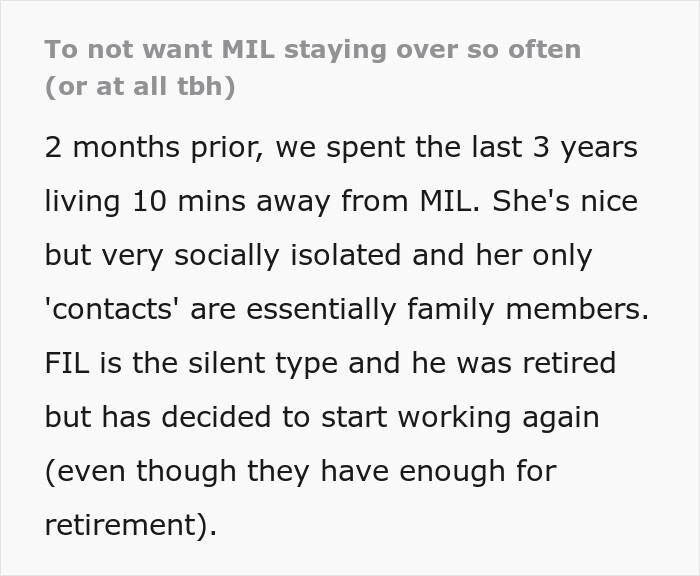
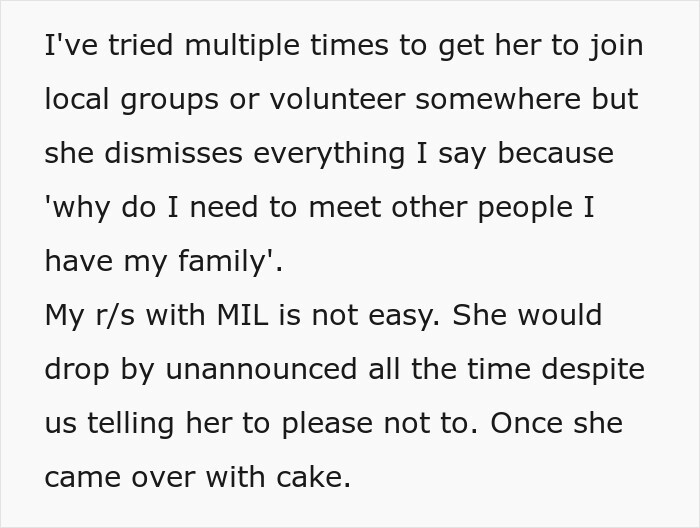
But one mother-in-law was earning hers, with very clingy behavior and making herself a little too welcome at her son’s house

shurkin_son / Magnific (not the actual photo)
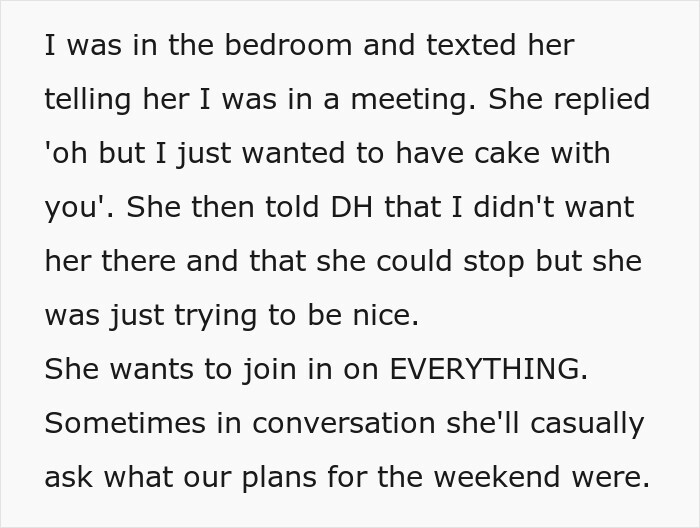
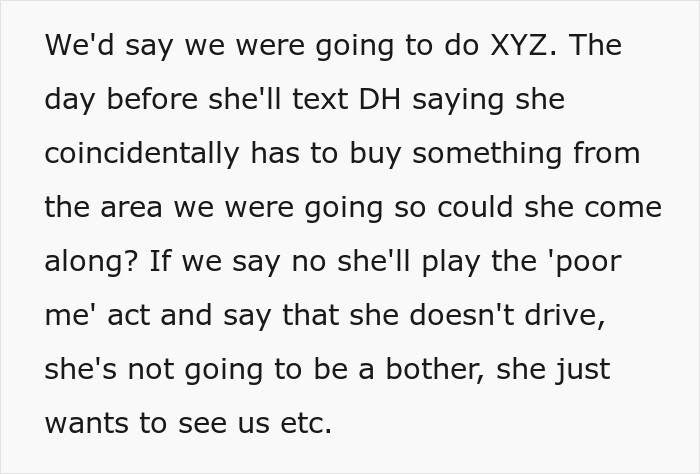
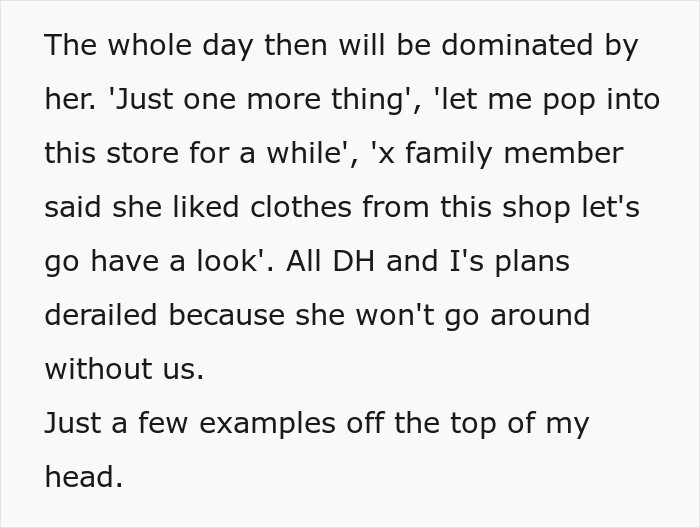
The daughter-in-law wrote that the mother-in-law would show up unannounced, and play the victim if she wasn’t warmly welcomed

magnific / Magnific (not the actual photo)
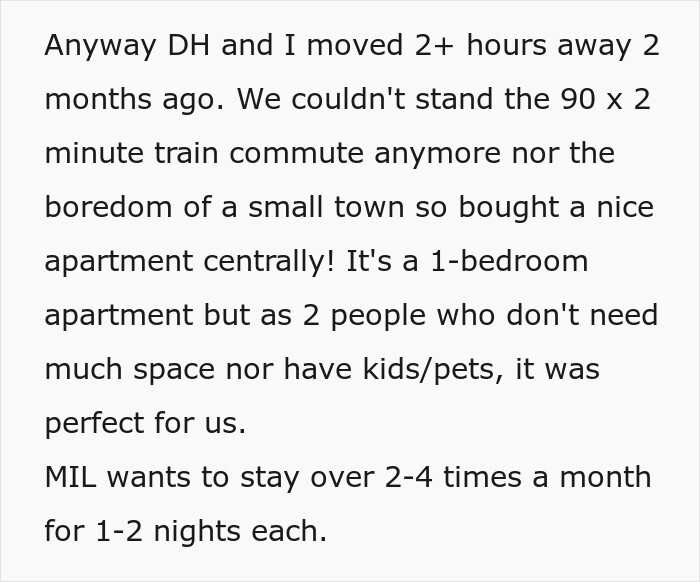
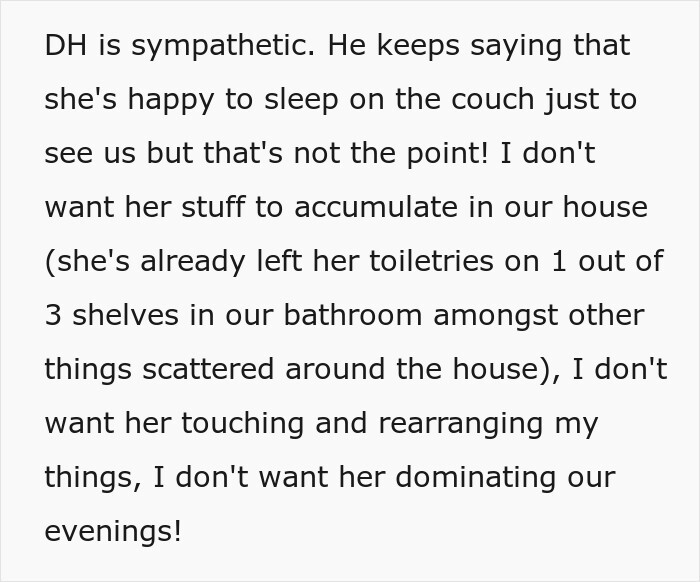
The couple moved 2 hours away, but the mother-in-law soon came to stay the night very often, and took over a bathroom shelf
The daughter-in-law was at her wits’ end, needing to lay down some firm boundaries for their new life in a new city
“Mother-in-law” gets a lot of bad press, but loneliness is a bigger deal than most people assume. The CDC says roughly a quarter of adults over 65 are socially isolated, and that isolation is linked to about a 50% higher risk of dementia, a 29% higher risk of heart disease, and a 32% higher risk of stroke. In 2023, the US Surgeon General put out a whole advisory on it, comparing a lack of social connection to smoking up to 15 cigarettes a day.
Now look at this MIL’s situation. She doesn’t drive, her whole social circle is her relatives, and her husband just went back to work, so her days got emptier at exactly the wrong moment. Of course she latches onto her son’s weekend plans. They might be the only plans she has.
None of that makes the DIL’s front door a public service, though. Loneliness explains the behavior without excusing it. “Why do I need other people when I have family?” is a classic line from someone whose world has shrunk to one size, and it conveniently shuts down every suggestion before it starts. The “I don’t drive, I won’t be a bother, I just want to see you” routine works the same way. It makes saying no feel cruel before anyone has said it.

SHVETS production / Pexels (not the actual photo)
The cake incident is the best example. The DIL texted that she was in a meeting, and MIL went straight to her son to announce that his wife didn’t want her there. Psychologists call that triangulation, passing a message through a third person so you never have to take the answer yourself. It also leaves the husband holding a story that makes his wife sound cold, when all she did was ask for a heads-up.
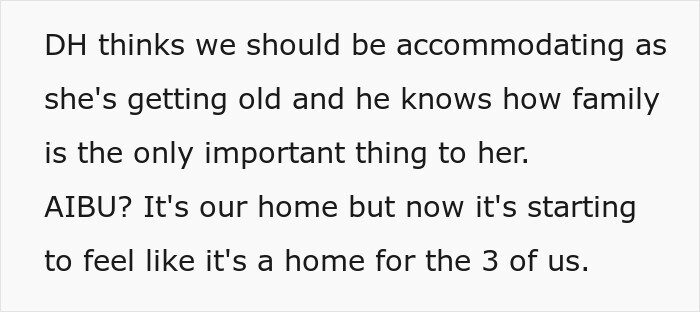
The husband is in a tough spot, and the numbers show he’s far from alone. One widely cited study found that about 60% of daughter-in-law and mother-in-law relationships are strained, compared with 15% for sons and their mothers-in-law, and the man in the middle usually ends up as the peacemaker nobody asked for. His line that she’s “happy to sleep on the couch” isn’t very valid because the problem was never where she sleeps. Do the math on her request too. Two to four visits a month at one or two nights each adds up to as many as eight nights, roughly a quarter of the month with a third adult in the apartment.
MIL answered their move by treating a two-hour train ride as no obstacle at all. That tells you how badly she wants the company, and that the distance was never going to solve anything. A boundary has to come from a conversation, not a postcode. It would also help if the husband, not the wife, handled the harder conversation about her social life. The idea of joining a group or volunteering will land very differently when it comes from her son than from the daughter-in-law she already suspects of pushing her away.
Nobody in this story is a witch, and that’s what makes it so uncomfortable. The MIL is lonely, and the DIL is stretched thin, and both feelings are real. Being sympathetic to a lonely person doesn’t mean signing over your living room, and the DIL’s line about the place starting to feel like a home for three says it all. The fix is to point the MIL’s need for company somewhere that isn’t a single bathroom shelf in a one-bedroom apartment.
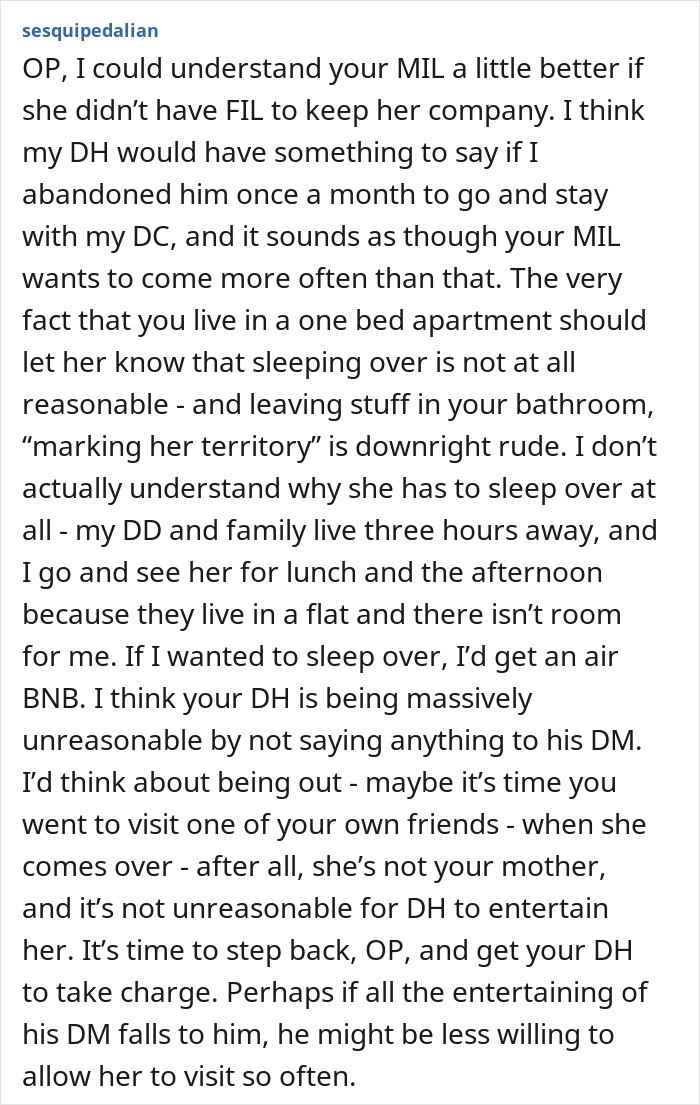
People in the comments were very much on her side, but also said her husband was partly to blame too


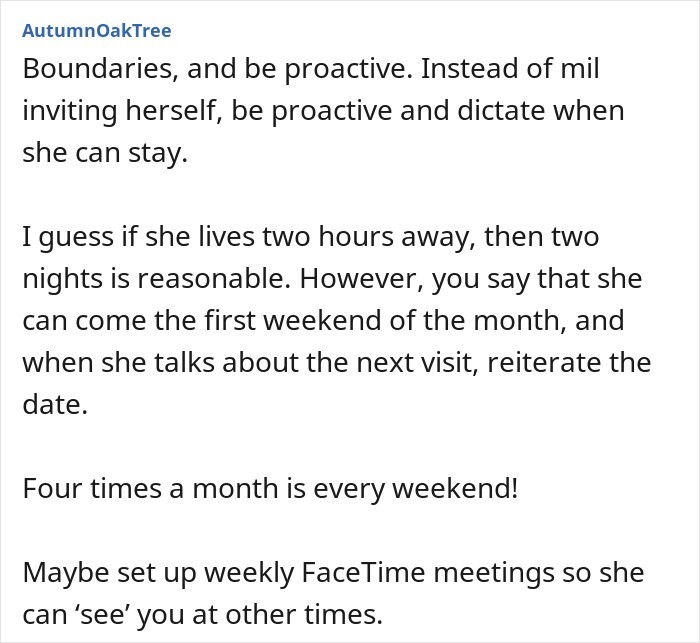
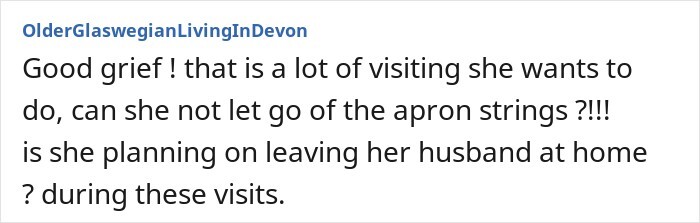
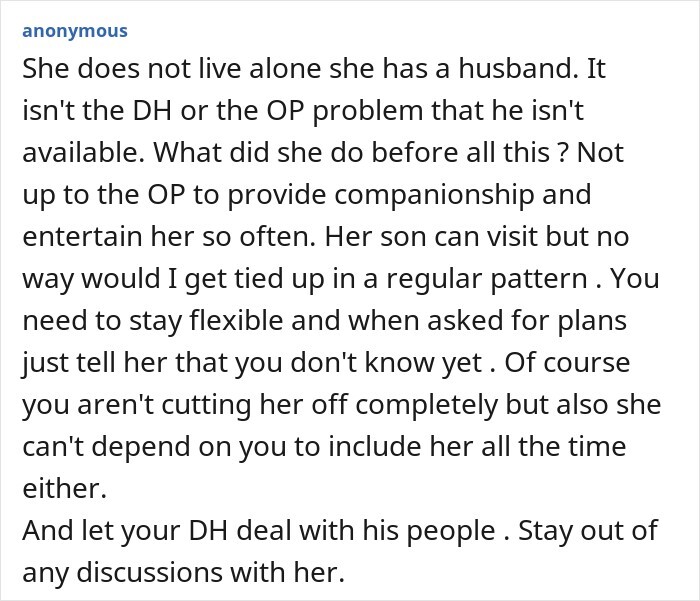

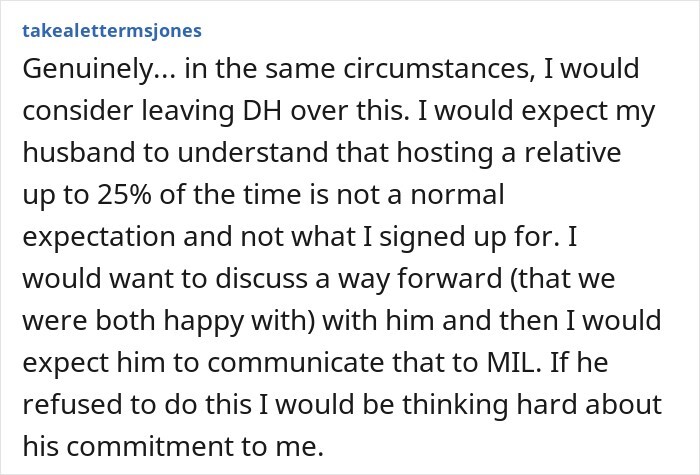



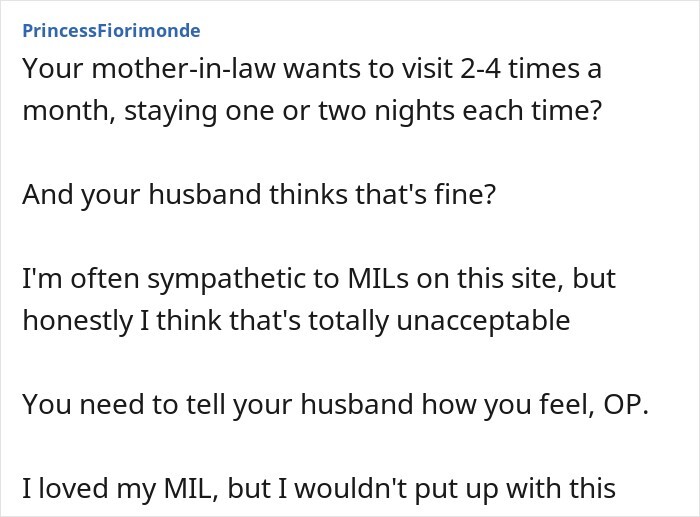

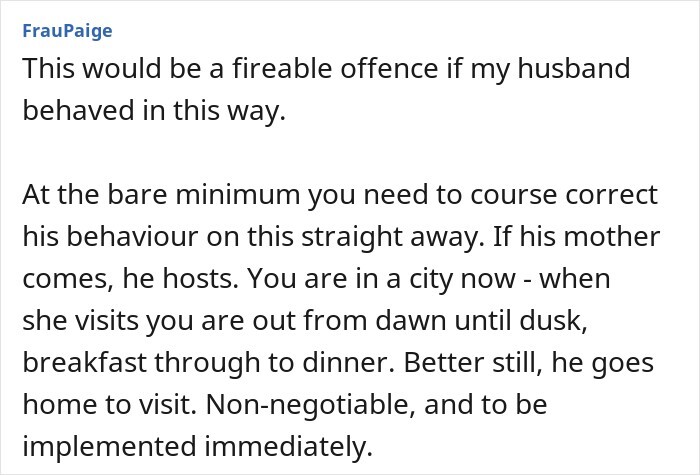
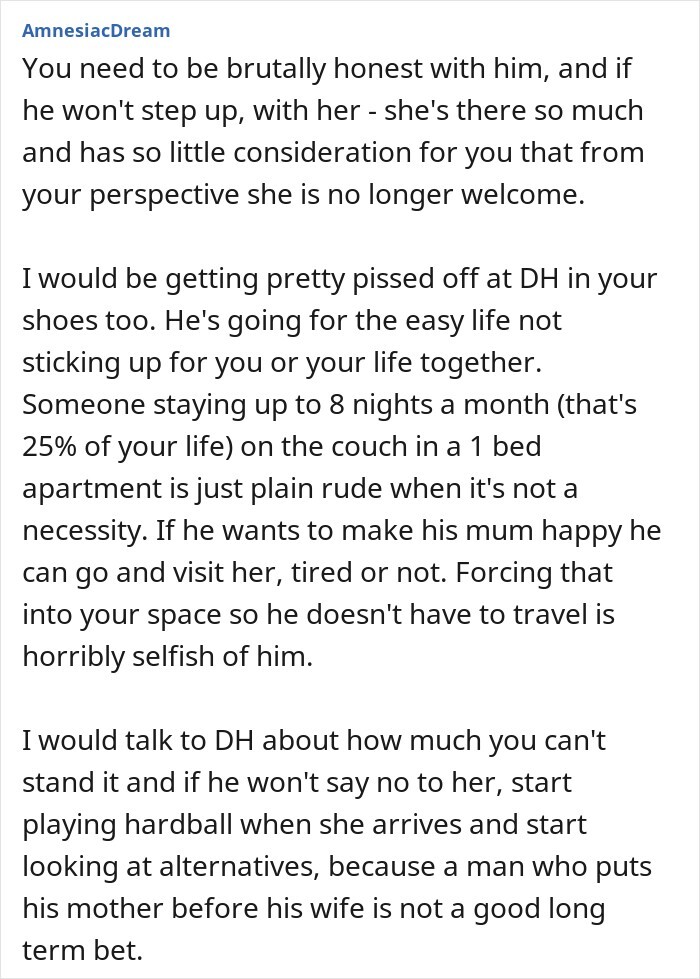
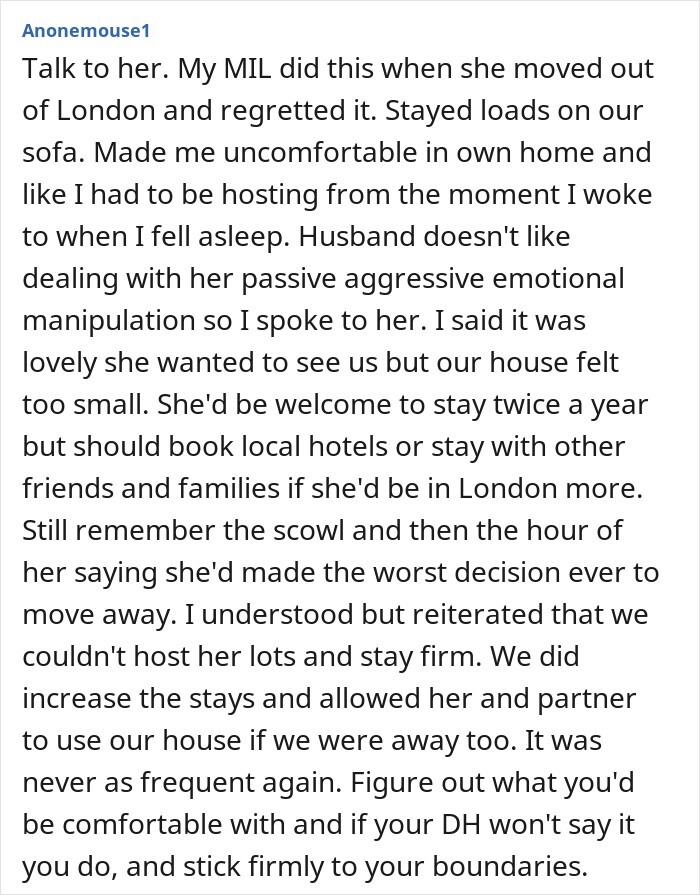
One commenter gave some helpful advice, coming from their own similar experience
The frustrated daughter-in-law came back to the comments to clear a few things up
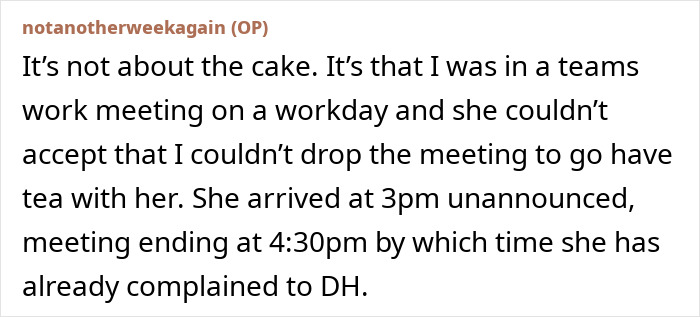

In the comments, she also noted her father-in-law’s responsibility in all of this
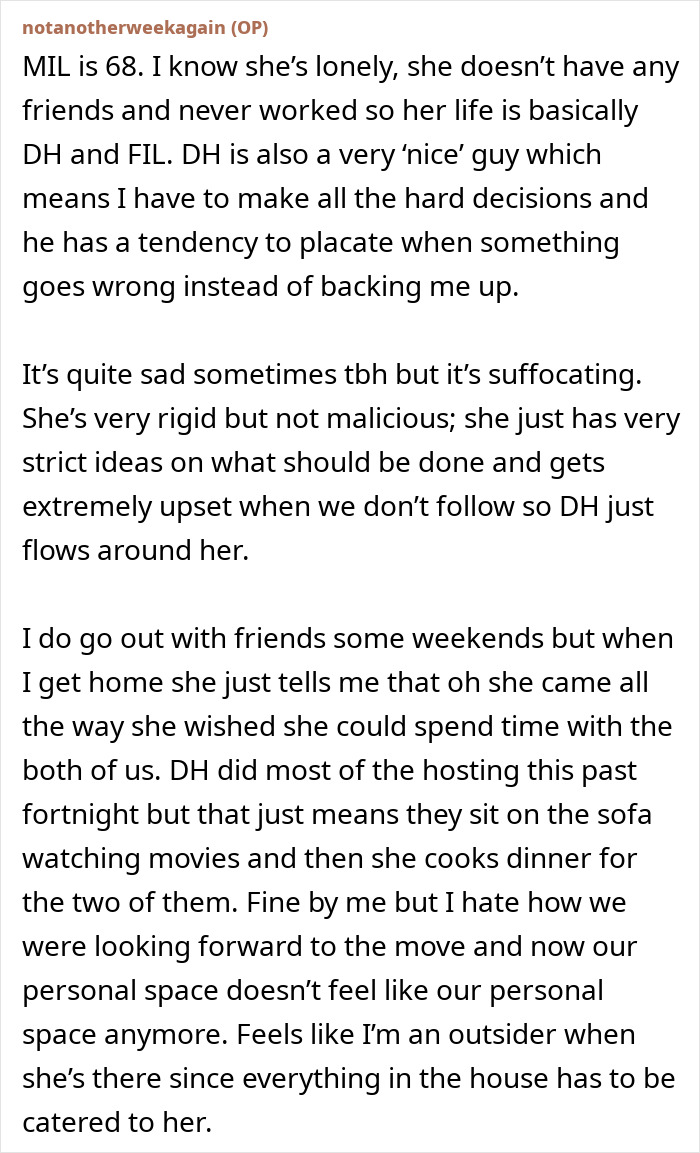
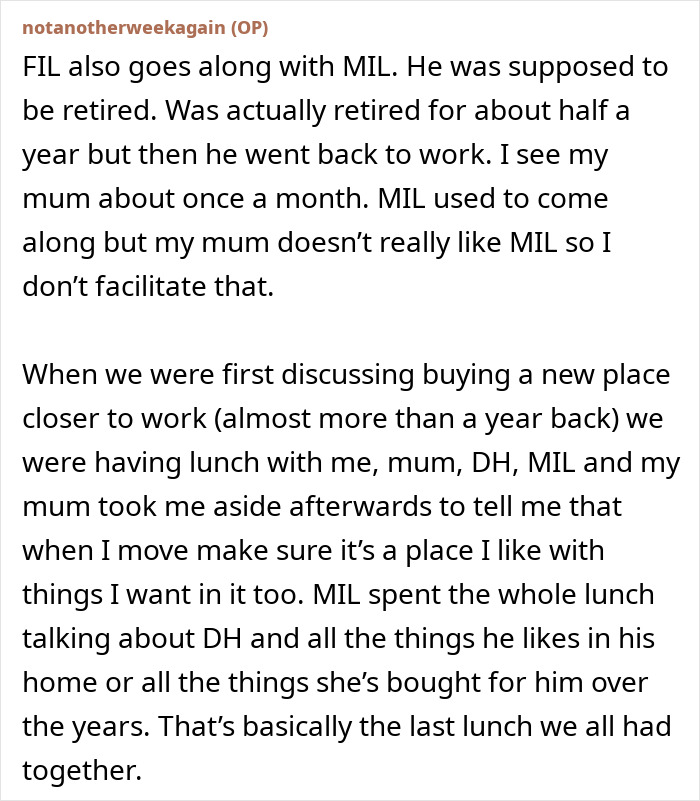
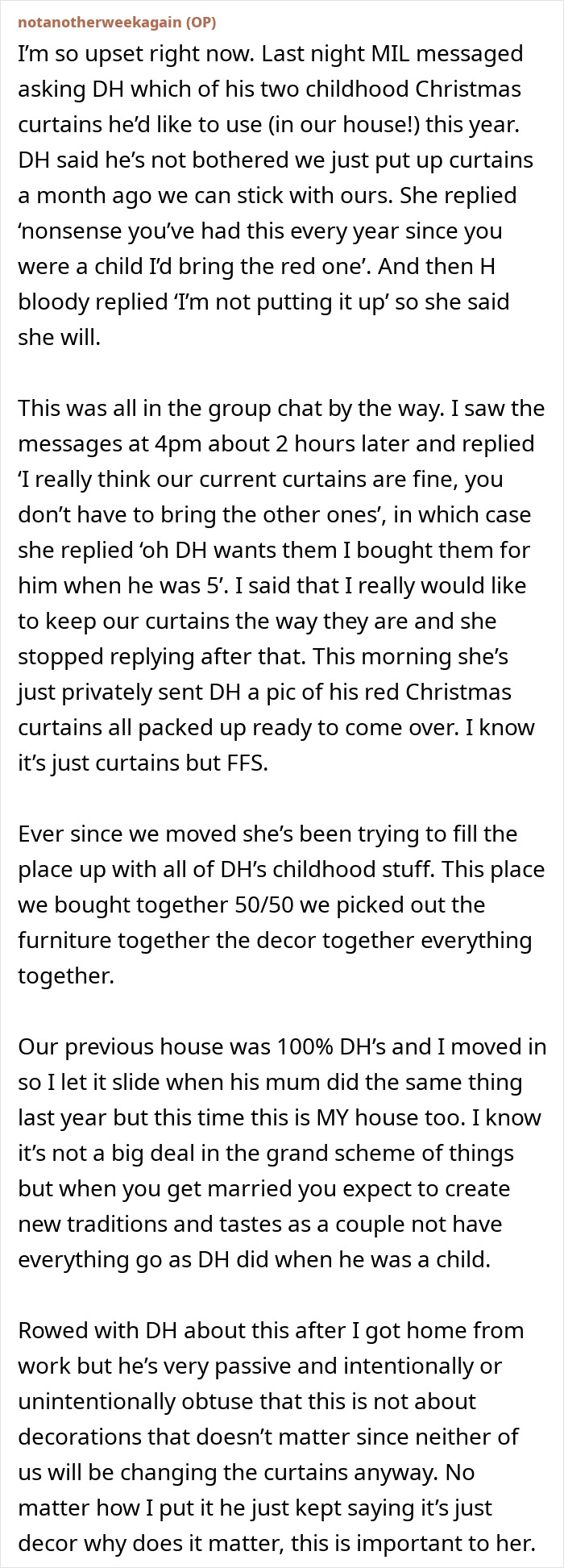
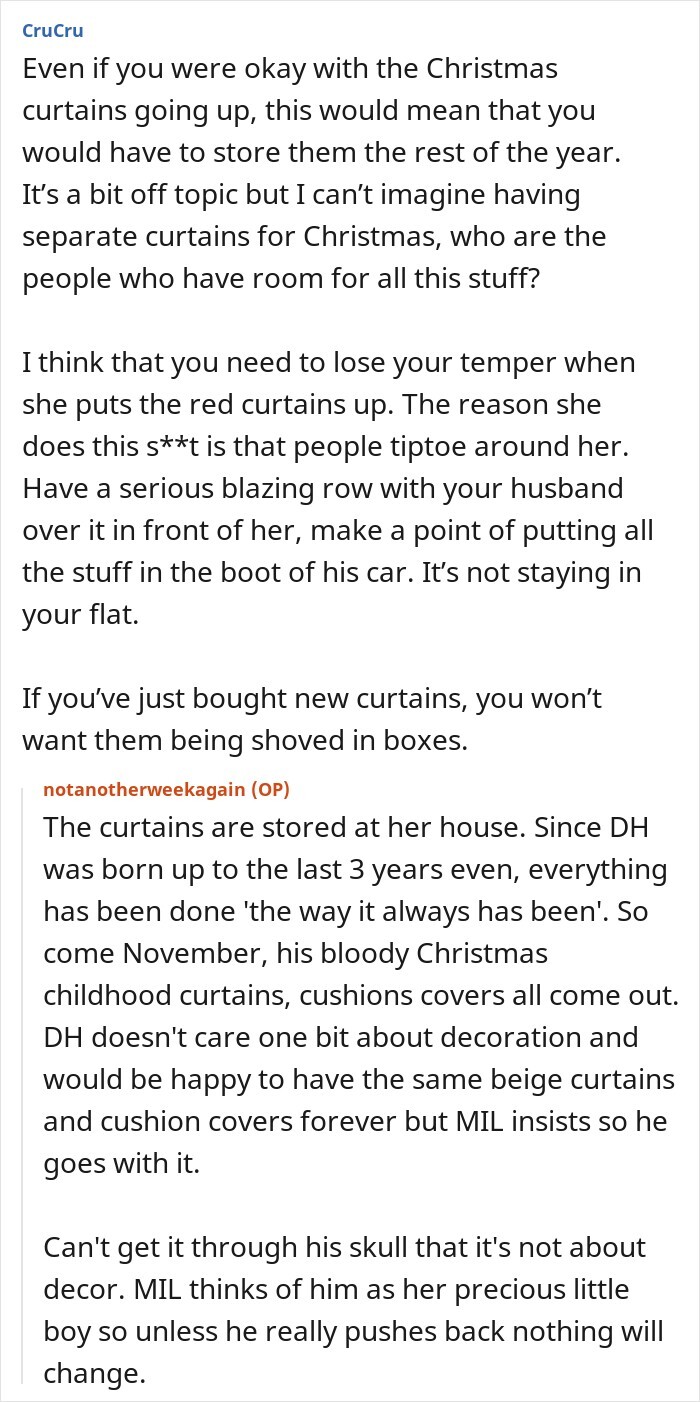
The mother-in-law kept the drama coming and was trying to put her stamp on their new home’s decor

 Follow Us