To be fair, there are some things about the human body that seem like they should come with instructions. But unfortunately, most of us spend years going about our lives blissfully unaware of certain medical facts, only to discover them randomly as adults and wonder how on earth nobody thought to mention them sooner.
And sometimes, the revelation is less of a fun fact and more of a reason to feel personally betrayed. Recently, people online were asked to share medical facts they learned later in life that genuinely annoyed them because they had gone so long without knowing.
From surprising discoveries about everyday bodily functions to health information they believe everyone should have been taught, their responses prove that when it comes to the human body, there is apparently a lot we somehow missed in biology class.
#1
You burn more calories during the luteal phase (premenstrual), so you need more calories during that time.
I always wondered why I was so wildly hungry. Trying to restrict calories made it harder to sleep and cope emotionally.

Image source: jenniferdenisenicholson, Pavel Danilyuk/Pexels (Not the actual photo)

#2
Contrary to what some people still believe (including some doctors), the cervix has nerves and the cervix can feel!

Image source: principessaflamingo, Andrea Piacquadio/Pexels (Not the actual photo)
#3
having chronic widespread joint pain and joints that partially dislocate easily is a sign of a serious problem (like a connective tissue disorder) and it’s not just “growing pains”. it took ~16 years for someone to tell me I might have EDS and that someone was a colleague with EDS, not any of the doctors I had been seeing about my chronic widespread joint pain for 16+ years.

Image source: juliettepecautdesigns, Getty Images/Unsplash (Not the actual photo)
Knowing how to look after your health involves more than simply recognizing when something feels wrong. According to the Centers for Disease Control and Prevention (CDC), health literacy is the ability to find, understand, evaluate, and use health information to make informed decisions.
However, many people reach adulthood without developing these skills because schools, families, healthcare providers, and the media don’t always explain medical information consistently. Someone can have an advanced education and still struggle to understand a prescription label, interpret a medical recommendation, or distinguish reliable advice from misinformation.
Healthcare information can also be filled with unfamiliar terminology, making it difficult to process, especially when someone is already worried or stressed.
#4
Optometrists can find out you have a brain tumor by doing a retina scan. $40.00. Saved my life.
Image source: zoewiseman, Ksenia Chernaya/Pexels (Not the actual photo)
#5
Hormonal health & autoimmune diseases stemming from trauma and long term stress (being constantly in “fight or flight” mode).
Image source: bebe_swtz, Mikhail Nilov/Pexels (Not the actual photo)
#6
A large number of health issues during pregnancy and miscarriages are likely caused by the health of the father. While mothers typically quit a lot of substances and start a strict health+diet regimen during pregnancy, fathers should be doing the same for the months leading up to conception for the health of mother and child.

Image source: bowrokom, Juan Carlos Flores Rodríguez/Pexels (Not the actual photo)
One reason for these knowledge gaps is that traditional education often prioritizes scientific concepts over practical health skills. Students might learn about cells, organs, and the digestive system without necessarily being taught how to recognize concerning symptoms, understand medication instructions, or decide when to seek medical attention.
Families also pass down beliefs and habits that aren’t always medically accurate, while access to reliable information can vary depending on someone’s income, education, language, and circumstances. On top of that, medical guidance changes as new research becomes available, meaning something people learned years ago might no longer be relevant.
This makes understanding personal health an ongoing process rather than something people can simply finish learning in school.
#7
That our bodies NEED healthy fats in order to produce hormones.
Image source: thealchemistlady, Ryan Quintal/Unsplash (Not the actual photo)
#8
Pain and large clots in periods are not normal.
Image source: jackie.janesrollier, Curated Lifestyle/Unsplash (Not the actual photo)
#9
Oh, when my mom was diagnosed with Alzheimer’s I learned that they only recently decided to study why women were so much more susceptible to early onset Alzheimer’s. They just thought it was a statistical anomaly because women live longer than men? And we’re only now studying the connection between menopause and brain health? What the hell!?

Image source: elizabethkatherinegrace, Age Cymru
Even with modern medicine’s remarkable progress, there is still plenty we don’t fully understand about the human body. University of Washington Medicine explains that scientists have become highly knowledgeable about individual organs, cells, genes, and diseases, but understanding how all these systems interact remains considerably more complicated.
Medical advances have made it possible to develop vaccines, antibiotics, organ transplants, and targeted cancer treatments. Yet knowing how a particular body part works doesn’t mean doctors can always predict how it will behave in every individual. For example, two people with similar injuries might have very different recovery experiences, and researchers are still investigating why certain conditions develop in some people but not others.
#10
Perimenopause can start in your 30s. Feel like this should have been front page news so I could have prepared accordingly.

Image source: pelvichealthsf, Frank van Hulst/Unsplash (Not the actual photo)
#11
period products STILL HAVE NOT been tested with period blood. they only started testing with regular blood in August of 2023.
Image source: mjslckr
#12
That heart attack symptoms in women are often different: nausea, jaw or back pain, shortness of breath, extreme tiredness, not just the classic crushing chest pain. Women were left out of a lot of heart research for decades, and it still costs lives.
Image source: woomoon.app, Getty Images
One particularly fascinating area of discovery is the relationship between the human body and the trillions of microorganisms living inside it. These microbes form an ecosystem that influences various bodily processes, including digestion and immune function.
Scientists are also continuing to investigate how the gut communicates with the brain and how these interactions might influence mental and neurological health. The brain itself remains another complicated subject, with questions surrounding consciousness, memory, and certain psychiatric conditions still being explored.
All this demonstrates that even though people live with their bodies every day, there are plenty of processes happening beneath the surface that they might never have considered. It also explains why medical knowledge continues to evolve, sometimes changing what people previously believed about their health.
#13
When you take a CPR class, the dummies are flat chested so no one teaches you about what to do if the person you’re helping is fat or has a large chest.
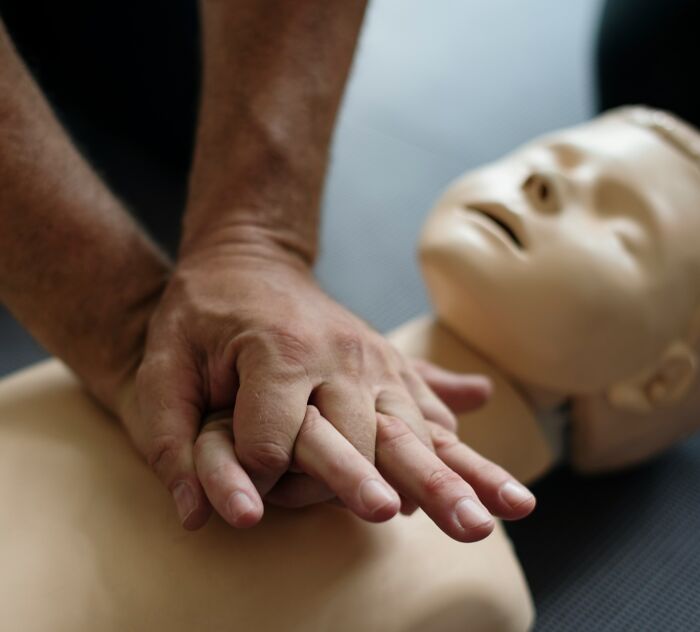
Image source: truhmeeka, Curated Lifestyle/Unsplash (Not the actual photo)
#14
That soluable fiber is what our bodies use to get rid of used bile, and if we don’t get enough in our diets, that bile stays in our system and gets re-used over and over, contributing to gall bladder sludge, stones and other issues. I suffered with gall stones for decades and all I was told was to avoid eating fat. Not a word about fiber from a single. solitary. GI. specialist.

Image source: i_am_also_me, Getty Images/Unsplash (Not the actual photo)
#15
That your feet and rib cage grow larger when you have a baby.
All of those pretty, expensive shoes I can’t wear anymore.
Image source: michellemainweaver, GK3000/Unsplash (Not the actual photo)
Another area where people often discover gaps in their knowledge is reproductive healthcare. ABC News highlights that many adults wish they had received more practical education about their bodies, personal boundaries, contraception, fertility, menstrual health, and sexually transmitted infections.
It covers the physical, emotional, and social aspects of relationships and intimacy, rather than focusing exclusively on reproduction or pregnancy prevention. Unfortunately, school lessons can sometimes be limited to basic biology, abstinence, or disease prevention because these subjects are culturally sensitive. As a result, people may enter adulthood without understanding important aspects of their reproductive health or knowing where to turn when they have questions.
#16
That your urethra and bladder have estrogen receptors. And during menopause lower estrogen can result in atrophy resulting in urgency and recurrent UTIs.

Image source: sam1swift2, Rynco Maekawa/Unsplash (Not the actual photo)
#17
That labor can last DAYS not just hours. I honestly didn’t know this was a thing until being in labor for 38 hours…

Image source: alisgro, Suhyeon Choi/Unsplash (Not the actual photo)
#18
Migraines are not “just headaches”. They can affect your whole body.
Image source: teemoneybaby, Valeriia Miller/Unsplash (Not the actual photo)
Comprehensive education can also help people understand consent, recognize healthy relationship boundaries, and make informed decisions about their wellbeing. Knowing how contraception works, understanding fertility, and recognizing changes in menstrual health can all be useful throughout adulthood.
Equally important is knowing that certain symptoms deserve medical attention rather than being dismissed out of embarrassment or uncertainty. People should feel comfortable discussing intimate health concerns with qualified professionals and asking questions when something isn’t clear.
After all, being able to access healthcare is only part of the equation; understanding the information being provided and feeling confident enough to act on it are just as important.
#19
That most high-grade serous ovarian cancers actually begin in the fallopian tubes, not the ovaries.
You can have your fallopian tubes removed while keeping your ovaries, which may significantly reduce your ovarian cancer risk without triggering surgical menopause.
It’s called a bilateral salpingectomy, and I wish more women knew it was an option worth discussing with their doctor.

Image source: late.july, Martha Dominguez de Gouveia/Unsplash (Not the actual photo)
#20
having low ferritin can actually be a cause of severe anxiety… and it can also lead to depressive like symptoms and you have to beg to get your ferritin levels checked because they will do you iron and hemoglobin and rbc and say it looks good mean while your ferritin will be at a 5 and be like um well no wonder i feel terrible.
Image source: nospicereads
#21
No one, including doctors, nurses, and people in my immediate family – like Mom and sister – ever told me that you bleed for weeks after giving birth.

Image source: machenmelissa, Brooke Cagle/Unsplash (Not the actual photo)
Beyond gaps in formal education, many people also grow up believing medical advice that turns out to be inaccurate. WebMD highlights several common misconceptions that have been repeated for generations, including the idea that cold weather or going outside with wet hair directly causes a cold.
In reality, colds are caused by viruses, meaning exposure to an infectious virus is necessary. Another familiar belief is that everyone needs to drink exactly eight glasses of water daily, even though hydration requirements vary depending on factors such as activity levels, climate, diet, and overall health.
Even basic first-aid practices can be misunderstood. Minor wounds generally heal better when cleaned and protected with an appropriate dressing rather than left exposed to dry out. Alcohol and hydrogen peroxide can also irritate healing tissue, making clean running water a better option for washing most everyday cuts.
#22
The existence of Lipoedema.
That it’s a connective tissue disorder, not obesity.
That it’s not caused by “letting yourself go”.
That the majority of the medical establishment either doesn’t know it exists, or chooses to blame women for their condition.
That women with it are gaslight & misdiagnosed daily.
Image source: ankasavasci, MART PRODUCTION/Pexels (Not the actual photo)
#23
Smelling 70% isopropyl alcohol helps nausea faster and more effectively than oral nausea meds. Found this out when I was hospitalized for preeclampsia and couldn’t stop vomiting. They couldn’t give me any more medicine but a beautiful nurse told me about this and I did some research and it’s my go to!!
Image source: getyourtacos, MART PRODUCTION/Unsplash (Not the actual photo)
#24
It wasn’t until my SECOND PREGNANCY that I learned via social media that the ovaries and fallopian tubes are not connected. AND the tubes have grabby fingers. They just float around in there and grab the egg before it gets lost in your pelvic cavity.

Image source: eliz.mcfer.g, Leah Newhouse/Pexels (Not the actual photo)
Other misconceptions concern things people do or experience regularly. Research has not established that cracking knuckles causes arthritis, despite how often people have been warned against the habit. The belief that sugar directly makes children hyperactive has also not been supported by controlled studies, suggesting that excitement and expectations may influence what adults observe.
Another persistent myth is that humans only use a small fraction of their brains, whereas research shows that virtually all brain regions have functions. Even fever is often misunderstood, as it is a natural response to infection rather than an illness in itself.
Understanding these distinctions can help people separate genuine health concerns from harmless habits and outdated advice. Ultimately, medical knowledge isn’t just about memorizing facts or knowing the names of different organs. It also means being willing to question familiar beliefs, seek reliable information, and ask healthcare professionals about things that don’t seem right.
#25
That ADHD looks different in girls and women.

Image source: disneybroad, Ivan S/Pexels (Not the actual photo)
#26
More types of cancer can be attributed to alcohol consumption than can be attributed to smoking cigarettes. The anti smoking campaign was constant (rightly) when I was growing up but I was never told once that boozing could give me cancer. I may have made different choices.

Image source: li5ajoy, Matheus Bertelli/Pexels (Not the actual photo)
#27
I have posted this before to a similar question but anyway…
The fact that when anatomy books were first being created in the 19th century, the men who wrote them decided that a small female organ called the Rete Ovarii, which sits beside the ovaries, was probably obsolete!
So it got removed from the anatomy books… and as a result, our knowledge.
That scientists ‘rediscovered’ it 2 years ago.
TWO YEARS AGO!
and so are only now studying its functionality.
Learning this made me incandescent.

Image source: lowdengirl, Suzy Hazelwood/Pexels (Not the actual photo)
It’s easy to assume that the most important things about our health are things we learned growing up, but that isn’t always the case. Medical knowledge keeps evolving, and plenty of everyday health facts are never properly explained until someone encounters them by chance.
Sometimes, a simple piece of information can completely change how we understand our bodies, rethink an old habit, or recognize something we had been overlooking for years. And considering how much there is still to learn about the human body, there’s a good chance that even the most health-conscious among us have a few gaps in their knowledge.
We would love to hear from you now. What’s a medical fact you discovered later in life that genuinely made you angry that nobody had explained it sooner? Let us know in the comments!
#28
That your body never works against you, even if you have the impression that it does. It’s always trying to protect you and give you signals if something is off – not to annoy you but to alert you that it maybe lacks something. Be kind, gentle and patient with your bodies.

Image source: _zeisigwald_fee_, Liza Summer/Pexels (Not the actual photo)
#29
My “depression” that I was diagnosed with for 15 years (I’m 27), was actually just cripplingly low iron. I now get iron infusions quarterly.
Image source: erin_posey6404, Pavel Danilyuk/Pexels (Not the actual photo)
#30
You need things like B12, iron, and vitamin D because they help your body make healthy red blood cells and if you don’t have enough of those vital nutrients your organs don’t get enough oxygen.

Image source: 1919bungalow, Timo Volz/Unsplash (Not the actual photo)
#31
I didn’t know until nursing school that you can take Tylenol and Ibuprofen at the same time. Now it’s all I ever do because it’s EFFECTIVE.
Image source: michelleymelts
#32
Decidual casts. Most women will never have to deal or see them but if you do it’s nice to be prepared. It’s when your menstrual cycle sheds the uterine lining in one piece. So it’s in the shape of your uterus.
Image source: lstarkey85
#33
Postpartum RAGE. And that it can happen after a pregnancy loss.
Image source: me.bee
#34
Your eggs literally explode (like rupture) out of the follicle and into your abdominal cavity and just FLOAT AROUND in your guts until your fallopian tube “fingers” dig around and find them.
And sometimes those fingers can reach ACROSS your abdomen to the opposite side of you to grab the egg.
Image source: tina.rexfield.author
#35
Discharge that causes bleaching in underwear (as long as it has no order/weird consistency/smell) is completely normal.
Image source: lackingsarahtonin__
#36
That your uterus could literally fall out of your body. How is that not discussed??
Image source: agm91115
#37
That the fall in oestrogen levels during menopause can be catastrophic for your private parts, vulva and urinary tract, causing genito urinary syndrome of menopause. It can be a debilitating, painful condition, and it can lead to urosepsis in older women – and
It’s easily treatable for the vast majority of those with GSM – and yet it’s still under diagnosed and woefully under treated.
We need to talk about it more. Make time to learn the symptoms and protect yourself.
Image source: menopausery
#38
That female private parts can atrophy and prolapse if menopause goes untreated. Physical structures, can shrink. I had NO idea!
Image source: canwepleasestopthisinsanity
#39
That endometriosis is not just period pain. It is a whole body issue.
Image source: honeybirdtravel
#40
Breastfeeding might be natural. That doesn’t mean it comes naturally.
Image source: yana.shoots
#41
Menopause is not a function of our reproductive system. It’s a neurological upgrade in our brains preparing us for our second role in human evolution. Men do not get this upgrade – nature prefers that they focus on protection, help and reproduction. For women it’s that as well as an additional role: leading.
Image source: arie7lle
#42
The permanent damage giving birth does to your body, even when it goes well.
Image source: jbuteratx
#43
The correct amount of pain to experience on a daily basis is zero. I’ve had head, neck, and back pain consistently since childhood.
Image source: _patricia_diane_
#44
Weight lifting helps fortify your bones.
Image source: _ali.zamora_
#45
I learned that your cervix moves up and down depending on where you’re at in your cycle.
I also just learned that dense breast tissue and breast cysts show up white on an ultrasound, and so do tumors, so they are harder to distinguish if you have dense tissue or cysts.
Image source: cmaya311
#46
That “calories in/calories out” doesn’t work for weight loss when you are dealing with insulin resistance, thyroid disorder or excess cortisol. Or all three, like in my case!
Image source: healingwithheart
#47
Women’s heart attacks are missed often because women measure pain differently (not experience pain differently). I had a heart attack this year, so I can confirm this. The pain was less than period cramps.
Image source: ameliand3
#48
A symptom of constipation is diarrhea. If you’re constipated, the liquids move around the stuck solids in your colon. If you’re a tummy issue person, try treating constipation instead of diarrhea. Make sure you eat plenty of fiber!
Image source: andrea963
#49
Vomiting and extreme pain during your heavy period is not normal. I didn’t find out till I hit menopause.
Image source: lynne_waremares
#50
Not one person ever mentioned that you can suddenly grow skin tags all over your body during pregnancy. I didn’t get an insane amount and they mostly went away one their own a year or so postpartum, but *how* did no one ever mention this?! Ever??
Also, no one told me about postpartum pre-eclampsia. What a fun, isolating experience that was.
Image source: readbyashley
#51
When you have abdominal surgery and your intestines are partially taken out/moved, the doctor just places them back in and they eventually wiggle around into the correct position.
Image source: kelly.may33
#52
Women can literally get psychotic if they have an untreated UTI. Feeling insane? Head to urgent care!
Image source: jerrilynm
#53
That SSRIs make you heat sensitive.
Good lord, so much made sense after I learned that!!
Image source: books.with.becc
#54
letdown anxiety while breastfeeding.
Image source: thatmorgangirl
#55
God, where to start. Ovulation pain is probably the first one; thinking it was trapped wind or random stomach ache rather than what it actually was.
Image source: suelopez2022
#56
That women don’t have better pain tolerance than men. They’re just expected to tolerate more. .
Image source: jlstoon
 Follow Us