Taking care of family and the people we love is something that comes naturally to many of us. If someone close to us is going through a difficult time, especially when a child is involved, it can be hard to simply stand by and do nothing. But when helping someone also means spending a significant amount of money, things can get a lot more complicated.
Take this story, for example. A woman shared how she decided to help cover a child’s medical bill, believing she was simply doing what was right for her family. But the decision caused a serious disagreement with her now-husband and left her questioning whether she had crossed a financial boundary in their relationship. Keep reading to find out what happened.
Helping adult children financially can sometimes cause tension between couples, especially when stepparents are involved

lenblr / Magnific (not the actual photo)

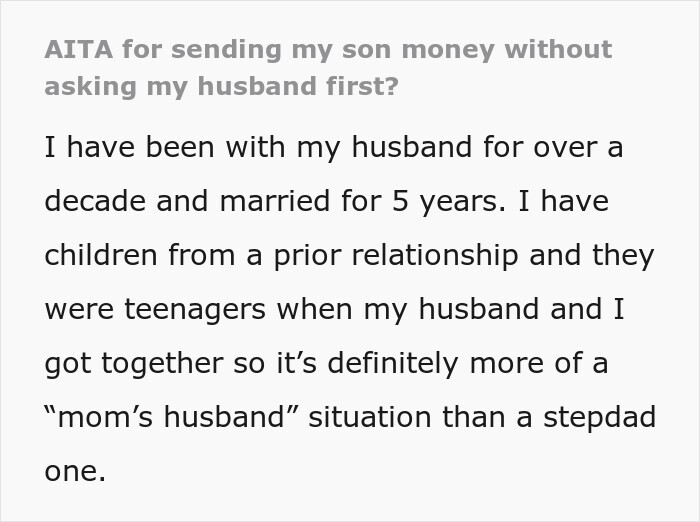
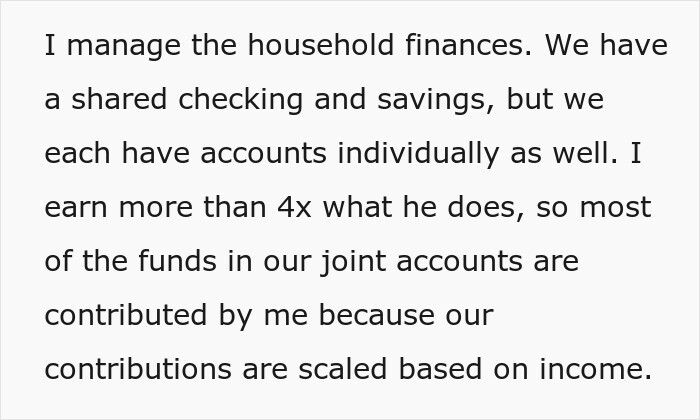
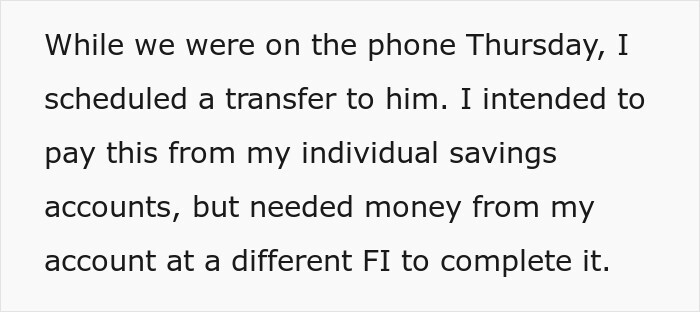
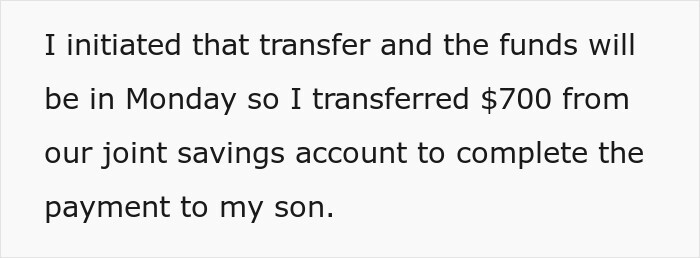
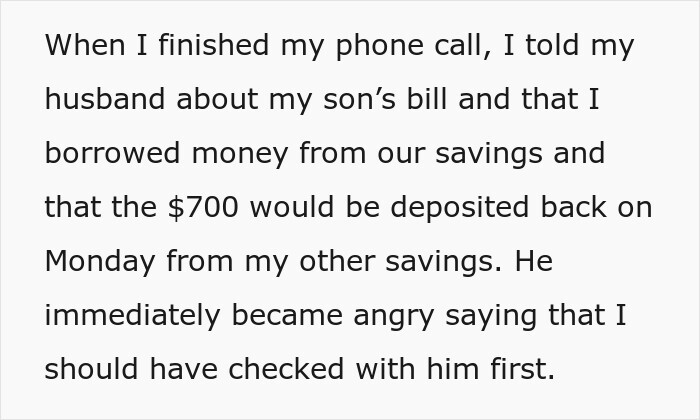
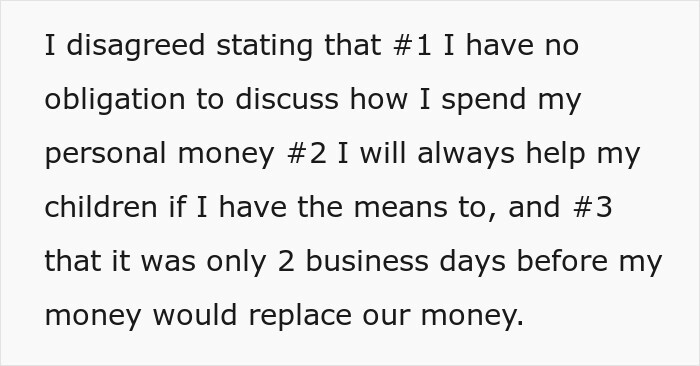
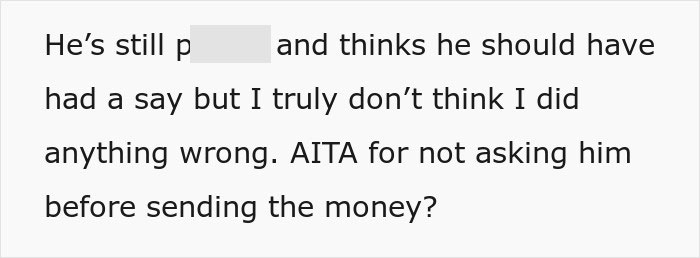
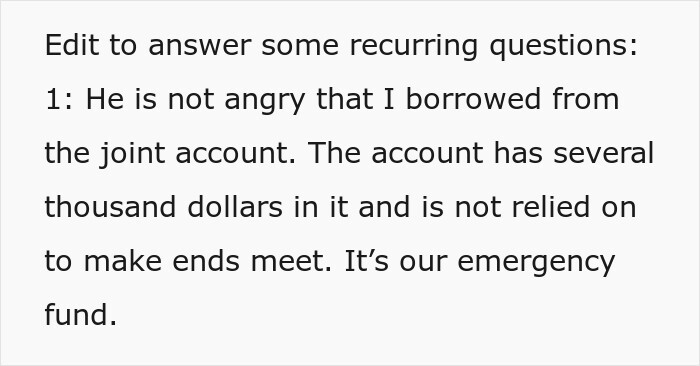
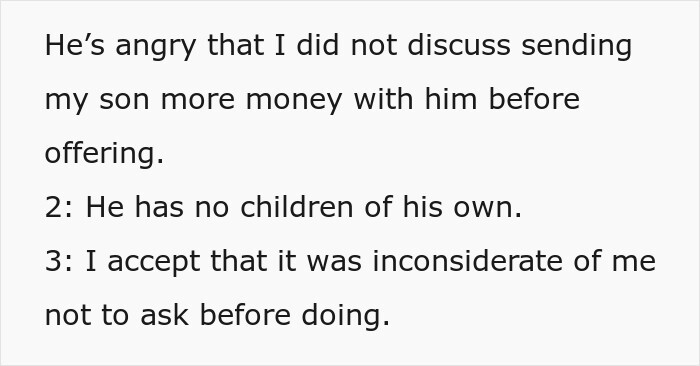
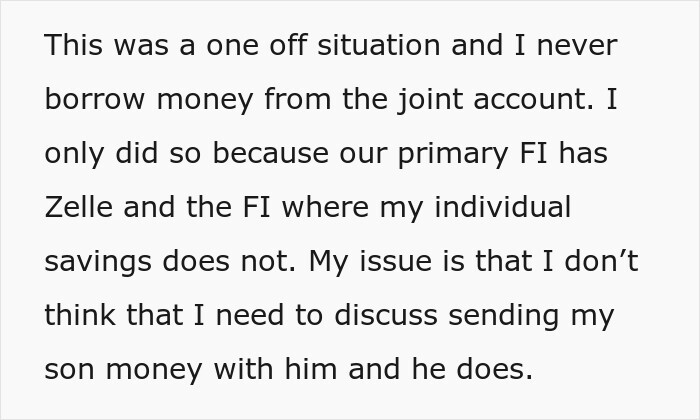
A woman shared how using money from a joint account to help her son led to a heated argument with her husband



user17340861 / Magnific (not the actual photo)


SkelDry / Magnific (not the actual photo)
For some couples, separate finances offer more privacy, independence, and spending freedom
It’s 2026, and let’s be honest: the way we live isn’t quite what it used to be, and that’s not necessarily a bad thing. Influencers have turned content creation into full-time careers, AI is changing the way we work and communicate, and even the idea of what a “traditional” life looks like is becoming more flexible.
Relationships are changing too. Couples today have more freedom to decide where they want to live, whether they want children, how they want to spend their money, and what kind of life they want to build together. Concepts like DINK (dual income, no kids) have become more visible, and financial arrangements within relationships are evolving alongside them. Rather than automatically putting every euro or dollar into one shared pot, some couples are choosing systems that give them both teamwork and a sense of financial independence.
Data from the U.S. Census Bureau’s Survey of Income and Program Participation gives us an interesting look at just how much these arrangements have changed. The idea that couples should automatically combine all their money is becoming less universal. The percentage of couples without any joint bank accounts increased from 15% in 1996 to 23% in 2023. That might sound like a relatively small change, but it reflects a broader shift in how couples think about money and independence. For some people, separate accounts don’t signal a lack of trust; they simply mean maintaining a little financial space of their own.
Even couples who share finances don’t necessarily put all their money into one account. In 2023, around 77% of married couples with financial assets had at least one joint account, down from 85% in 1996. So, while joint finances remain common, many couples prefer a mix of shared and personal accounts. Think of a joint account for rent, bills, and groceries, with separate accounts for personal spending. This approach lets you manage expenses together while keeping some financial independence.
Privacy and independence are also reasons why some couples prefer keeping their finances separate. A survey highlighted by The Guardian found that personal freedom can influence how couples manage money. After all, having your own account means you can spend on hobbies, holidays, or little treats without explaining every purchase. And for many, it’s not about keeping secrets, but simply having some financial freedom.
Keeping finances separate can be helpful when couples have different spending habits. After all, one person might carefully budget every expense, while the other enjoys splurging on dinners or holidays. Having some money of their own allows both partners to spend without constantly having to justify their purchases. Of course, this arrangement may work better when both earn similar amounts and are financially comfortable.
But what happens when there’s a big income gap? As The Guardian highlighted, lower-earning partners can sometimes feel pressured to keep up with expensive lifestyles they can’t afford. Others may feel financially insecure living in a home owned entirely by their partner. Over time, these differences can affect someone’s independence and even create resentment in the relationship.

cookie_studio / Magnific (not the actual photo)
Ongoing financial stress can affect a couple’s well-being, not just their bank balance
Of course, the way couples divide their money is only part of the story. What often matters just as much is how comfortable they are talking about it. Money Mentors, an Alberta-based nonprofit, found in its 2025 survey that 47% of participants said they had argued with their partner about money, while 10% said financial stress had made them consider ending their relationship. Those numbers show just how emotional finances can become.
Financial stress can also take a toll on your sleep, mood, and relationships. After all, when you’re constantly worrying about bills or unexpected expenses, even small disagreements with your partner can turn into bigger arguments. Sometimes, it’s not really about the money itself, but the stress that comes with it.
Broader economic factors can also make financial equality in relationships difficult. Gender pay and pension gaps, along with career breaks for caregiving, can affect how much each partner earns and saves. For instance, a 2024 Statistics Canada study found that women aged 25 to 64 working full-time earned around 70 cents for every dollar men earned. Differences in income and financial confidence can make money conversations between partners even trickier.
And when it comes to managing finances as a couple, there’s no one-size-fits-all solution. Some prefer joint accounts, others keep their money separate, and many choose a mix of both. What matters is that both partners feel comfortable with the arrangement and can communicate openly. After all, a healthy financial partnership should make both people feel secure, respected, and supported.
Returning to today’s story, it seems the couple had different expectations about managing their money. While the husband’s concerns were understandable, his reaction seemed a little harsh, especially since the author offered to replace the money. Perhaps clearer communication and boundaries could have prevented the disagreement. What do you think, pandas? Was the husband’s reaction justified, or did he overreact?
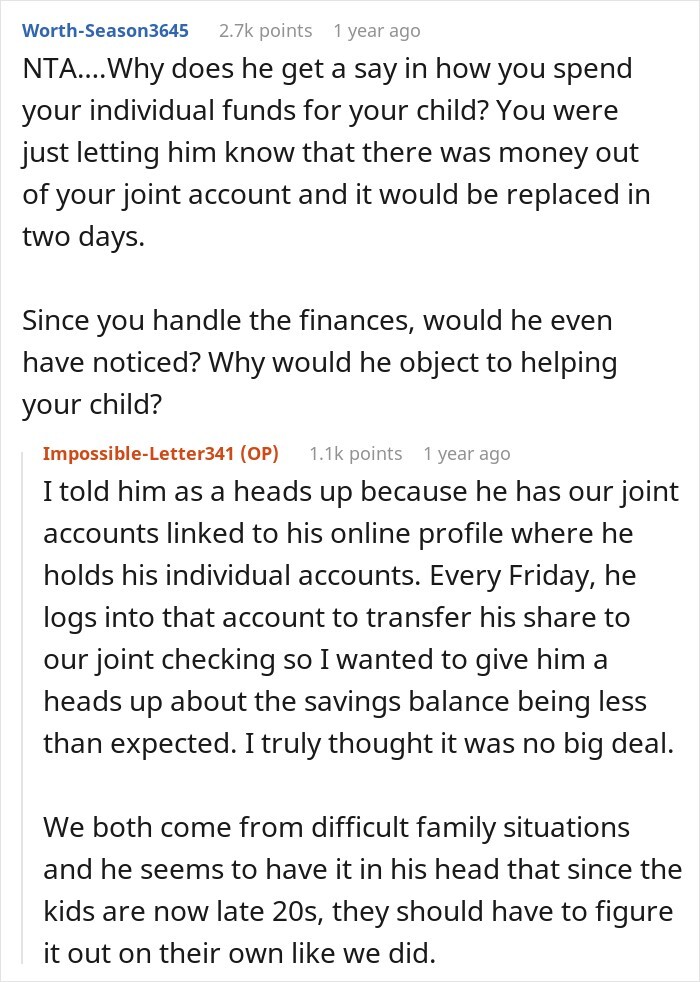
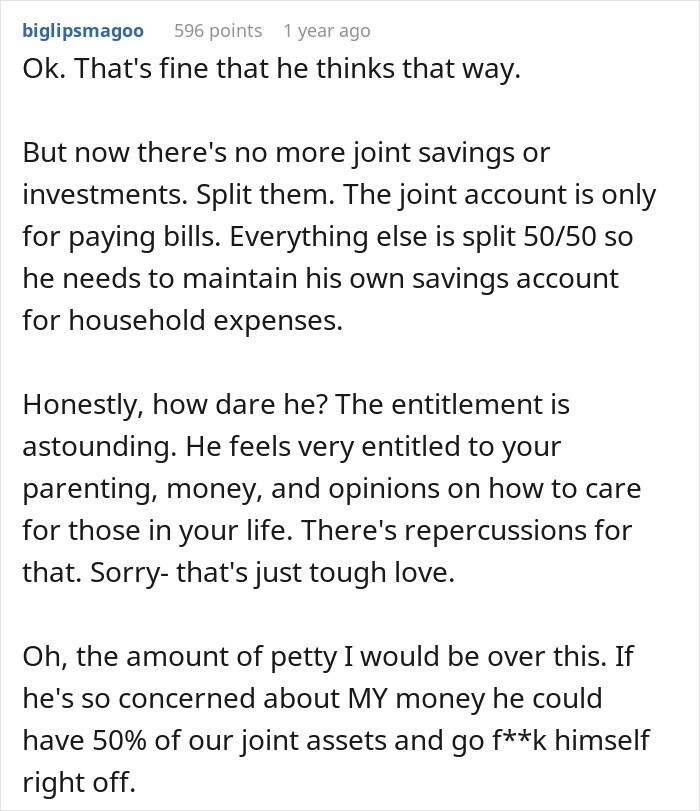
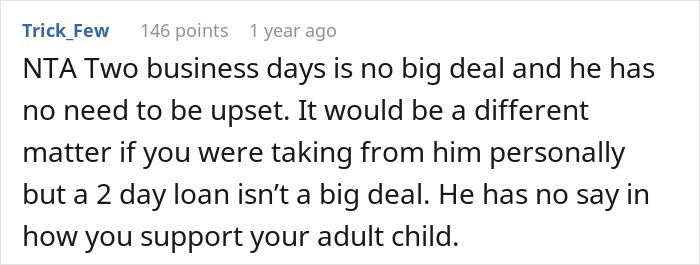
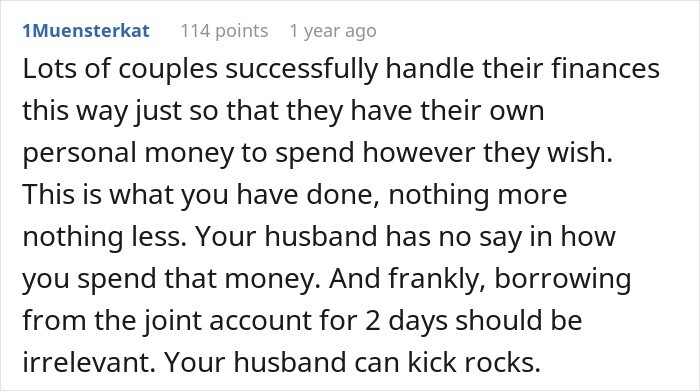
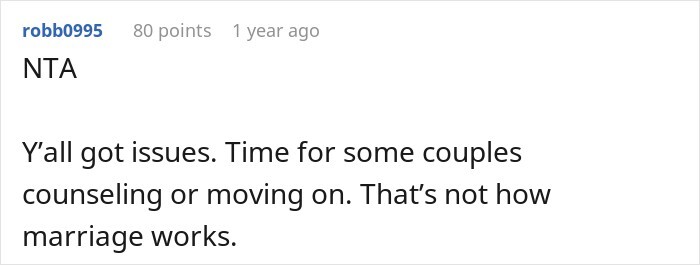
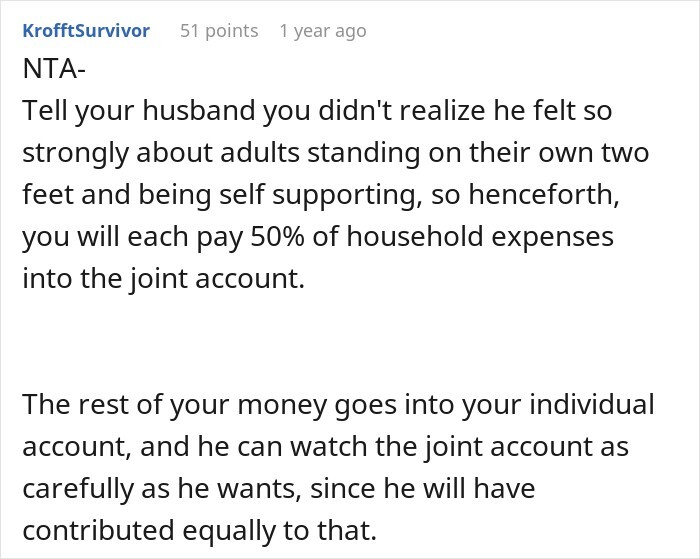
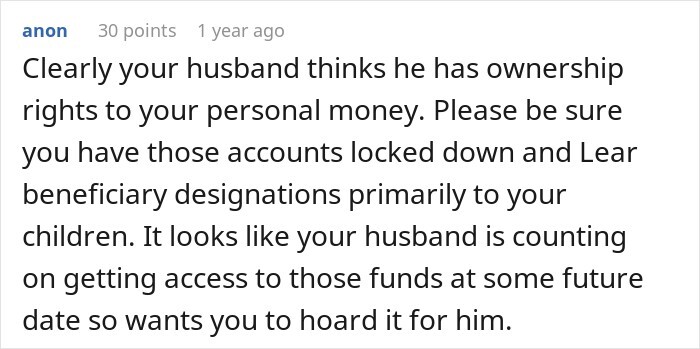
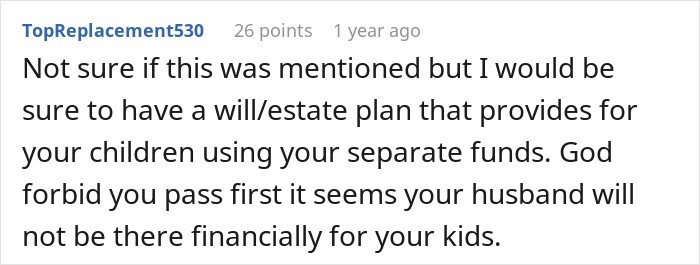
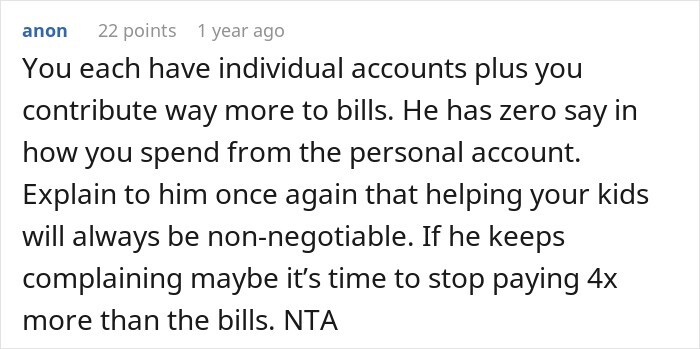
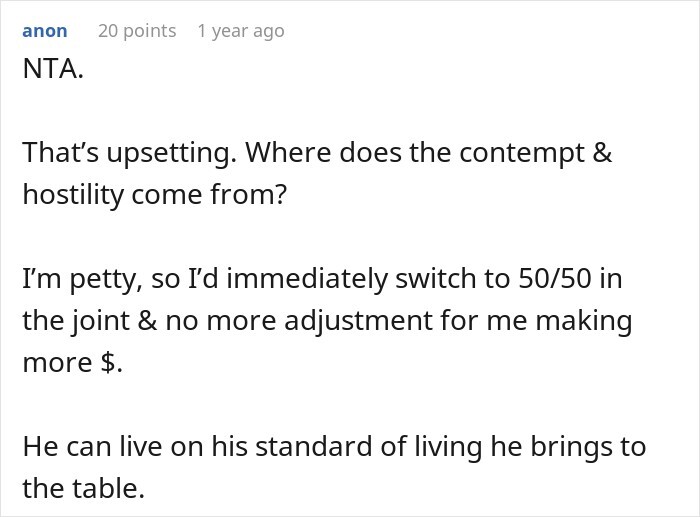
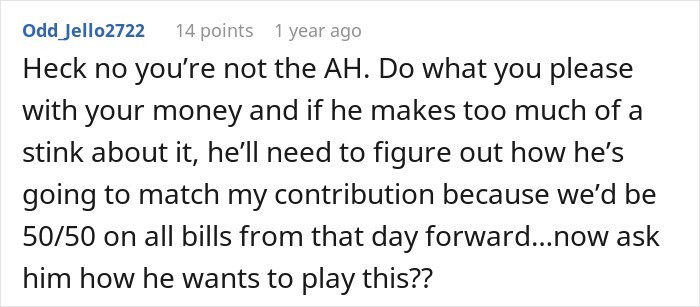
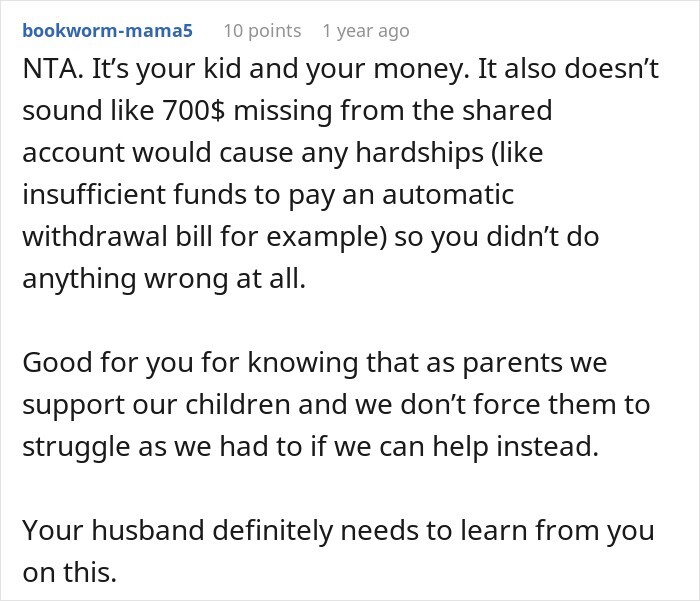
People were quick to point out that her husband’s reaction was a major red flag








 Follow Us