Many people believe that marriage means complete transparency—that couples share everything, from the smallest daily details to their deepest thoughts and emotions. It’s comforting to think that nothing is hidden between two people who love each other. But reality isn’t always that simple. Even in the closest relationships, secrets can exist… and sometimes, they’re far more unsettling than anyone expects.
For instance, one pregnant woman shared how an ordinary day of cleaning turned into something she could never have prepared for. While sorting through a closet, she stumbled upon a hidden box and what she found inside made her stomach drop. It was filled with intimate photos of her, along with deeply personal items she didn’t even know had been kept. Keep reading to know what happened next.
Keeping secrets in a relationship can lead to confusion, mistrust, and unnecessary drama
cottonbro studio / Pexels (not the actual photo)

A pregnant woman was left baffled after discovering that her husband had hidden her intimate belongings among his own possessions
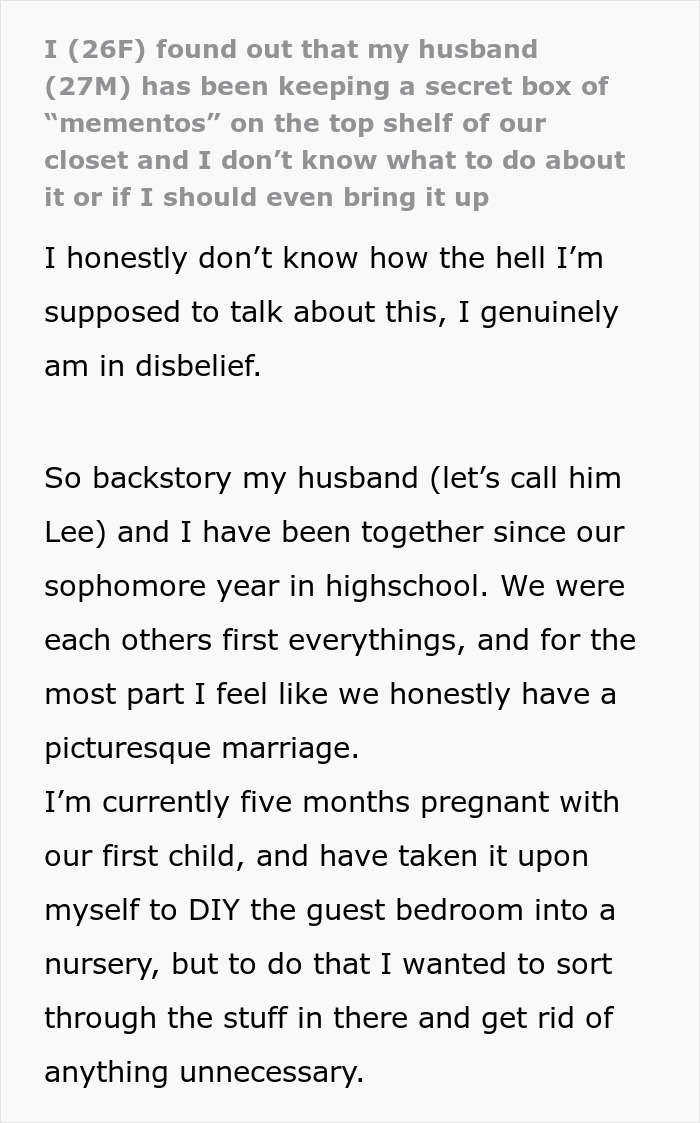
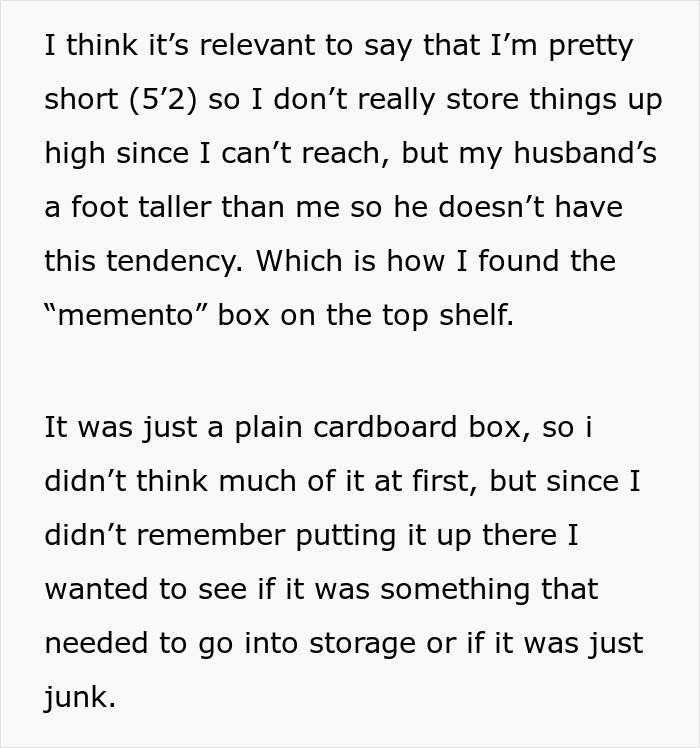
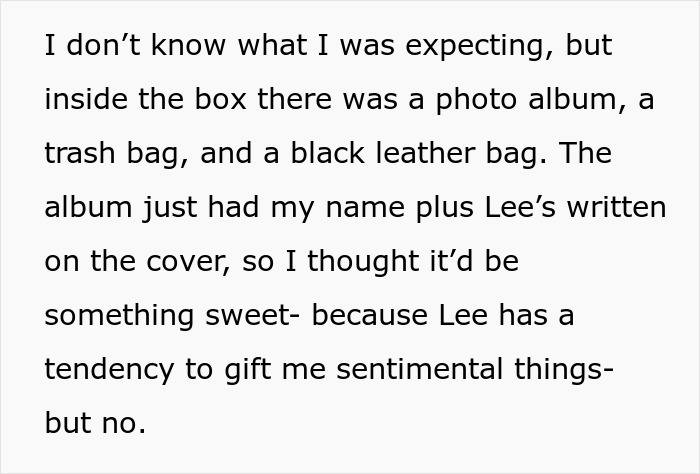

fish socks / Pexels (not the actual photo)



stefamerpik / Magnific (not the actual photo)
People were quick to point out that taking creepy photos of someone without their consent is unacceptable, even if that person is your wife
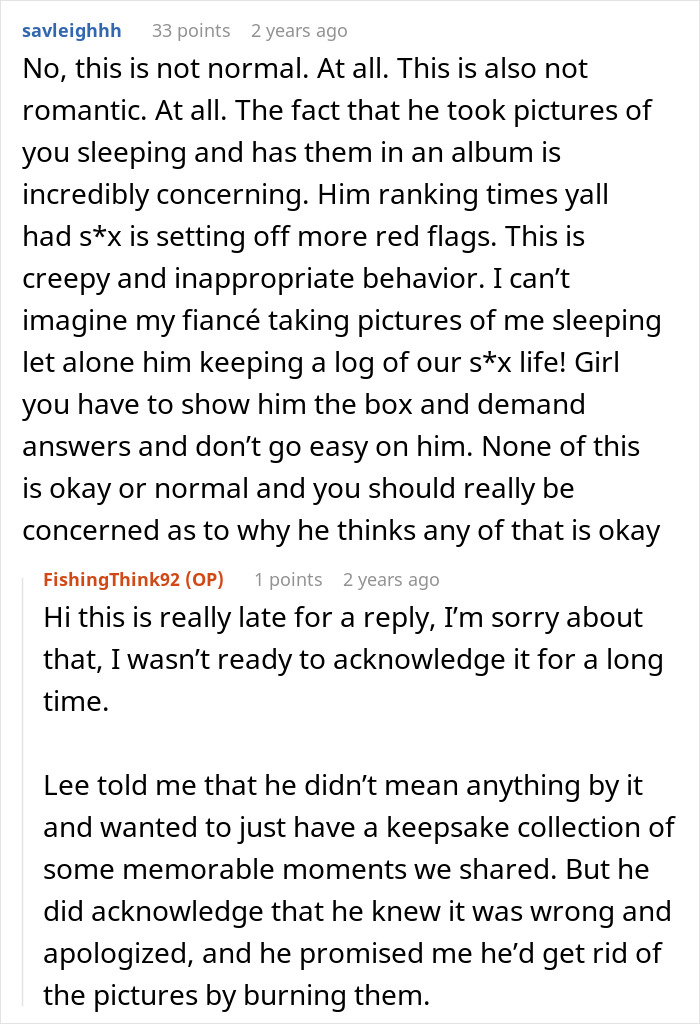
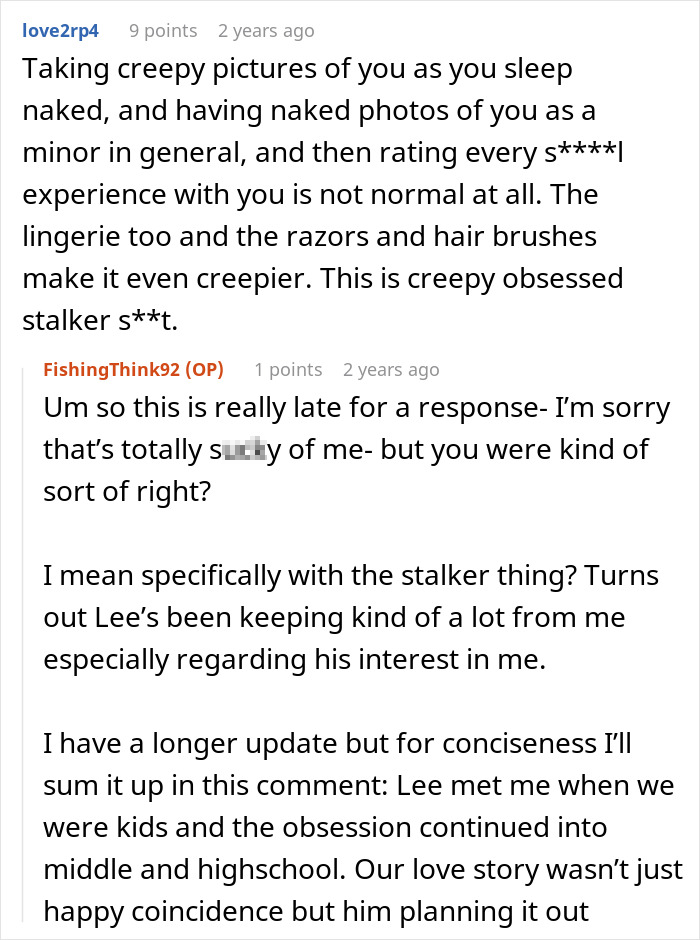
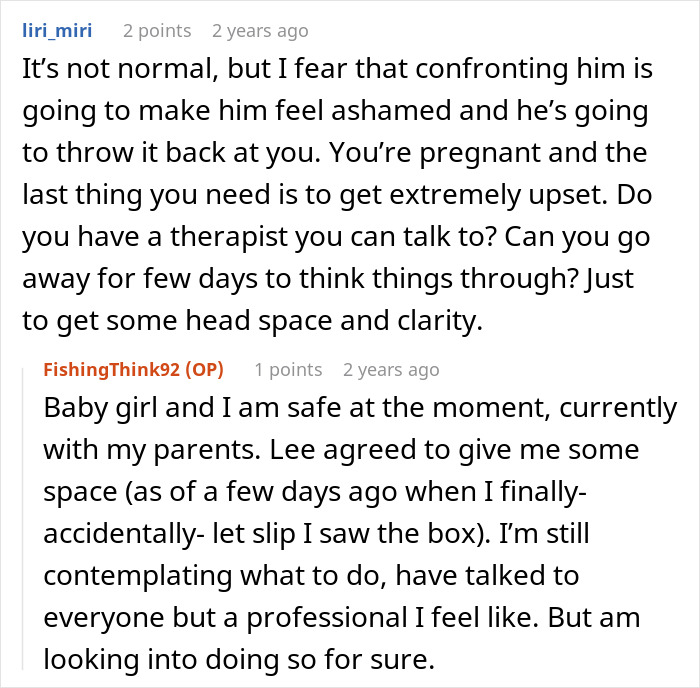
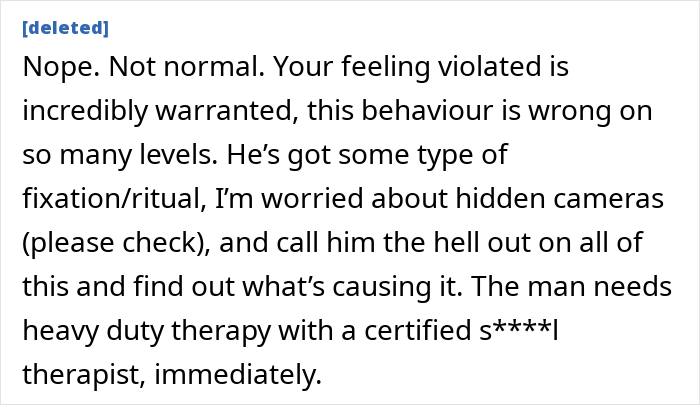



When a partner frequently gaslights you, it’s often a clear sign that the relationship dynamic has become unhealthy and emotionally damaging
Falling in love can feel magical—the butterflies, the excitement, and the way even the smallest things suddenly seem special. But when you’re caught up in the honeymoon phase, it’s easy to let your feelings do all the thinking. Red flags can seem like harmless quirks, jealousy can masquerade as passion, and emotional highs and lows can make a relationship feel more exciting than it actually is. Sometimes, what looks like a fairytale romance from the outside may tell a very different story behind closed doors.
In her book All About Love: New Visions, author bell hooks explores the concept of cathexis, which refers to the emotional or mental energy we invest in a person, object, or idea. She highlights how easily we can confuse intense attraction, infatuation, or emotional dependency with love. But while those initial feelings can be exciting, they don’t necessarily make a relationship last. Real love requires something deeper: a conscious choice to care for each other, show up when things get difficult, and prioritize each other’s well-being.
So, what does healthy love actually look like? According to HelpGuide, a healthy relationship isn’t about chasing constant excitement or riding an emotional roller coaster. It’s built on trust, stability, and mutual respect. You feel safe enough to be yourself, speak your mind, and express your feelings without constantly worrying about judgment or rejection. Both partners encourage each other’s growth, respect boundaries, and maintain their individuality. After all, love shouldn’t mean losing yourself in someone else. It should mean having someone by your side who makes you feel supported, valued, and free to be who you are.
As Sherry Gaba, LCSW, a licensed psychotherapist and life coach, explains in Psychology Today, unhealthy love often shows up as imbalance and control rather than connection. Instead of two people meeting as equals, one person may dominate or hold more emotional power. This kind of dynamic can lead to anxious attachment, where one partner becomes overly dependent, clingy, or constantly worried about the future of the relationship. Over time, this creates tension, insecurity, and emotional exhaustion rather than comfort and trust.
Warning signs of an unhealthy relationship aren’t always loud or obvious; they can start small and gradually grow. The UW–Madison Police Department highlights several warning signs that can quietly creep into relationships. These include behaviors like checking your phone or social media without permission, putting you down (especially in front of others) isolating you from friends or family, or showing extreme jealousy and possessiveness. These actions might seem small at first, but over time, they can create an environment of control and discomfort.
There are also more subtle but equally harmful behaviors to watch out for. Financial dishonesty, gaslighting, guilt-tripping, hostility, or intimidation can slowly erode trust and emotional safety. Gaslighting, in particular, can make someone question their own reality, while constant guilt or pressure can make it hard to speak up or set boundaries. These behaviors don’t just hurt in the moment—they build over time, often leaving a person feeling confused, drained, and unsure of themselves.
As highlighted by Verywell Mind, another major sign of an unhealthy relationship is imbalance. When one person is constantly giving (emotionally, mentally, or even physically) while the other takes or disengages, it creates a one-sided dynamic. Over time, this can leave the more invested partner feeling unsupported, unappreciated, and emotionally exhausted. Relationships are meant to be shared efforts, and when that balance is missing, it can slowly wear down even the strongest connections.
It’s important to be upfront and have open, honest conversations about what’s bothering you before issues start to build up and affect the relationship further
That said, not every unhealthy pattern means the relationship is beyond saving. Sometimes people fall into negative habits without realizing it, and with awareness and effort, change is possible. The first step is acknowledging that something isn’t working and being willing to address it openly. Both partners need to take responsibility and actively work toward healthier patterns, rather than ignoring issues or hoping they’ll fix themselves.
Understanding your own emotional needs is just as important. What makes you feel safe, respected, and valued in a relationship? Identifying those needs and communicating them clearly can make a huge difference. Honest conversations, even when they’re uncomfortable, help build stronger connections. Setting boundaries isn’t about pushing someone away; it’s about creating a space where both people can feel secure and respected.
While personal effort and communication go a long way, sometimes outside support can provide clarity and direction. A mental health professional can help identify unhealthy patterns, offer tools for better communication, and guide both partners toward healthier dynamics. Therapy isn’t just for relationships in crisis—it can also be a proactive way to strengthen a connection and build a more solid foundation.
Ultimately, if a relationship continues to feel overwhelming, unsafe, or deeply unbalanced despite repeated efforts to fix it, it’s important to recognize when it may be time to let go. Staying in a situation that consistently drains you or compromises your well-being can do more harm than good. Walking away isn’t always easy, but sometimes it’s the most powerful way to protect your peace and prioritize your emotional health.
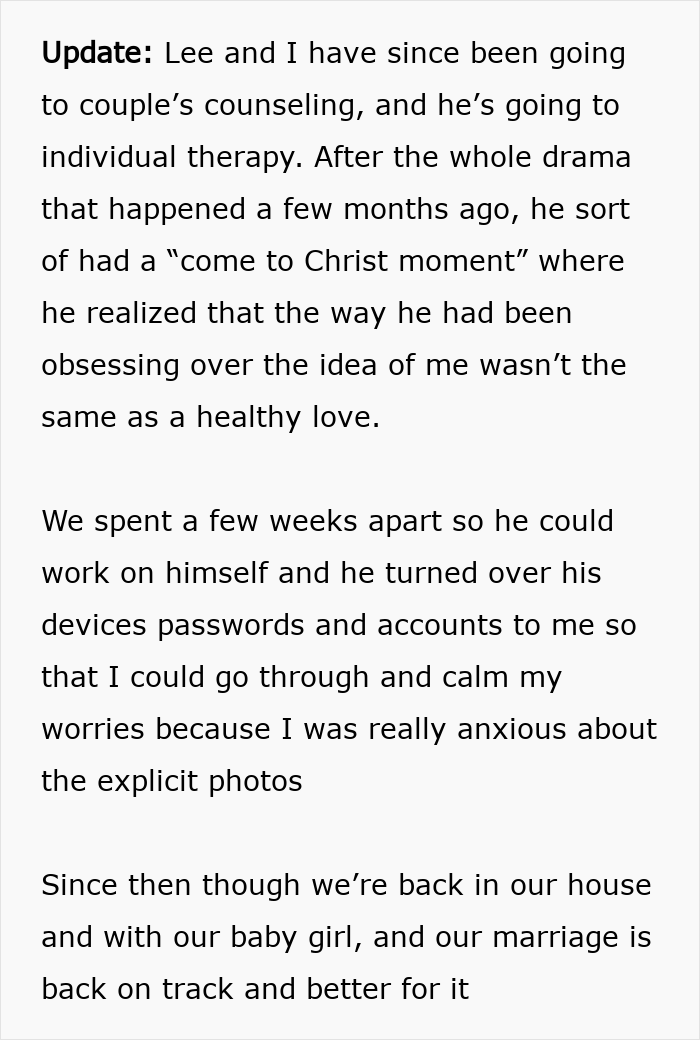
In this particular case, it appears that the man’s attachment to his wife started to feel increasingly intense and, at times, borderline unhealthy. However, after the wife confronted him, he acknowledged the issue and showed willingness to seek help and reflect on his behavior. Hopefully, with time, support, and honest communication, things can move in a healthier direction for both of them. What are your thoughts on unhealthy patterns in relationships—where do you think the line should be drawn?

Drazen Zigic / Magnific (not the actual photo)
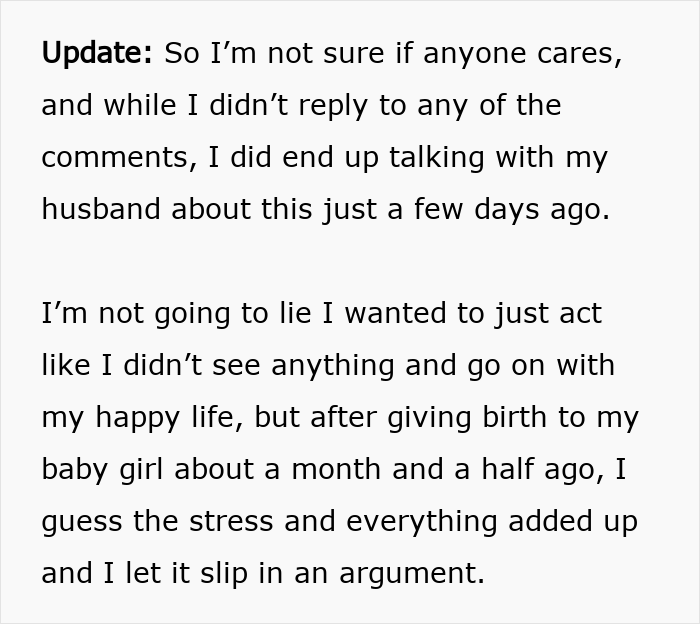
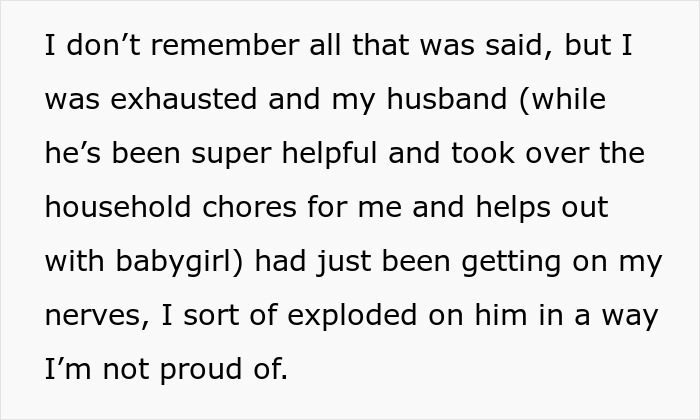
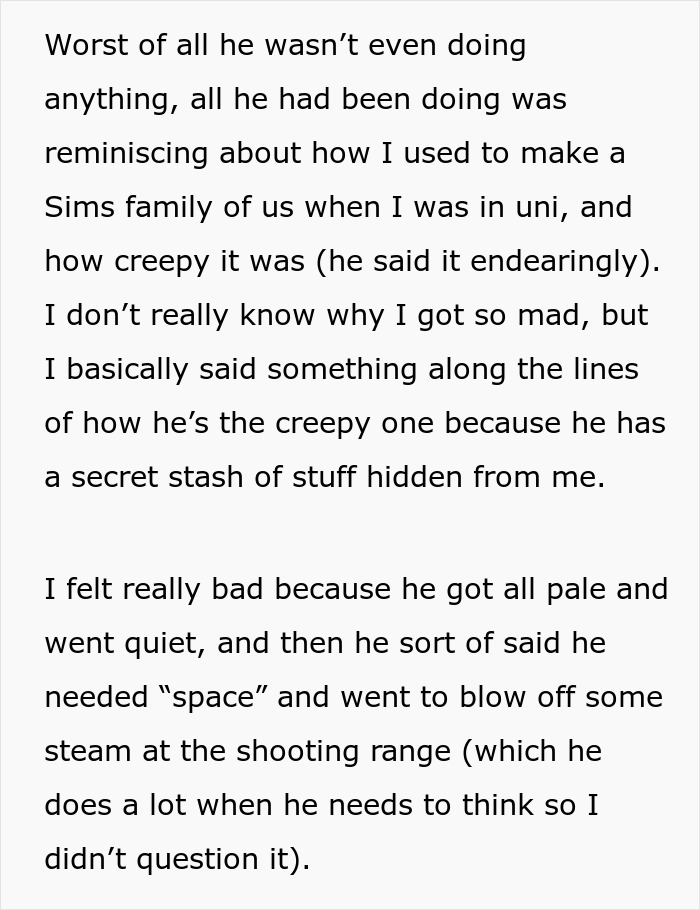
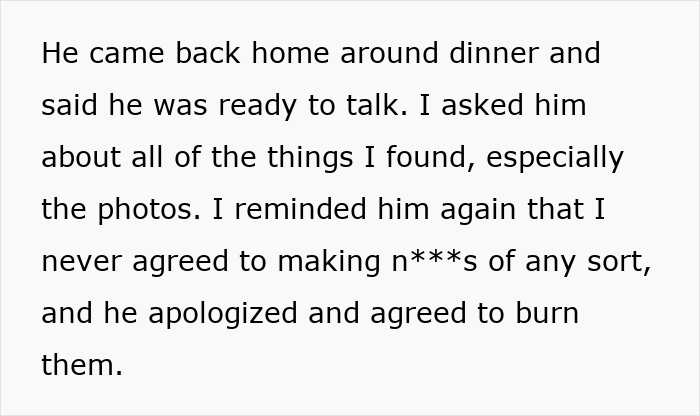
The woman eventually confronted her husband about the disturbing discovery

MART PRODUCTION / Pexels, ai-assisted image

Ketut Subiyanto / Pexels (not the actual photo)


RDNE Stock project / Pexels (not the actual photo)

benzoix / Pexels (not the actual photo)
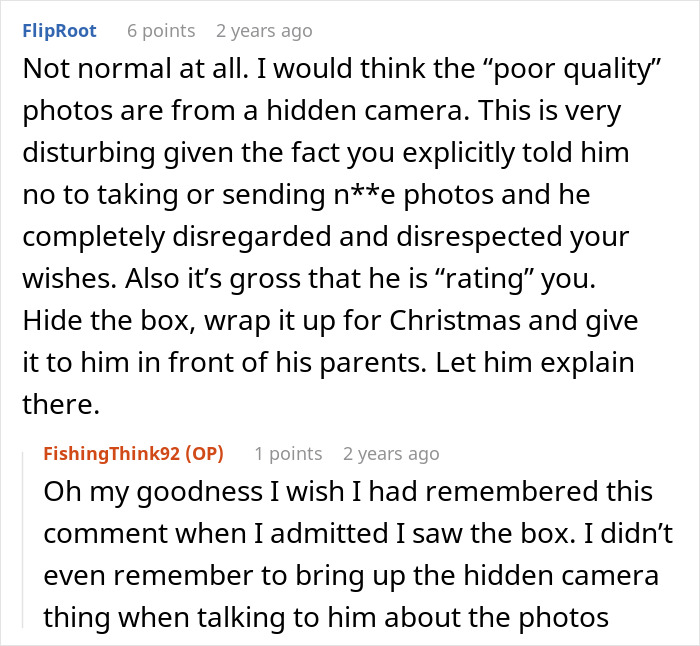
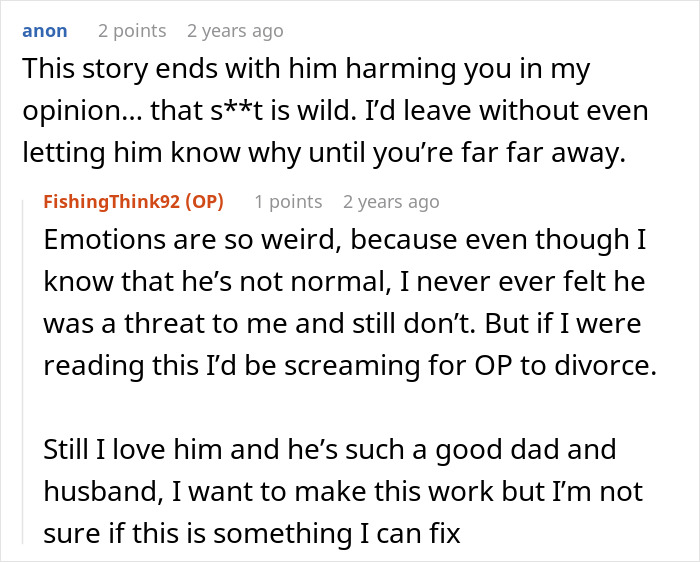
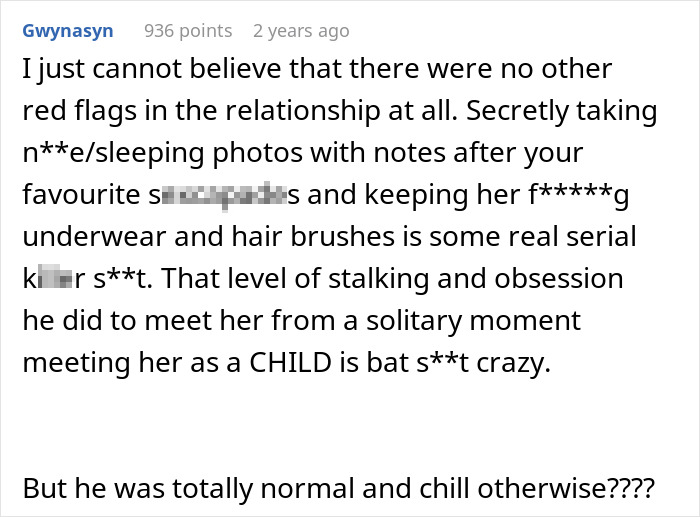
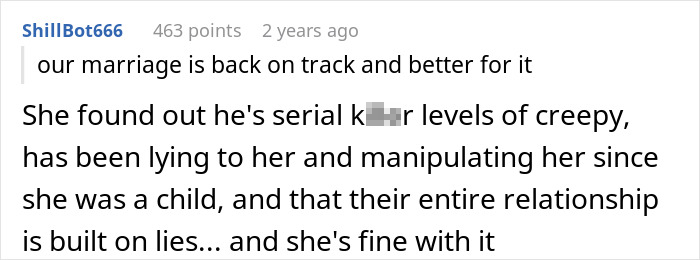
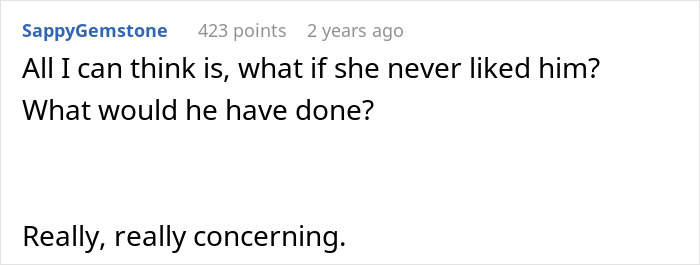
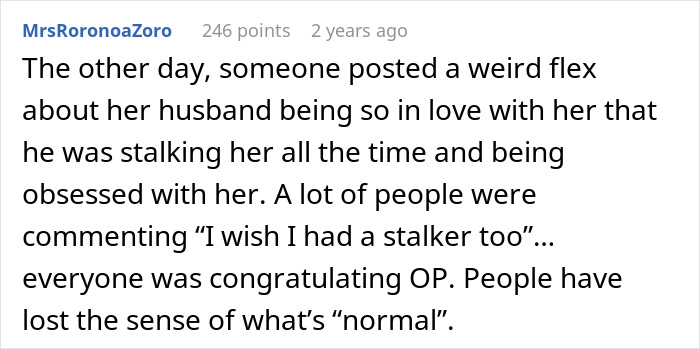
Readers warned the woman that her husband’s behavior raised serious concerns and shouldn’t be brushed aside




Vitaly Gariev / Pexels (not the actual photo)
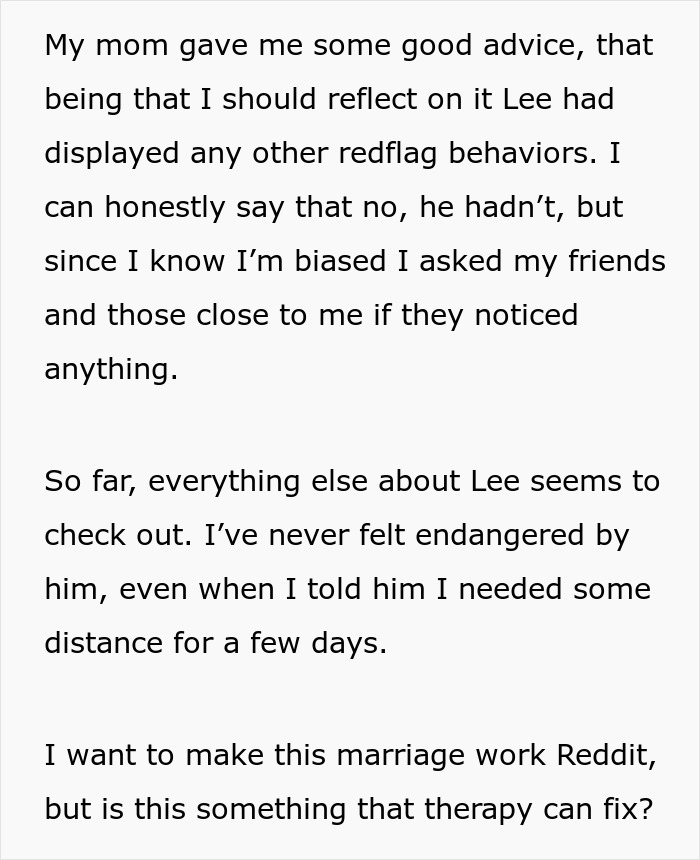
The woman later revealed that she and her husband had started therapy to work through the situation

Gustavo Fring / Pexels (not the actual photo)
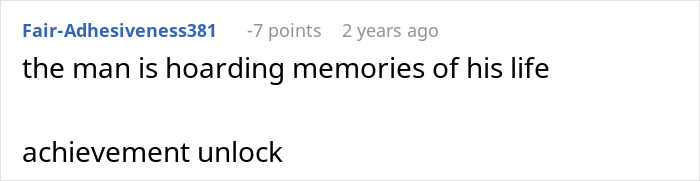
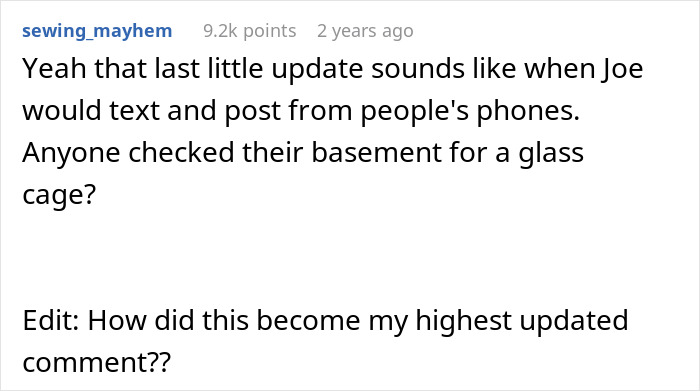
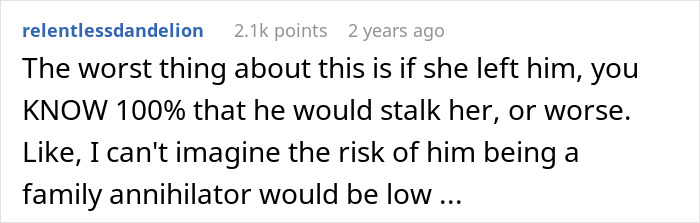
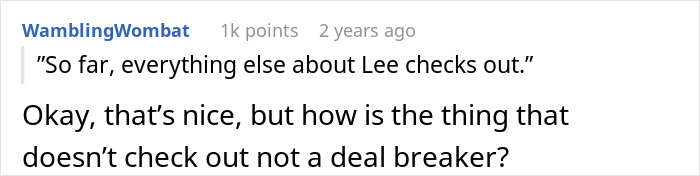
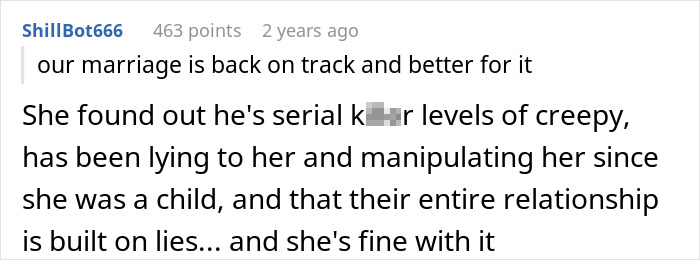
However, many people weren’t convinced that giving her husband a second chance was the right decision







 Follow Us